Do Wine Stain Removers Actually Work?
The good ones work well and mostly contain the same oxidising agent you can buy as a tub of laundry booster for a fraction of the price.
By Cleaning Guides Team
3 Jun 2026

Stain removal is mostly about doing the right thing in the first five minutes and not doing the wrong thing at all. These guides are organised by what caused the mark rather than by product, because the chemistry differs: protein stains need cold water, grease needs the opposite, and heat sets several of them permanently. Every guide says what to do first, what to avoid, and when a stain is not coming out.
The good ones work well and mostly contain the same oxidising agent you can buy as a tub of laundry booster for a fraction of the price.
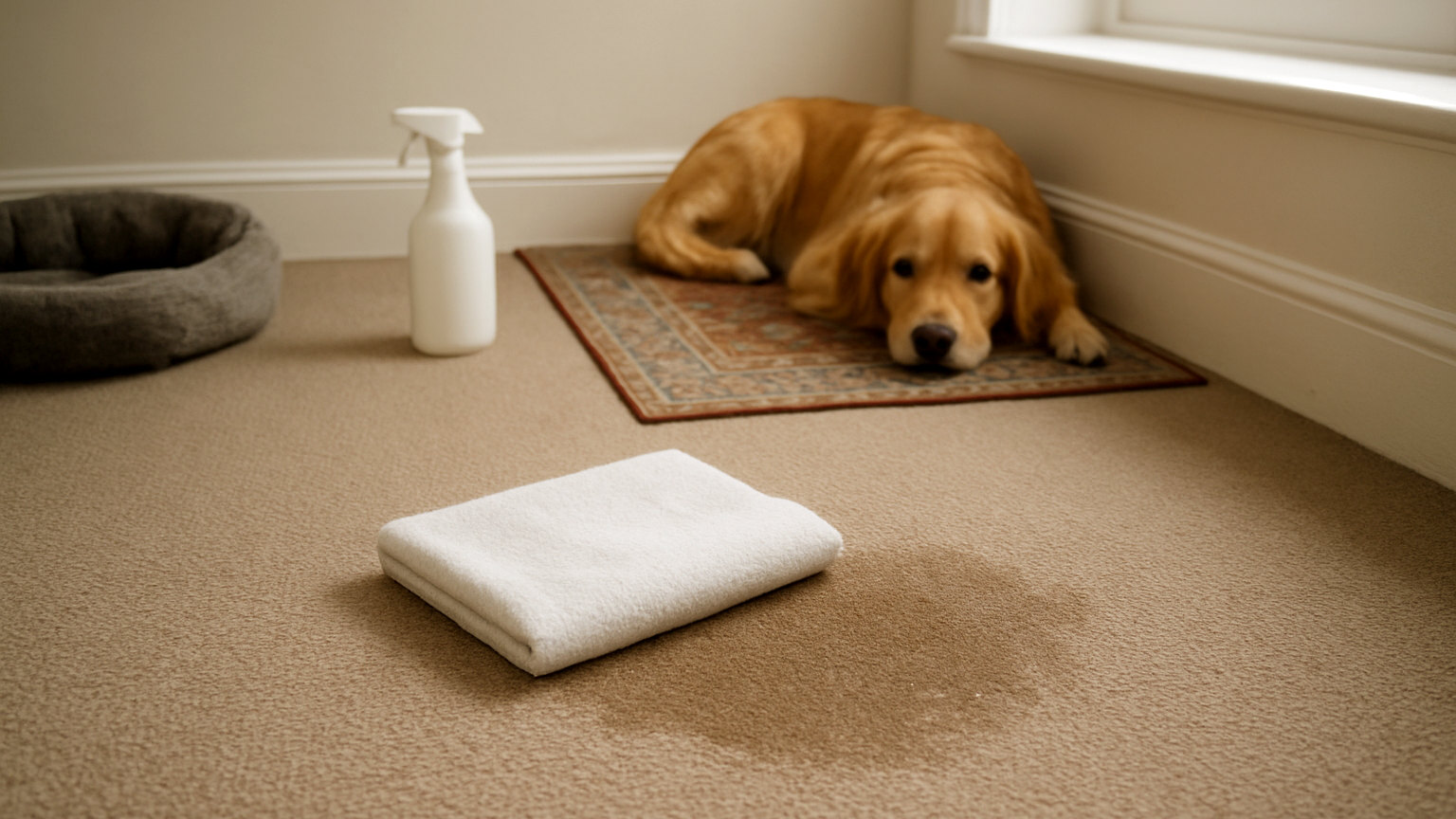
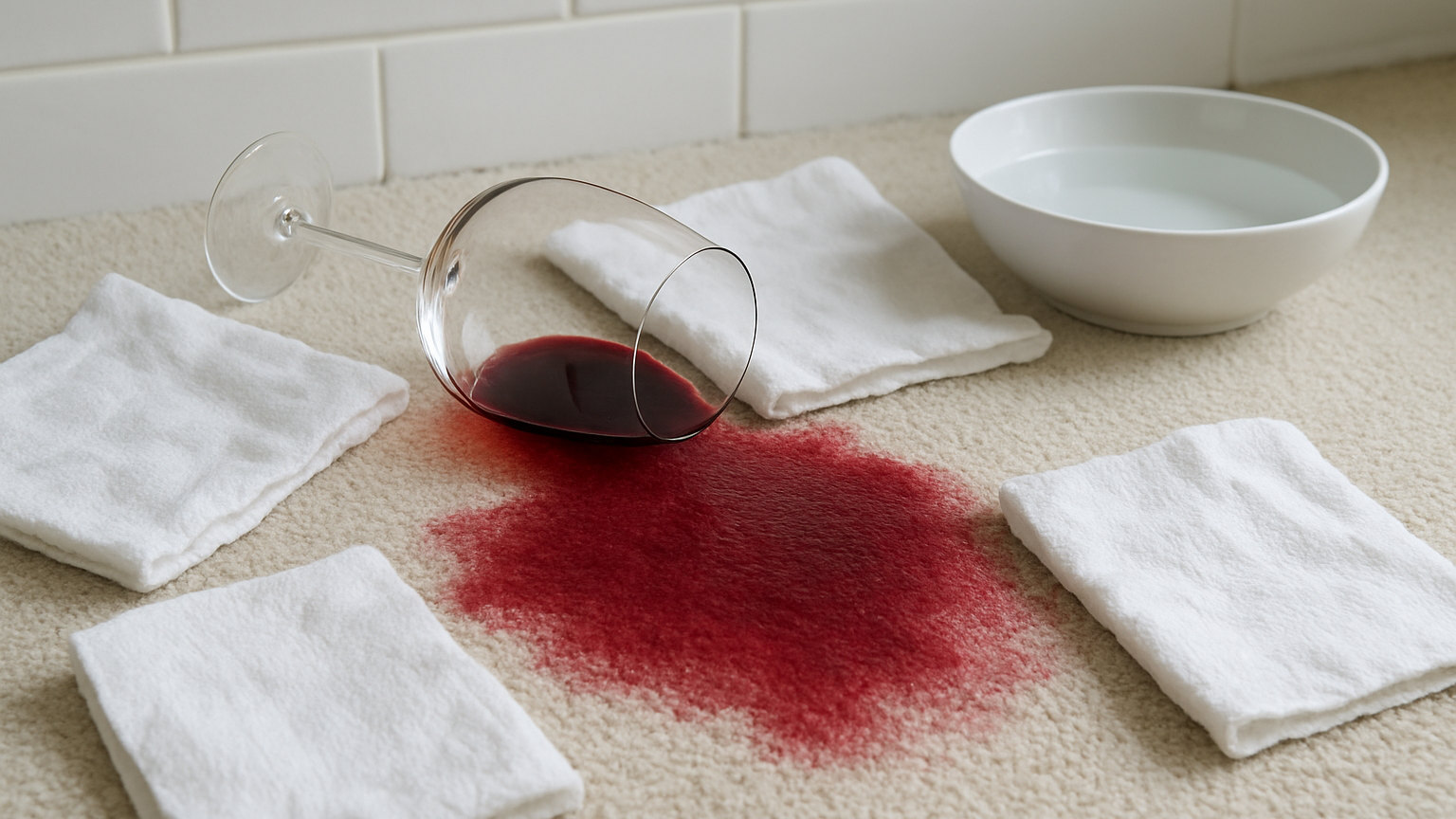
Carpet cannot be rinsed, so every treatment has to put in the least moisture possible and take most of it back out again.
A musty room has a source somewhere in it, and finding the item holding the moisture matters far more than treating the air.
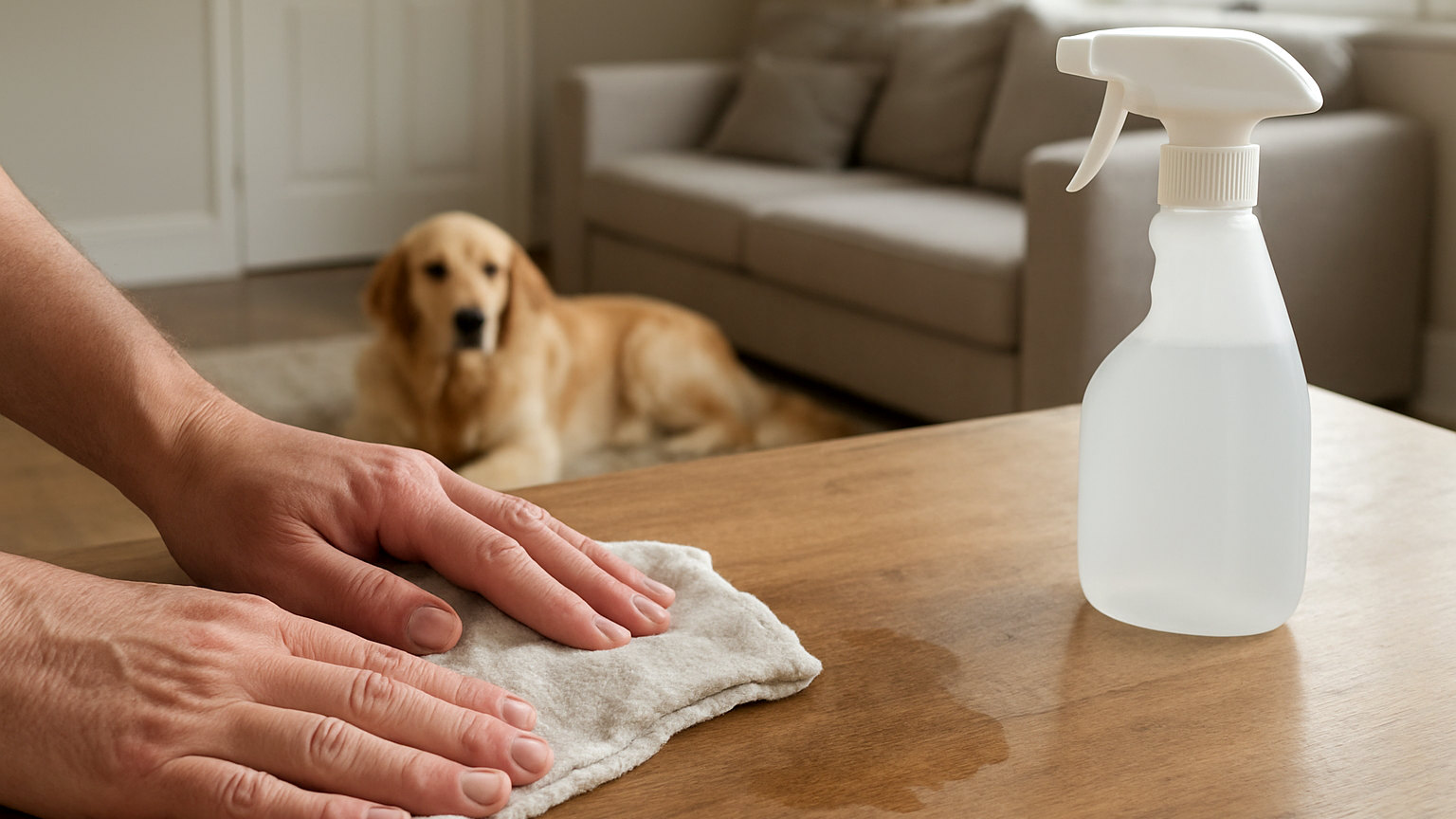
A house that smells of pets has the source in soft furnishings and ventilation rather than in the animal, and masking it makes the problem harder to find.
They work well and only within a narrow temperature range, which is why adding them to a hot wash achieves so much less than people expect.
Acetone dissolves acetate, white spirit attacks synthetics, and the wrong solvent on the wrong fibre does more damage than the stain ever would.
Suncream leaves a greasy mark that turns orange over time, and the orange comes from a chemical reaction rather than from dirt.
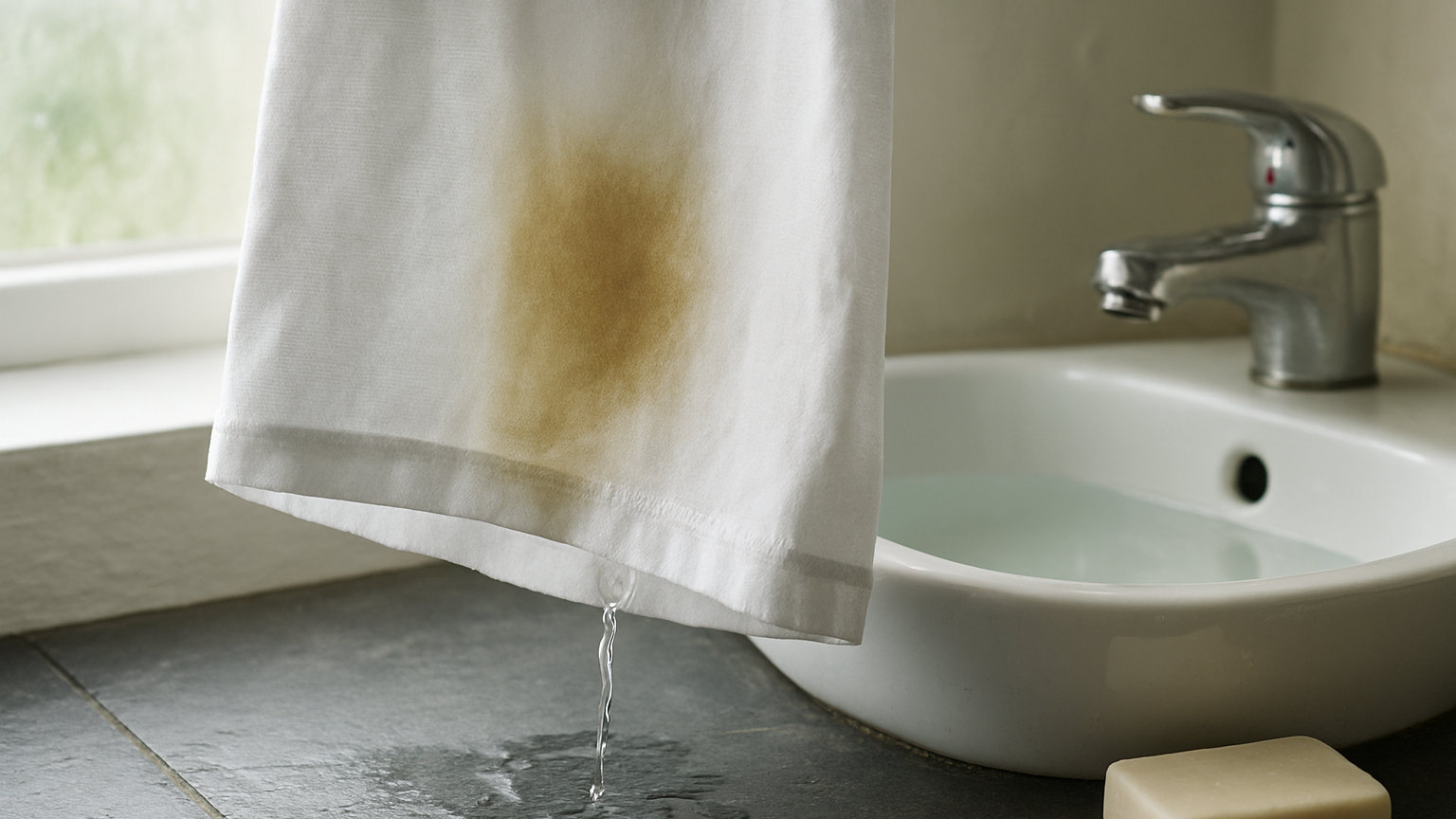
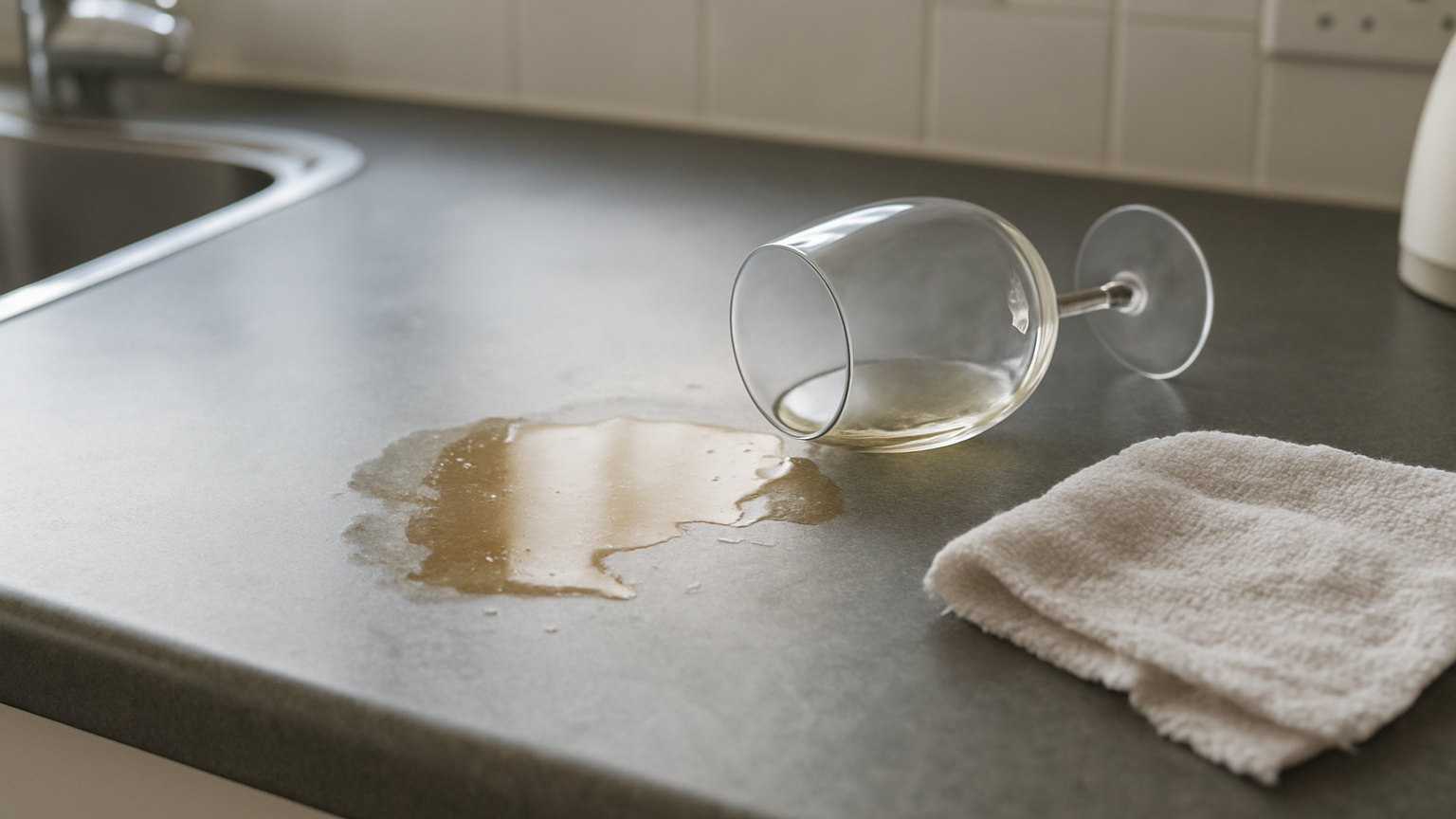
White wine leaves no visible stain and a considerable amount of sugar, which oxidises into a brown mark weeks after anyone has forgotten the spill.
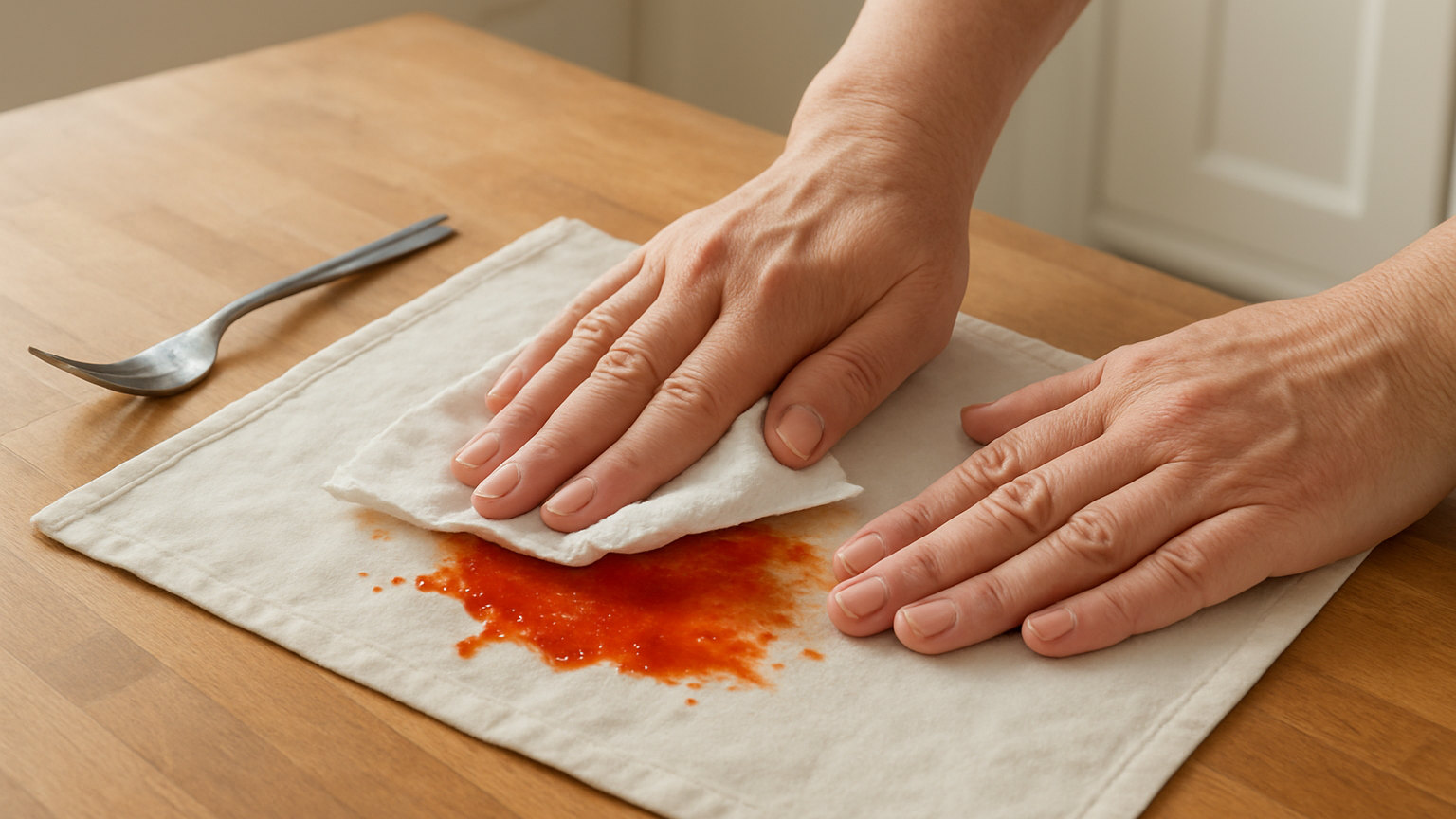
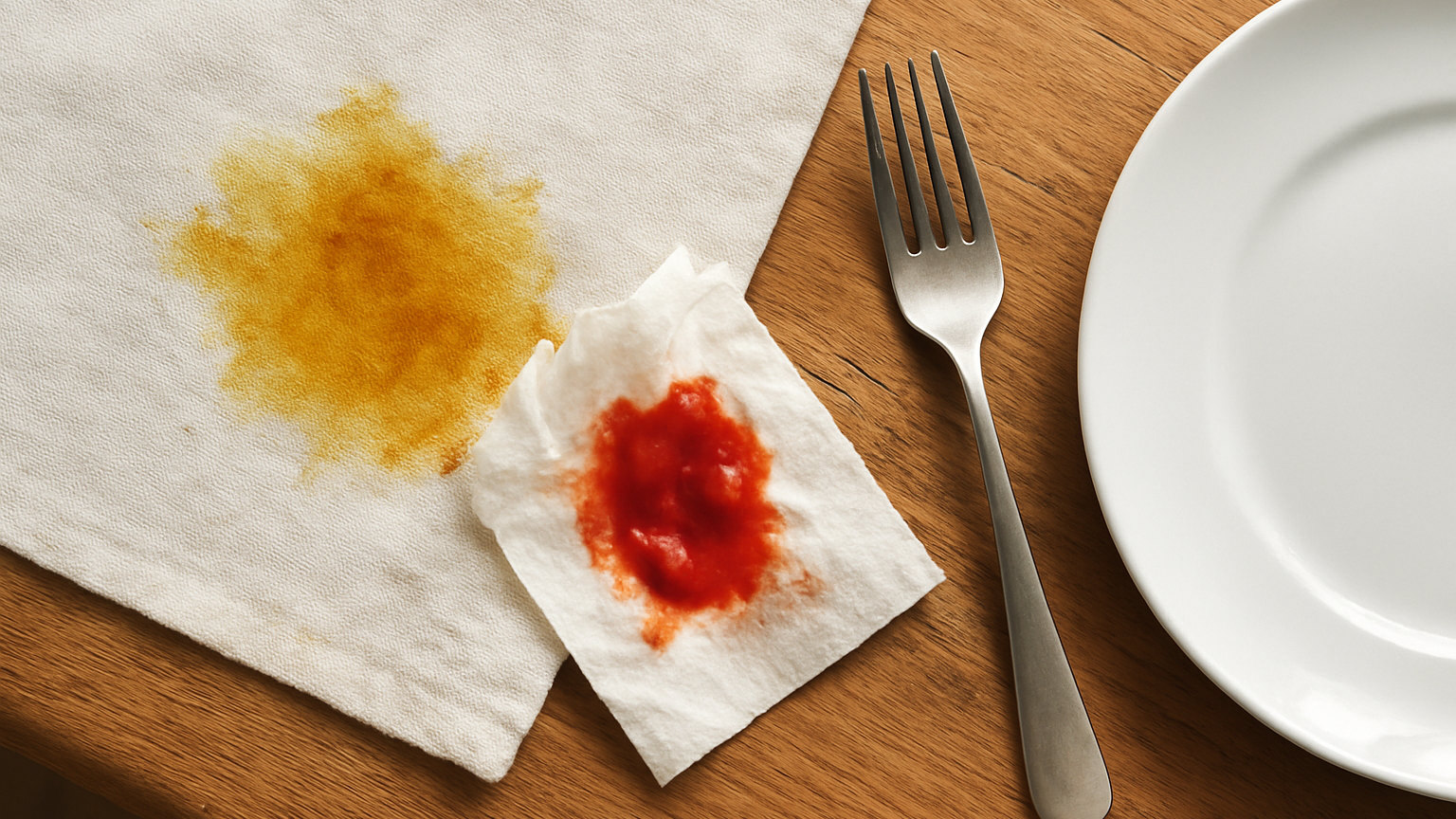
A tablecloth after a meal has several different stains on it at once, which makes soaking the whole cloth more effective than treating each mark.
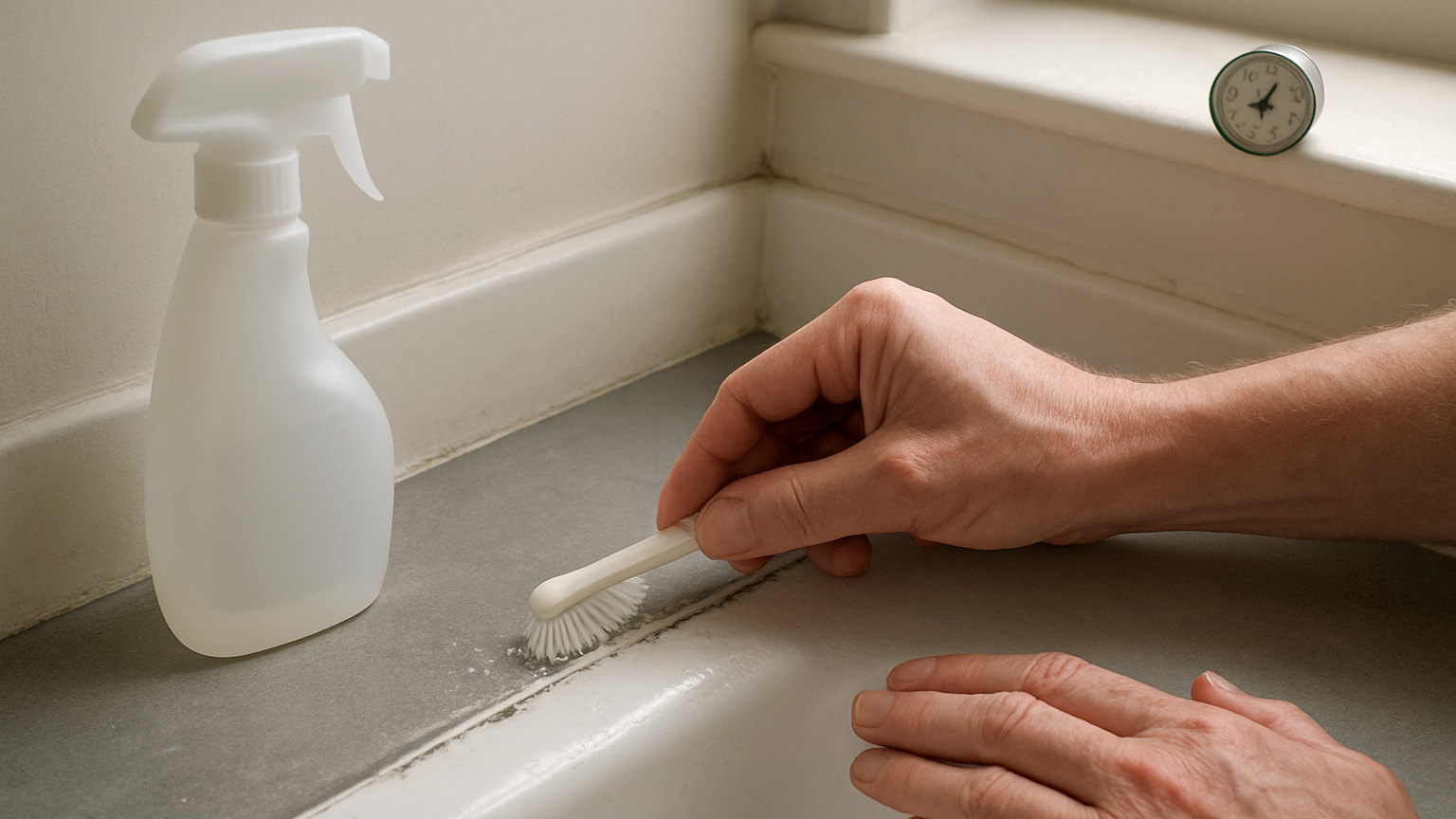
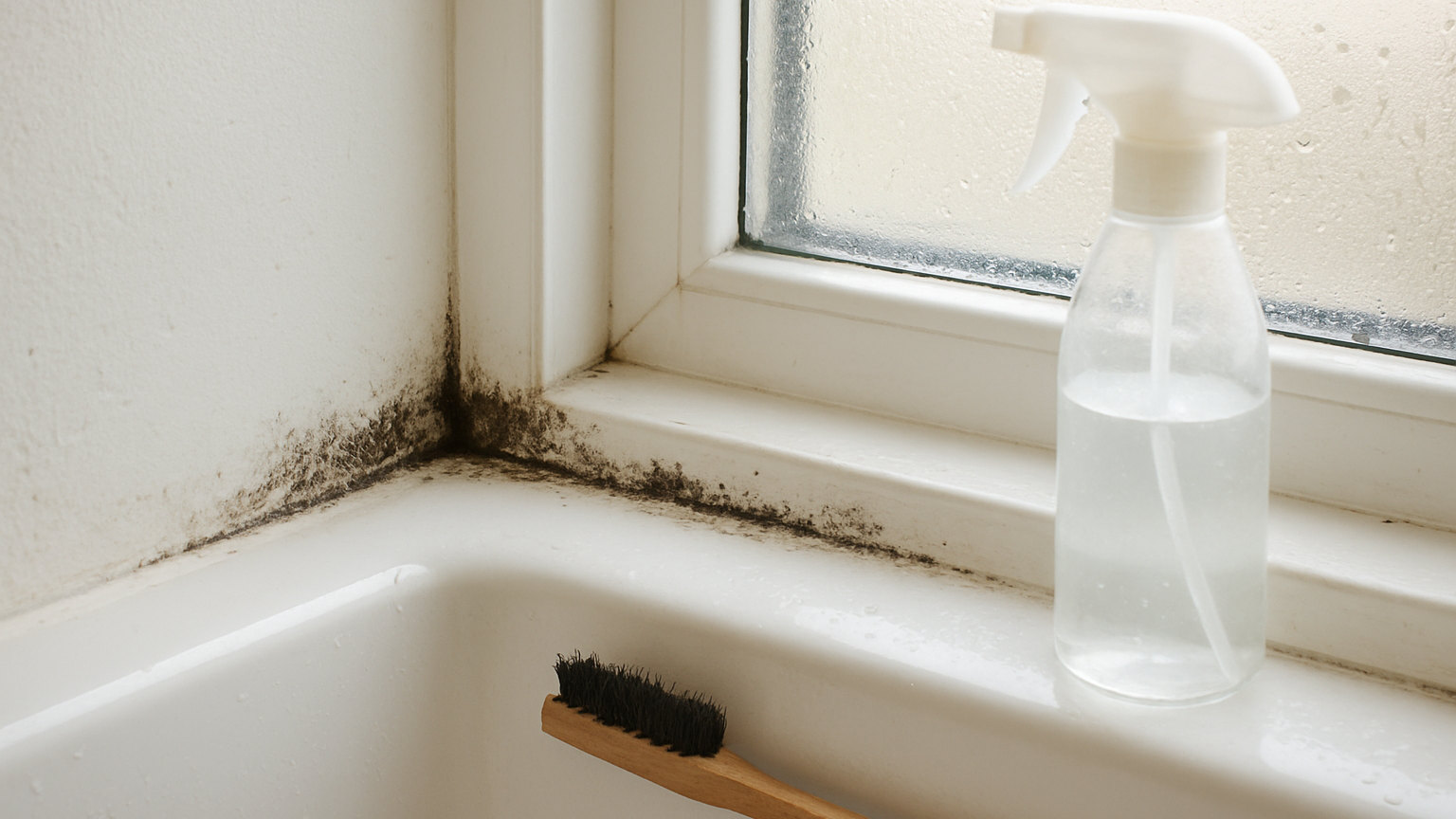
Preventing mould is a matter of managing moisture and surface temperature, and most of it costs nothing beyond changing a few daily habits.
Drool and nose prints are protein and oil, which is why they smear rather than wipe and why glass cleaner alone leaves a haze behind.
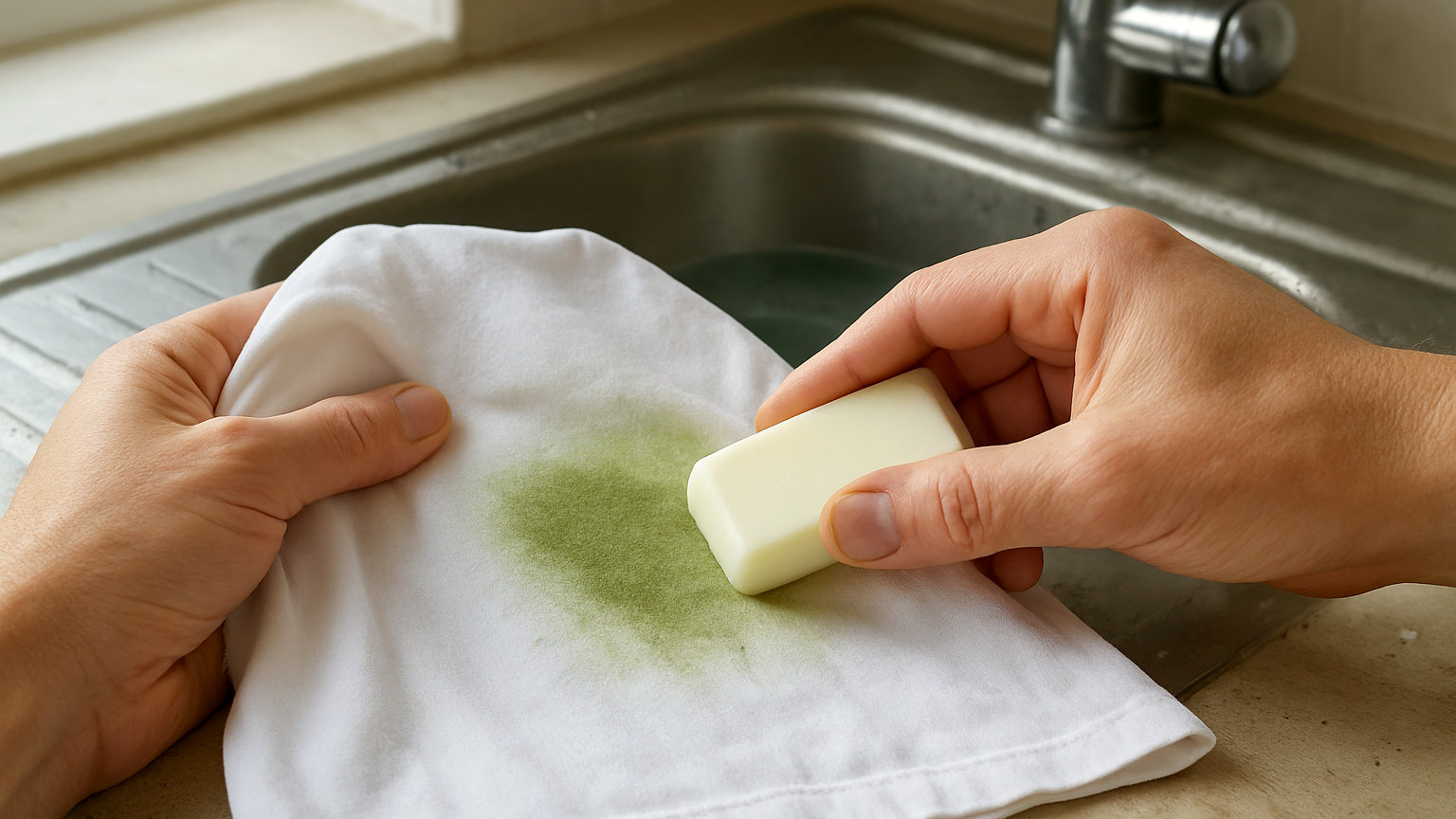
Grass stains combine chlorophyll with plant proteins and sap, which is why enzymes and alcohol together work when either alone does not.