How Do You Keep Tiles and Grout Clean?
Tiles stay clean if water is not left to dry on them, which makes a squeegee and an extractor fan worth more than any product.
By Cleaning Guides Team
28 Apr 2026

Getting grout white again, sealing it afterwards, and what not to use on natural stone.
Tiles stay clean if water is not left to dry on them, which makes a squeegee and an extractor fan worth more than any product.
Streaks are almost always detergent residue or dirty water, which means the fix is less product and more frequent water changes.
They work well on dirt and not at all on staining, and on older grout the pressure can do more harm than the cleaning is worth.
The texture that stops you slipping also holds dirt, and a smooth mop passes straight over the top of it.
Acid dissolves limescale and damages both natural stone and cement grout, which makes where you put it as important as what you use.
Glazed tiles tolerate almost anything, and the exceptions are unglazed porcelain and polished porcelain, which behave quite differently.
Almost every bathroom cleaner is acidic, and acid etches natural stone permanently, which makes product choice the whole of the job.
Cracked or missing grout is letting water behind the tiles, which makes it a repair with a deadline rather than a cosmetic decision.
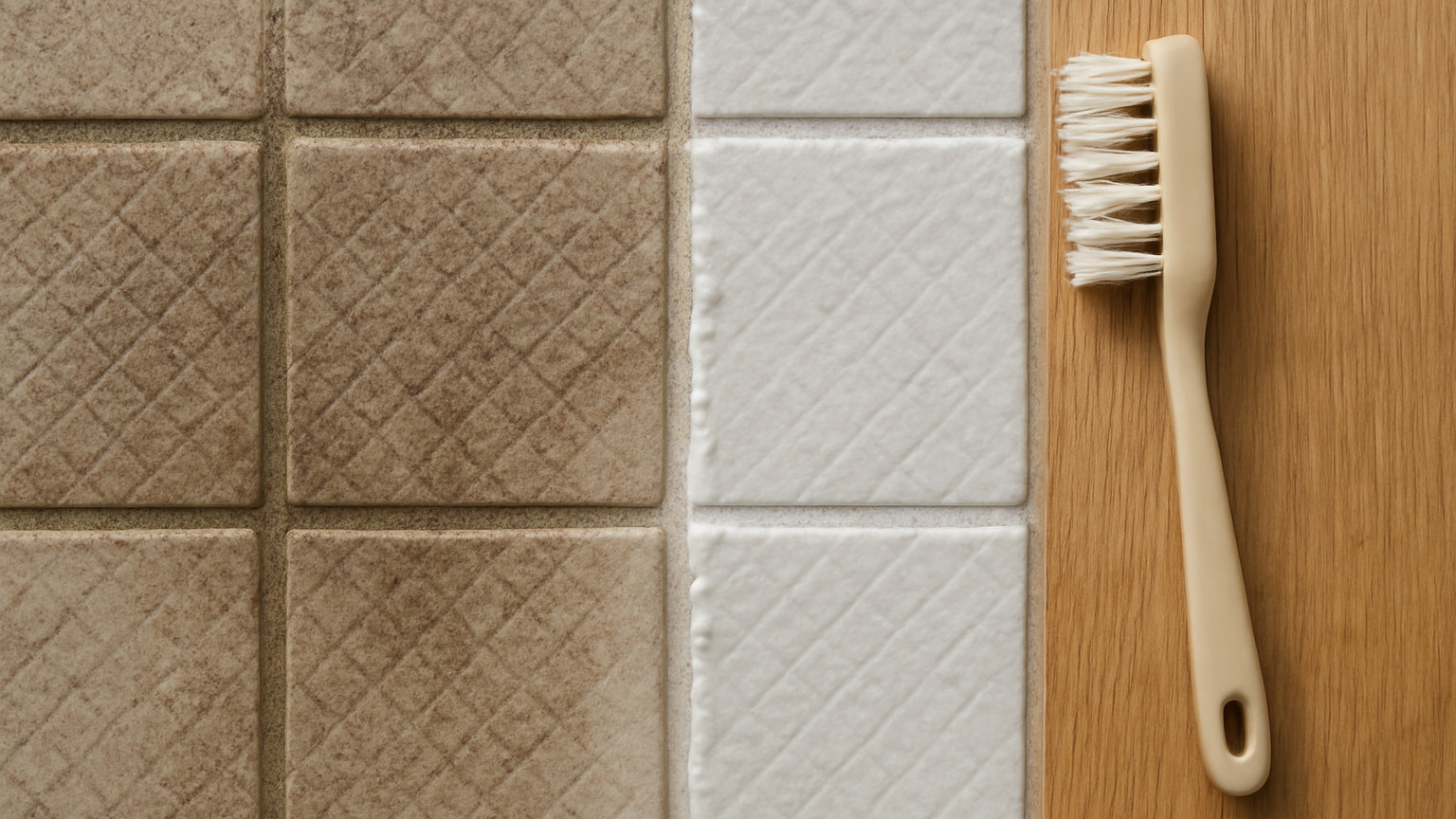
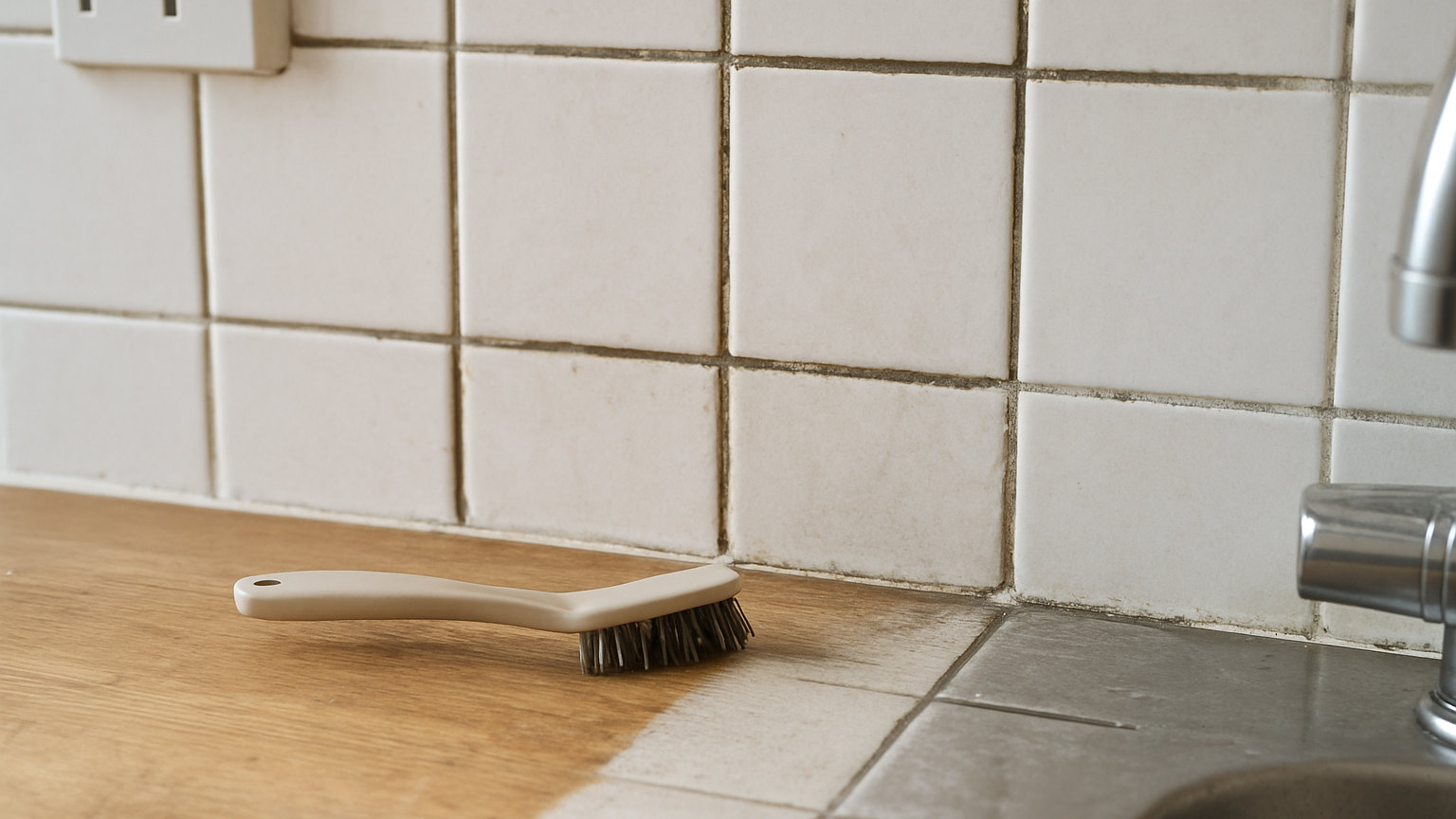
There is a point where no amount of cleaning will restore white grout, and a grout pen or a colourant is the honest answer rather than a compromise.
Sealing turns grout from a sponge into a surface, and it is the single thing that decides whether cleaning it stays a five minute job.
The colour tells you the cause, and the four common ones need four different responses.
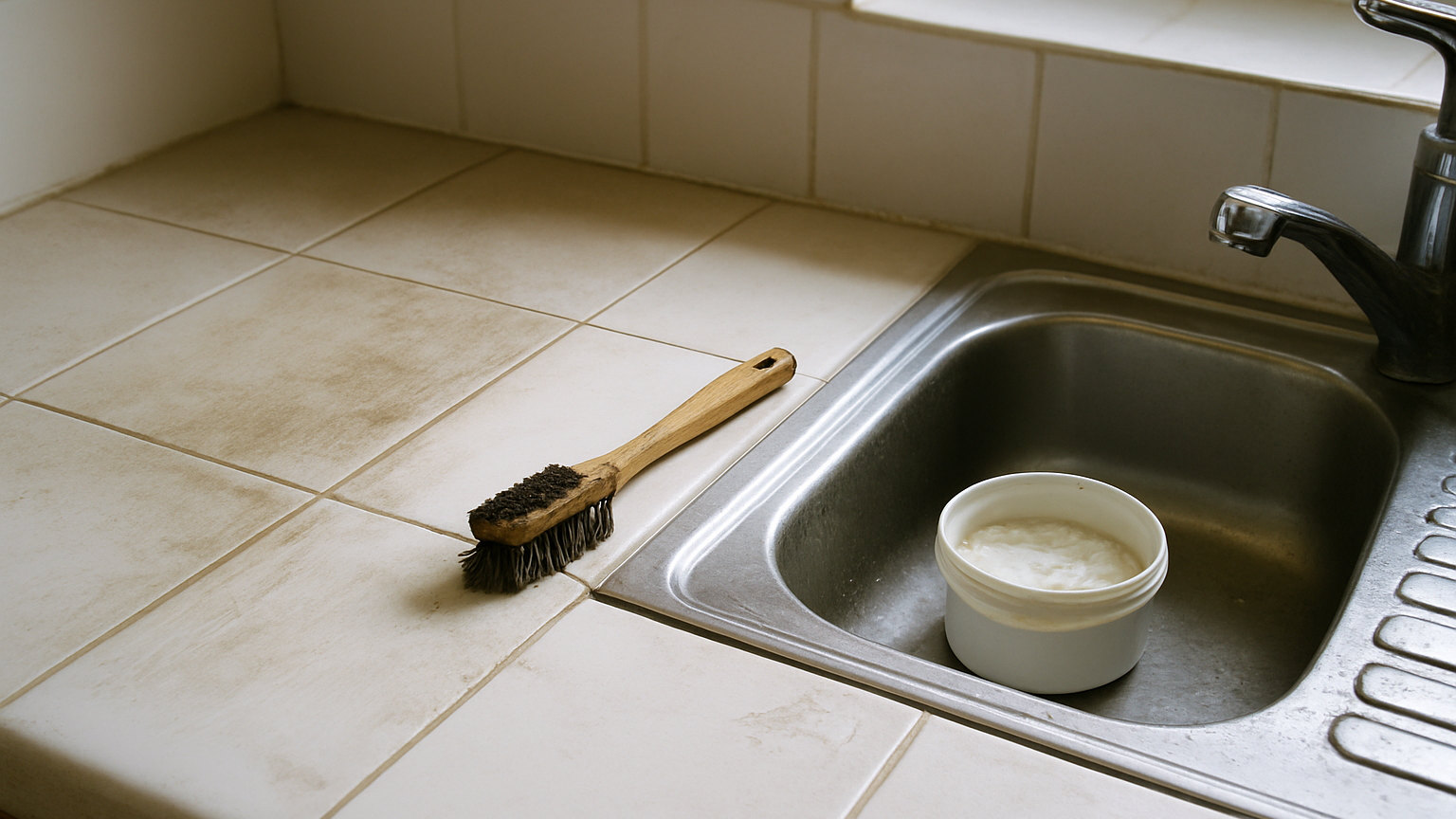
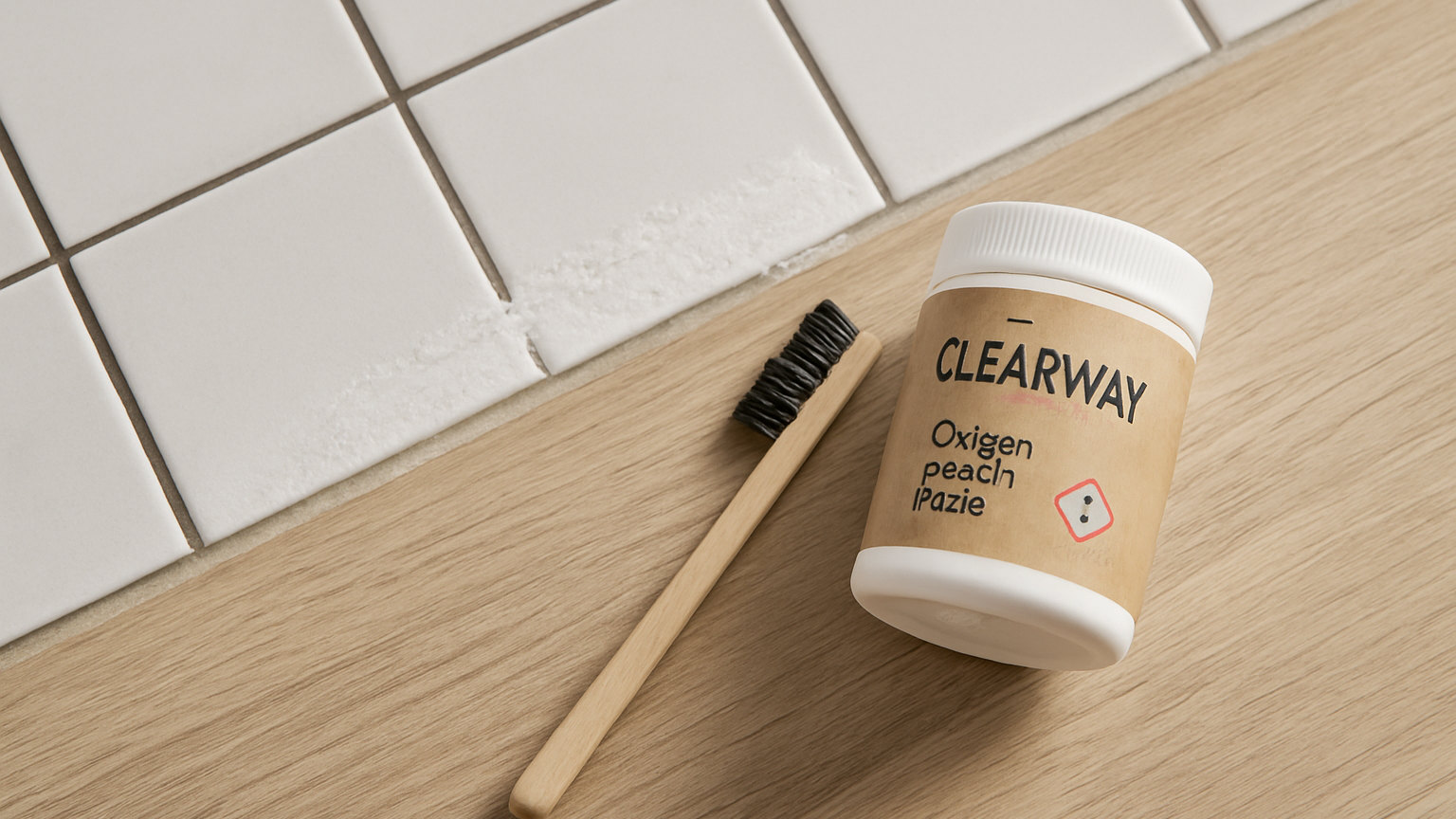
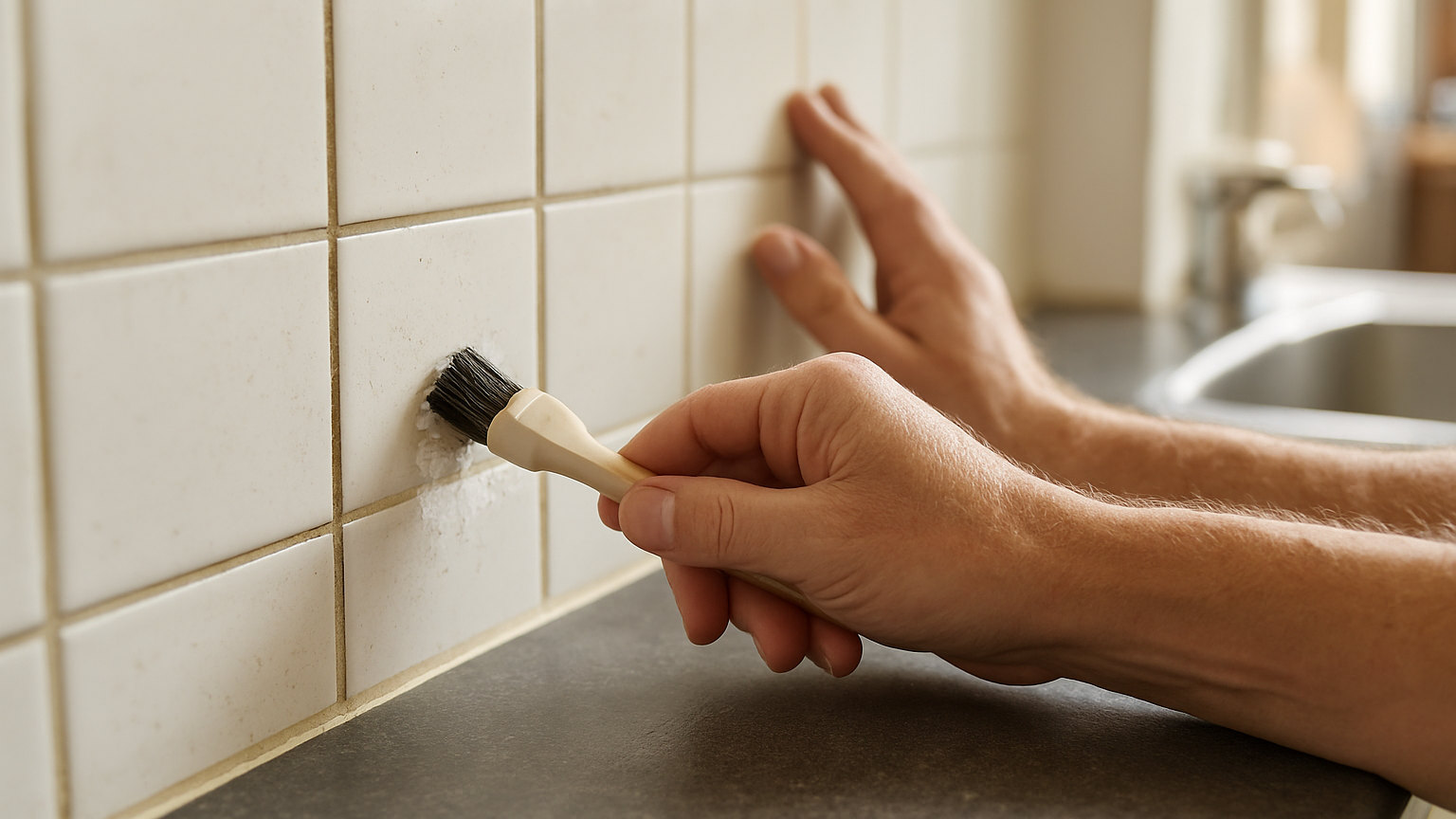
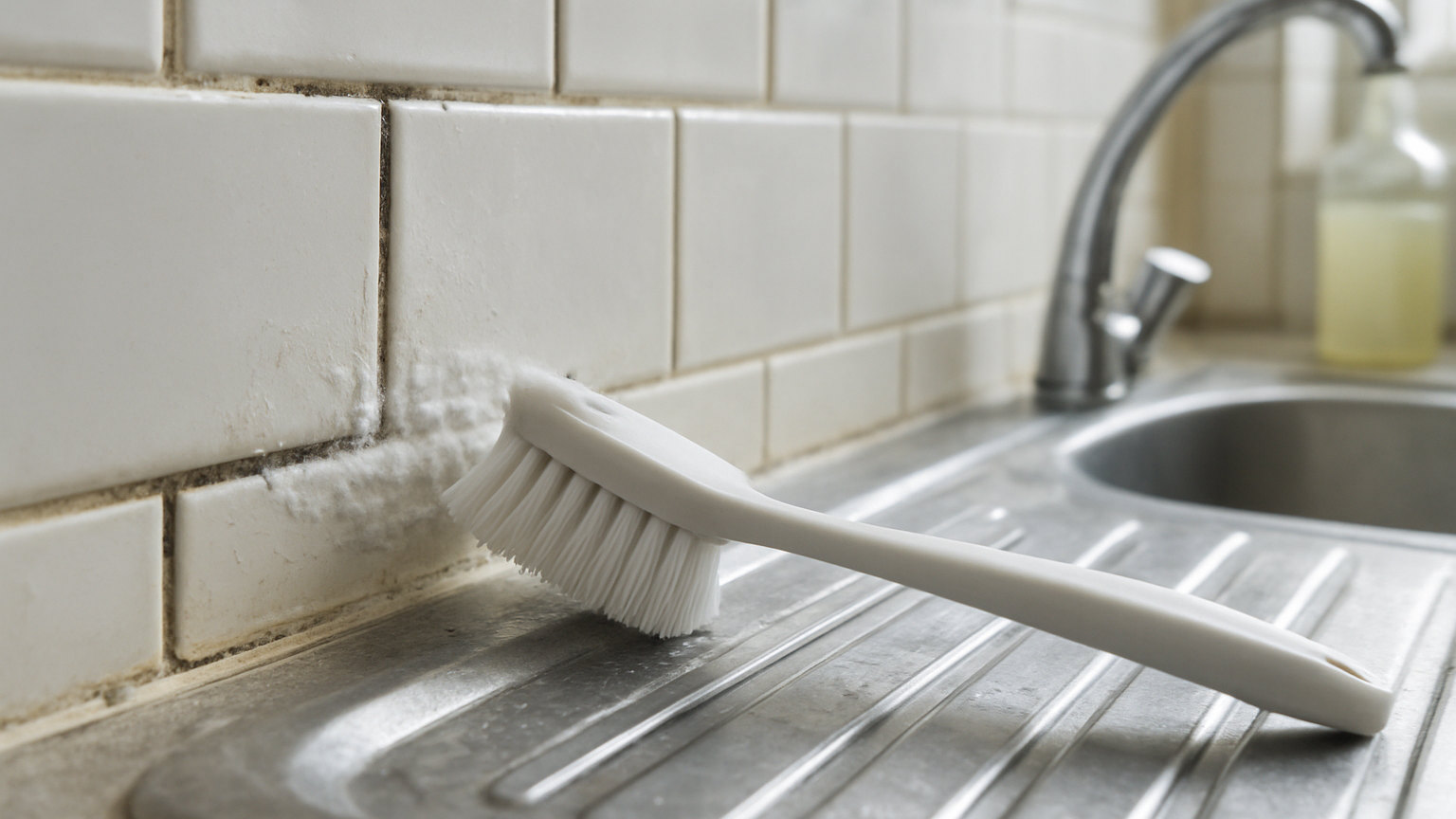
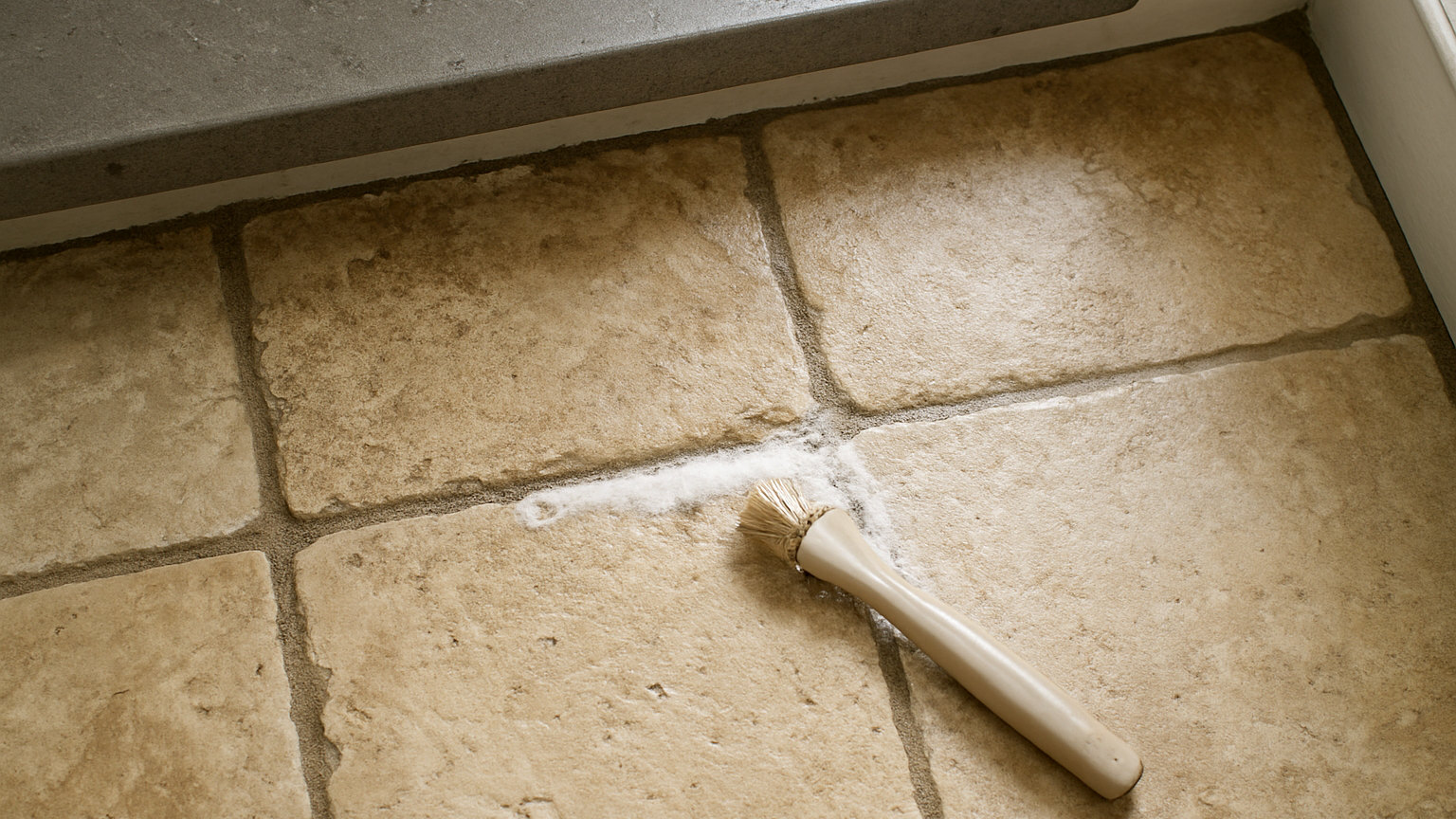
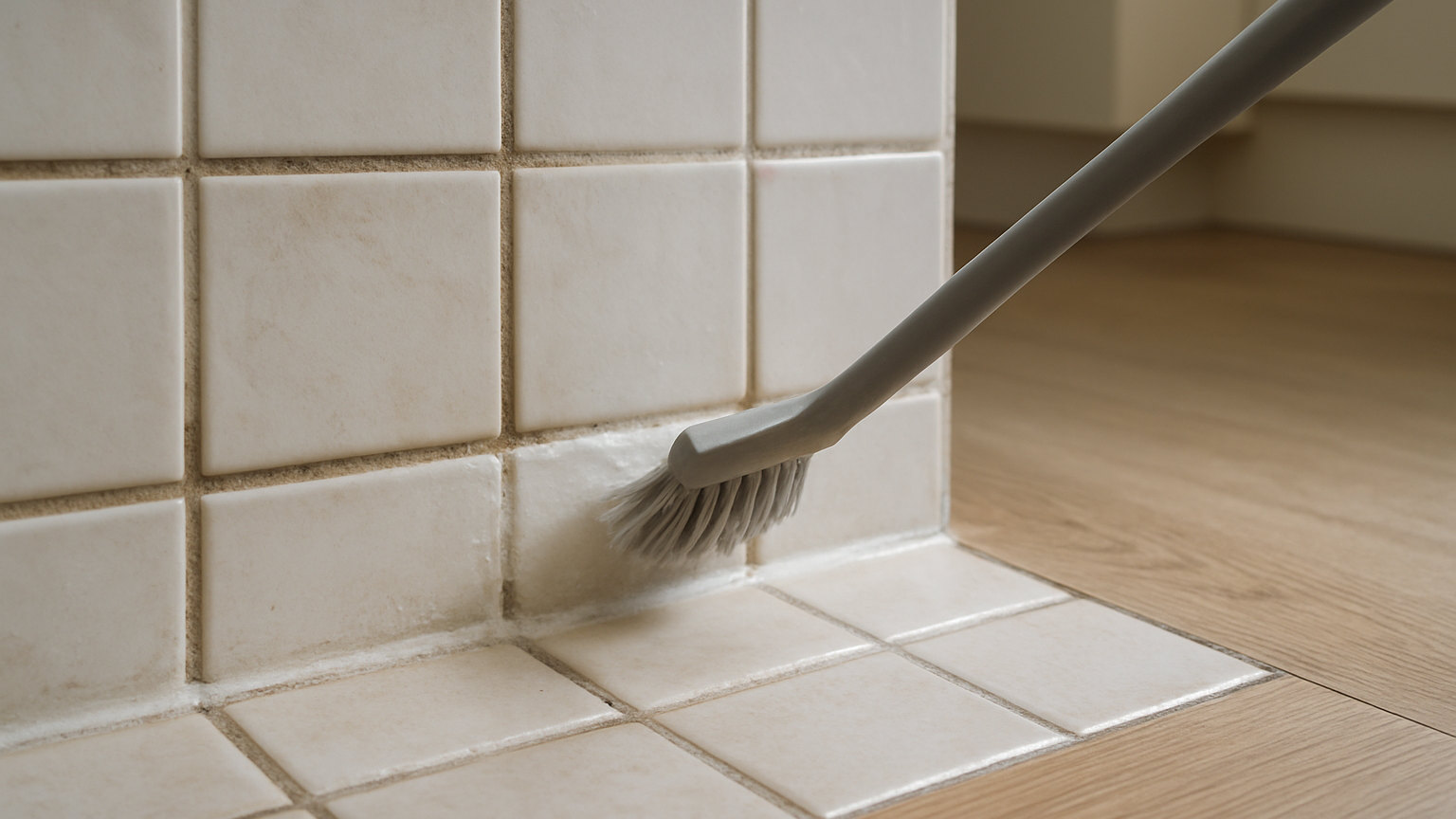
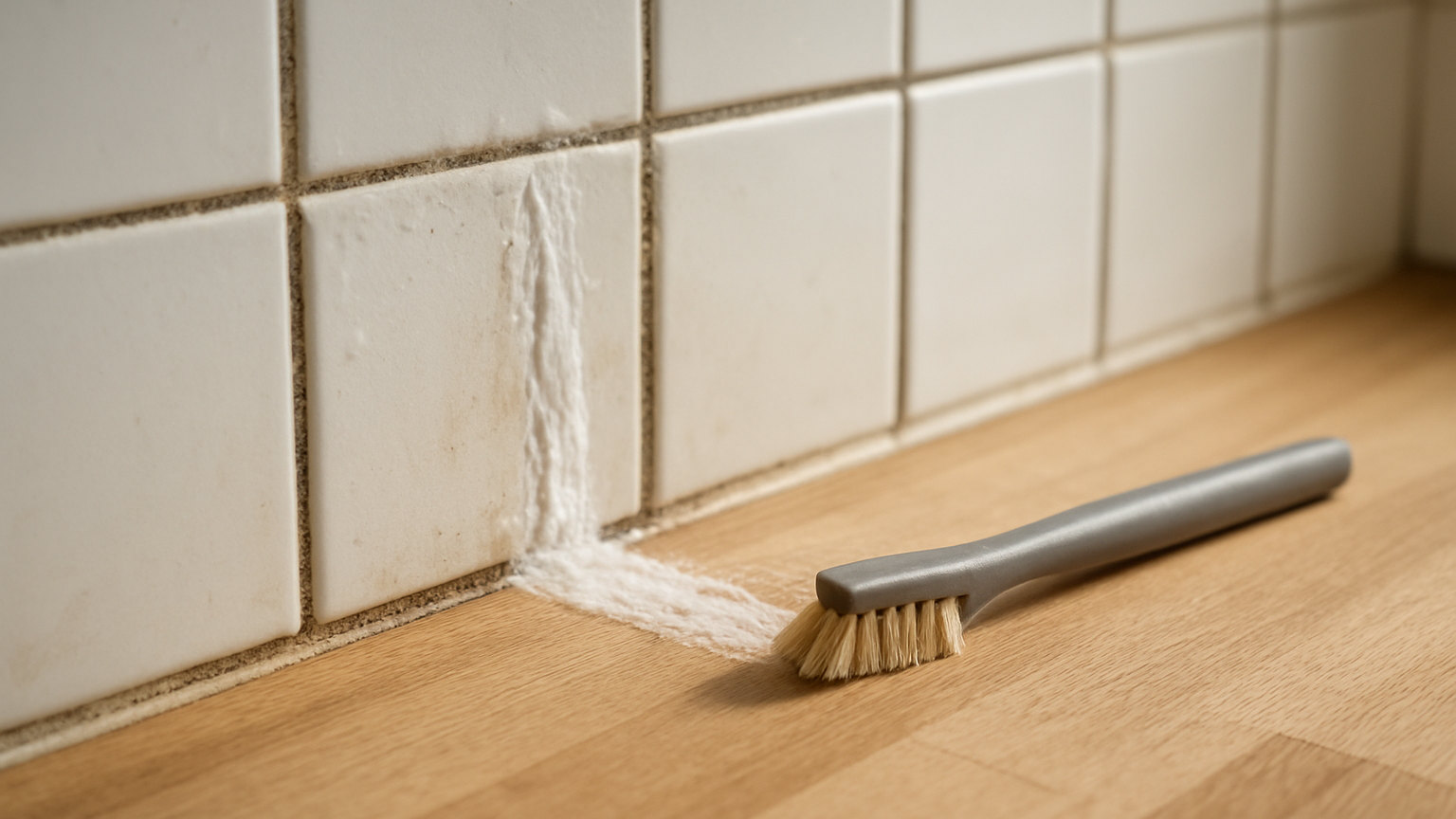
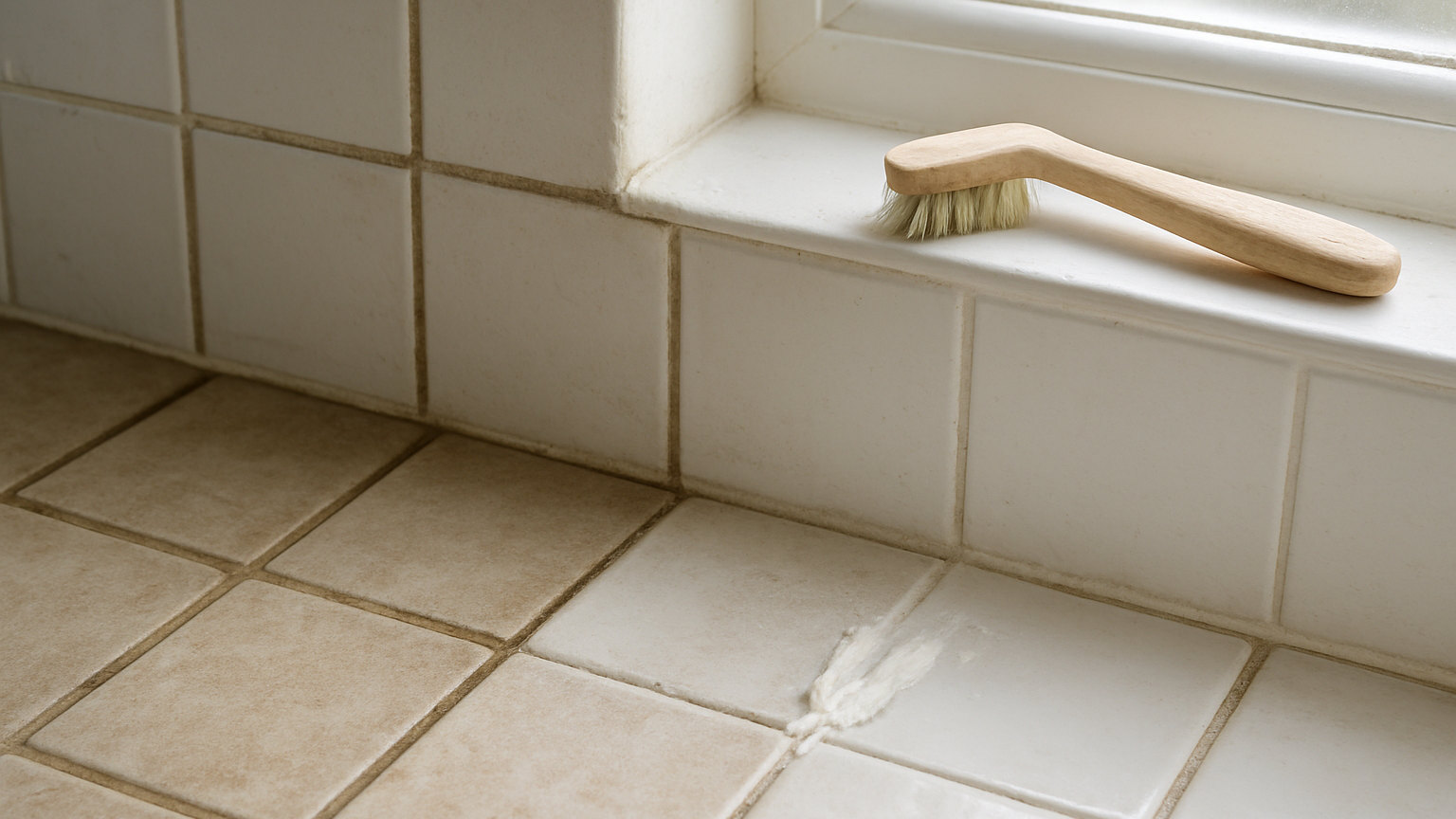
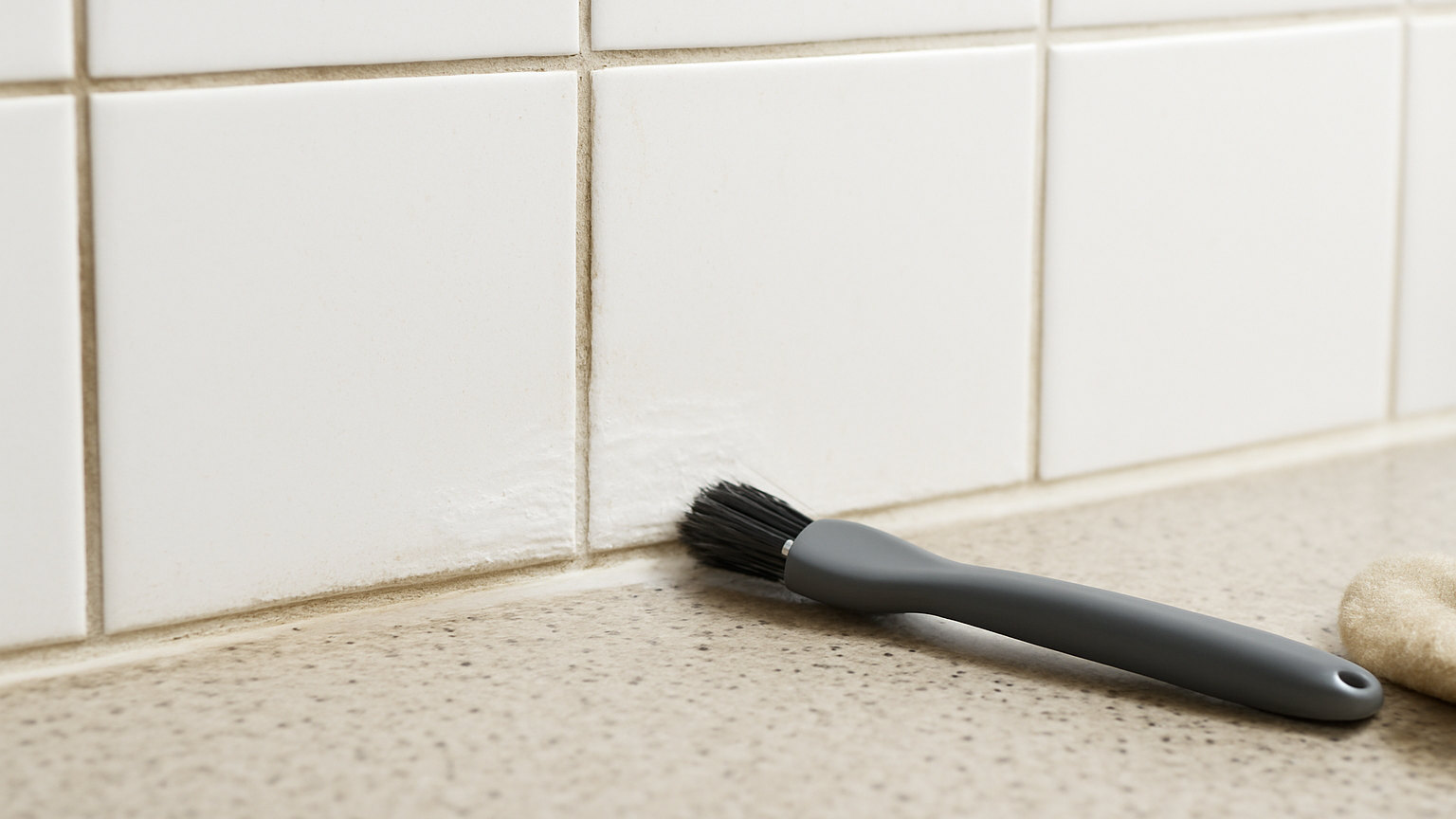
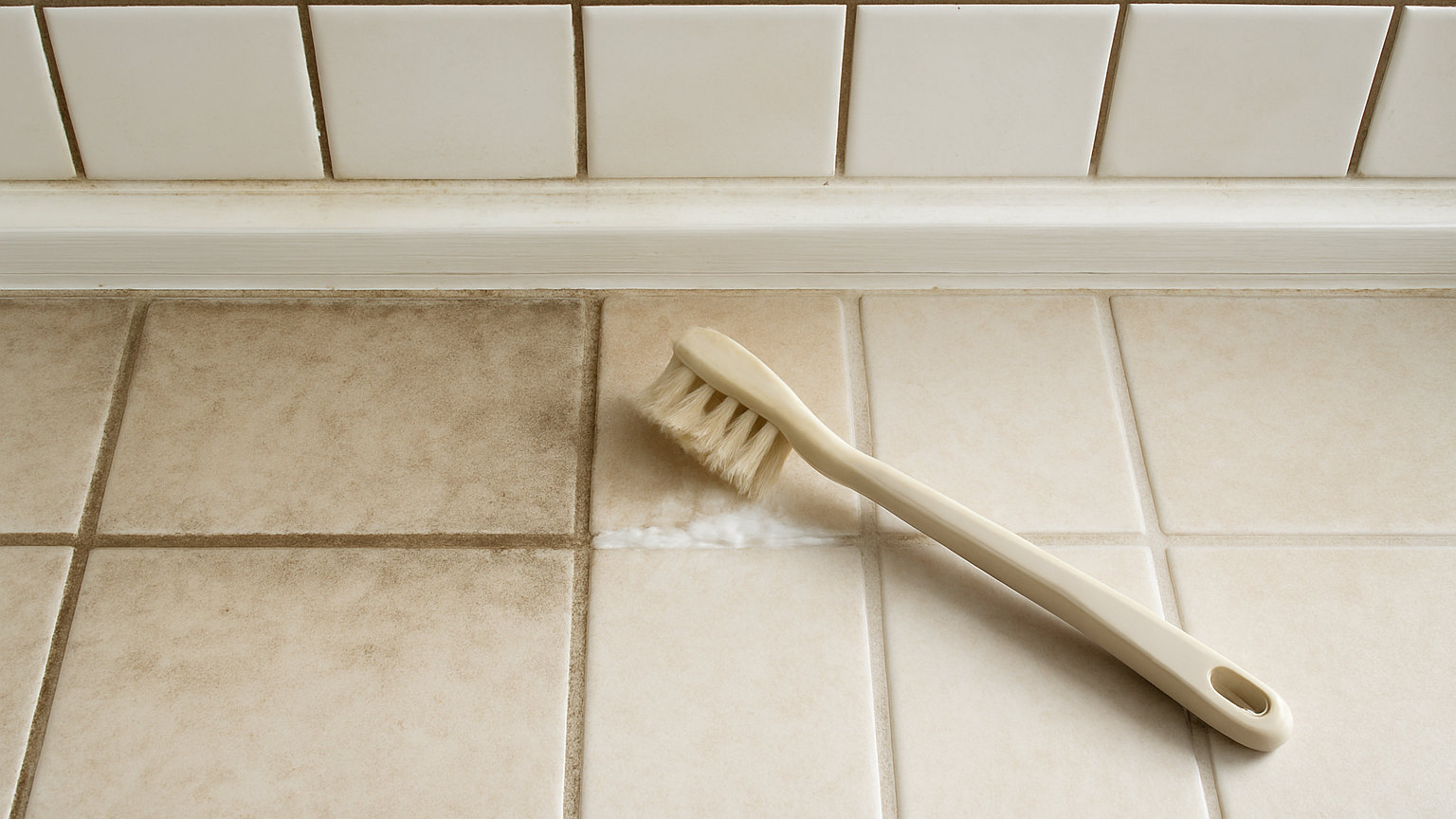
Grout is porous cement, which means everything that lands on it soaks in, and the only method that works is contact time plus a stiff brush.