How Do You Remove Gravy and Sauce Stains?
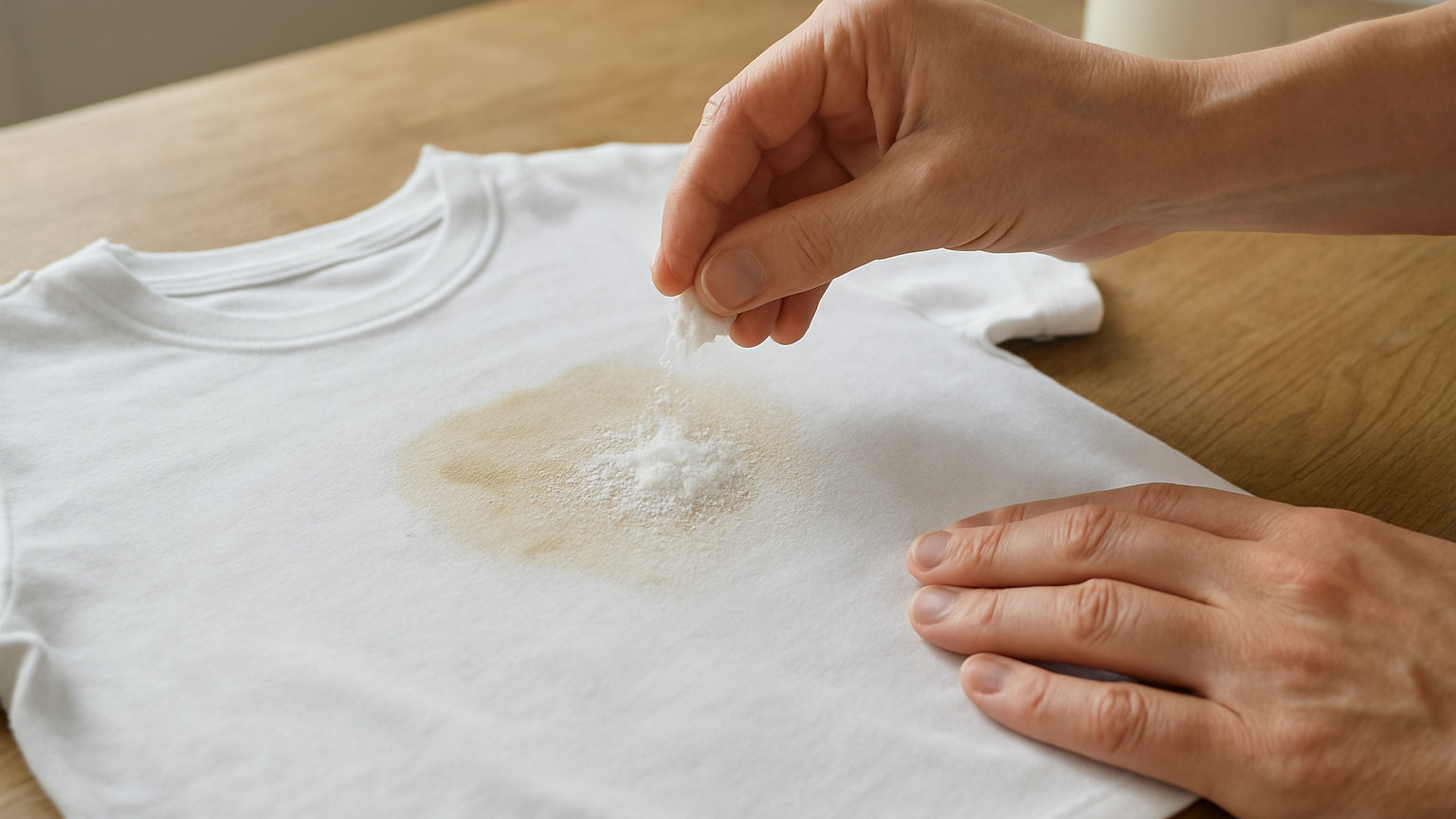
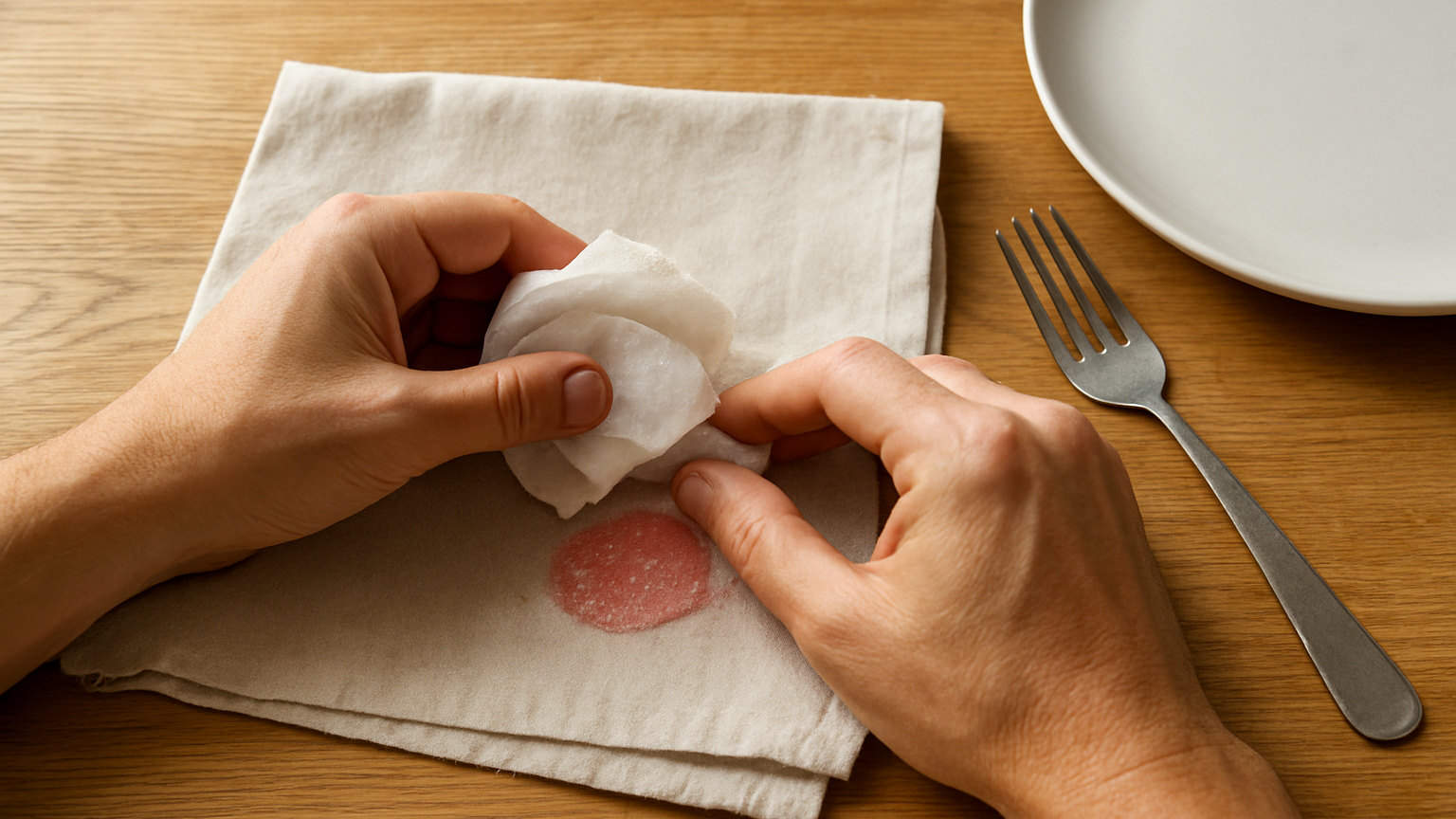
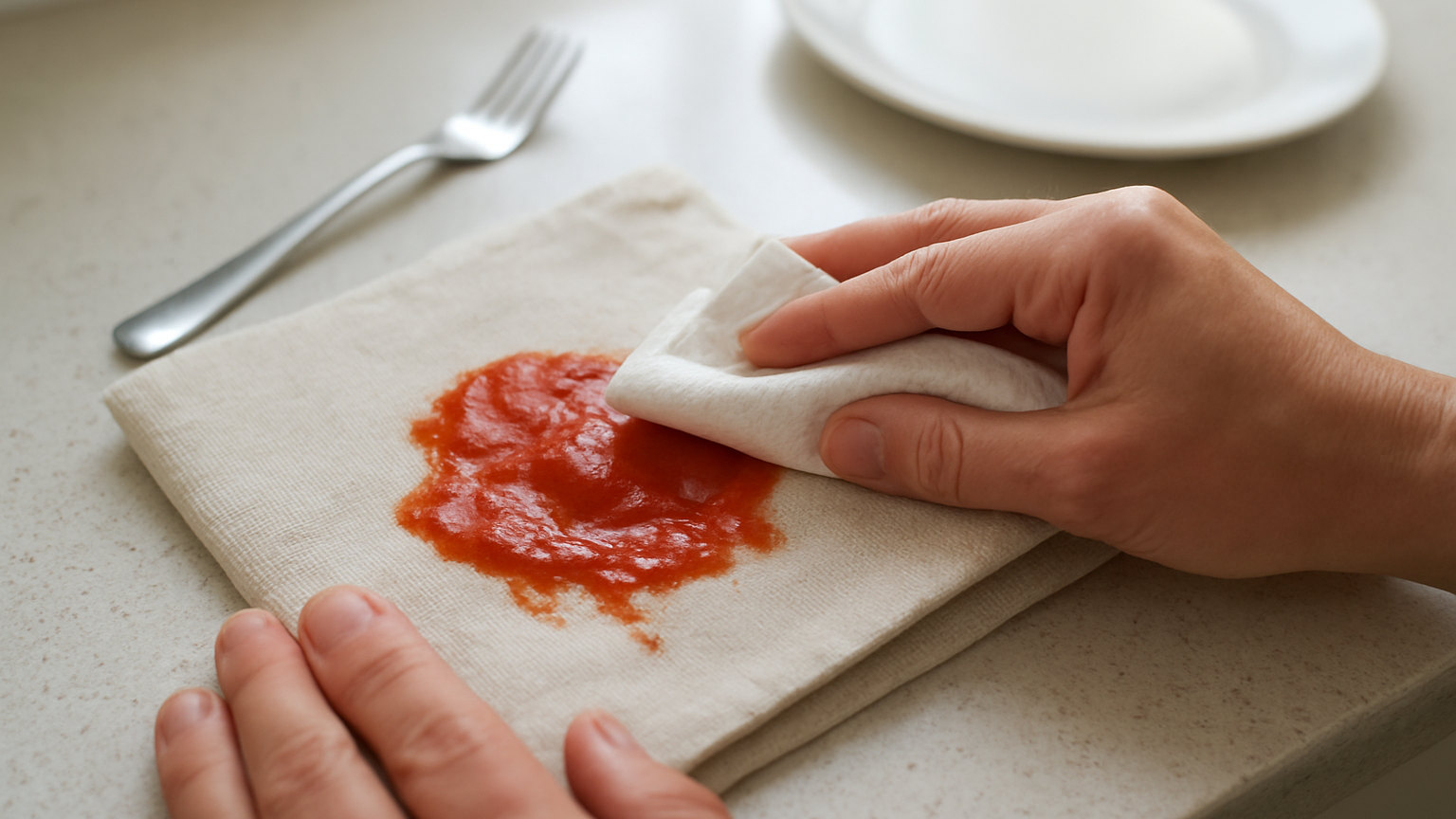
Gravy is fat, protein and pigment together, which is why the order of treatment matters more than the products used.
By Cleaning Guides Team
5 Oct 2025

Stain removal is mostly about doing the right thing in the first five minutes and not doing the wrong thing at all. These guides are organised by what caused the mark rather than by product, because the chemistry differs: protein stains need cold water, grease needs the opposite, and heat sets several of them permanently. Every guide says what to do first, what to avoid, and when a stain is not coming out.
Gravy is fat, protein and pigment together, which is why the order of treatment matters more than the products used.
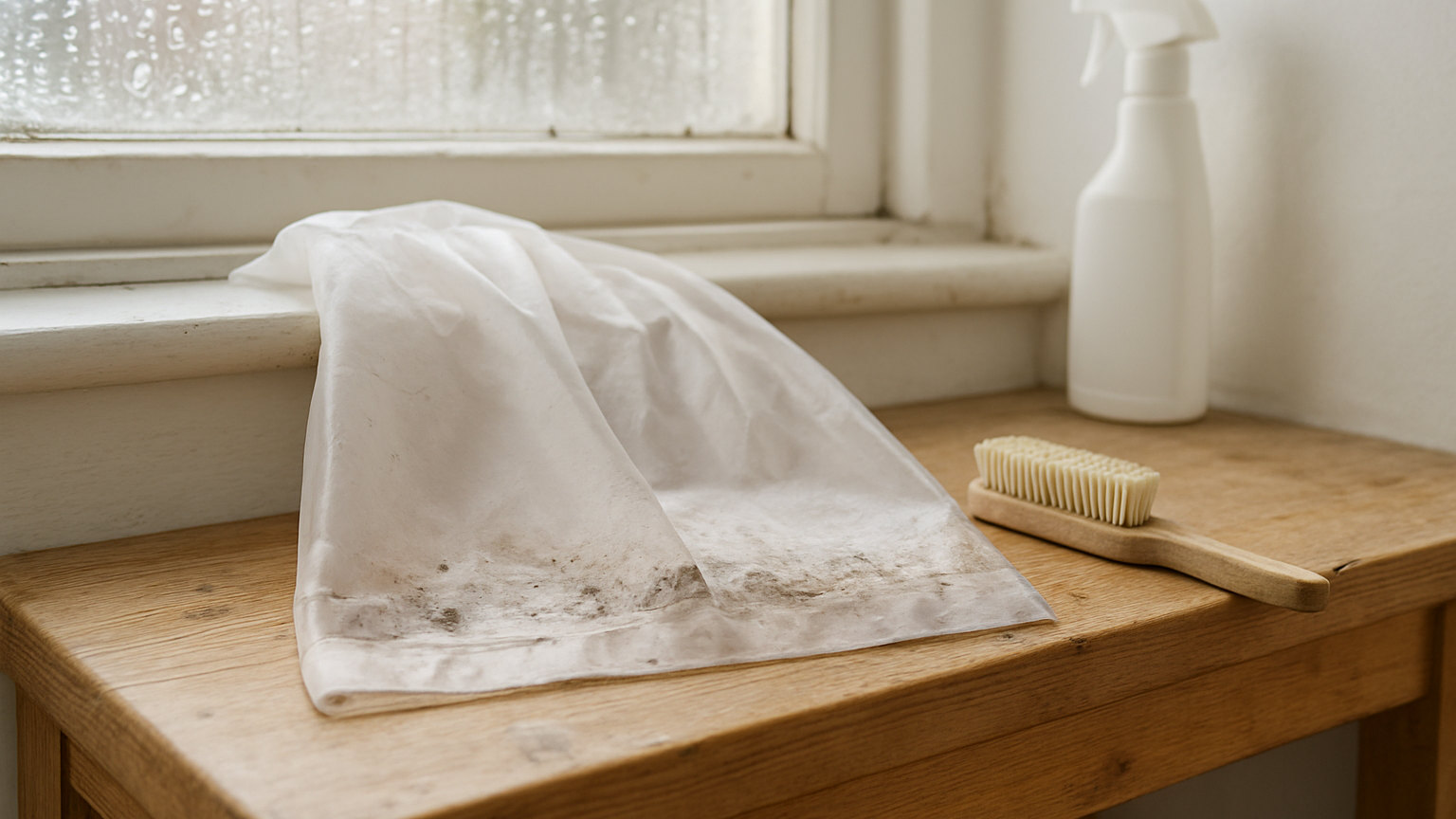
A fabric shower curtain goes through a washing machine perfectly well, and a plastic one usually does too, which surprises most people.
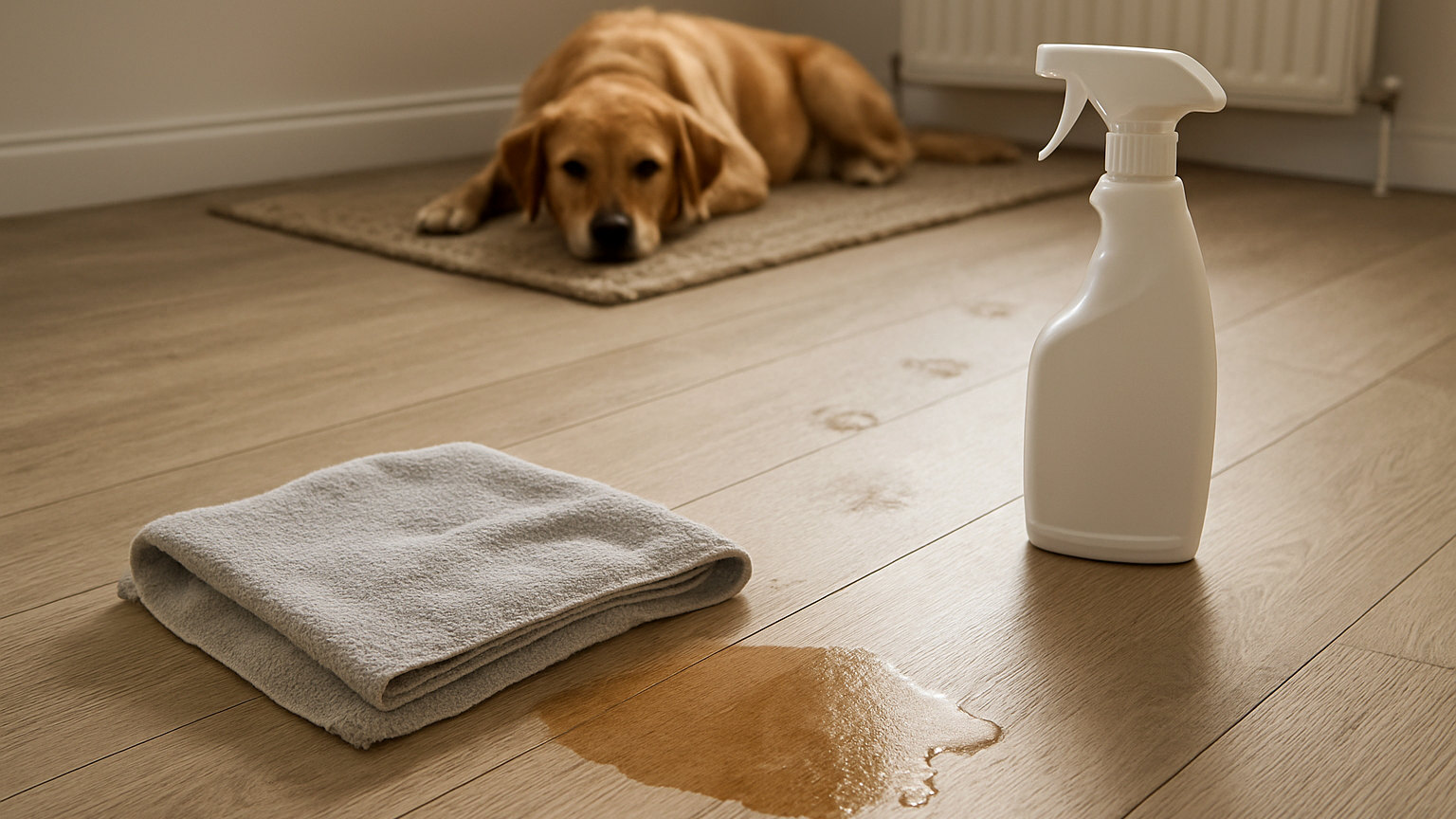
They are the only household product that removes urine residue rather than covering it, and most failures come from how they are used.
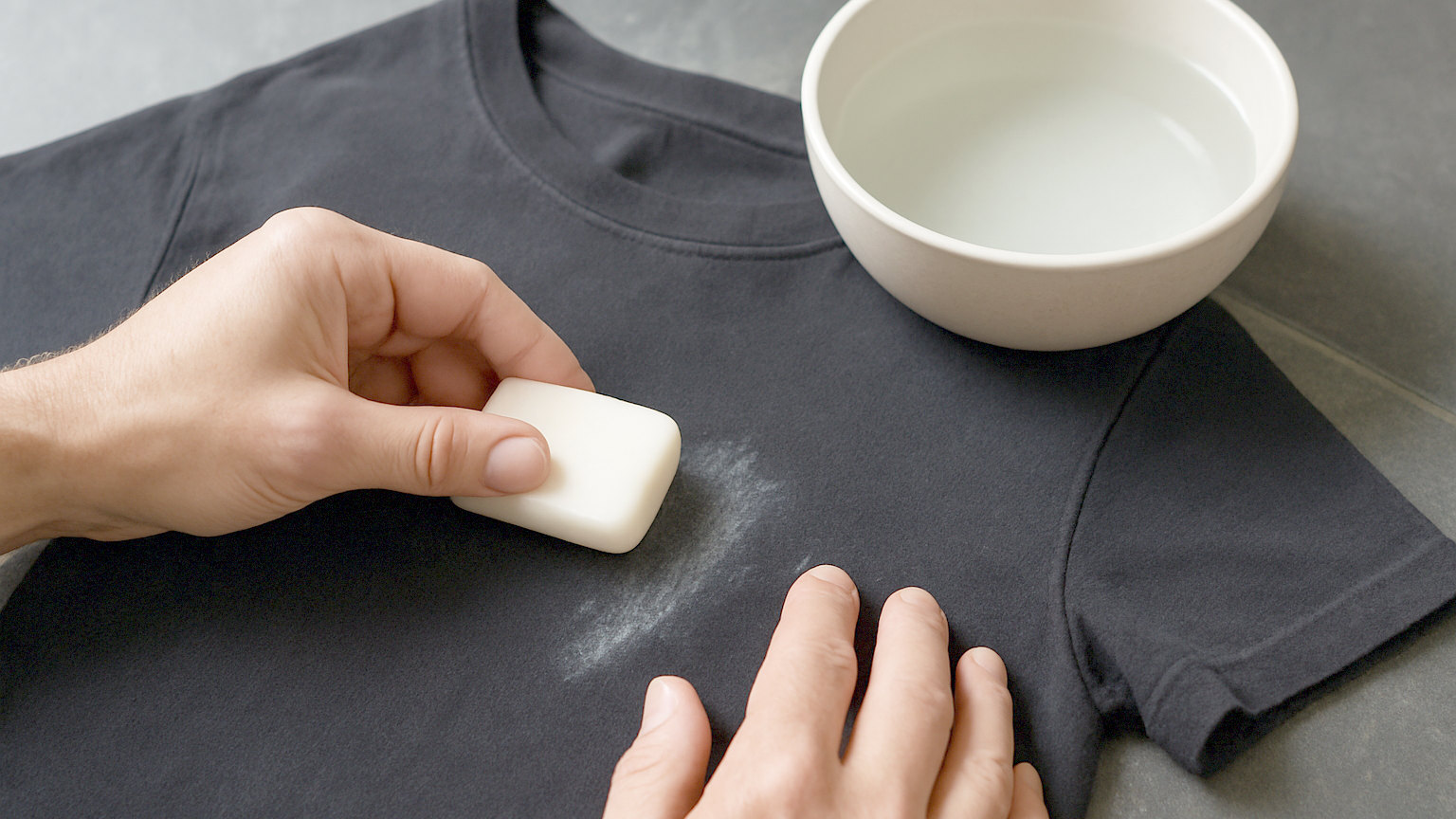
The white streak on a dark top is surface residue that comes off dry, and the invisible build up in the fabric is the one that needs a wash.
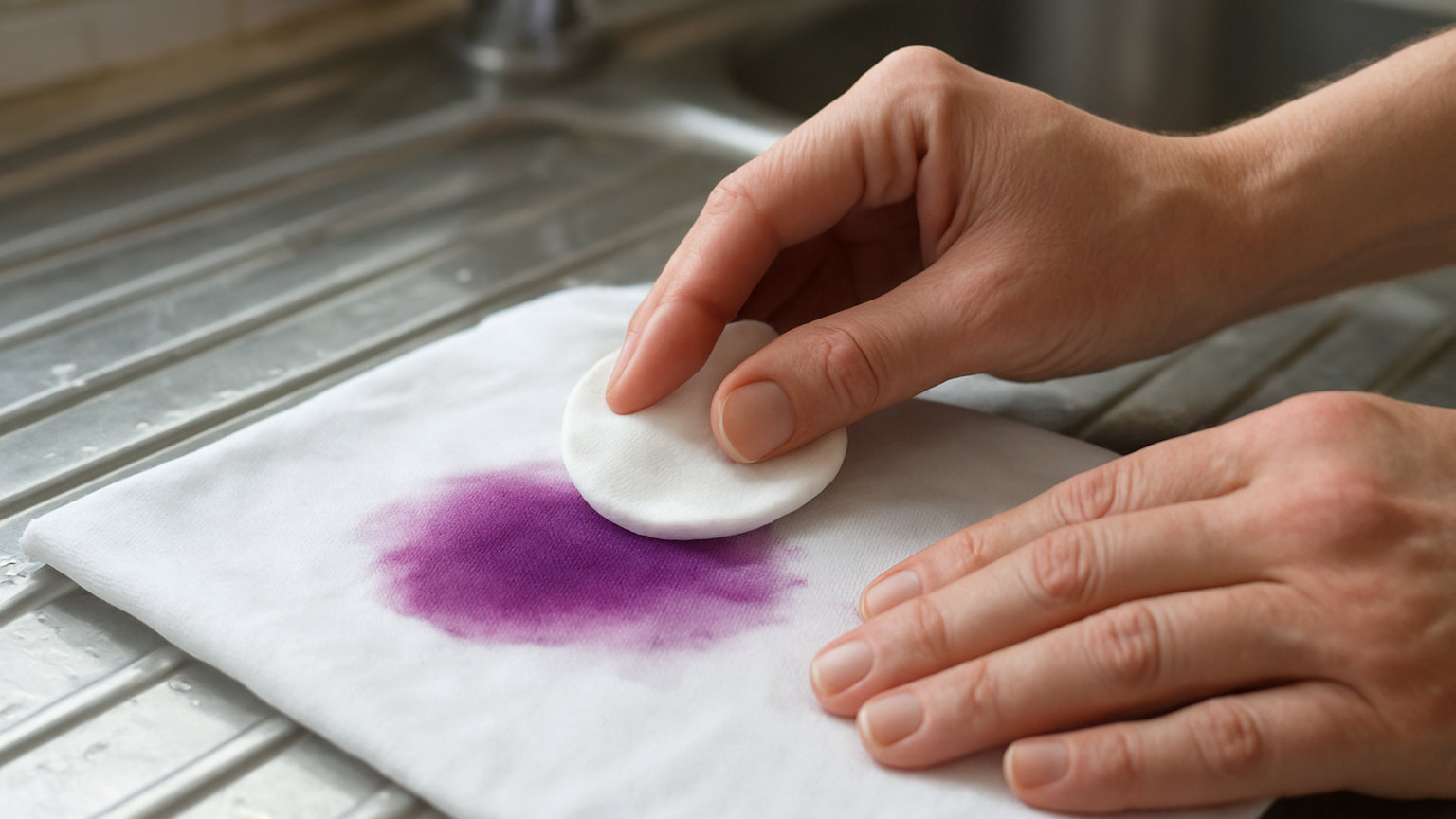
Hair dye is engineered to bond permanently to protein, which is why it takes so readily to skin, wool and silk and barely at all to plastic.
Mineral oil is chemically different from cooking fat, which is why washing up liquid gets some of it out and rarely finishes the job.
Tea is the purest tannin stain in a British household, and it is also the one most likely to be treated with hot water out of habit.
Gum is a rubber that stays sticky at room temperature, so the whole technique is about changing its temperature rather than dissolving it.
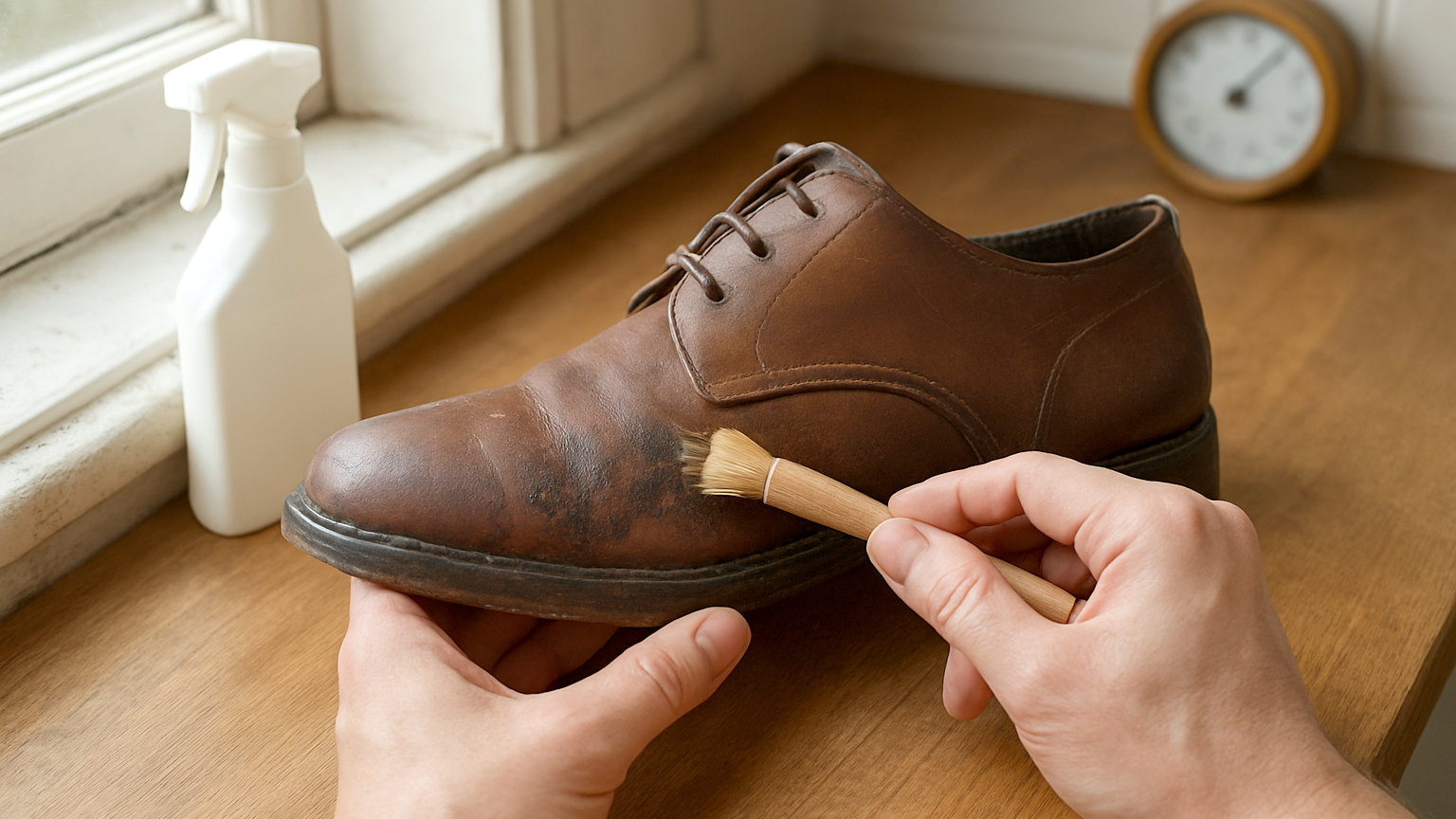
Leather is a protein material that holds moisture, and mould on it is usually a storage problem rather than a cleaning one.
Pet bedding carries hair, dander, saliva and outdoor soil, and washing it alongside household laundry transfers all of it into everything else.
The yellow is not sweat. It is a reaction between the aluminium in antiperspirant and the proteins in perspiration, developing slowly in the wardrobe.
Most children pens are water based and wash out easily, and the ones that do not are usually alcohol based and need a solvent instead.