How Do You Remove Red Wine From Clothes?
Clothing has one enormous advantage over carpet: it can be rinsed from the back, which flushes the wine out the way it came in.
By Cleaning Guides Team
4 Nov 2024

Stain removal is mostly about doing the right thing in the first five minutes and not doing the wrong thing at all. These guides are organised by what caused the mark rather than by product, because the chemistry differs: protein stains need cold water, grease needs the opposite, and heat sets several of them permanently. Every guide says what to do first, what to avoid, and when a stain is not coming out.
Clothing has one enormous advantage over carpet: it can be rinsed from the back, which flushes the wine out the way it came in.
Protein stains coagulate into the fibre when heated, which is why a hot rinse or a tumble dry turns a simple mark into a permanent one.
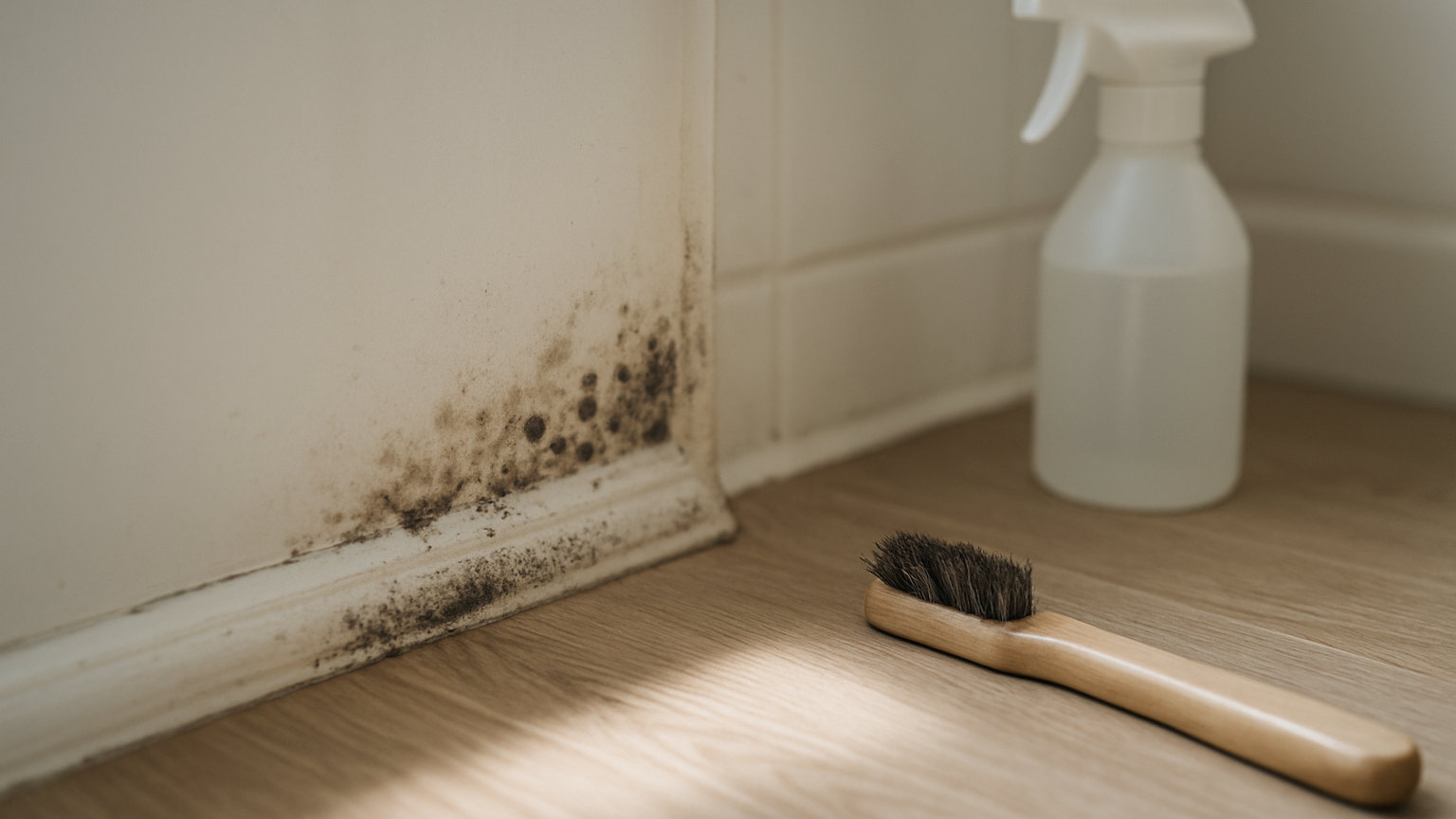
Both are fungi and the distinction people use day to day is about appearance rather than biology, which matters more than it sounds.
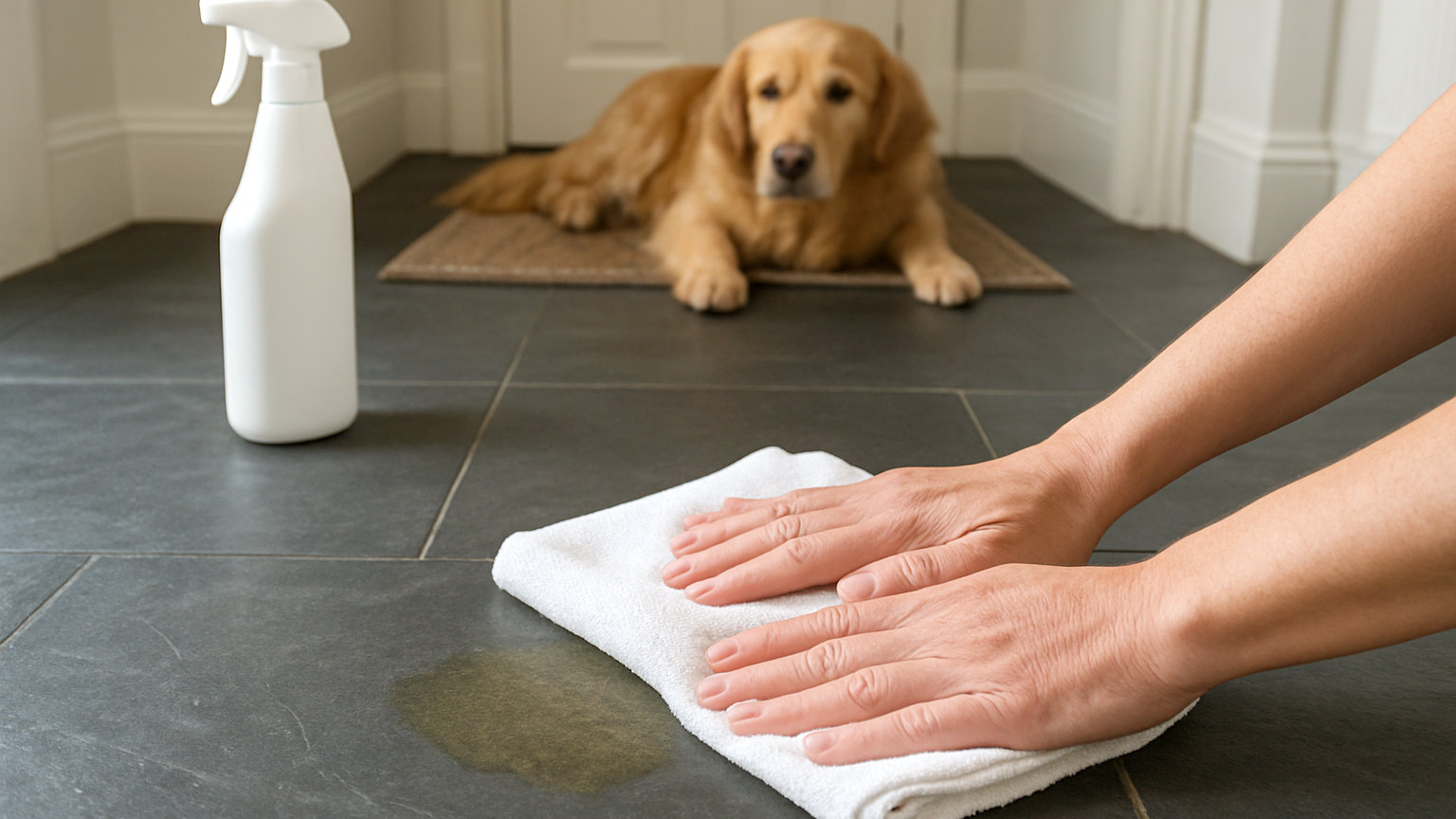
Urine spreads outwards and downwards into the backing, which is why treating only the visible mark leaves most of the problem in place.
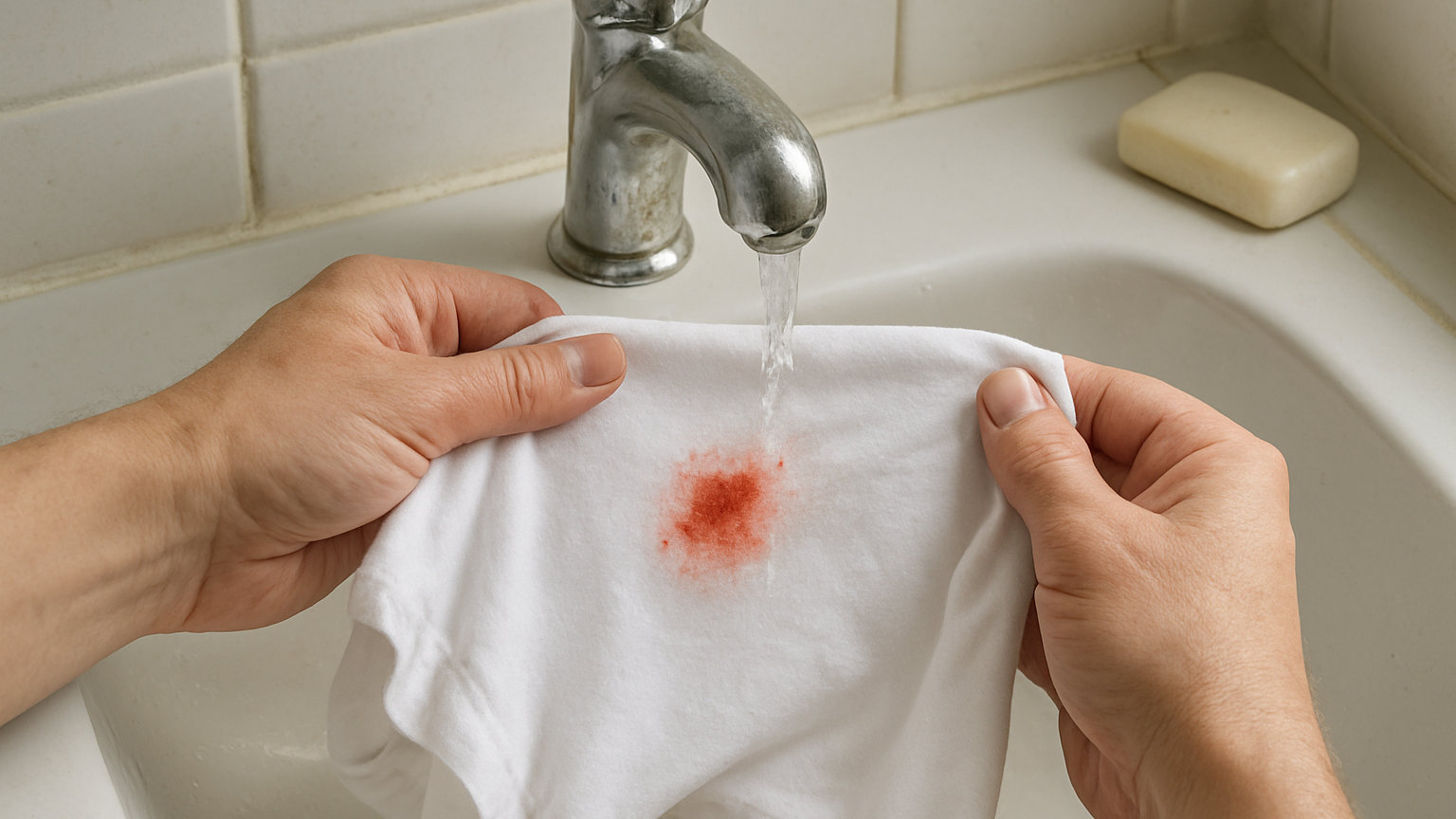
Fresh blood rinses out in cold water with almost no effort, and the only thing that reliably ruins it is reaching for the hot tap.
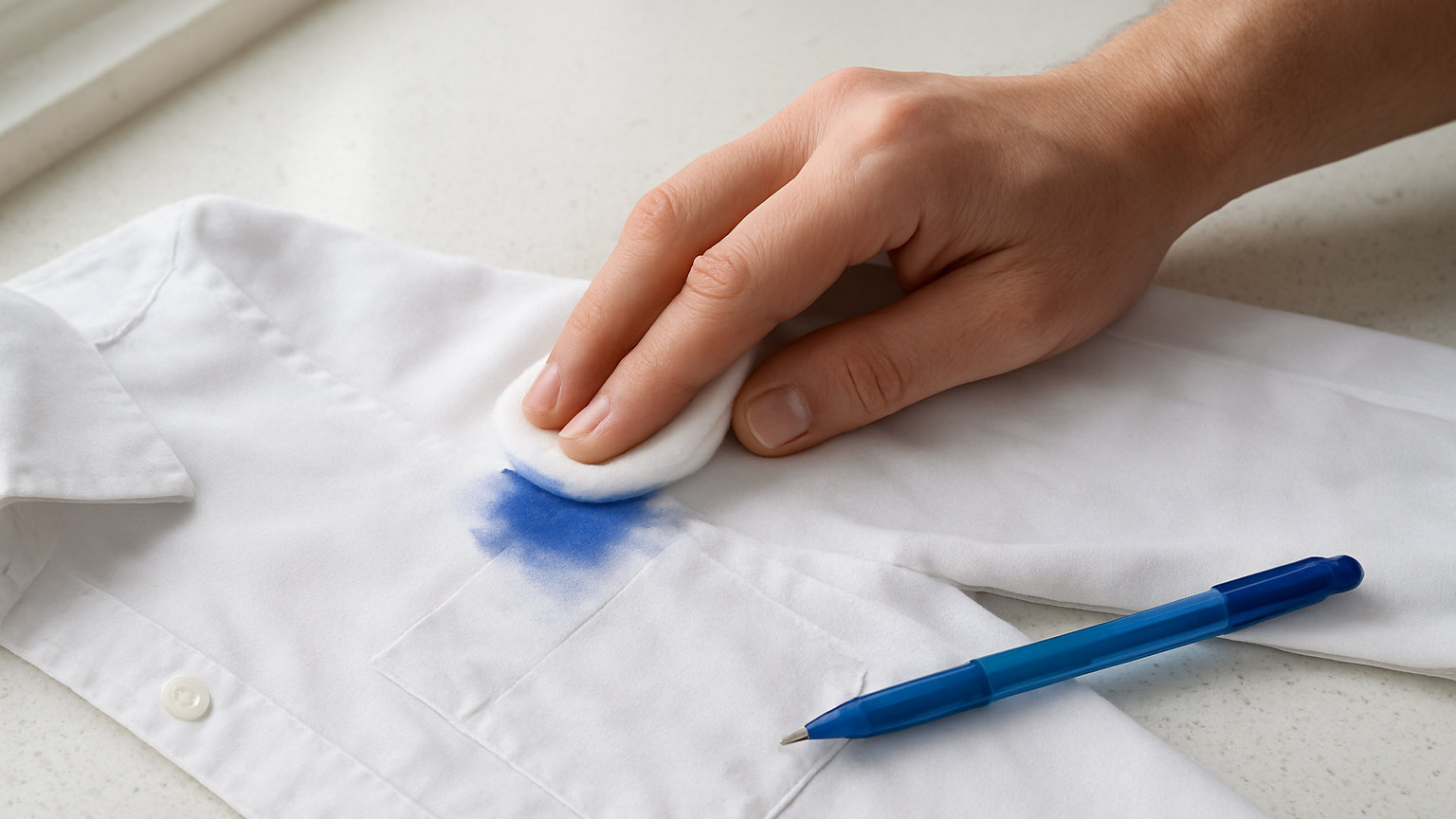
Ballpoint ink is pigment in an oily paste, which is why water does nothing and a solvent applied from the back does almost everything.
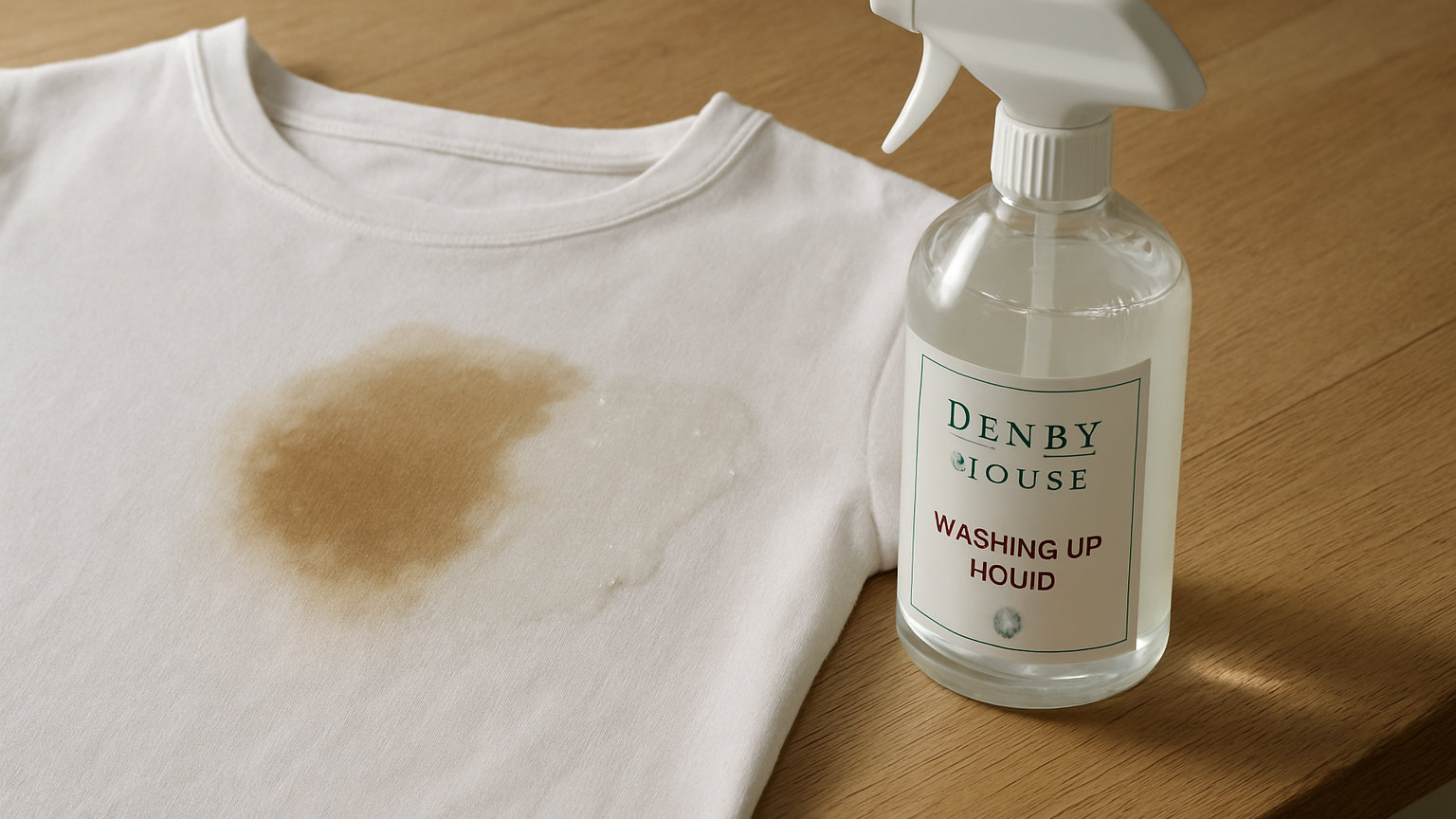
Washing up liquid is a degreaser by design, and the same chemistry that lifts fat off a roasting tin lifts it out of a shirt.
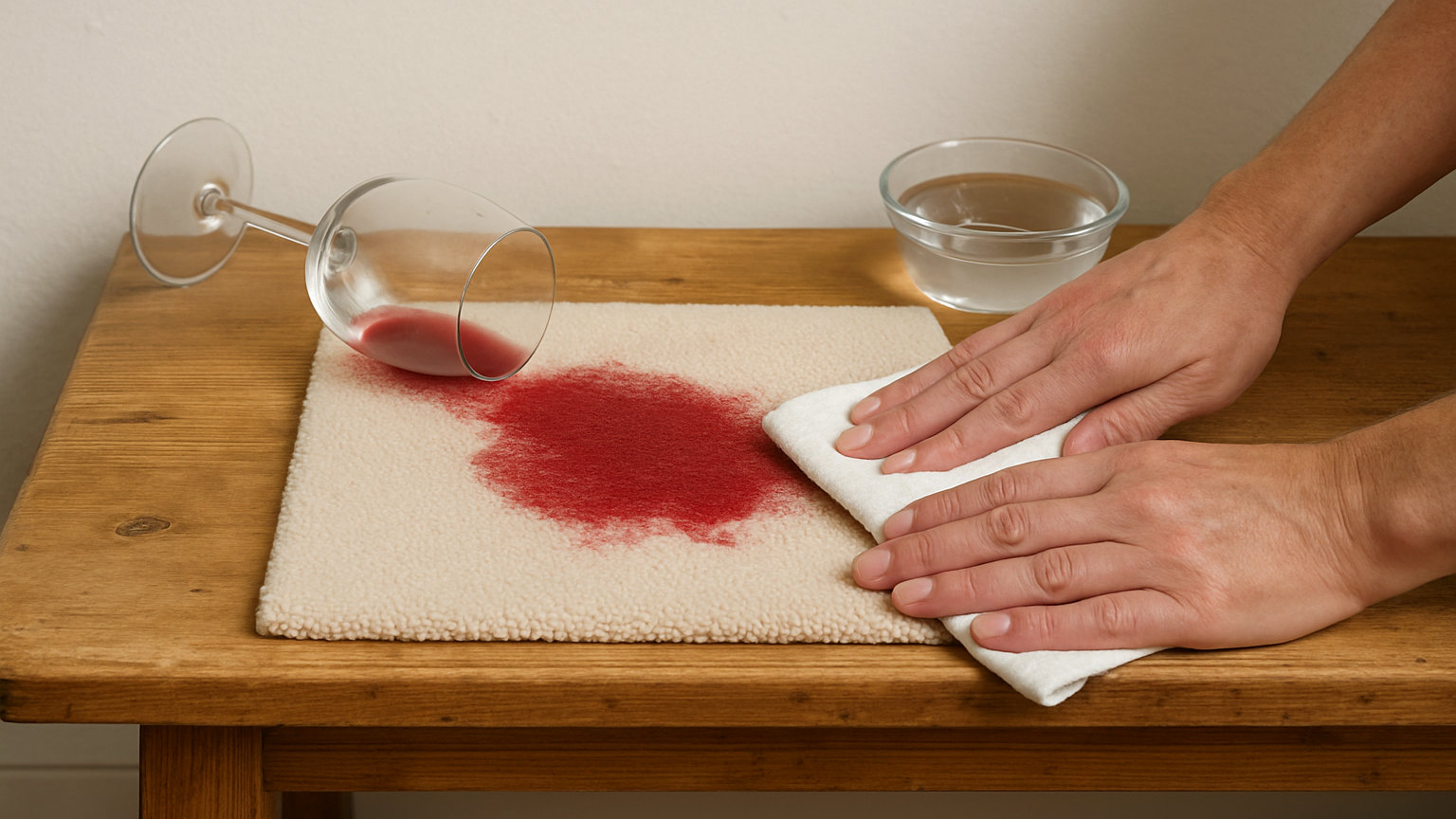
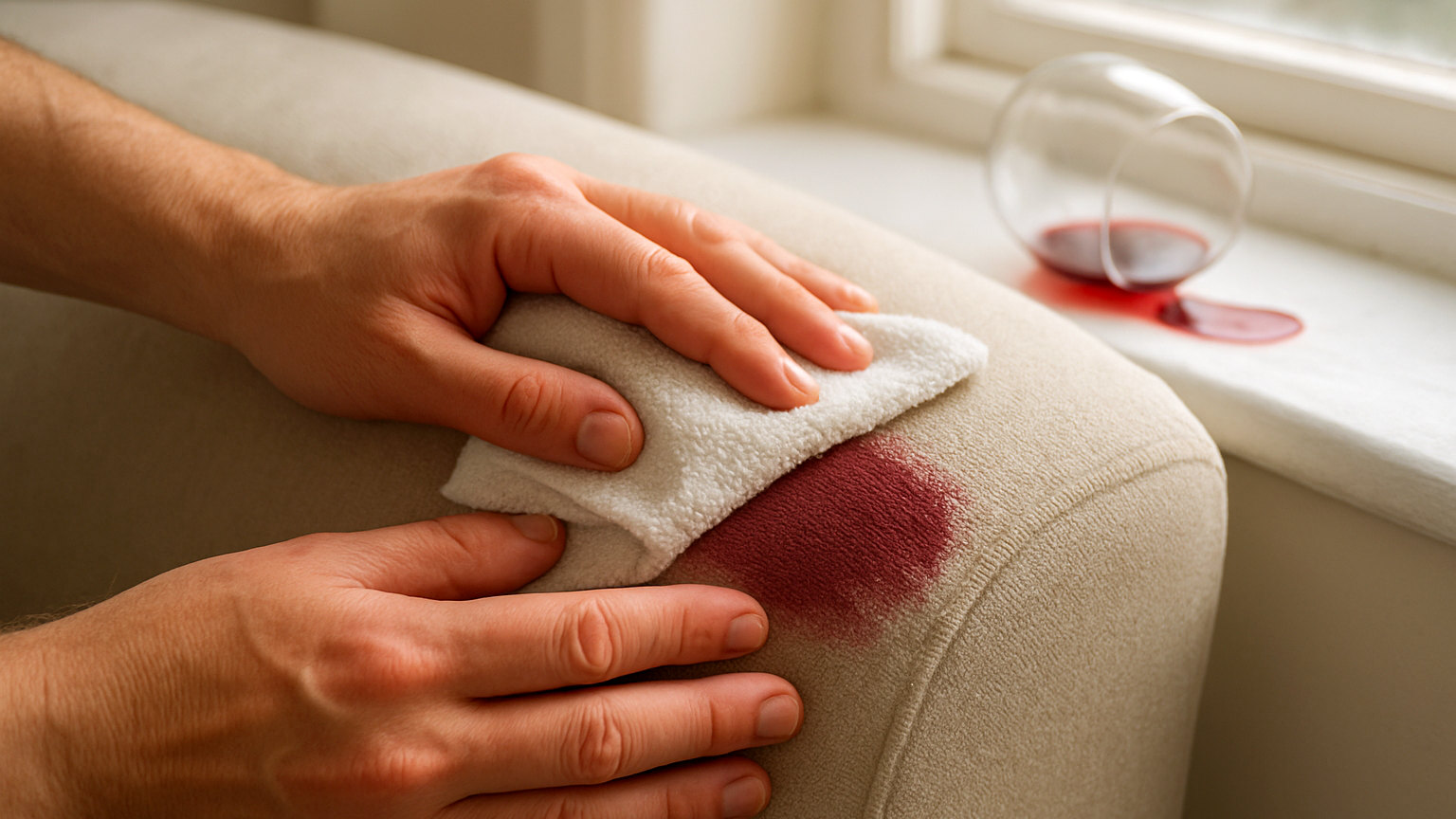
The first five minutes decide a red wine stain on carpet, and almost everything that goes wrong afterwards was caused by rubbing or by too much liquid.
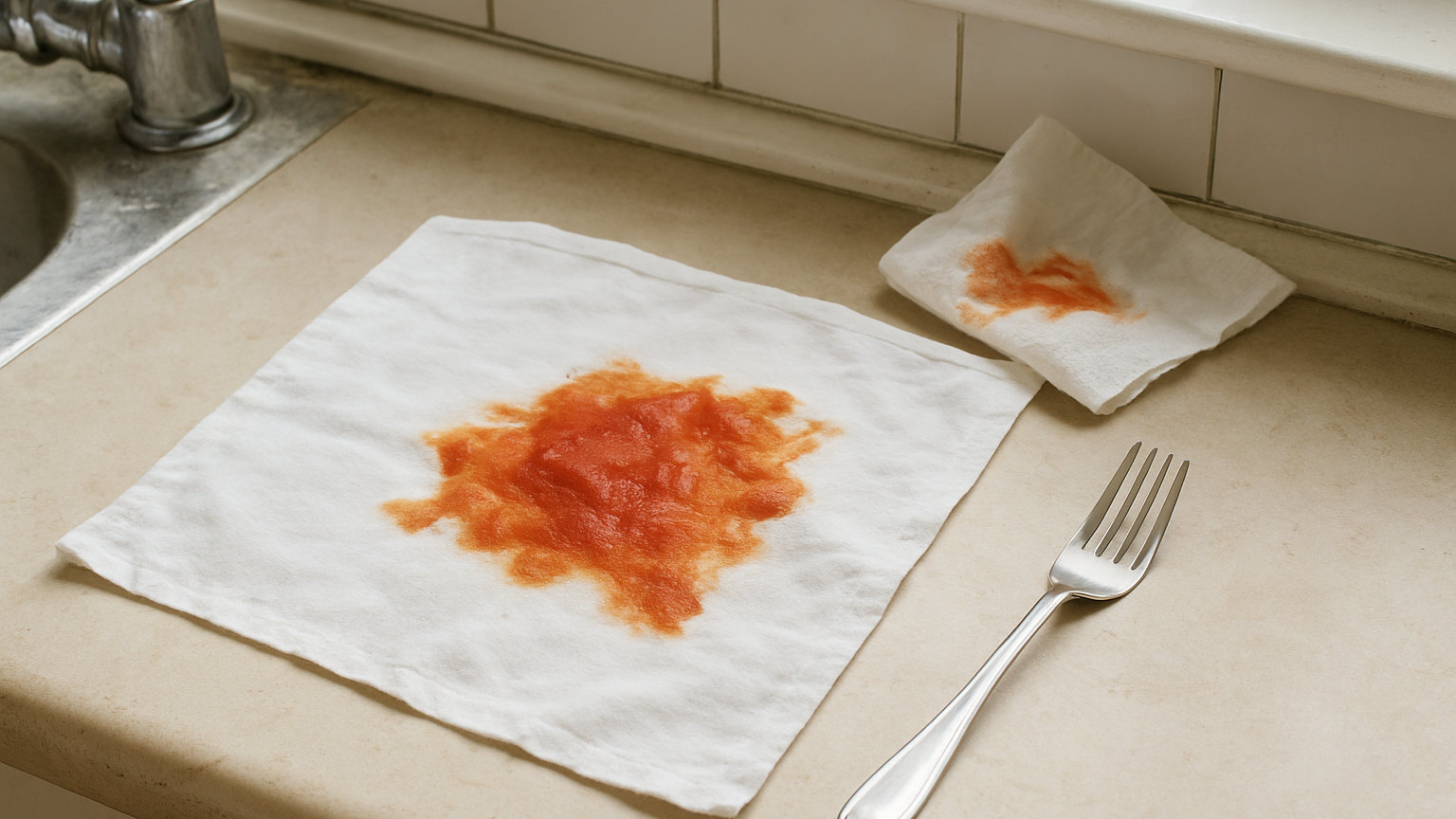
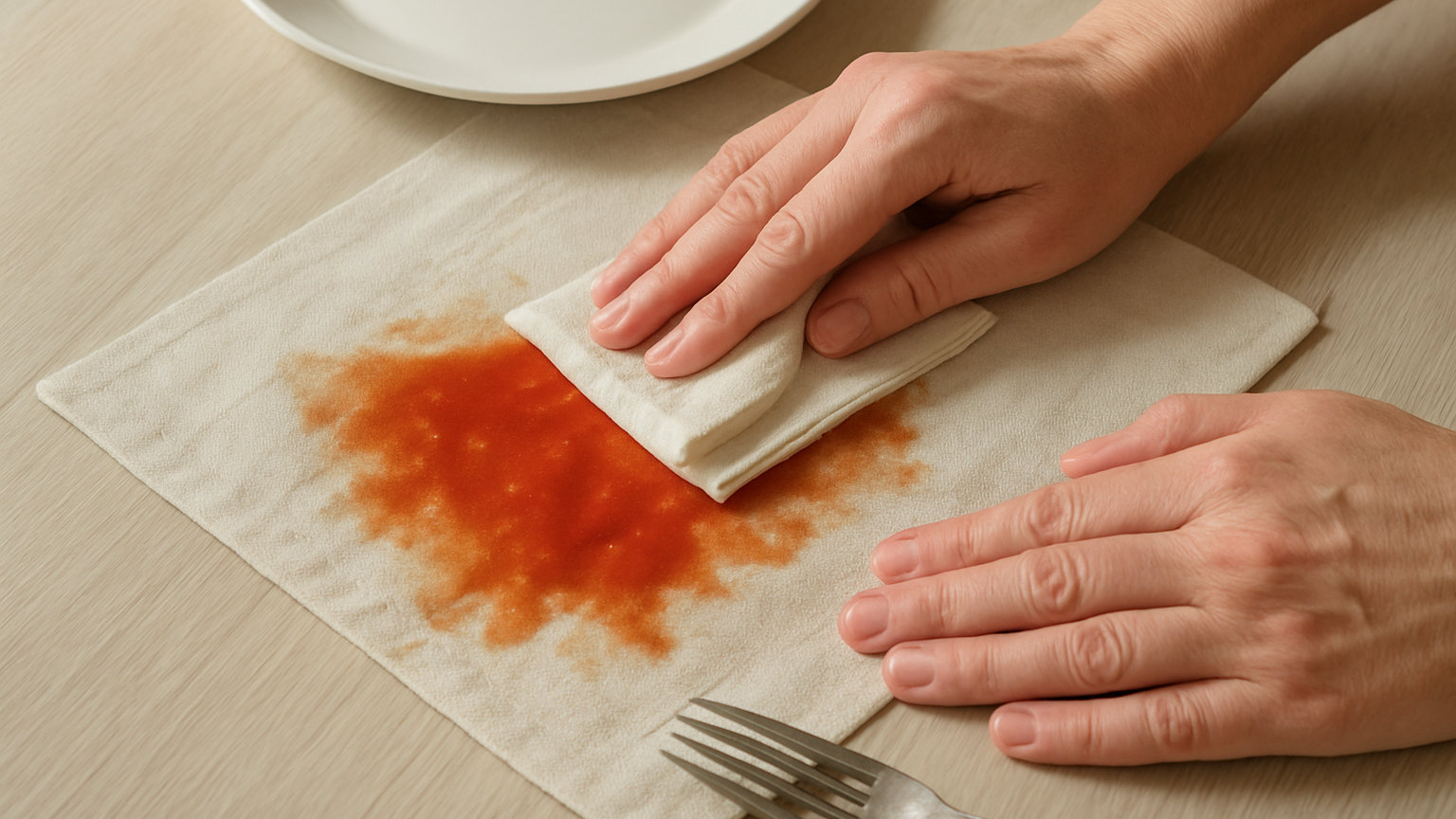
What you do in the first two minutes decides most food stains, and the two instincts people follow first are both wrong.