How Do You Iron Delicate and Embellished Items?
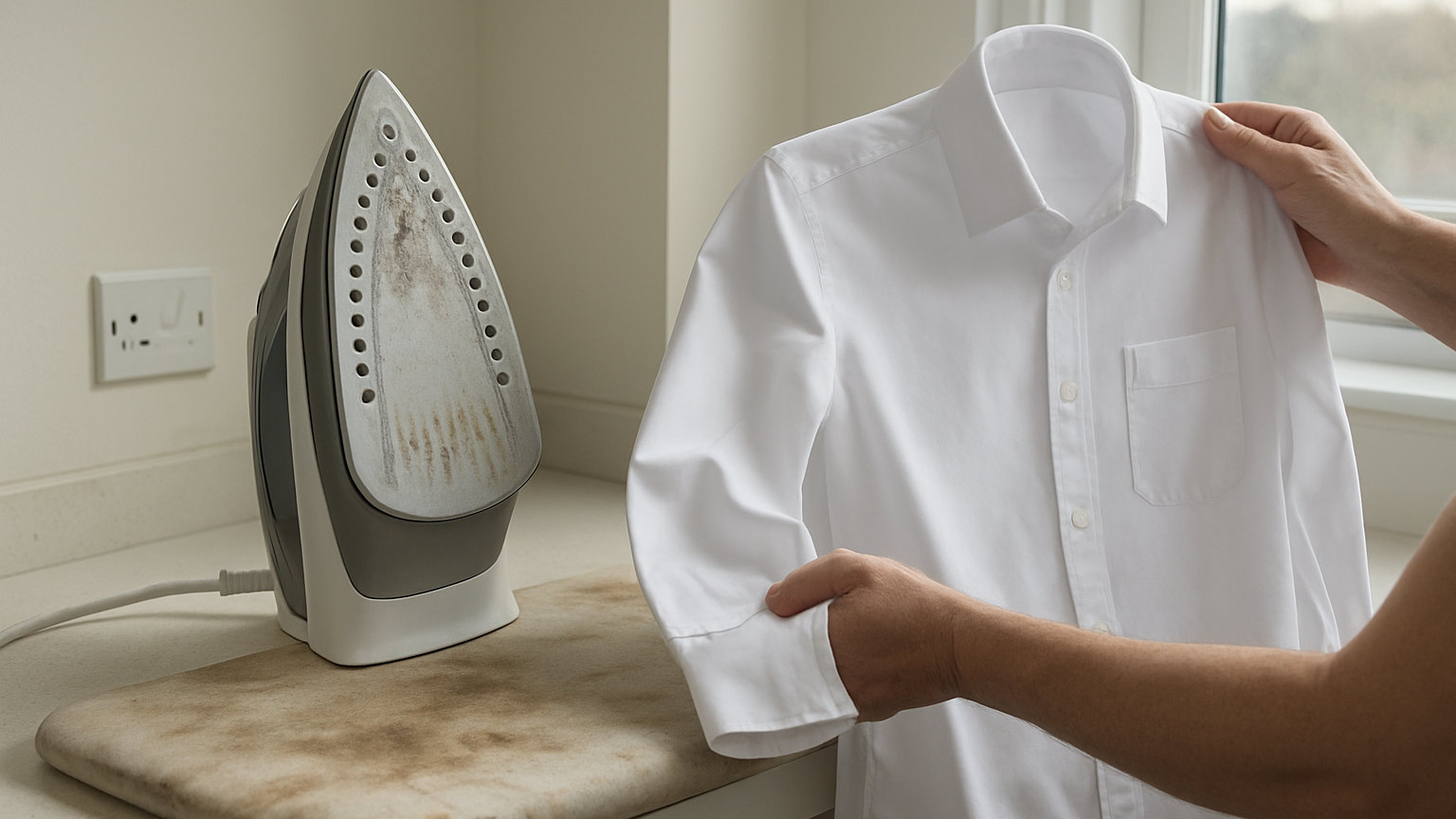
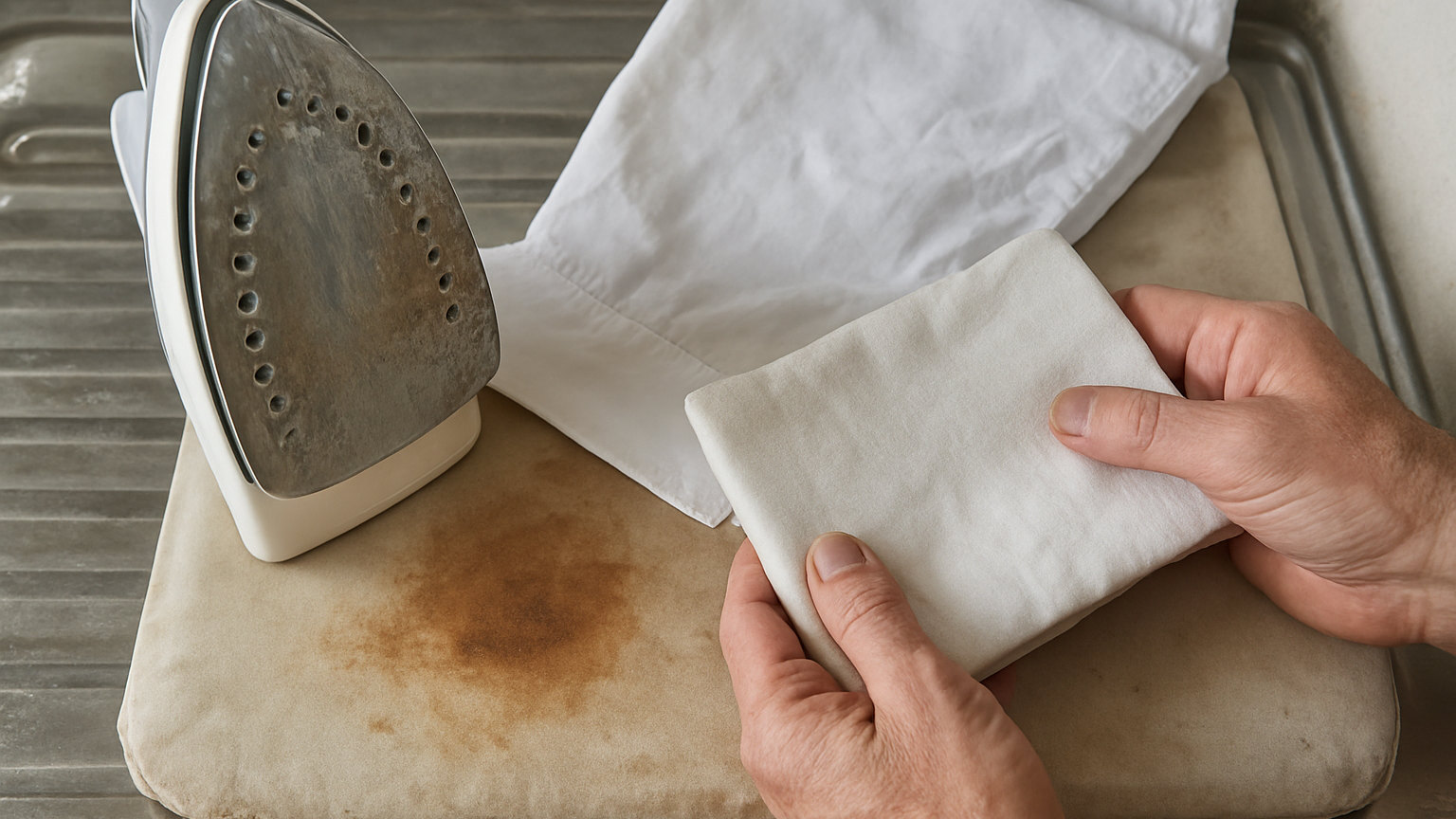
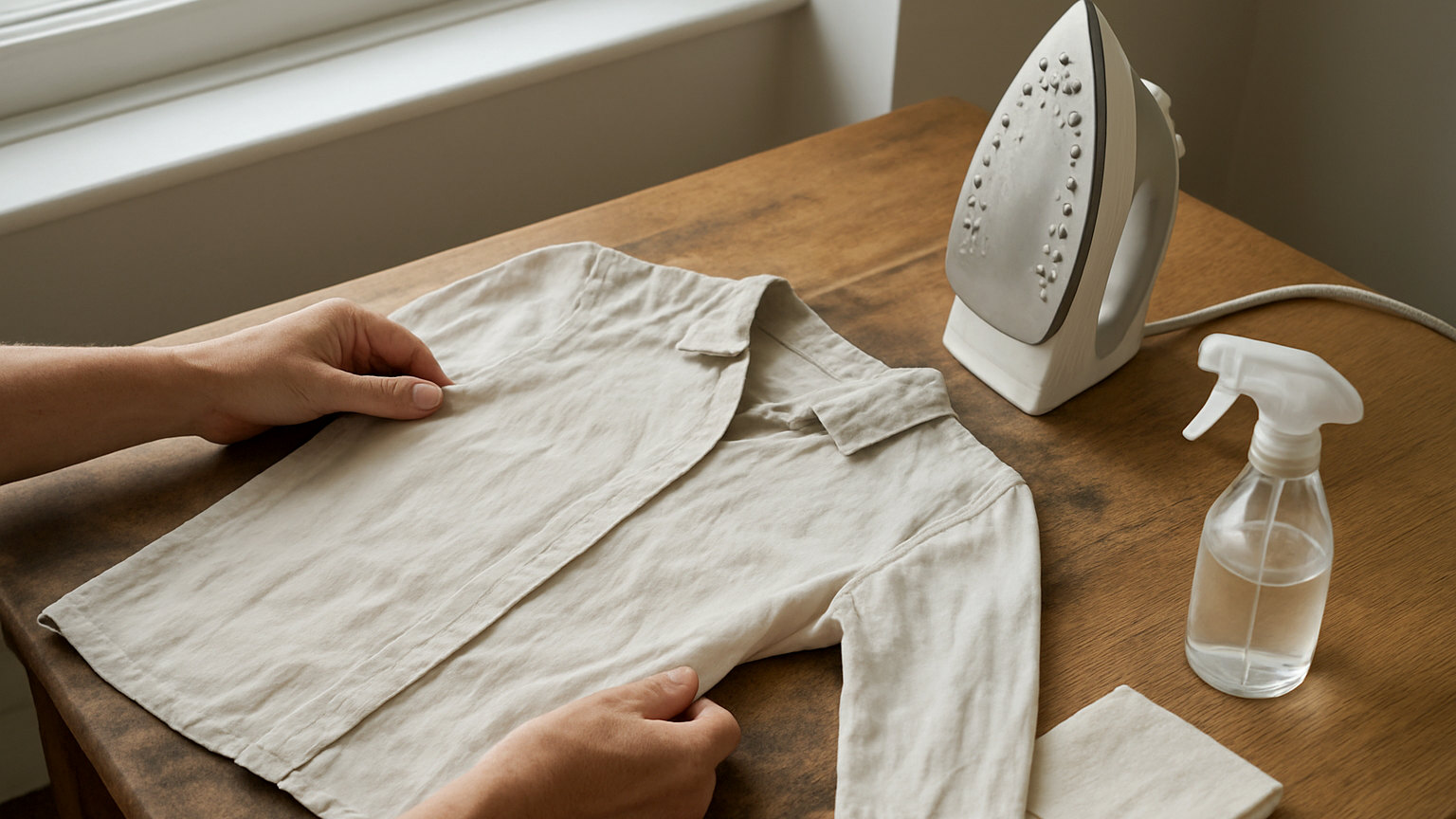
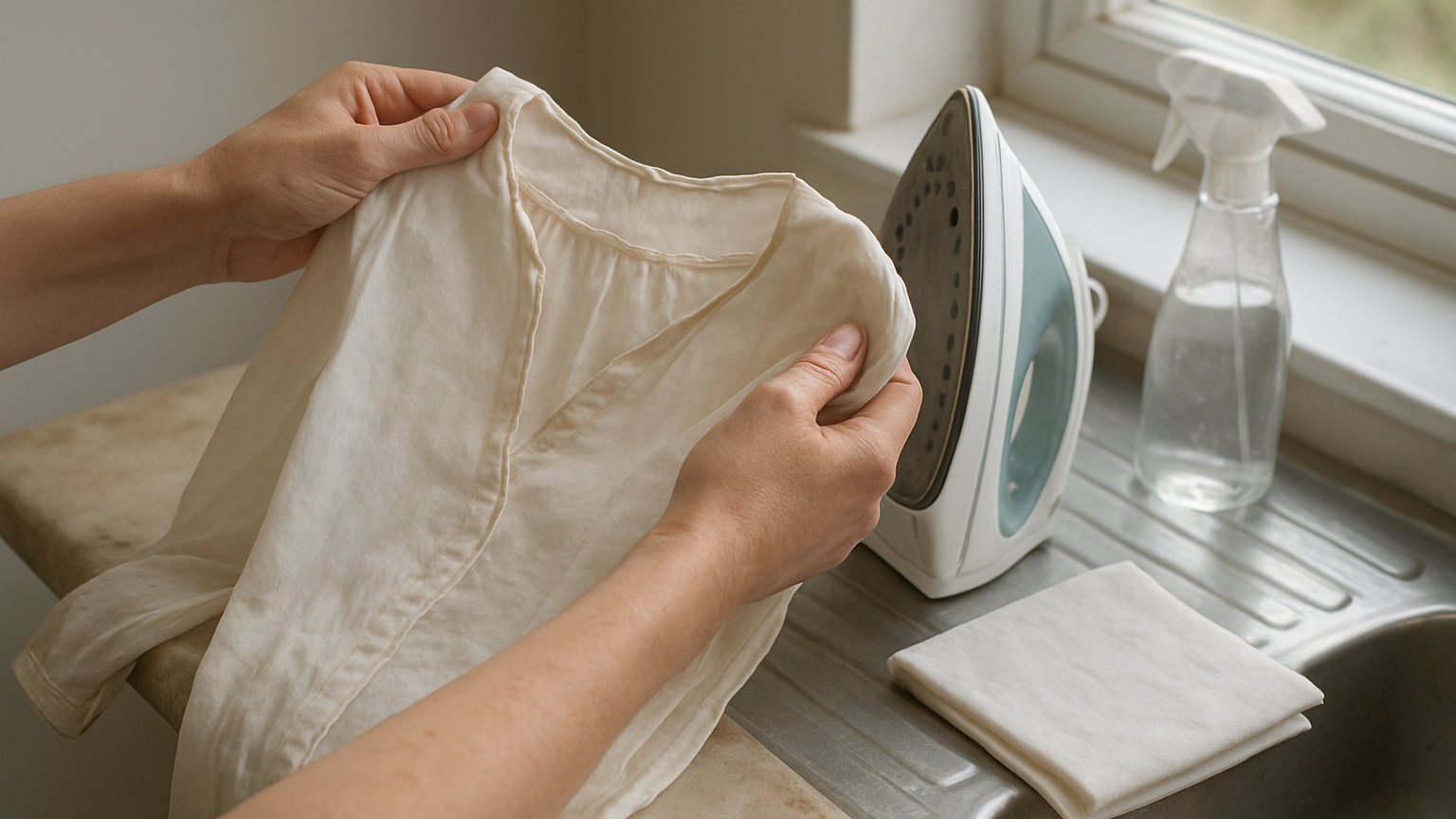
The safest approach to a delicate garment is to iron the reverse through a cloth, and for a lot of them not to use an iron at all.
By Cleaning Guides Team
10 Apr 2026

Temperature by fabric, steam, what needs ironing at all, and how to avoid shine marks.
The safest approach to a delicate garment is to iron the reverse through a cloth, and for a lot of them not to use an iron at all.
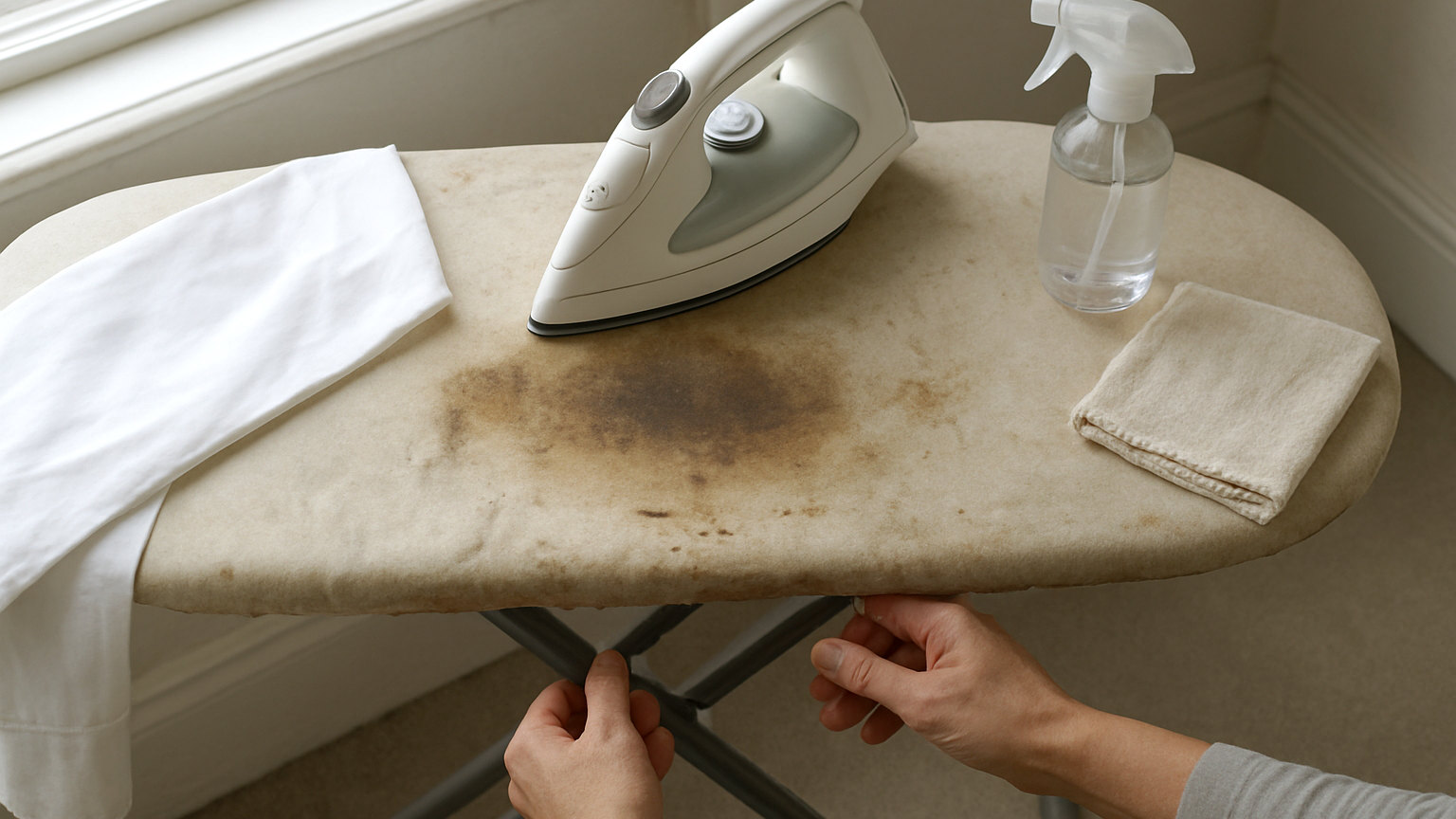
Board height decides whether ironing is tiring or not, and a worn cover makes every garment take longer for reasons nobody connects.
A steamer relaxes creases while an iron flattens them, which makes each better at different jobs rather than one replacing the other.
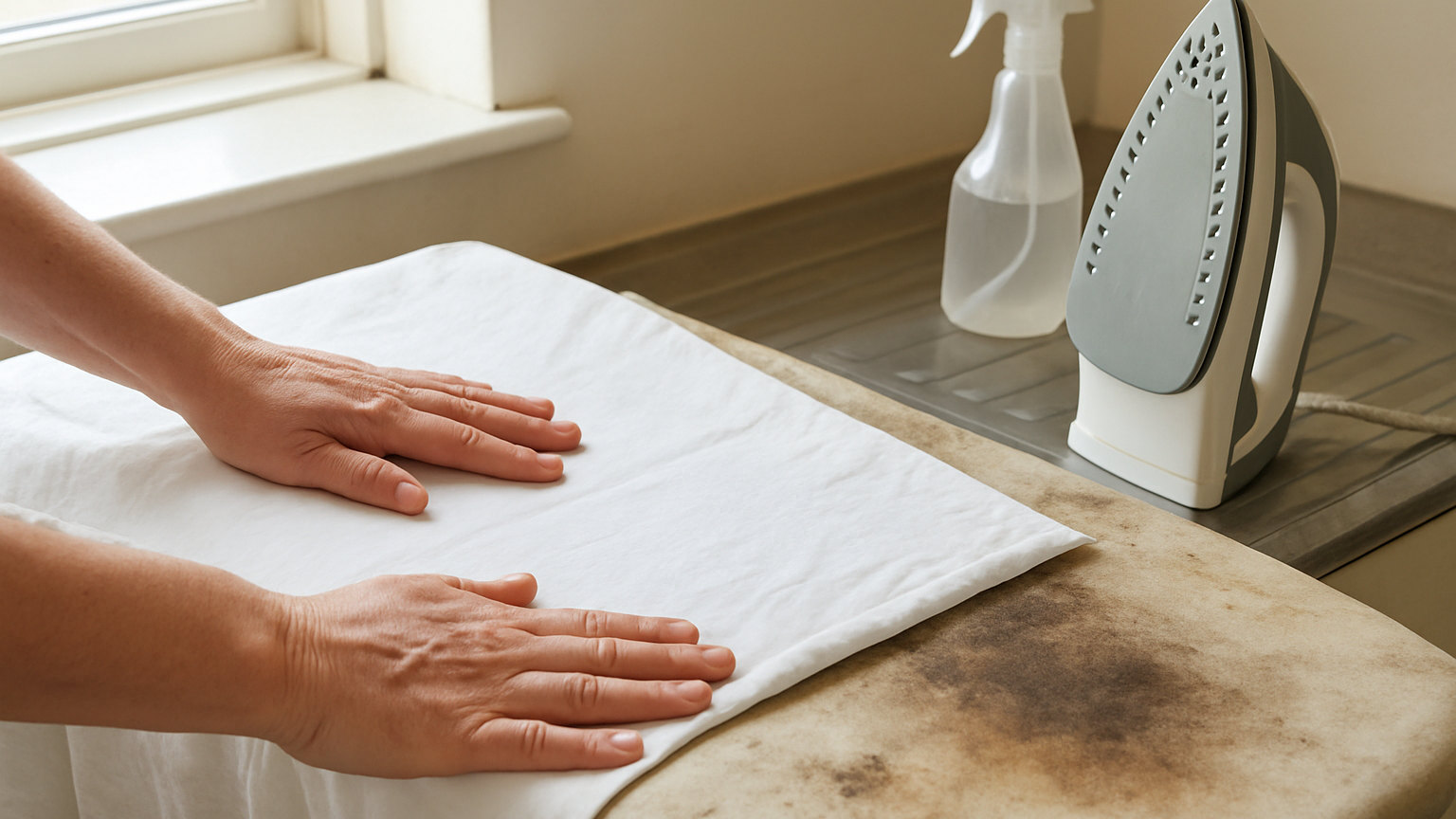
Most bedding does not need ironing at all, and for the items that benefit the technique is about managing the bulk rather than the fabric.
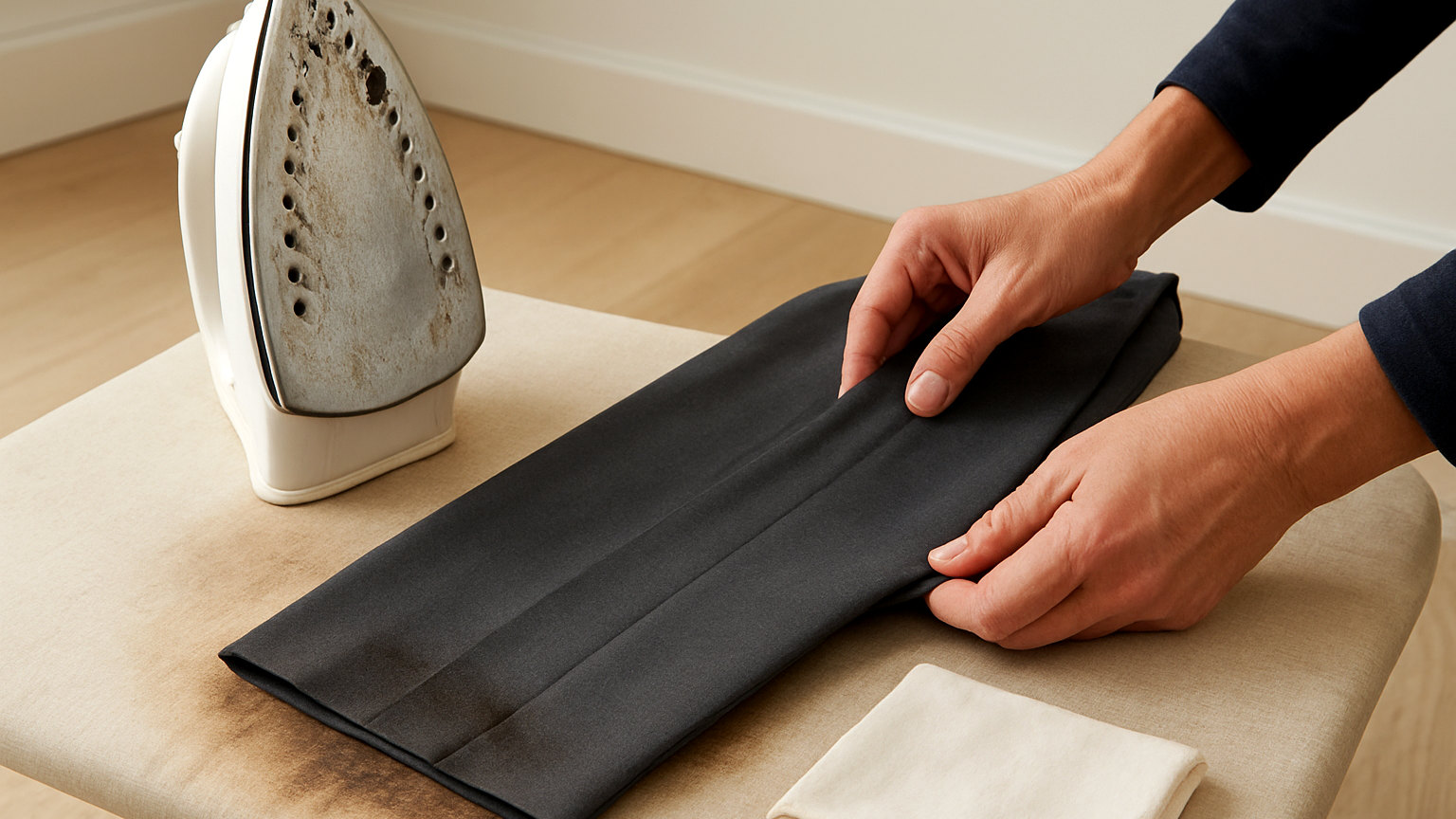
The crease already exists in a pair of tailored trousers, and the job is to find it and reinforce it rather than to create a new one.
The old advice to always use distilled water is now wrong for many irons, because modern anti-scale systems are designed around tap water.
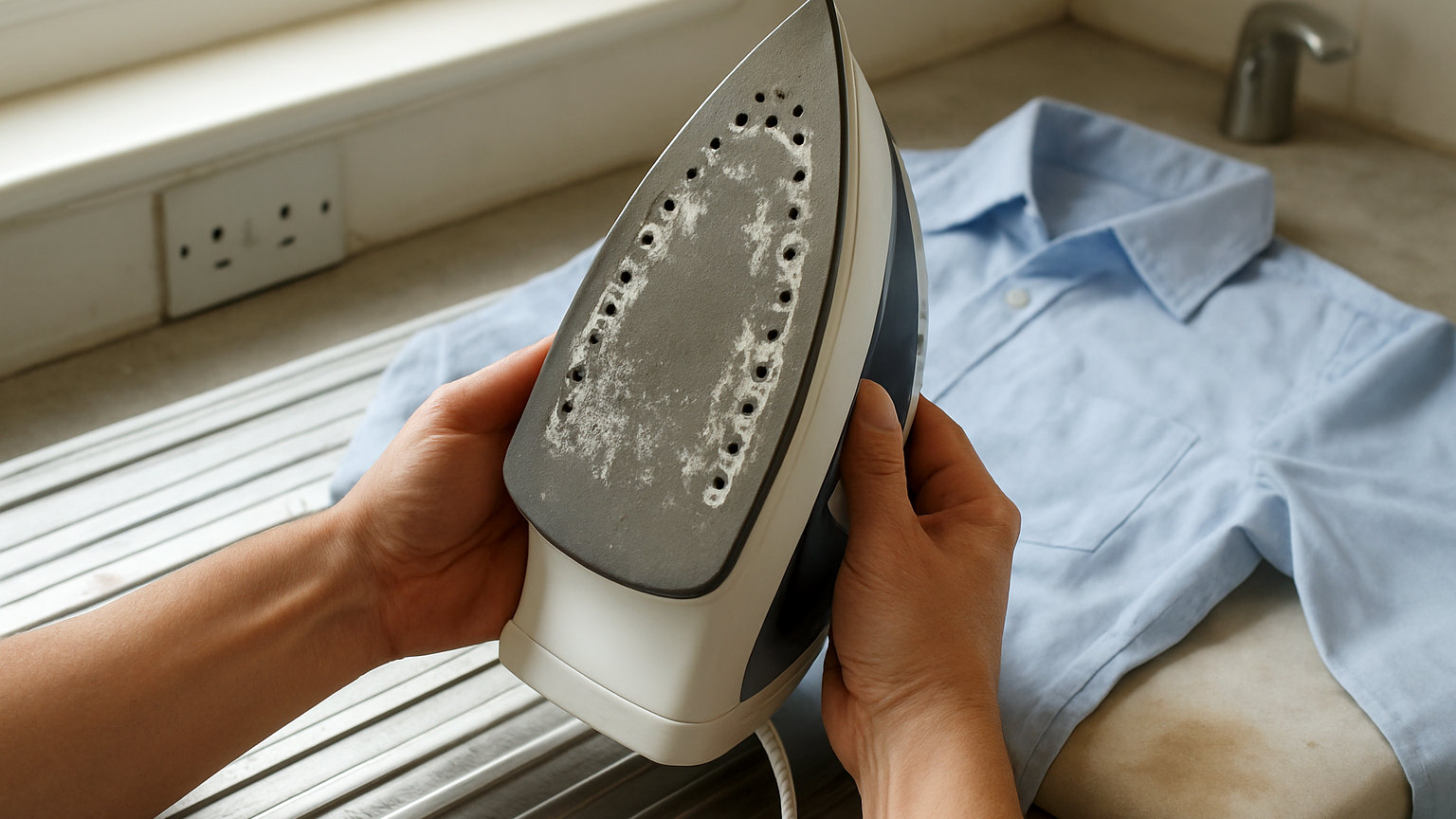
Brown flakes on a shirt and a weak steam output both point to the same cause, and the self clean function usually fixes it in five minutes.
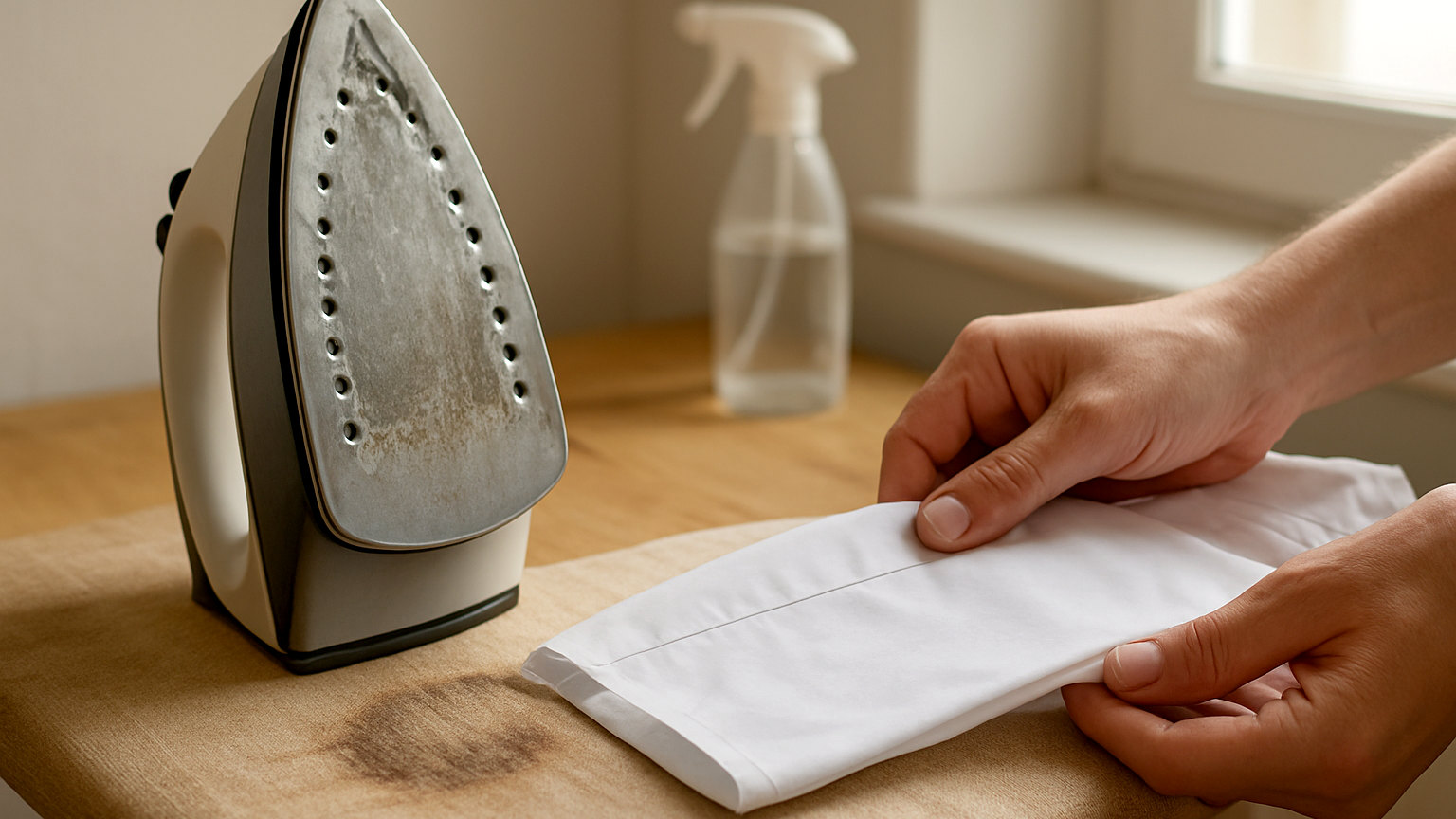
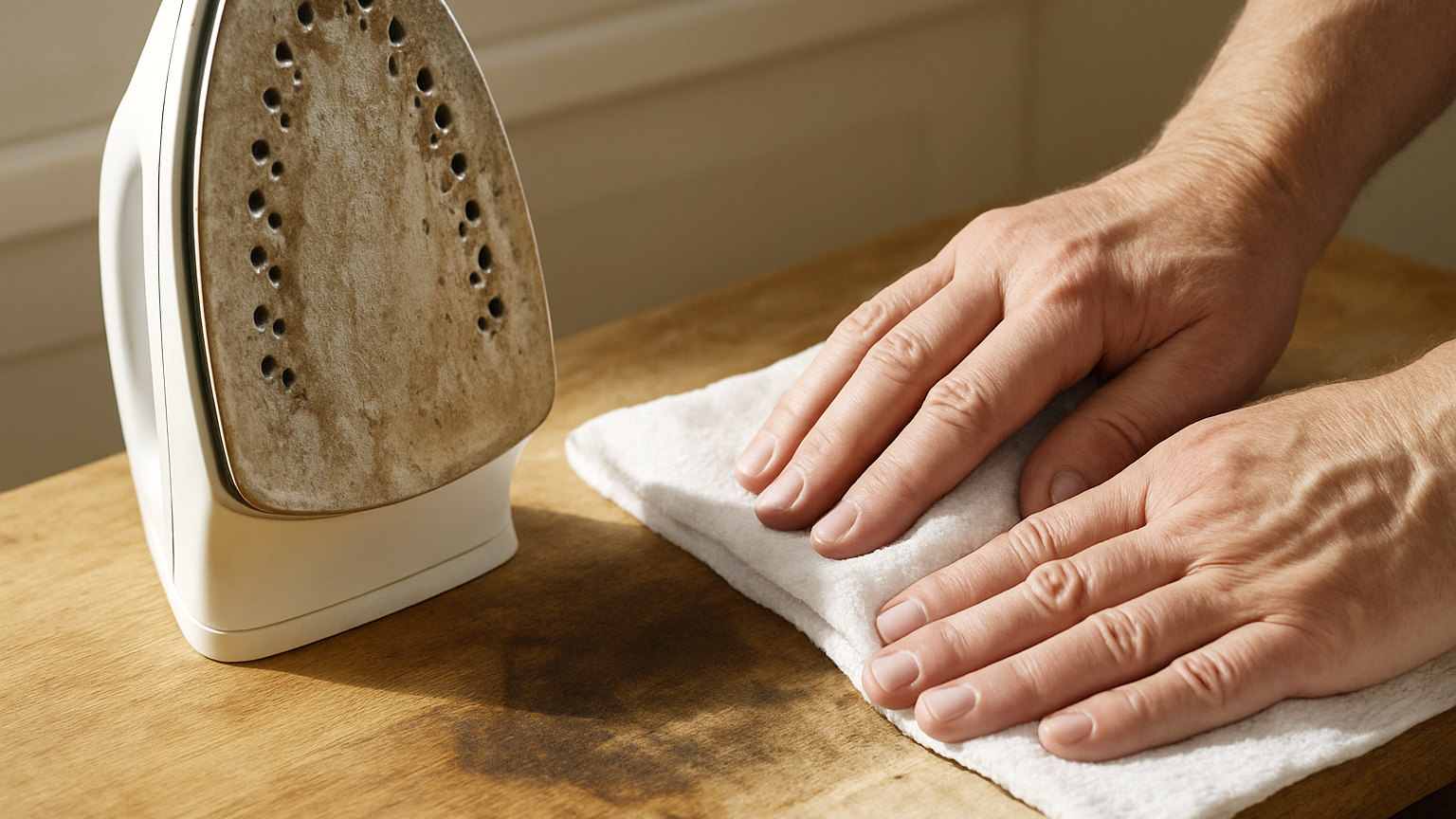
A soleplate that drags rather than glides has something stuck to it, and what that something is decides how to get it off.
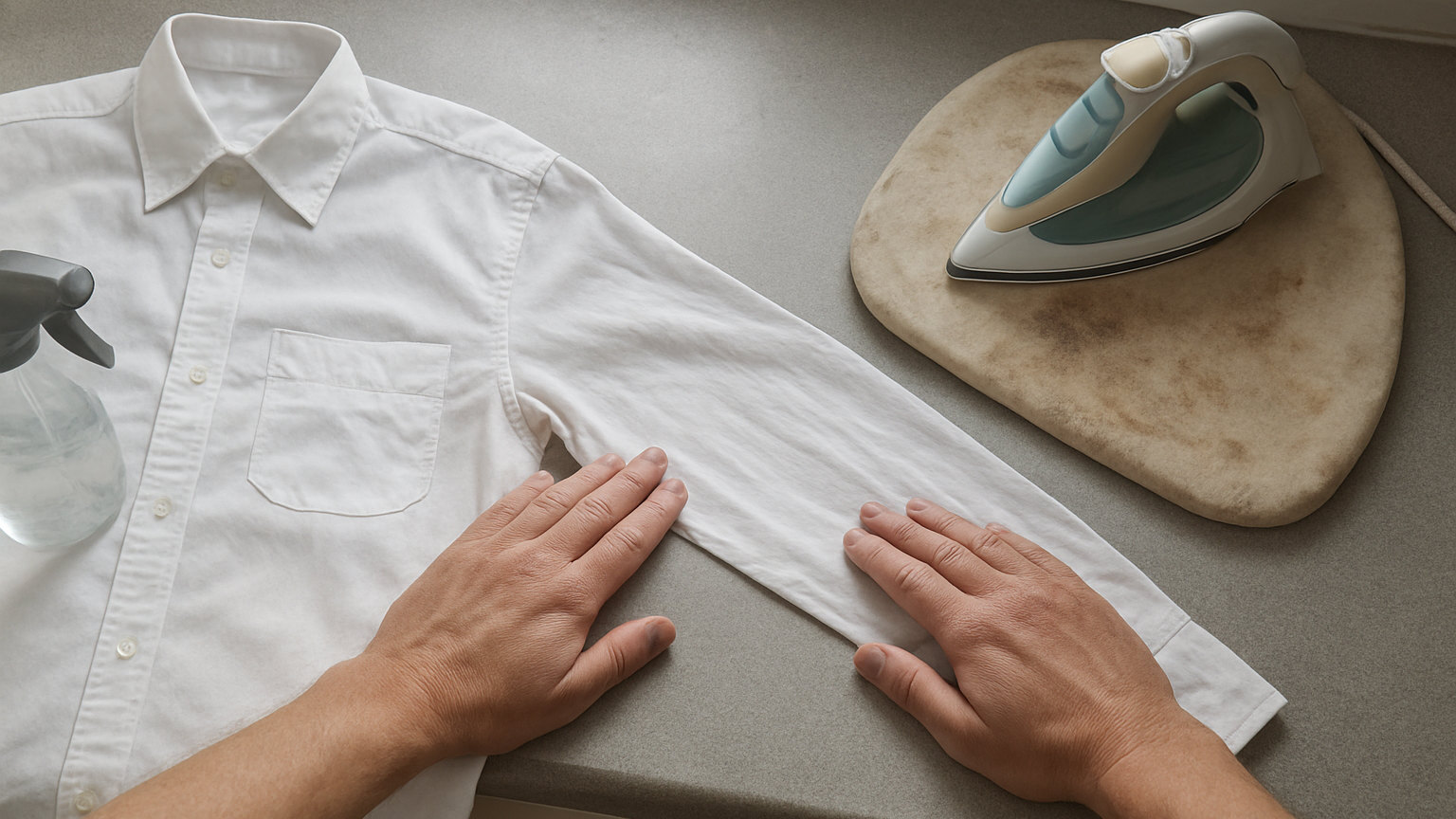
Steam does most of the work of ironing, which is why a hot dry iron on dry cotton is such hard going for such a poor result.
Shine is the fibre surface being flattened and polished by the soleplate, and on synthetics it is the first stage of melting.
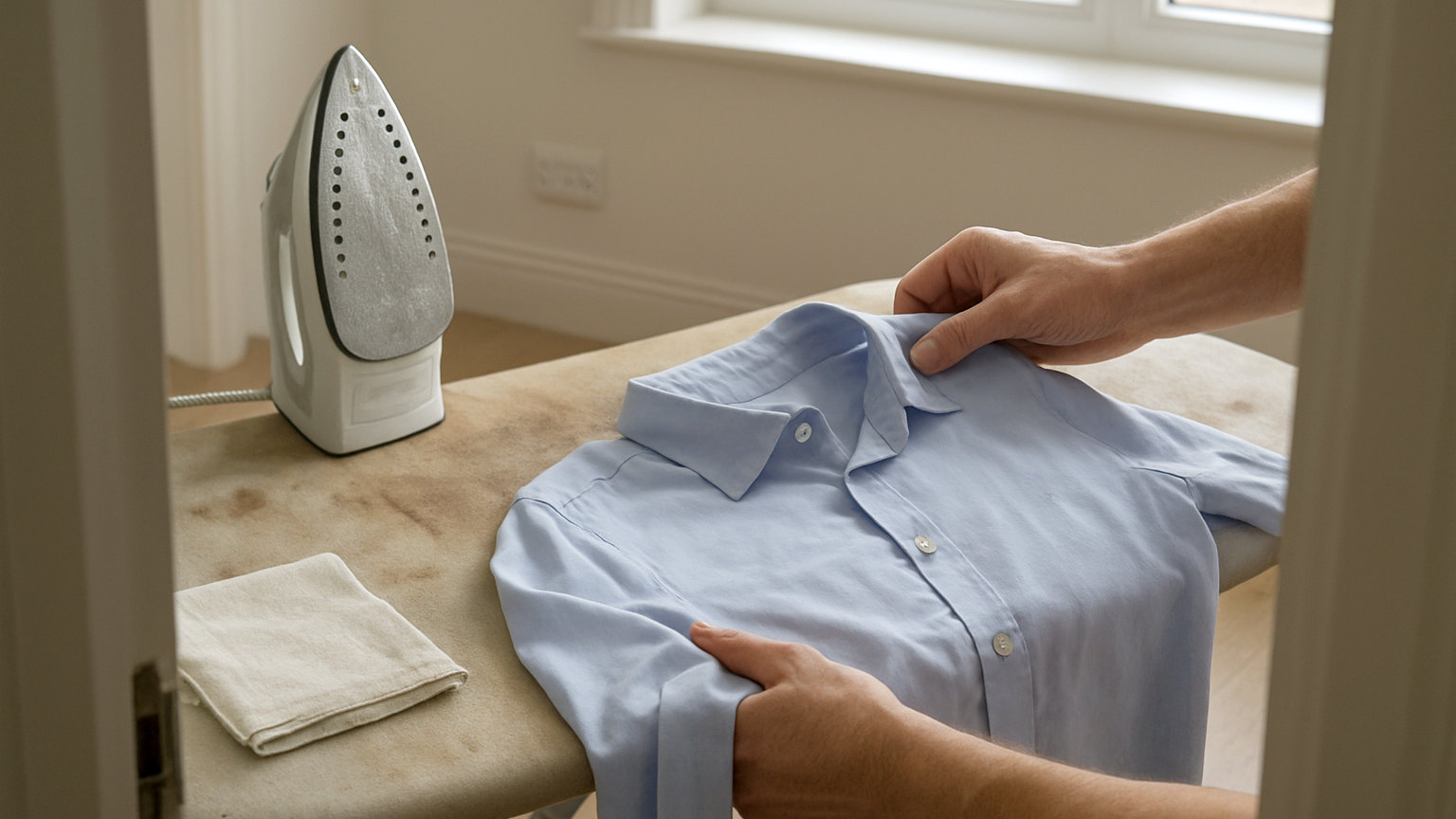
A shirt has eight parts and they go in a specific order, so that nothing already pressed gets crushed by what comes afterwards.
Most of what ends up on an ironing board could have avoided it entirely, and the decisions that make the difference happen at the drying stage.