Biological detergents genuinely do work on protein stains, and the effect is not marketing. Enzymes are biological catalysts that cut specific molecules into smaller fragments, and the ones in laundry detergent are chosen to break down exactly the classes of soil that ordinary washing struggles with.
Which enzymes are in them?
- Protease – breaks down proteins. Blood, egg, milk, gravy, sweat, grass.
- Lipase – breaks down fats and oils.
- Amylase – breaks down starches, including sauces, pasta and baby food.
- Cellulase – smooths cotton fibres, which reduces pilling and brightens colours.
- Mannanase – targets gums used as thickeners in many foods.
Protease is the one that matters for this category, and it is present in almost every biological detergent.
Why does temperature matter so much?
Because enzymes are themselves proteins and they denature when heated, exactly as the stains they are attacking do. Most laundry enzymes work best somewhere between 30 and 50 degrees, and their activity falls away sharply above that.
A 60 degree wash with a biological detergent gets the benefit of the heat and very little of the enzyme action. A 30 degree wash gets the enzymes working at close to their optimum.
This is why a cool wash with a biological detergent frequently outperforms a hot wash with a non-biological one on food and body stains.
Why does soaking help so much?
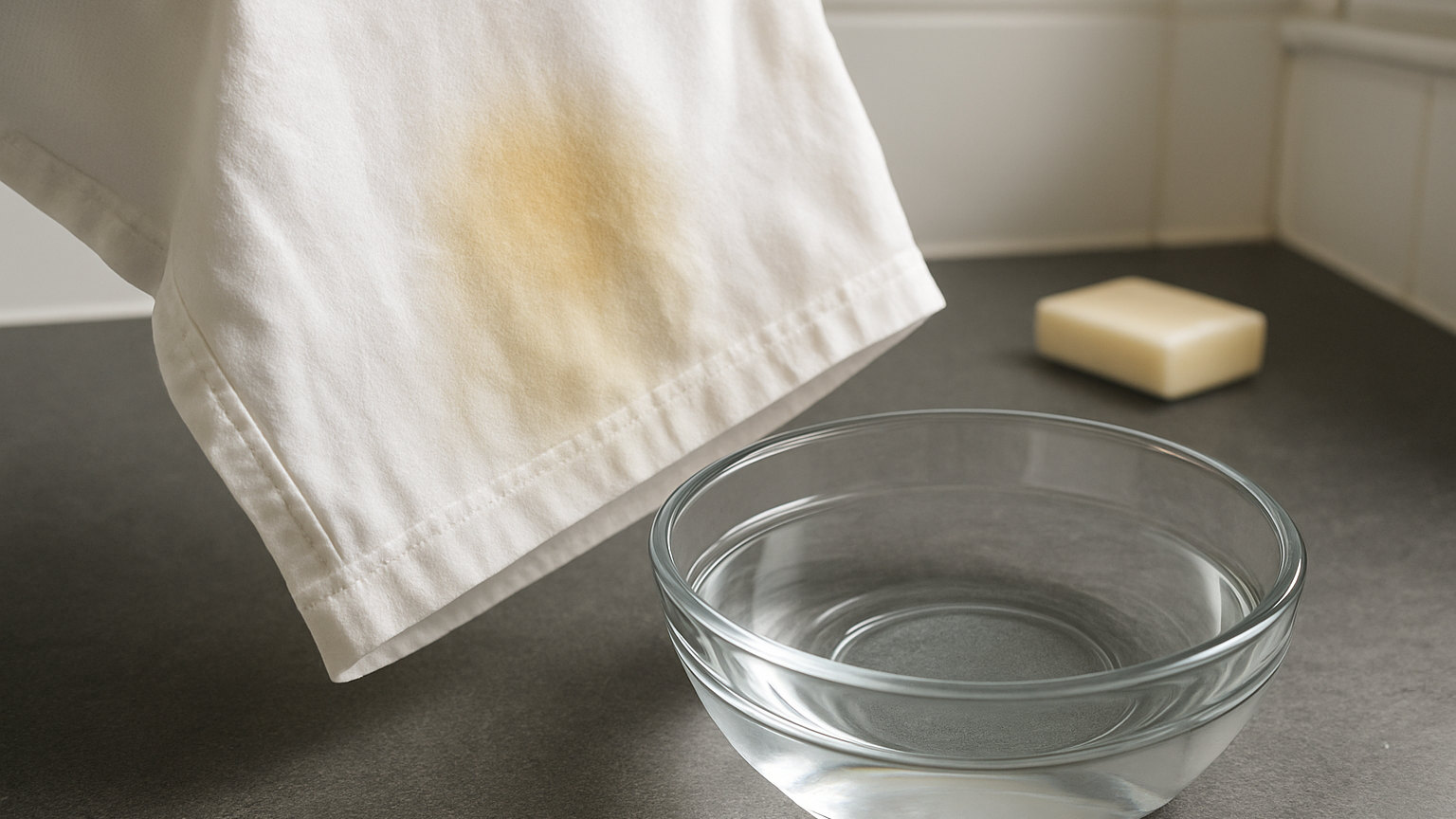
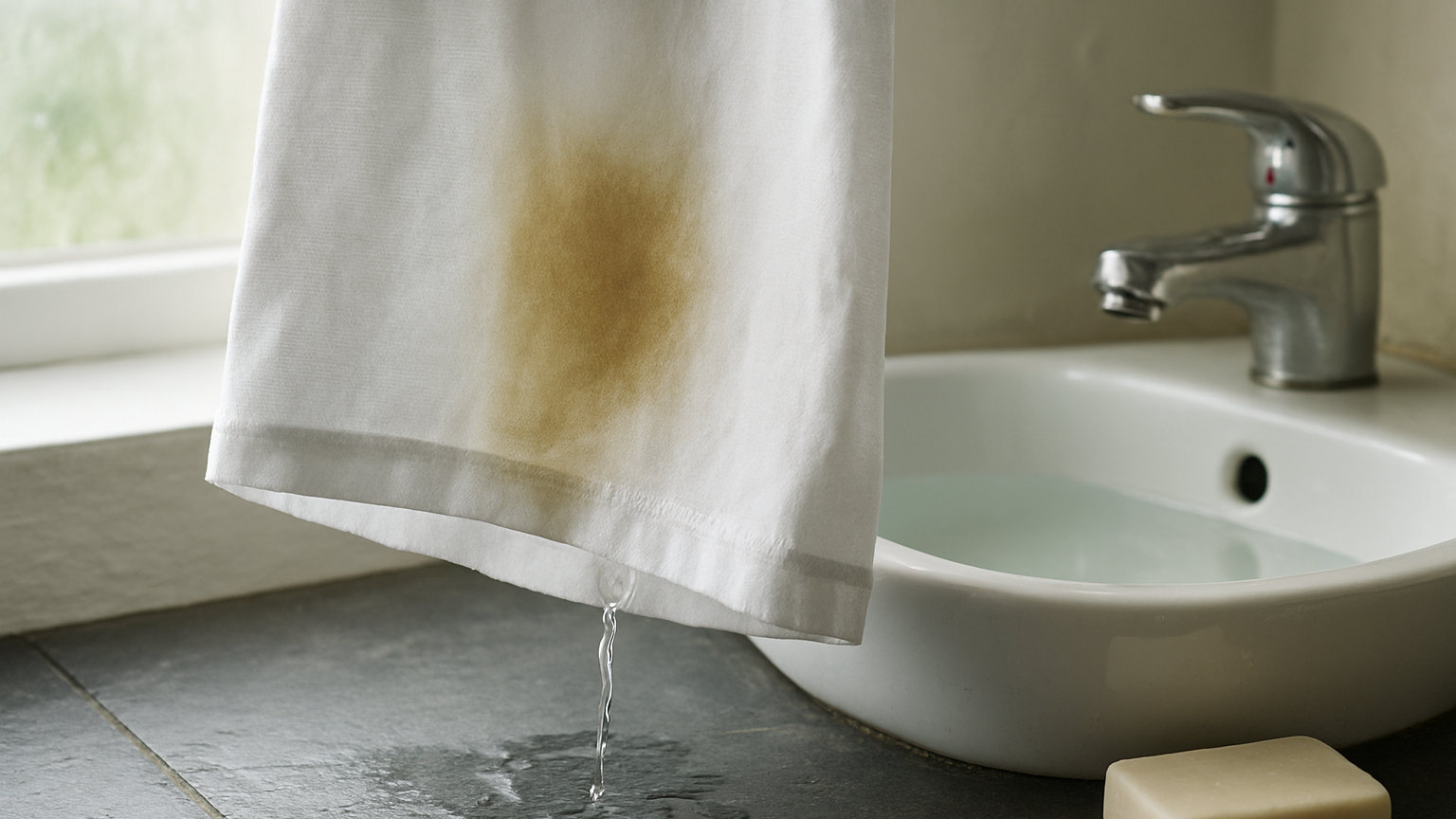
Because enzymes work over time rather than instantly. A wash cycle gives them perhaps thirty minutes of contact at working temperature. A soak gives them several hours, and the difference on a set in stain is substantial.
An overnight soak in cool water with a biological detergent is the most effective domestic treatment there is for blood, milk, egg and grass.
Which fabrics must they not be used on?
Wool and silk, both of which are protein fibres. Protease does not distinguish between a blood stain and a wool jumper, and repeated use will weaken and eventually damage the fabric.
Use a wool or delicates detergent on both, which is formulated without enzymes for exactly this reason. Leather should also be kept away from enzyme cleaners for the same reason.
Do they irritate skin?
Non-biological detergents are marketed on the basis that enzymes cause irritation, and the evidence for that is weaker than the marketing suggests. Detergent residue from overdosing is a far more common cause of the problem people attribute to enzymes.
Anyone with eczema or a diagnosed sensitivity should follow medical advice. For most households, reducing the dose and adding an extra rinse does more than switching product.
Are dedicated enzyme cleaners different?
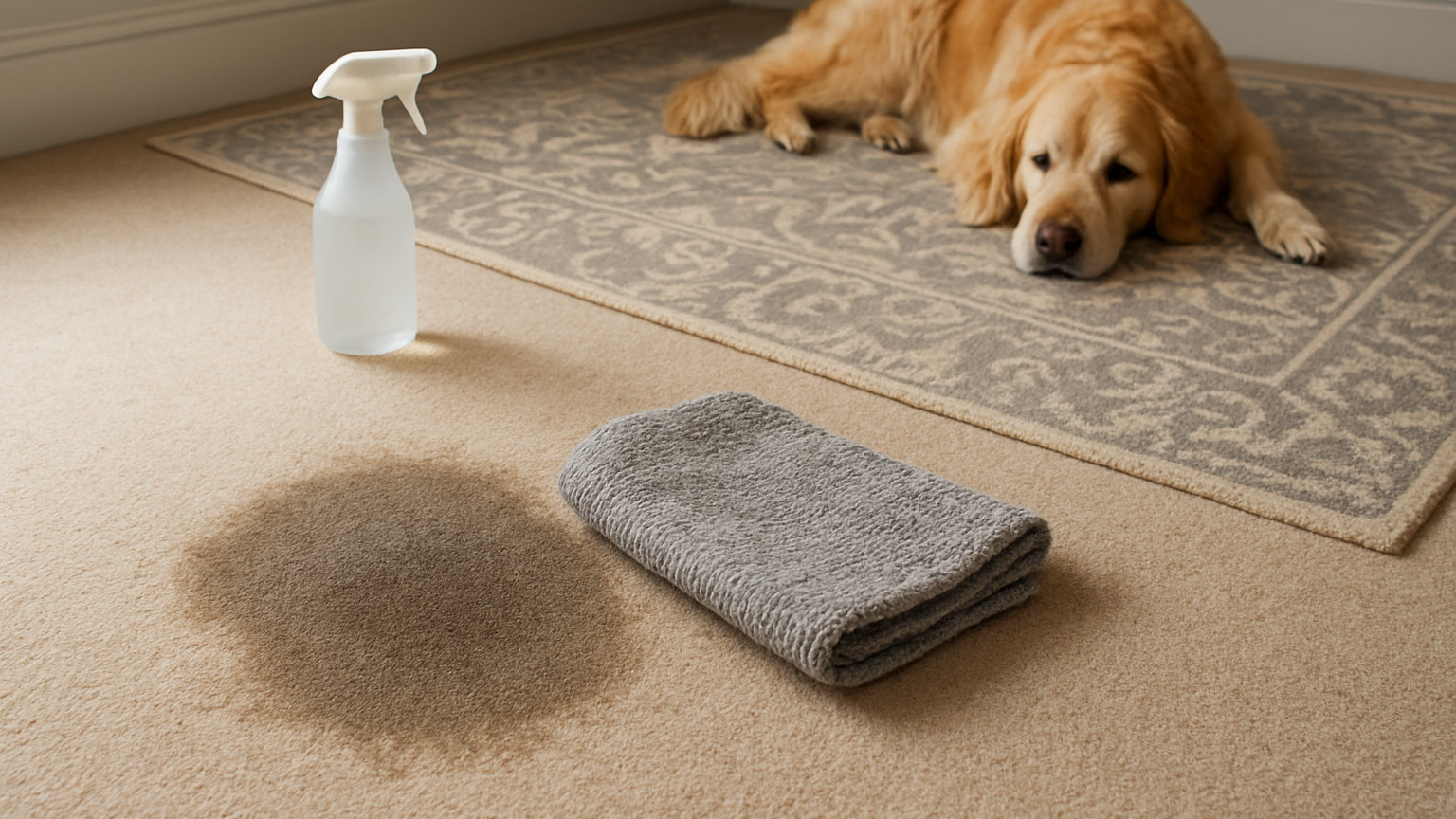
Yes, and they are worth having. Enzyme cleaners sold for pet accidents and biological spills contain higher concentrations and different enzyme blends, and they are designed to be left in place rather than washed out. For urine, vomit and anything that has soaked into carpet or a mattress, they are the only thing that removes the residue properly.
Do they expire?
They lose activity over time, faster in heat and humidity. A bottle of enzyme cleaner that has been in a warm cupboard for three years will be noticeably weaker than a fresh one. If a product that once worked no longer seems to, check the date before concluding the stain is permanent.
What is the practical summary?
Use a biological detergent for everything except wool and silk. Soak rather than relying on the wash cycle. Keep the temperature at 30 to 40 degrees for the enzyme stage, and save any hot wash for afterwards.
Can you use too much?
You can waste it, which is the practical limit rather than a risk of damage. Beyond a certain concentration the enzymes are no longer the limiting factor in the reaction, and the extra detergent simply becomes residue left behind in the fabric. Doubling the dose for a difficult stain achieves considerably less than doubling the soaking time, which costs nothing at all and reliably works.