How Do You Prevent Wine and Coffee Stains?
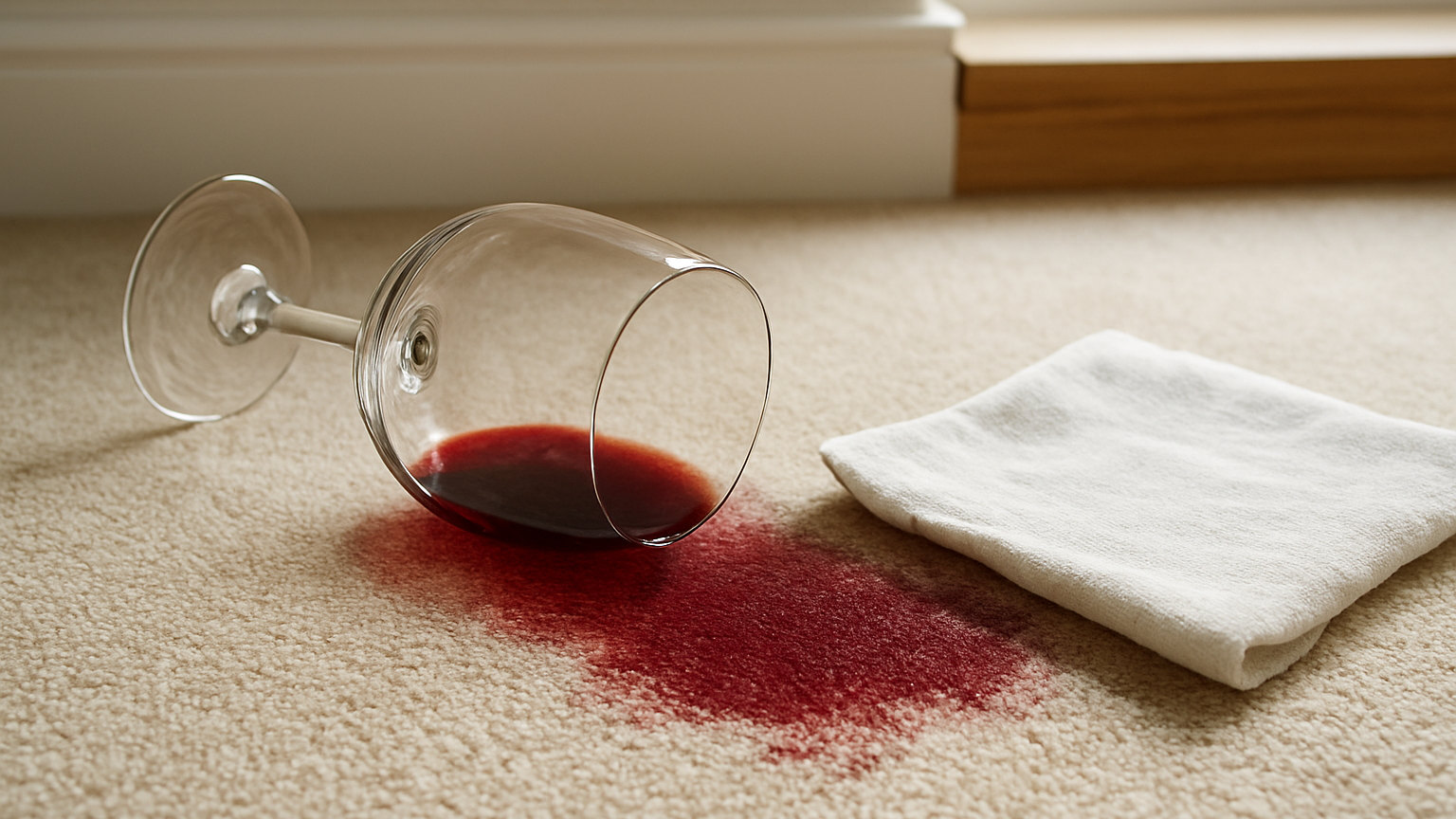
Prevention here is mostly about where things are put down rather than about protective products, and a few small changes remove most of the risk.
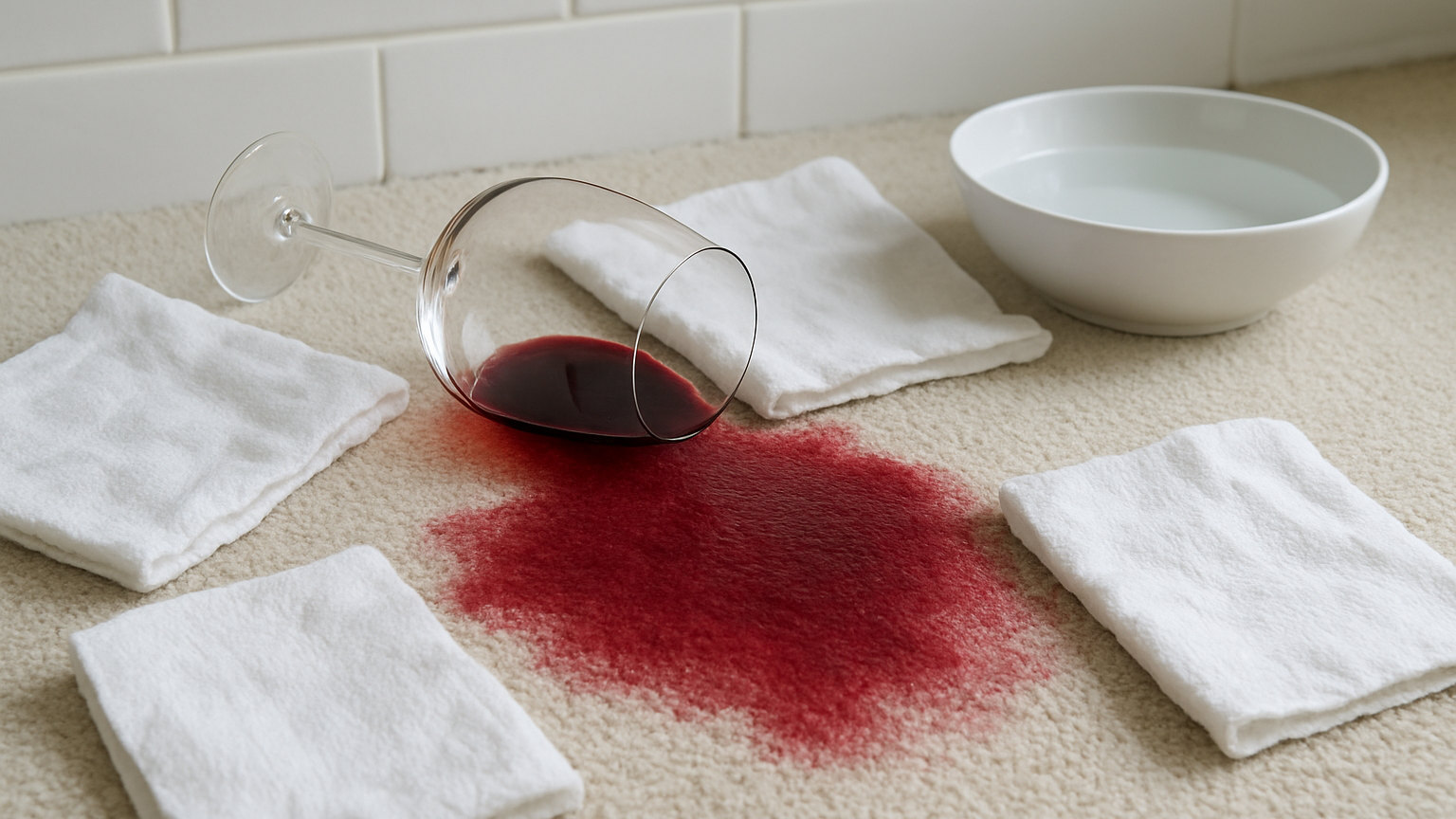
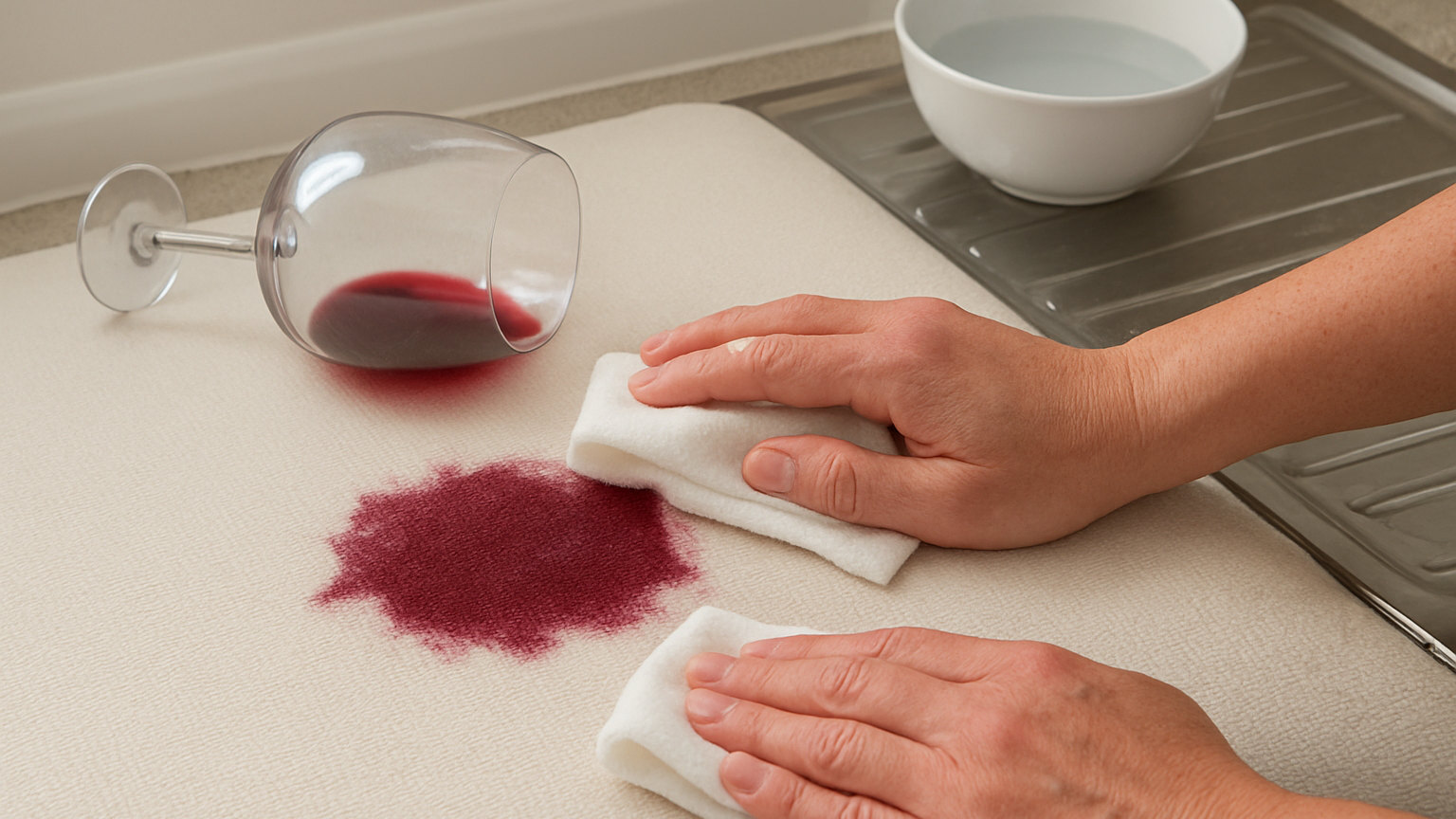
Red wine, tea and coffee on carpet, upholstery and clothing - the first five minutes decide it.
Prevention here is mostly about where things are put down rather than about protective products, and a few small changes remove most of the risk.
The good ones work well and mostly contain the same oxidising agent you can buy as a tub of laundry booster for a fraction of the price.
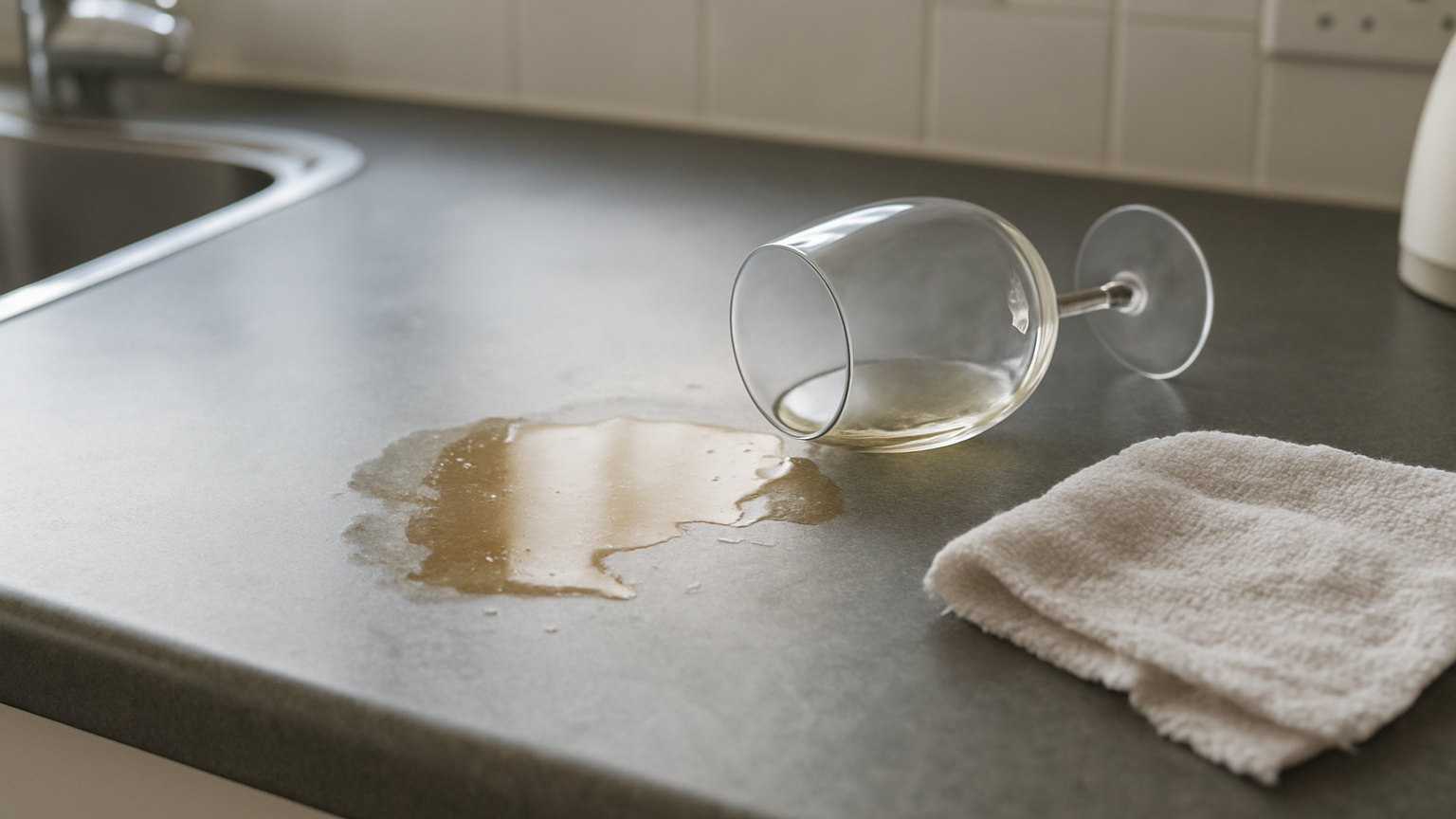
White wine leaves no visible stain and a considerable amount of sugar, which oxidises into a brown mark weeks after anyone has forgotten the spill.
Car interiors combine a fabric that cannot be removed with foam underneath that holds moisture, which makes the drying harder than the cleaning.
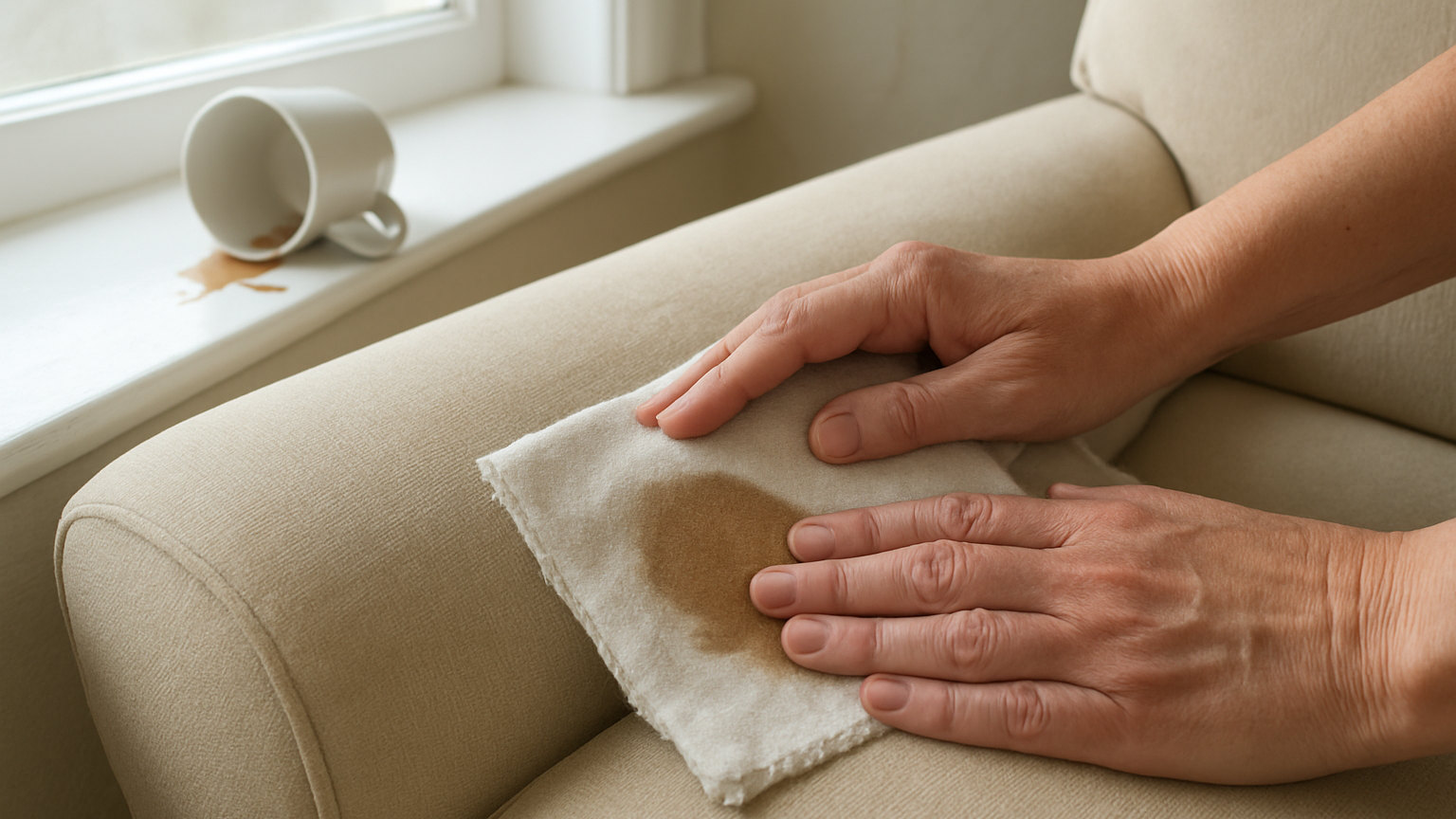
The cleaning code on the label decides everything, because using water on a sofa marked S leaves a ring that is worse than the wine.
Tannins oxidise on contact with air, which means a tea or wine mark is chemically different by the next morning and needs a different treatment.
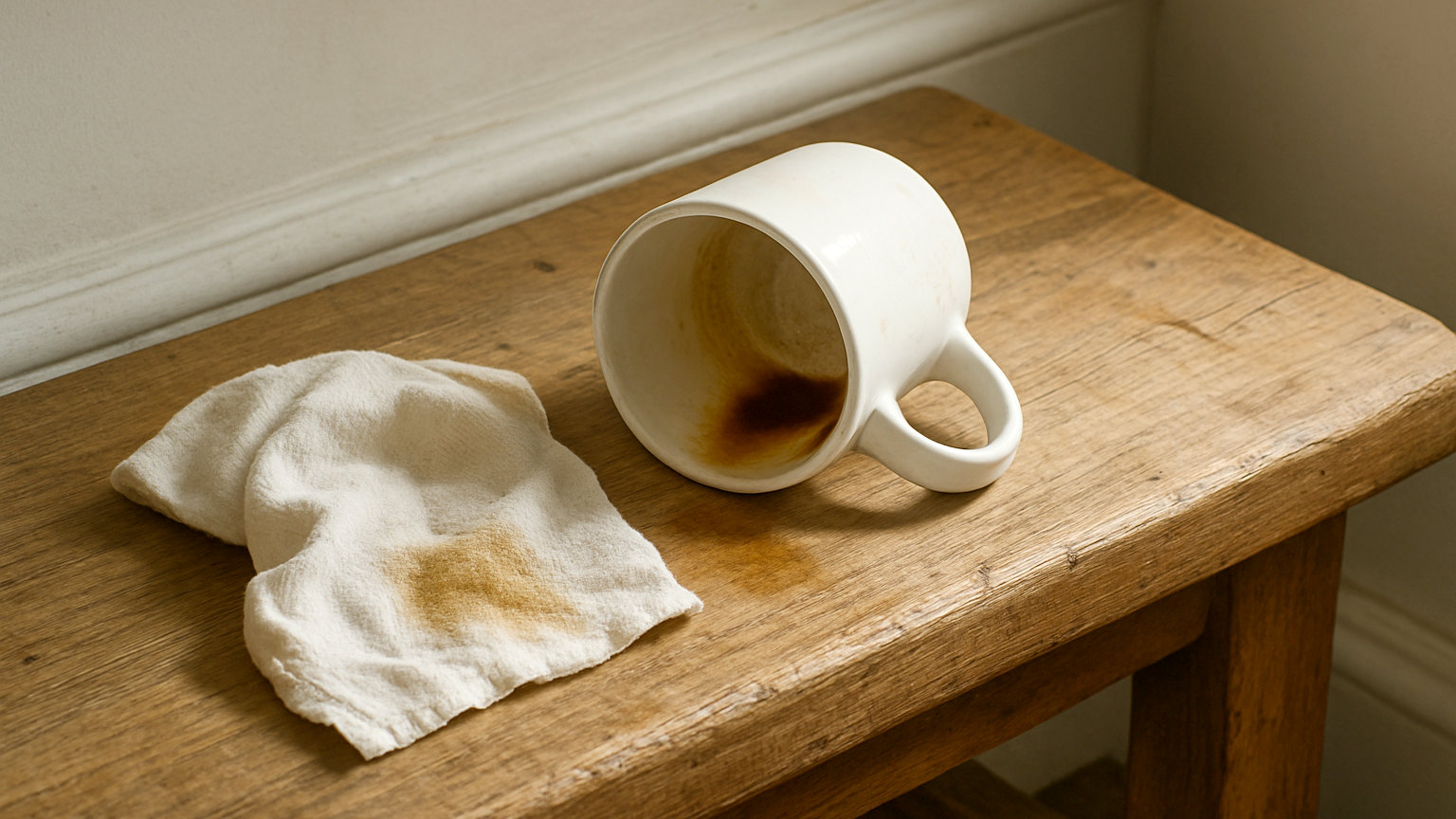
The brown film inside a mug is tannin bonded to microscopic roughness in the glaze, which is why washing up liquid never quite removes it.
Tea is the purest tannin stain in a British household, and it is also the one most likely to be treated with hot water out of habit.
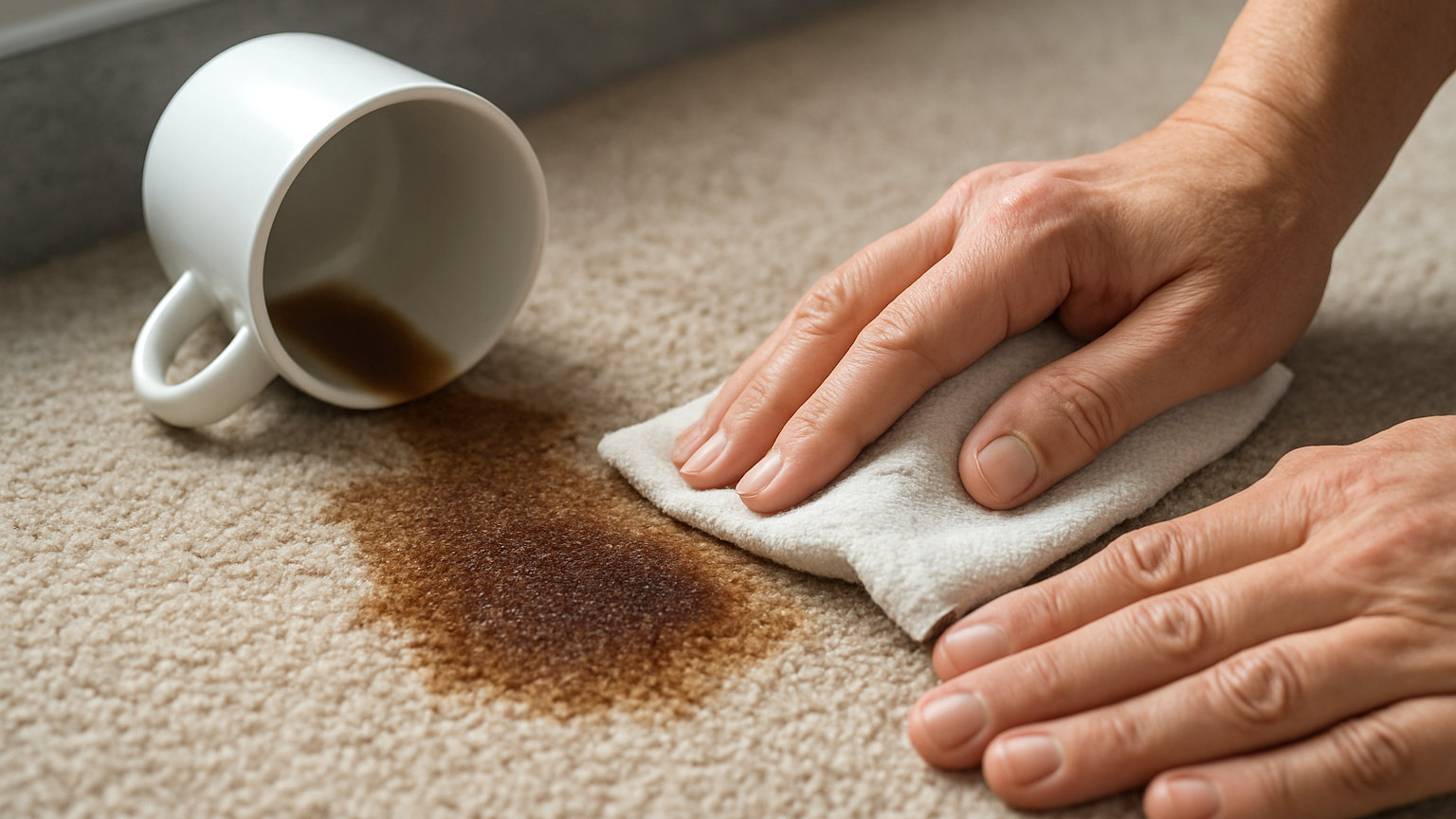
Coffee on carpet is a large volume of hot liquid, which means it soaks into the backing before anybody has reached for a cloth.
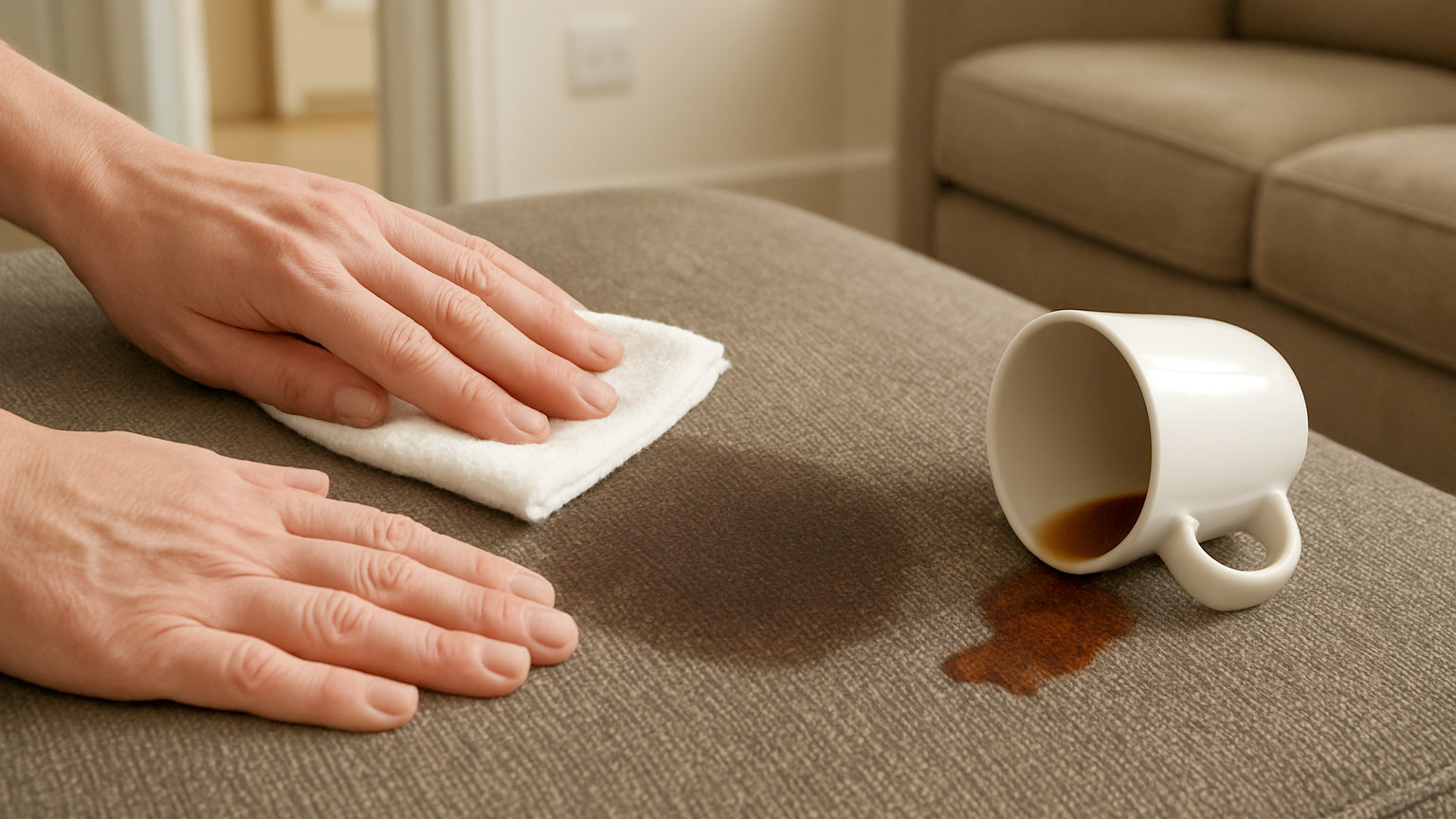
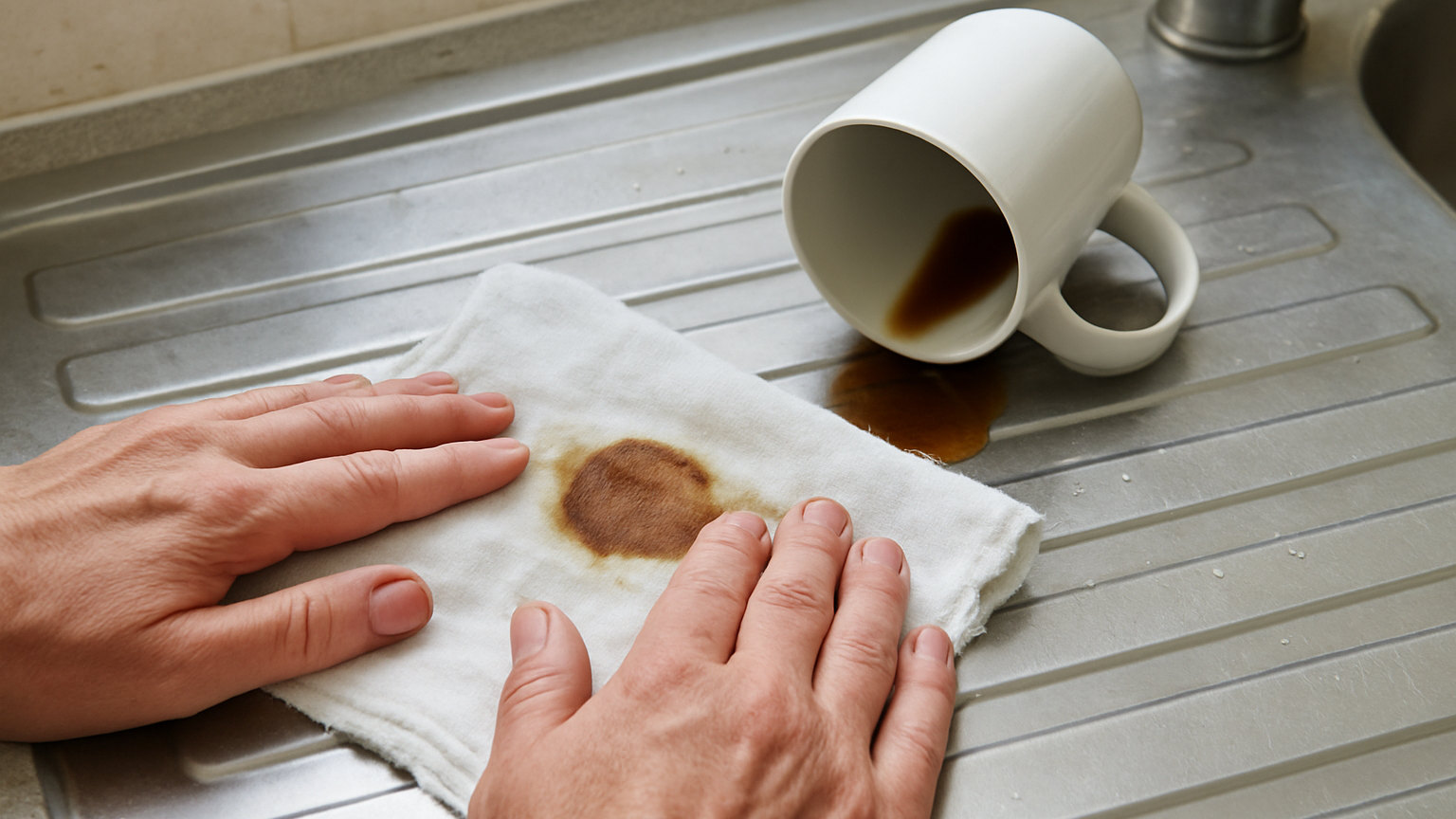
Black coffee is a straightforward tannin stain, and adding milk or sugar turns it into two or three problems that need treating in order.
A dried wine stain needs oxidising rather than rinsing, and the treatment is measured in hours of soaking rather than minutes of effort.
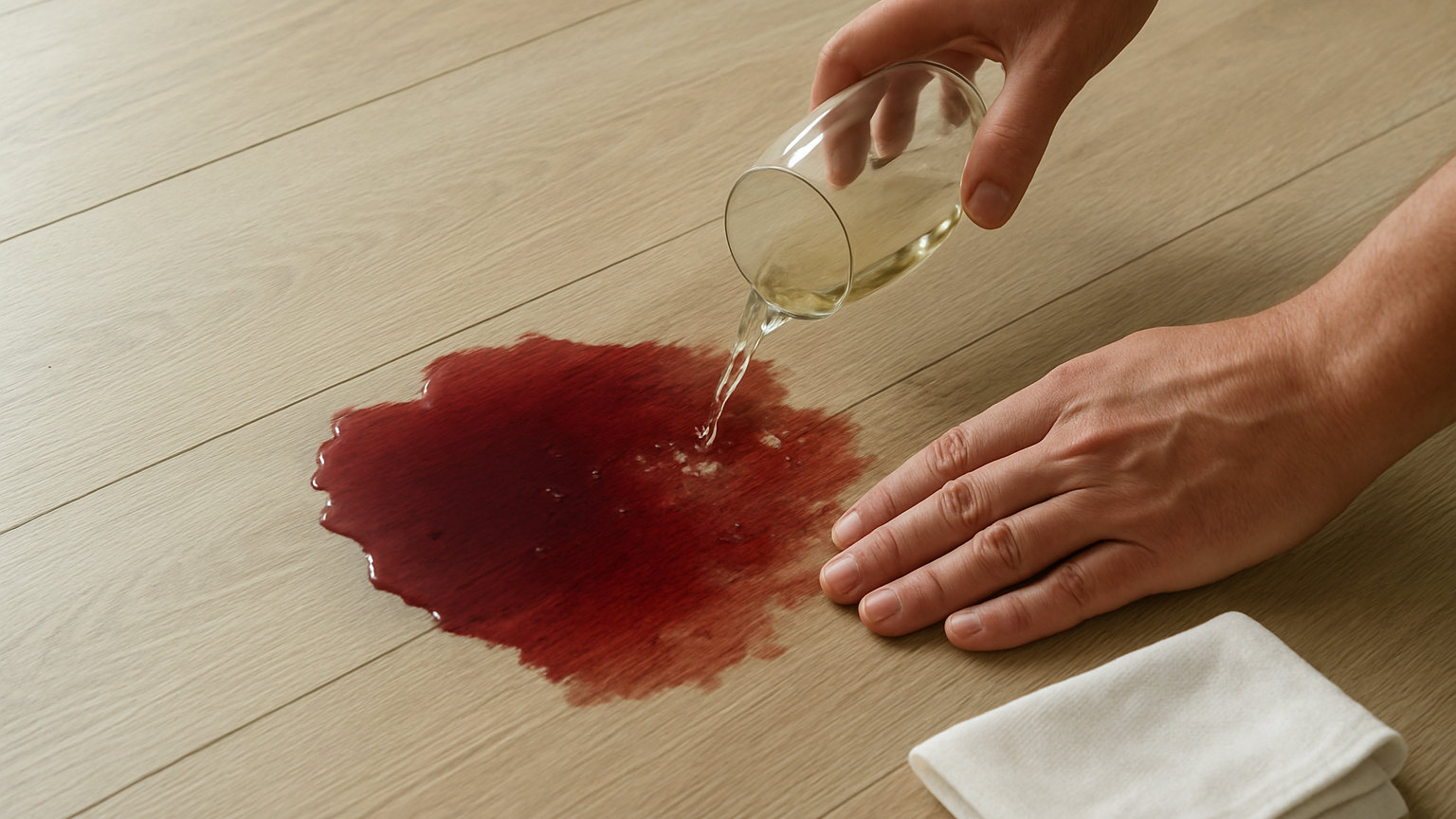
Pouring white wine onto red achieves dilution and nothing else, and it adds sugar and acid that have to be removed afterwards.