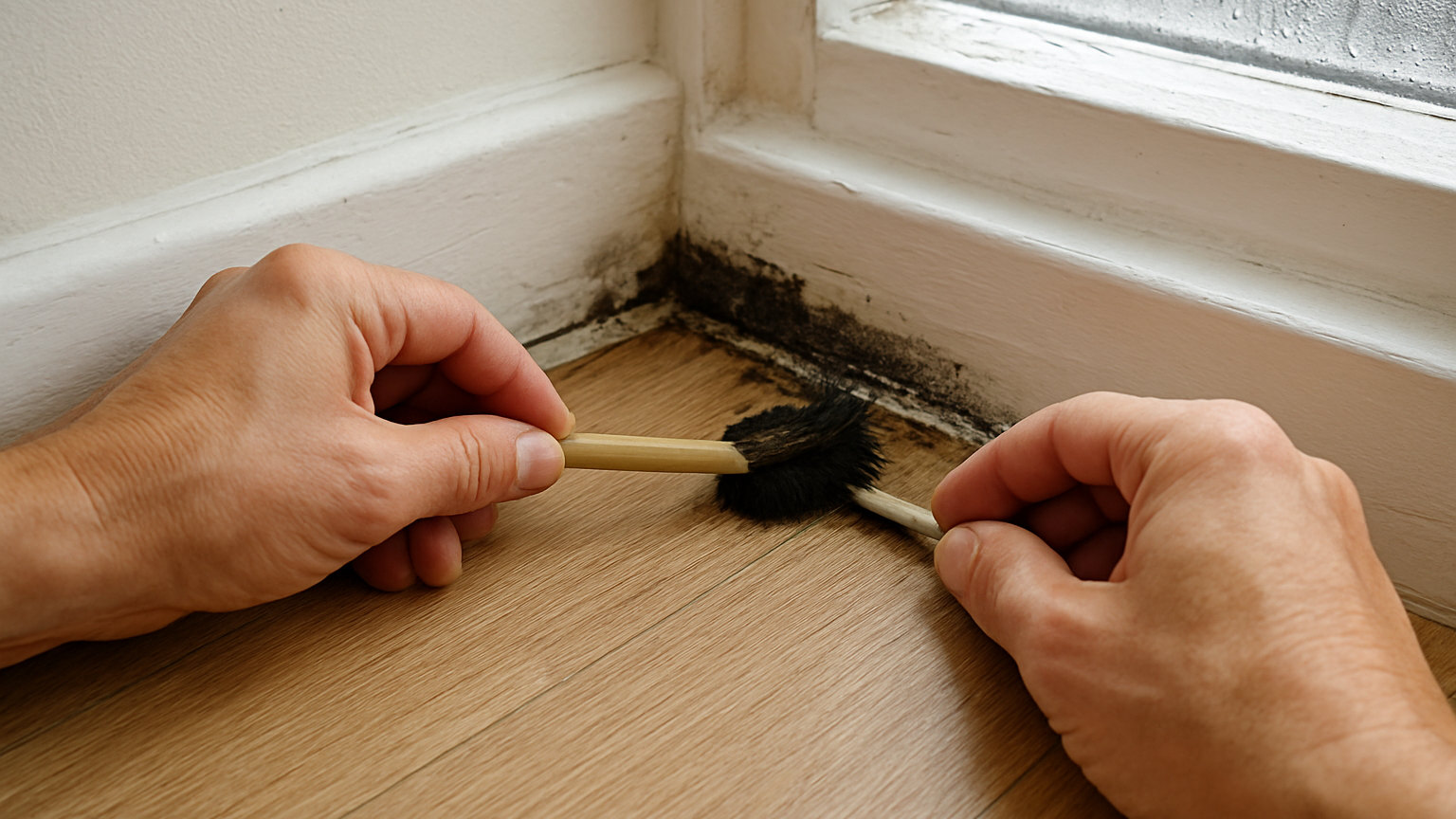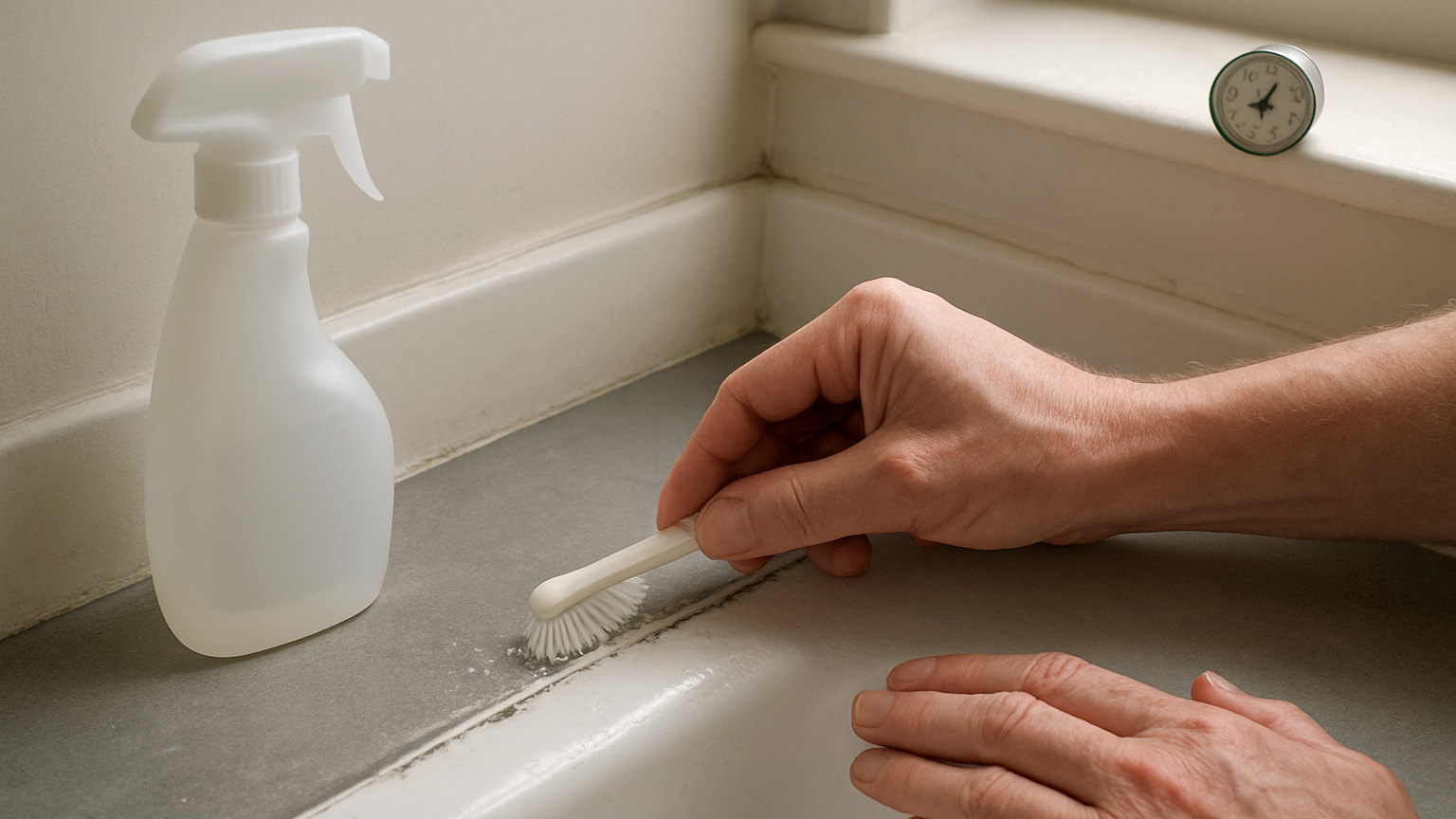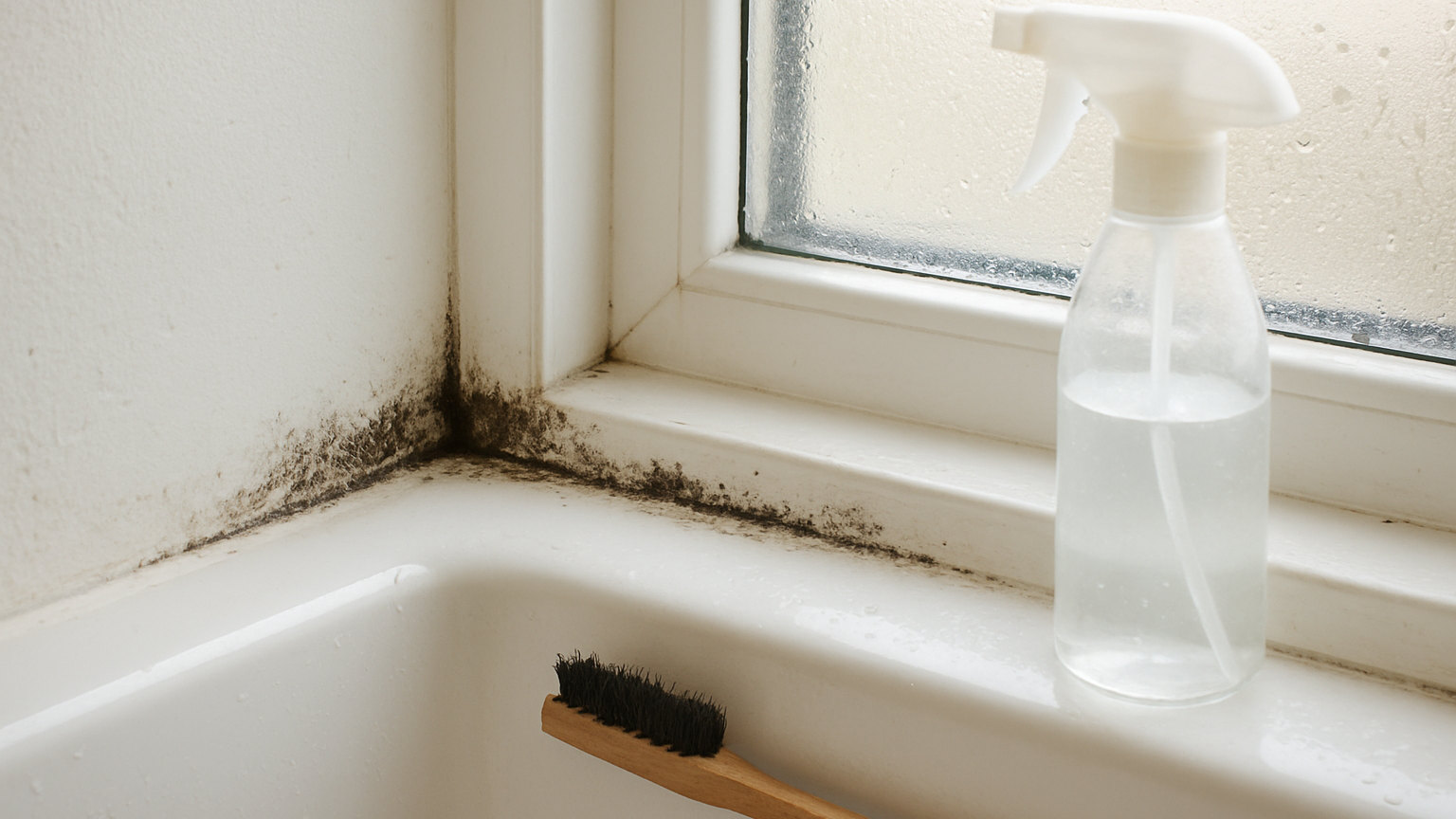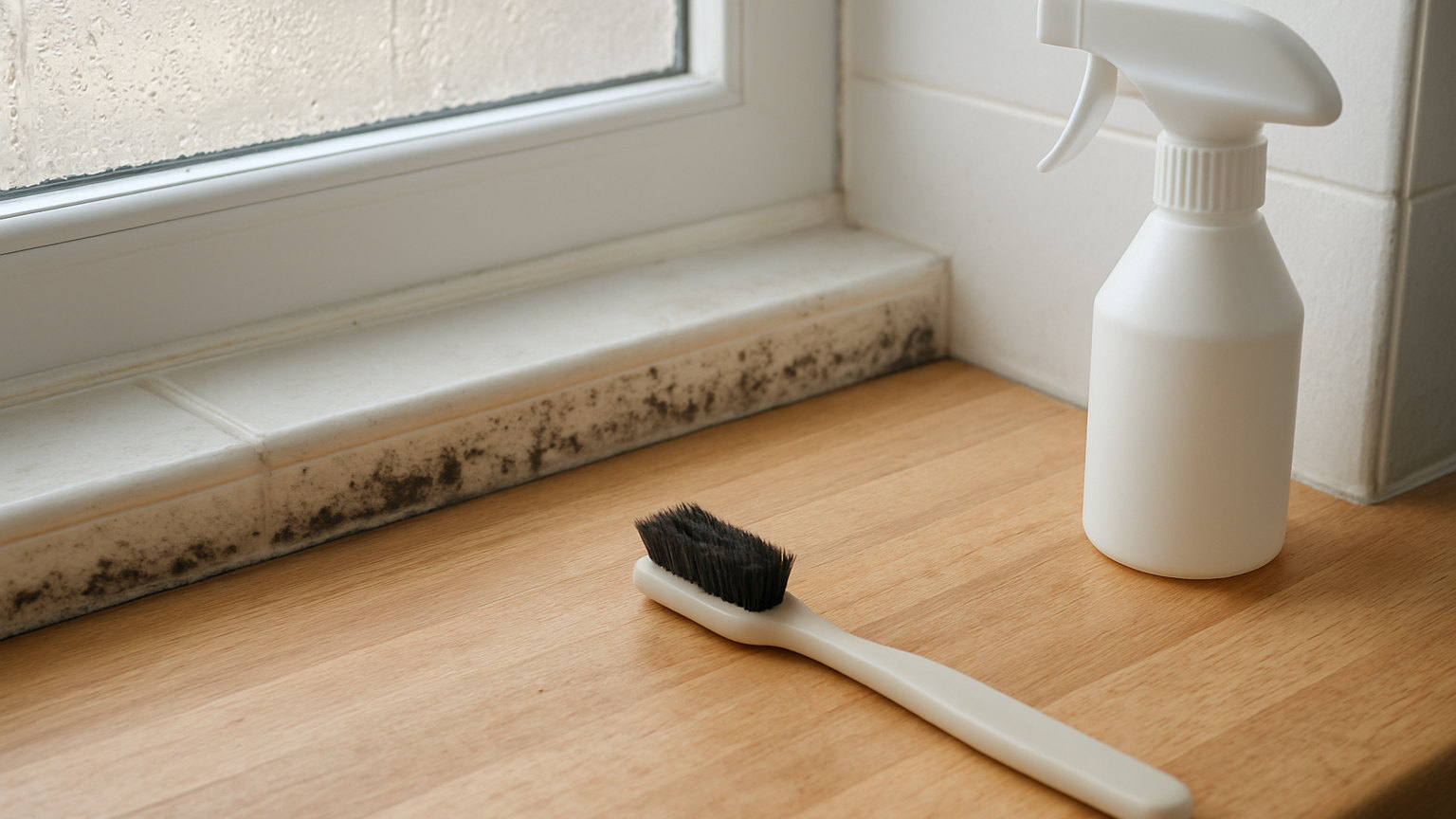
When Should You Call Someone About Damp?
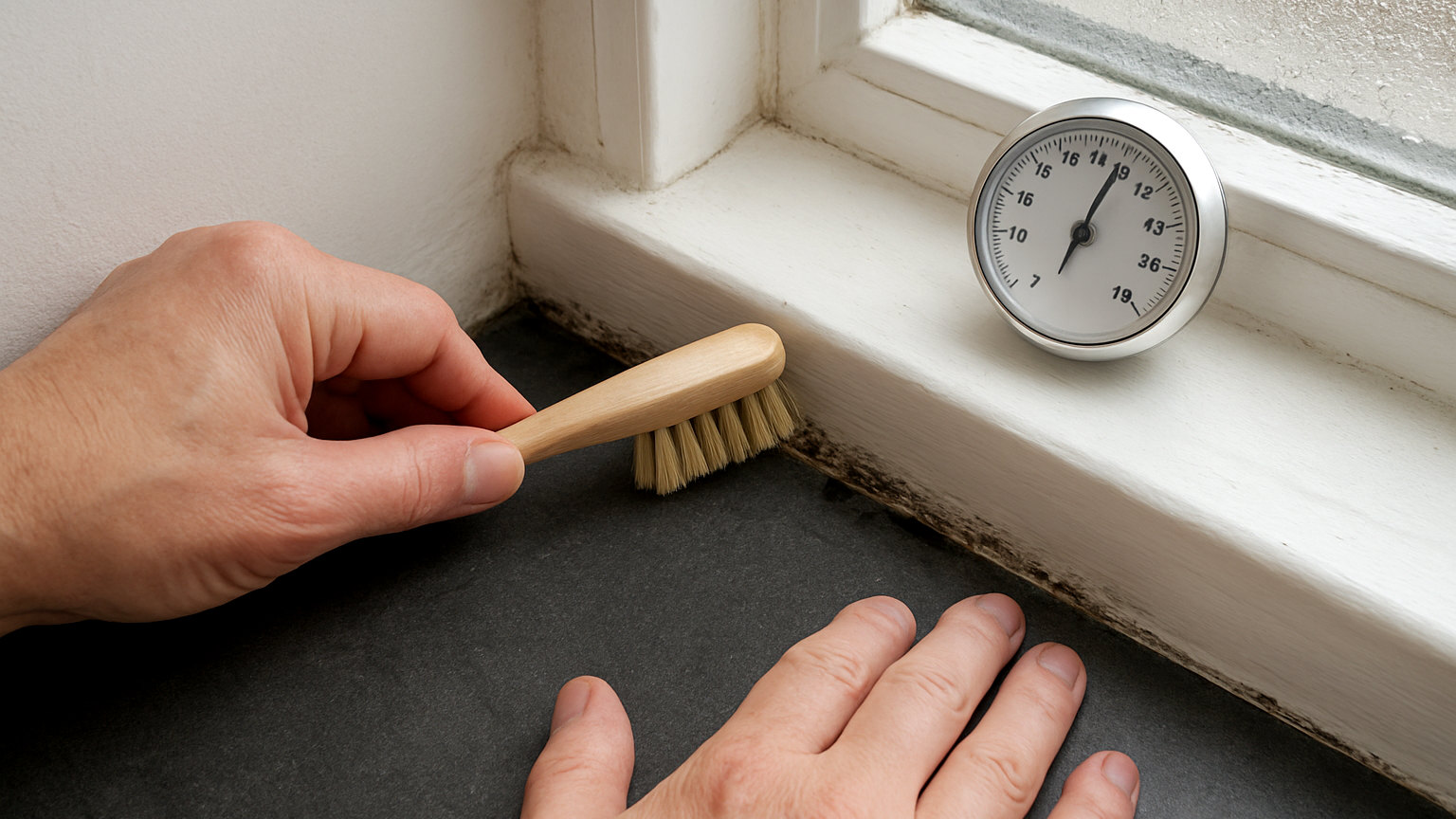
The dividing line is whether the damp is seasonal or constant, because one is a household habit problem and the other is a building fault.
By Cleaning Guides Team
26 Jul 2026

Black spots on grout, sealant, fabric and walls, and treating the damp that caused them.
The dividing line is whether the damp is seasonal or constant, because one is a household habit problem and the other is a building fault.
Green and black growth on outdoor furniture is algae as often as mould, and the treatment differs by material more than by what is growing.
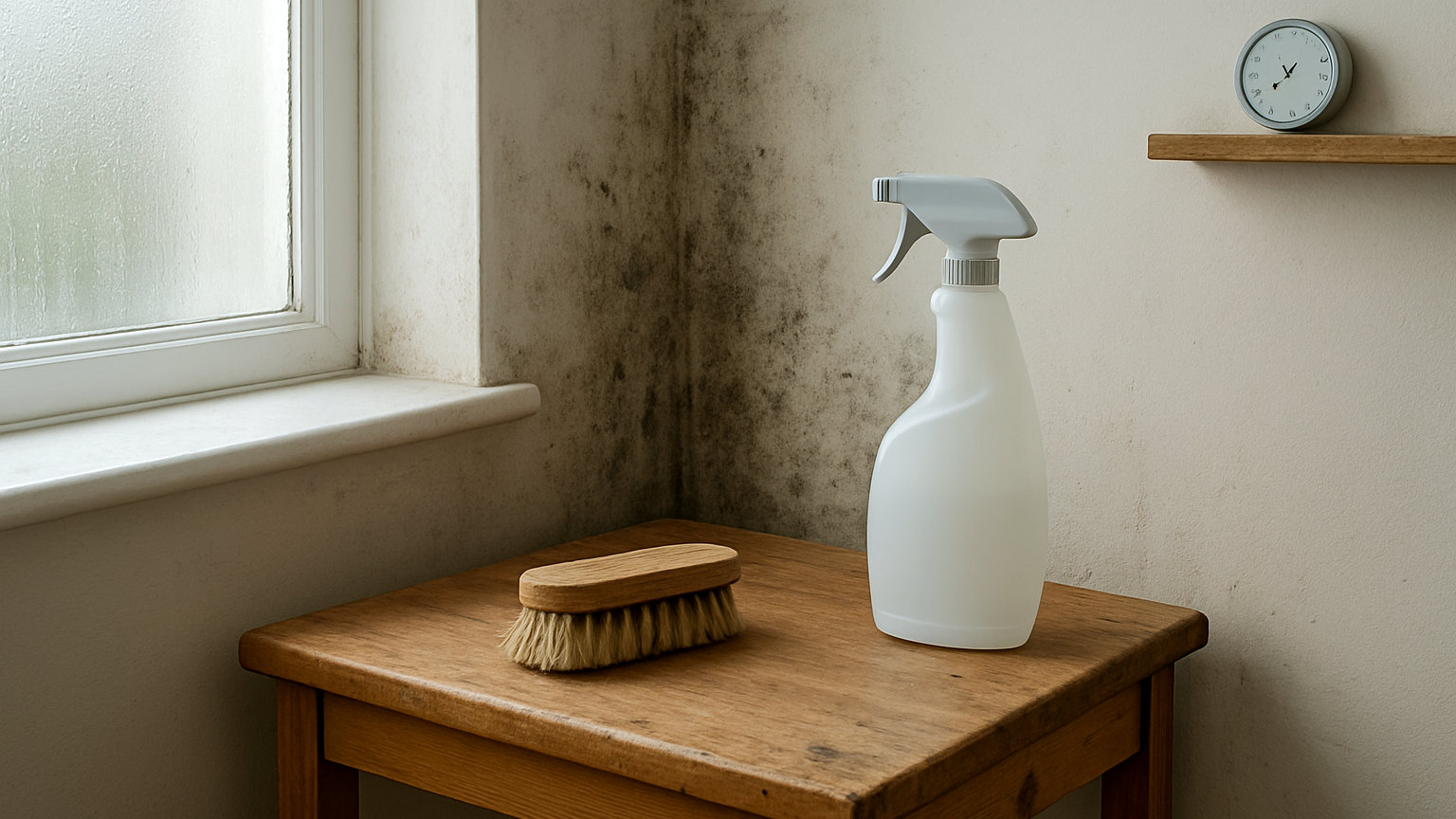
A musty room has a source somewhere in it, and finding the item holding the moisture matters far more than treating the air.
Preventing mould is a matter of managing moisture and surface temperature, and most of it costs nothing beyond changing a few daily habits.
Colour is a poor guide to risk, and the more useful questions are how much there is, how long it has been there and who lives in the house.
Paper cannot be washed, so mould on books is dealt with by drying, brushing and isolation rather than by any cleaning product.
Cleaning removes the growth and changes nothing about the conditions that produced it, which is why the same patch returns every winter.
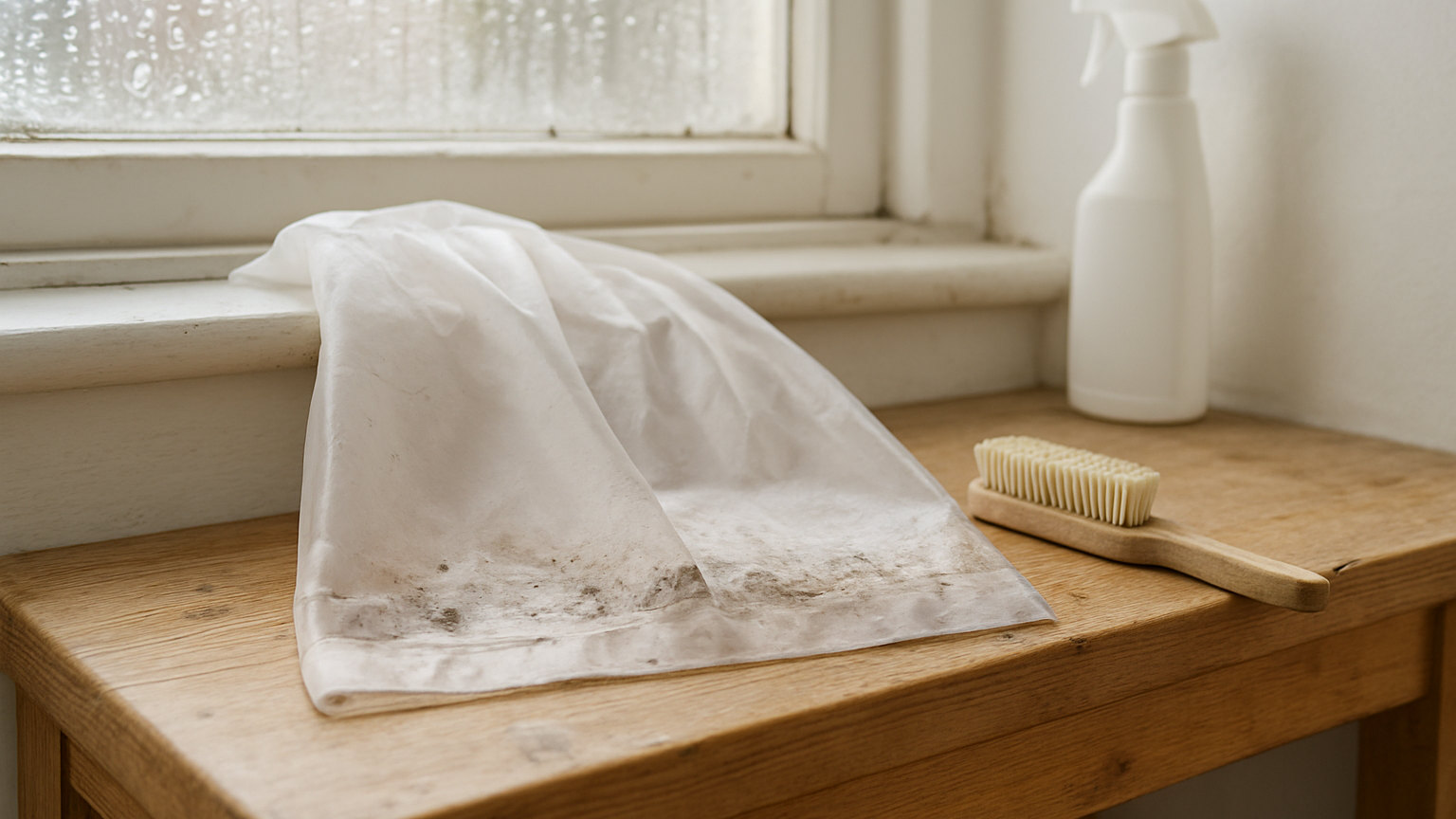
A fabric shower curtain goes through a washing machine perfectly well, and a plastic one usually does too, which surprises most people.
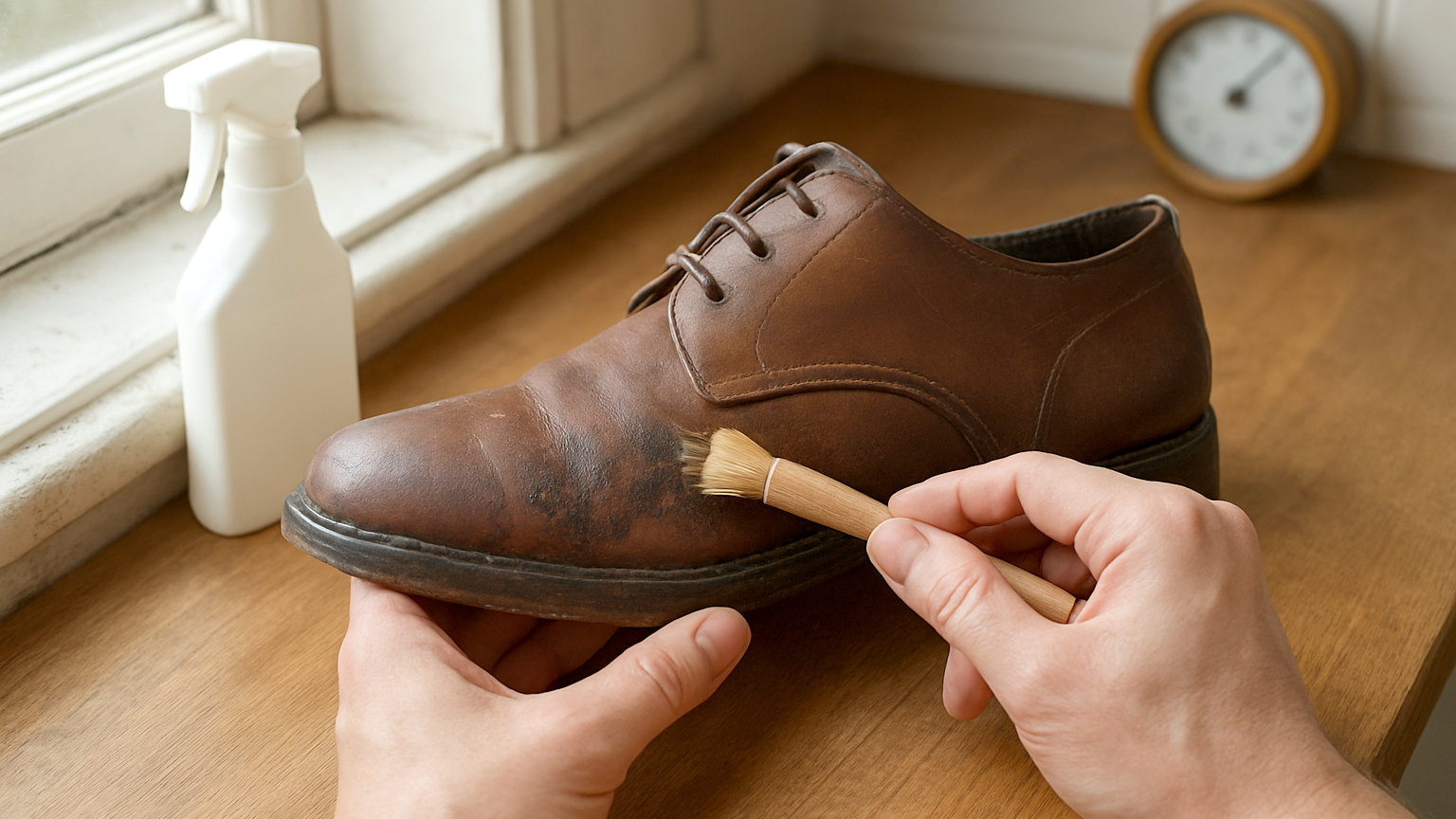
Leather is a protein material that holds moisture, and mould on it is usually a storage problem rather than a cleaning one.
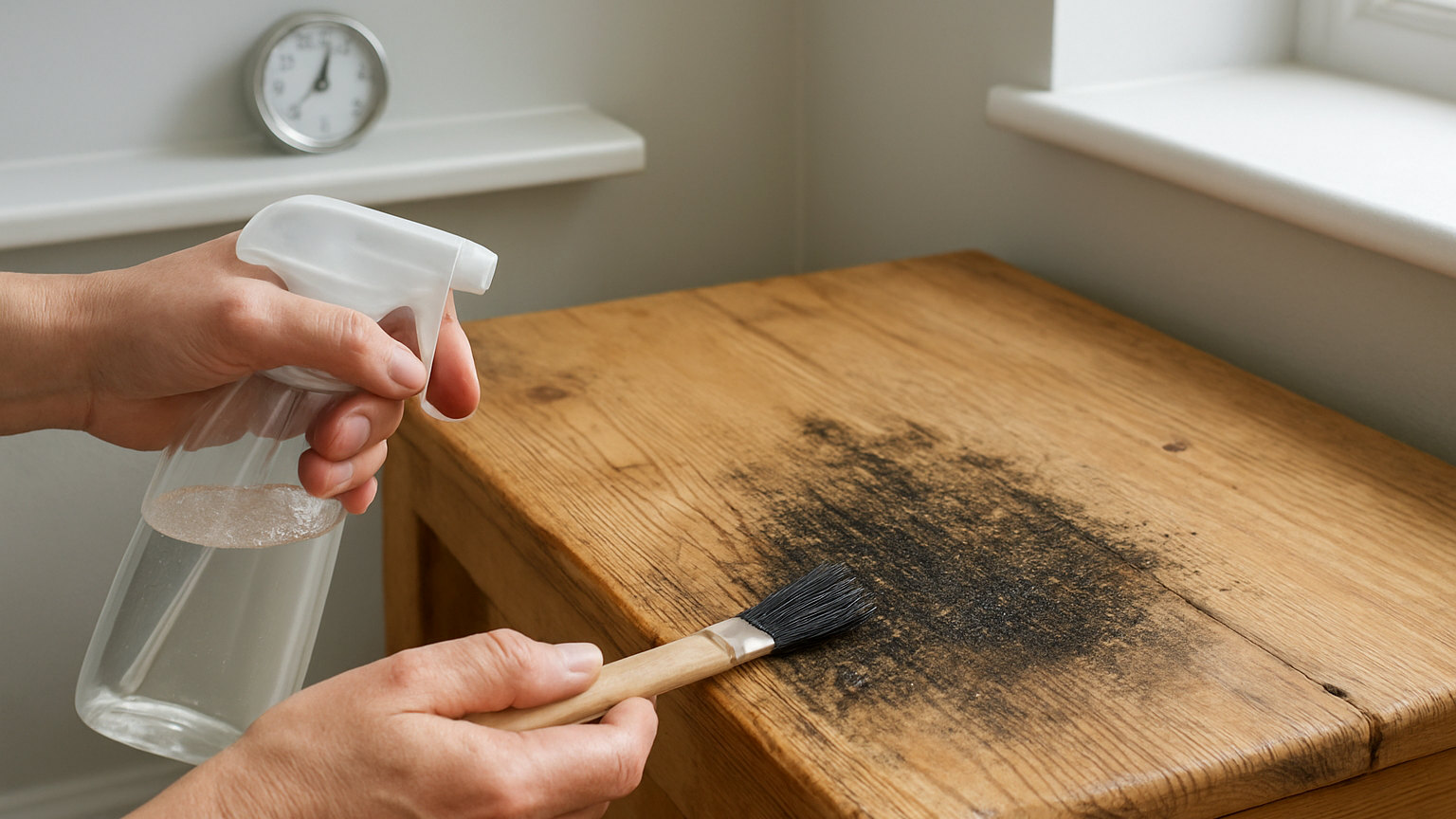
Wood is porous and absorbs moisture, so mould on timber has usually grown into the grain rather than sitting on the surface.
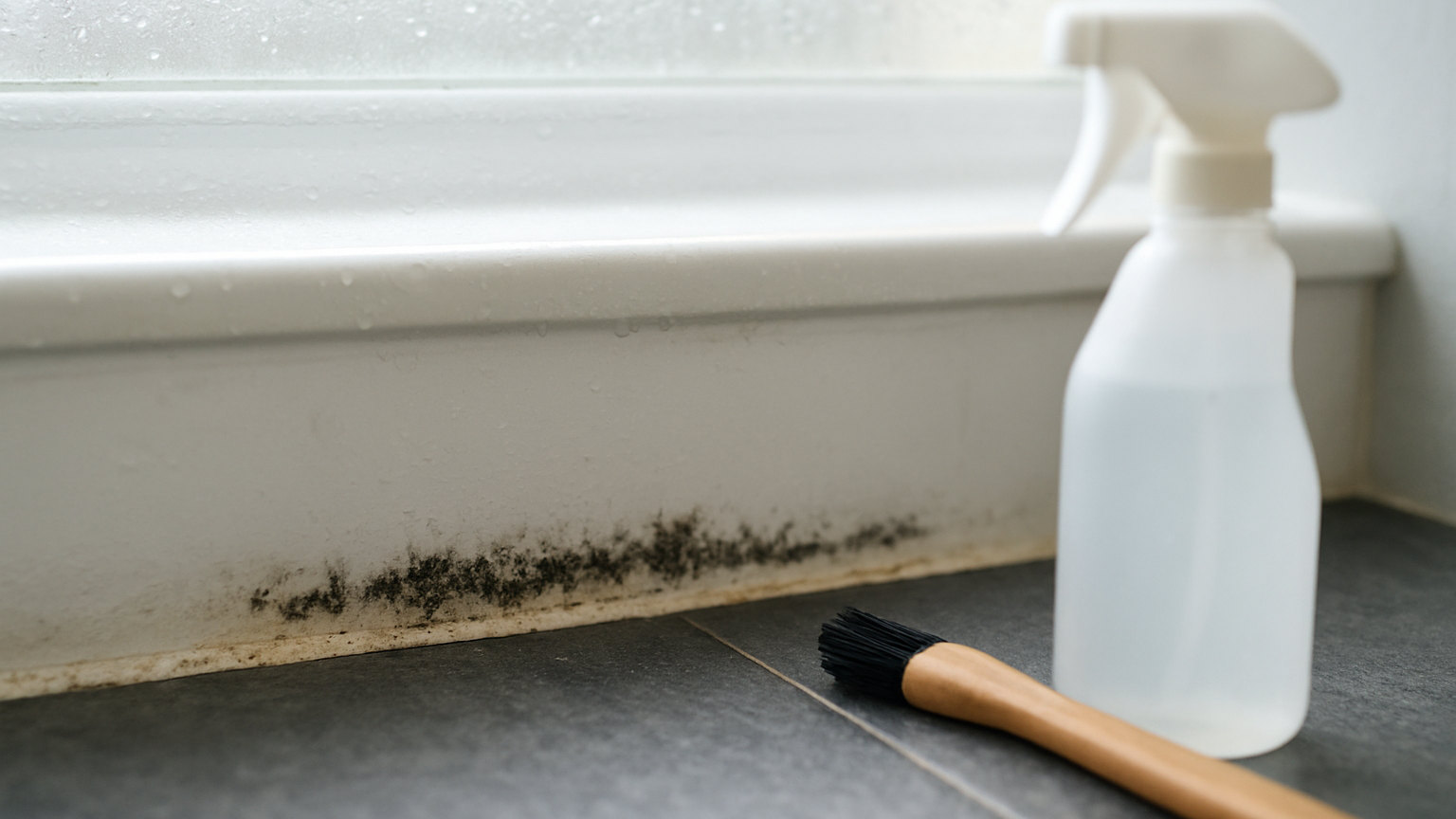
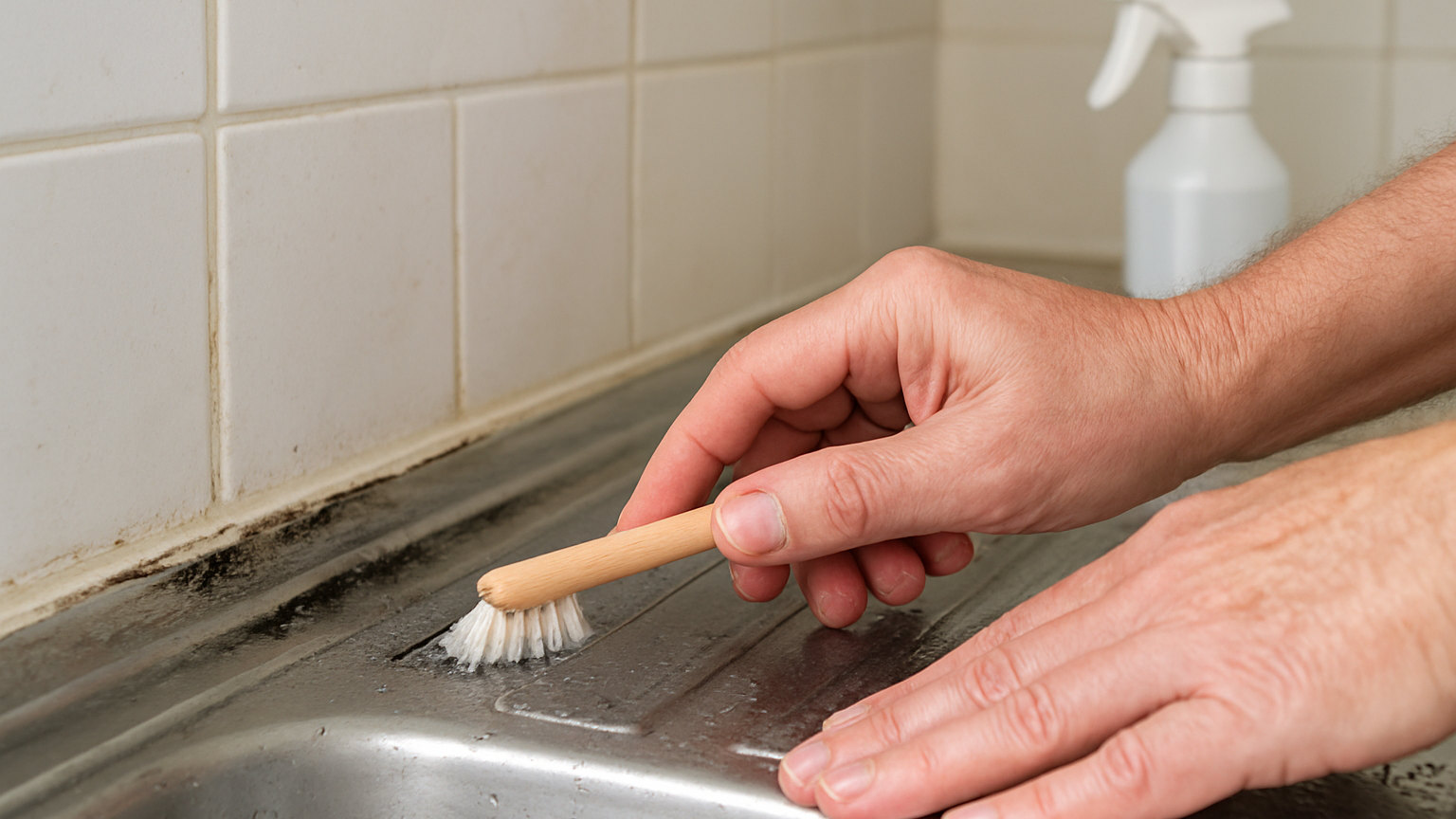
Mould on sealant wipes off and mould in sealant does not, and the difference decides whether this is a ten minute job or an afternoon with a knife.
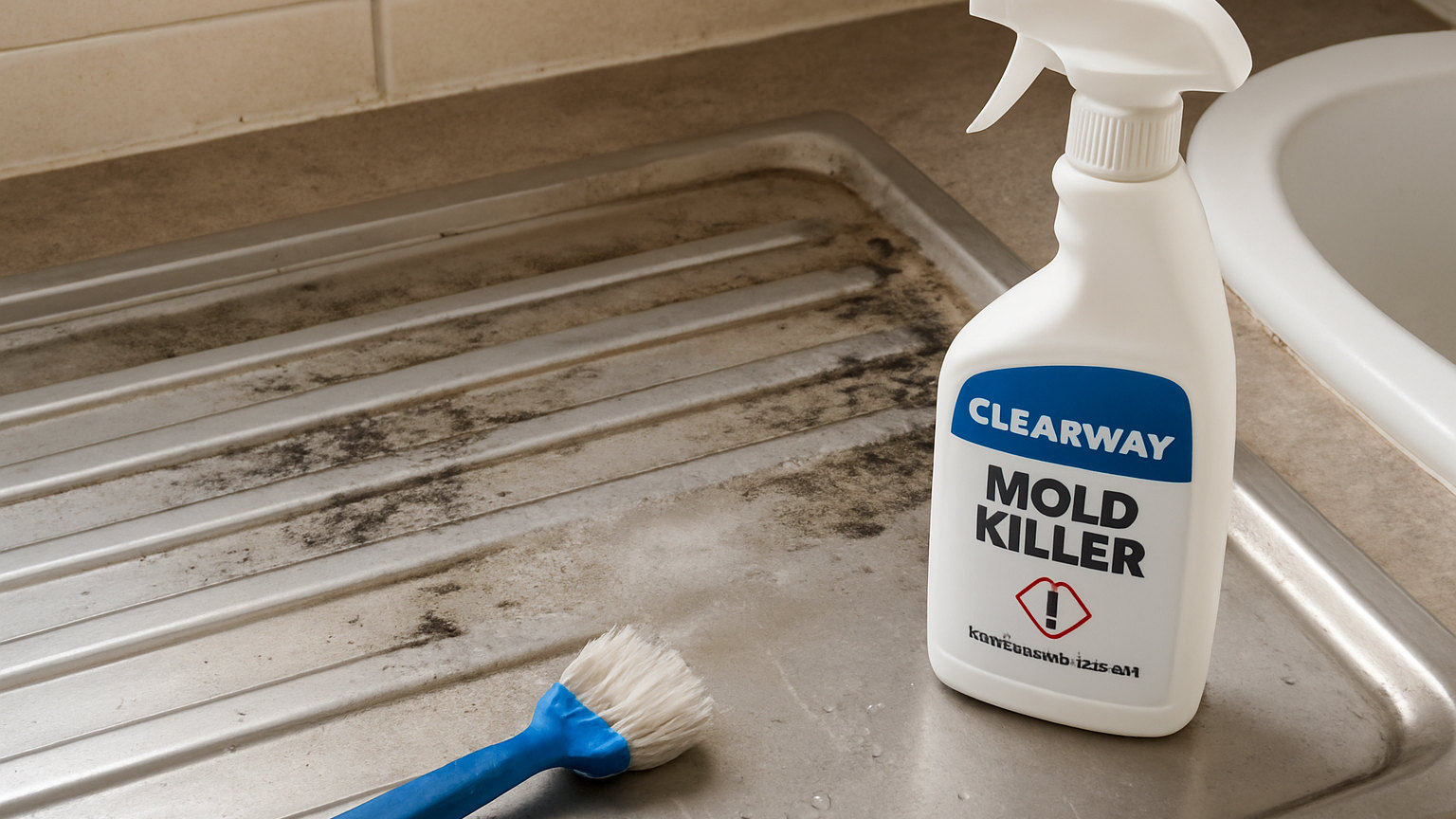
On a hard non-porous surface it works well, and on plaster or timber it removes the colour while leaving the growth alive underneath.