How Do You Dry Trainers, Coats and Bulky Items?
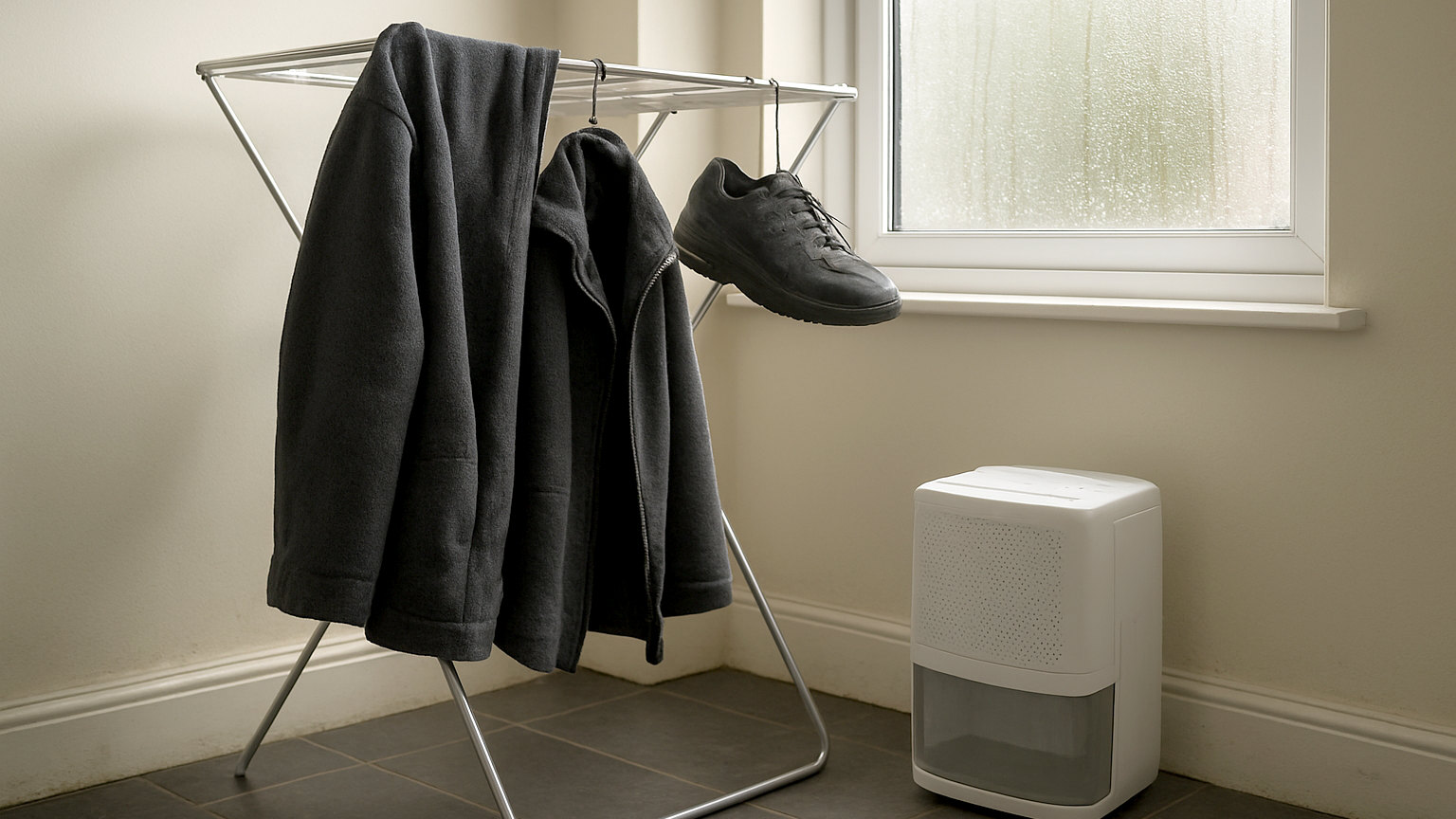
The items hardest to dry are the ones most easily ruined by heat, because glue, membranes and down all fail long before the fabric does.
By Cleaning Guides Team
27 May 2026

Line, airer and tumble drying, damp houses, condensation and avoiding shrinkage.
The items hardest to dry are the ones most easily ruined by heat, because glue, membranes and down all fail long before the fabric does.
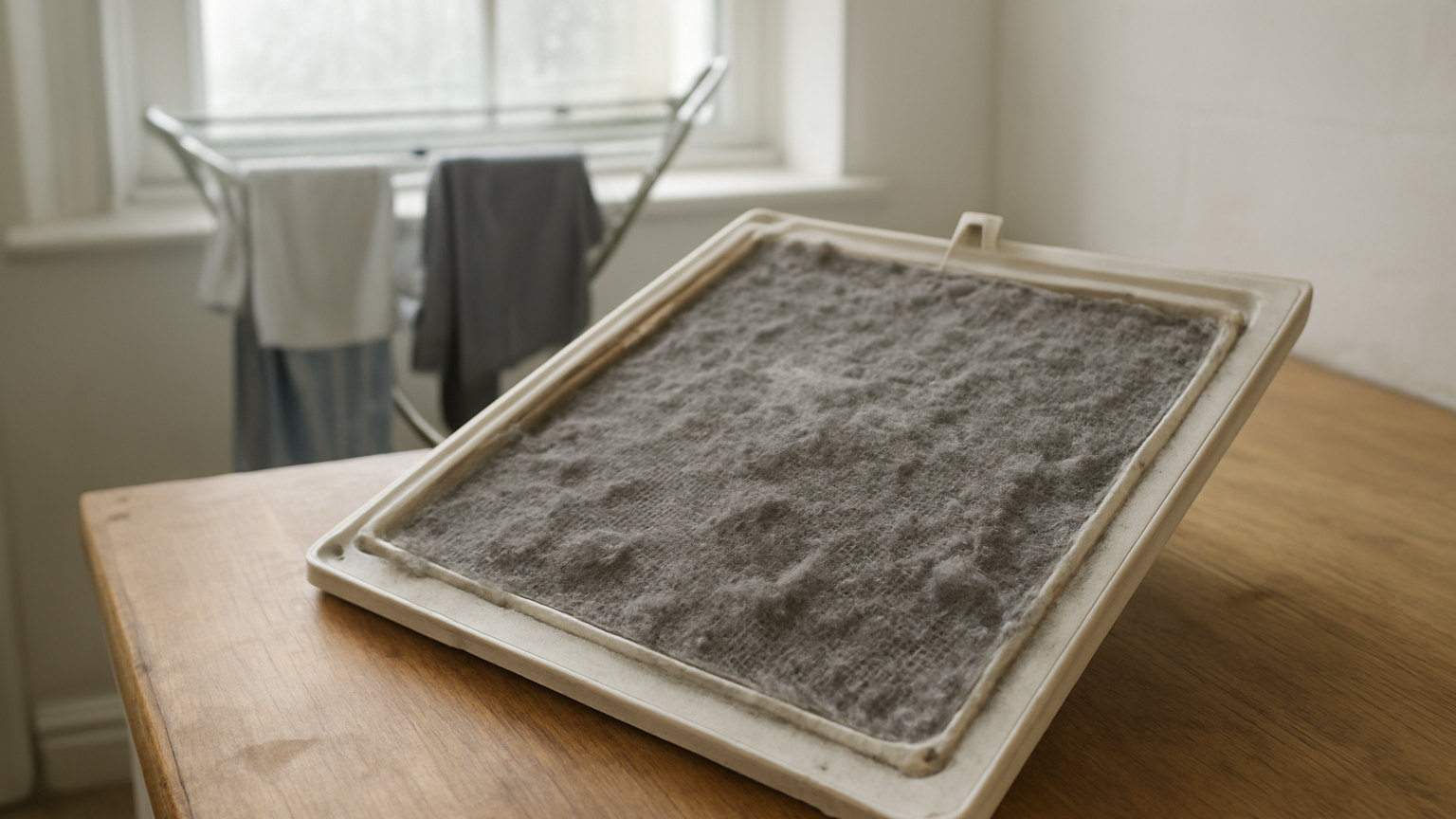
A dryer that has become slow is almost always restricted somewhere, and the lint filter is only the first of four places to check.
The type of dryer changes the running cost by roughly half, and how you use it changes it again by a similar margin.
Most creases are set during the spin and then baked in by drying, which means the ironing board is fixing a problem created two steps earlier.
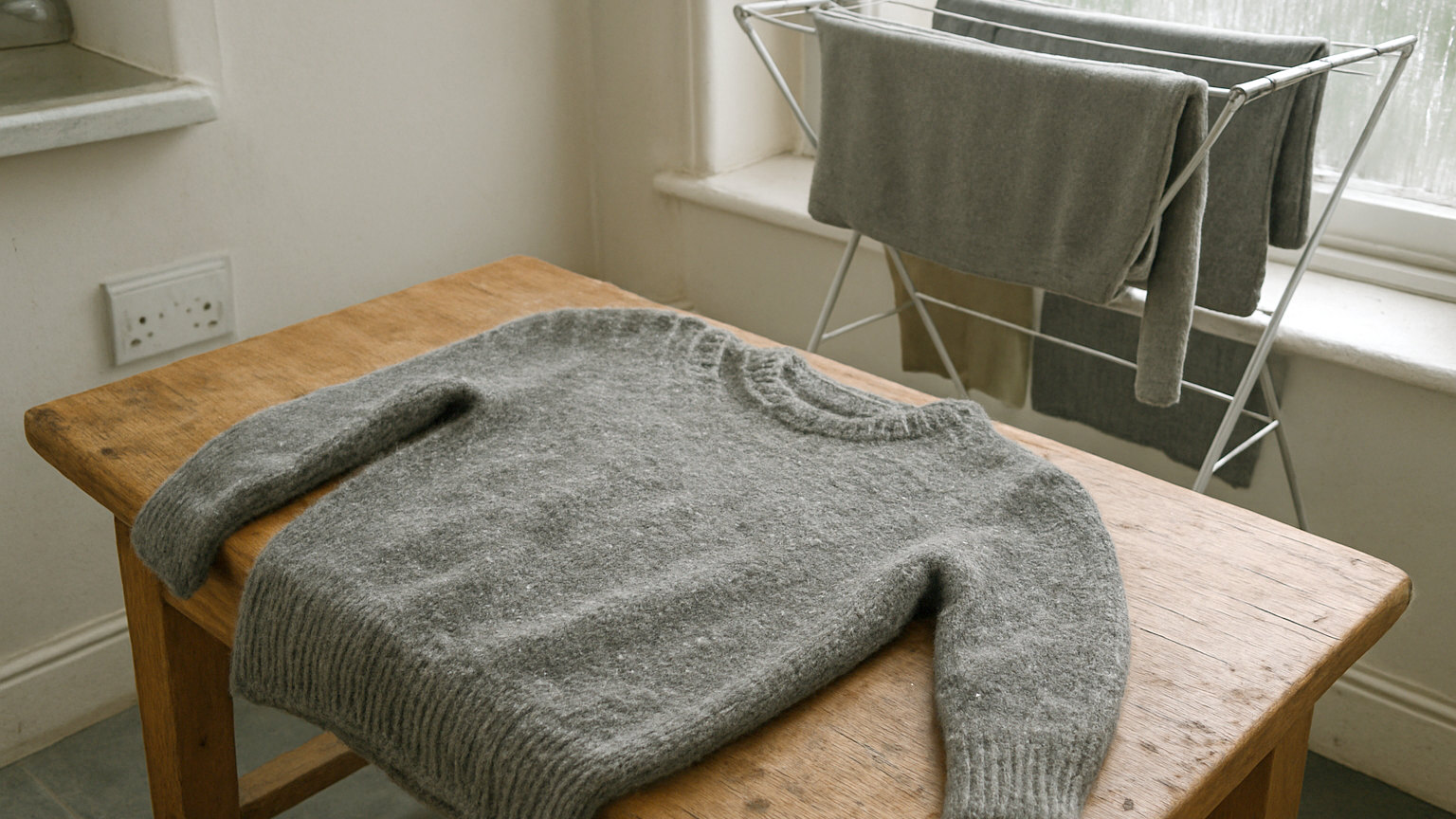
A wet wool jumper is heavy enough to stretch itself out of shape, which is why hanging one is the most reliable way to ruin it.
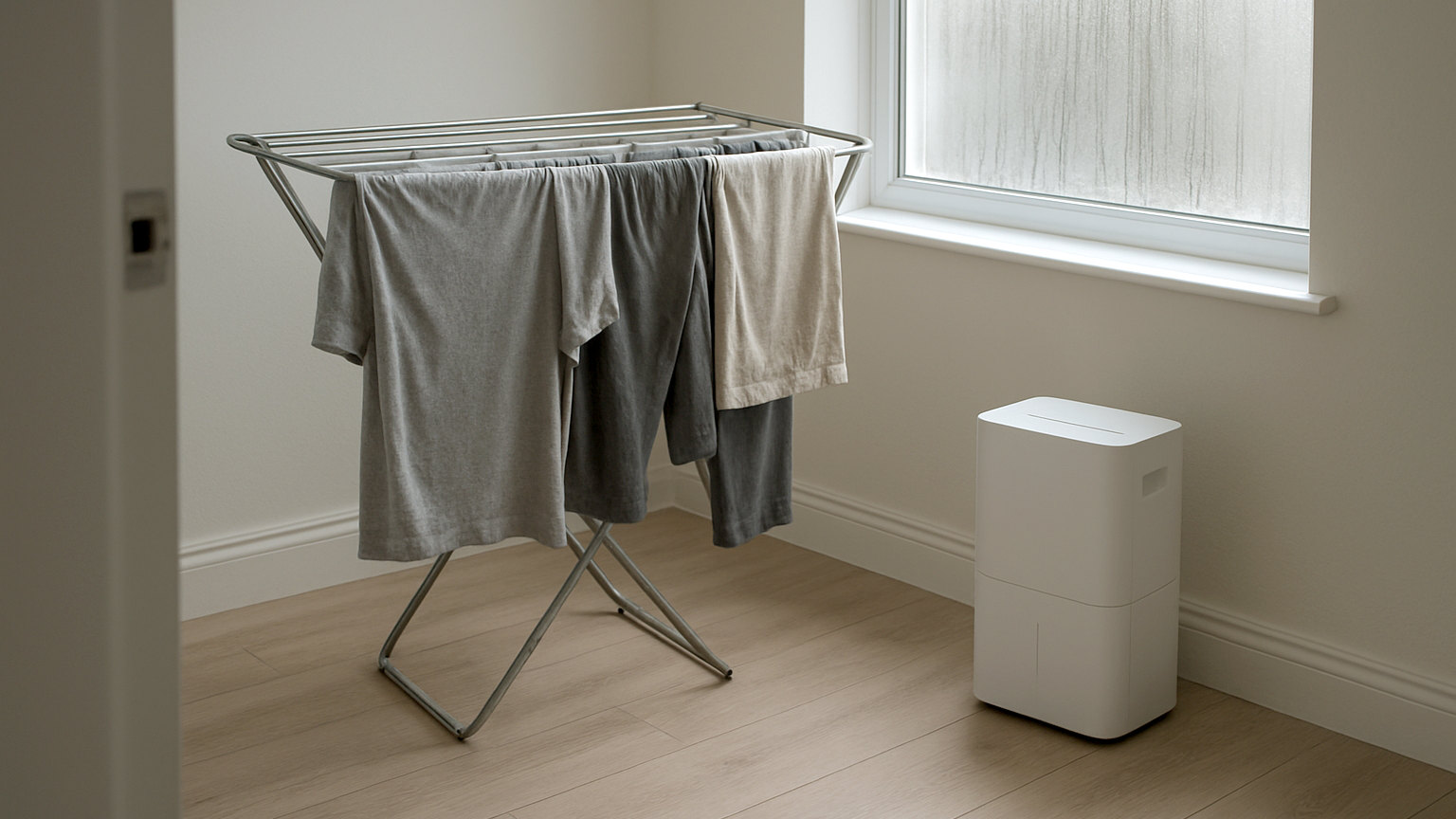
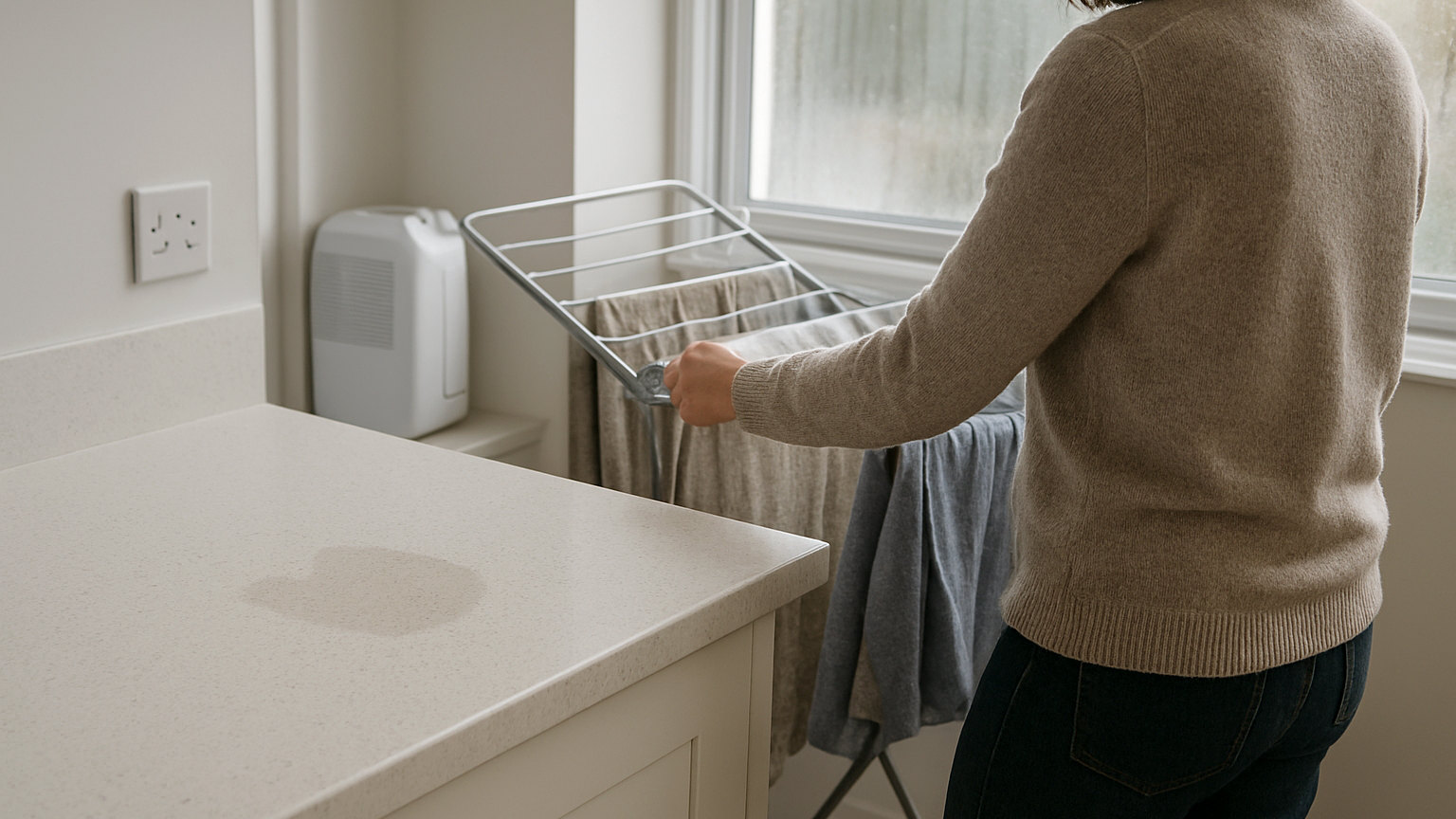
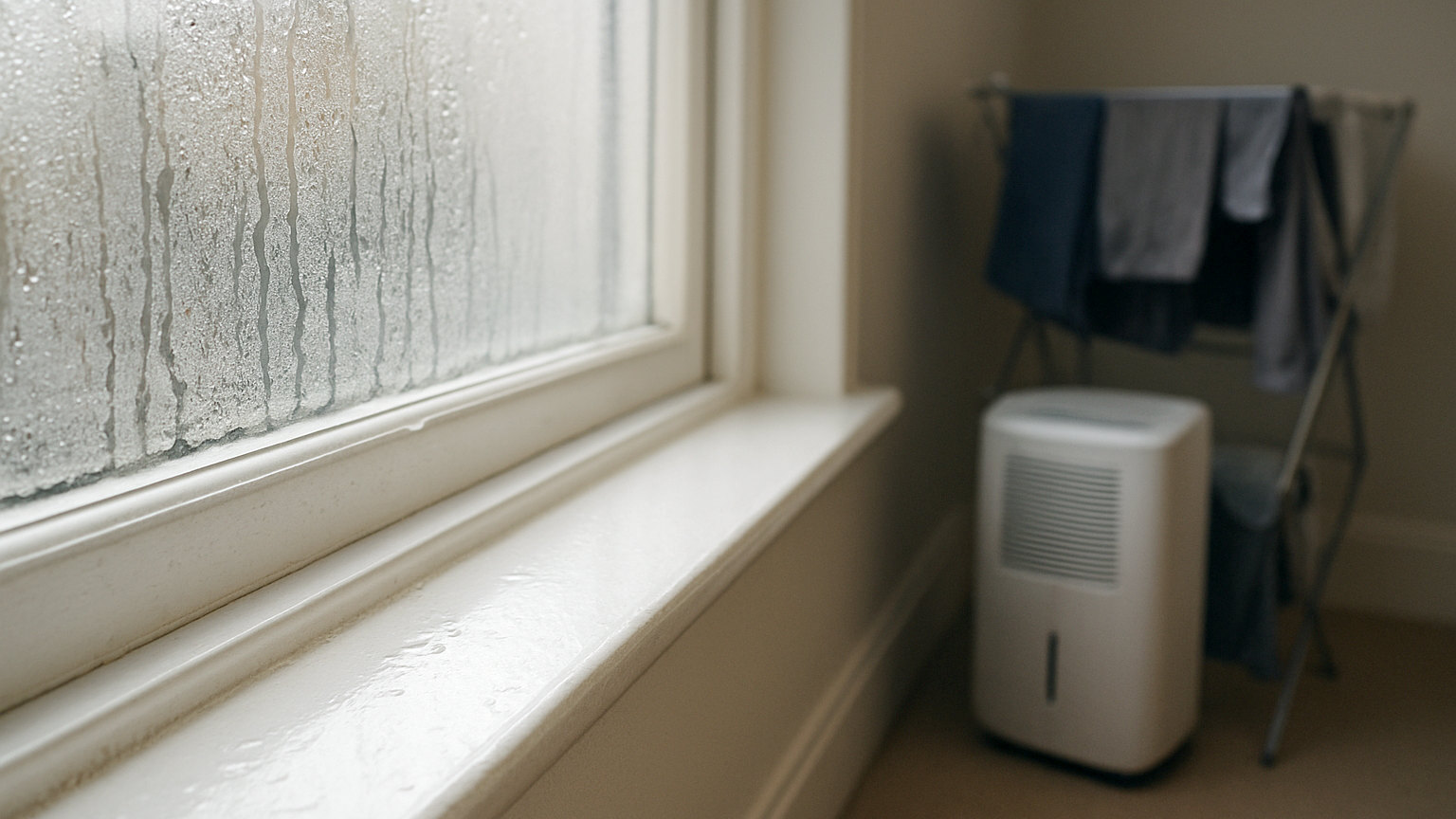
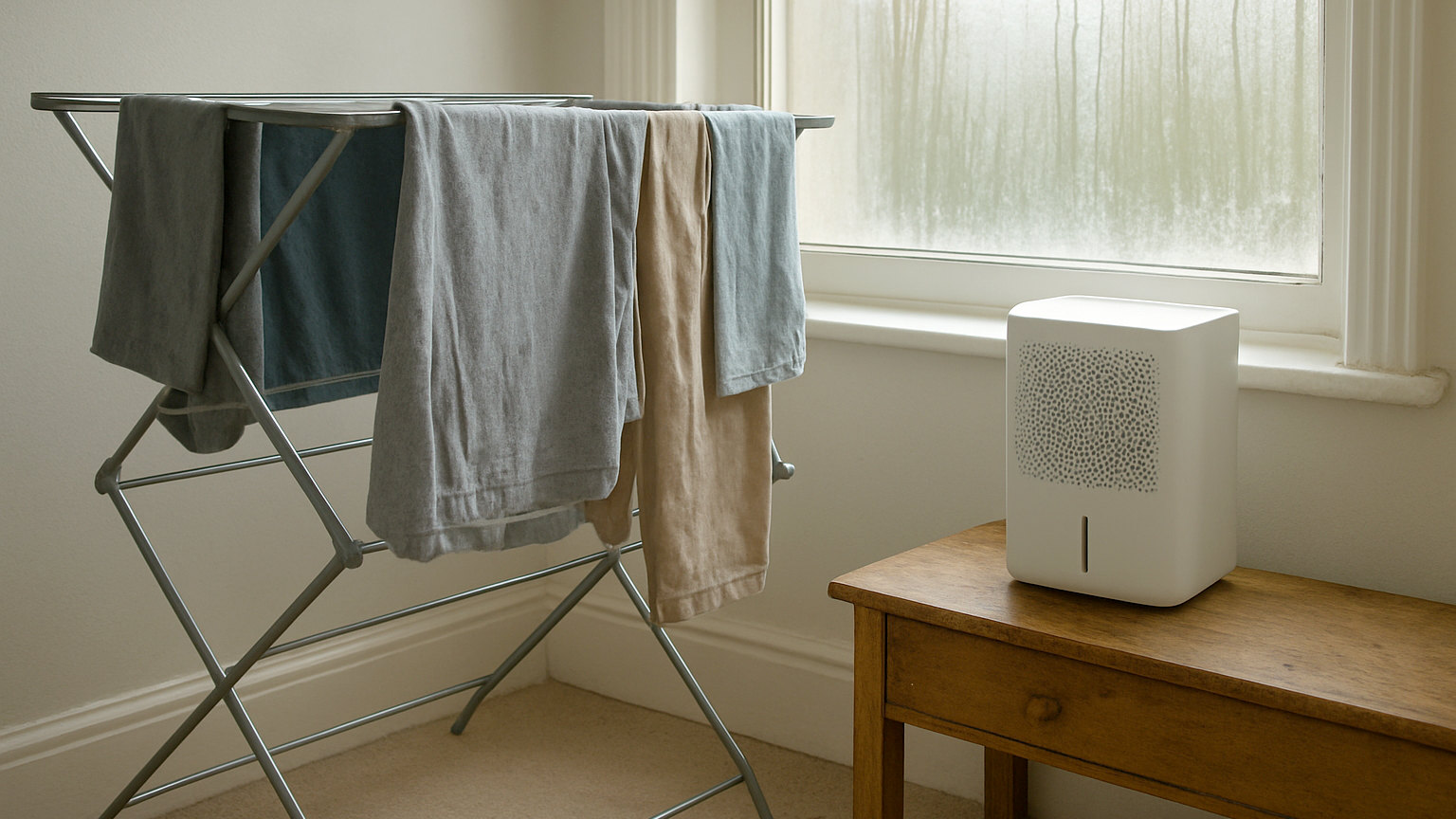
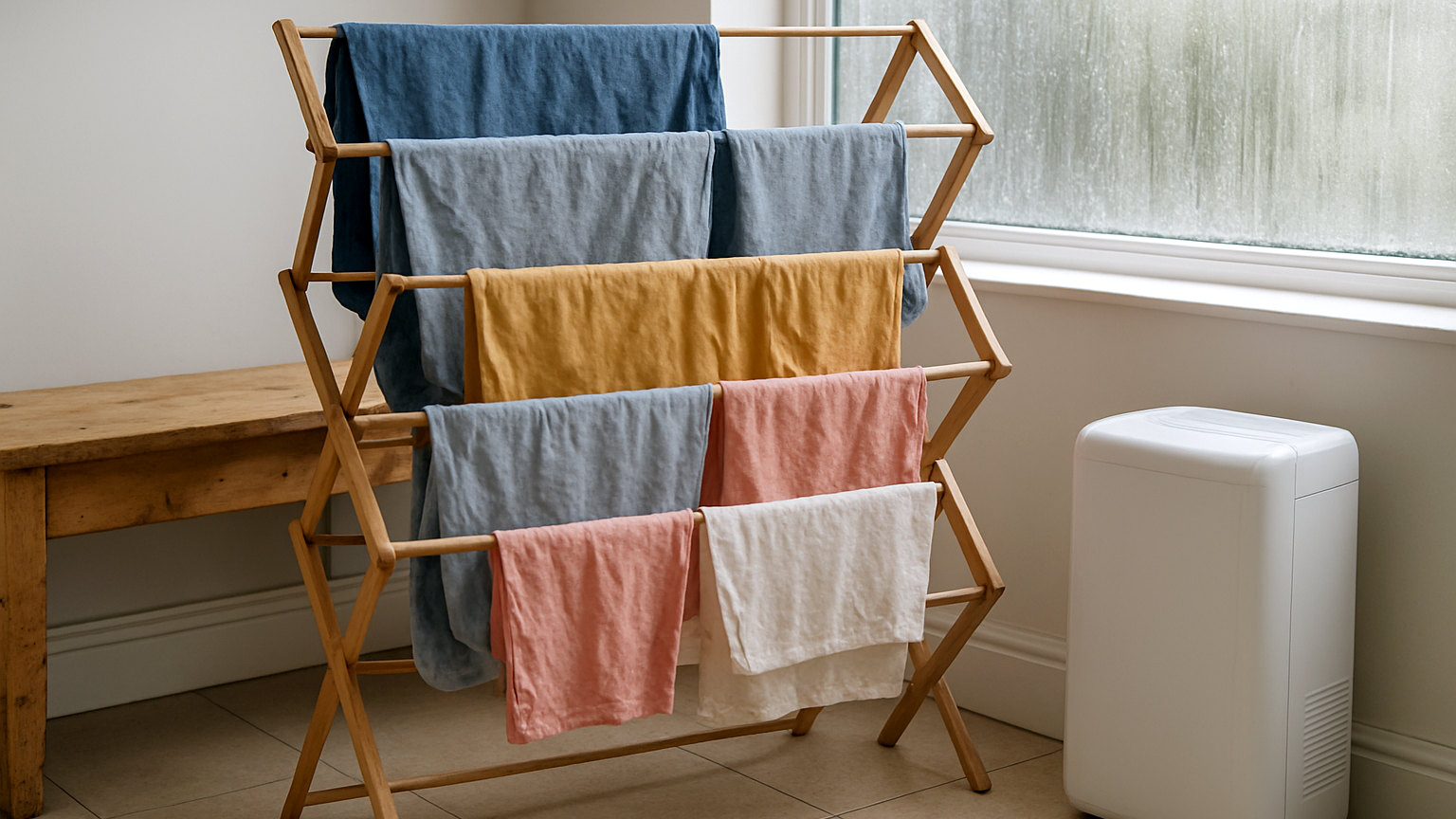
A dehumidifier dries laundry for a fraction of the cost of a tumble dryer and removes the water from the house rather than into it.
Winter drying is a choice between putting moisture into the house and paying to remove it, and the cheapest answer is usually a dehumidifier.
Clothes that smell musty after drying were almost always drying too slowly, and the bacteria responsible were active the whole time.
Line drying is free and gentle on fabric, and the two things it does badly are fading dark colours and leaving cotton stiff.
Cotton and wool shrink for entirely different reasons, and only one of the two can ever be reversed.
The dryer damages clothes through heat and tumbling, and different fabrics fail in different ways, from shrinking to melting to delaminating.
Heat pump dryers cost more to buy and far less to run, and the difference over a few years is larger than the gap in price.