How Do You Look After a Washing Machine?
Most washing machines are retired early because of neglect rather than age, and the maintenance that prevents it takes about fifteen minutes a month.
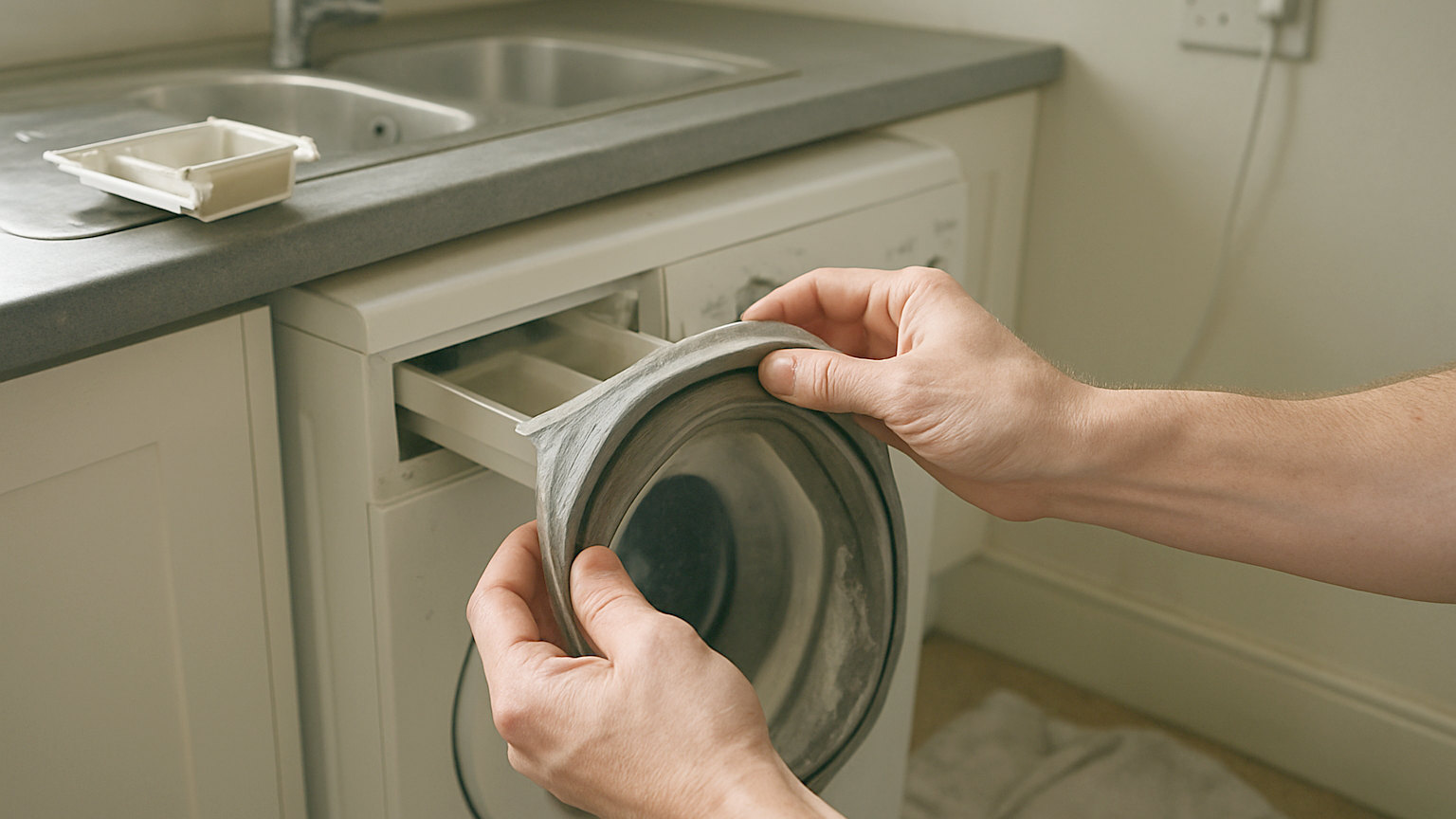
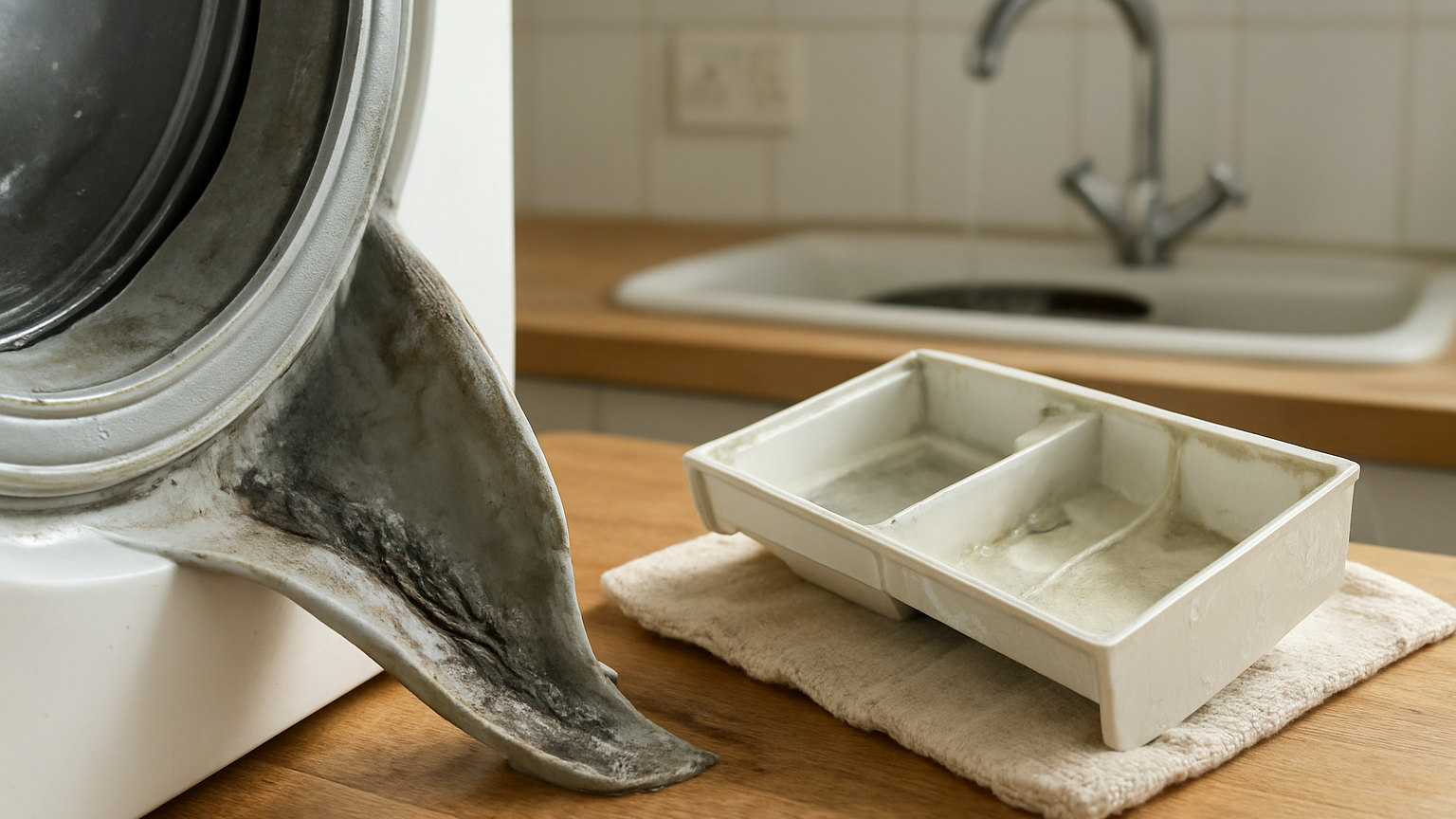
Maintenance washes, filters, detergent drawers and the door seal that causes most smells.
Most washing machines are retired early because of neglect rather than age, and the maintenance that prevents it takes about fifteen minutes a month.
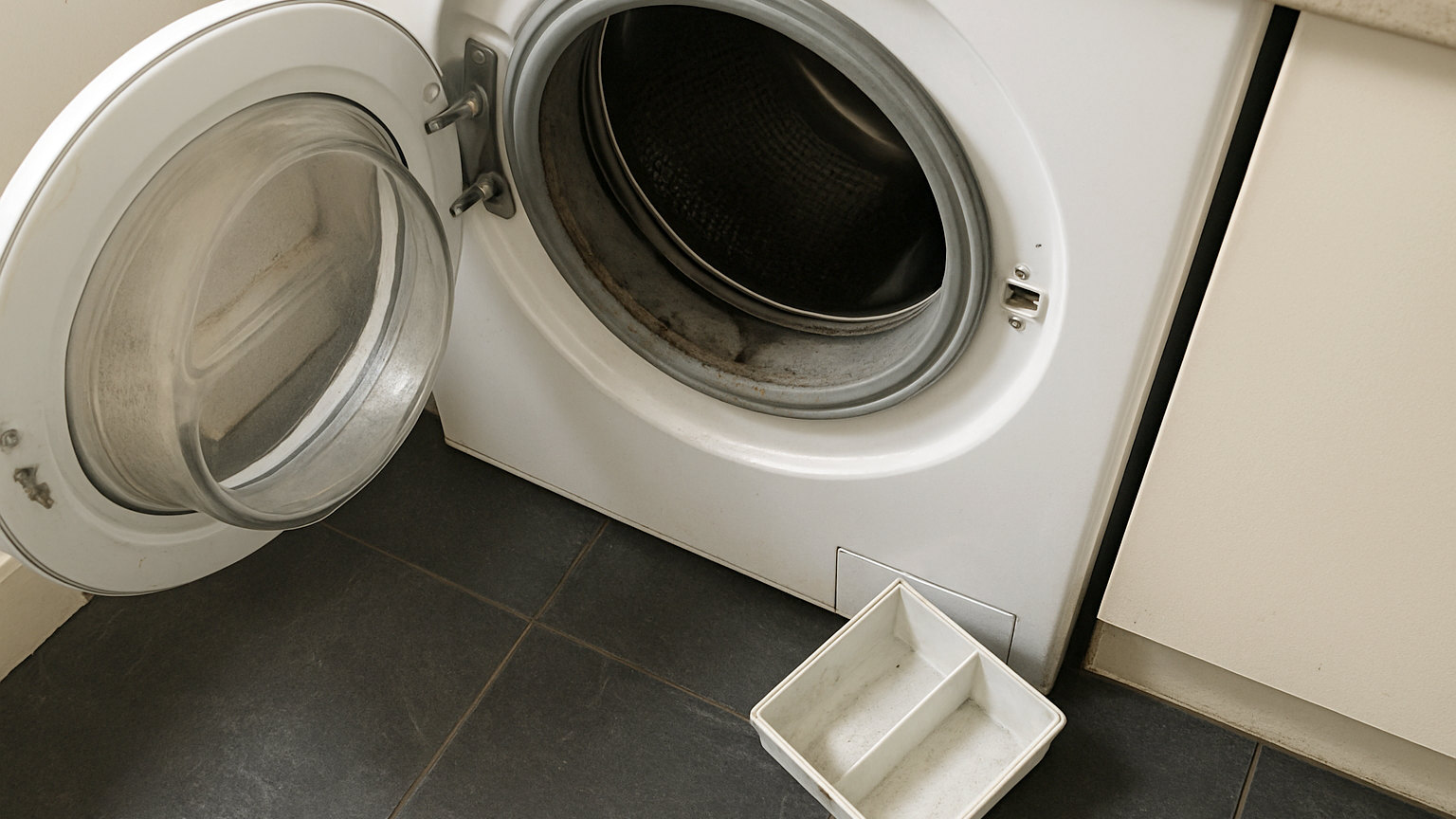
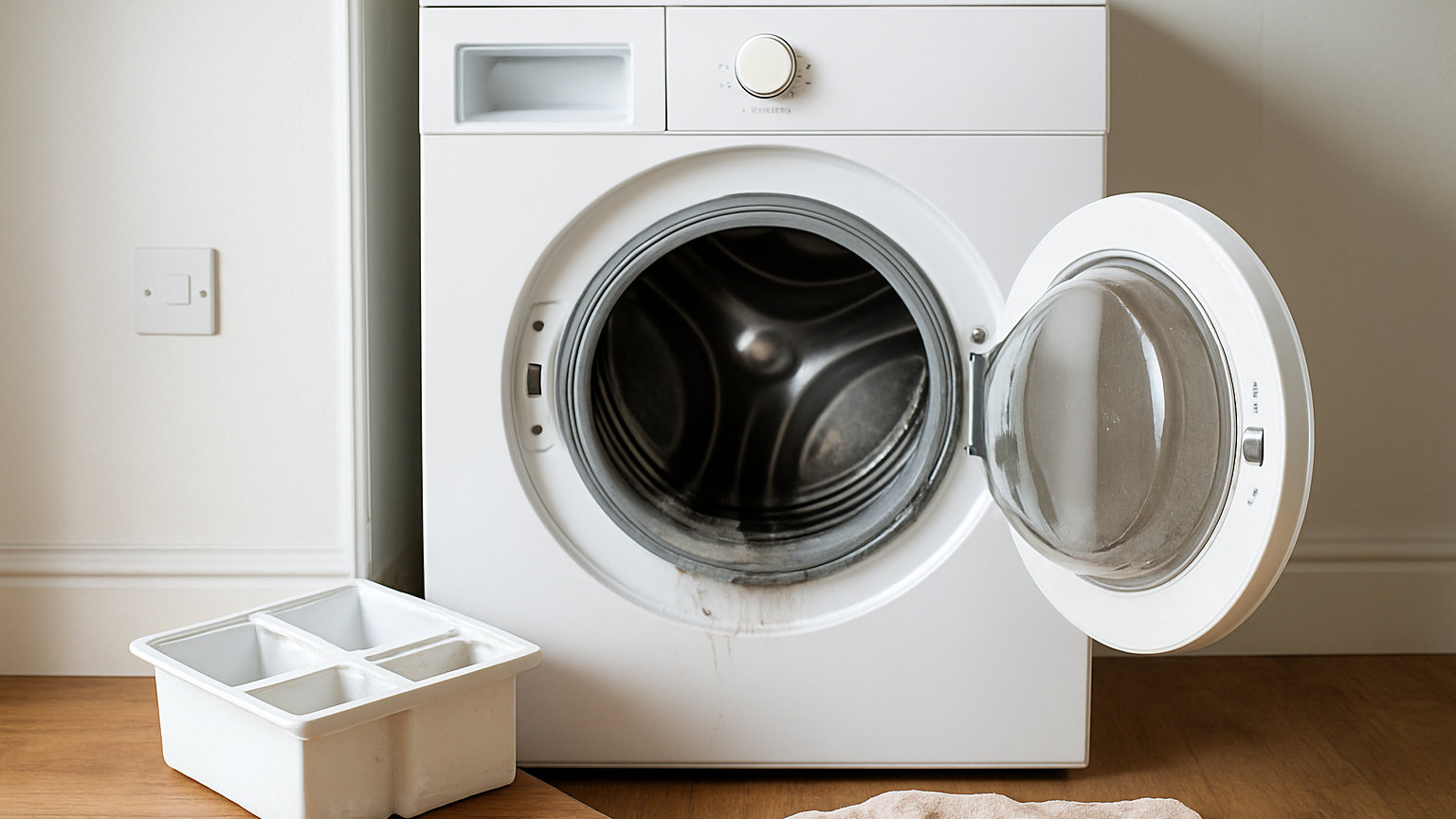
Yes, and the same applies to the detergent drawer, because both need airflow to dry and a closed machine stays damp indefinitely.
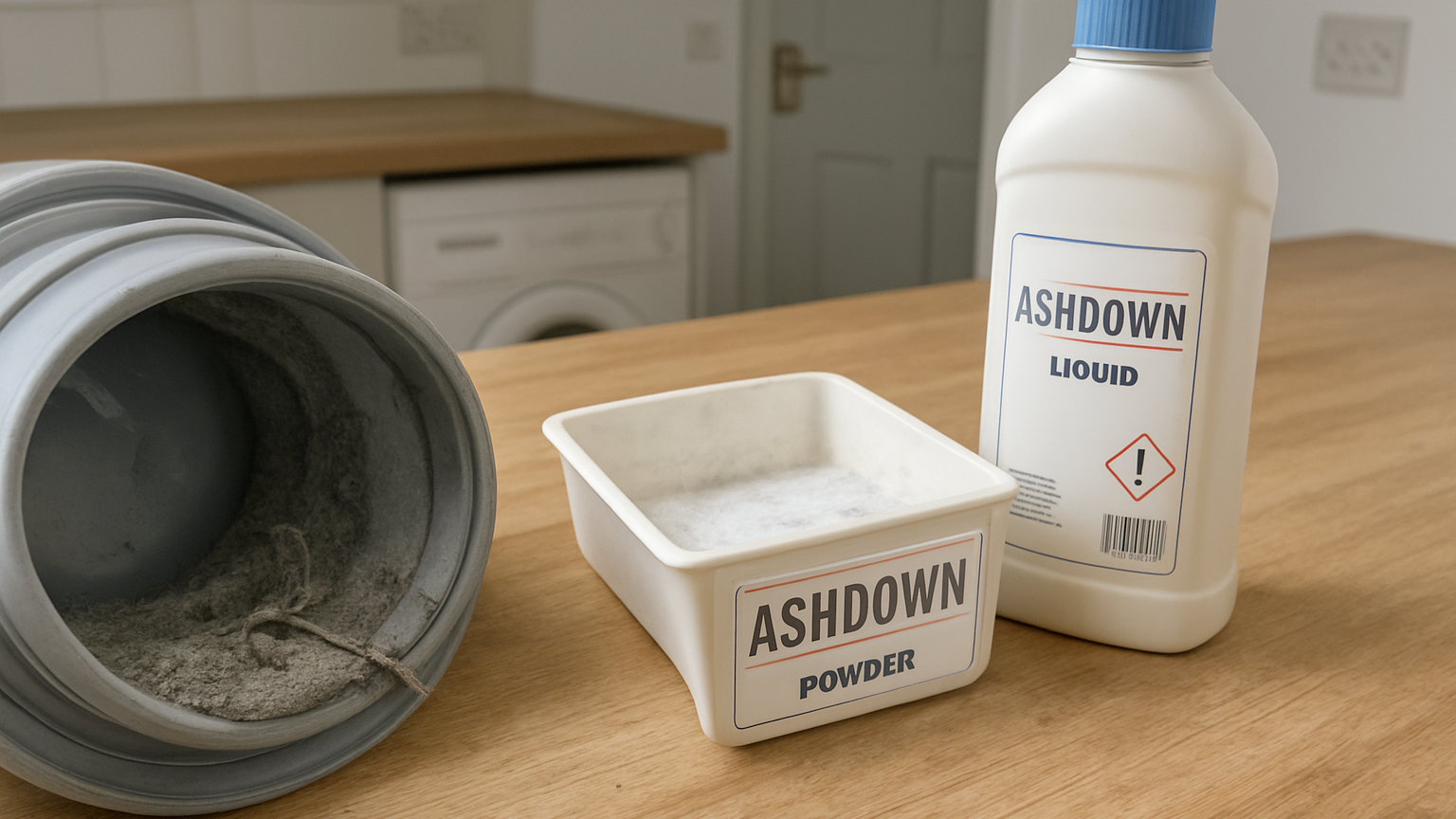
Most households use roughly twice what they need, and the excess causes the residue, the smells and the skin irritation people blame on other things.
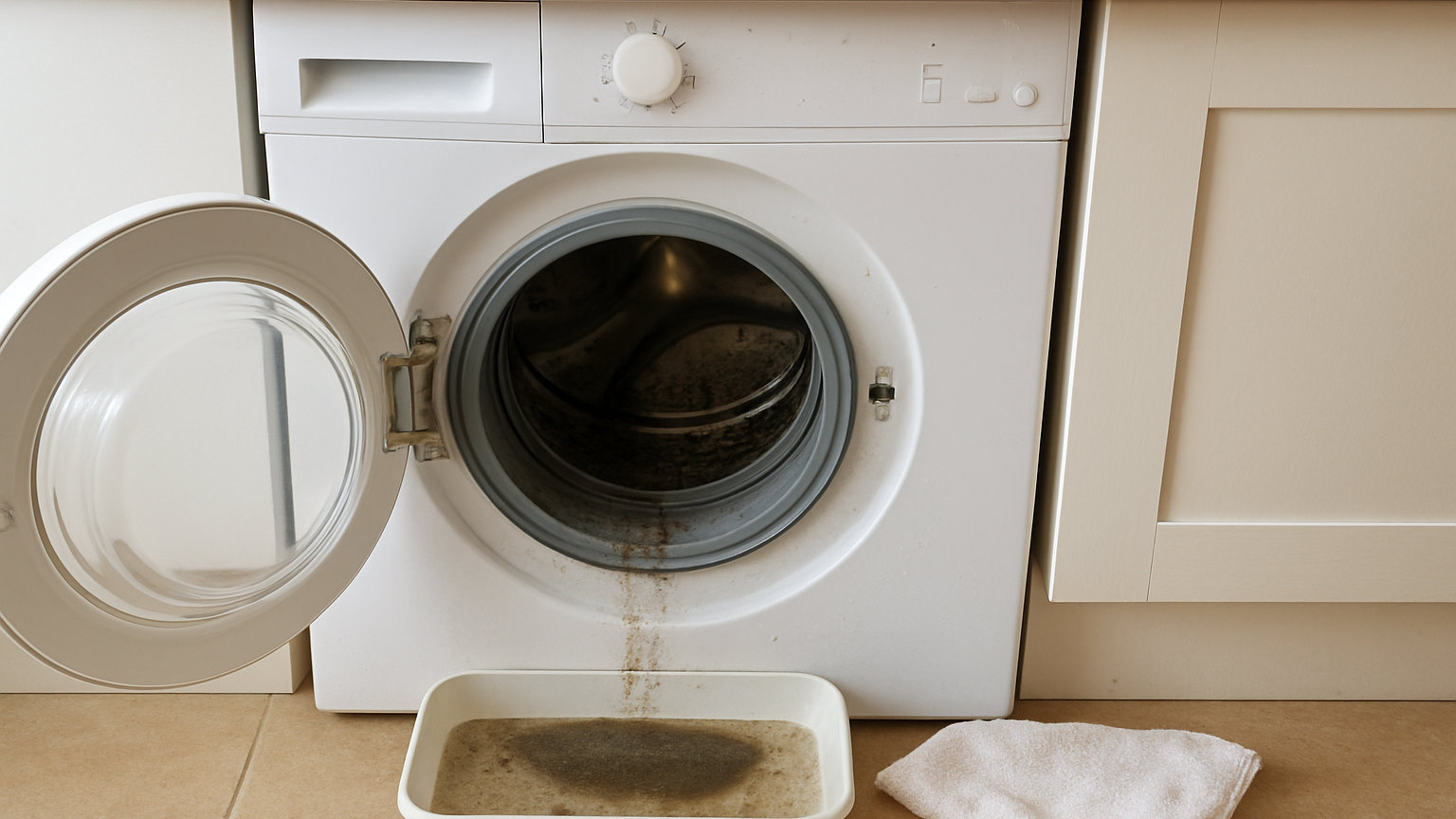
Four causes account for nearly every drainage fault, and three of them can be dealt with at home in under half an hour.
Behind a washing machine are the hoses, and checking them while you are cleaning is worth more than the cleaning itself.
Monthly is the usual answer, and it matters more the cooler you normally wash and the more fabric conditioner you use.
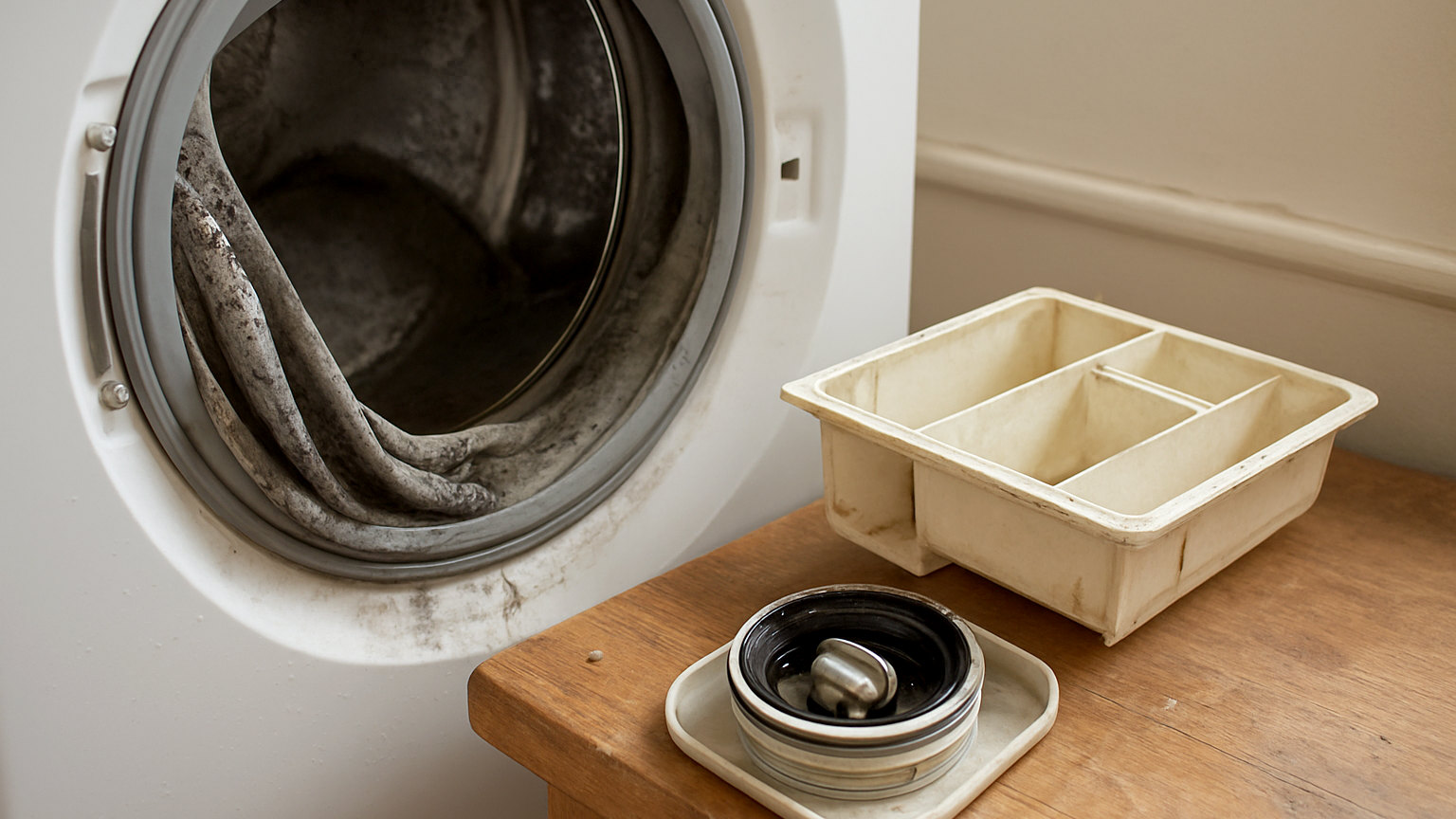
Grey smears, white streaks and black flecks each point to a different cause, and none of them means the wash was not hot enough.
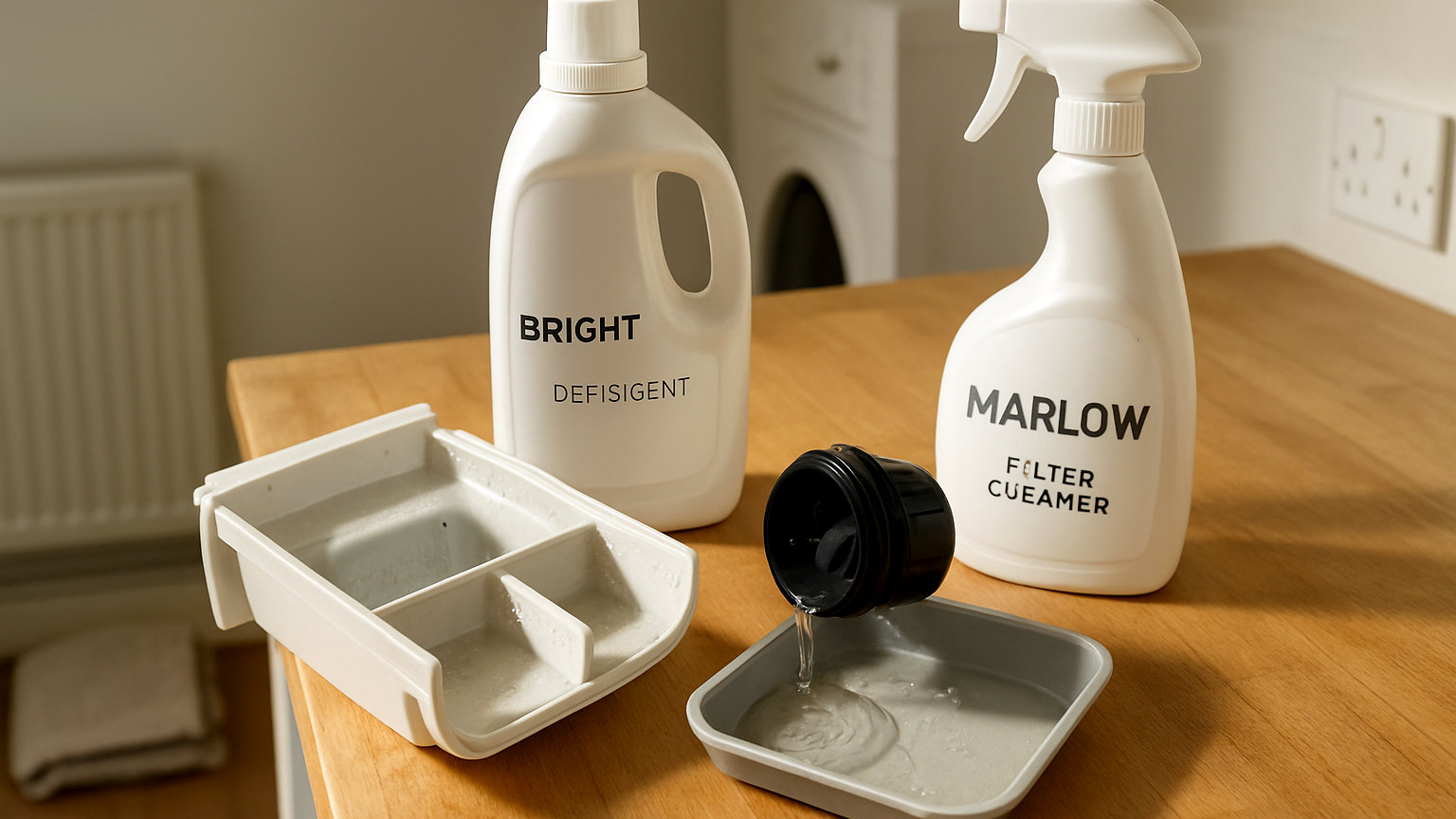
A large dose of ordinary powder detergent on a hot empty cycle does most of what a branded cleaner does, for a great deal less.
Limescale builds on the heating element rather than where you can see it, which is why a machine can be scaled without looking it.
Cool washes, liquid detergent, fabric conditioner and a closed door between loads combine to produce exactly the conditions bacteria need.
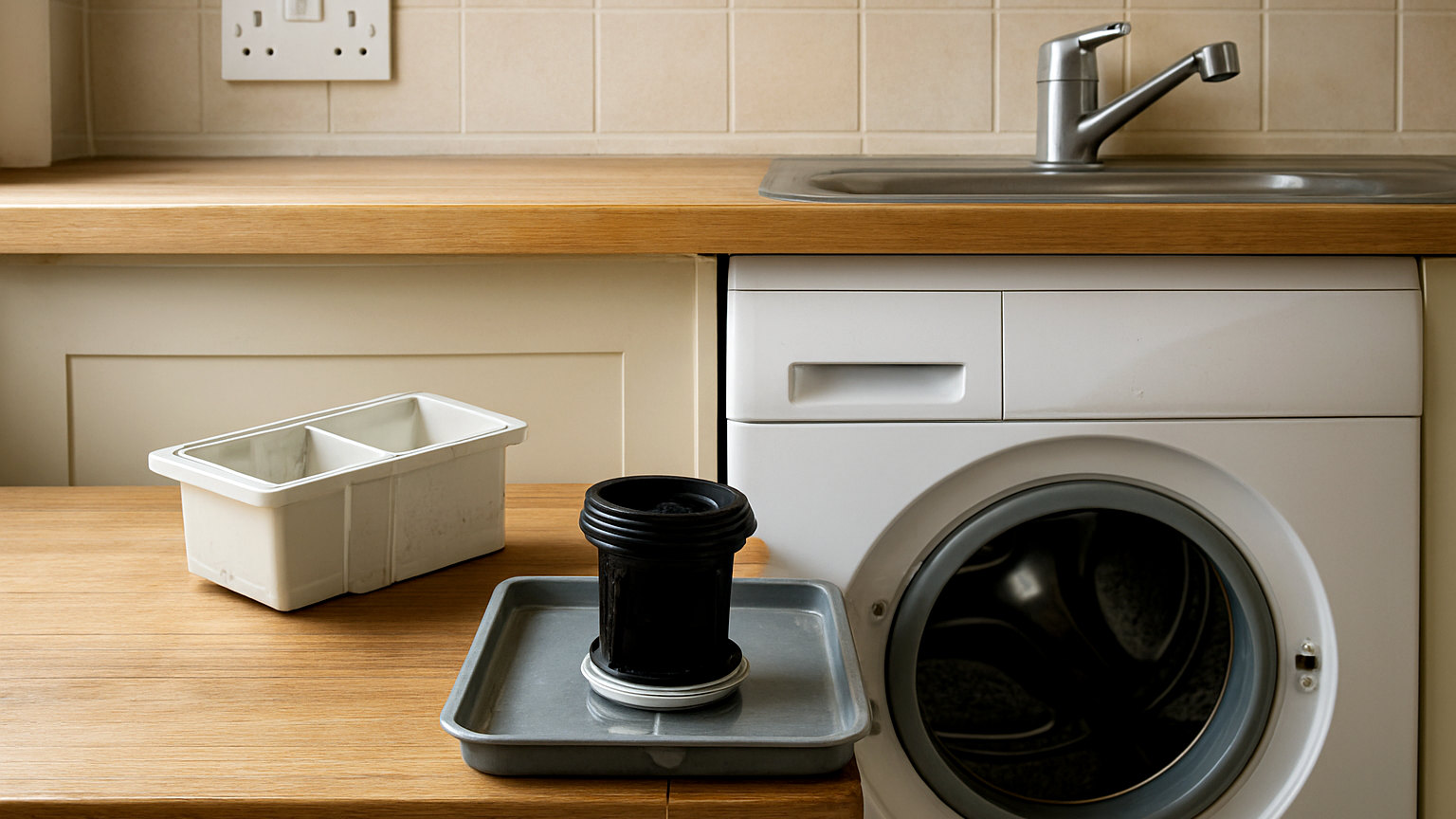
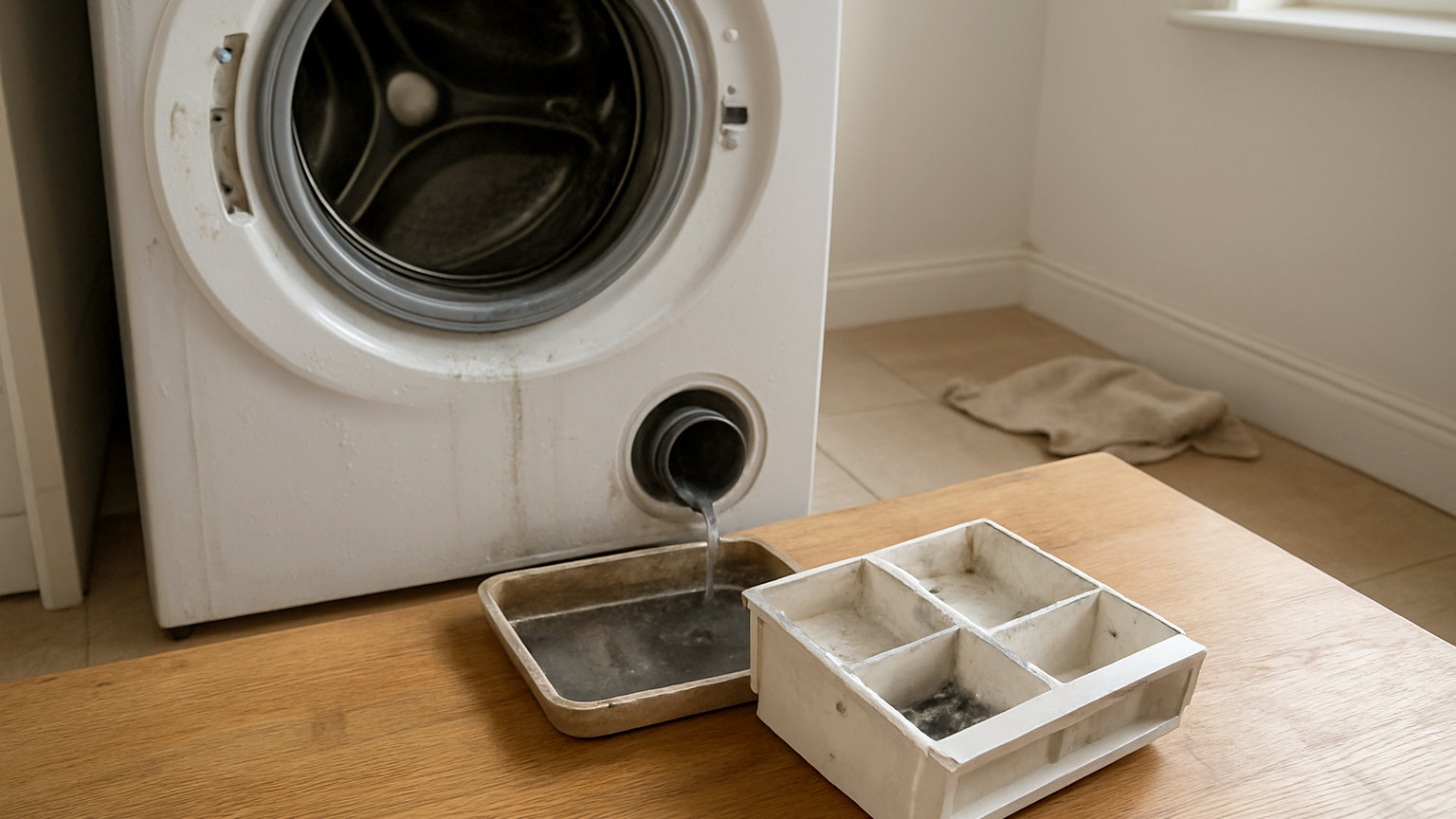
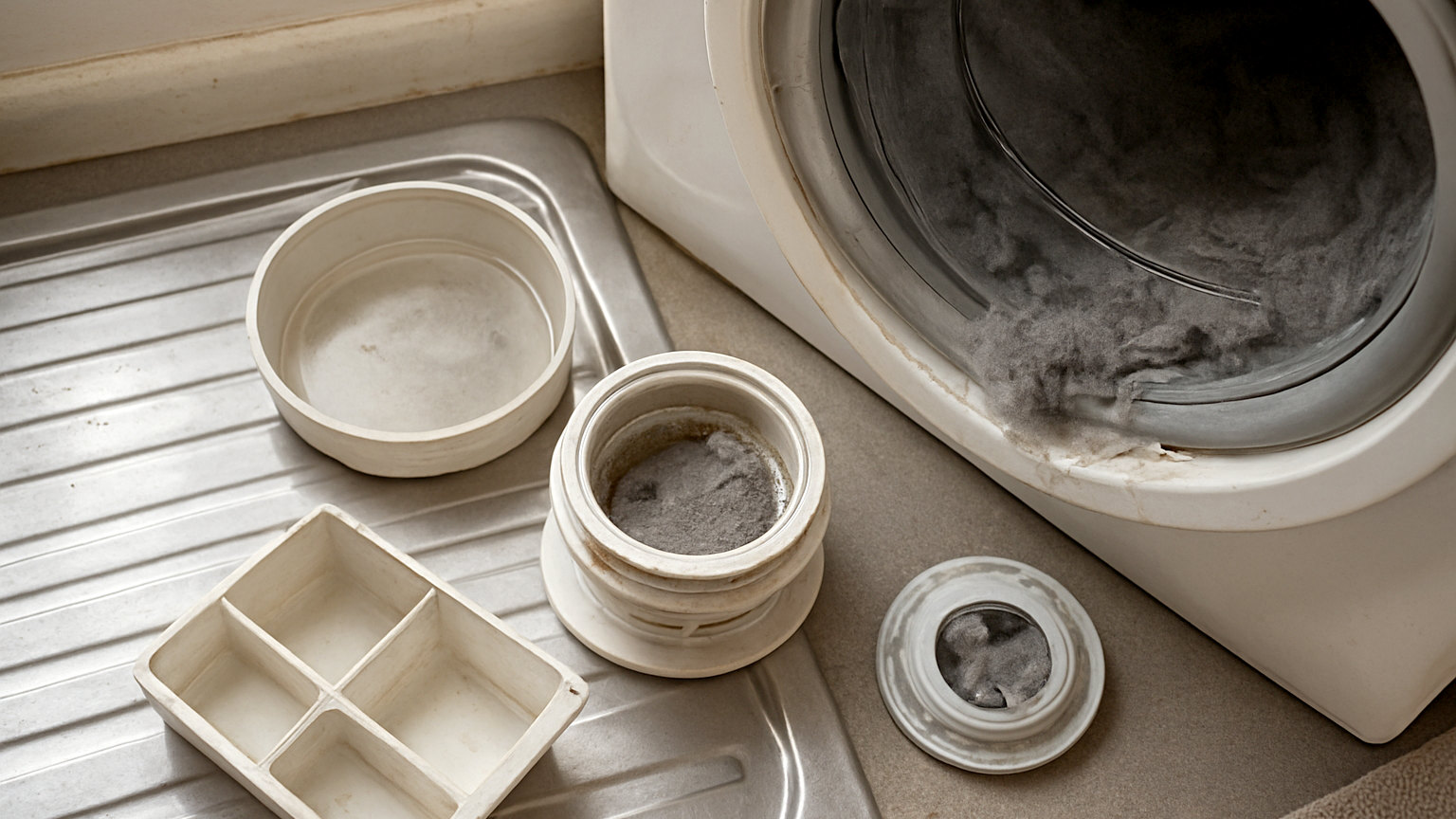
The filter is behind a small flap at the bottom front, it holds around a litre of water, and most people have never opened it.
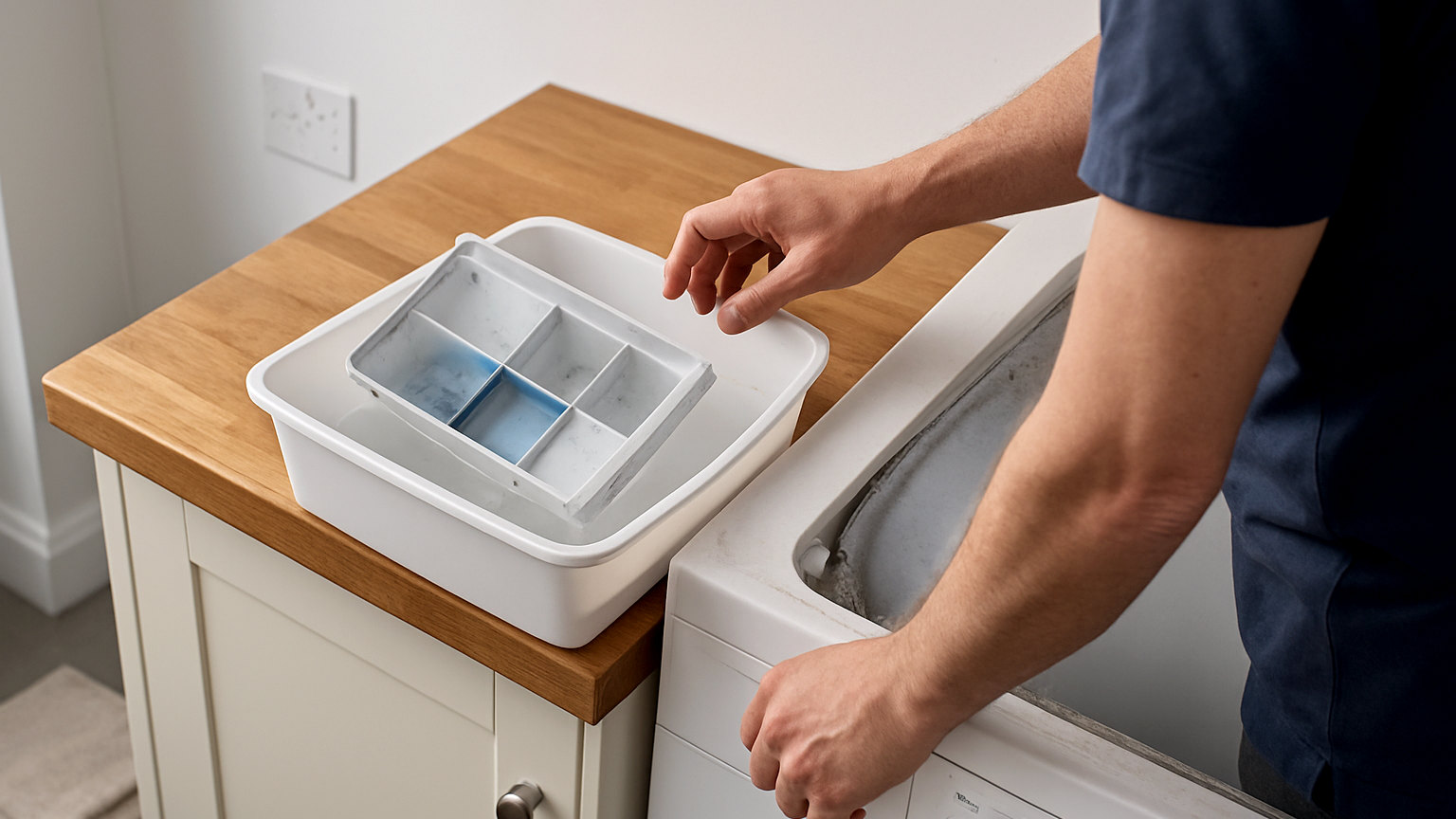
The drawer comes out completely on almost every machine, and the housing behind it is usually worse than the drawer itself.