A kitchen does not need cleaning from top to bottom every day, and treating it that way is how people end up resenting the room. What it genuinely needs is a short reset after cooking, one proper clean each week, a handful of jobs that come round monthly, and two or three that only need doing once or twice a year. Splitting the work along those lines keeps the room hygienic without turning it into a daily chore.
What needs doing every day?
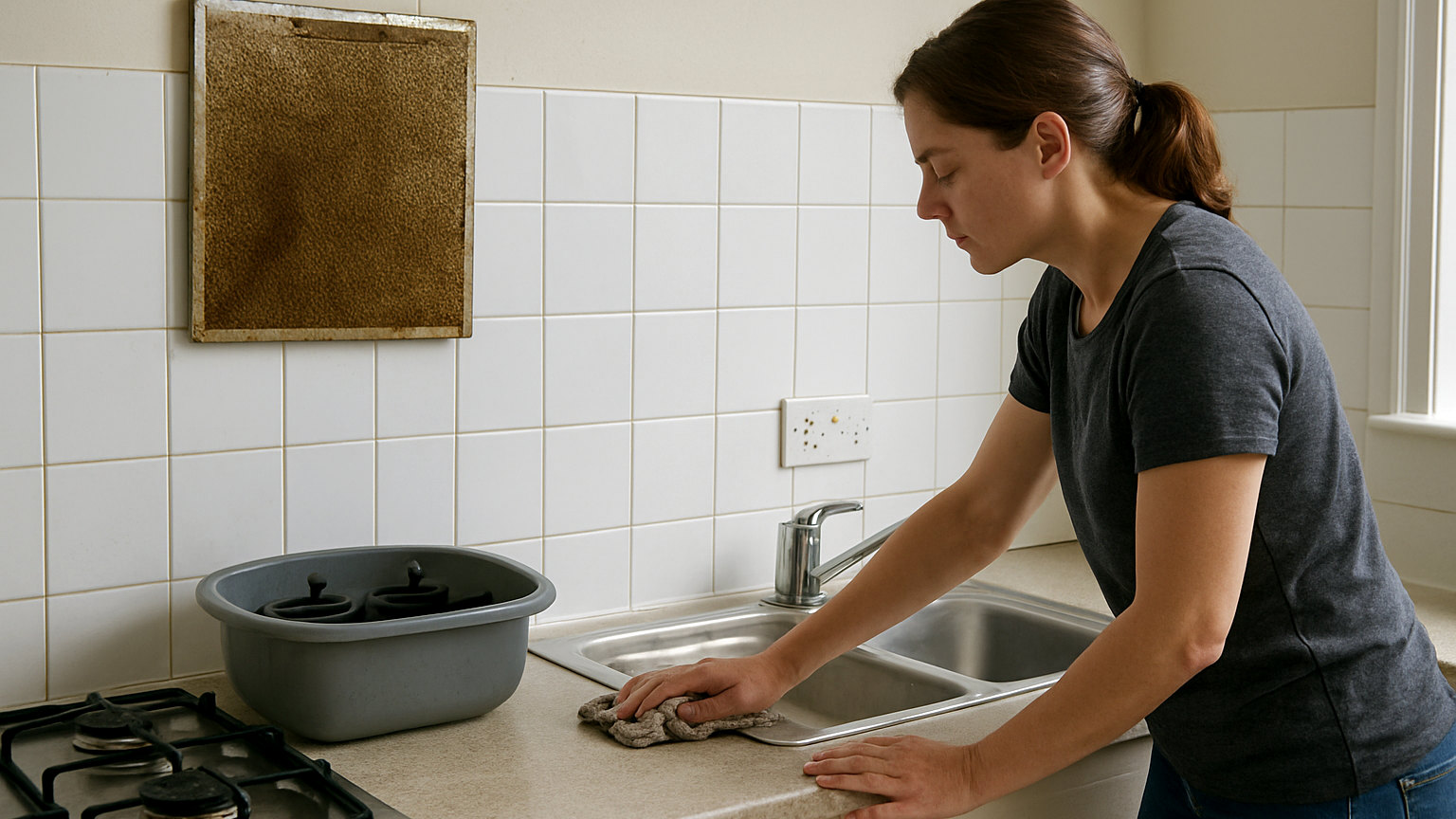
Only the things that get worse quickly. Wipe the worktops and the hob after cooking, wash up or load the dishwasher, and take out any bin liner holding raw meat packaging or anything wet. Anything left damp overnight – a cloth balled up in the sink, a pan of grey water, a chopping board leaning against the tiles – is what turns a clean kitchen into a smelly one by morning.
The daily list should be short enough to finish in under ten minutes. If it regularly takes longer, what you are actually doing is a weekly job that has been left too long, and the fix is to bring the weekly clean forward rather than to spend more time each evening.
Which jobs belong to the weekly clean?
The weekly clean is where most of the real work sits, and it takes forty minutes to an hour in an average kitchen. It covers:
- The sink and taps, including around the base of the tap where limescale and grime collect out of sight.
- The hob and the splashback behind it, while any grease is still soft enough to lift with hot soapy water.
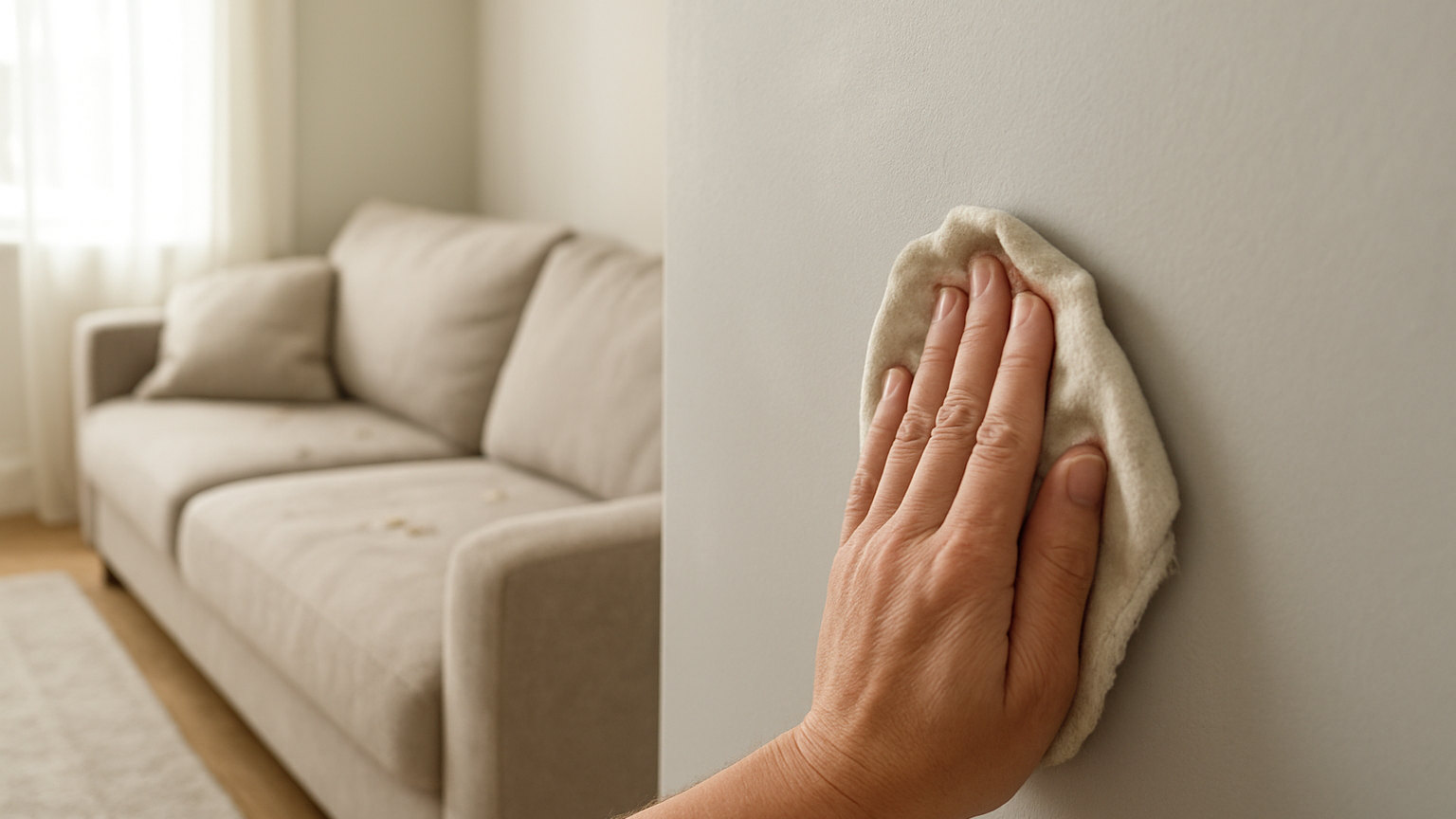
- Cupboard doors near the hob and around handles, which pick up a fine film of cooking grease that hardens if it is left.
- The bin itself, washed out rather than just re-lined.
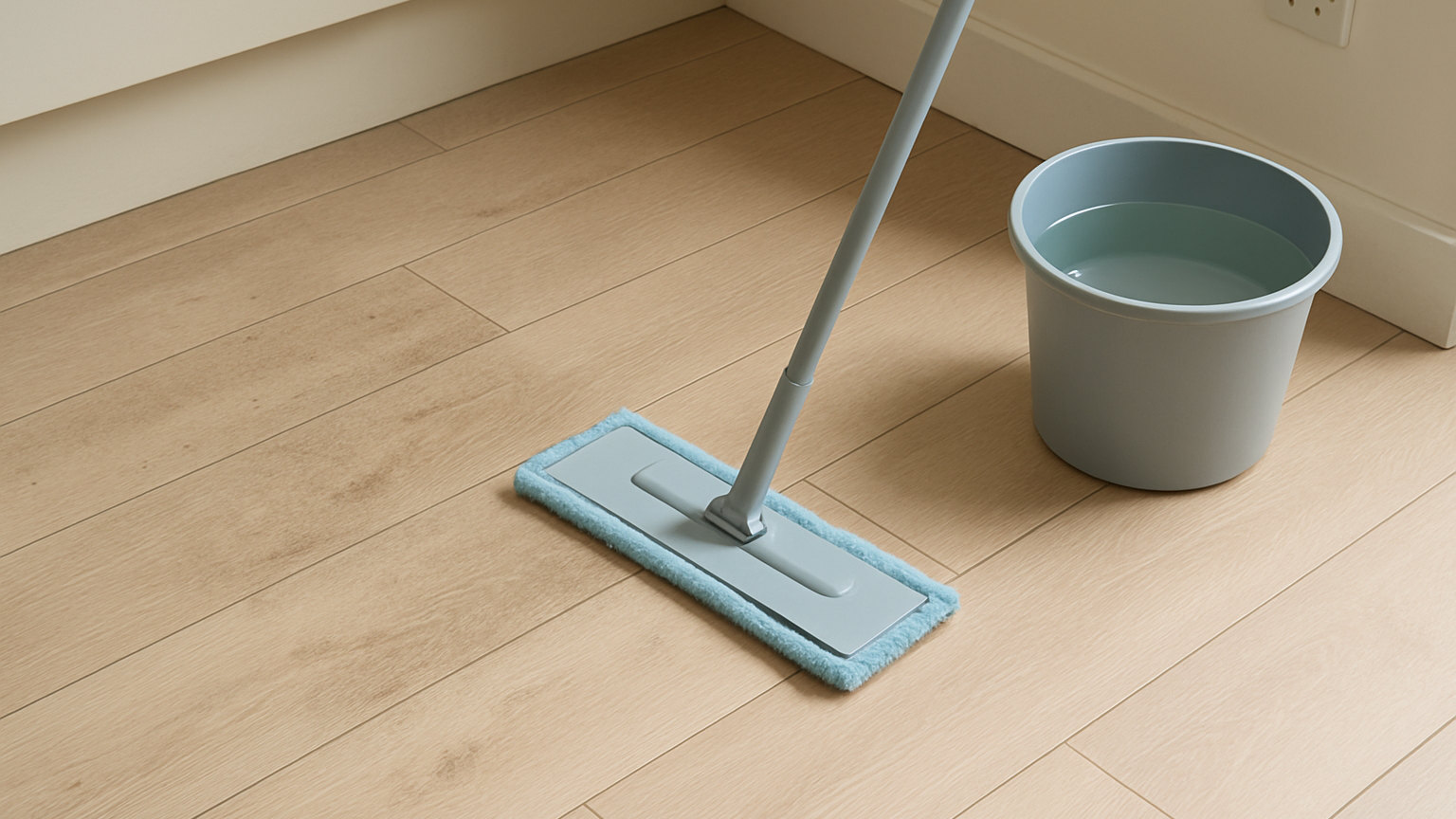
- The floor, swept or vacuumed first and then mopped.
- A quick pass inside the fridge, throwing out anything past its date and wiping any spills.
What can wait until the end of the month?
Monthly jobs are the ones that degrade slowly and invisibly. The extractor hood filter needs washing roughly every four to eight weeks depending on how much frying you do. The dishwasher filter needs lifting out and rinsing. The kettle needs descaling in a hard water area. Door handles, light switches and the fridge door seal all want a proper wipe, and the inside of the microwave benefits from a steam clean.
None of these take long individually. Grouping them into one monthly session of half an hour is far more realistic than trying to remember each one separately.
Which kitchen jobs only come round once or twice a year?
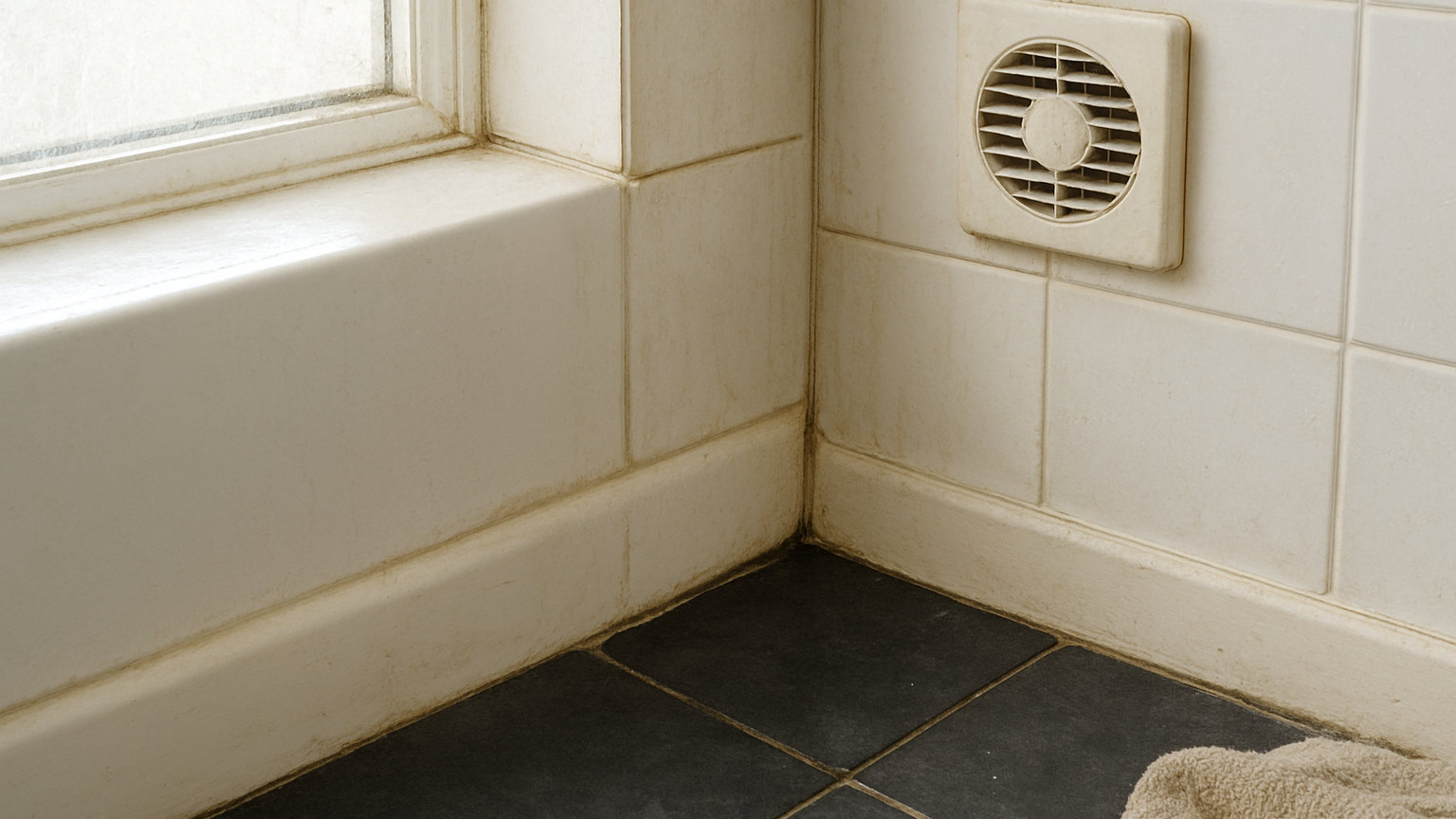
The oven interior, defrosting the freezer, emptying cupboards to wipe them out, cleaning behind and underneath freestanding appliances, and giving tiles and grout proper attention. These are the jobs that feel daunting precisely because they are rare, and they are also the ones most easily booked into a quiet weekend rather than squeezed into a weeknight.
Why does the right frequency differ between households?
Because the amount of dirt produced differs enormously. A household that cooks from scratch every night, fries regularly and has a gas hob generates far more airborne grease than one that mostly reheats. Pets add hair and paw marks. Small children add spills at floor level. An open plan kitchen spreads cooking residue into the living space, which usually means the extractor matters more and the filter needs washing sooner.
Small kitchens also show mess faster, which is not the same as being dirtier. Clearing surfaces in a small kitchen gives a much larger visual return than an extra wipe of anything.
How do you know if you are cleaning too much?
Three signs are worth watching for. The first is repeating jobs on surfaces that are not dirty, which wastes time and slowly wears finishes. The second is reaching for disinfectant where hot water and washing up liquid would do, which is most of a kitchen most of the time. The third is damage: dulled worktops, stripped wood, and painted cupboard doors that have lost their sheen where they are wiped daily with something too harsh.
A kitchen kept on a daily, weekly, monthly and yearly rhythm almost never needs a rescue mission, and that is the real argument for the split. Every job that gets skipped becomes harder rather than simply later.