How Do You Prevent Sweat Marks on Clothes?
Preventing the marks is far easier than removing them, and most of it comes down to what goes on the skin and how soon the shirt gets rinsed.
By Cleaning Guides Team
24 Jul 2026

Protein stains, why hot water sets them, and yellow underarm marks on shirts.
Preventing the marks is far easier than removing them, and most of it comes down to what goes on the skin and how soon the shirt gets rinsed.
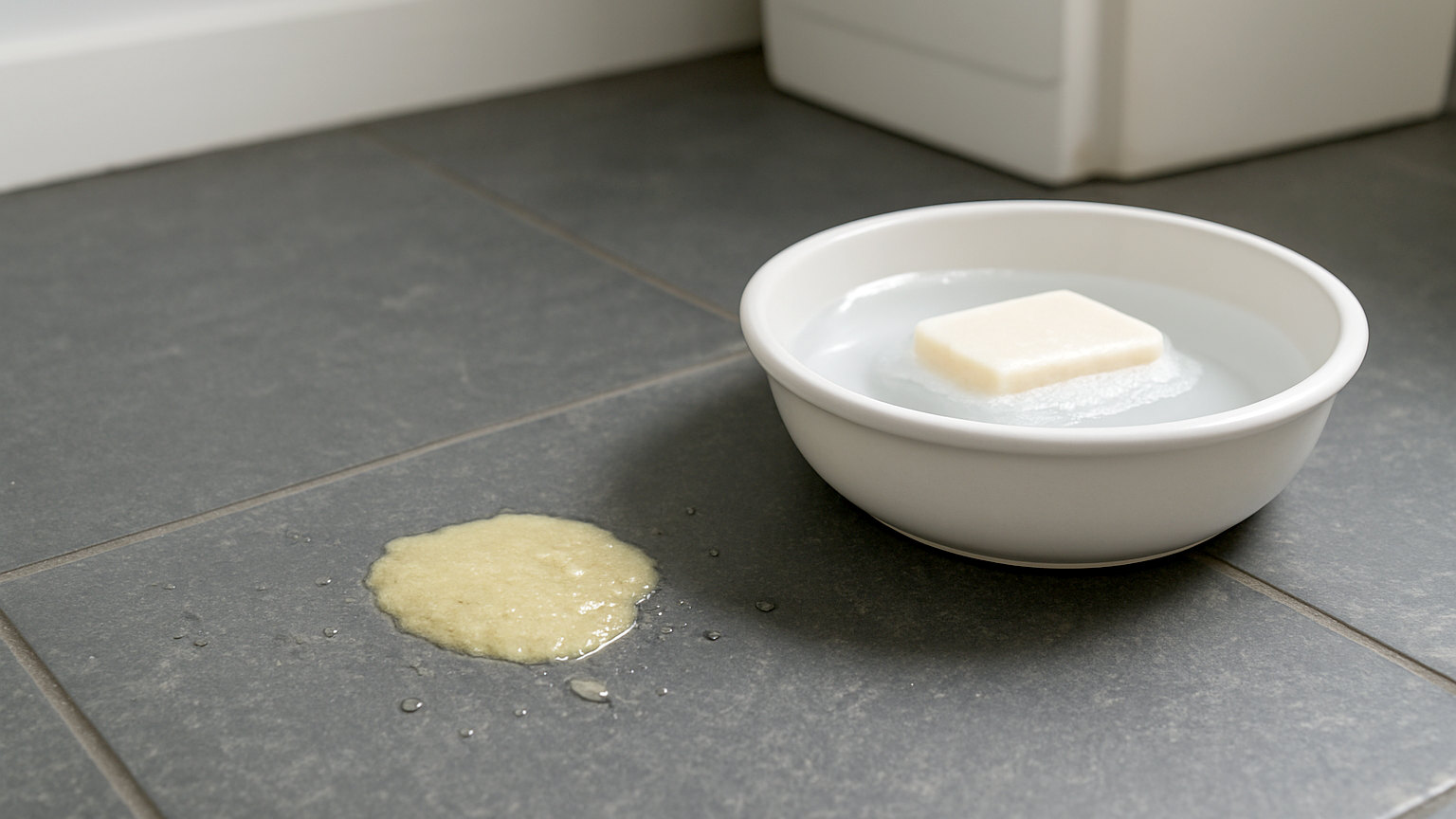
Vomit is a hygiene job as much as a stain one, and the order of work protects the household as much as it protects the carpet.
They work well and only within a narrow temperature range, which is why adding them to a hot wash achieves so much less than people expect.
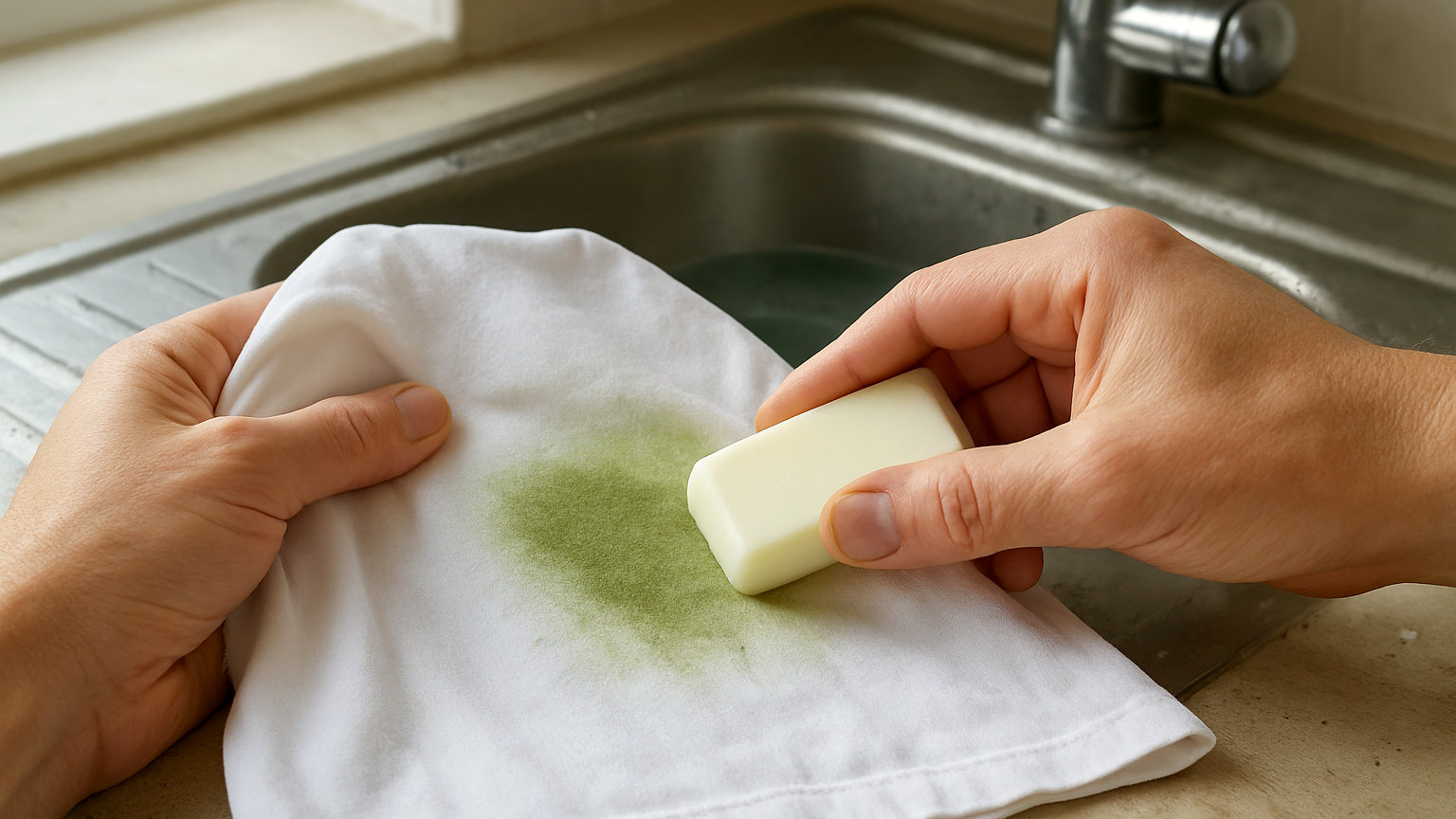
Grass stains combine chlorophyll with plant proteins and sap, which is why enzymes and alcohol together work when either alone does not.
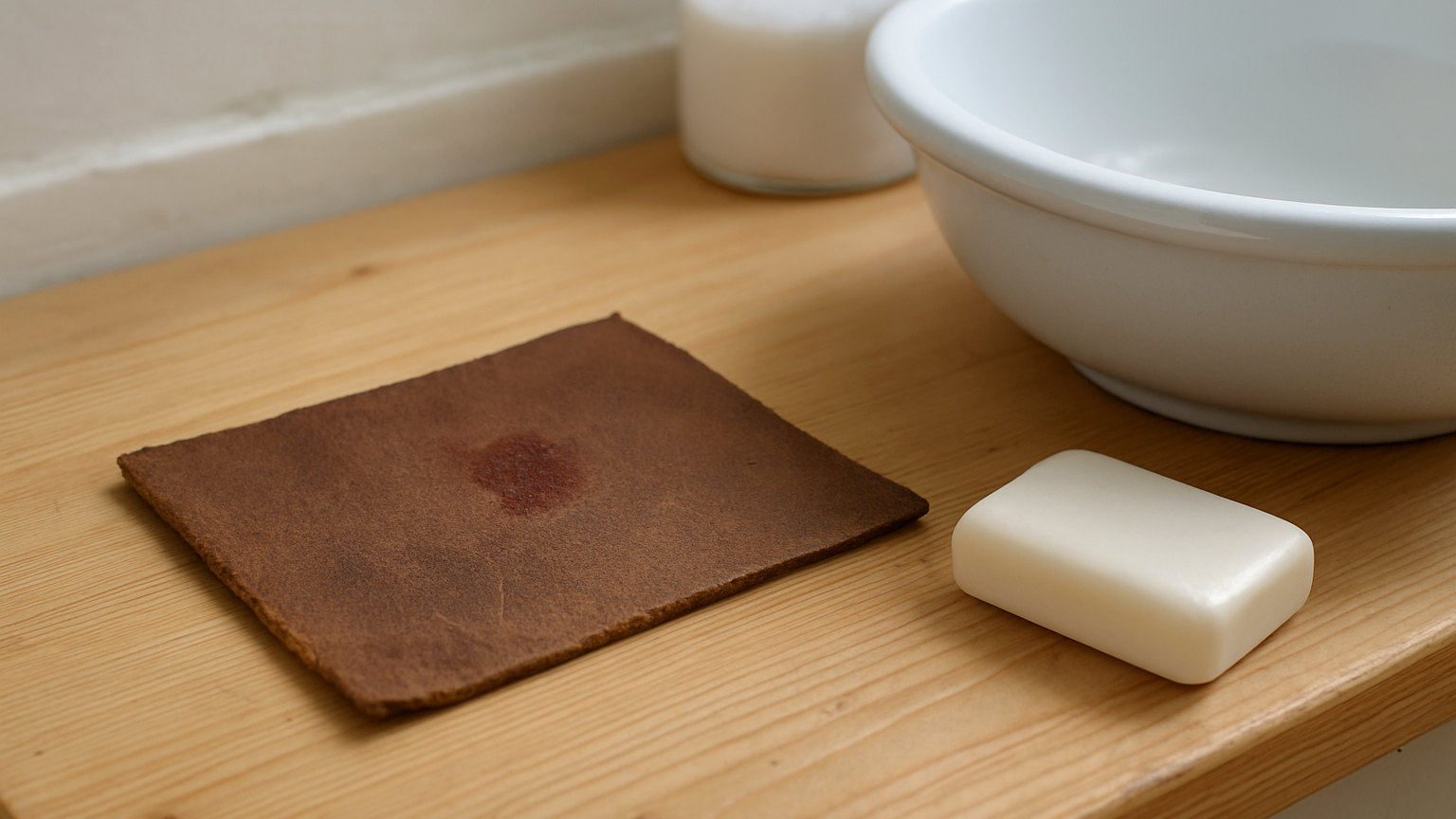
Leather is a protein material, which means most of the things that remove blood will damage the hide as readily as they remove the stain.
Bedding is the easiest place to remove blood from, because sheets can be soaked and cotton tolerates everything, provided nothing gets heated first.
Largely yes, and the evidence is straightforward: switch to an aluminium free deodorant and new shirts stop yellowing within a few months.
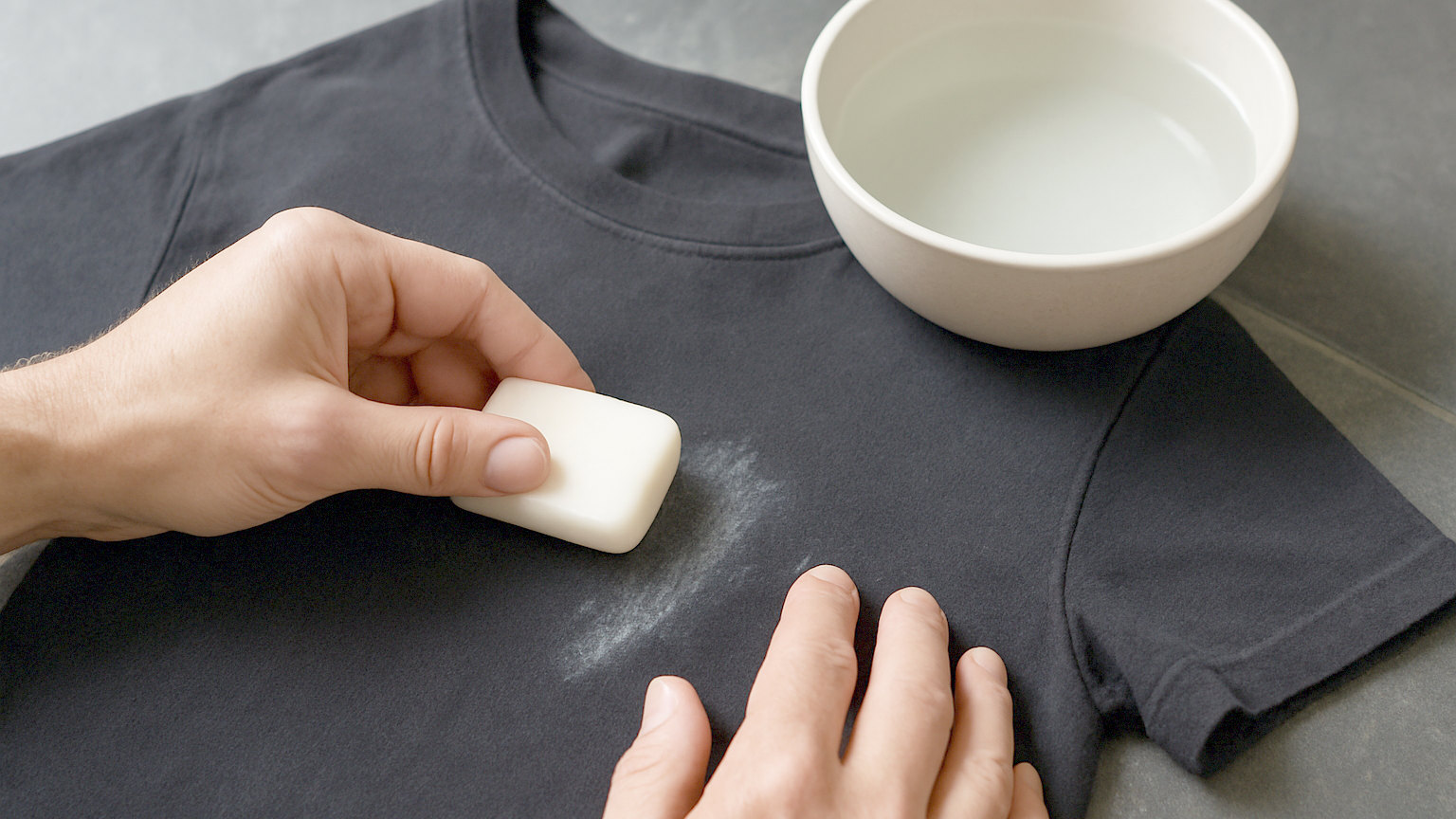
The white streak on a dark top is surface residue that comes off dry, and the invisible build up in the fabric is the one that needs a wash.
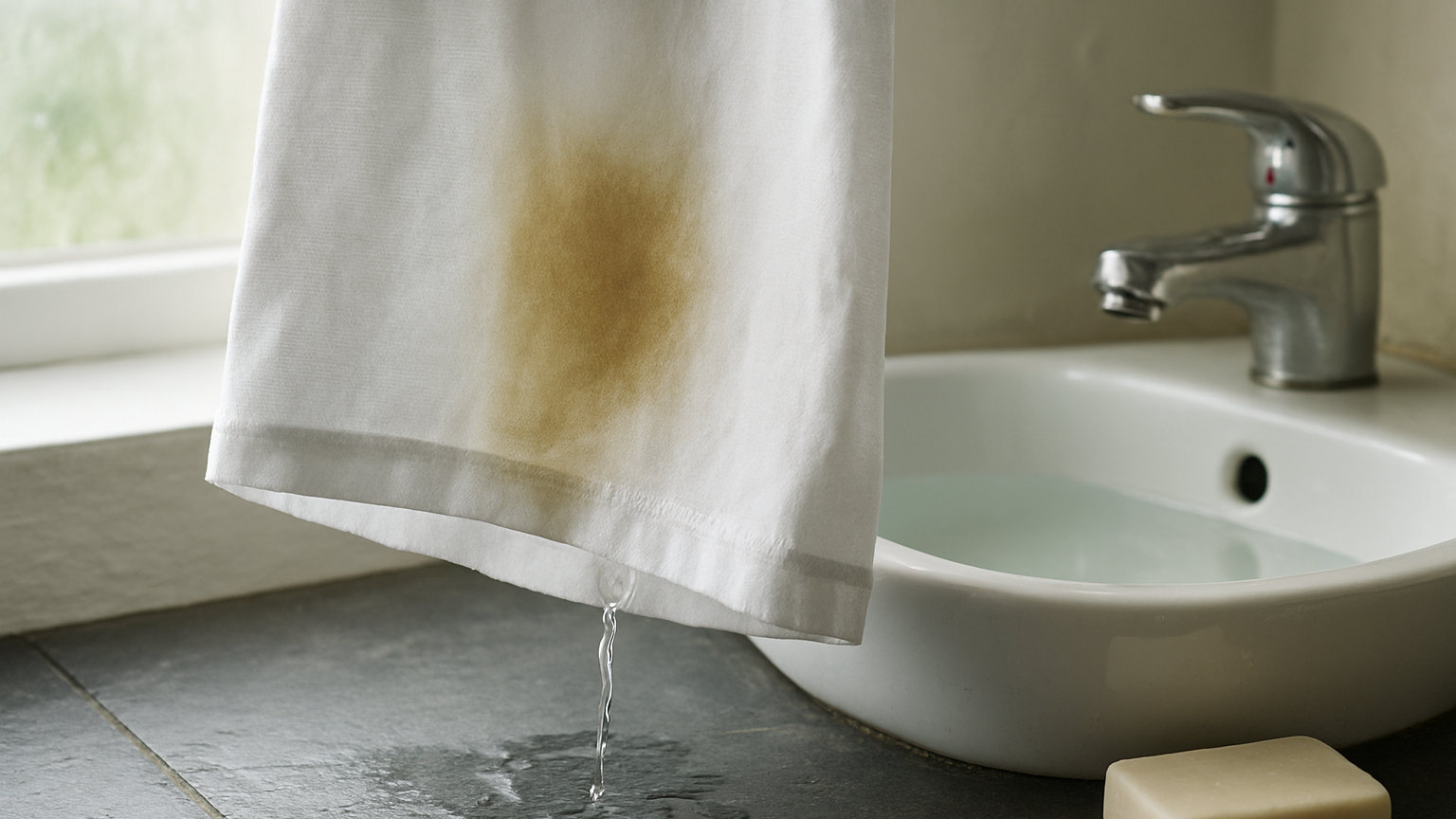
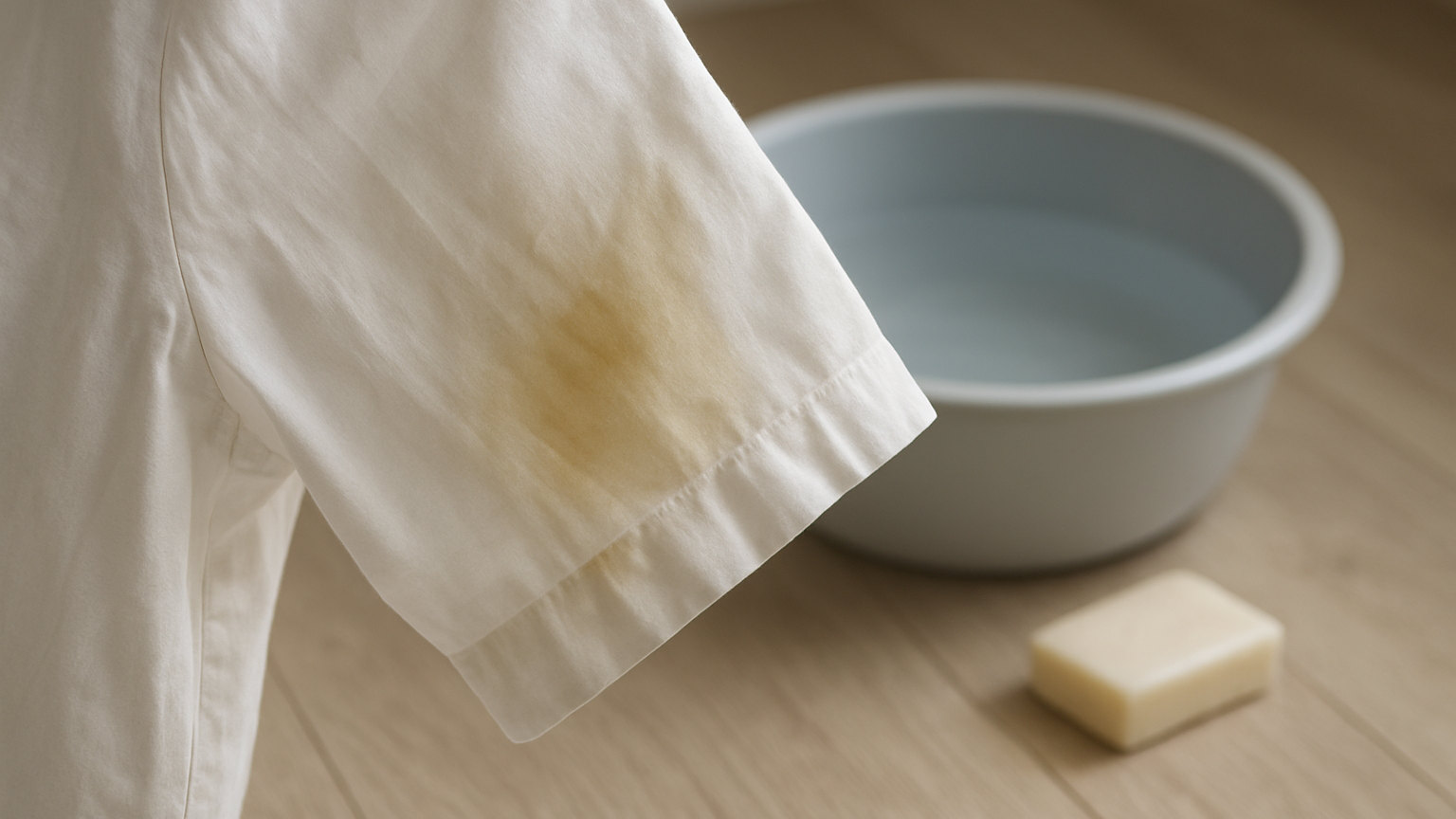
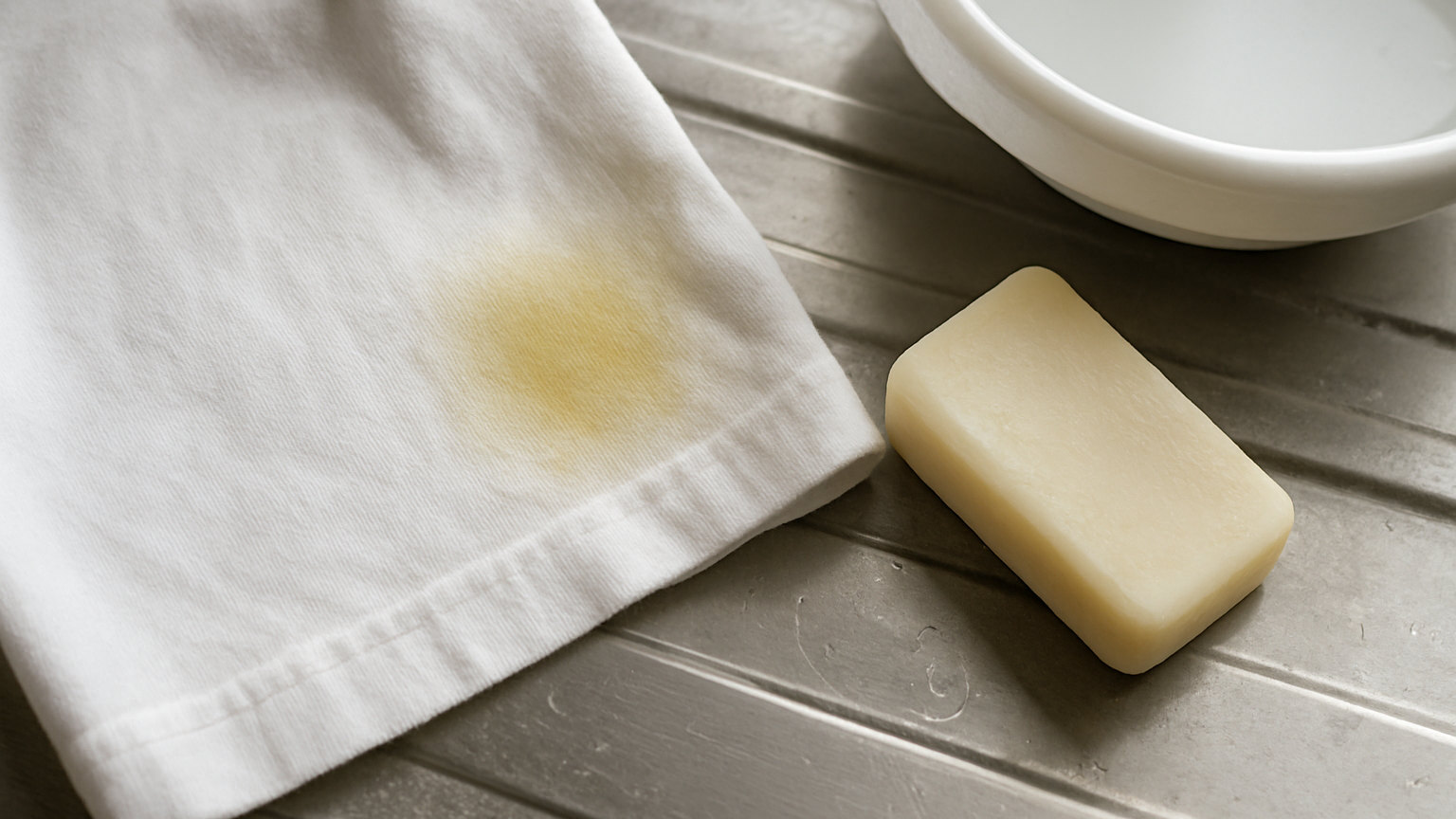
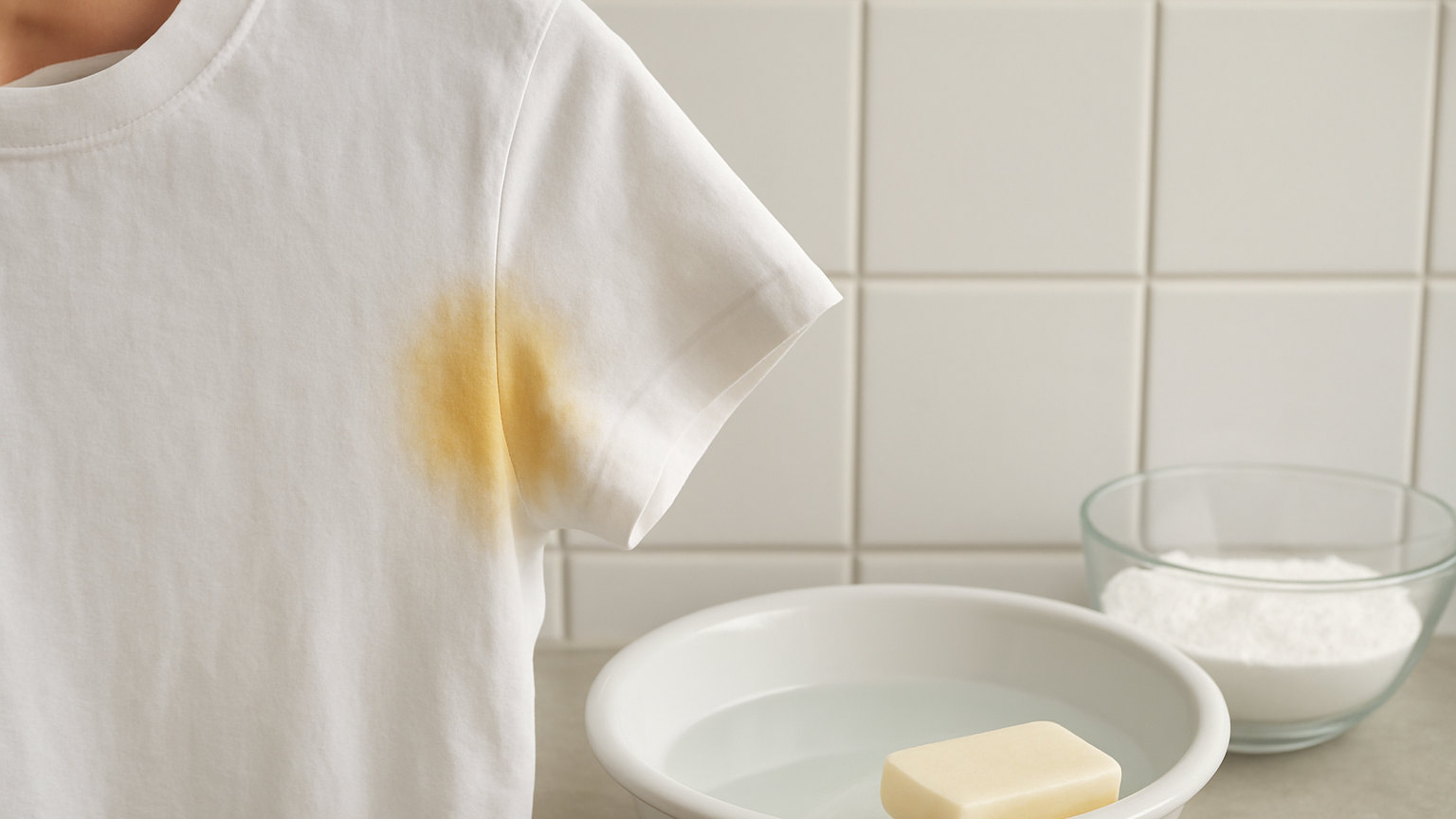
The yellow is not sweat. It is a reaction between the aluminium in antiperspirant and the proteins in perspiration, developing slowly in the wardrobe.
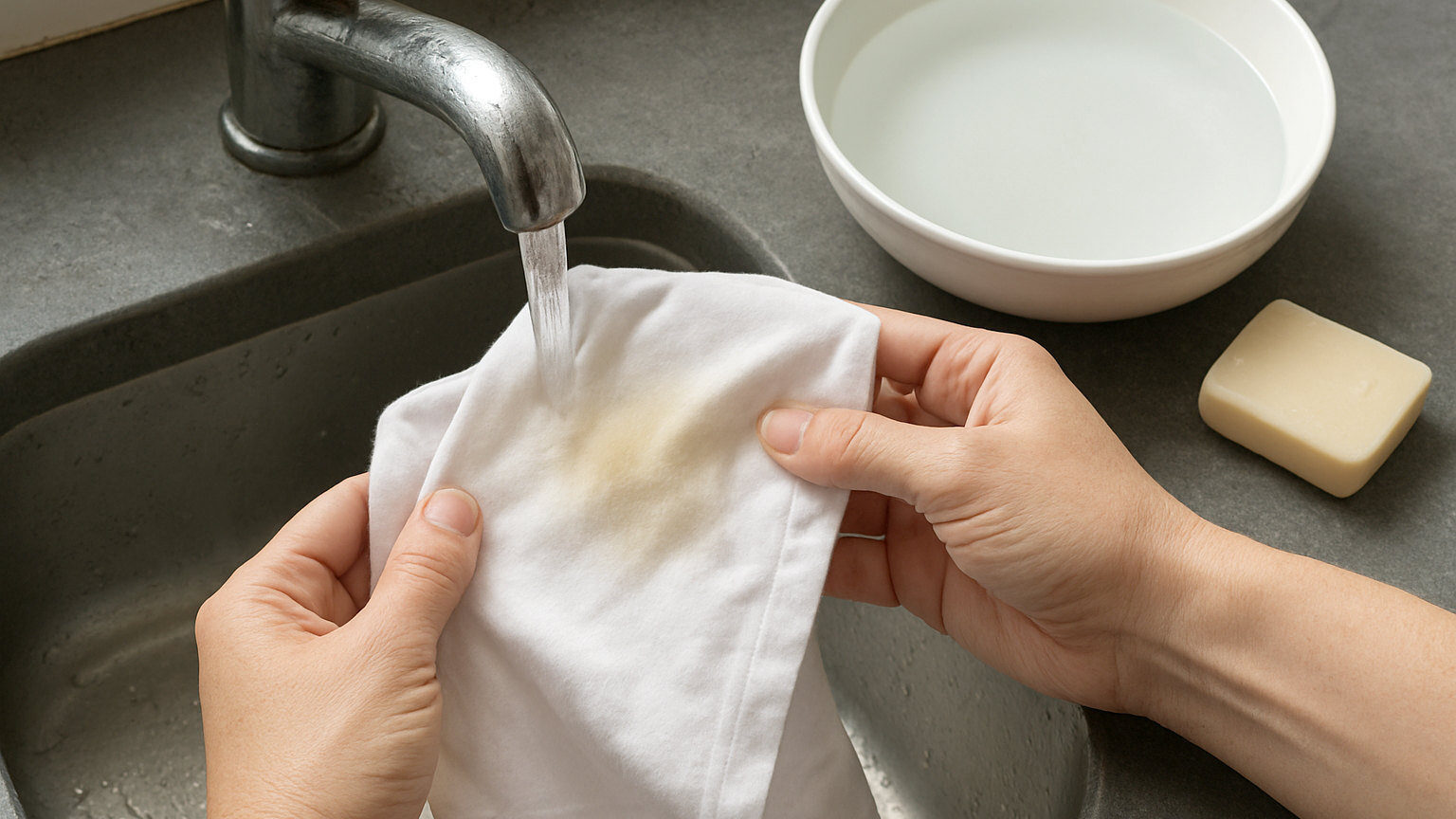
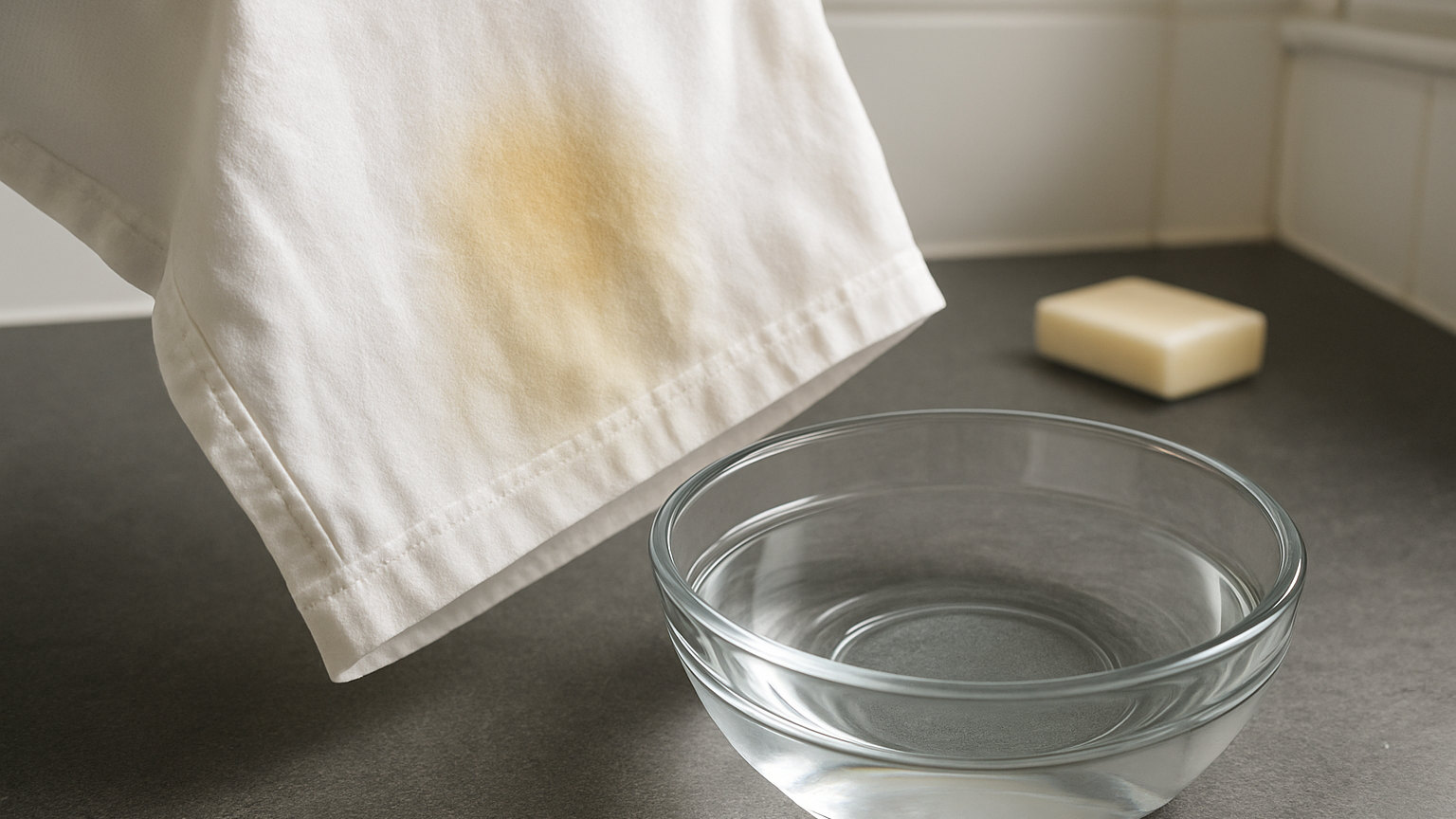
Sweat marks are a mixture of body proteins and antiperspirant residue, and the yellow appears only once the two have reacted and oxidised.
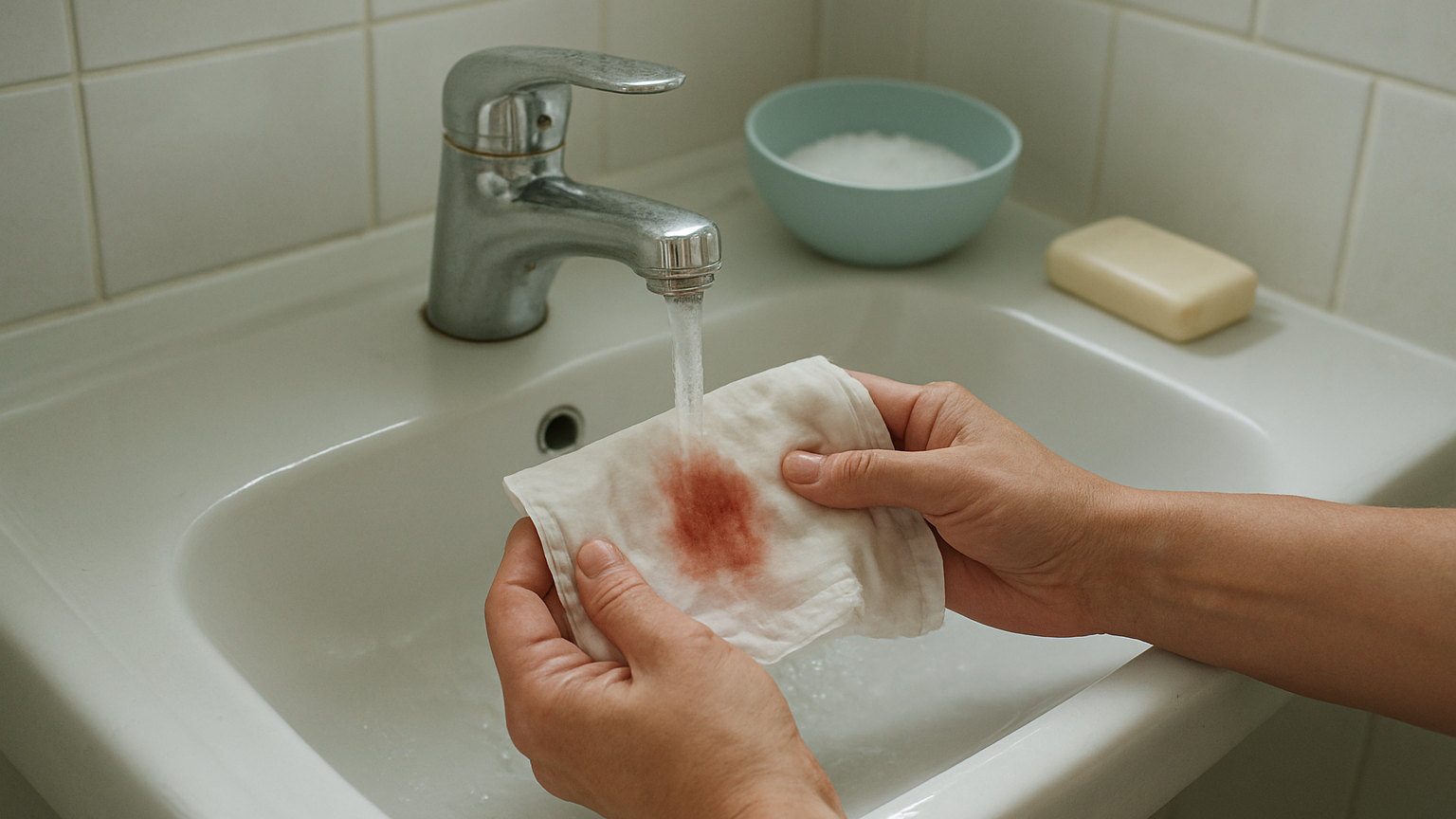
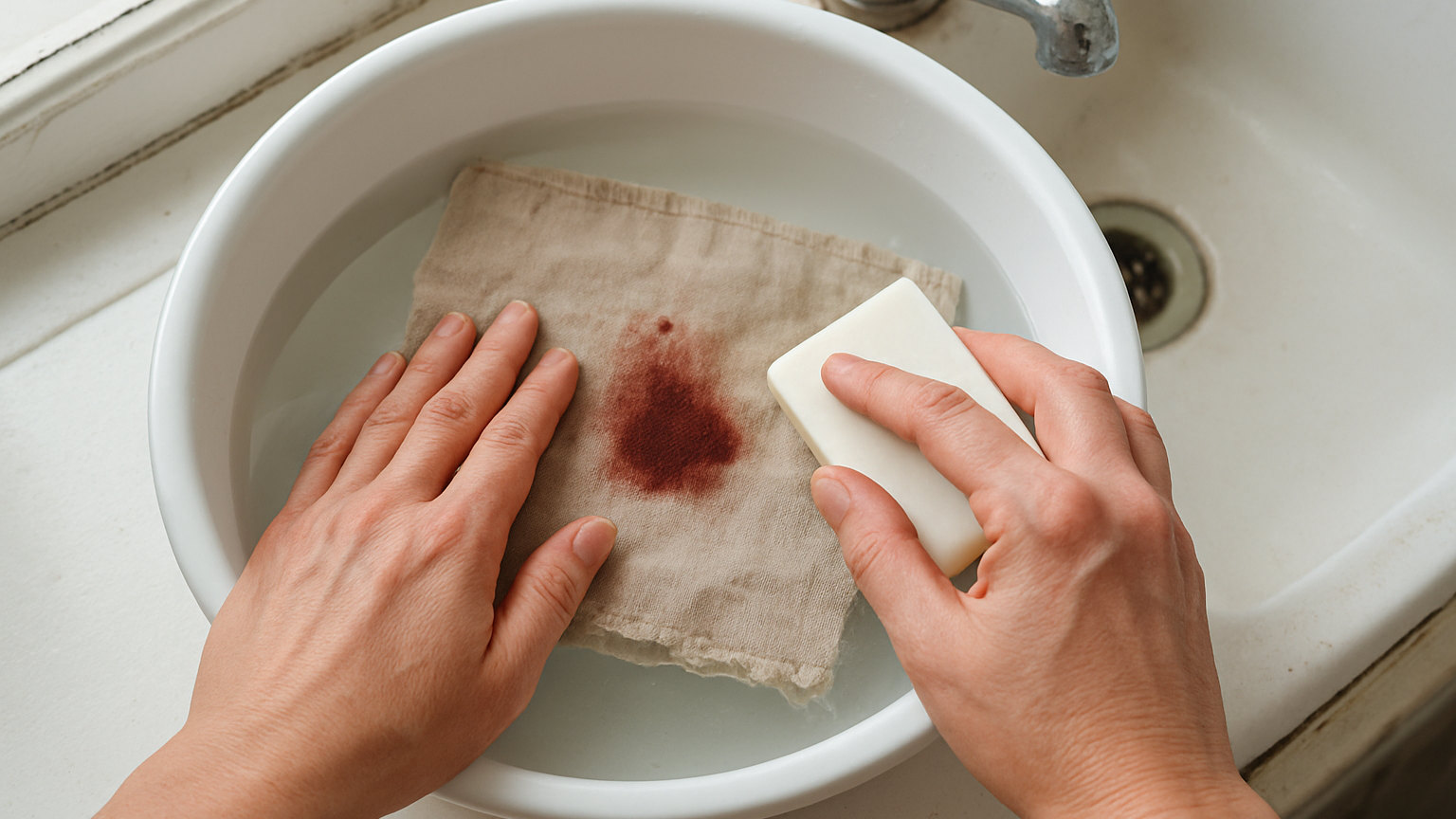
Blood contains protein, and protein coagulates when heated, which turns a soluble stain into a solid one locked inside the fibre.
Blood on carpet needs cold water, minimal liquid and a great deal of blotting, and the mark that reappears later means the extraction was incomplete.