Can You Wash Trainers in a Washing Machine?
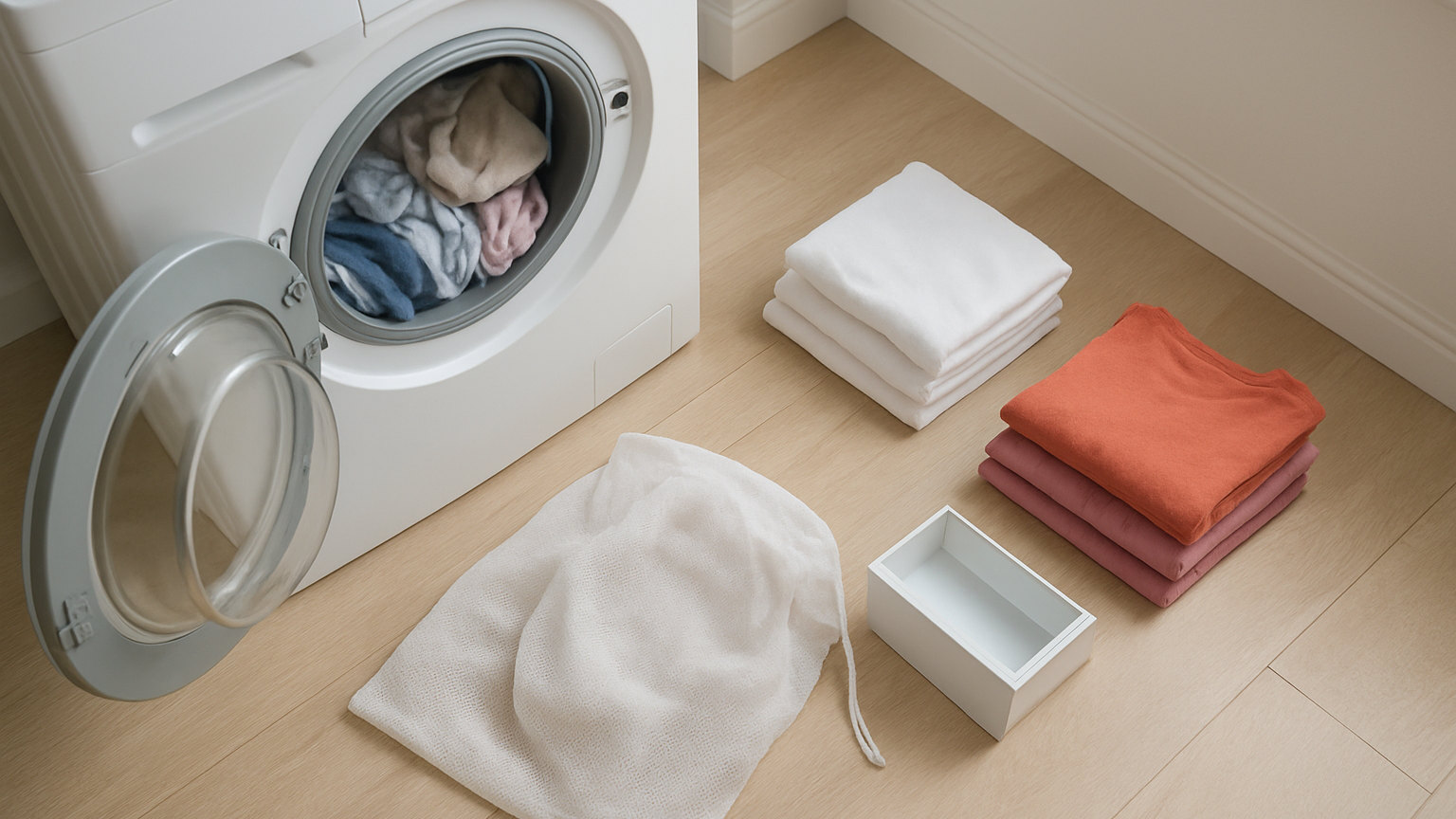
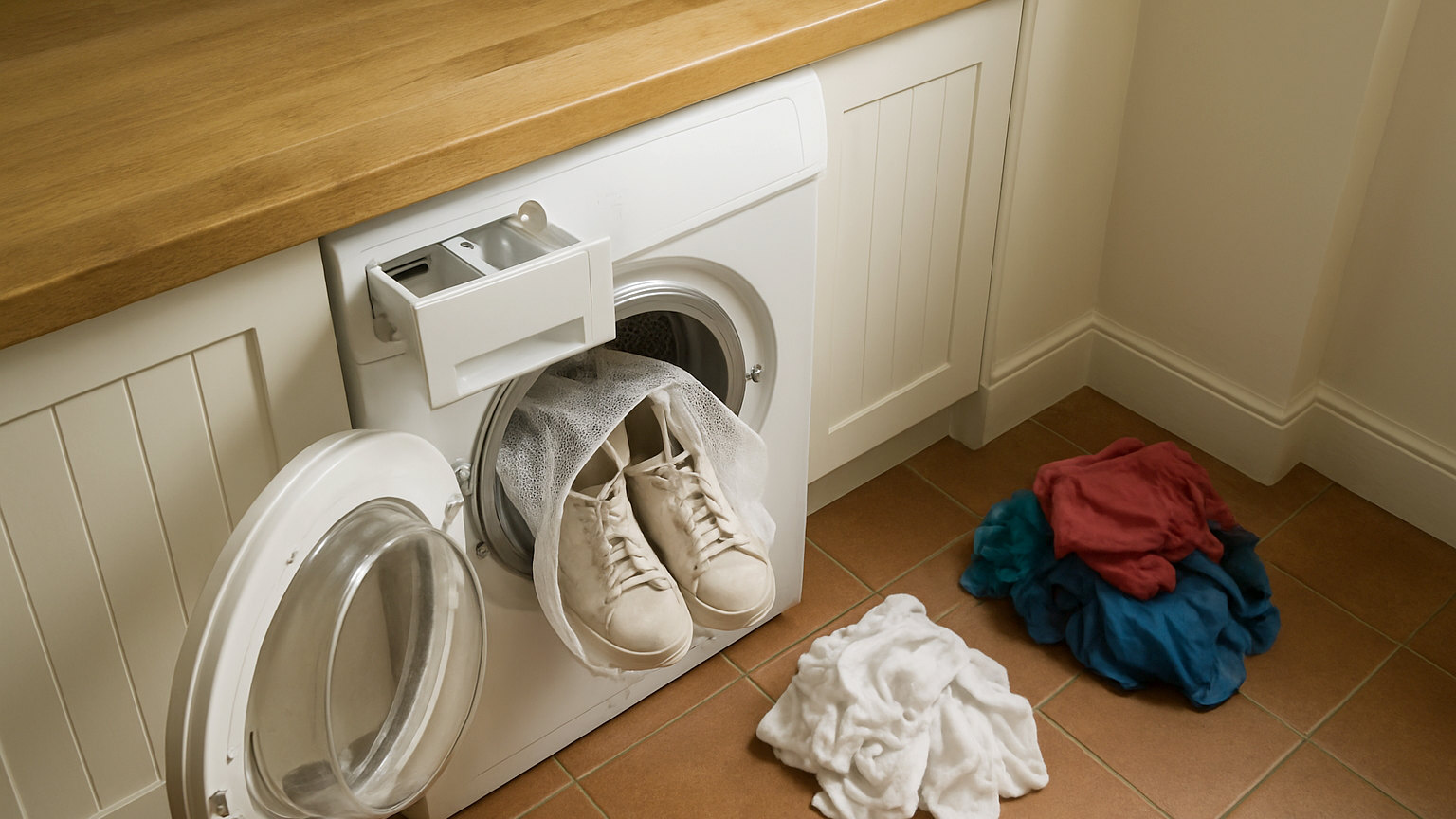
Most fabric trainers survive a machine wash if it is done cold and gently, and the ones that do not should never have gone near water.
By Cleaning Guides Team
13 Jul 2026

Most laundry damage is done by the machine settings rather than by the detergent, and most laundry frustration comes from not knowing what the symbols on the label mean. These guides cover temperature and cycle choice, why washing hot is usually unnecessary, drying without shrinking or stretching, and the specific problems - grey whites, stiff towels, a machine that smells - that have straightforward fixes.
Most fabric trainers survive a machine wash if it is done cold and gently, and the ones that do not should never have gone near water.
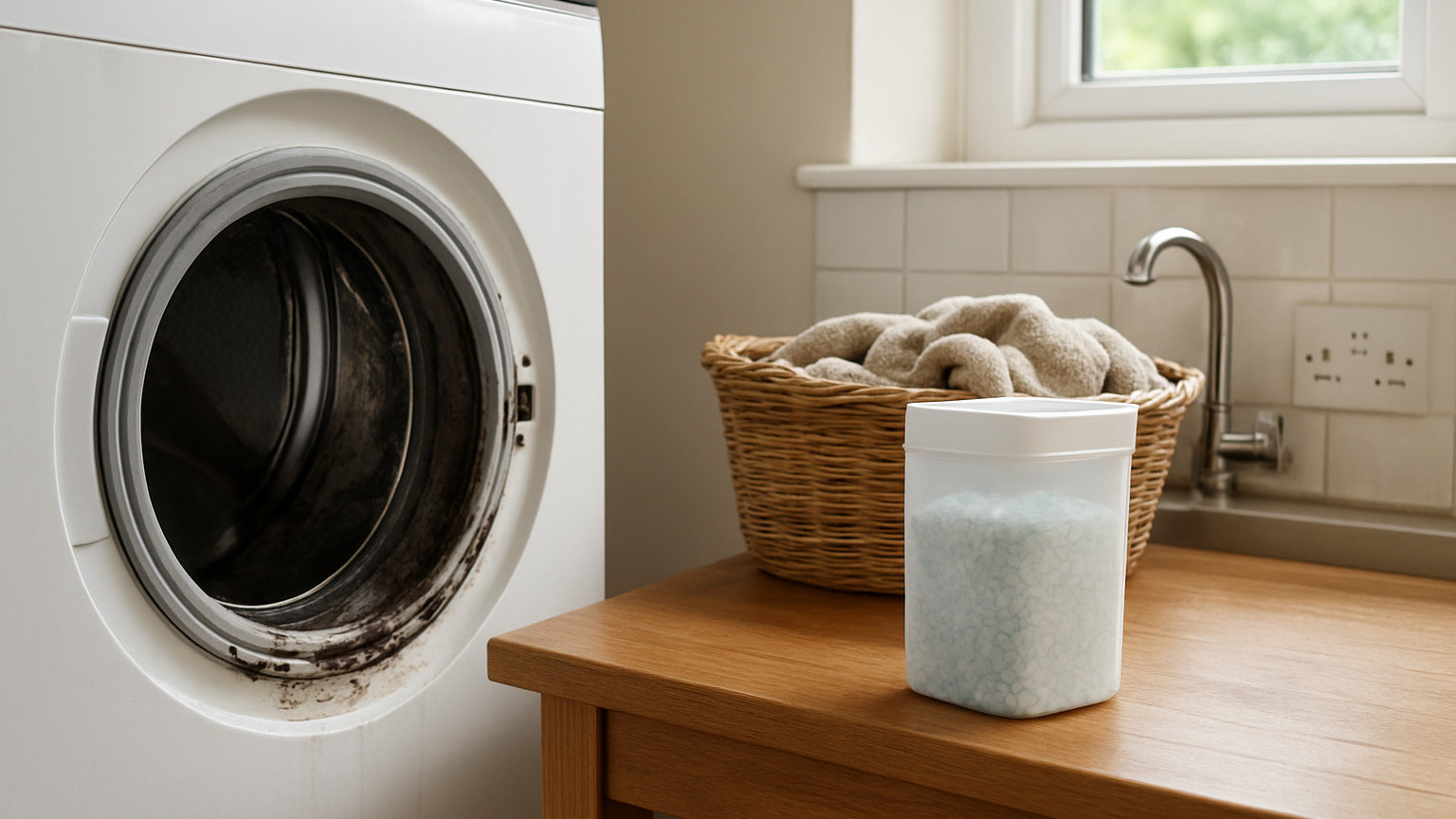
Scent boosters add fragrance and do nothing else, which is fine as long as they are not being used to cover a problem that needs fixing.
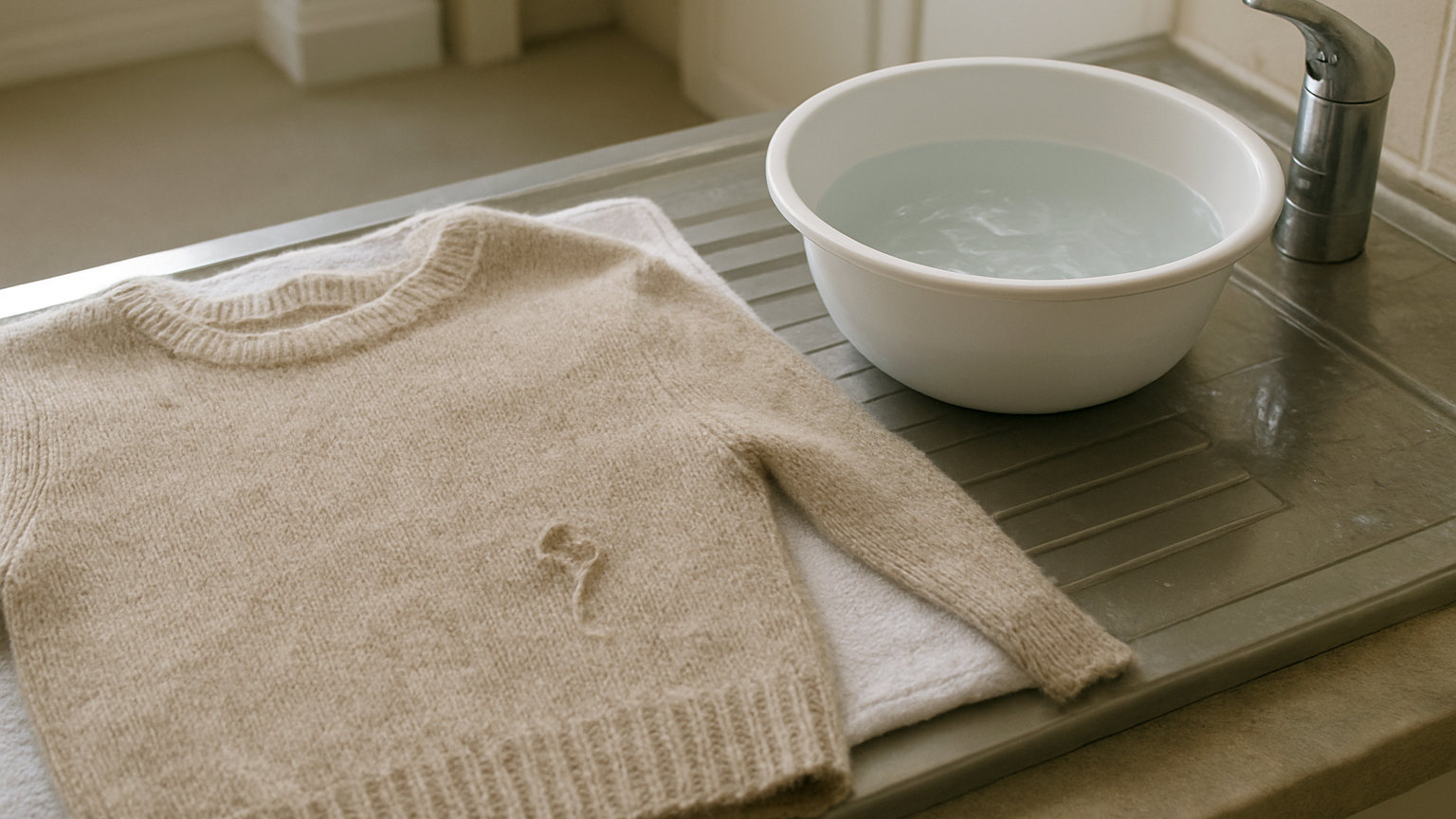
The one thing never to do with a pulled thread is cut it, because cutting turns a repairable loop into a hole that will keep growing.
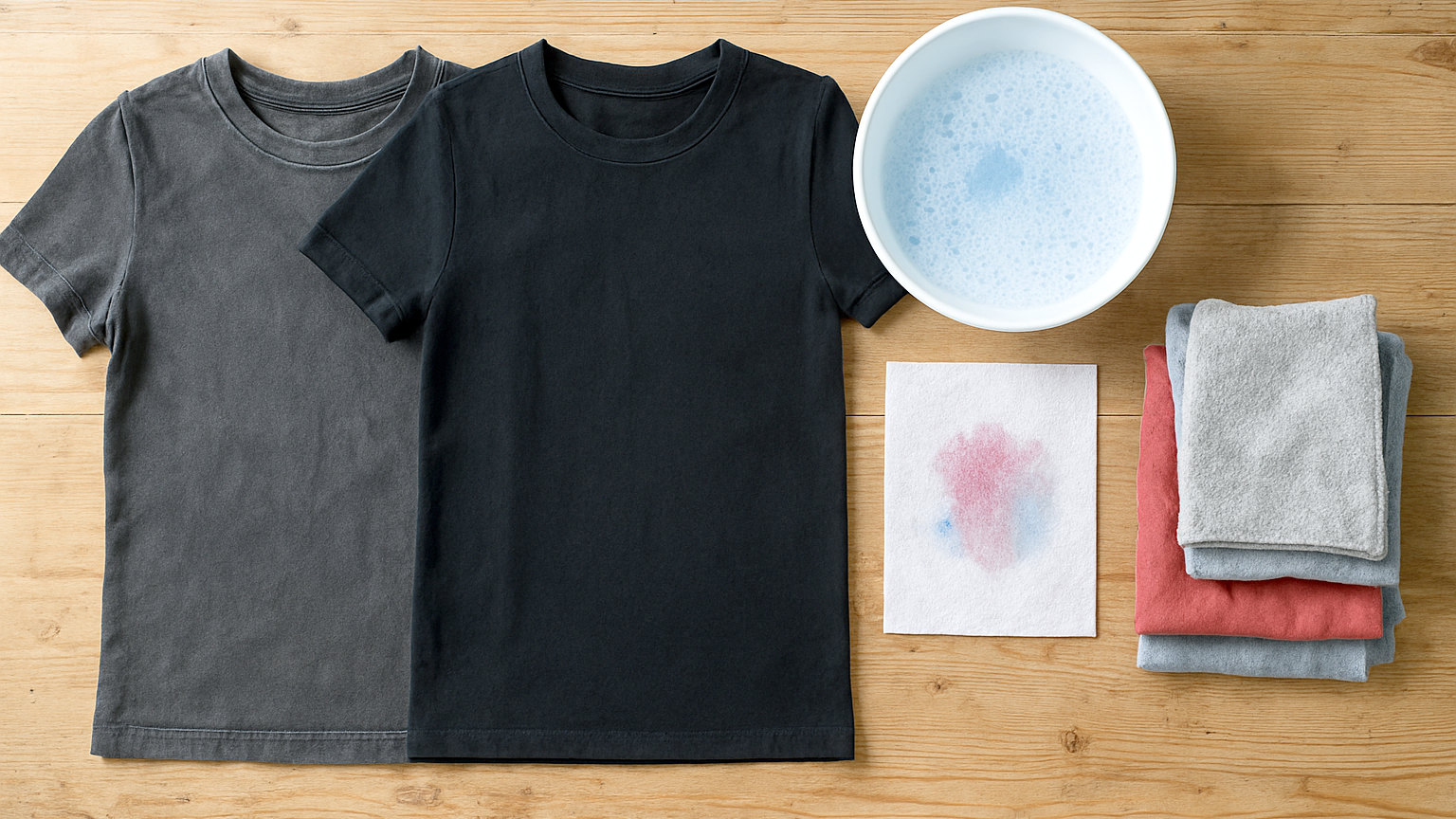
Whether a black garment can be restored depends on whether the dye has washed out or the fabric surface has worn away, and only one is fixable.
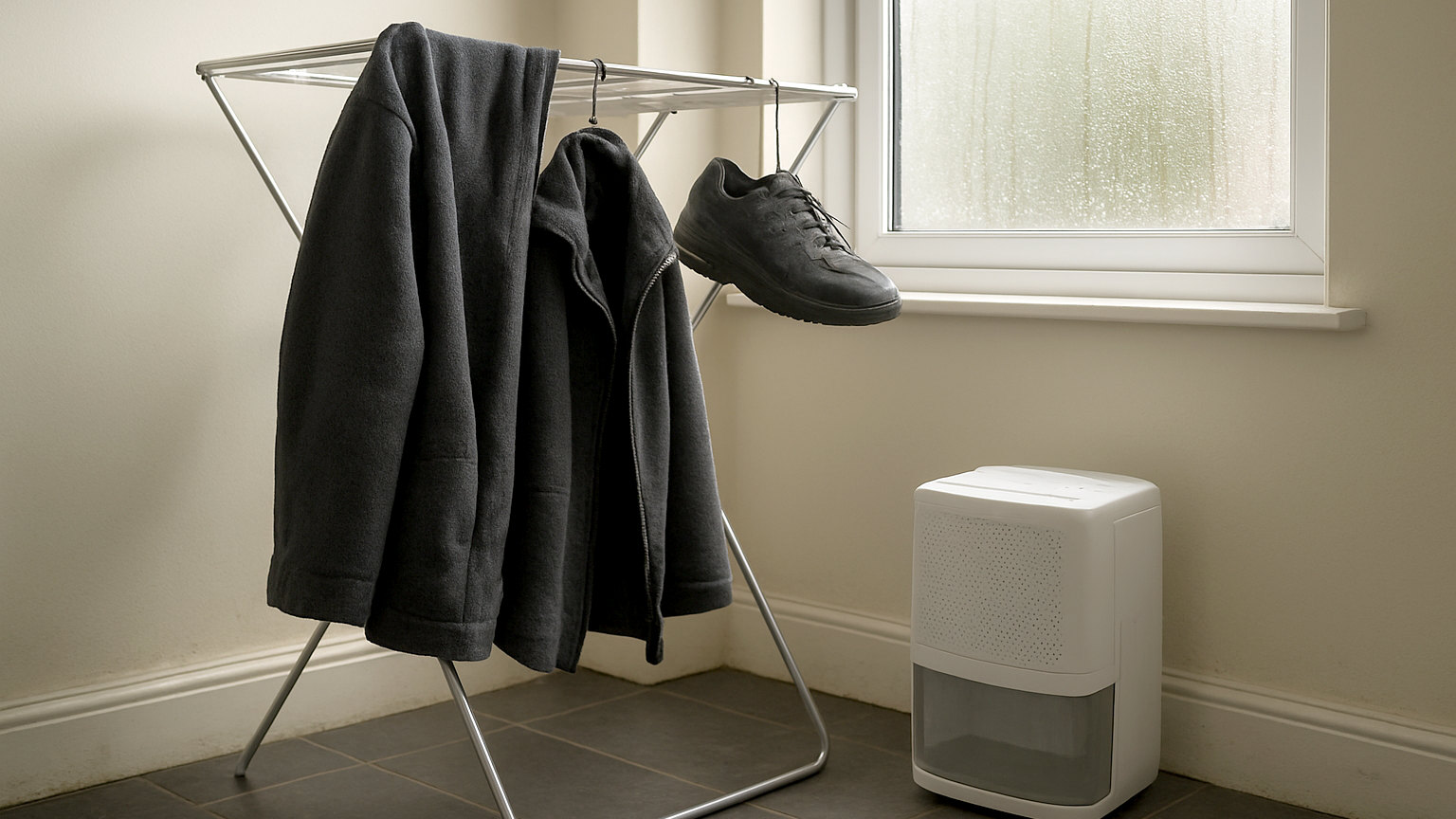
The items hardest to dry are the ones most easily ruined by heat, because glue, membranes and down all fail long before the fabric does.
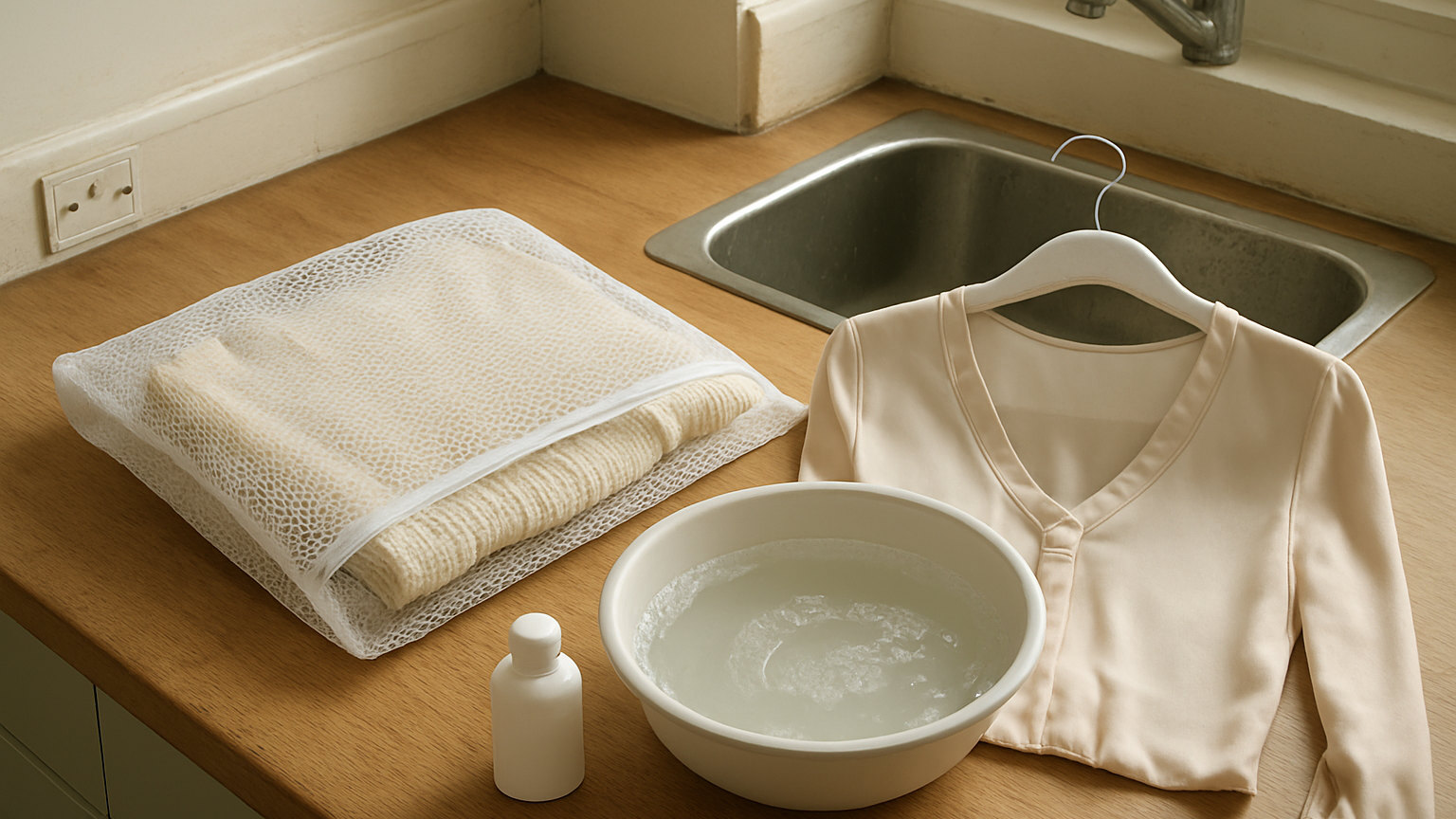
Hand washing is squeezing rather than rubbing, and the part that ruins garments is usually the wringing rather than the washing.
Stored clothing smells because of what was in it when it was packed, and body oils that were invisible in October are obvious by March.
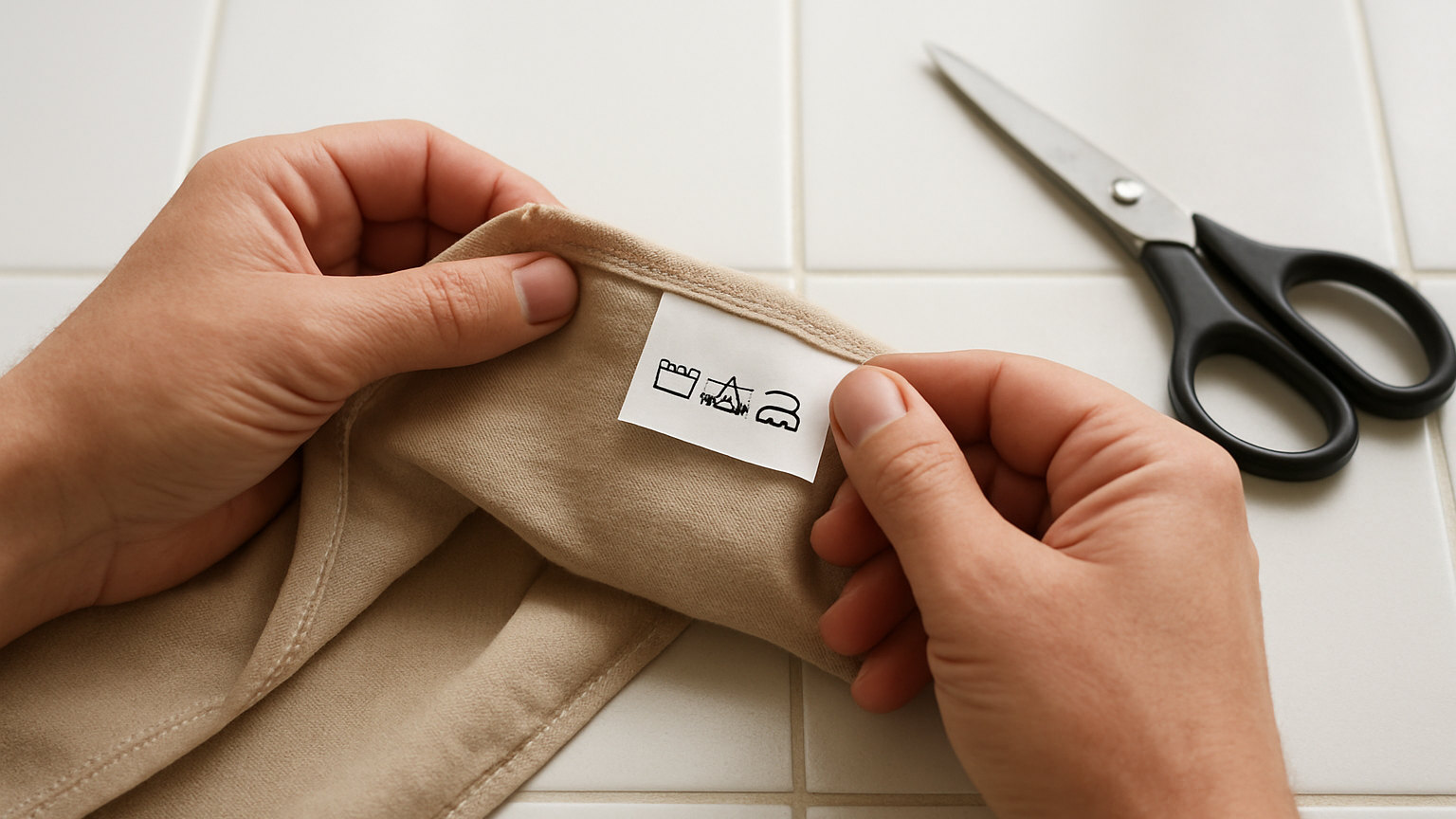
Cutting a label out is usually fine, and cutting it in the wrong place unpicks a seam, so where you cut matters more than whether you do.
Baby skin is thinner and more permeable than adult skin, which makes detergent residue the thing to manage rather than the detergent itself.
You can, and the cost is cumulative rather than immediate, which is why the damage is invisible for months and then obvious all at once.
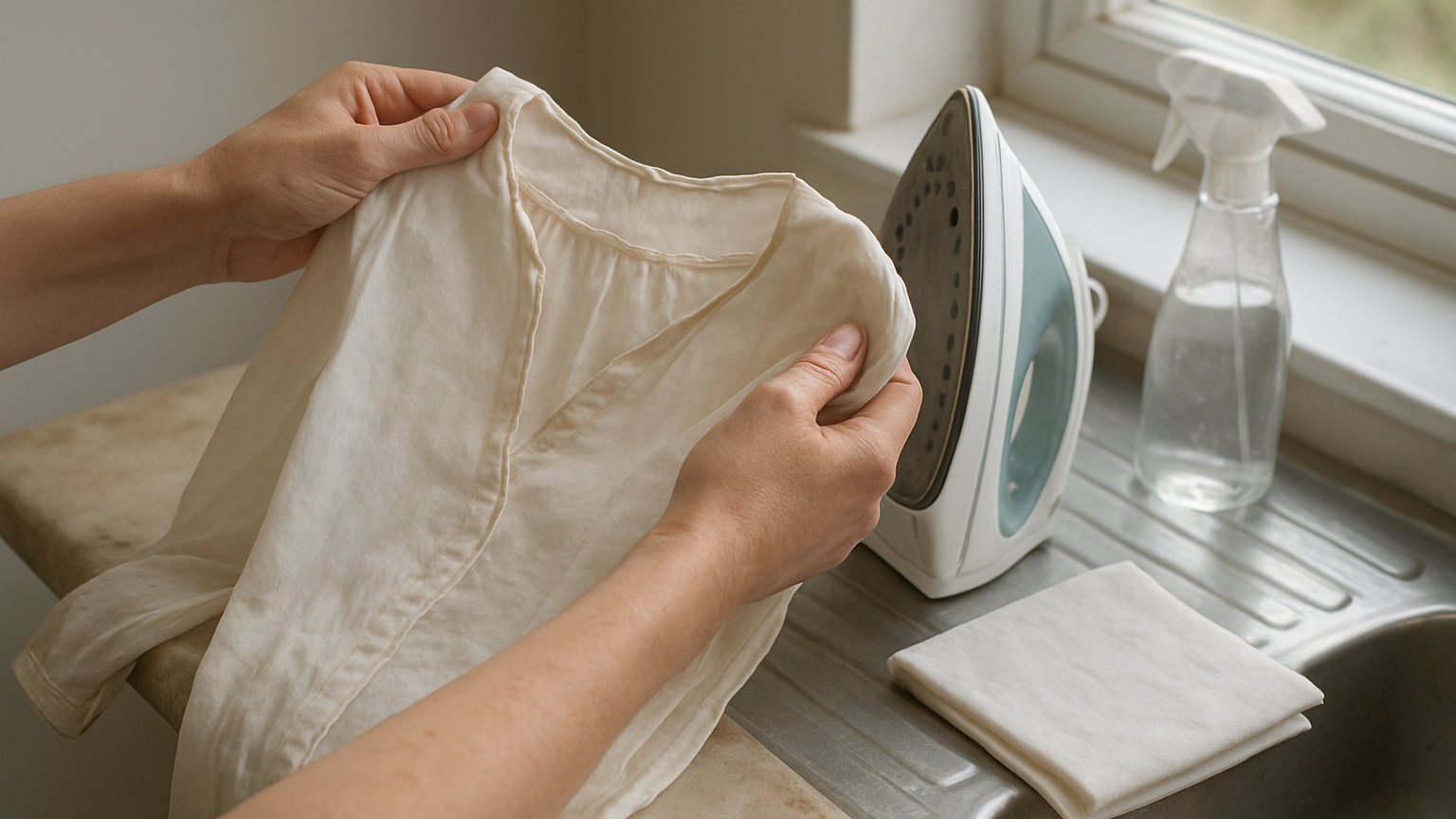
The safest approach to a delicate garment is to iron the reverse through a cloth, and for a lot of them not to use an iron at all.
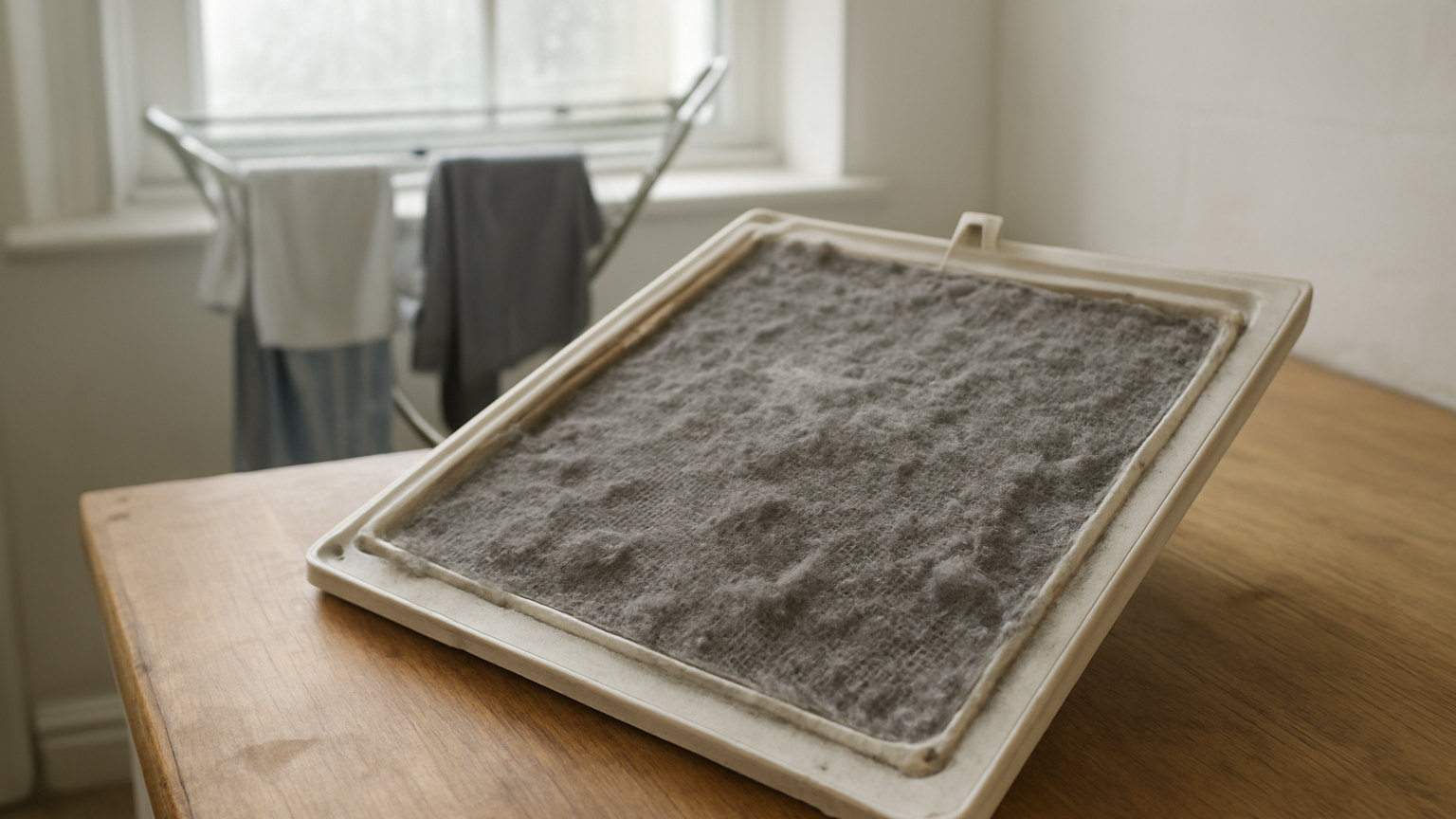
A dryer that has become slow is almost always restricted somewhere, and the lint filter is only the first of four places to check.