What Do You Do If a Pen Leaks in the Wash?
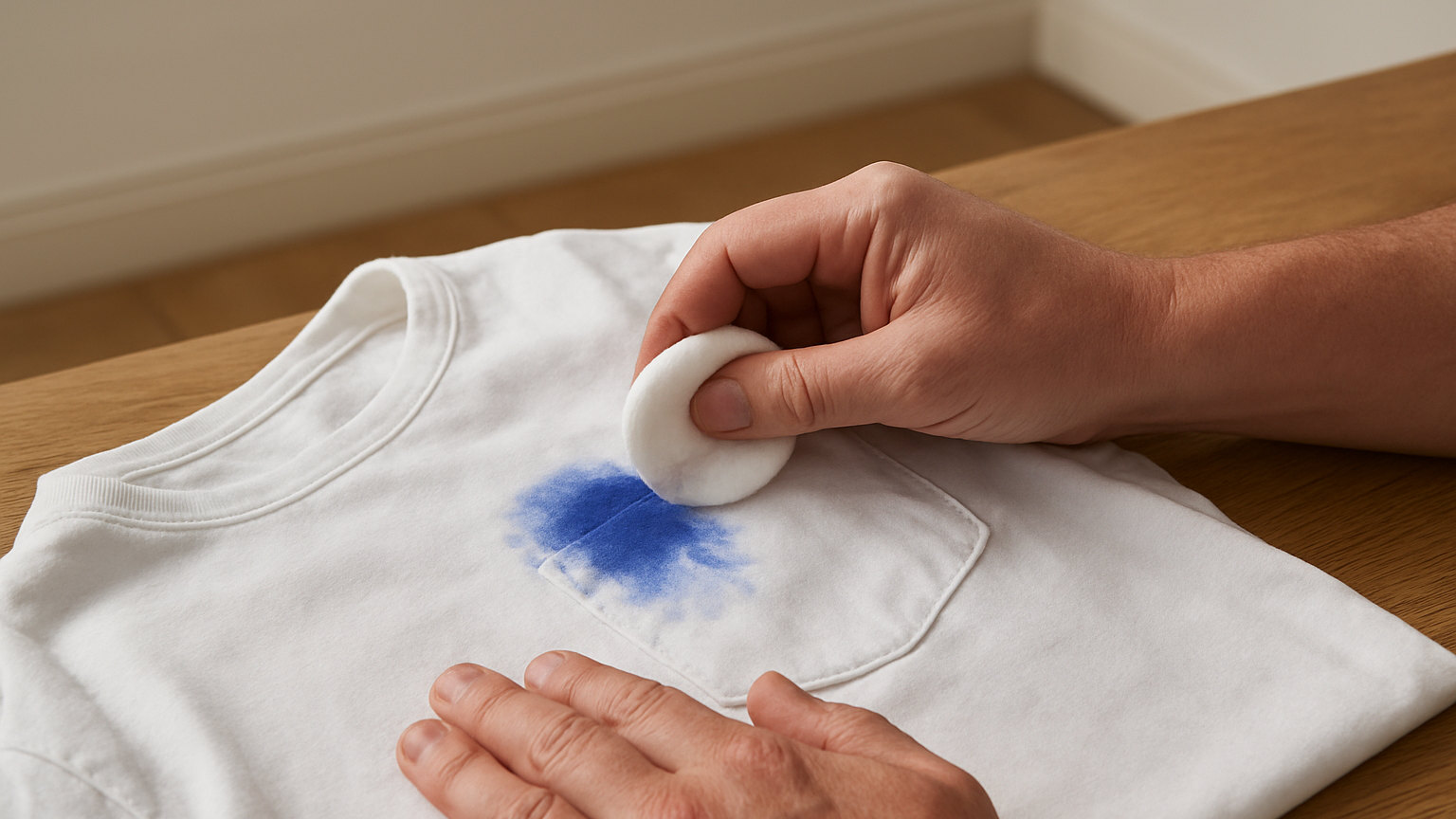
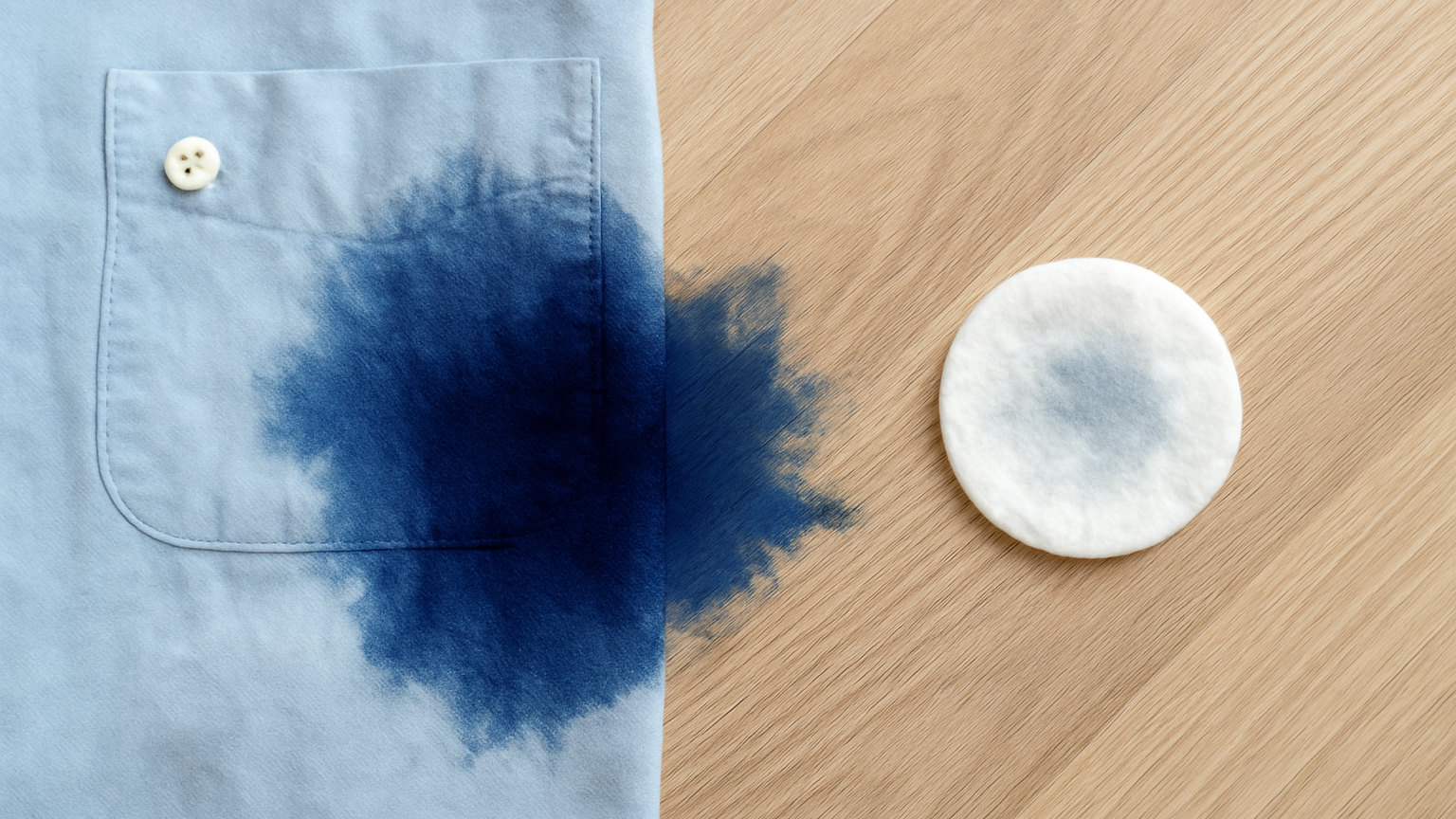
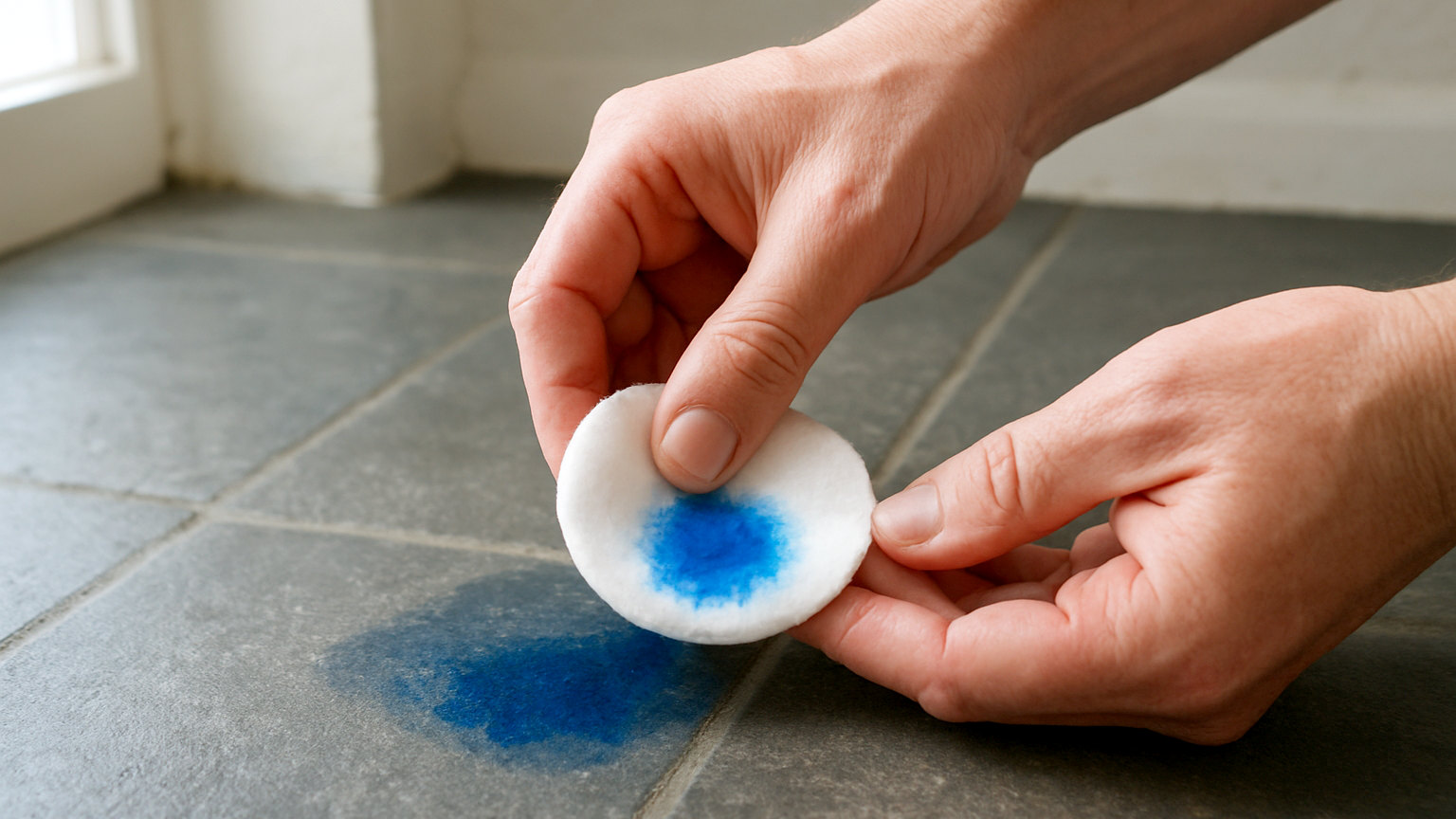
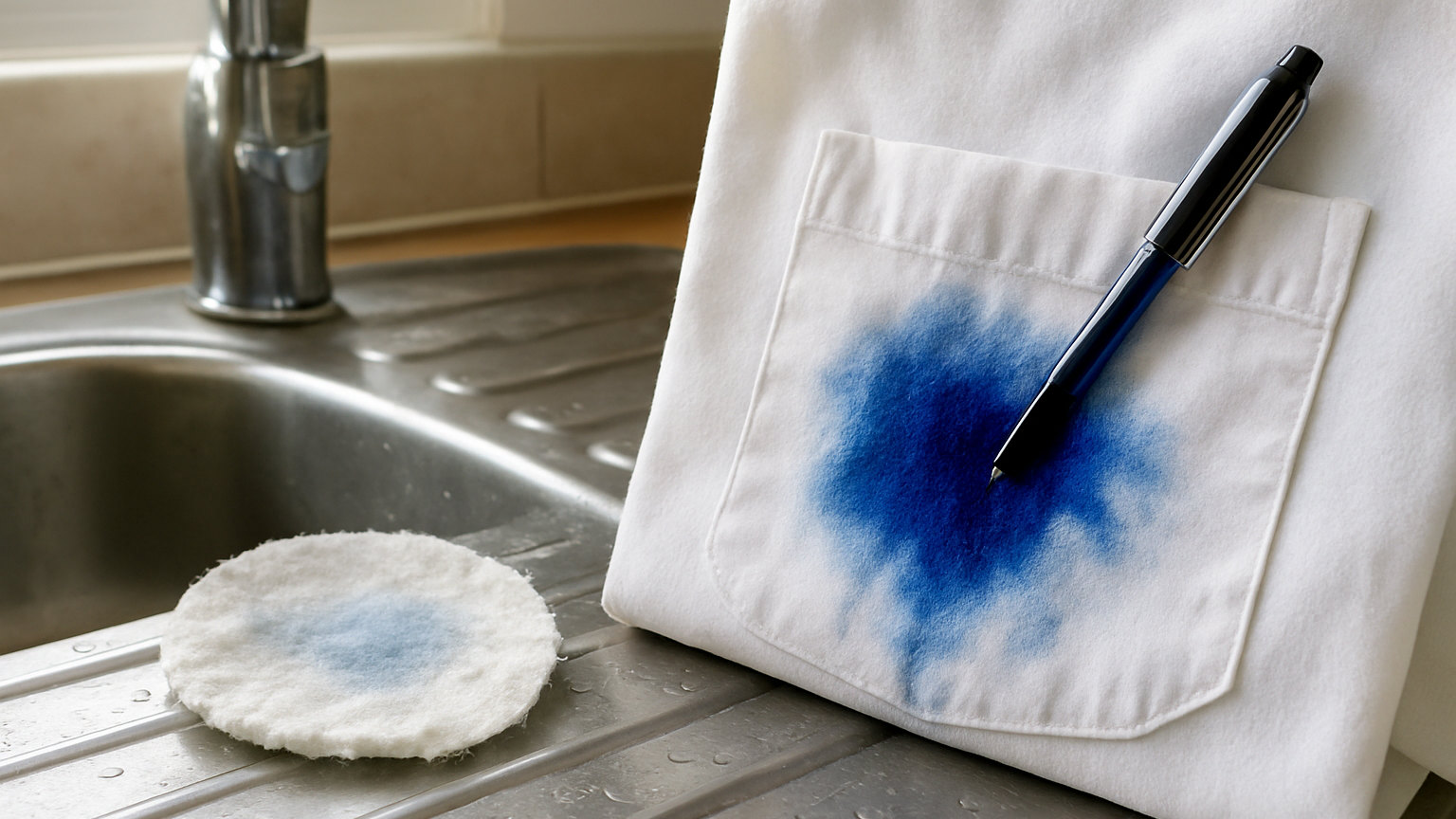
A pen through a wash cycle marks the whole load and the drum, and what you do before anything goes in a dryer decides how much survives.
By Cleaning Guides Team
23 Jul 2026

Biro, marker, hair dye and colour runs, and which of them are genuinely permanent.
A pen through a wash cycle marks the whole load and the drum, and what you do before anything goes in a dryer decides how much survives.
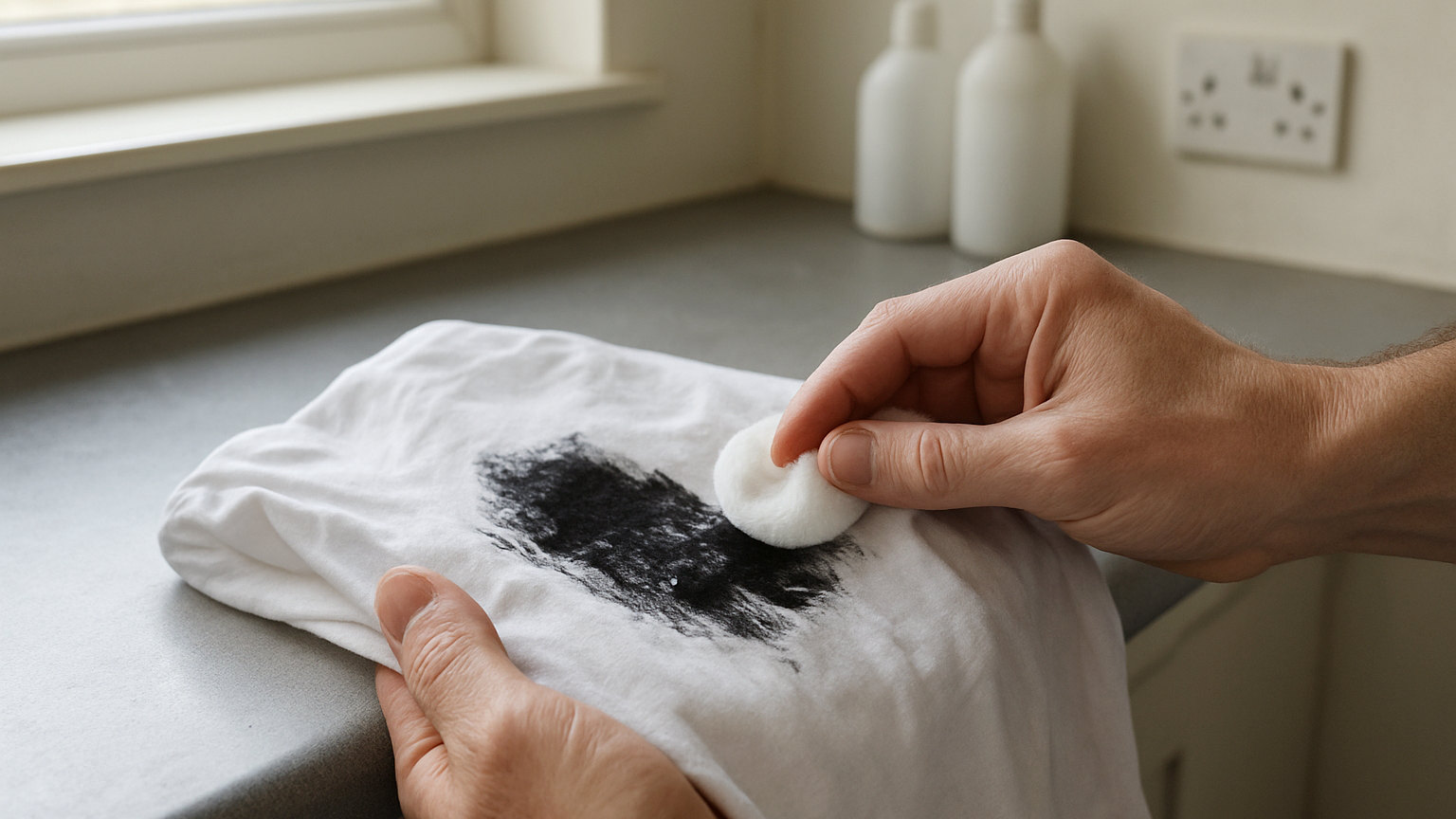
Newsprint ink is carbon black in an oil base, which means it transfers readily onto anything damp or absorbent and comes out as a grease stain.
Acetone dissolves acetate, white spirit attacks synthetics, and the wrong solvent on the wrong fibre does more damage than the stain ever would.
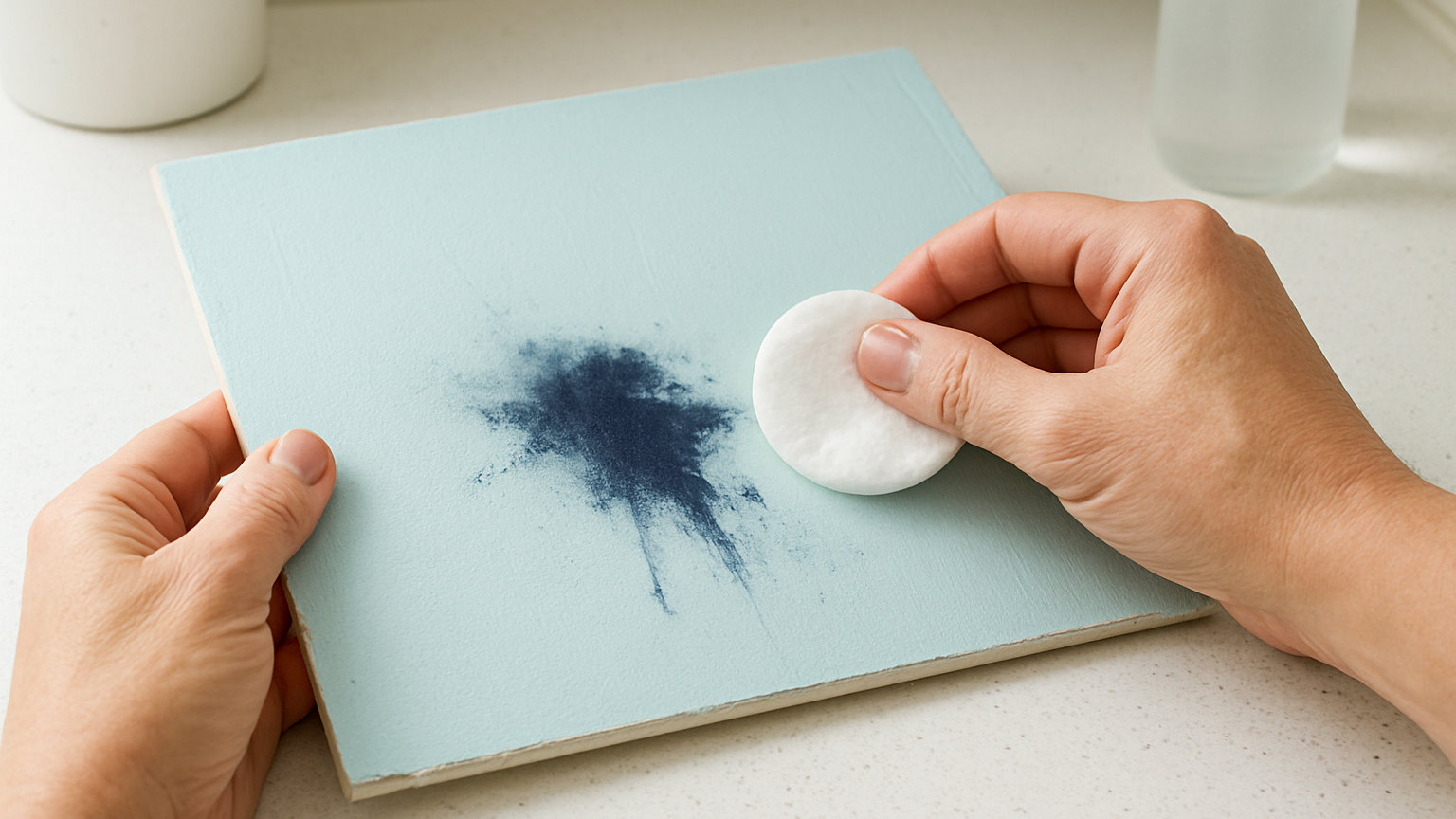
Anything strong enough to dissolve ink on a wall will usually also affect the paint, which makes touching up the realistic answer more often than not.
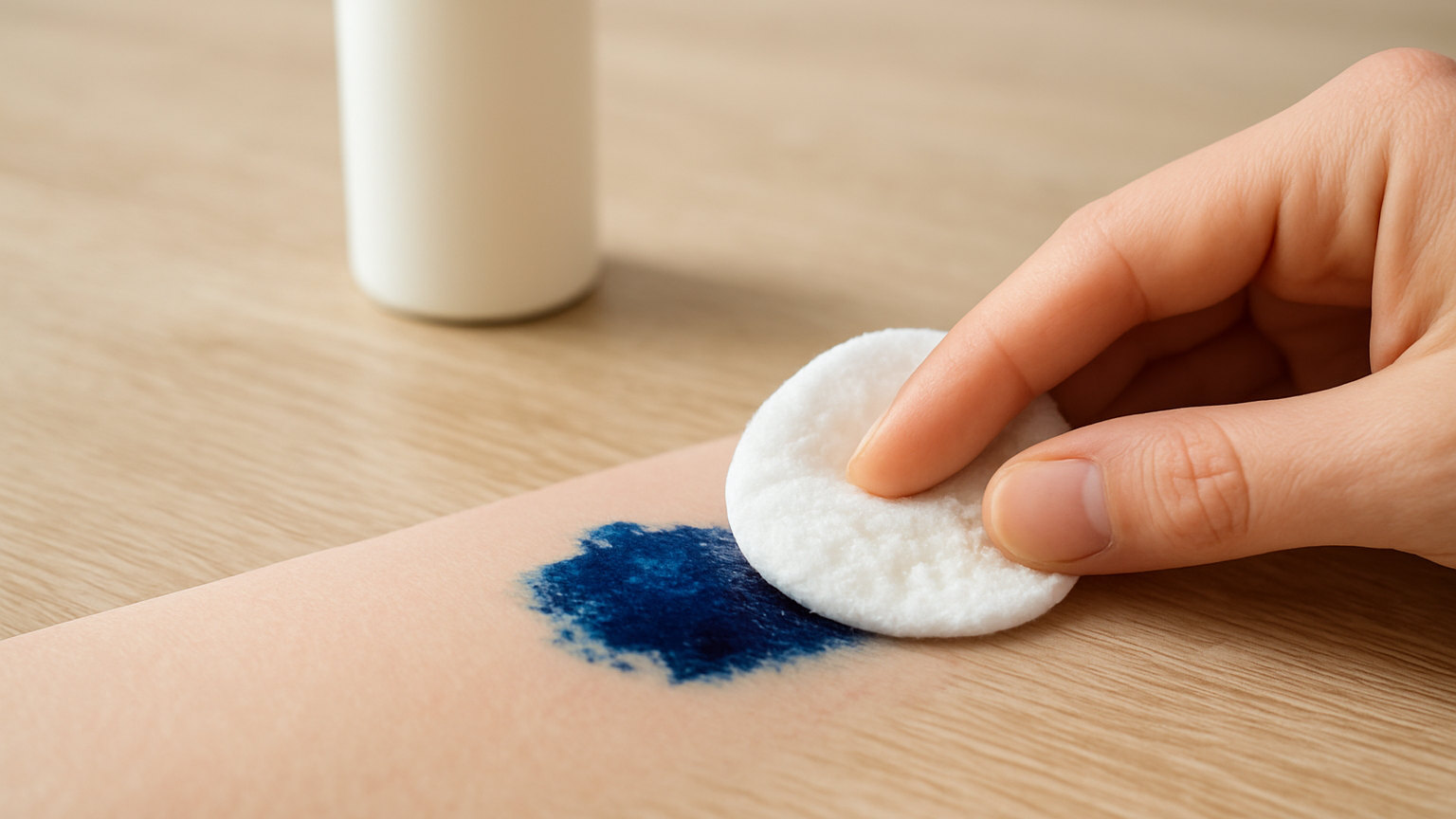
Ink on skin fades on its own within days, and the safe ways to speed it up are oil and mild abrasion rather than solvent.
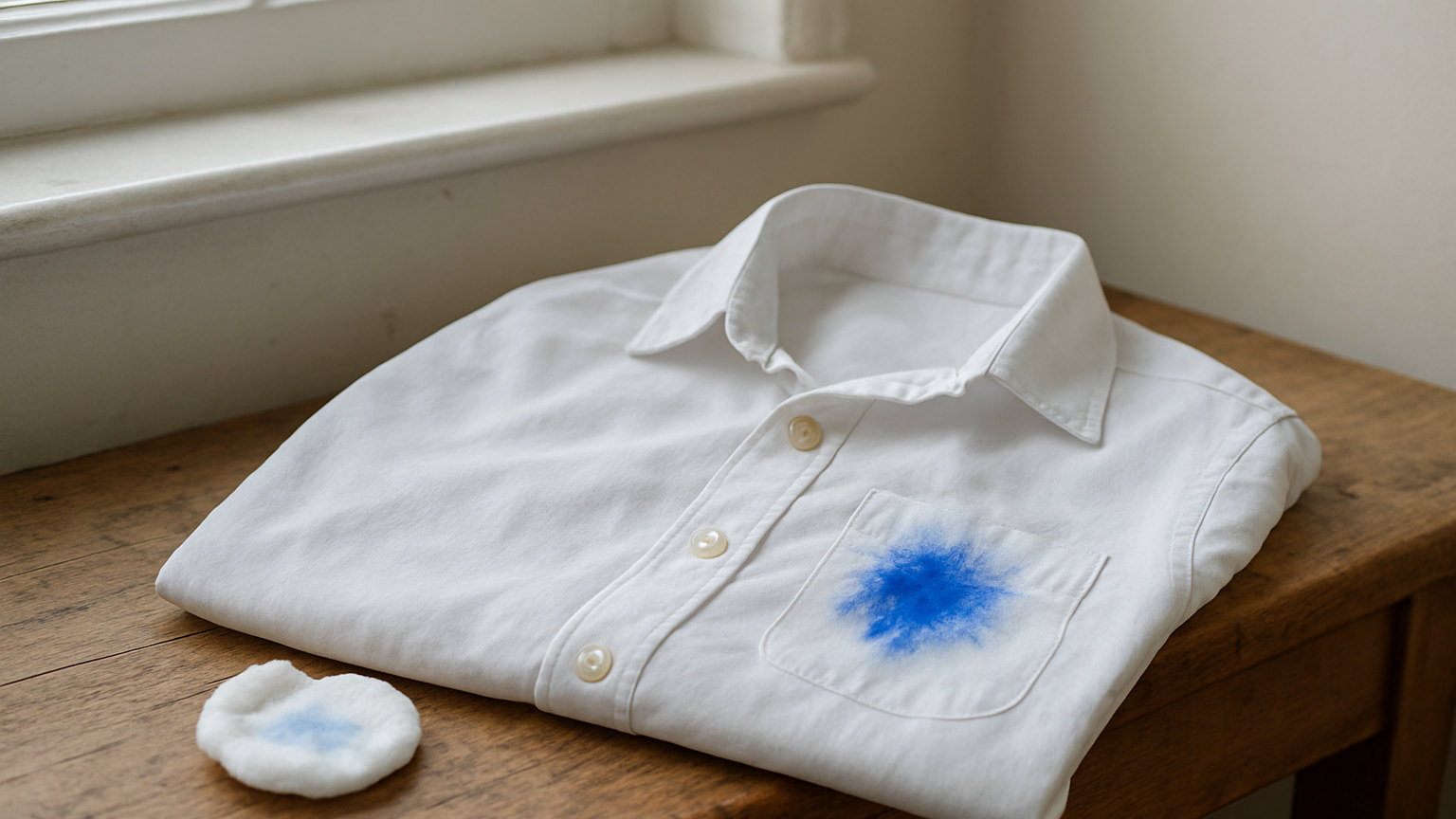
Indigo sits on the surface of the yarn rather than inside it, which is why denim fades attractively and transfers onto everything it touches.
Fake tan is a guide colour on top of a developing dye, and the two need treating separately because only one of them washes out.
Hair dye is engineered to bond permanently to protein, which is why it takes so readily to skin, wool and silk and barely at all to plastic.
Most children pens are water based and wash out easily, and the ones that do not are usually alcohol based and need a solvent instead.
Liquid ink and toner powder need opposite first responses, and treating toner as a liquid is what turns a shake-off job into a permanent stain.
It used to work well and often does not now, because the alcohol that did the job has largely been replaced by polymers that leave residue.
Ink on carpet cannot be rinsed away, so the whole method is about lifting pigment onto a cloth rather than dissolving it into the pile.