Which Safety Rules Actually Matter?
A handful of habits prevent almost every realistic household cleaning accident, and none of them takes more than a few seconds.
By Cleaning Guides Team
22 Jun 2026

Chemicals never to mix, ventilation, child locks and storing products safely.
A handful of habits prevent almost every realistic household cleaning accident, and none of them takes more than a few seconds.
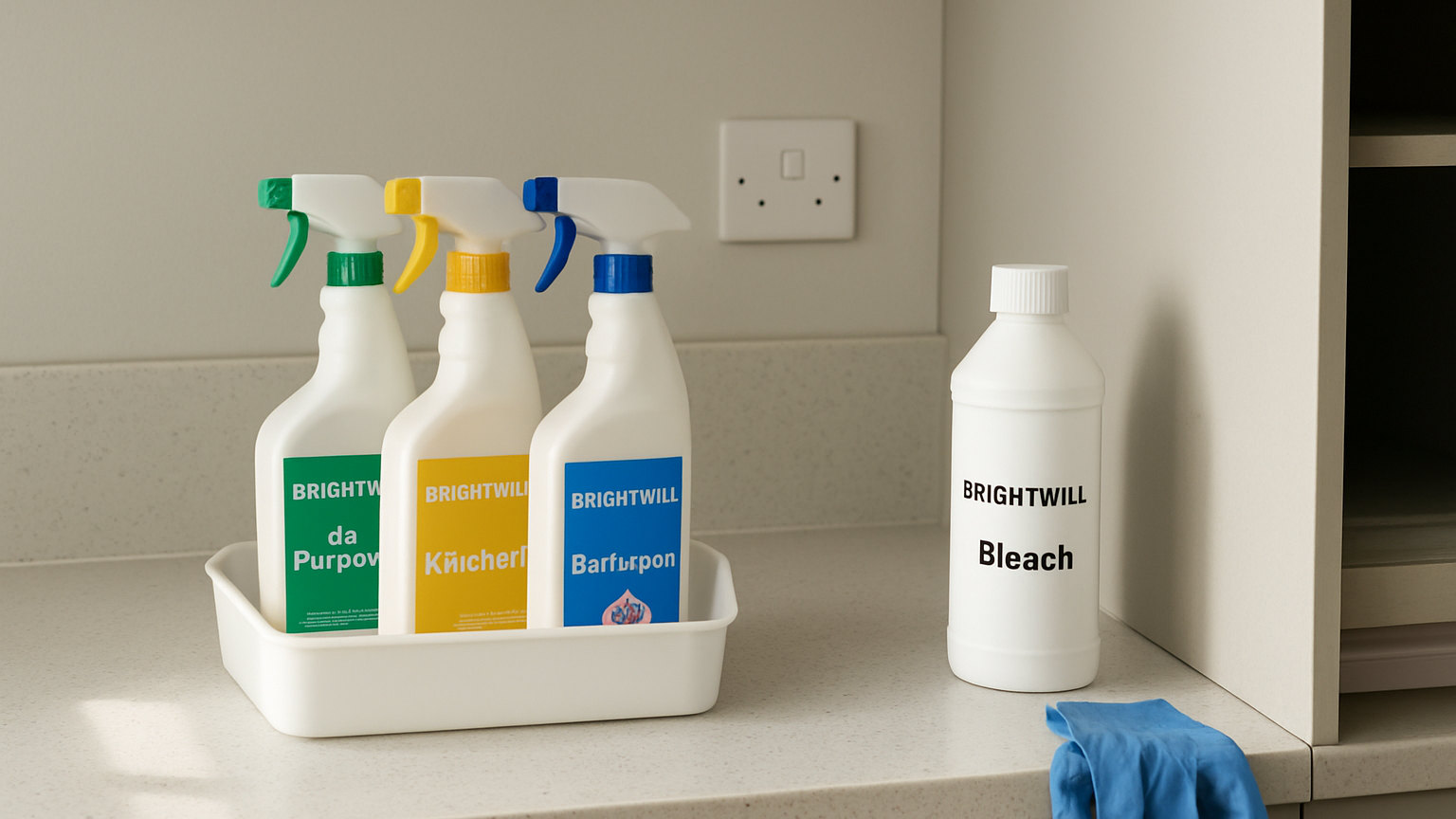
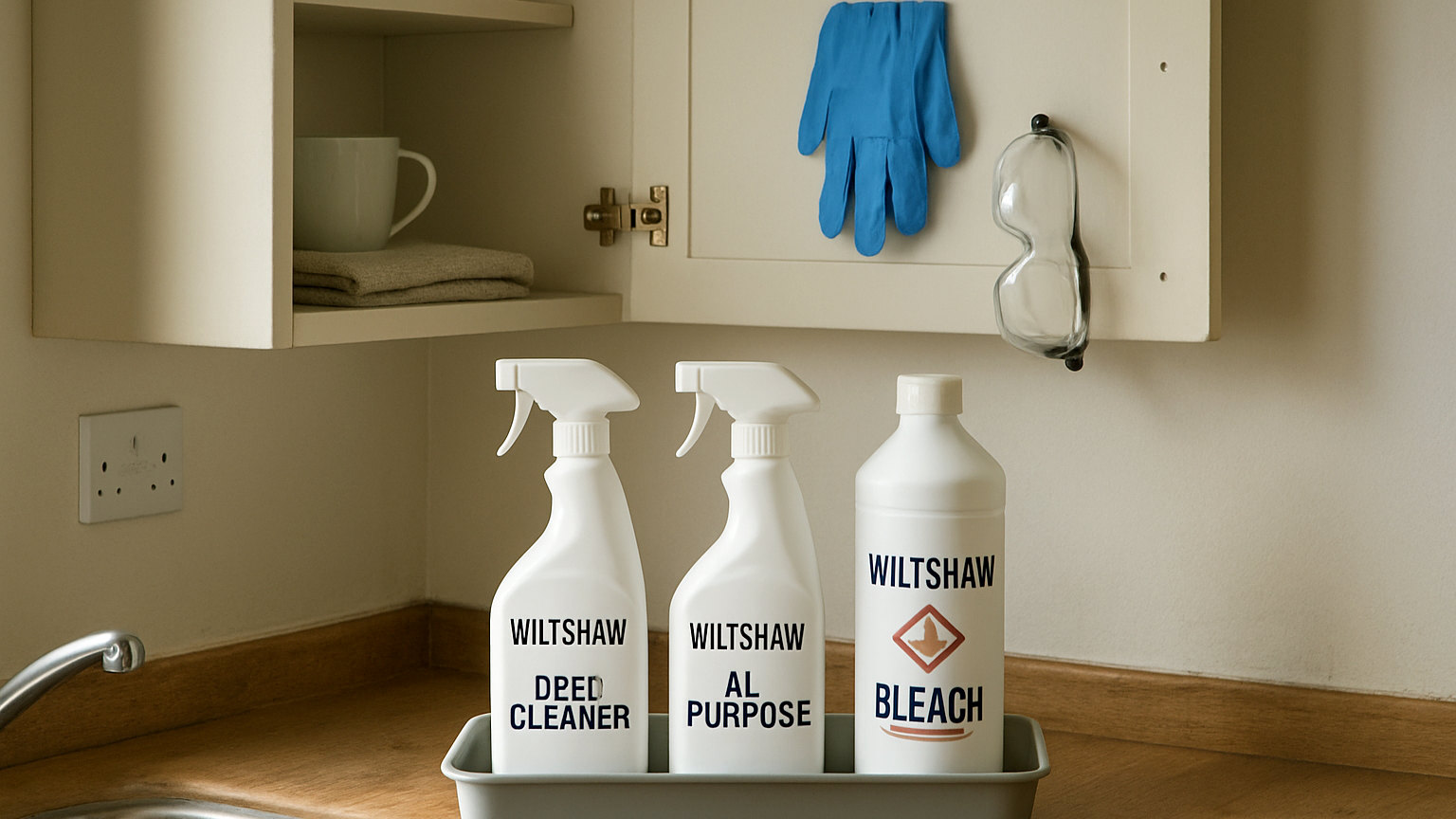
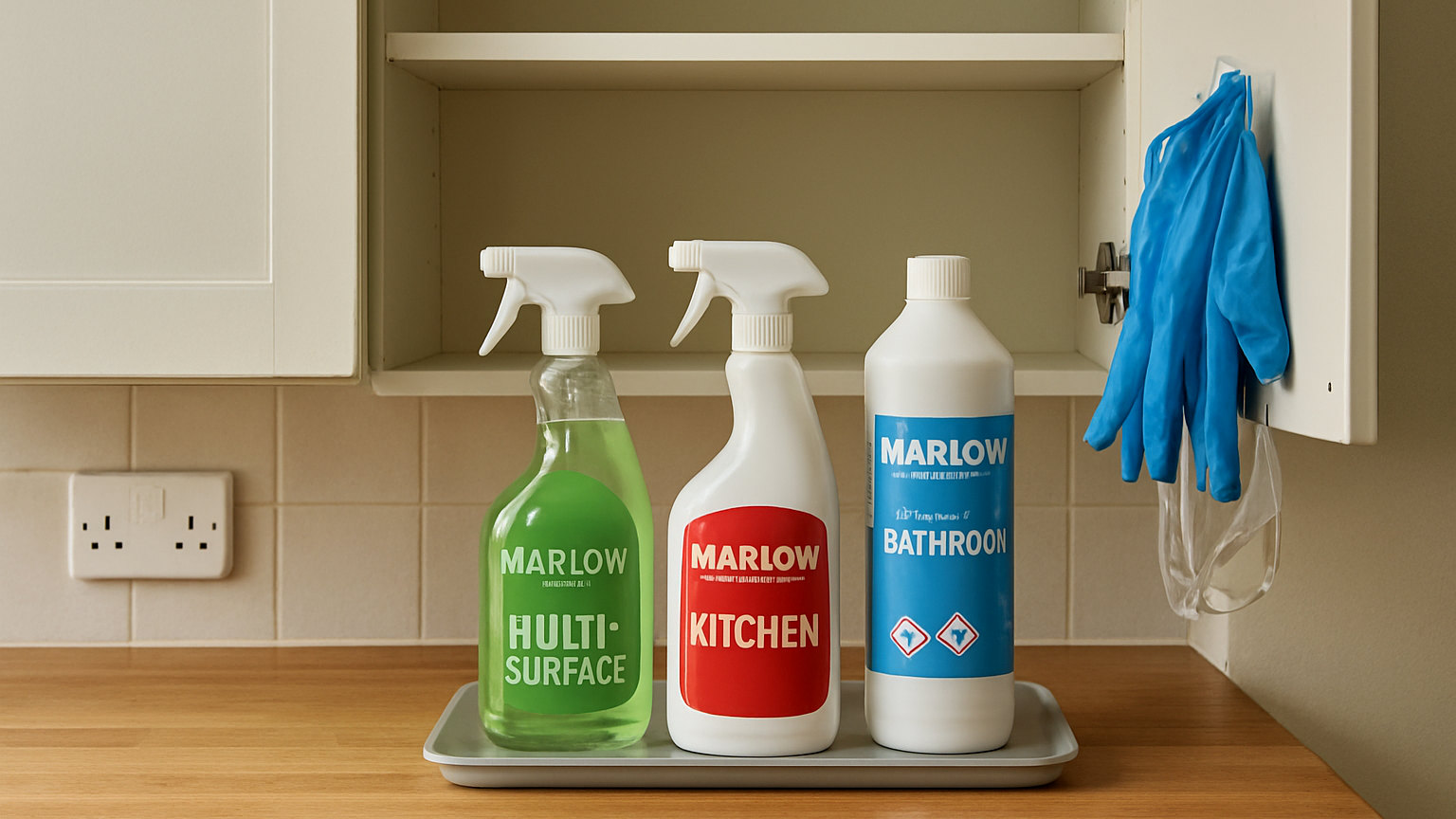
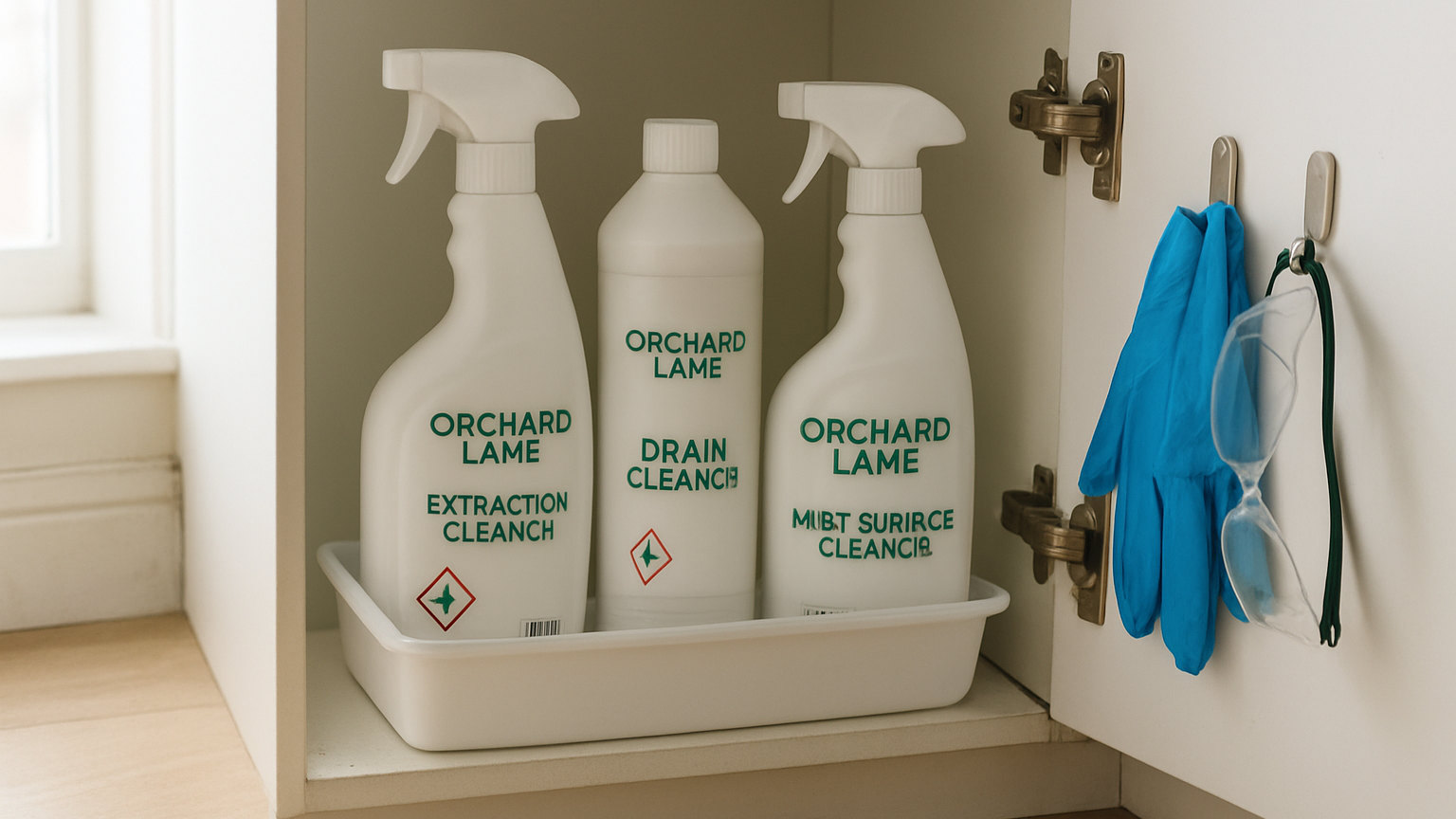
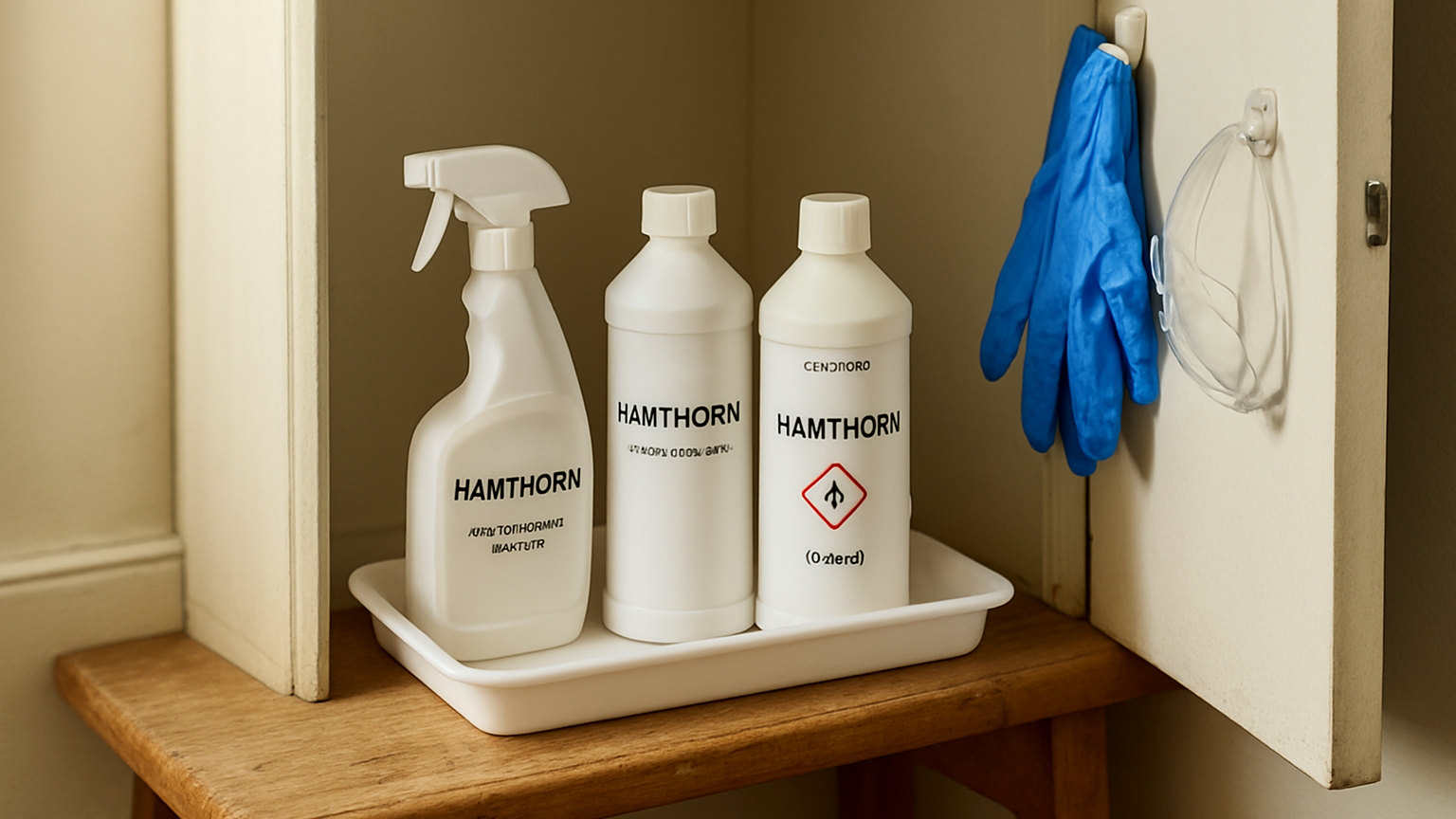
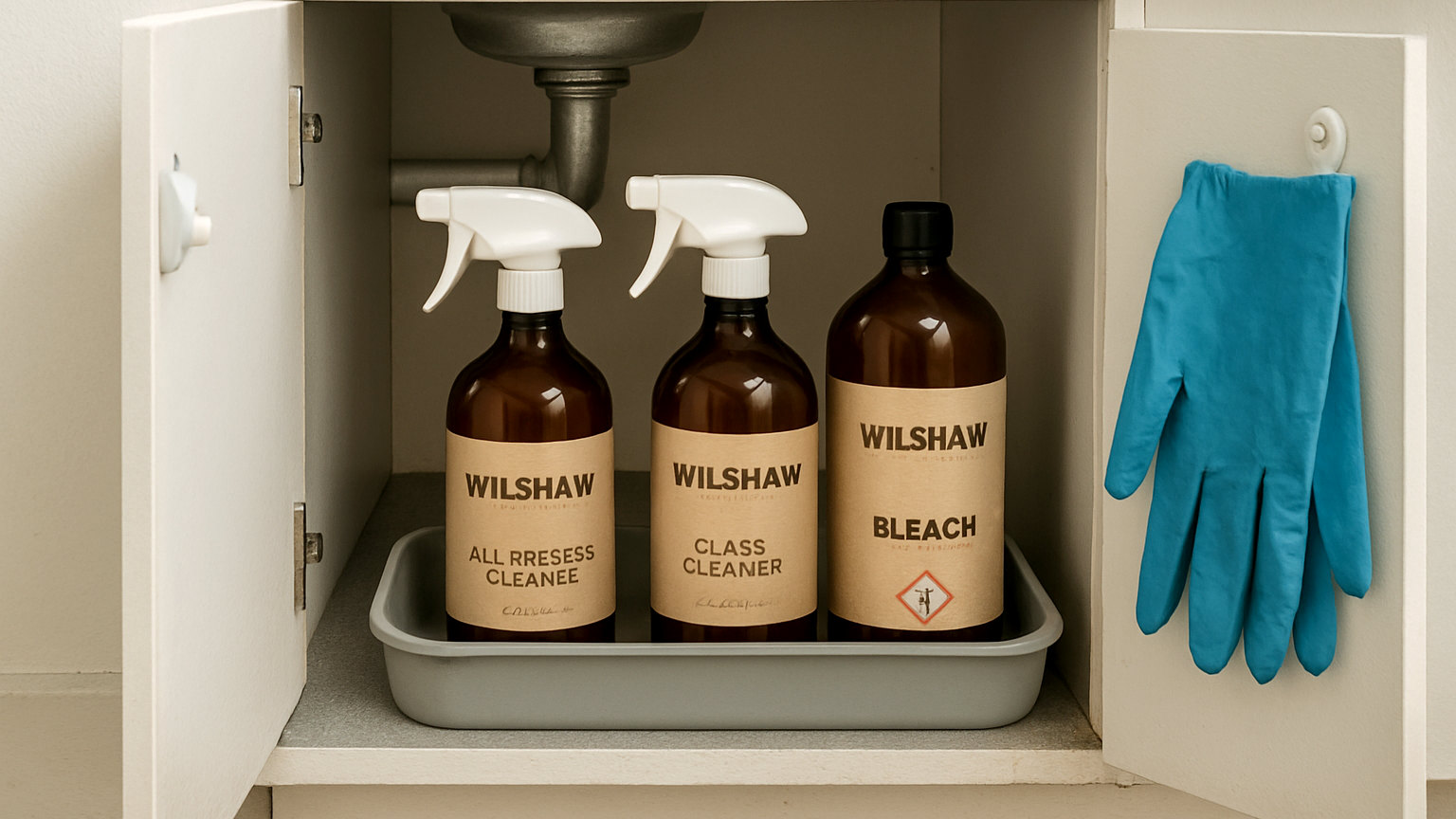
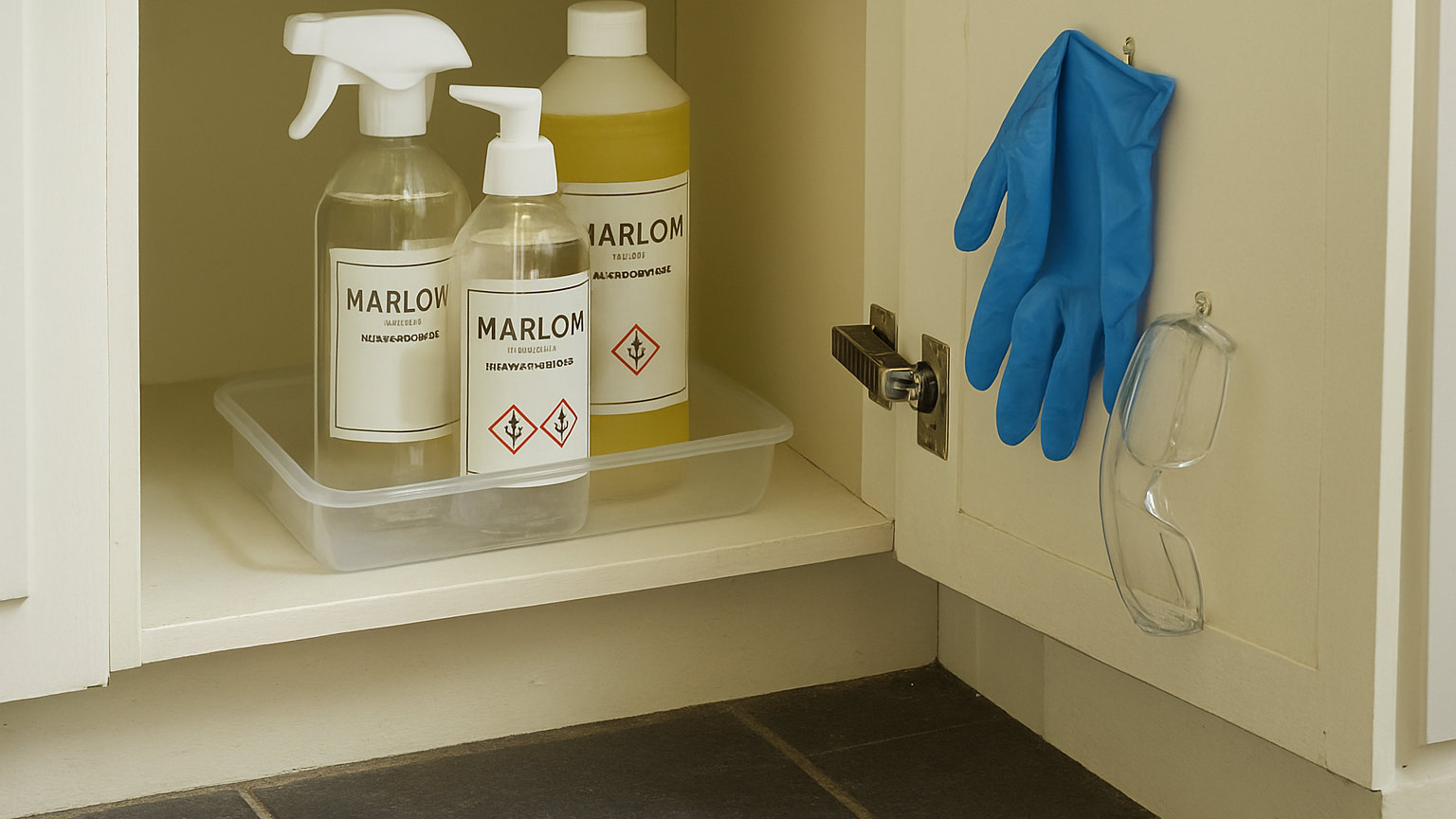
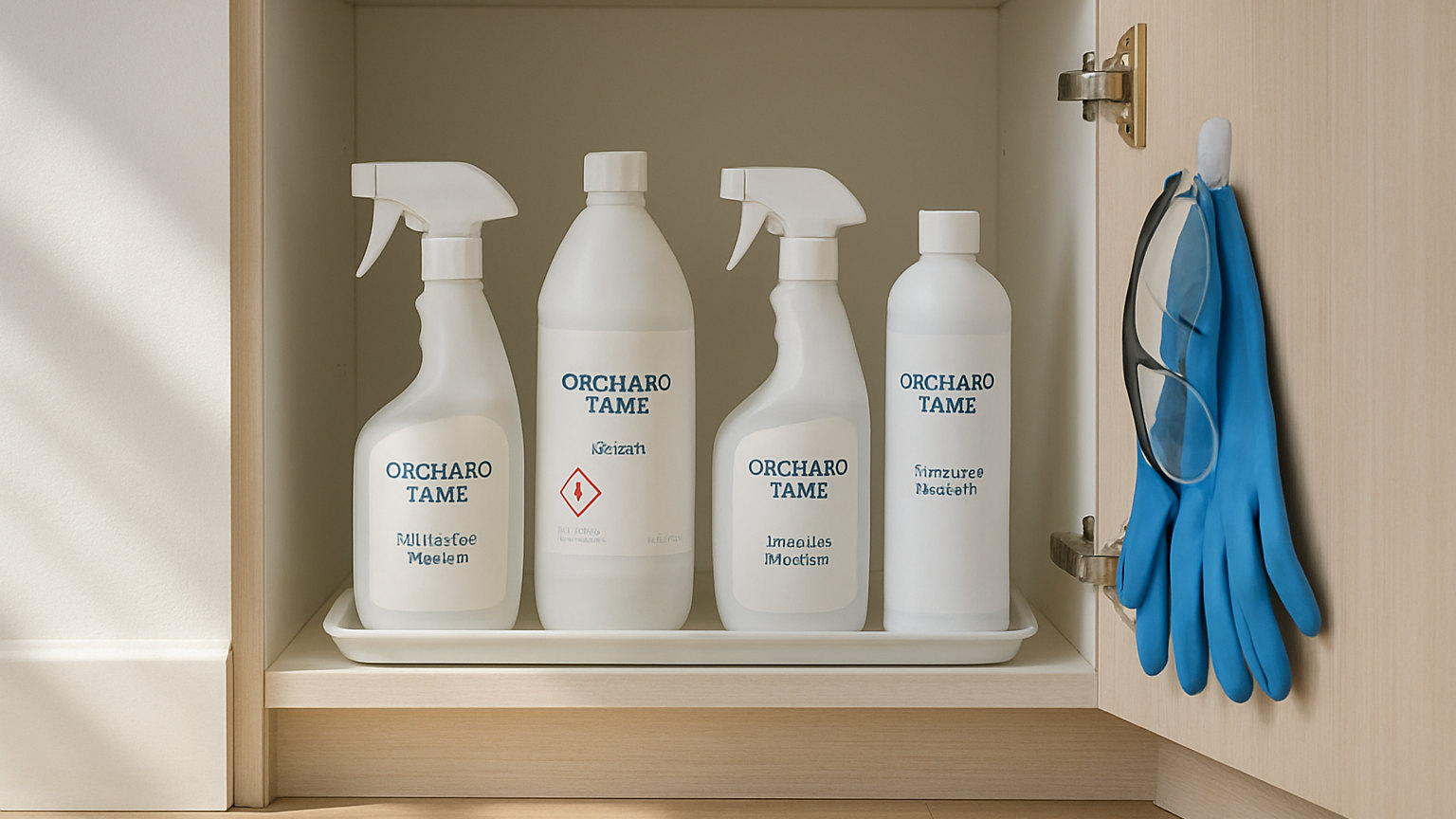
Height, separation and labelling are the three things that matter, and the cupboard under the sink fails on all of them.
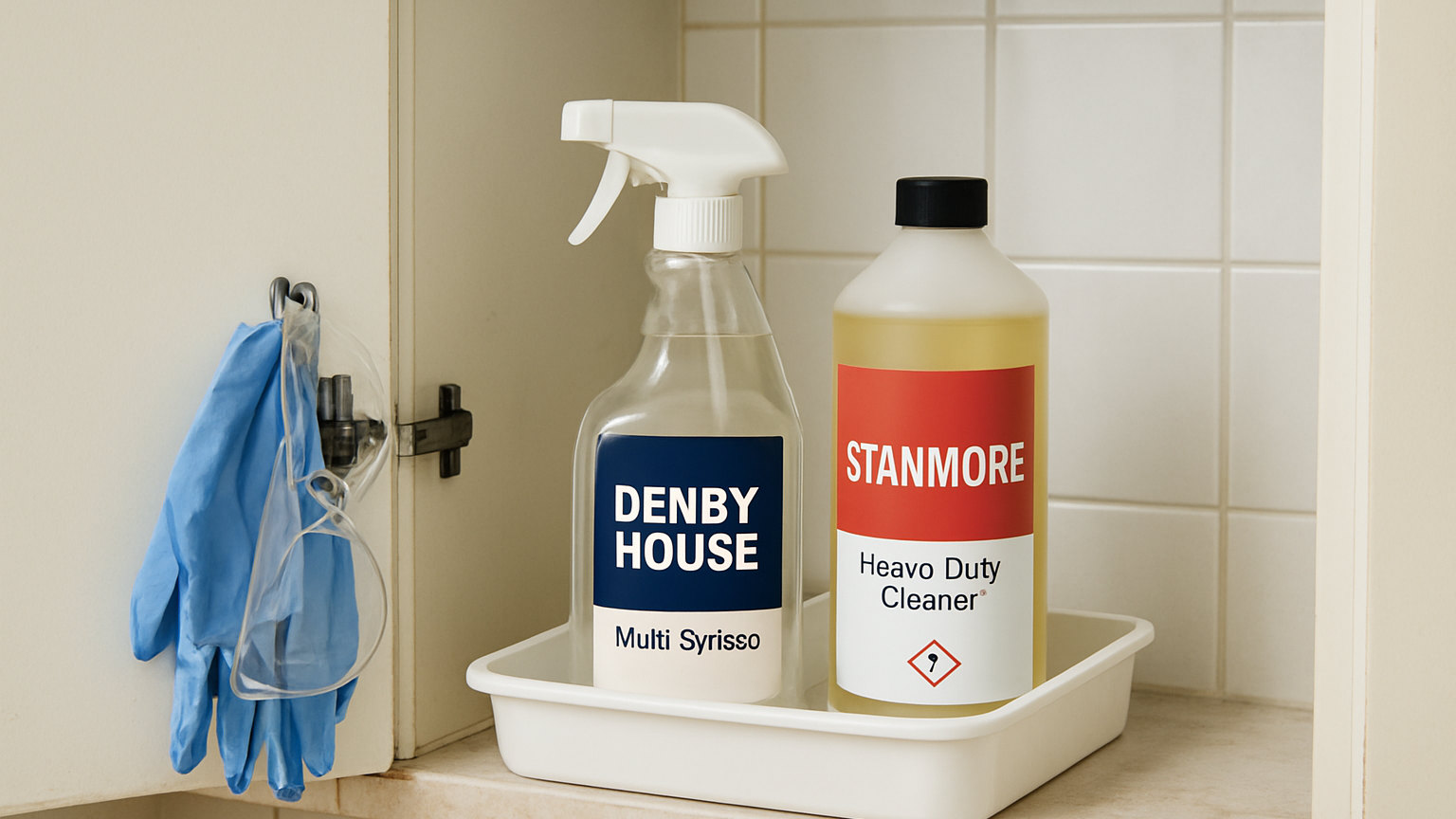
A cleaning product in an unmarked container has lost everything the label was telling you, including what to do if it goes wrong.
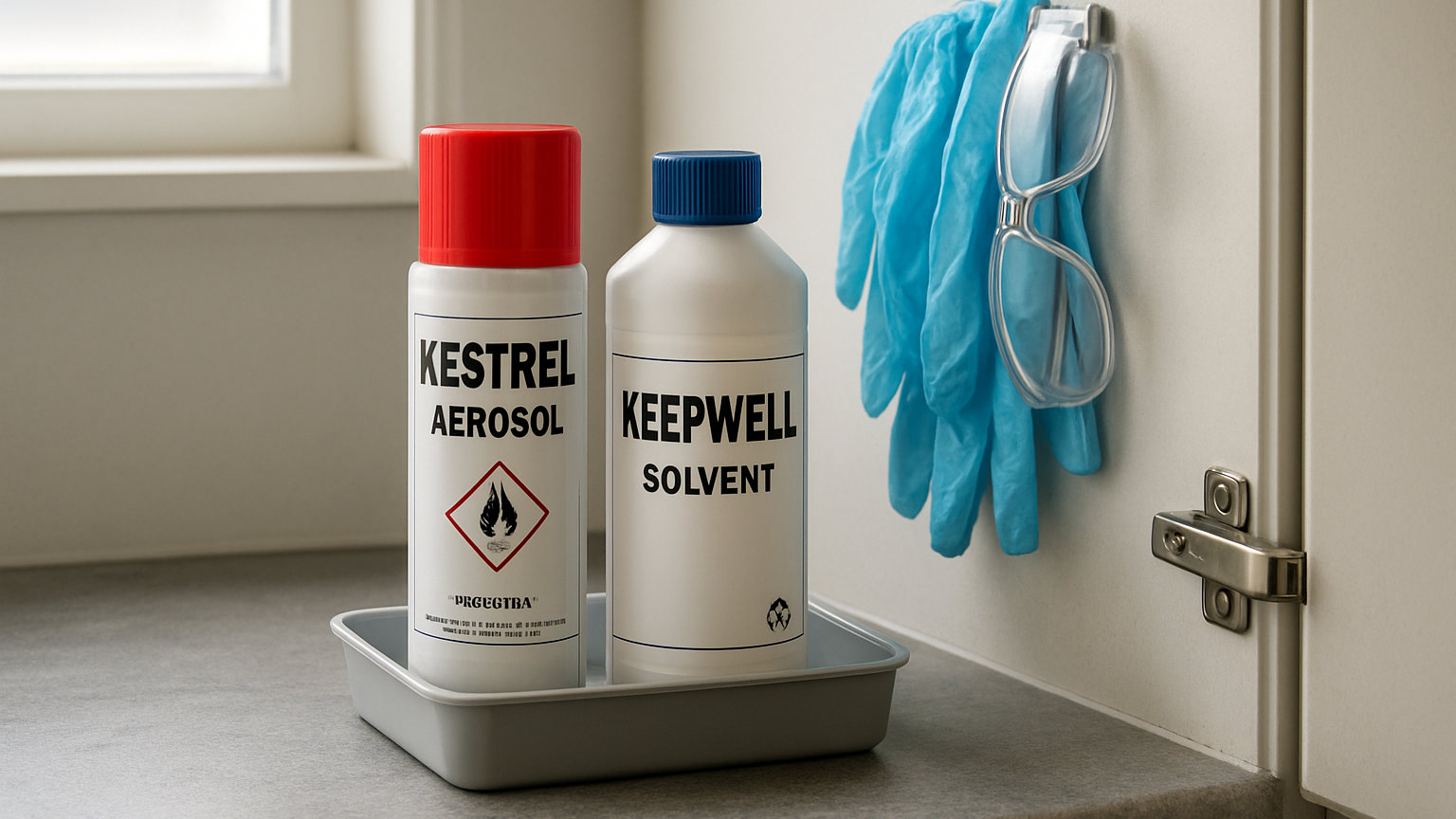
Aerosols and solvents are the obvious risks, and the one that surprises people is a pile of oily cloths, which can ignite without a flame.
Some lose potency within months and others last for years, and the ones that degrade fastest are the ones you most need to work.
The order matters: people first, then ventilation, then containment, and only then dealing with what is on the floor.
Rinsing immediately and for long enough is what determines the outcome, and most people stop far too soon.
The most important thing is what not to do, because the instinctive responses can make a corrosive injury considerably worse.
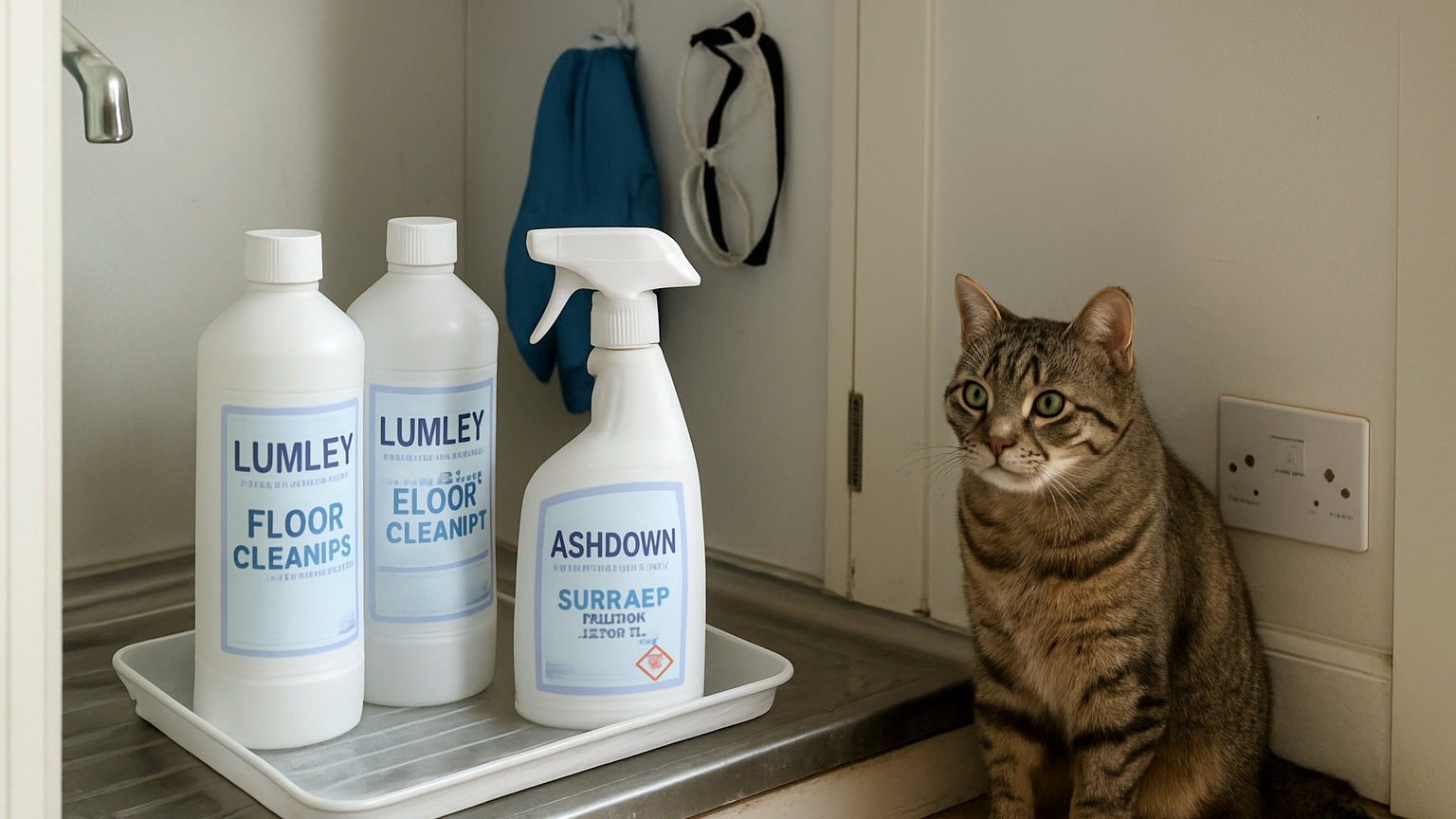
Cats are affected by substances dogs tolerate, and floor cleaners matter more than surface sprays because of how animals encounter them.
Cleaning products are among the most common causes of accidental poisoning in young children, and the cupboard under the sink is where most of them are kept.
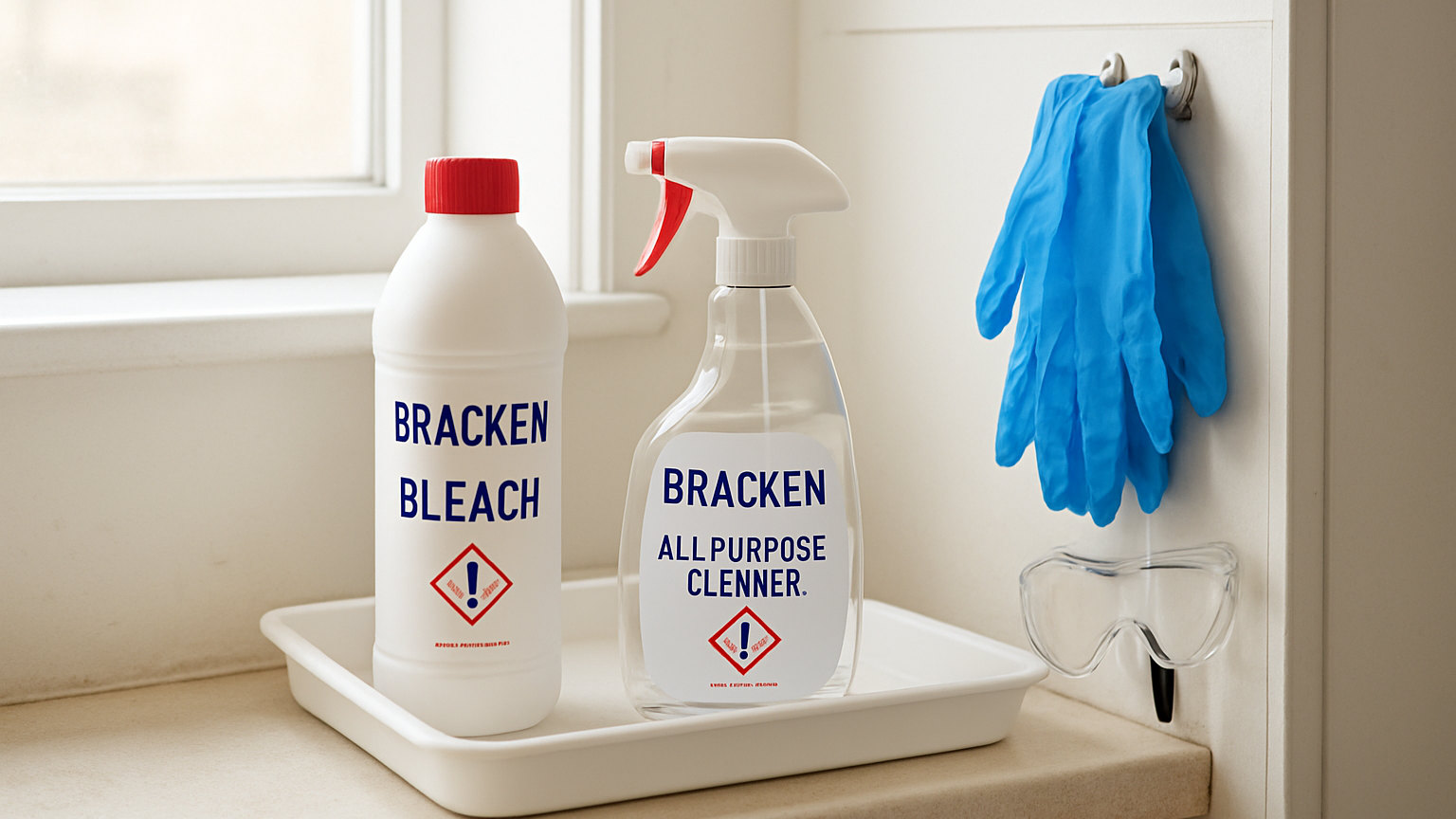
Vapours accumulate in small rooms with the door shut, which is exactly how most household cleaning is done.
For some products gloves are essential, and for the rest they mainly prevent the dry cracked hands that regular cleaning causes.