How Do You Make a Vacuum Last?
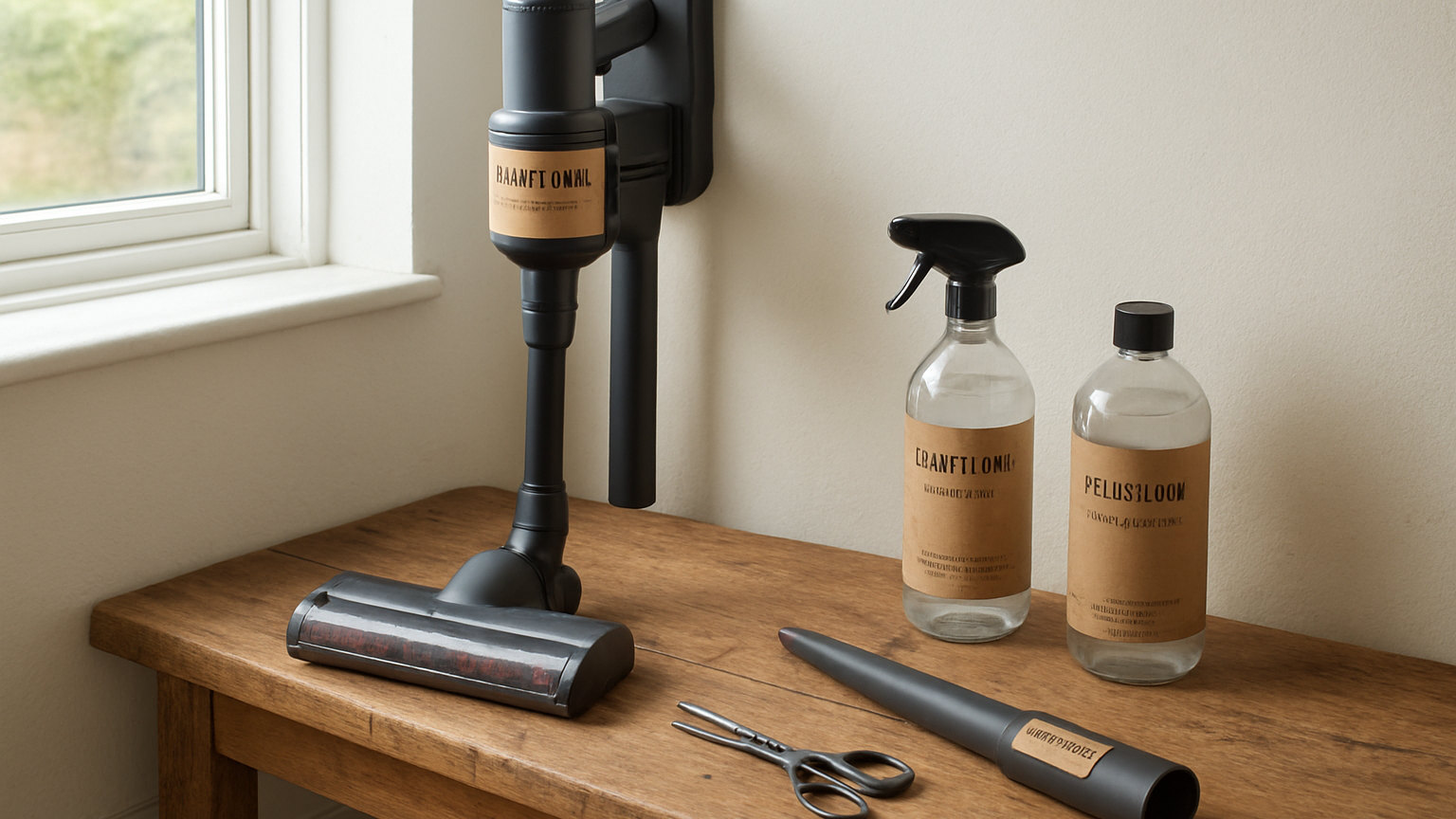
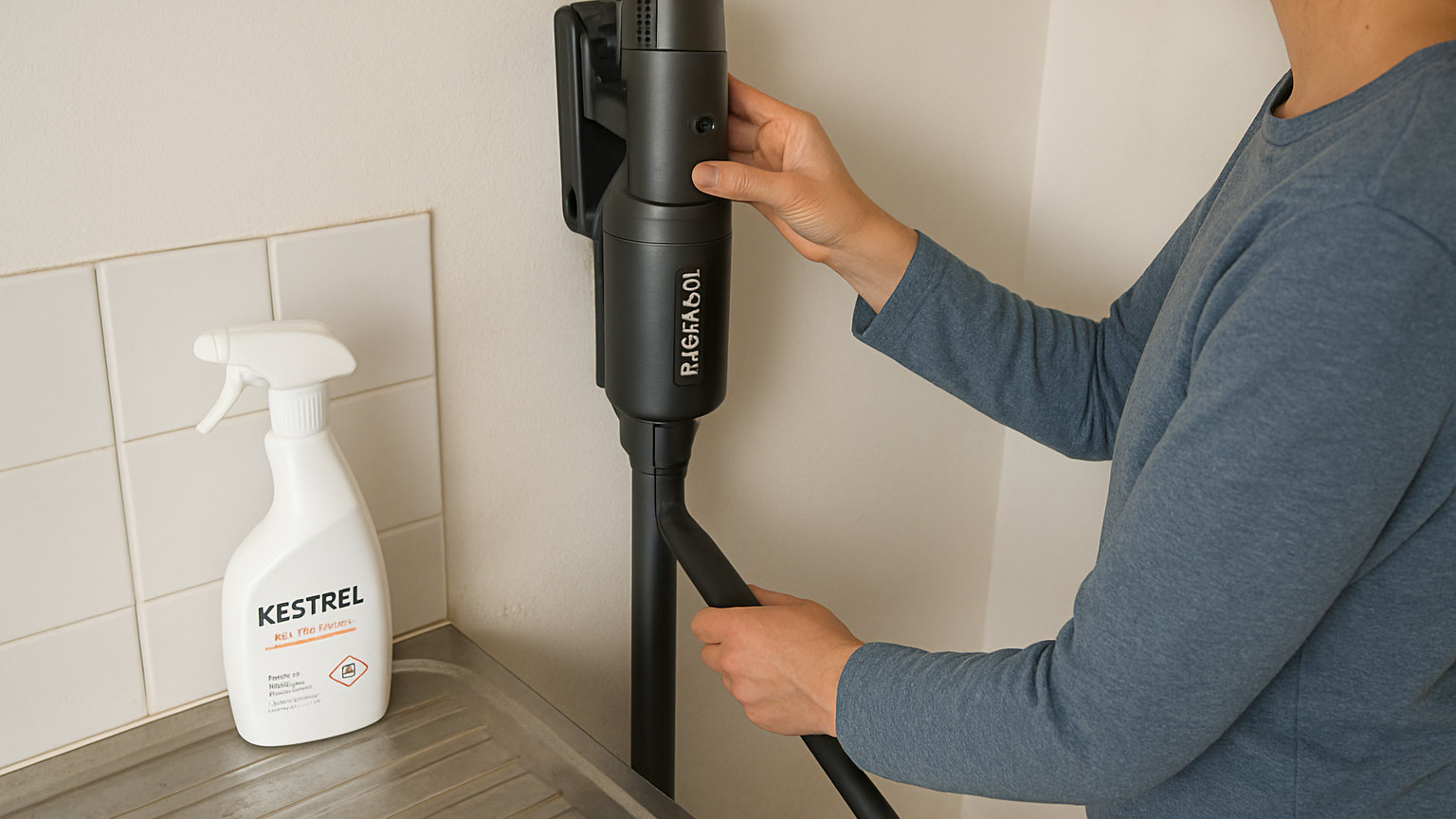
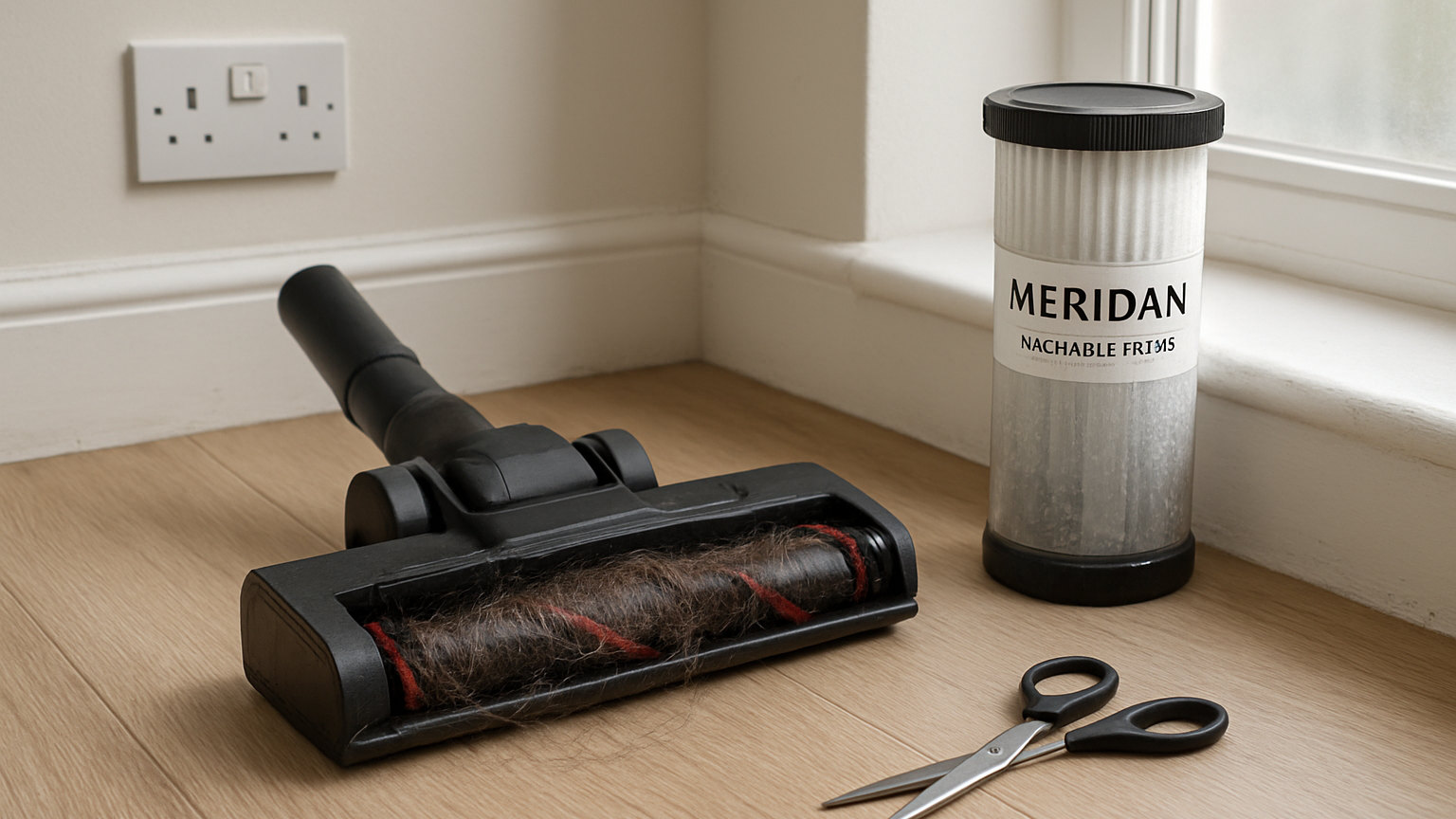
Most vacuums are replaced because of neglect rather than age, and four maintenance habits keep one working for a decade or more.
By Cleaning Guides Team
5 Aug 2026

Choosing one, filters and brush bars, and the maintenance that keeps suction up.
Most vacuums are replaced because of neglect rather than age, and four maintenance habits keep one working for a decade or more.
A mattress holds skin cells, dust mites and their debris, and vacuuming is the only practical way to remove any of it.
The same machine needs setting up differently for carpet and hard floors, and the brush bar is the setting that matters most.
They keep a floor consistently tidy rather than deeply clean, and understood that way they are genuinely useful rather than a gimmick.
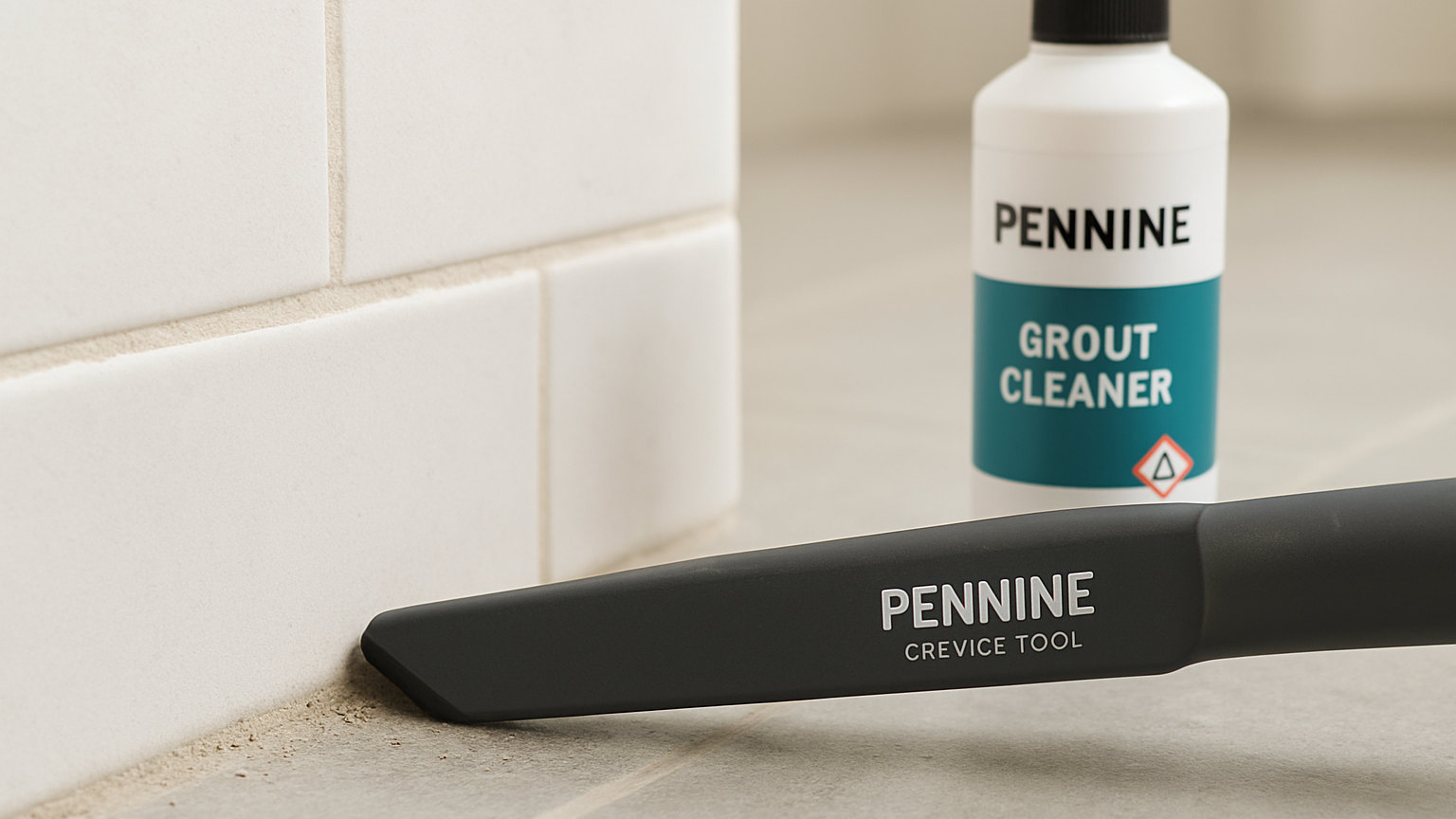
Most vacuums come with three or four tools that stay in the box, and each of them does a job the floor head cannot do at all.
Vacuuming often is a carpet maintenance job as much as a cleaning one, because it is the grit rather than the dust that does the damage.
Most of the dirt comes up on the pull stroke rather than the push, and going slowly matters more than going over an area repeatedly.
The performance gap has narrowed considerably, and the real advantage is that a vacuum which is easy to grab gets used far more often.
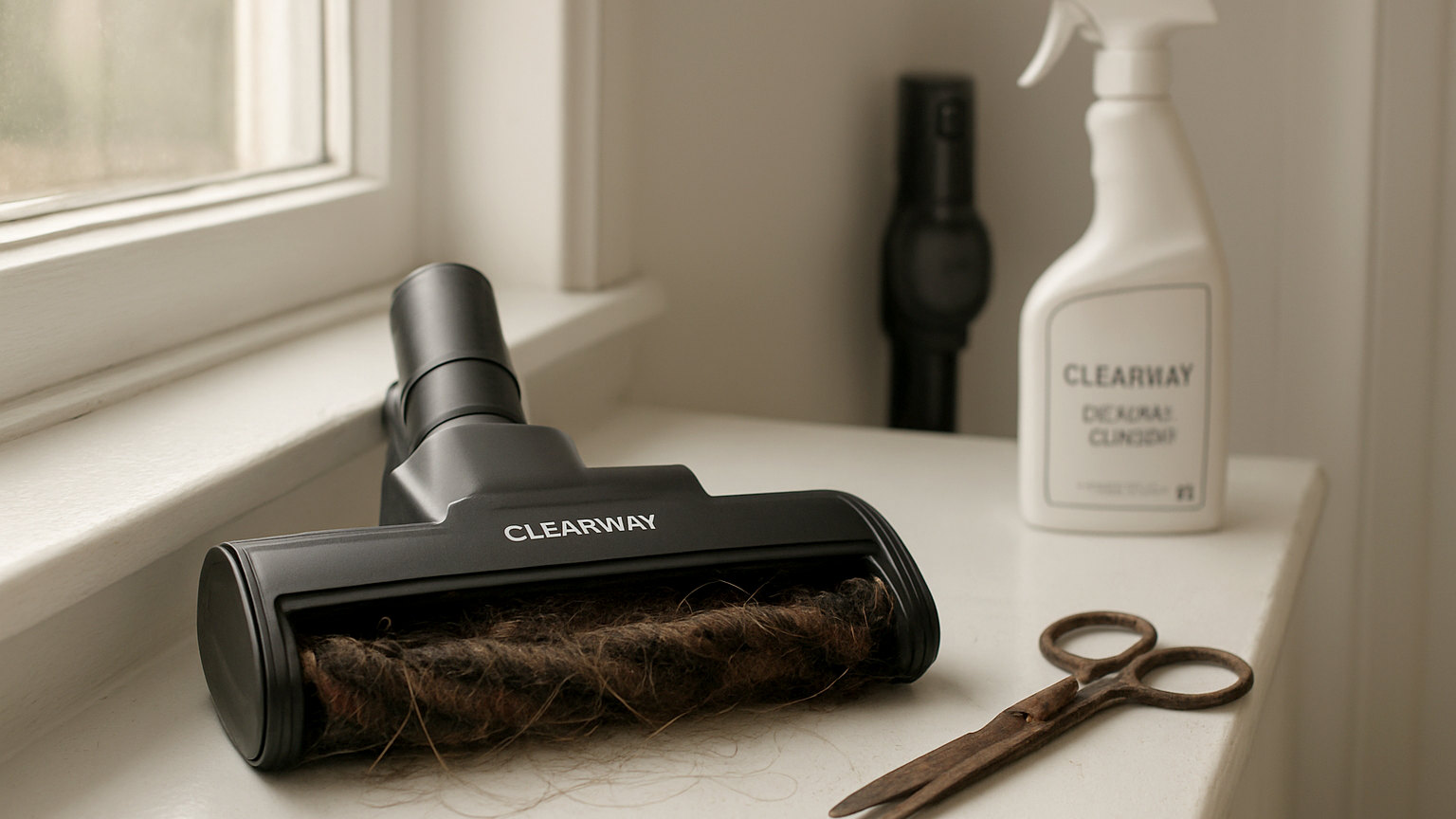
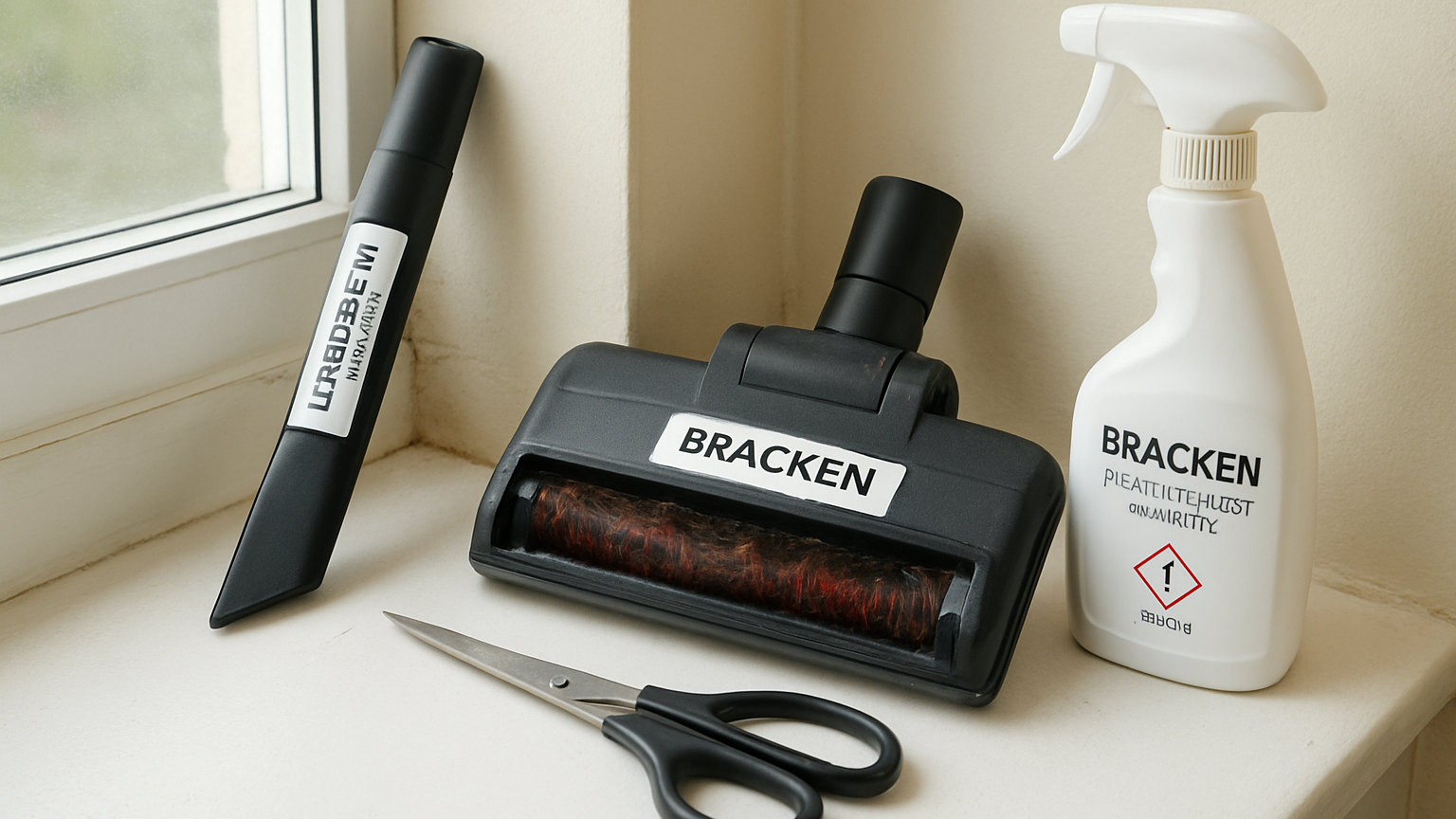
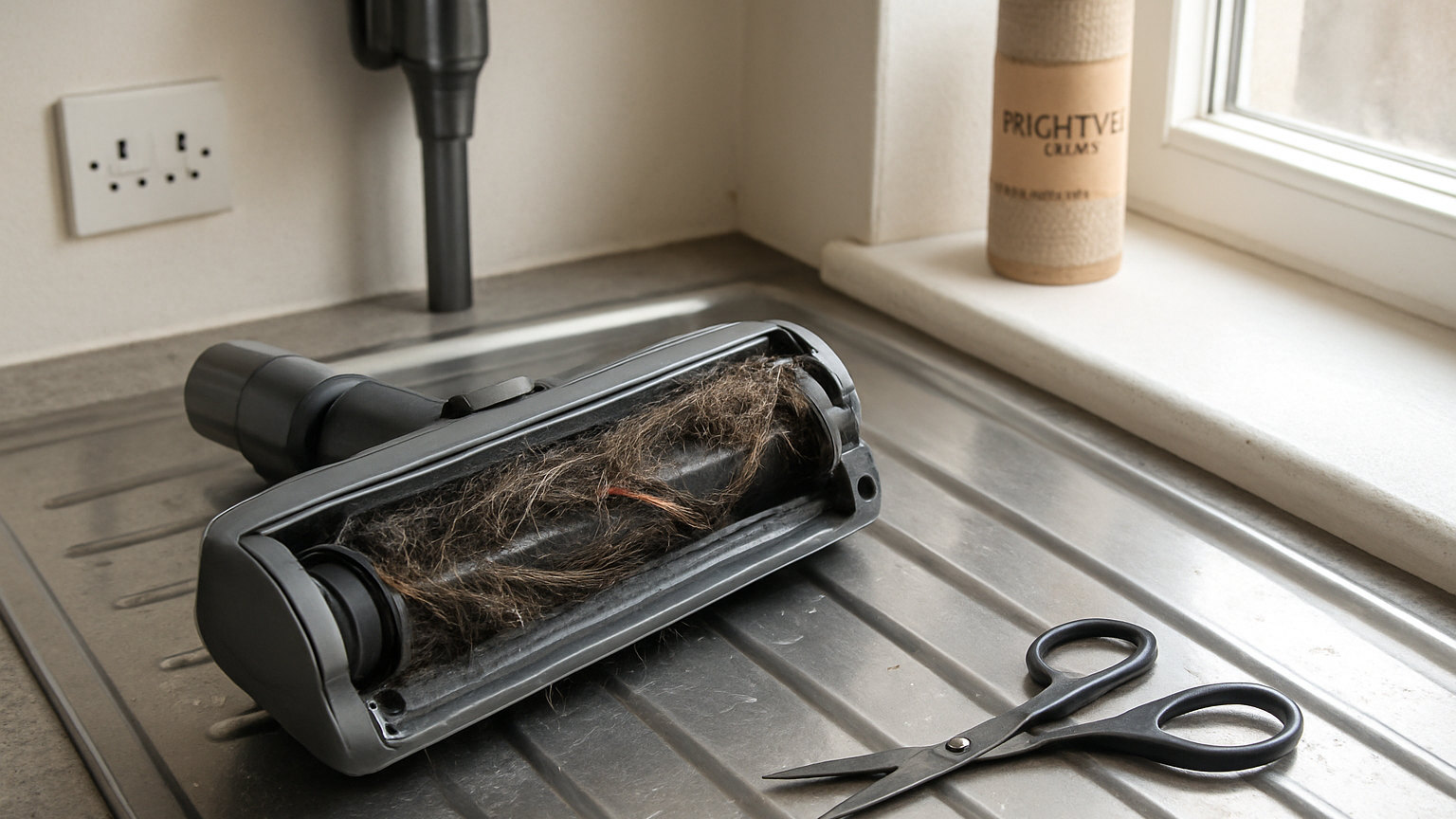
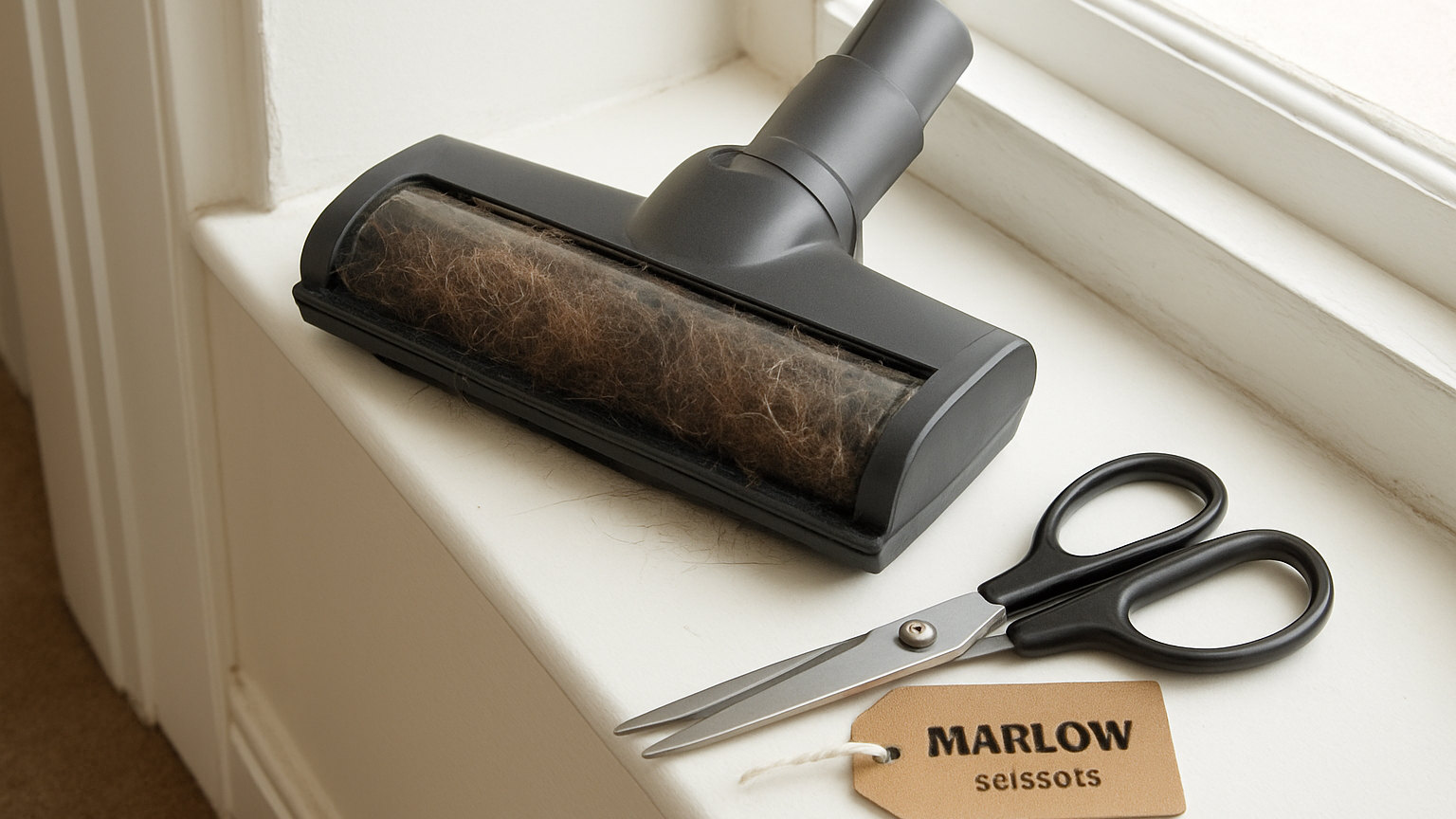
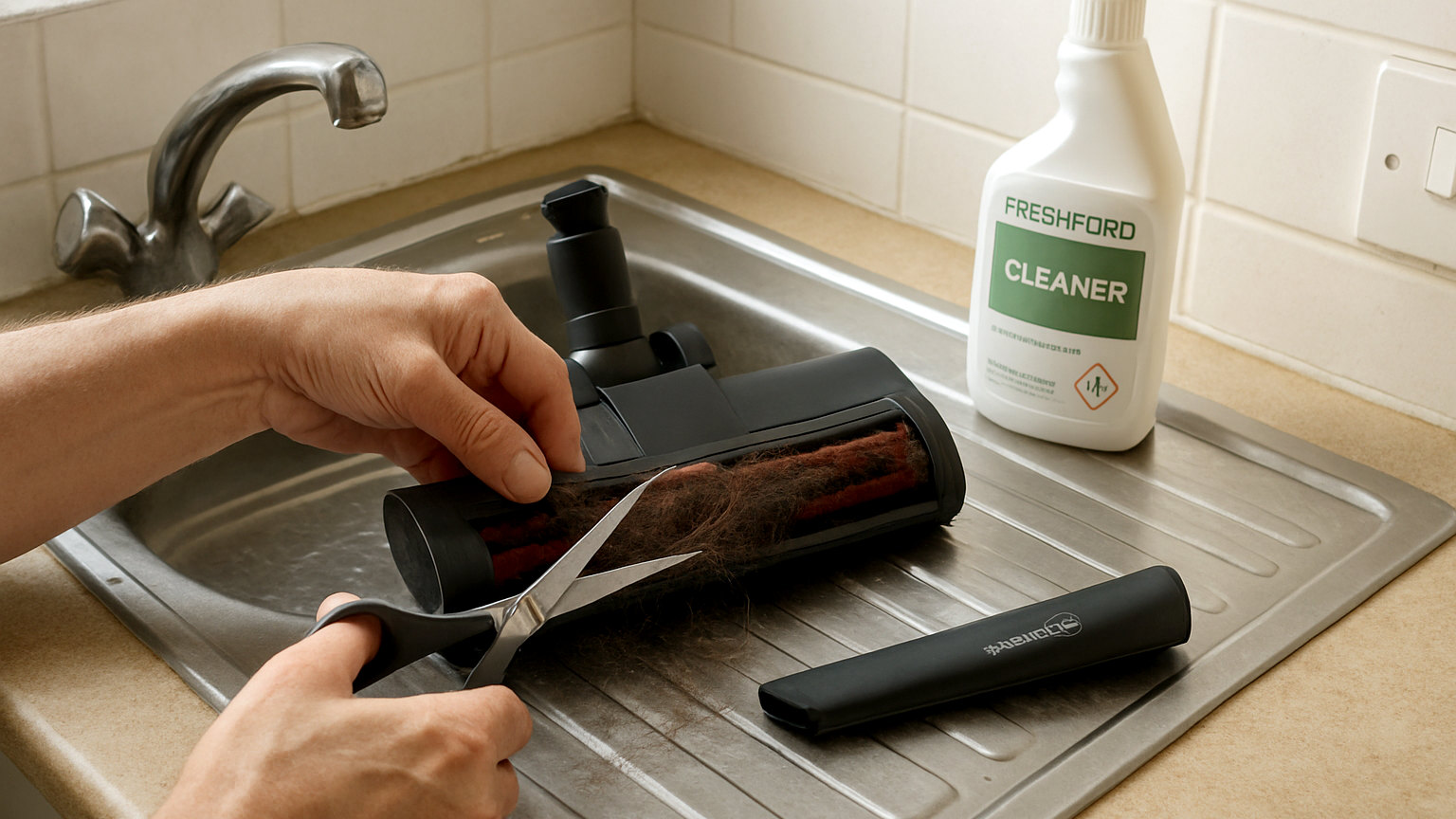
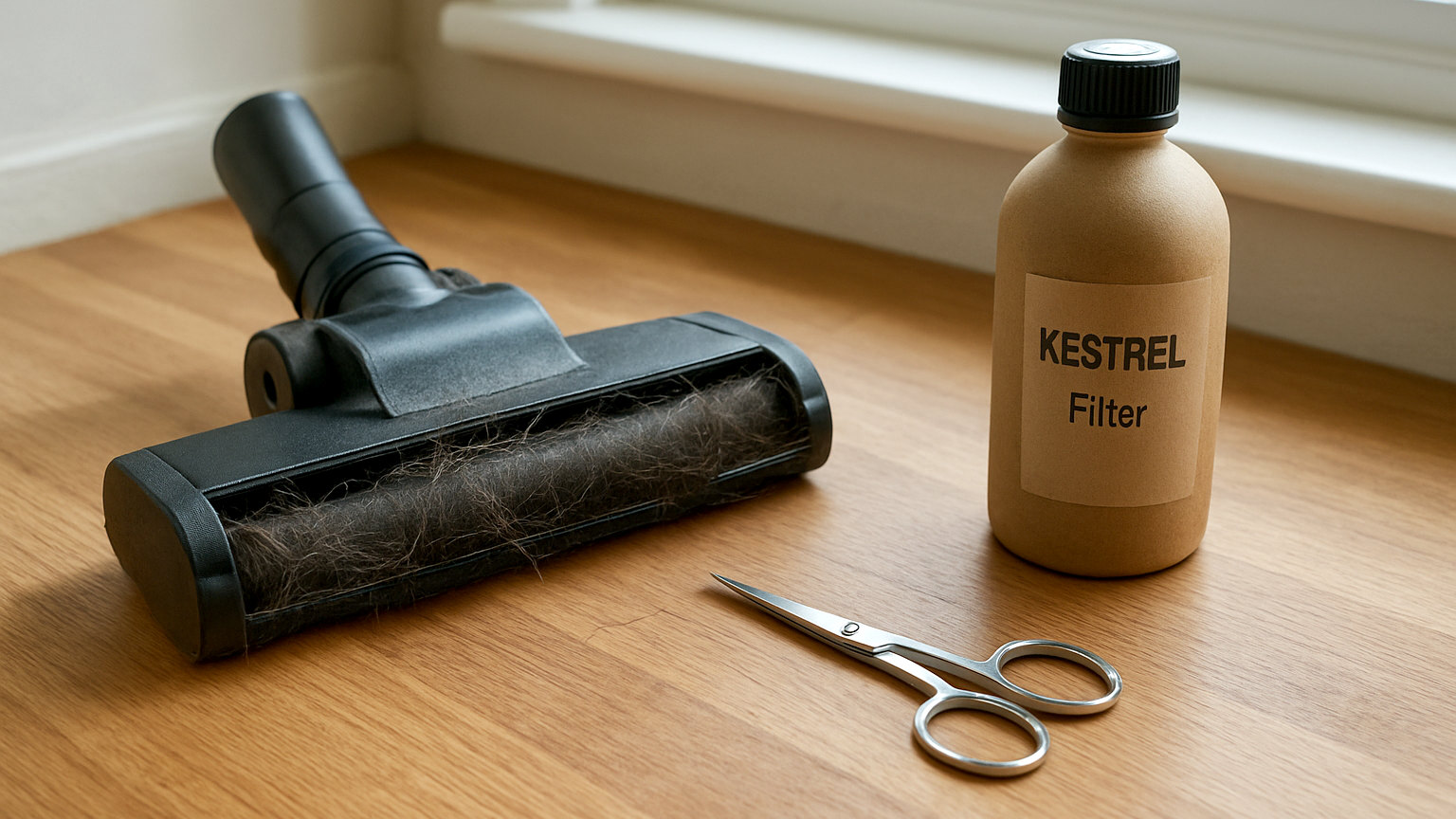
Hair wraps around a brush bar until it stops turning, and a bar that has stopped turning is not cleaning the carpet at all.
Blockages form at the bends and the joints, and the trick is finding which section has it rather than dismantling the whole machine.
Almost every case is a restriction in the airflow rather than a failing motor, and the checks run from the floor head to the exhaust.
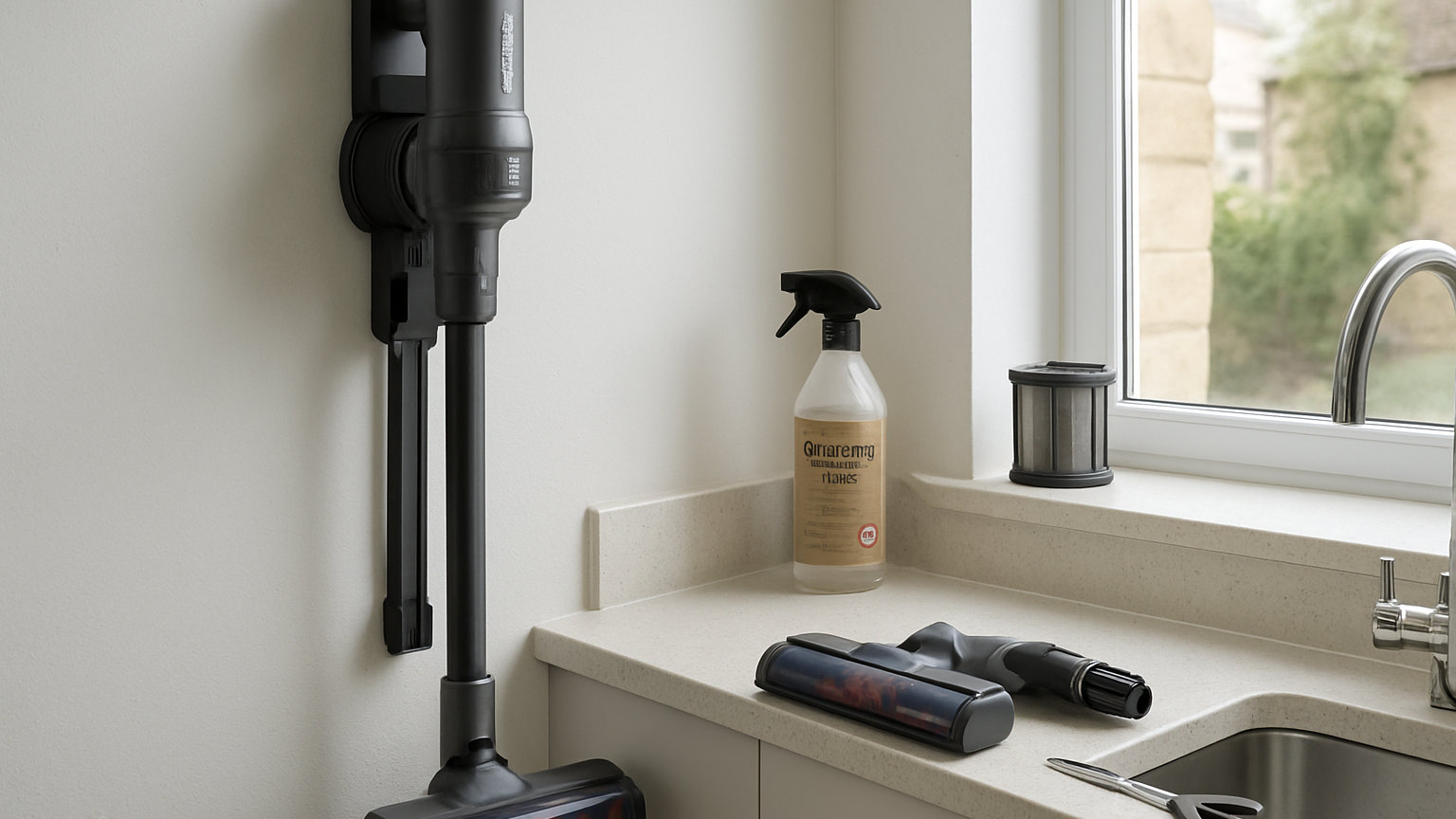
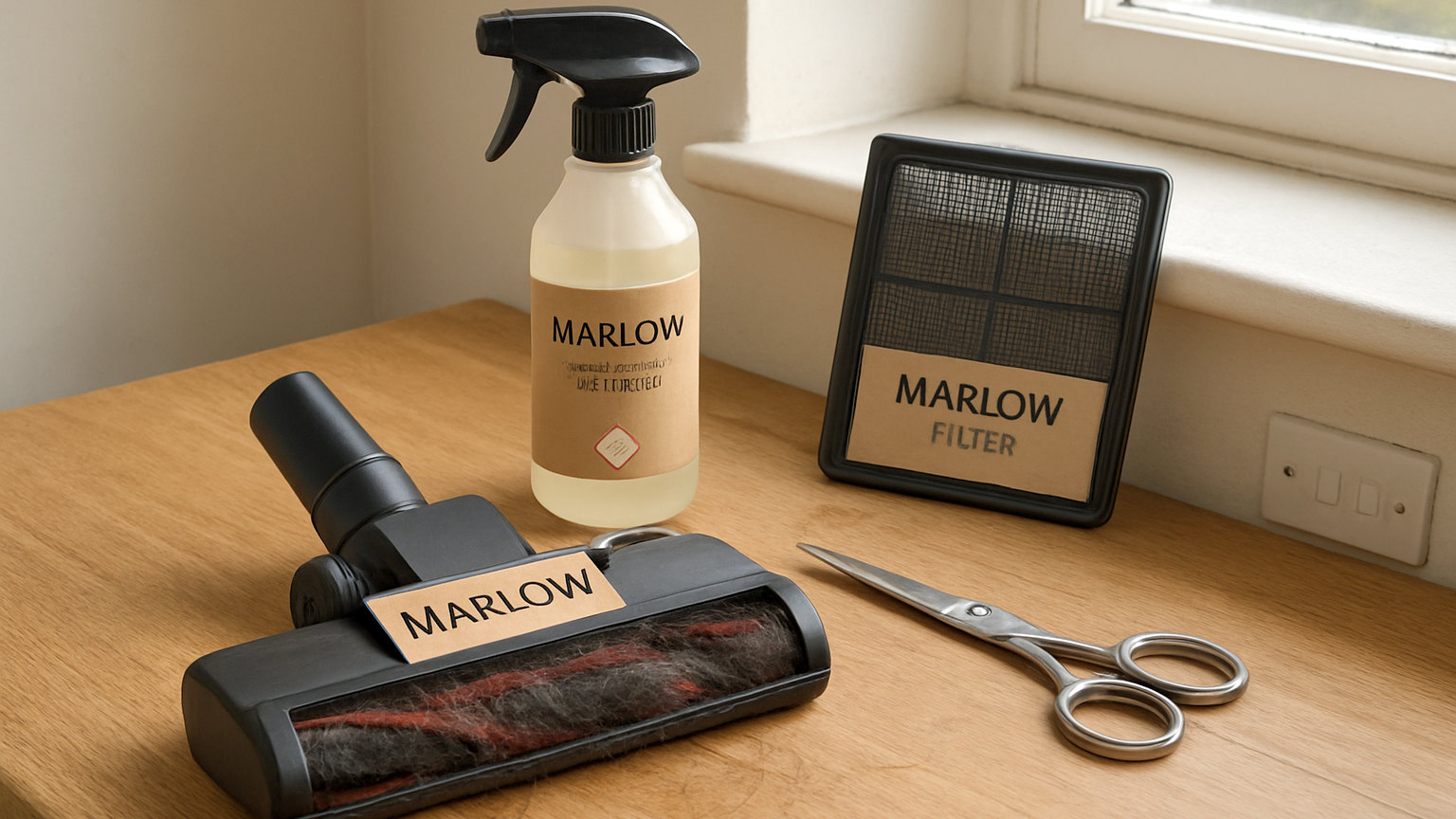
A vacuum that is never cleaned loses most of its suction within a year, and the whole job takes about twenty minutes.