Is a Steam Cleaner Worth Buying?
It earns its place in houses with a lot of tile and awkward corners, and it is the appliance most likely to end up unused in a cupboard.
By Cleaning Guides Team
2 May 2026

What steam is genuinely good for, where it does damage, and whether one is worth buying.
It earns its place in houses with a lot of tile and awkward corners, and it is the appliance most likely to end up unused in a cupboard.
Weak or absent steam is nearly always scale, an empty boiler or a safety cut-out doing its job, and all three are checkable in minutes.
Heat kills dust mites readily, and the difficulty is that steam reaches the surface while the mites and their allergens are deeper down.
Steam on glass gives an excellent finish and it carries one risk that matters in winter, which is thermal shock on a cold pane.
Steam refreshes upholstery well and it introduces moisture into foam that cannot be wrung out, which is the whole of the difficulty.
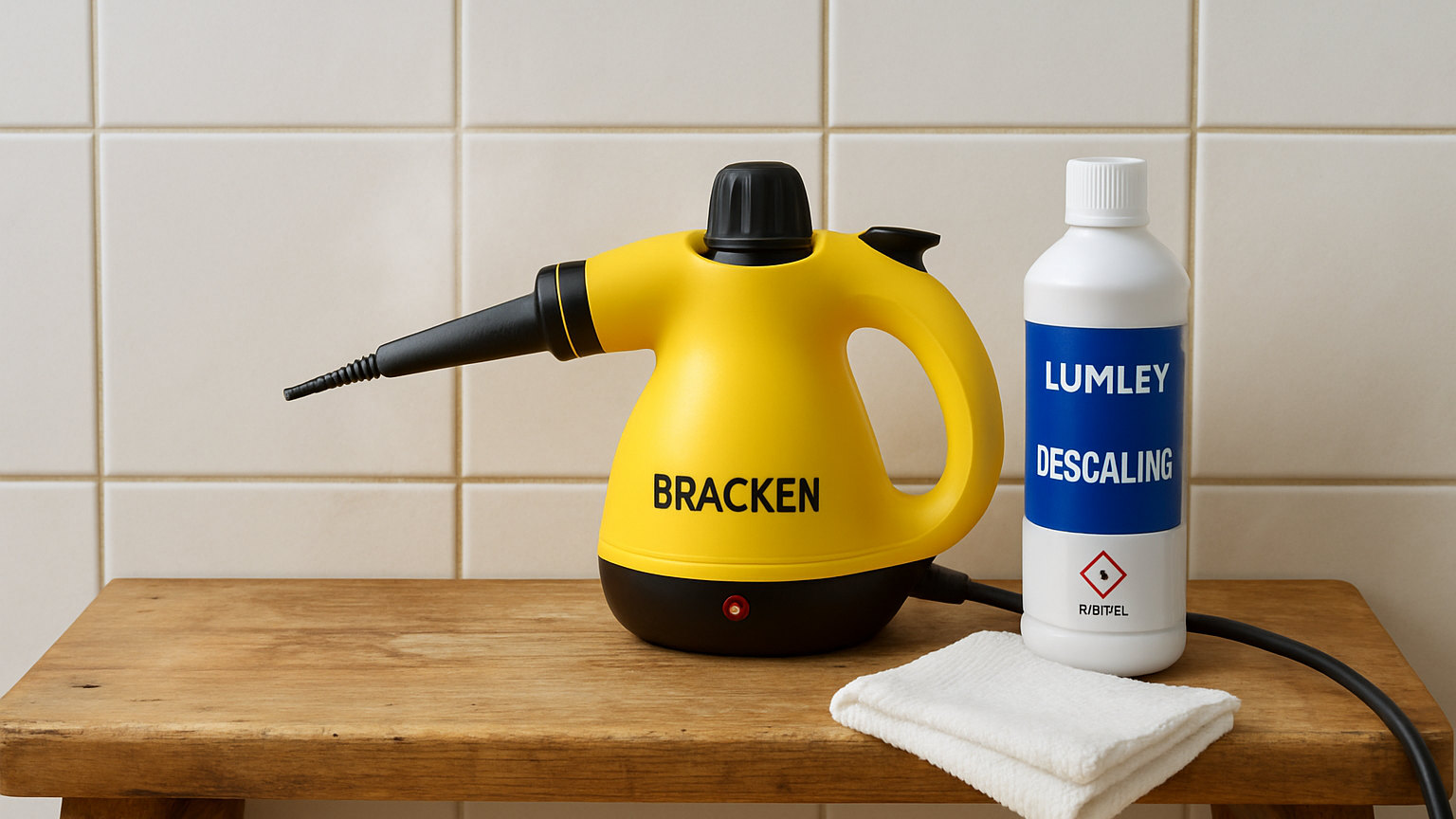
Everything a steam cleaner boils leaves its minerals behind in the boiler, which is why hard water shortens the life of one considerably.
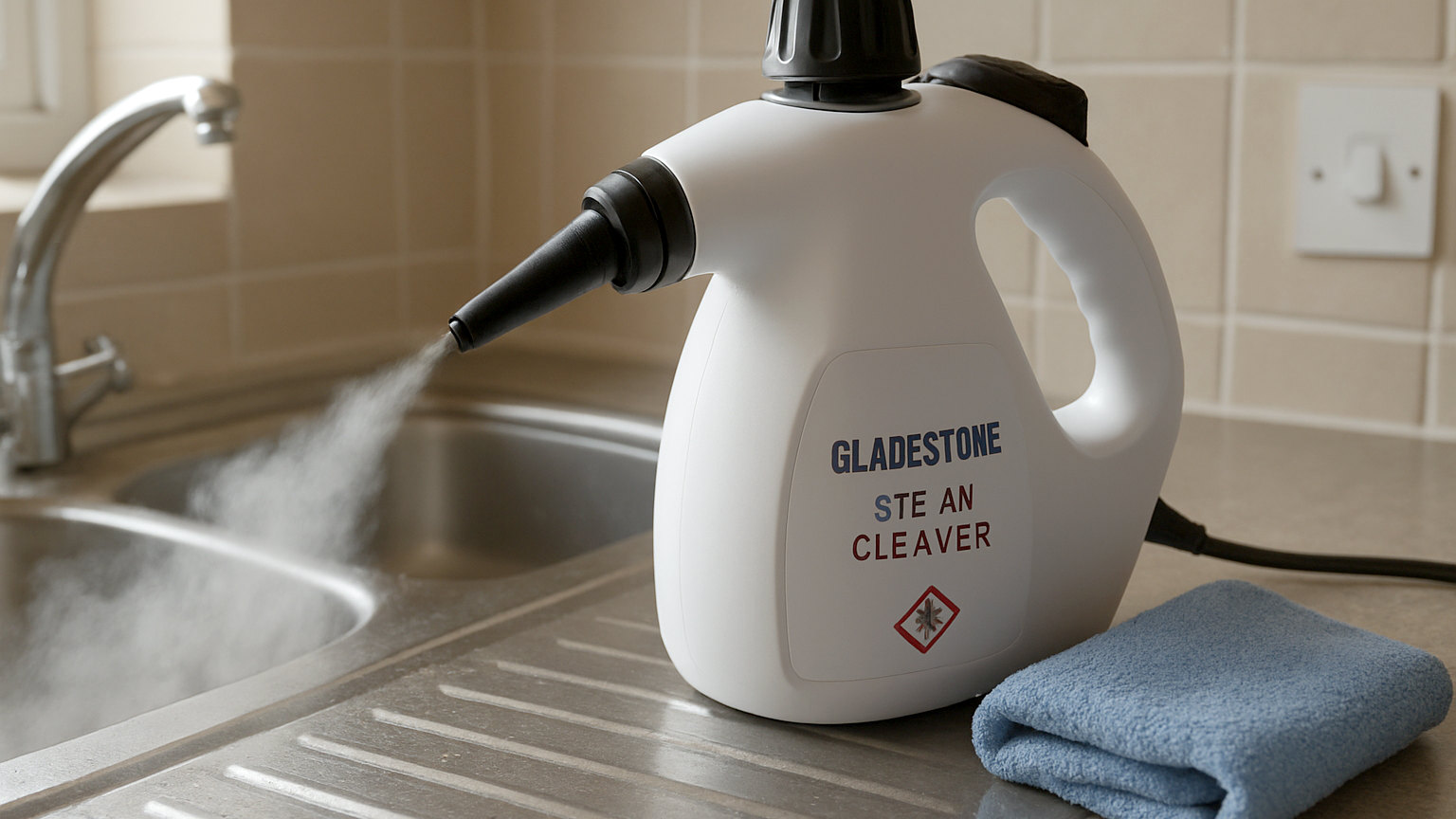
Steam at the nozzle is hot enough to scald immediately, and the pressurised boiler adds a second hazard that catches people out at refilling.
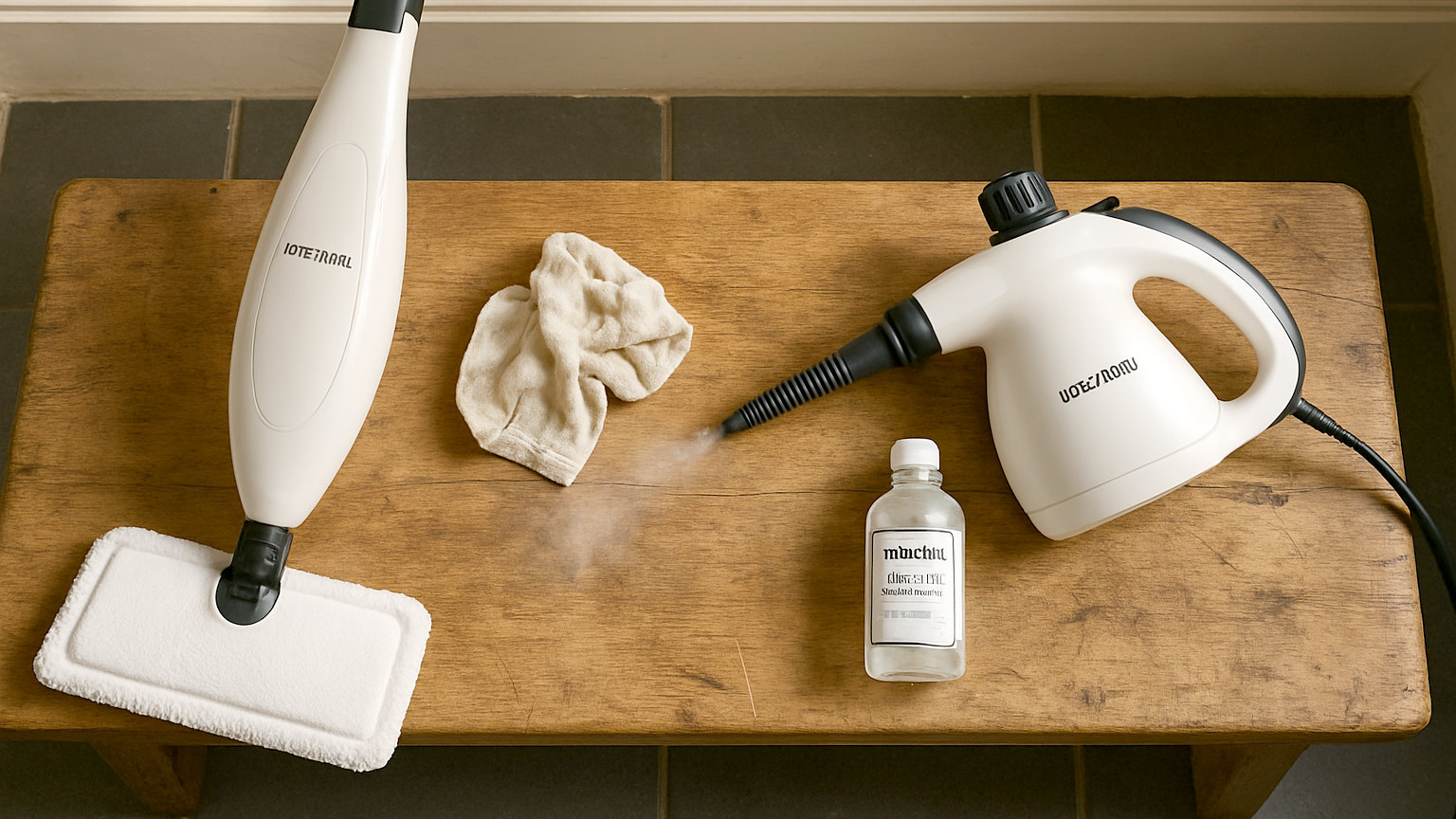
The types do genuinely different jobs, and buying the wrong one is why so many steam cleaners end up in a cupboard.
Heat does kill microorganisms, and the temperature at the surface and the time it is held there decide the outcome rather than the boiler rating.
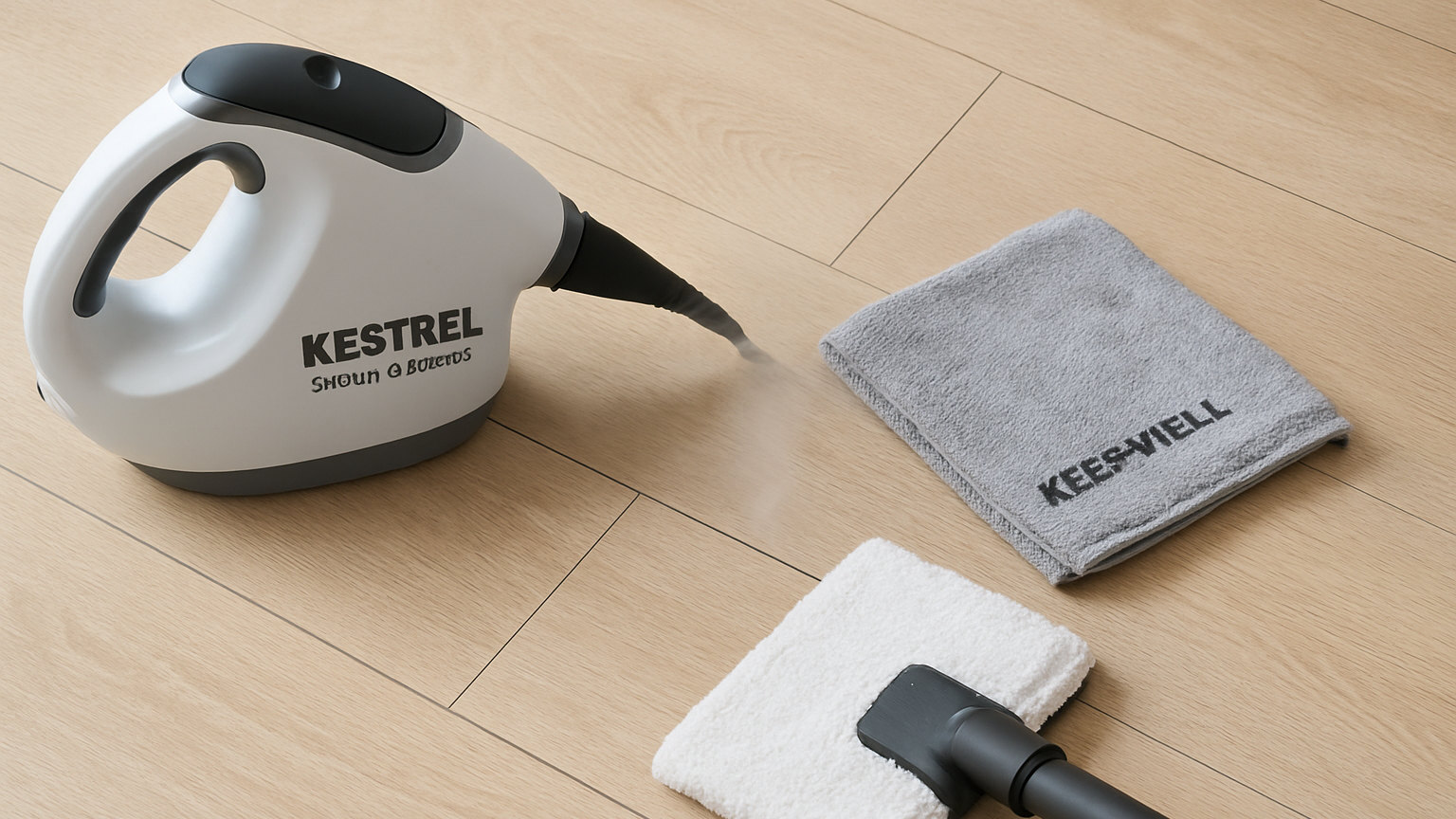
They are convenient and they suit fewer floors than the marketing suggests, and the pad matters more than the machine.
Heat and moisture together damage a longer list of surfaces than most people expect, and several of the exclusions are floors.
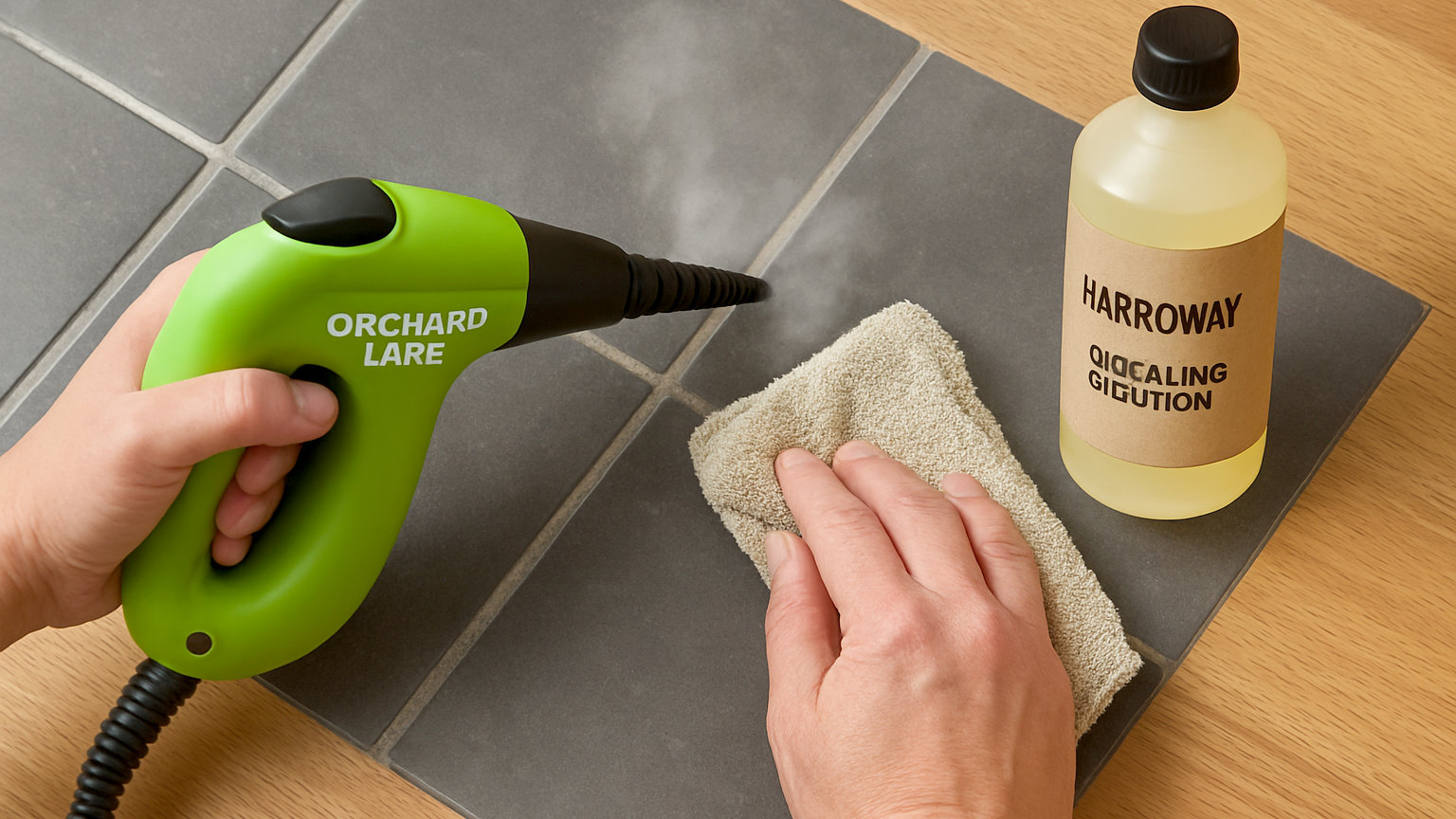
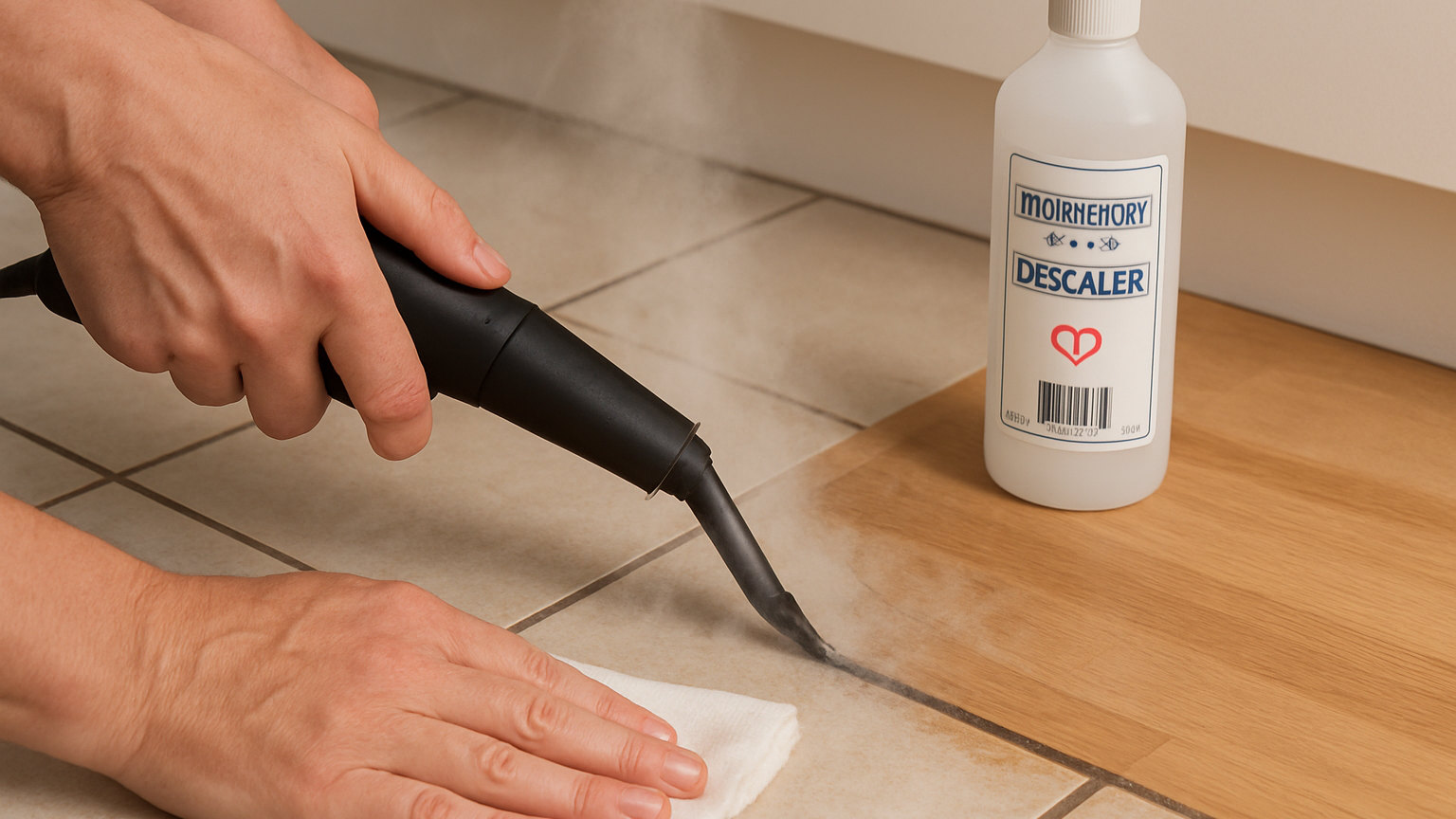
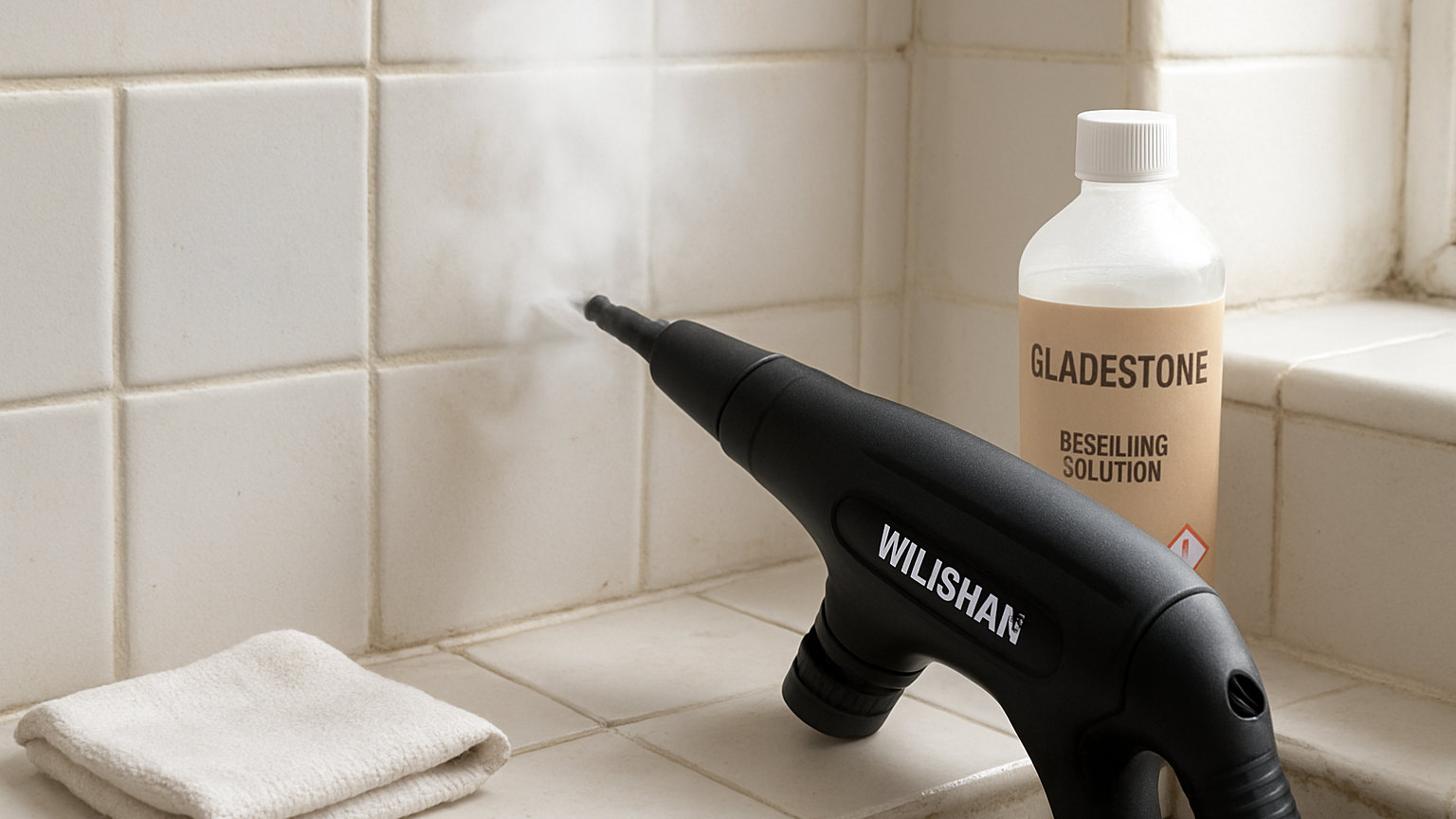
Steam excels on textured surfaces and sealed hard surfaces, and it is at its most useful exactly where a cloth cannot reach.