How Do You Clean Appliance Cords and Casings?
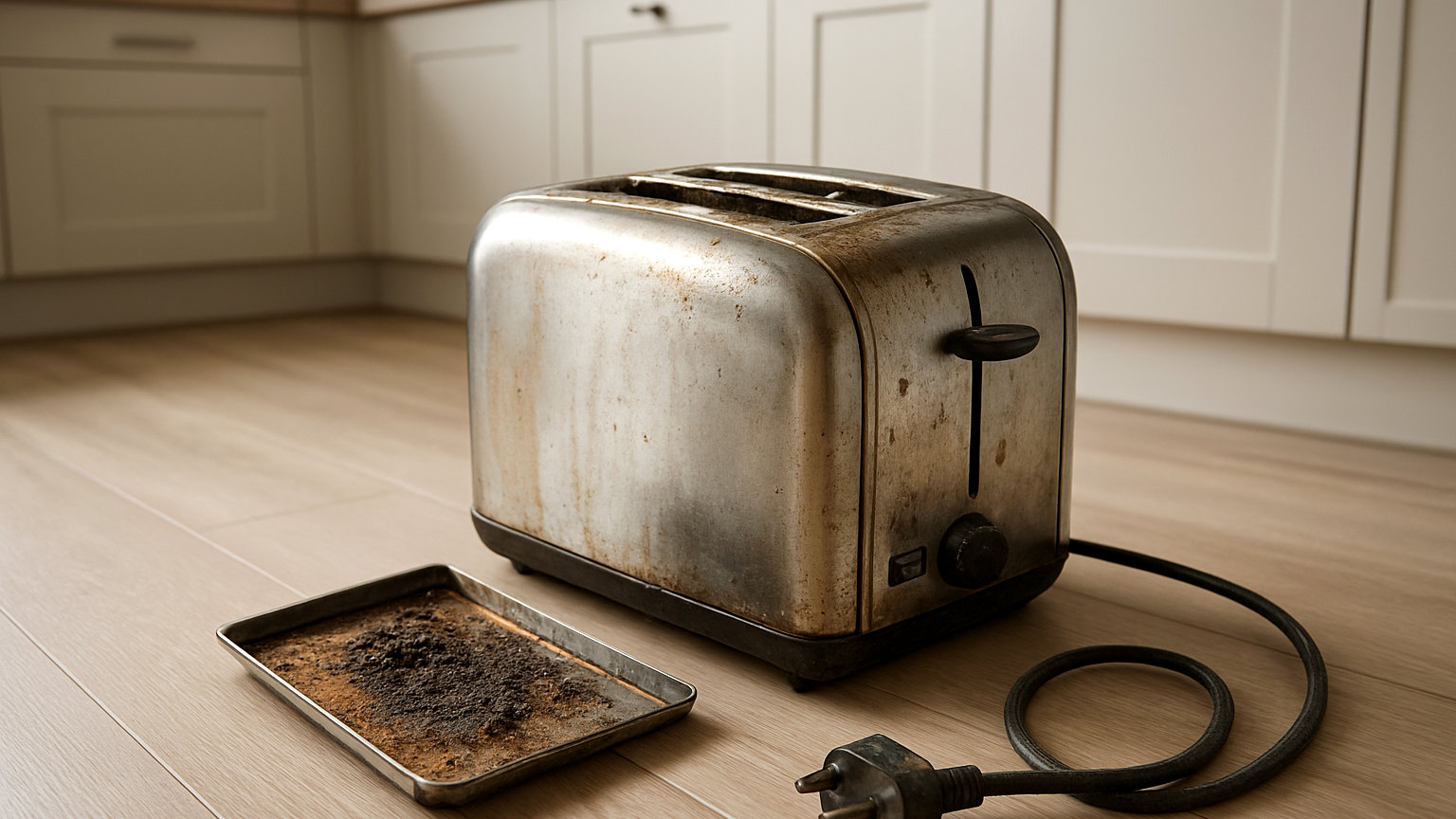
Kitchen appliances collect a film of airborne grease that ordinary wiping does not touch, and the cord is usually the worst of it.
By Cleaning Guides Team
13 Jun 2026

Appliances mostly fail for want of cleaning rather than for want of repair, and worktops are ruined more often by the wrong cleaner than by wear. These guides cover the machines that need descaling or a maintenance wash, the ones that quietly stop working properly when a filter is blocked, and which cleaners are safe on which surface - because the answer for granite, laminate, wood and stainless steel are four different things.
Kitchen appliances collect a film of airborne grease that ordinary wiping does not touch, and the cord is usually the worst of it.
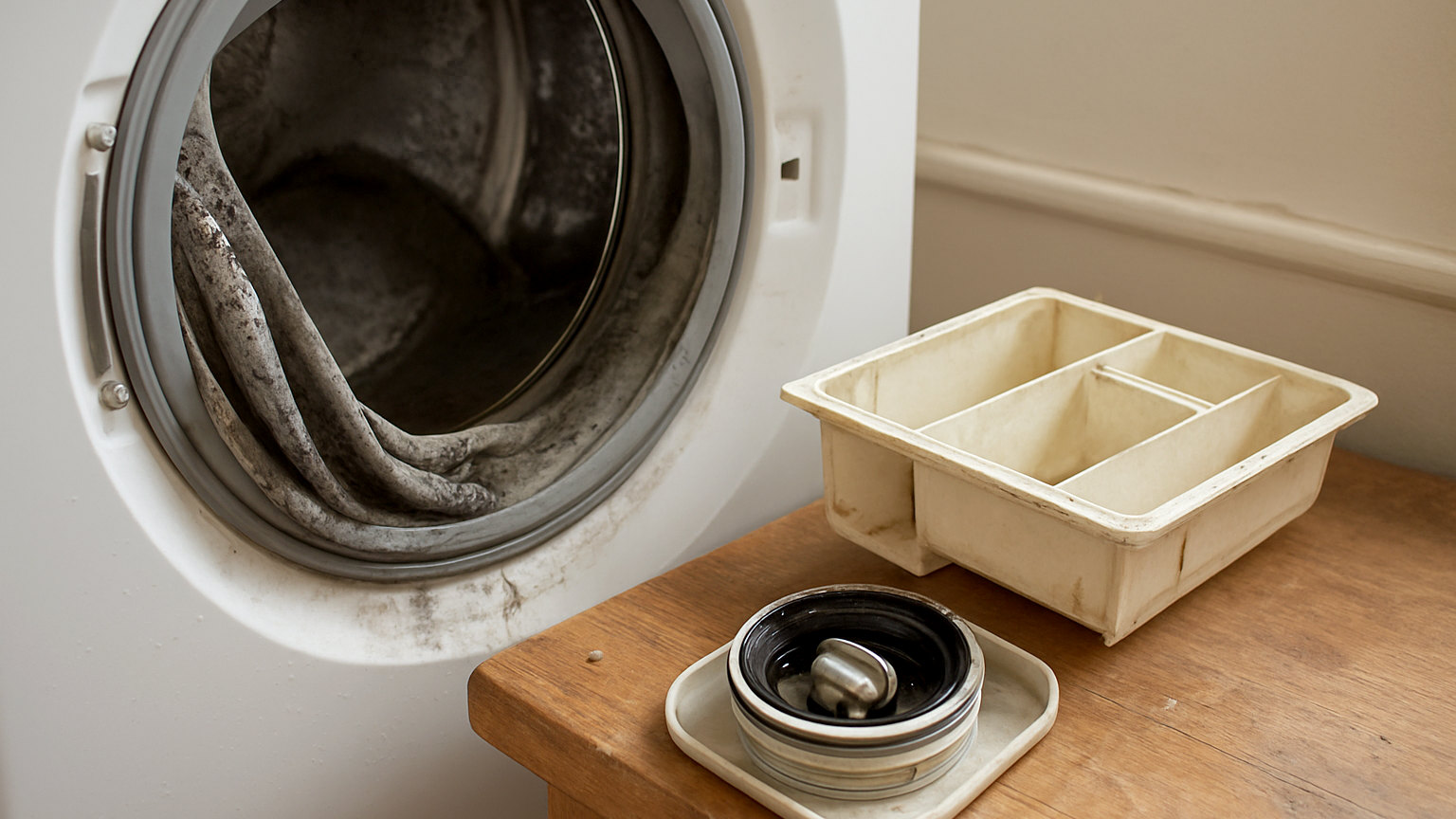
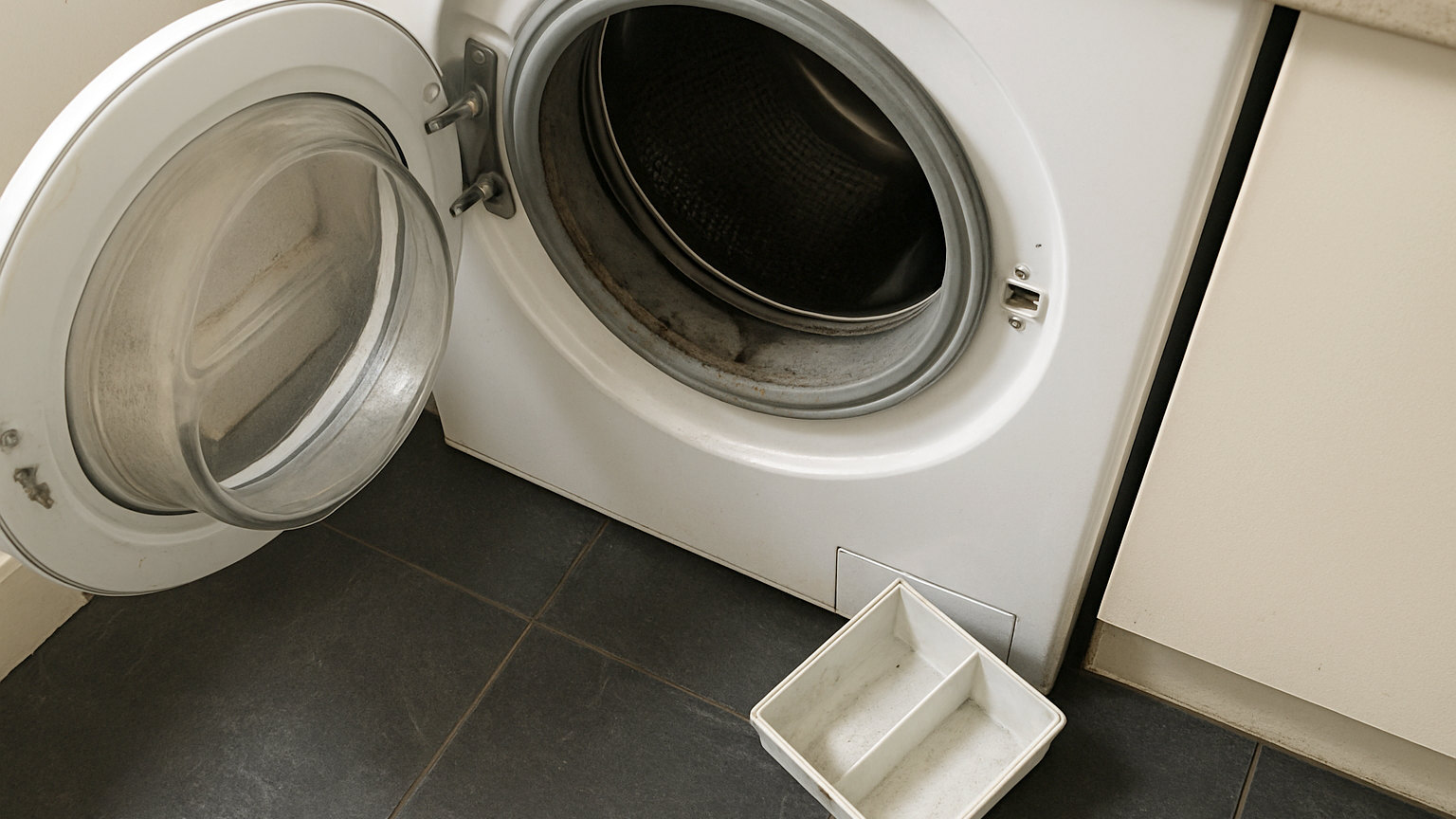
Most washing machines are retired early because of neglect rather than age, and the maintenance that prevents it takes about fifteen minutes a month.
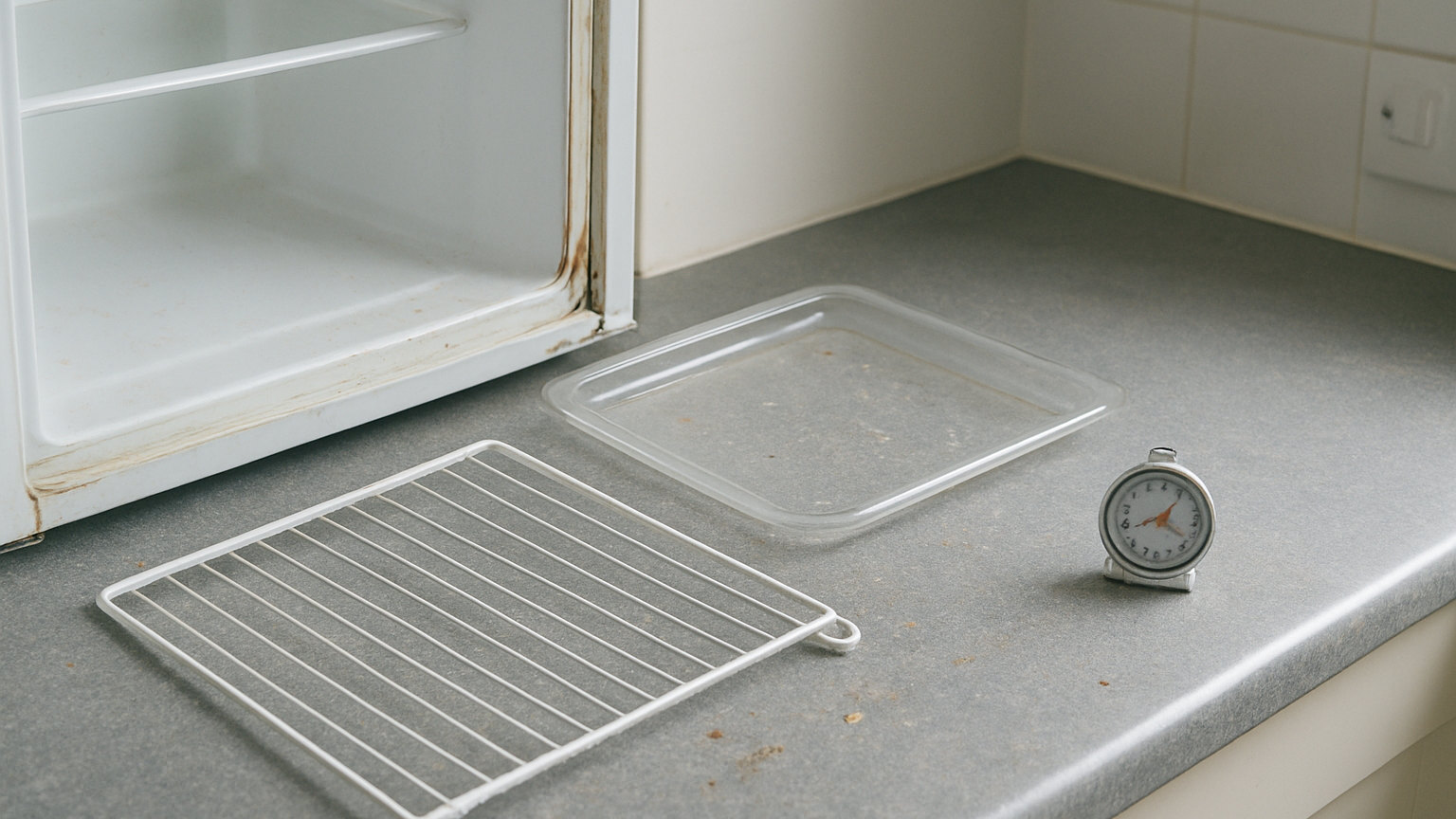
Where things go in a fridge is a food safety decision before it is a tidiness one, and raw meat on the bottom shelf is the rule that matters most.
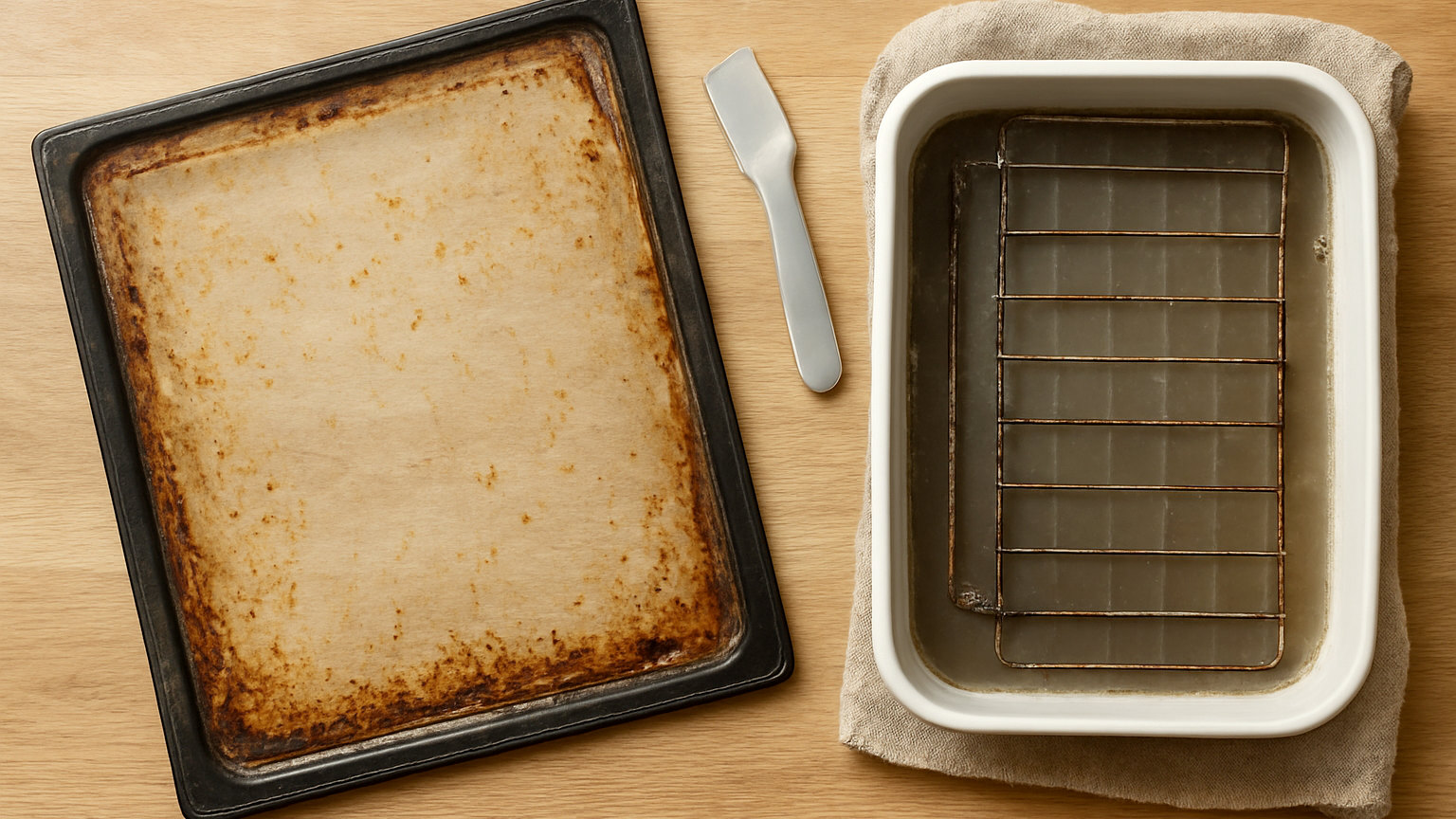
Almost everything that makes an oven hard to clean is a spill that was baked on repeatedly, and a liner or a lid prevents most of them.
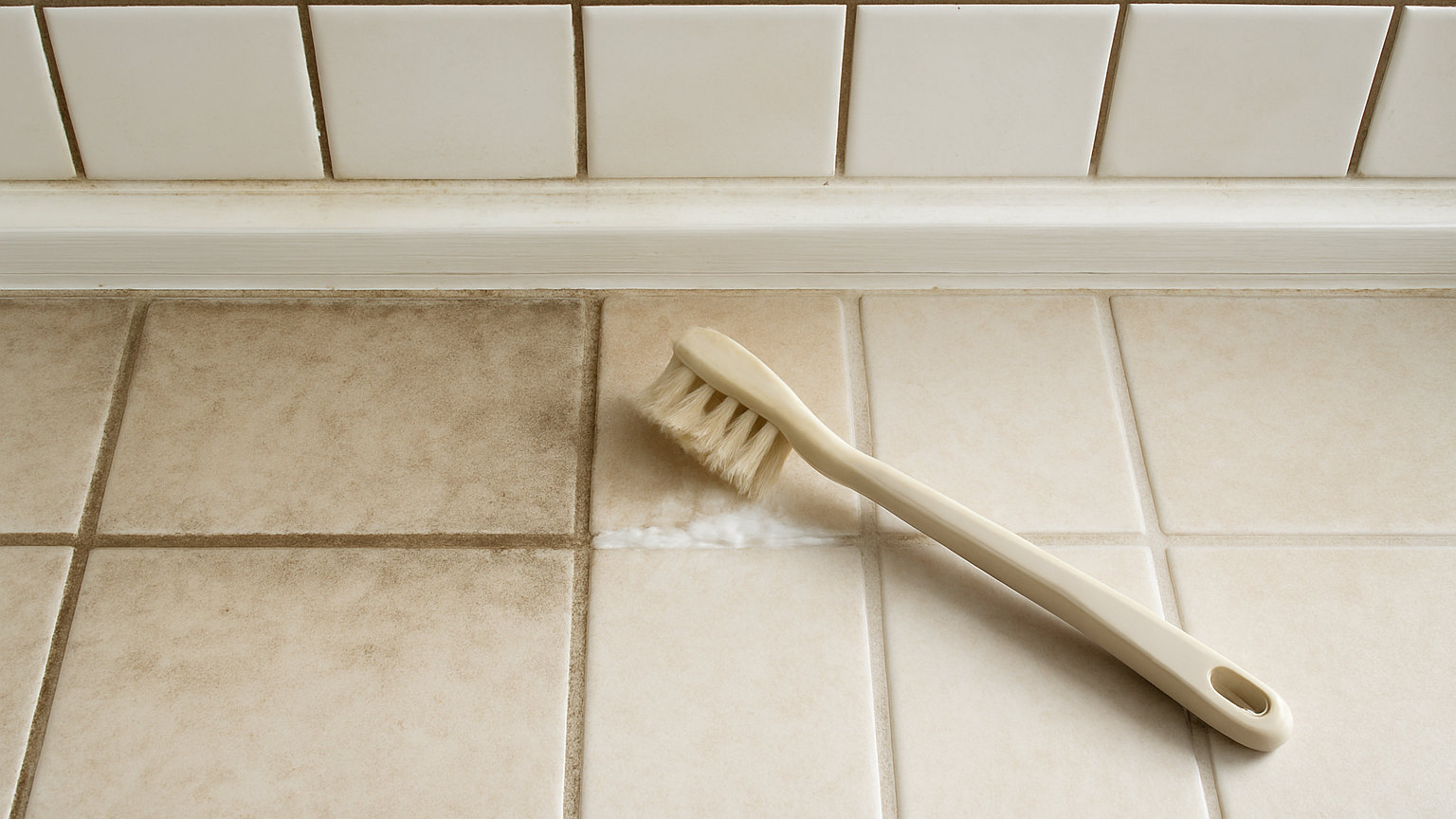
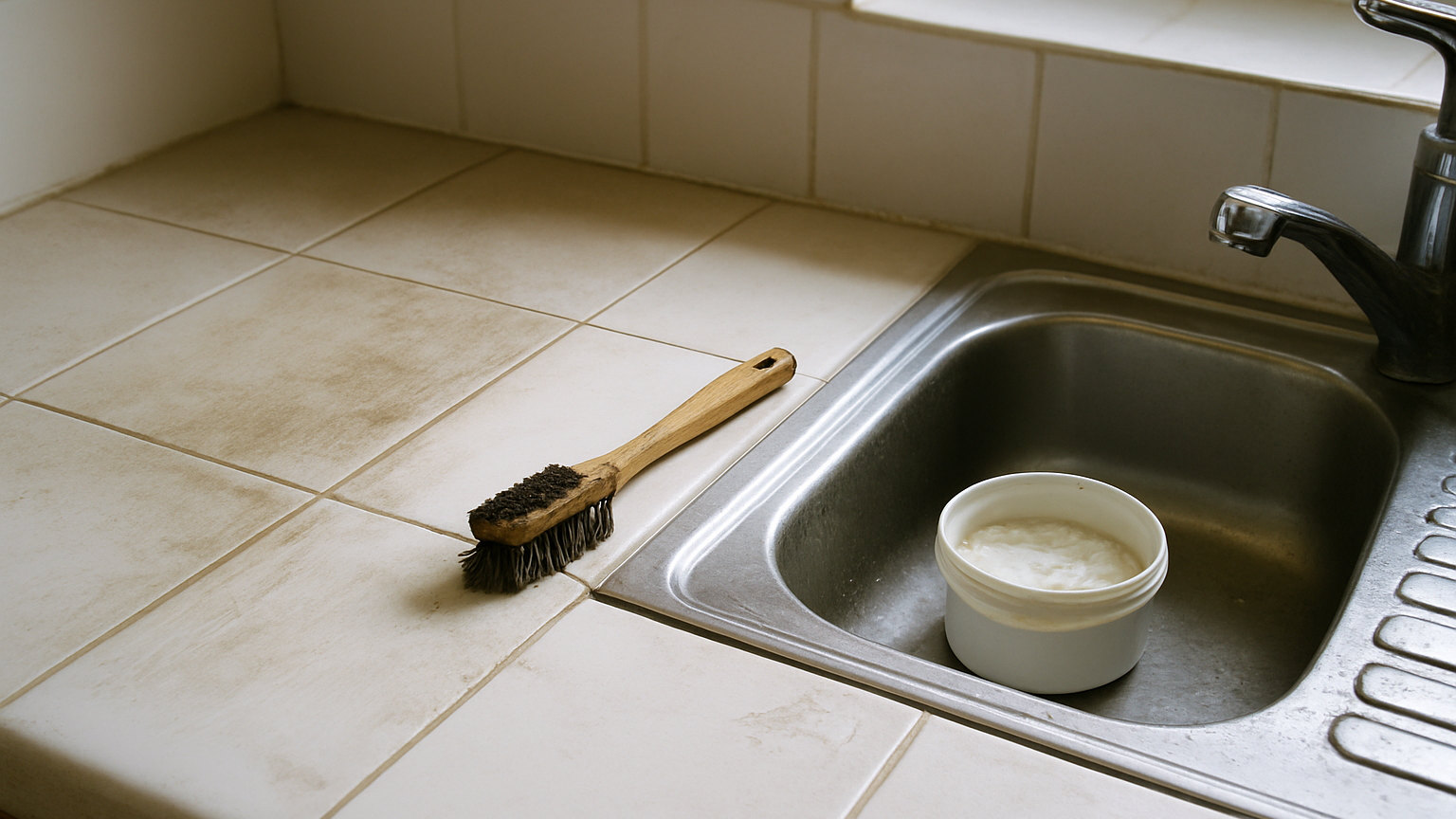
Tiles stay clean if water is not left to dry on them, which makes a squeegee and an extractor fan worth more than any product.
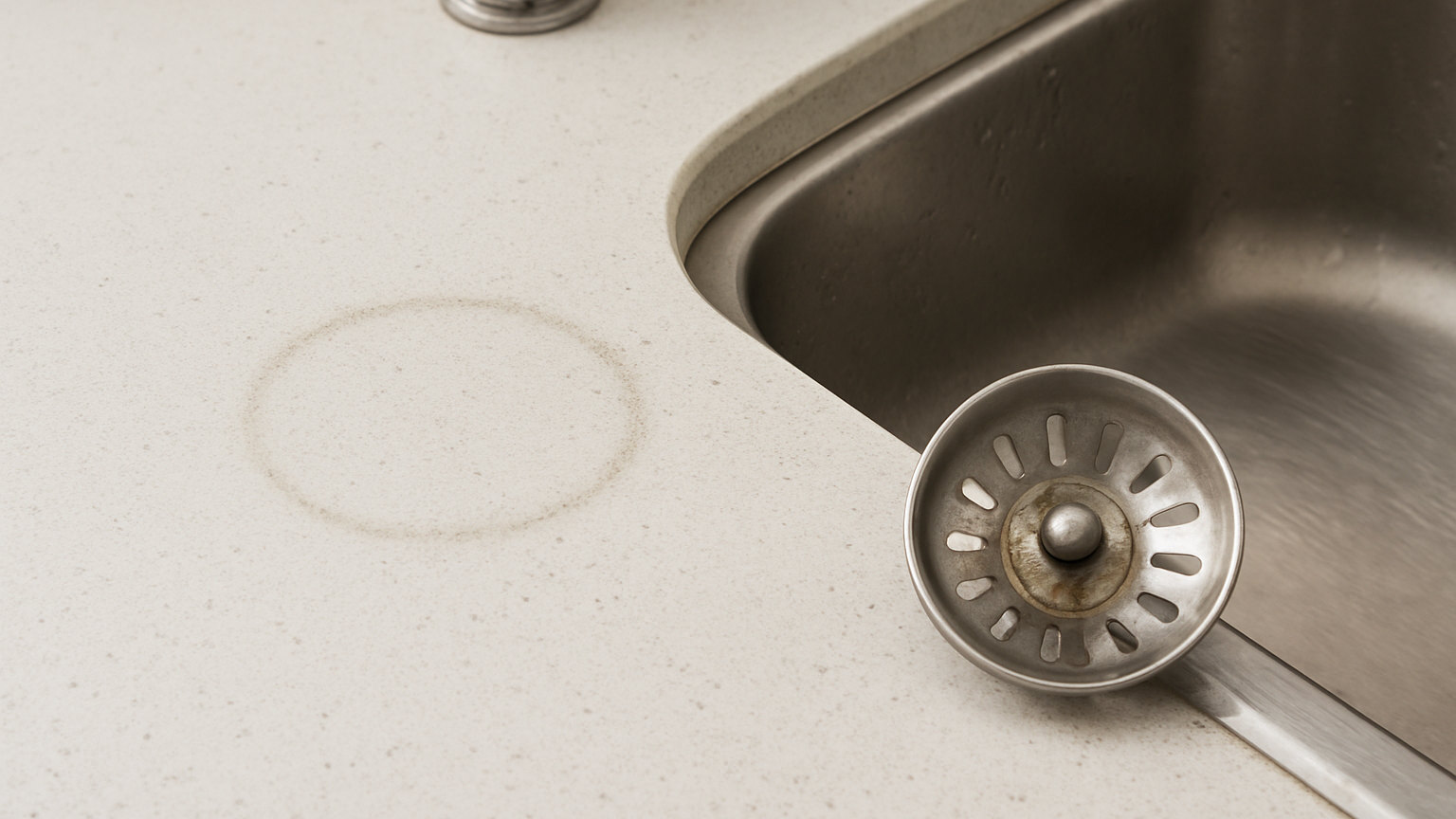
Four things cause almost all permanent worktop damage, and none of them is dirt.
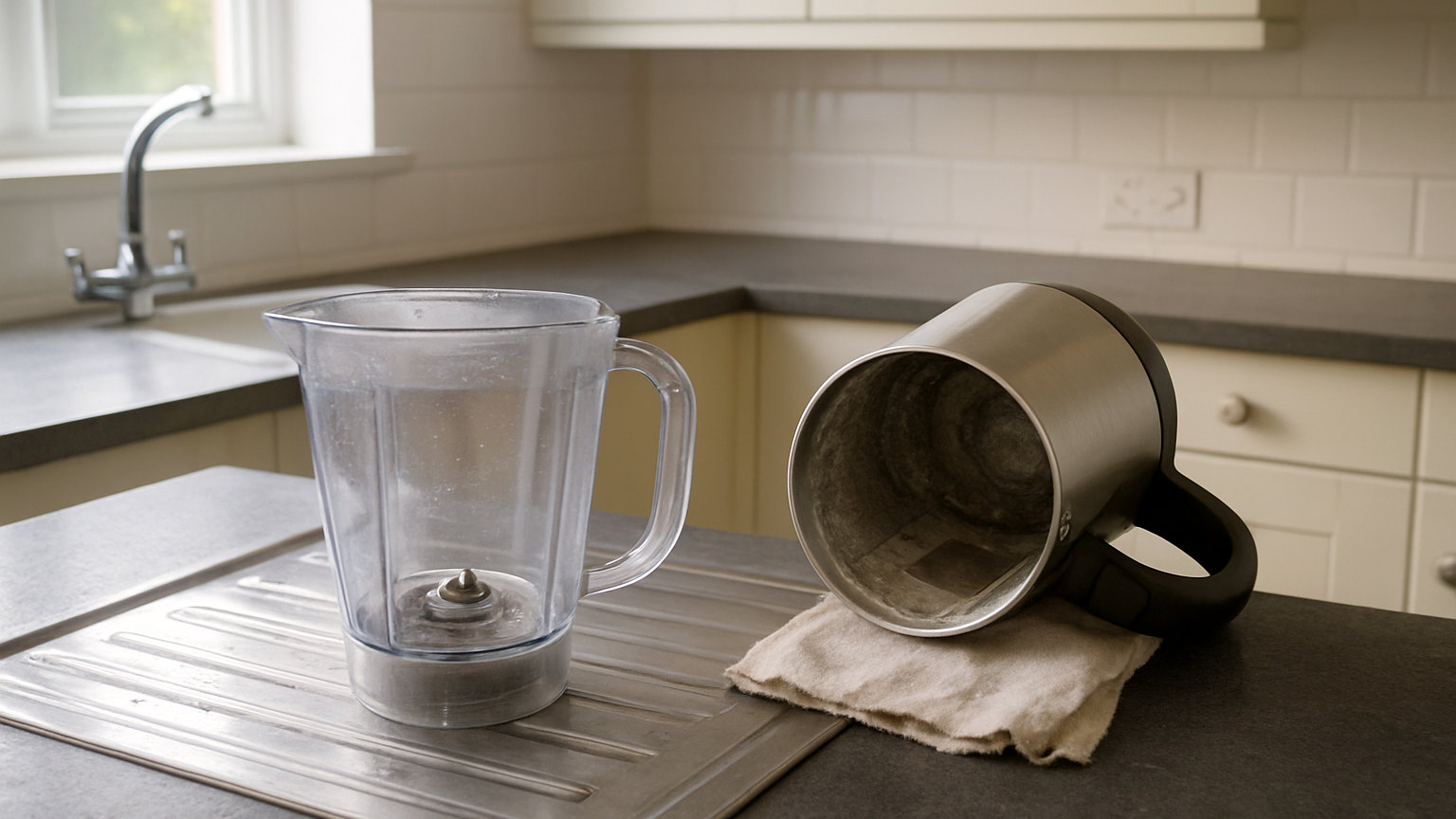
The rule is simpler than it looks: anything with a motor, a heating element or a bearing stays out, and most of the rest depends on the plastic.
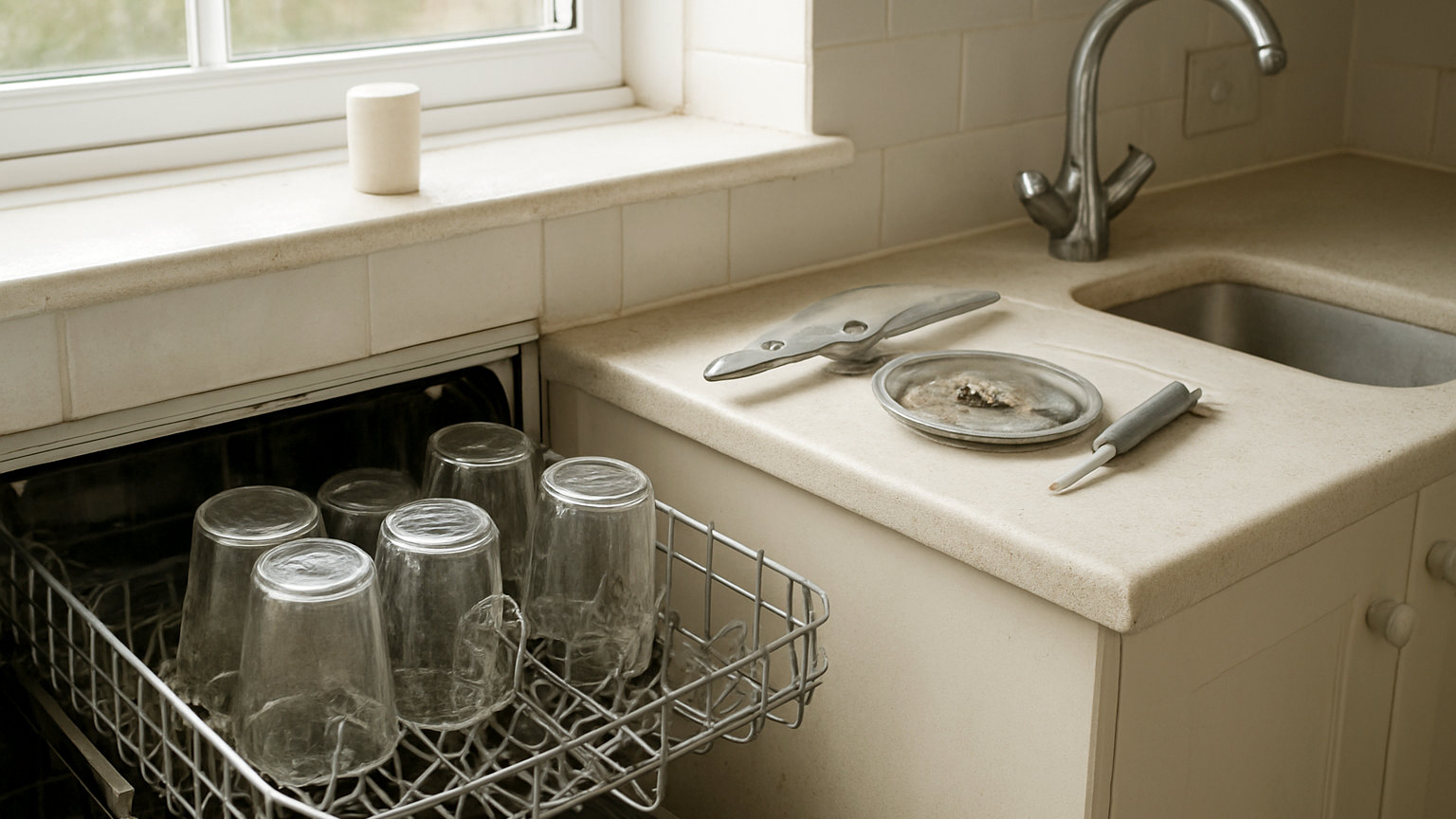
Weekly filter cleaning and a monthly hot cycle prevent almost every fault a dishwasher develops, and neither takes more than ten minutes.
Yes, and the same applies to the detergent drawer, because both need airflow to dry and a closed machine stays damp indefinitely.
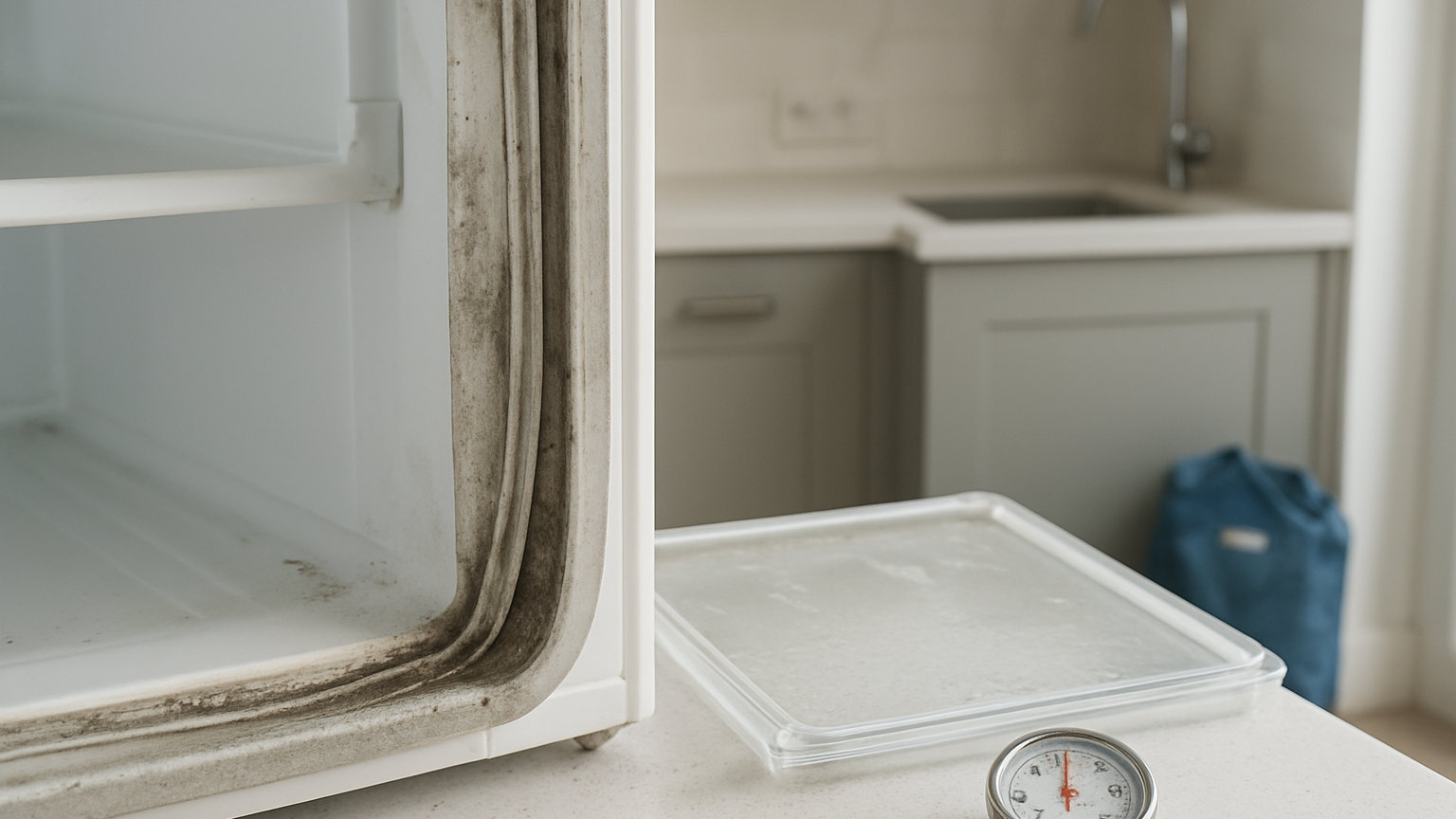
A fridge left switched off with the door closed grows mould within a fortnight, and it is one of the least pleasant things to come home to.
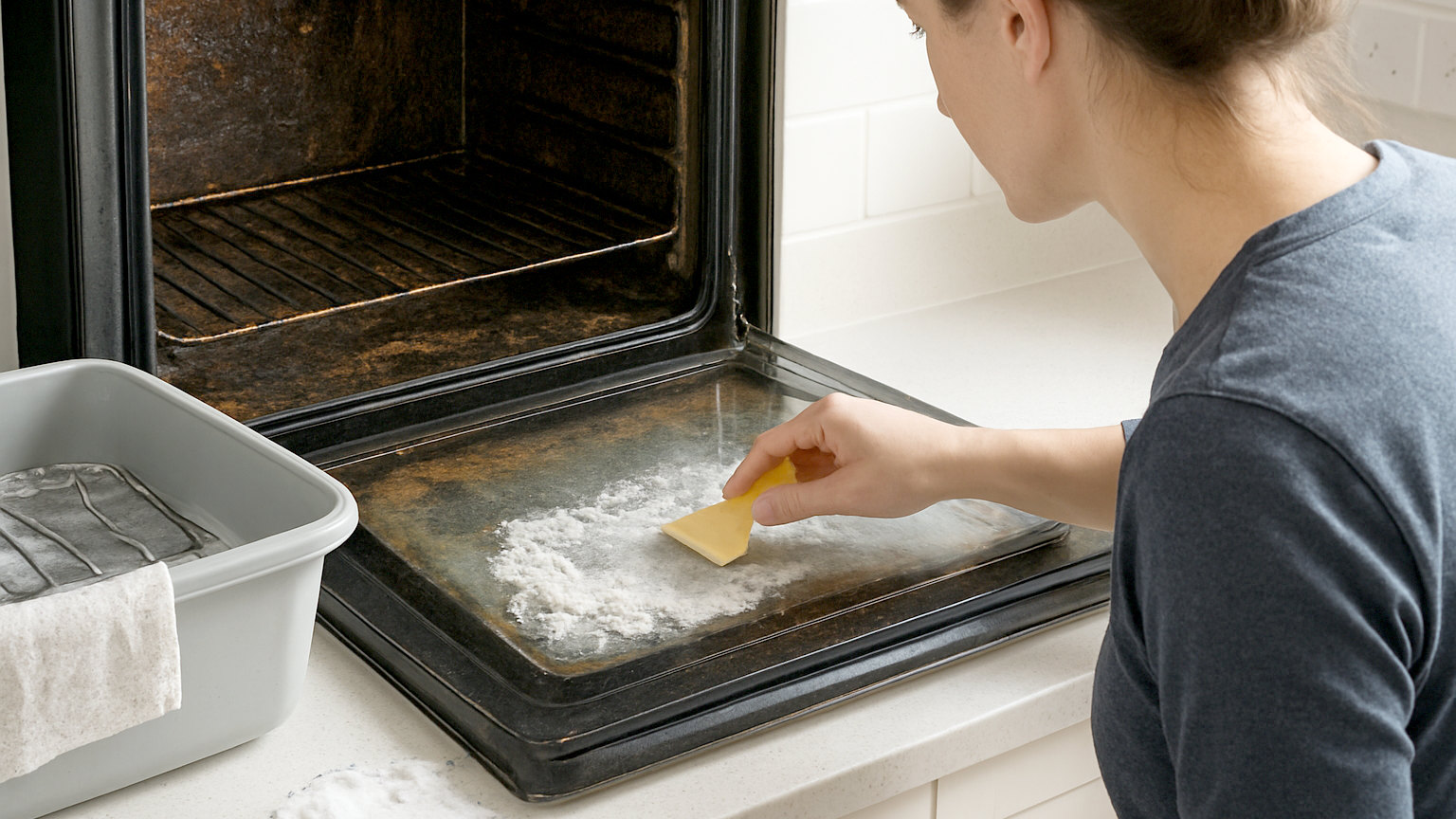
A badly neglected oven is a sequence of soaking jobs run in parallel, and the whole thing takes an evening and a morning rather than one long session.
Streaks are almost always detergent residue or dirty water, which means the fix is less product and more frequent water changes.