What Should Be in a Stain Removal Kit?
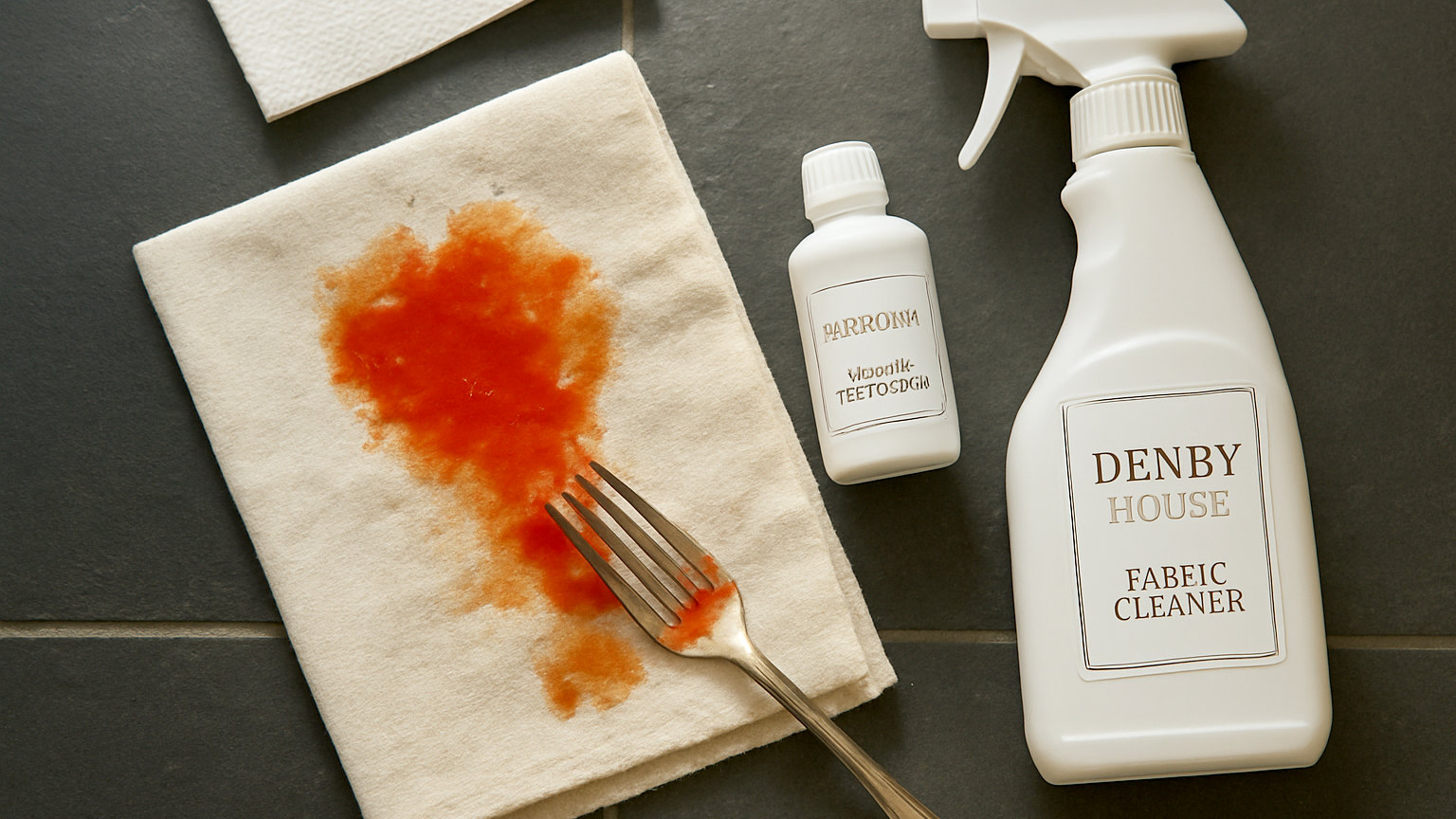
Six inexpensive items handle the great majority of household stains, and most of them are already somewhere in the house.
By Cleaning Guides Team
20 Jul 2026

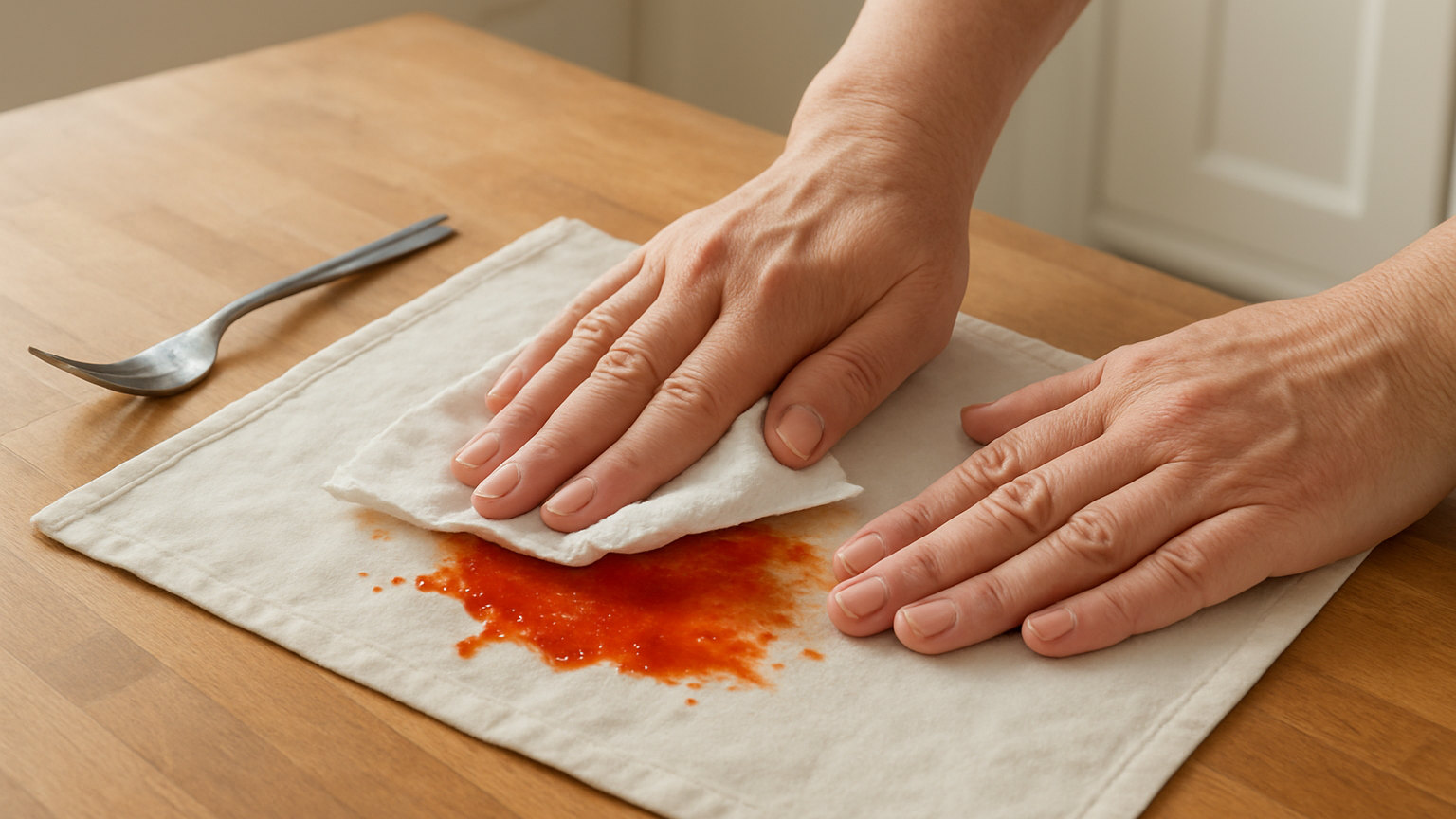
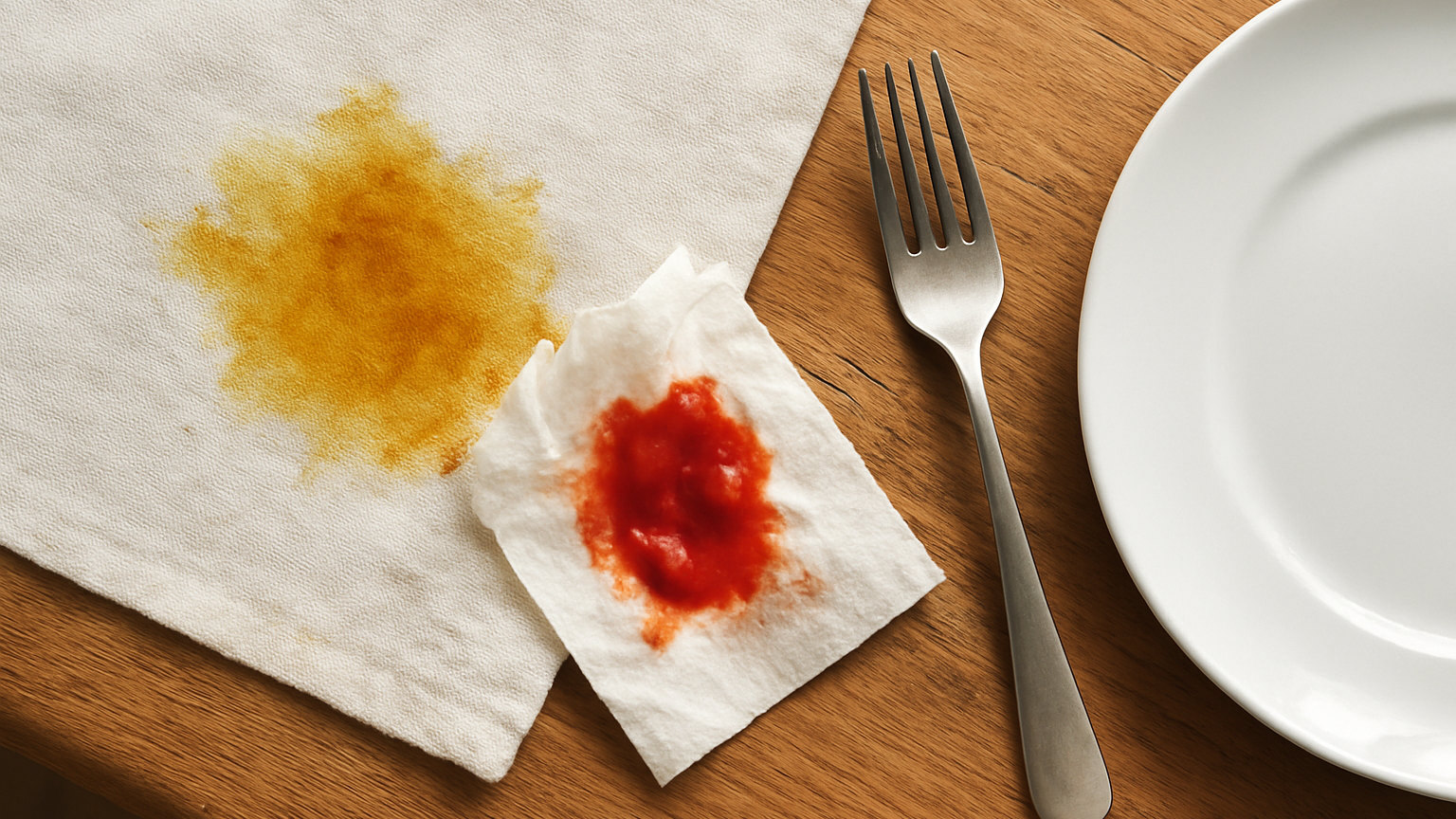
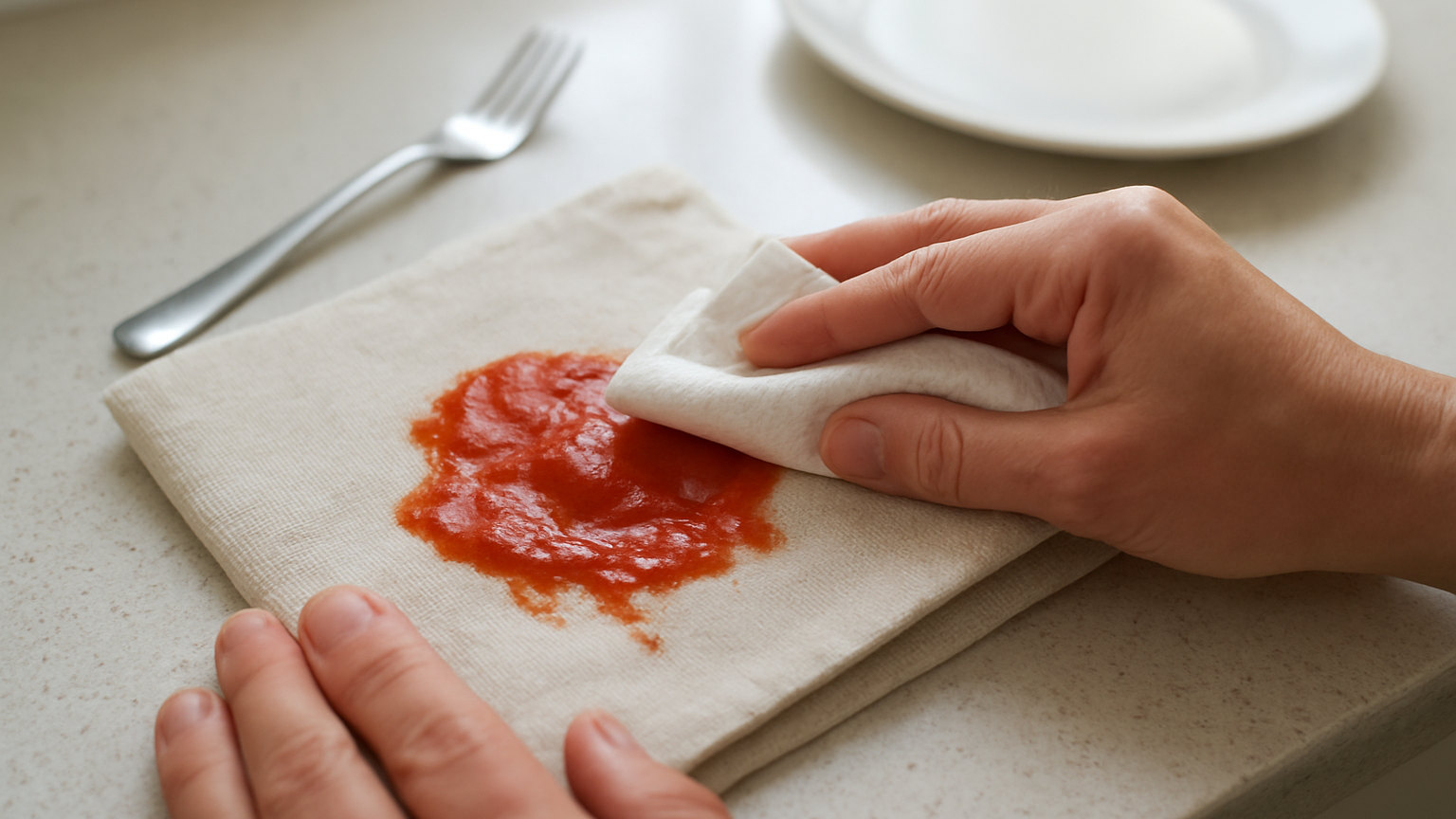
Tomato, curry, chocolate, fruit juice and the food stains that respond to cold water.
Six inexpensive items handle the great majority of household stains, and most of them are already somewhere in the house.
Carpet cannot be rinsed, so every treatment has to put in the least moisture possible and take most of it back out again.
A tablecloth after a meal has several different stains on it at once, which makes soaking the whole cloth more effective than treating each mark.
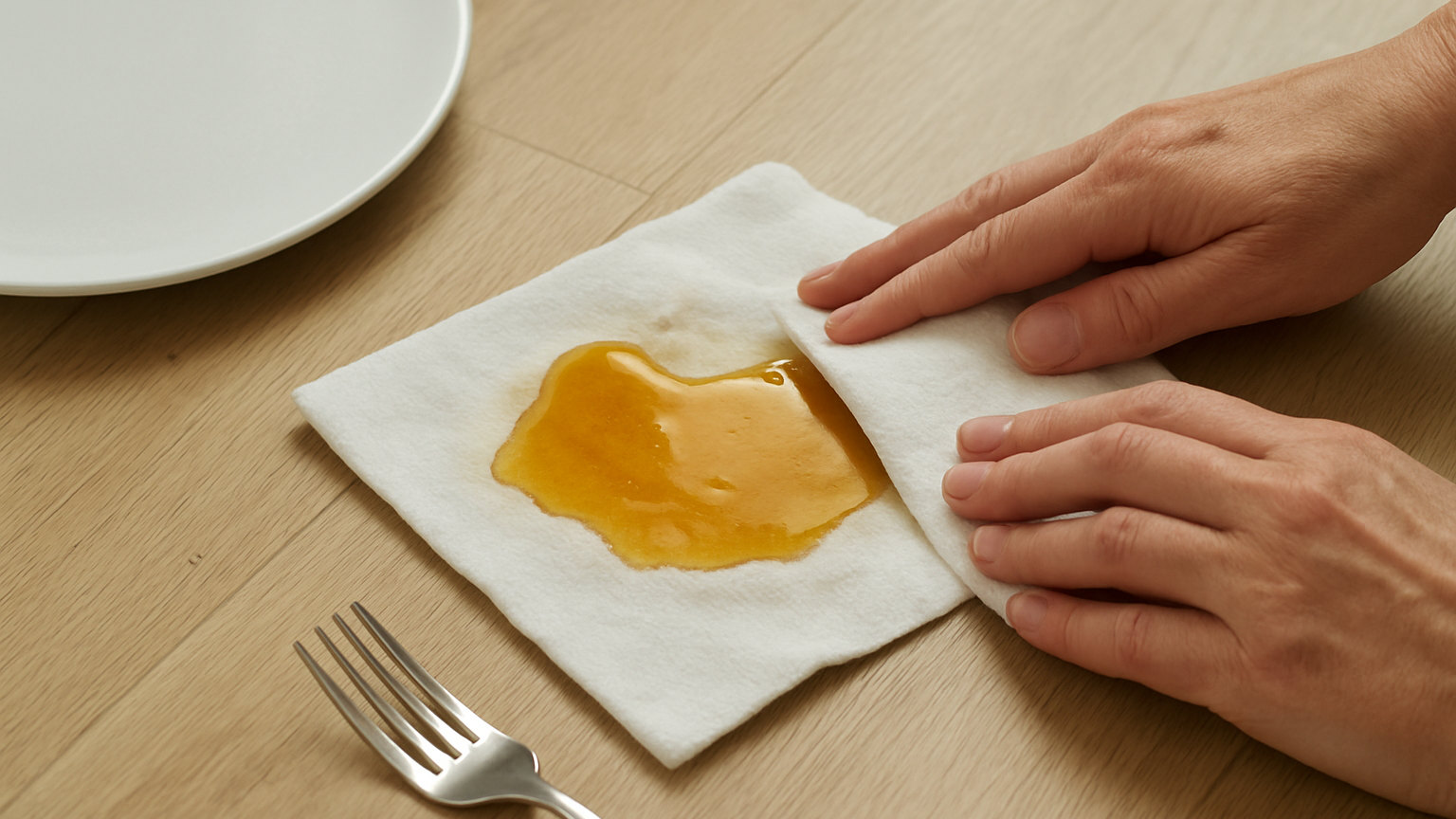
Sugar stains dissolve in warm water almost effortlessly, which makes them among the easiest marks to remove and the easiest to make permanent.
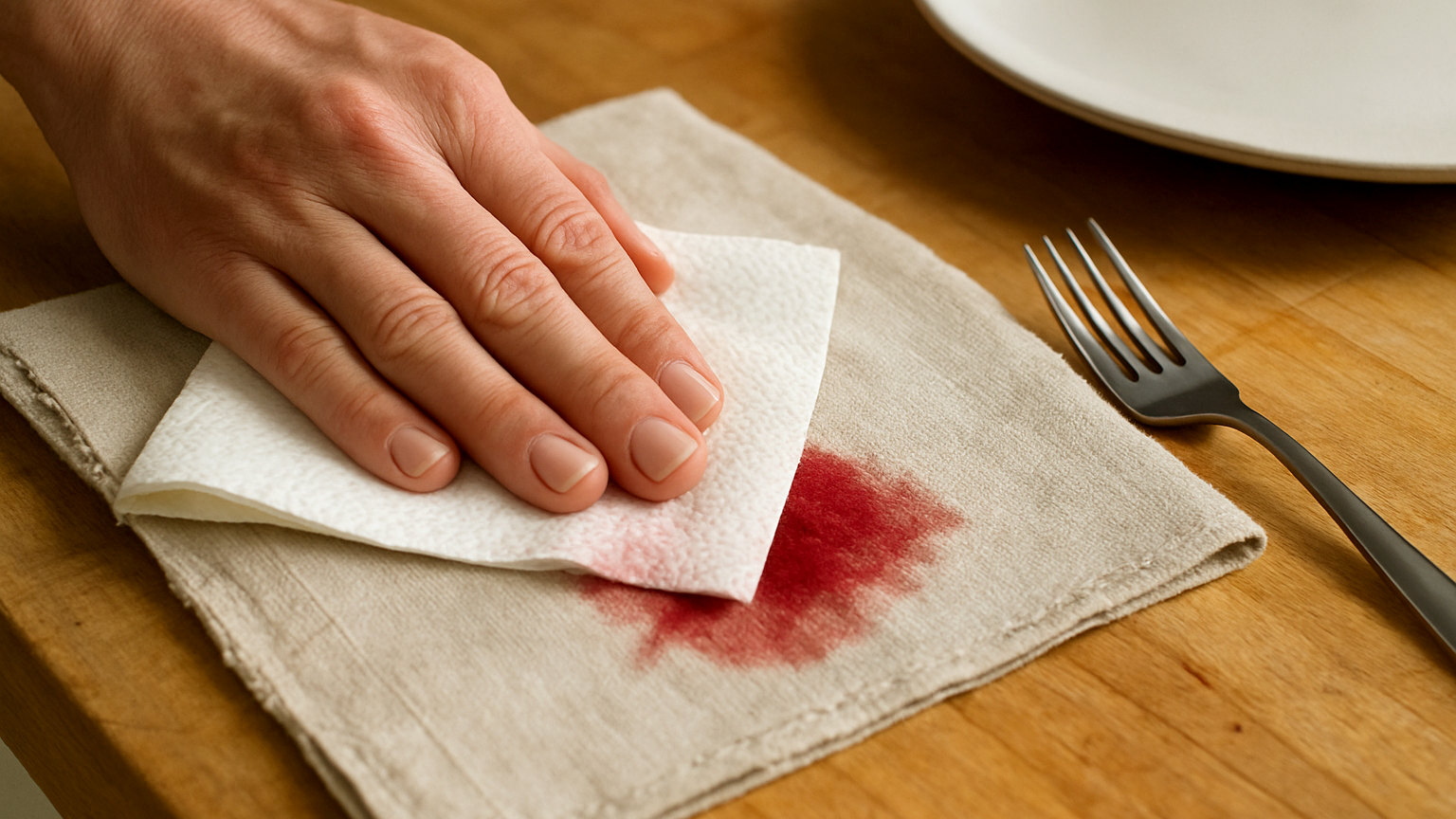
Beetroot has one of the strongest natural pigments in any food, and it is water soluble, which means speed beats strength every time.
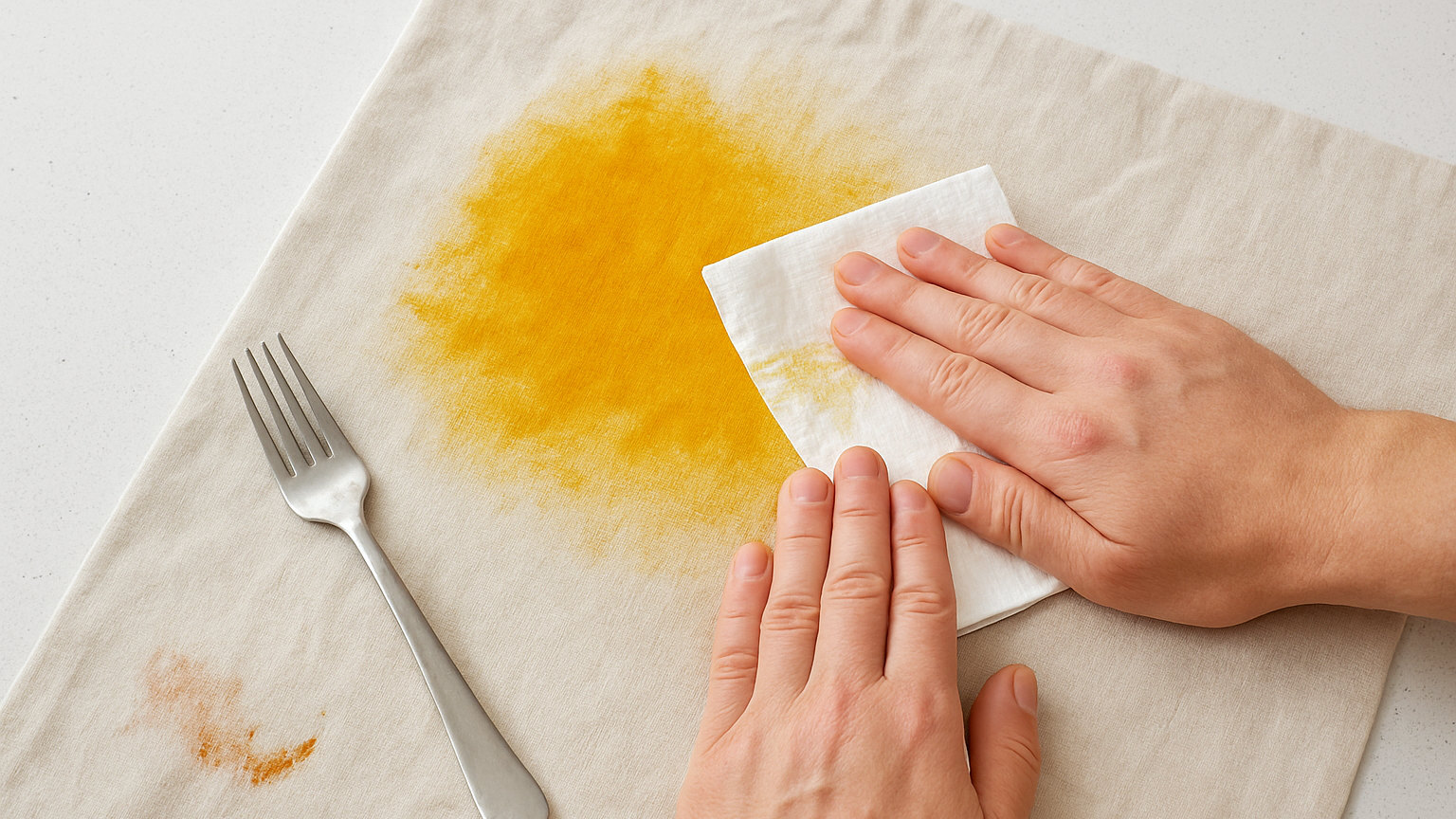
Turmeric is a dye rather than a stain, which is why detergent barely touches it and a few hours of daylight does more than an hour of scrubbing.
Gravy is fat, protein and pigment together, which is why the order of treatment matters more than the products used.
Gum is a rubber that stays sticky at room temperature, so the whole technique is about changing its temperature rather than dissolving it.
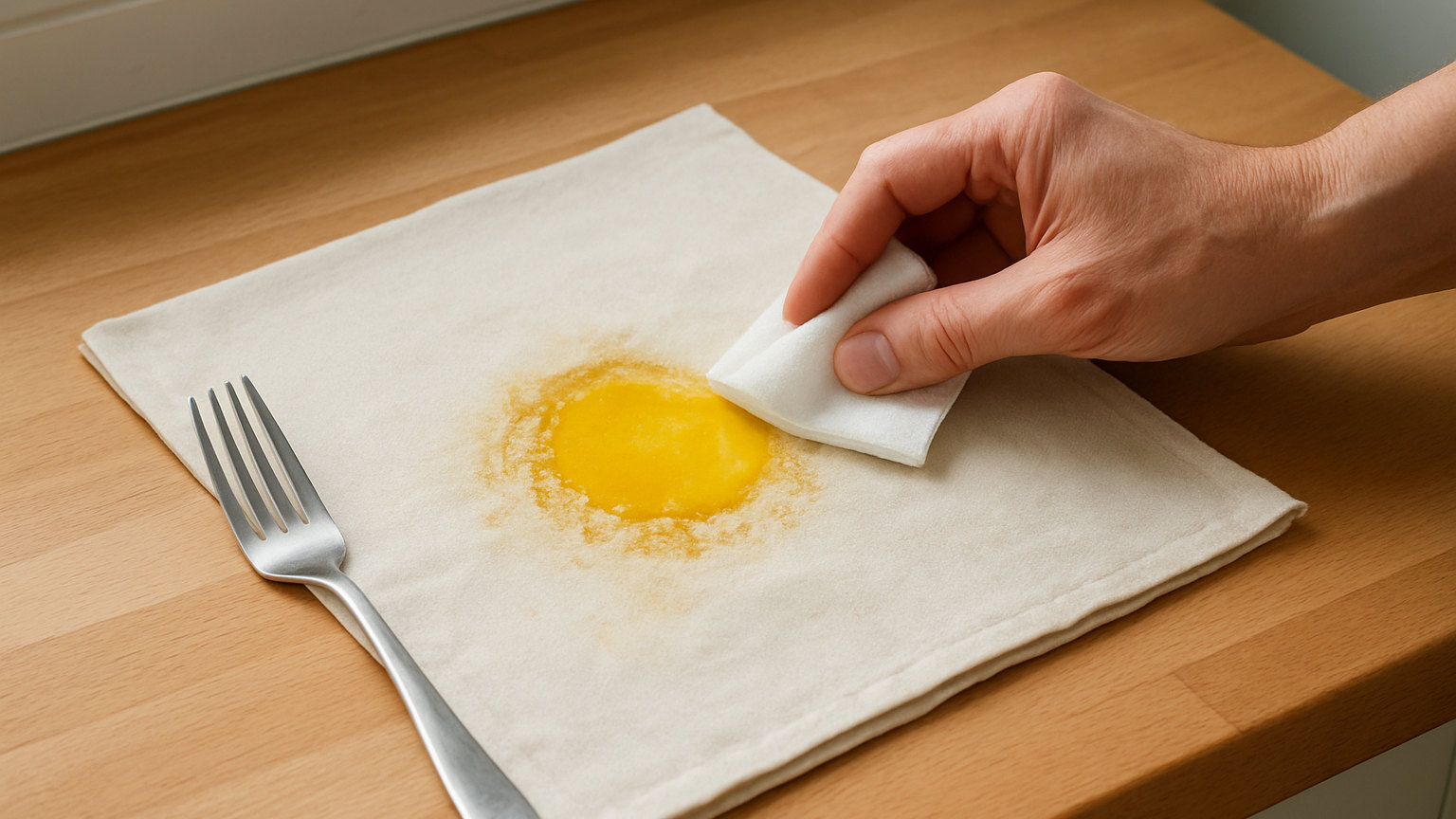
Egg is the purest protein stain there is, and the same heat that cooks it in a pan will cook it into the fibres of a shirt.
Milk leaves almost no visible mark and a considerable smell, and the reason both linger is that hot water turns the protein solid in the fibre.
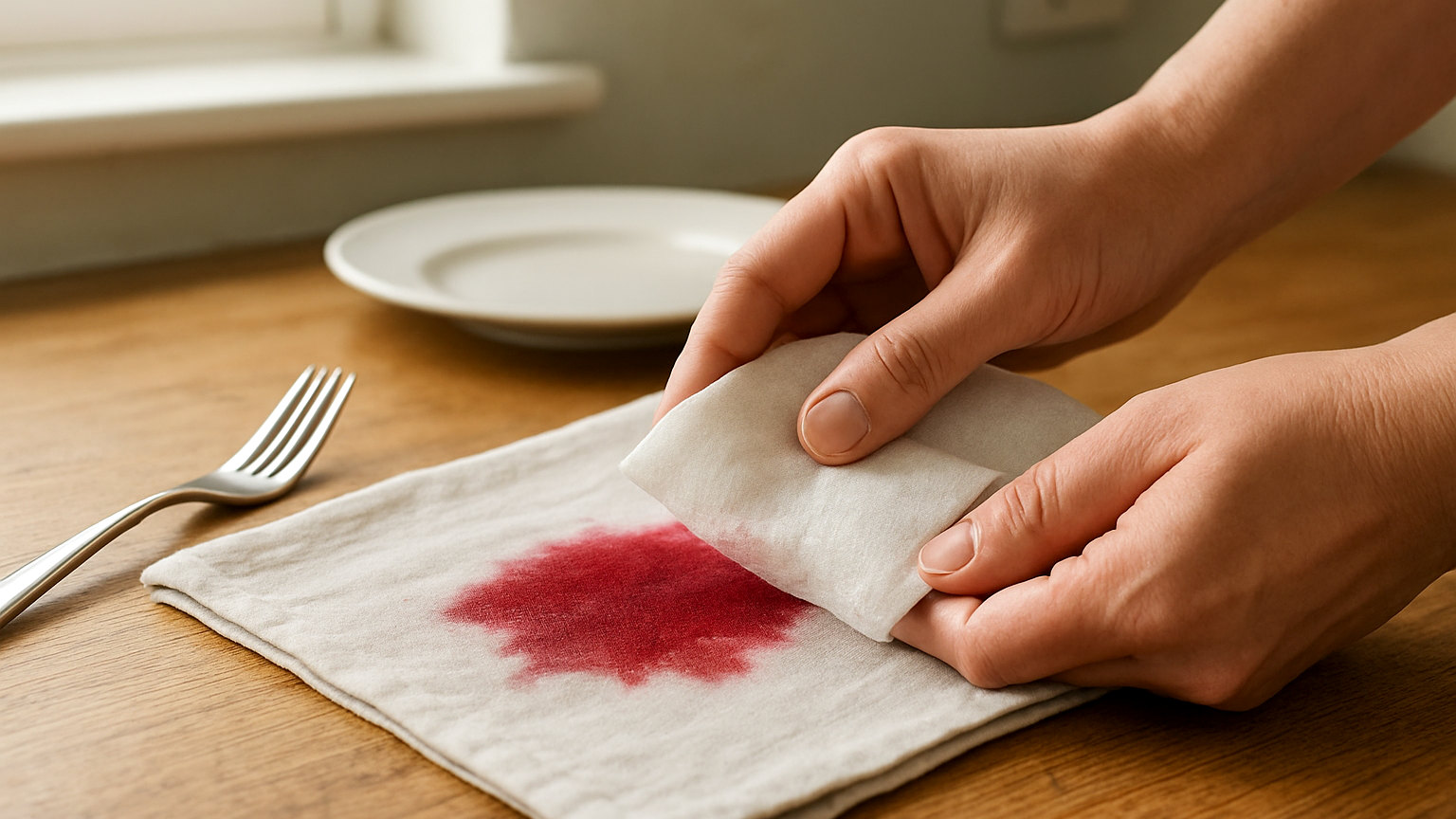
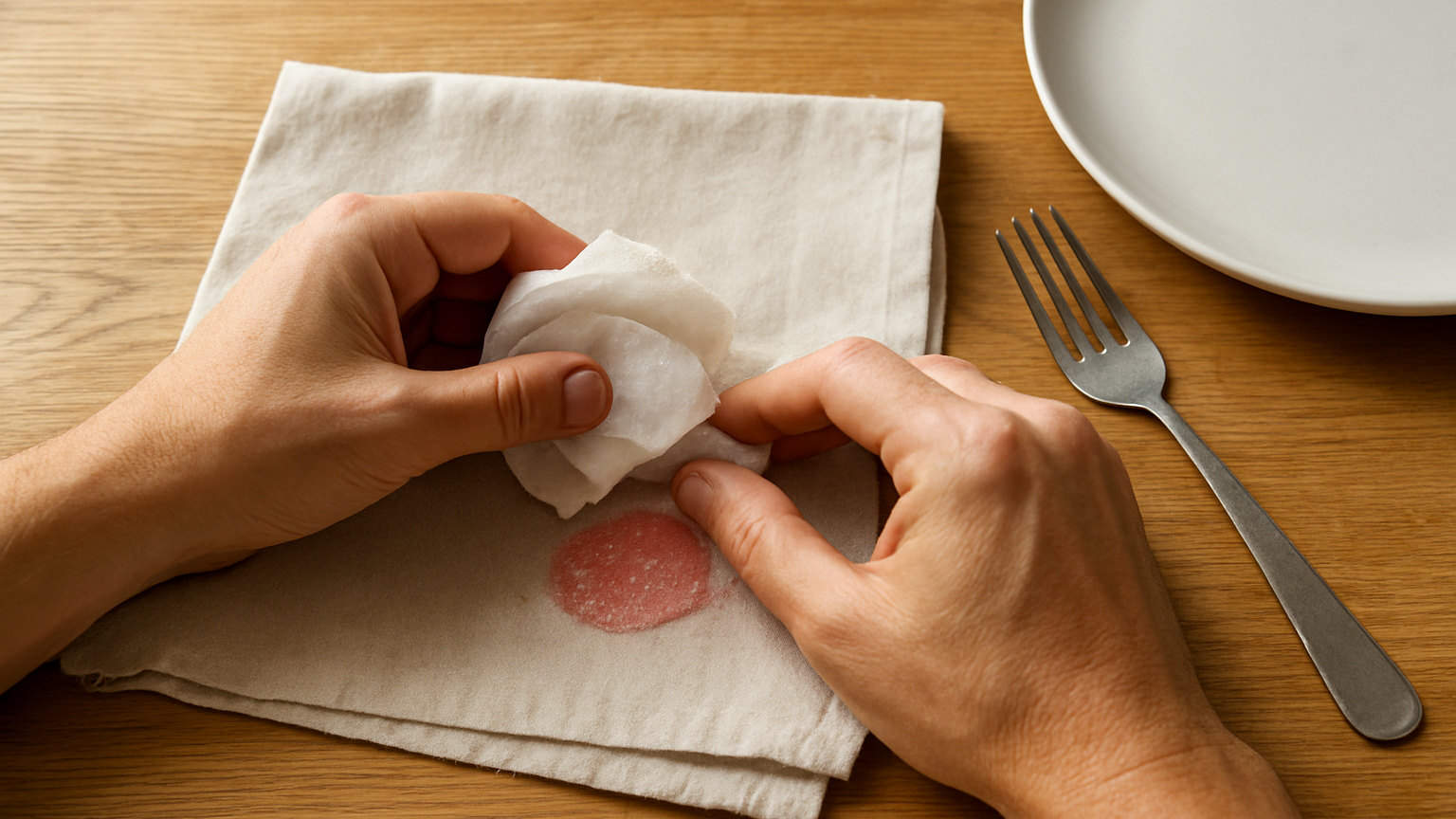
Fruit stains are water soluble when fresh and oxidise into something far harder within hours, which makes speed more important than technique.
Both stains combine a strong pigment with oil, and turmeric in particular is a dye rather than a stain, which is why sunlight works better than scrubbing.