How Do You Remove Pet Stains From a Mattress?
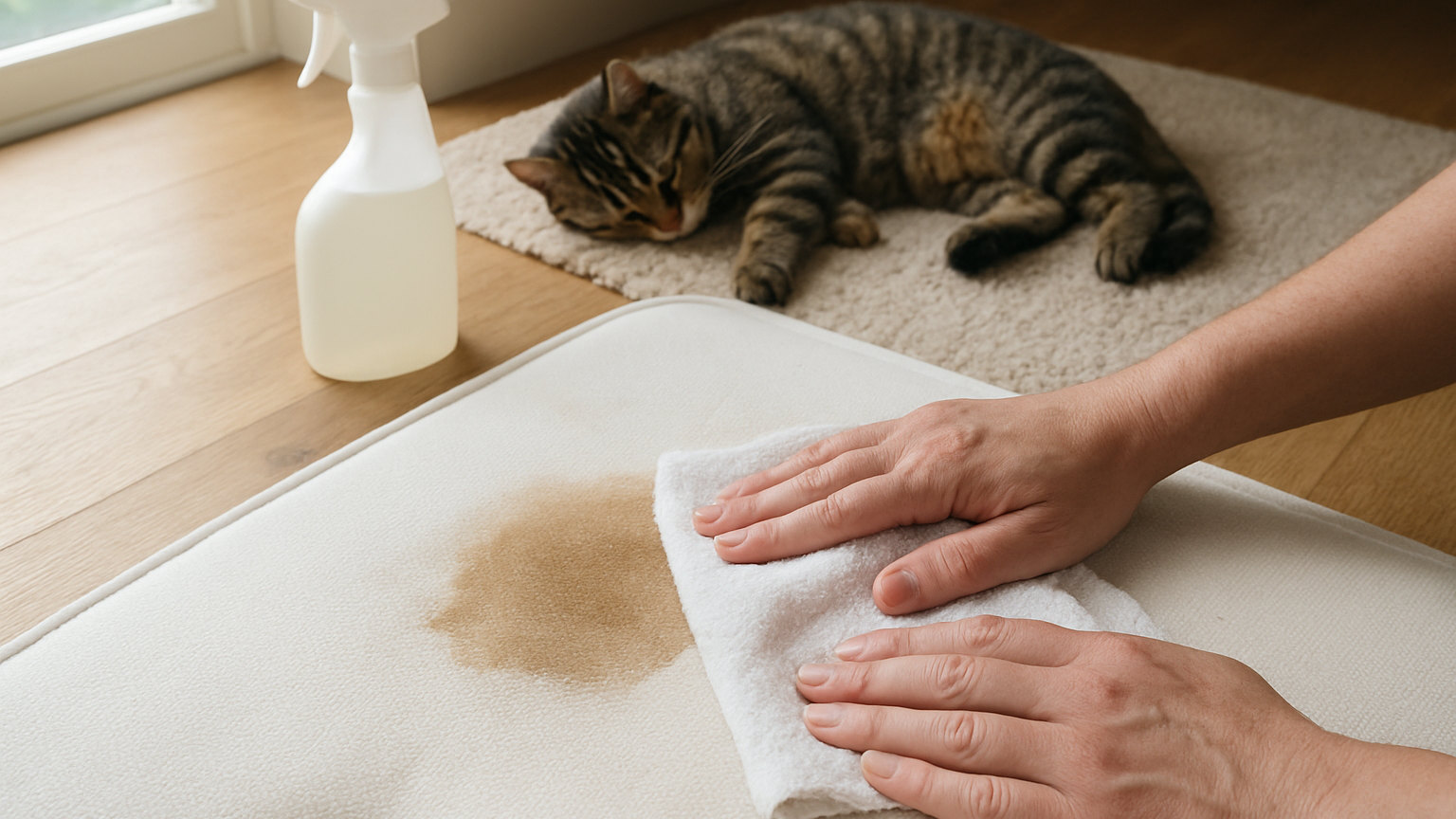
A mattress cannot be rinsed and takes days to dry, which makes a pet accident on one the hardest version of an already difficult stain.
By Cleaning Guides Team
27 Nov 2025

Stain removal is mostly about doing the right thing in the first five minutes and not doing the wrong thing at all. These guides are organised by what caused the mark rather than by product, because the chemistry differs: protein stains need cold water, grease needs the opposite, and heat sets several of them permanently. Every guide says what to do first, what to avoid, and when a stain is not coming out.
A mattress cannot be rinsed and takes days to dry, which makes a pet accident on one the hardest version of an already difficult stain.
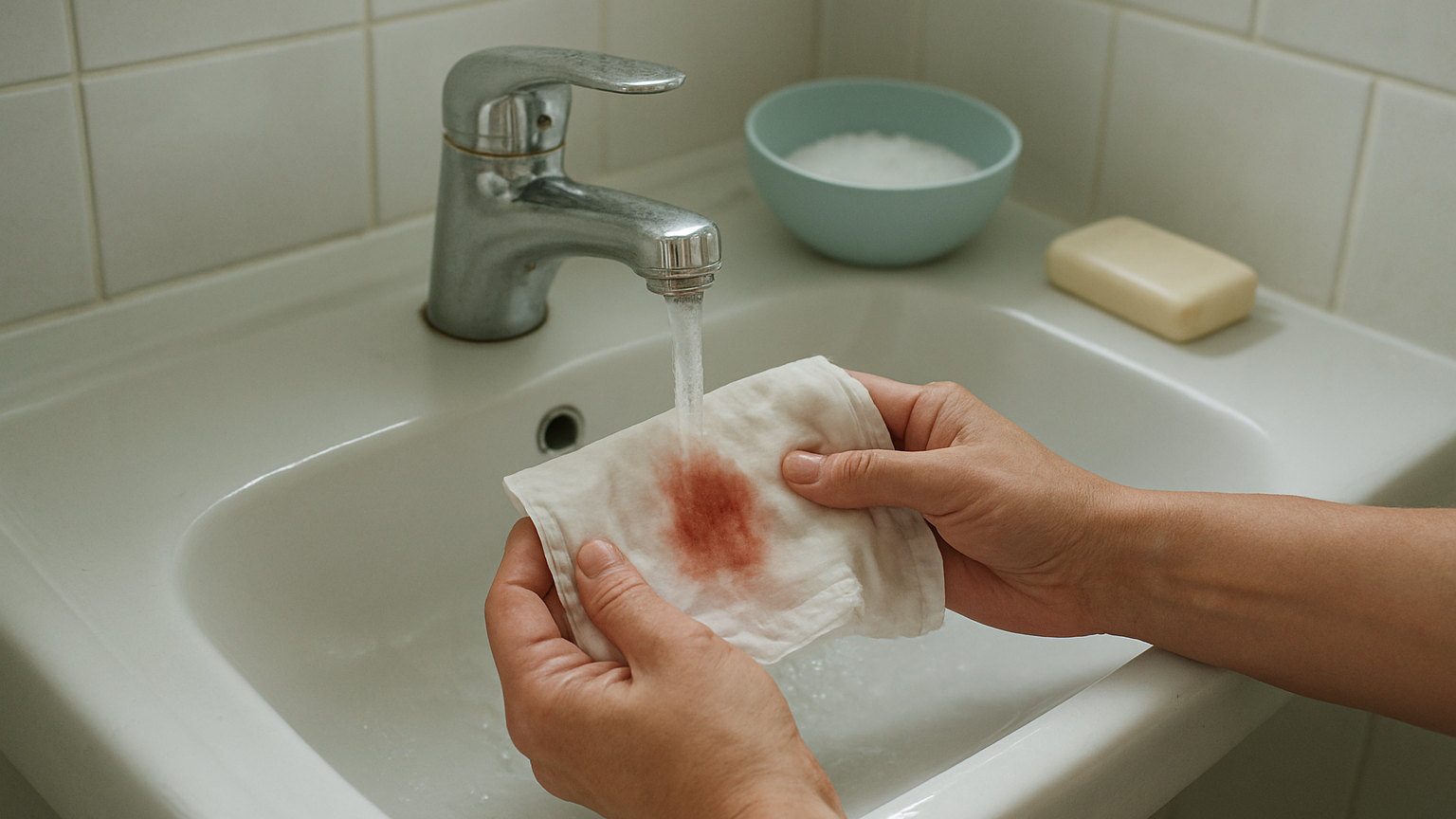
Bedding is the easiest place to remove blood from, because sheets can be soaked and cotton tolerates everything, provided nothing gets heated first.
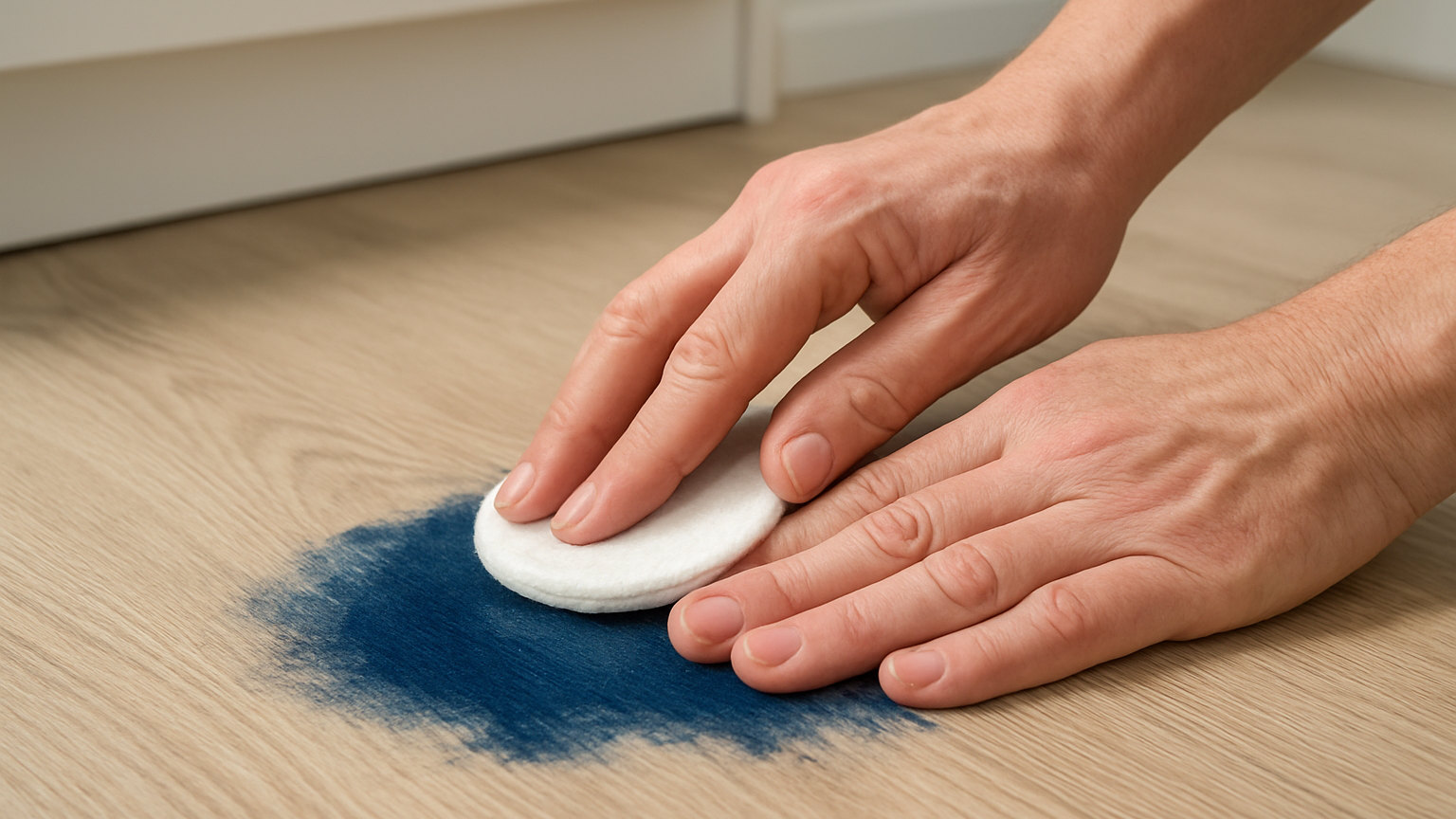
Indigo sits on the surface of the yarn rather than inside it, which is why denim fades attractively and transfers onto everything it touches.
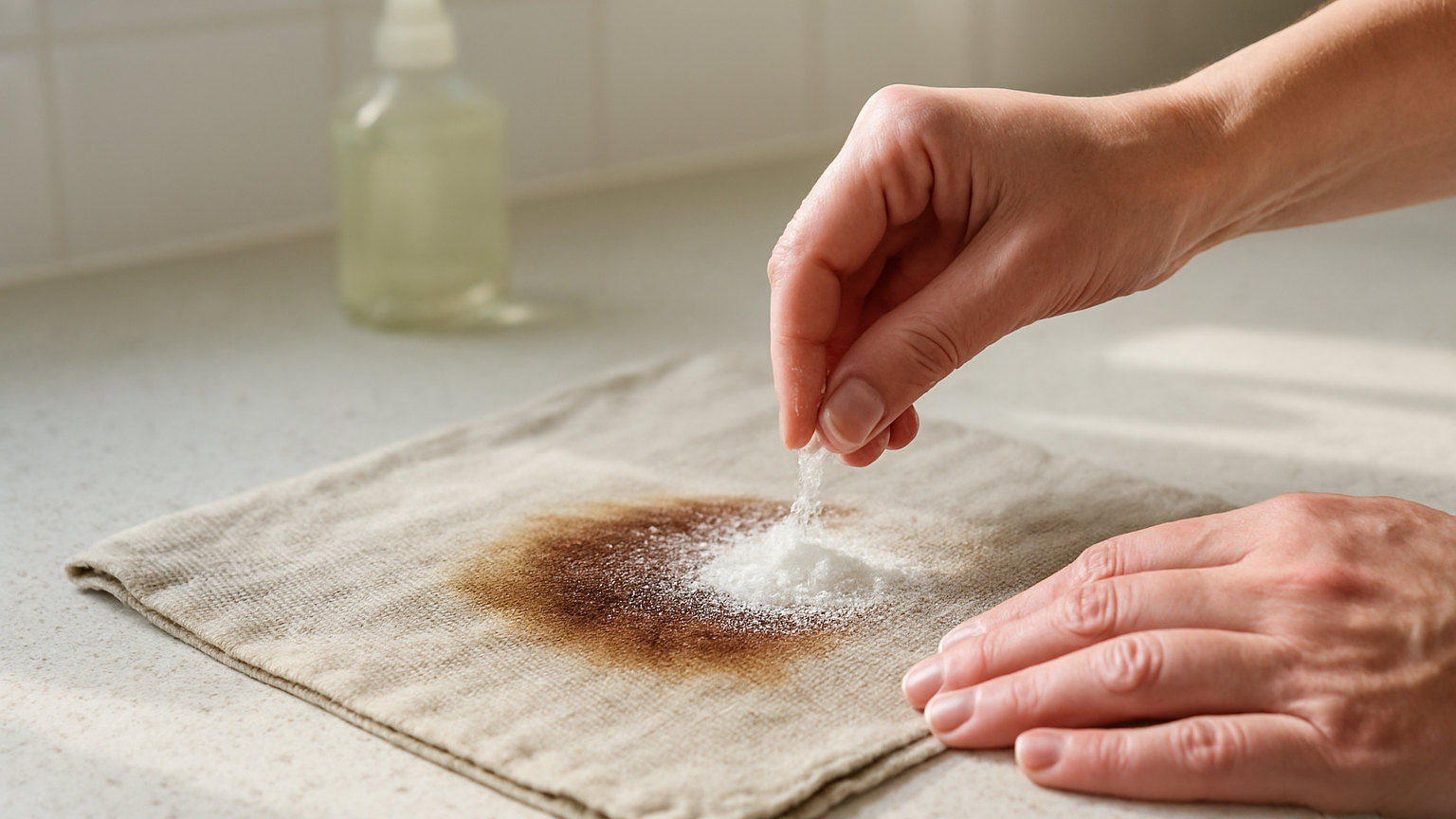
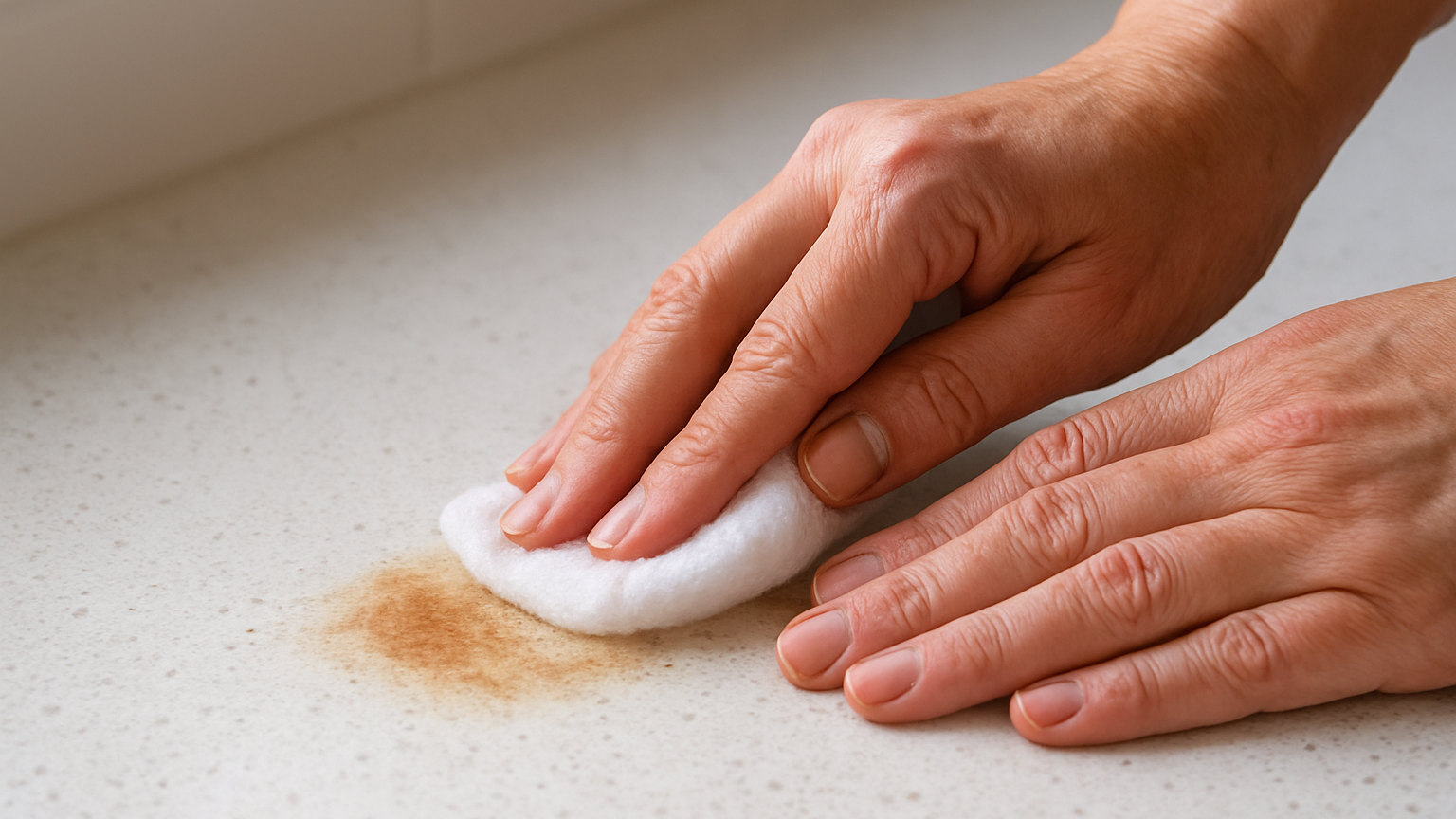
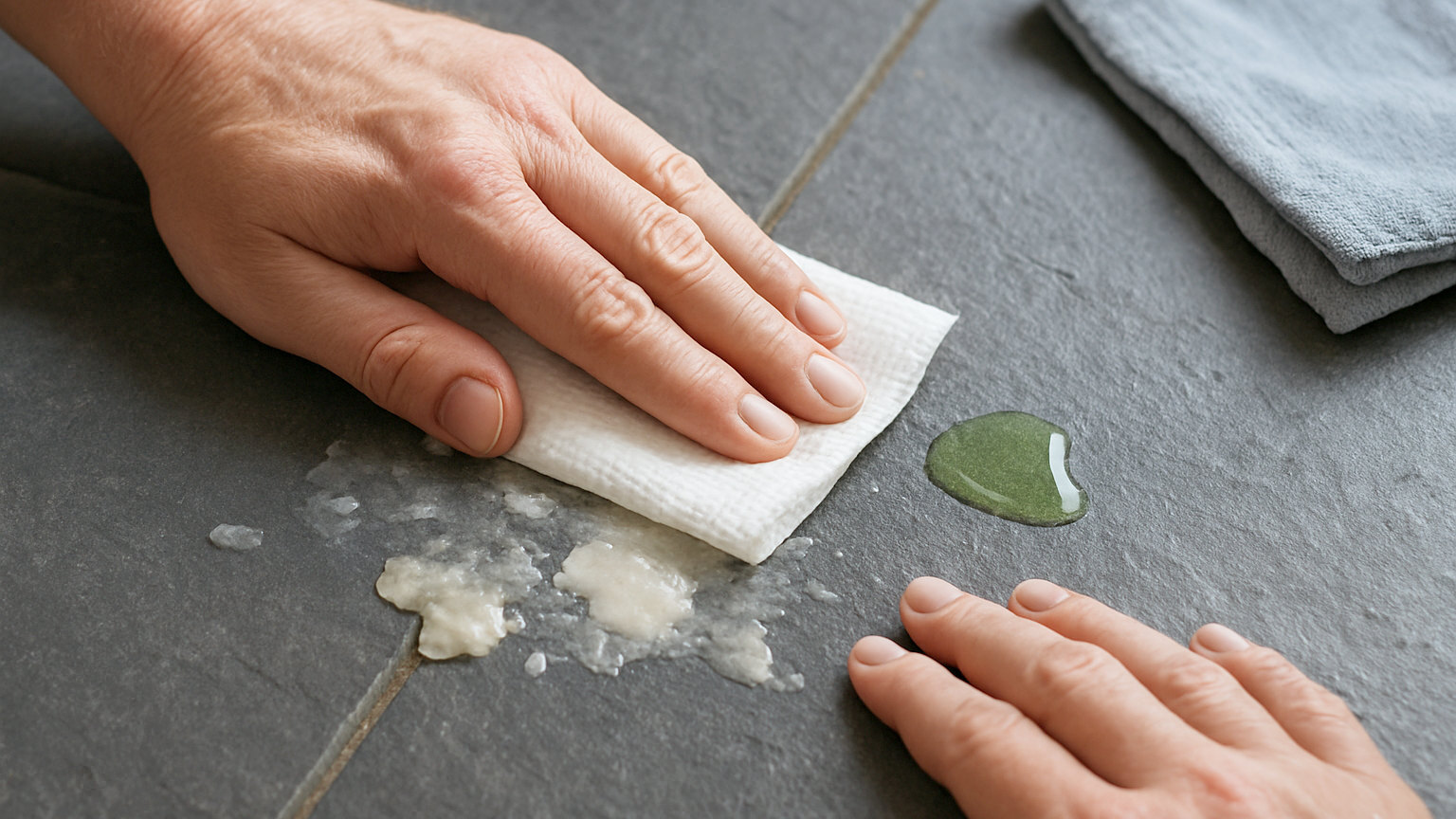
A greasy patch in carpet attracts dirt continuously, which is why the mark gets darker over the weeks after the original spill.
Tannins oxidise on contact with air, which means a tea or wine mark is chemically different by the next morning and needs a different treatment.
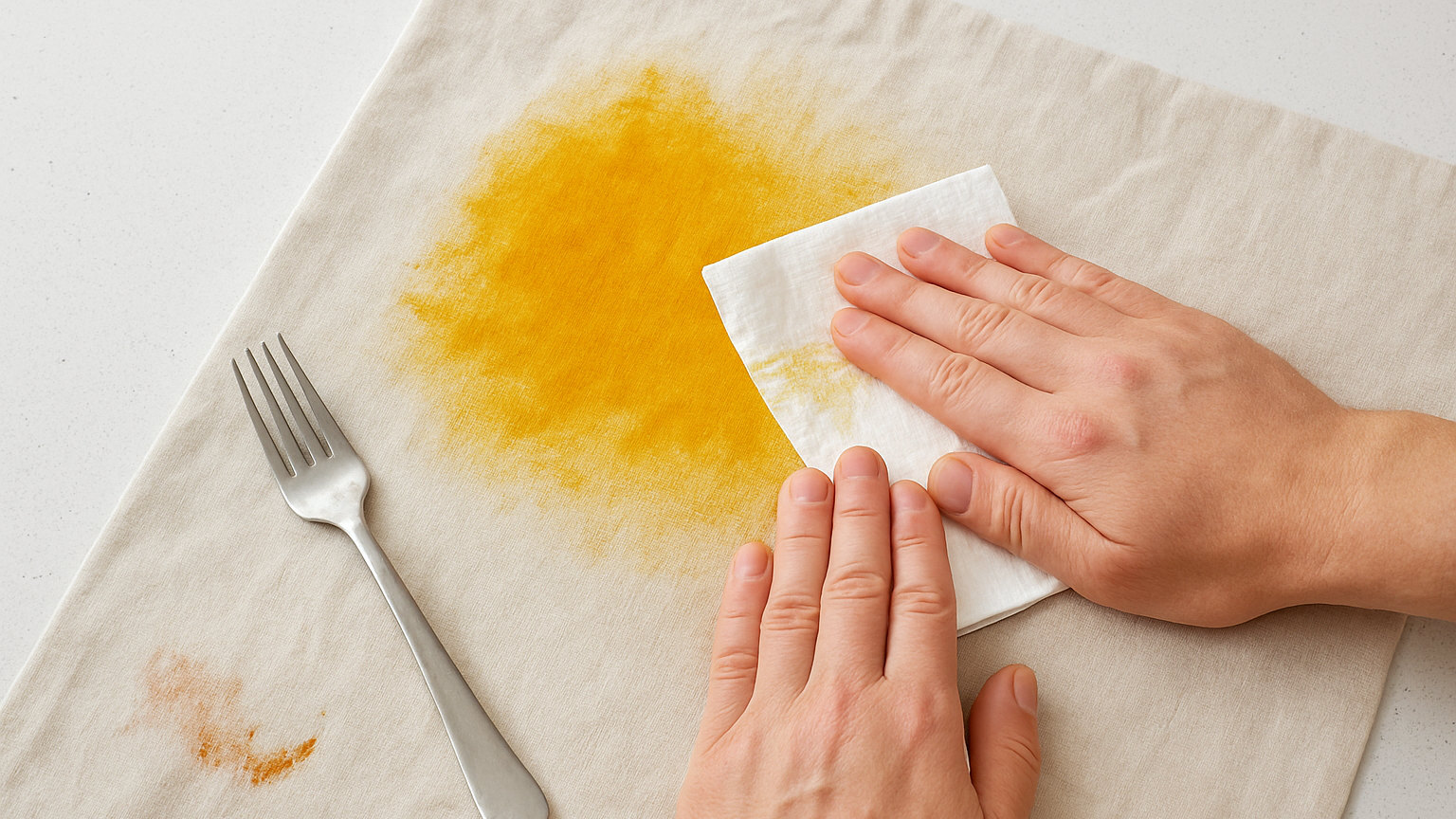
Turmeric is a dye rather than a stain, which is why detergent barely touches it and a few hours of daylight does more than an hour of scrubbing.
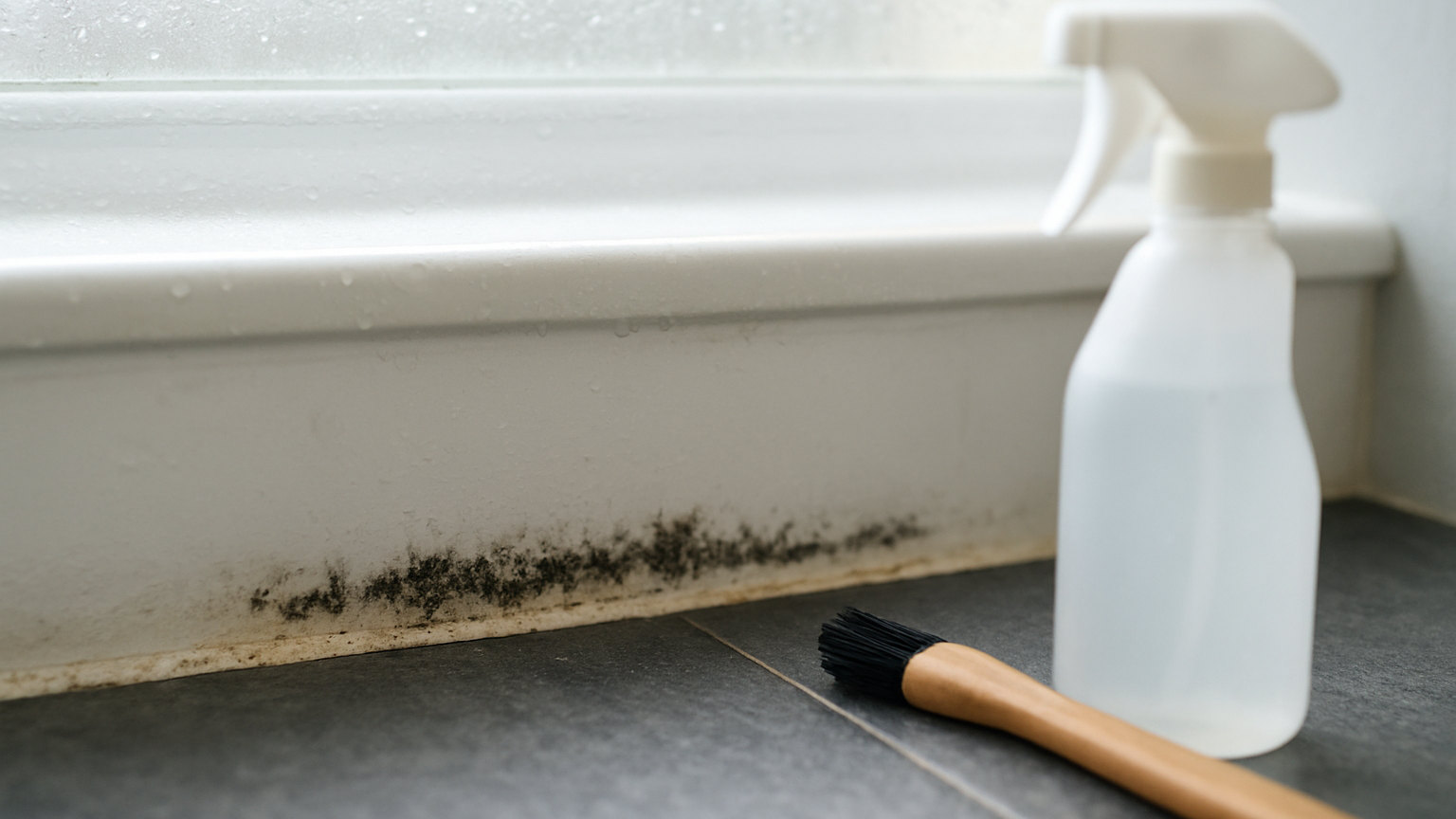
Cleaning removes the growth and changes nothing about the conditions that produced it, which is why the same patch returns every winter.
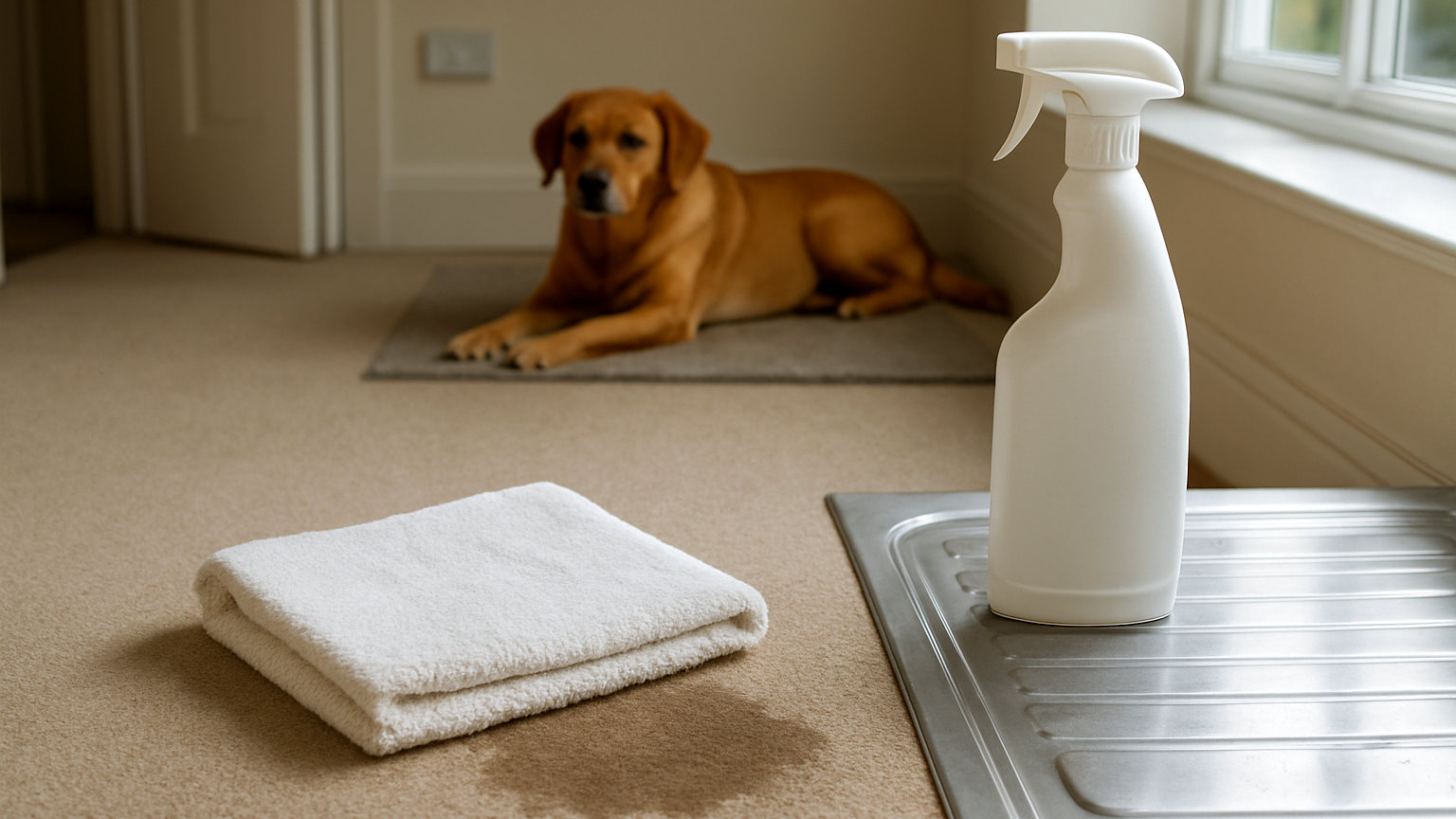
An animal returns to a spot because it can still smell it, so the cleaning and the behaviour are the same problem rather than two.
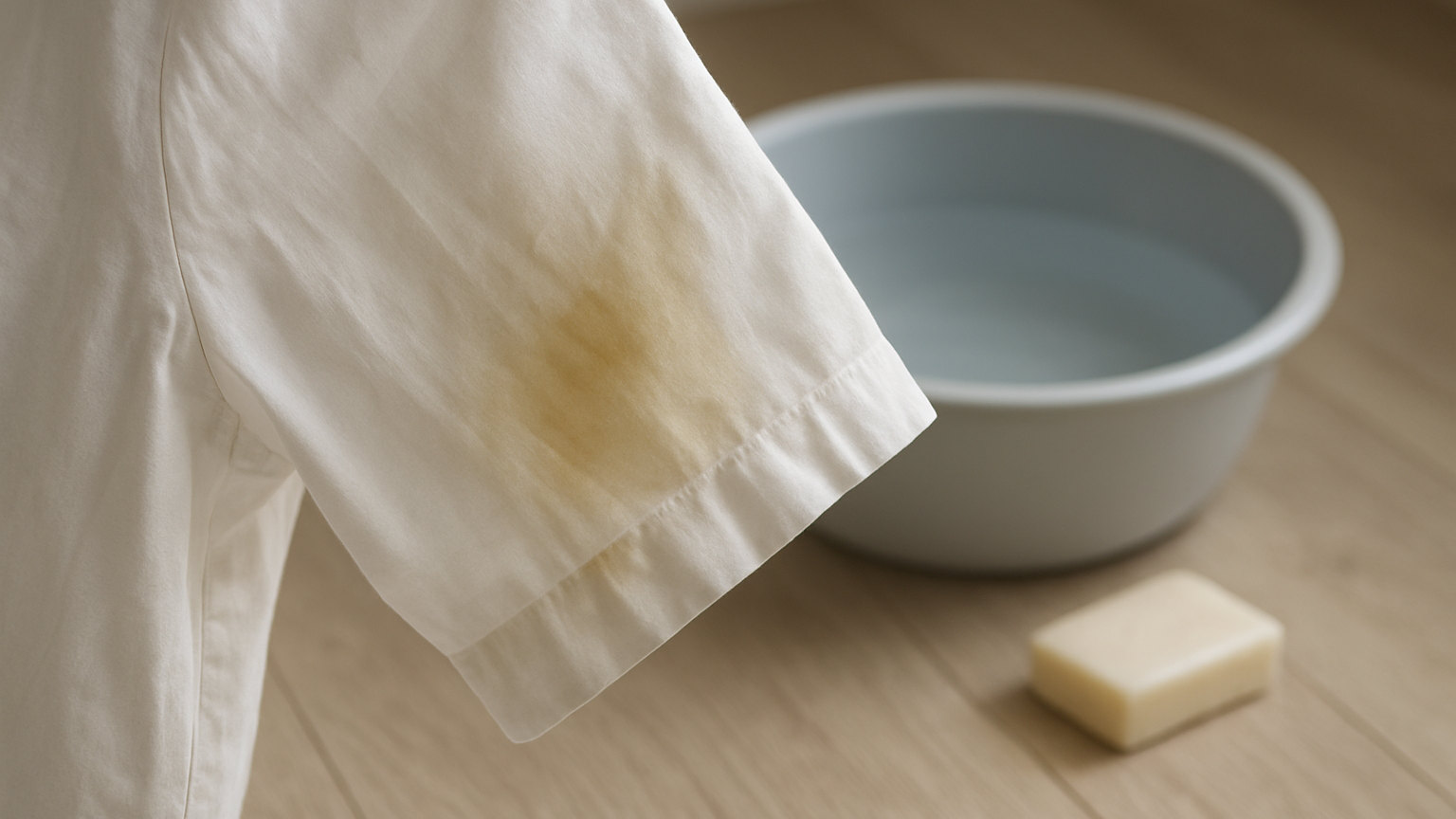
Largely yes, and the evidence is straightforward: switch to an aluminium free deodorant and new shirts stop yellowing within a few months.
Fake tan is a guide colour on top of a developing dye, and the two need treating separately because only one of them washes out.
Wax is solid at room temperature, so the technique is to harden it and break it off, then melt what remains into absorbent paper.
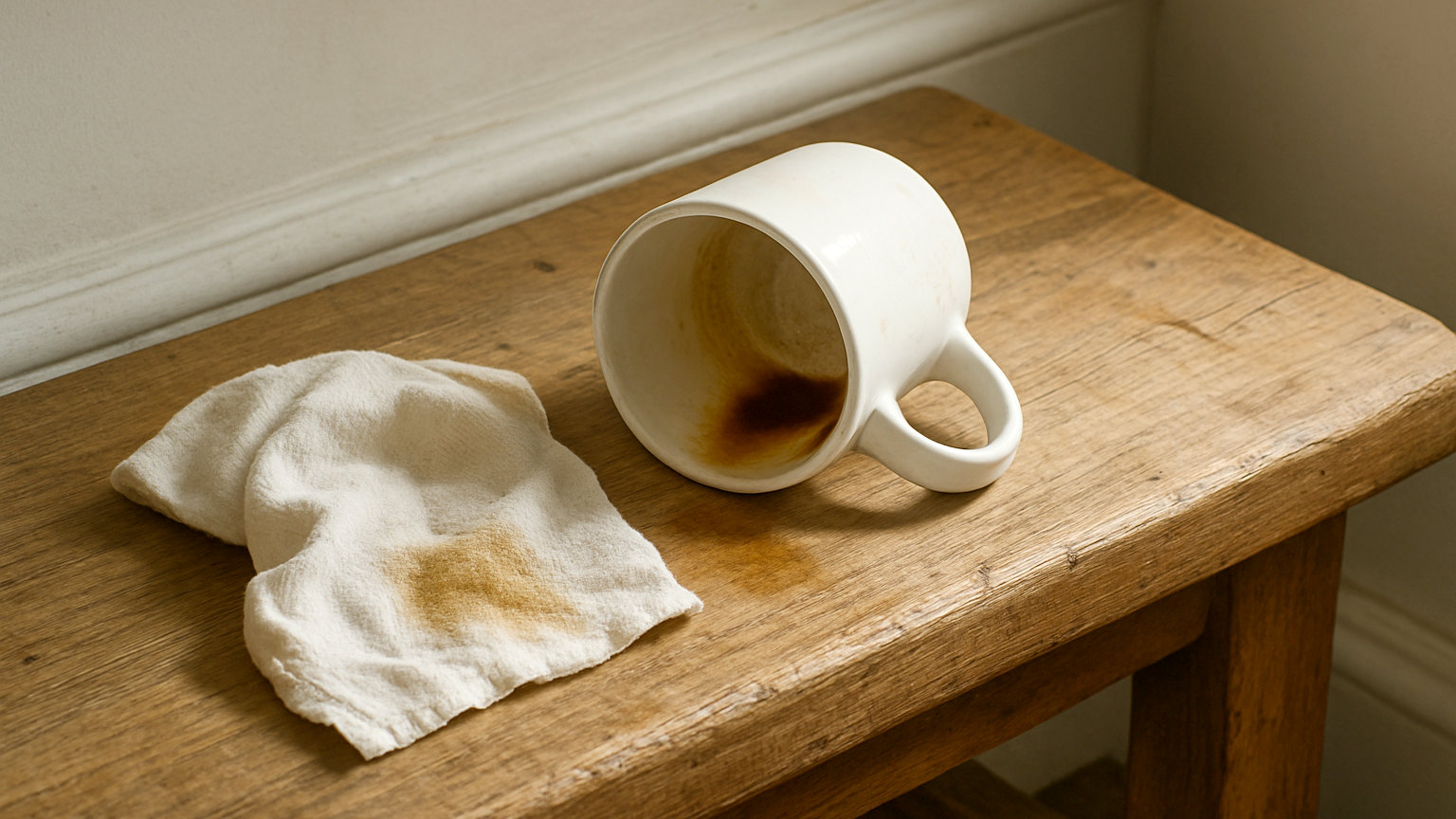
The brown film inside a mug is tannin bonded to microscopic roughness in the glaze, which is why washing up liquid never quite removes it.