How Do You Restore Faded Black Clothes?
Whether a black garment can be restored depends on whether the dye has washed out or the fabric surface has worn away, and only one is fixable.
By Cleaning Guides Team
29 May 2026

Sorting, greying whites, colour runs, and how to rescue a wash that has gone wrong.
Whether a black garment can be restored depends on whether the dye has washed out or the fabric surface has worn away, and only one is fixable.
You can, and the cost is cumulative rather than immediate, which is why the damage is invisible for months and then obvious all at once.
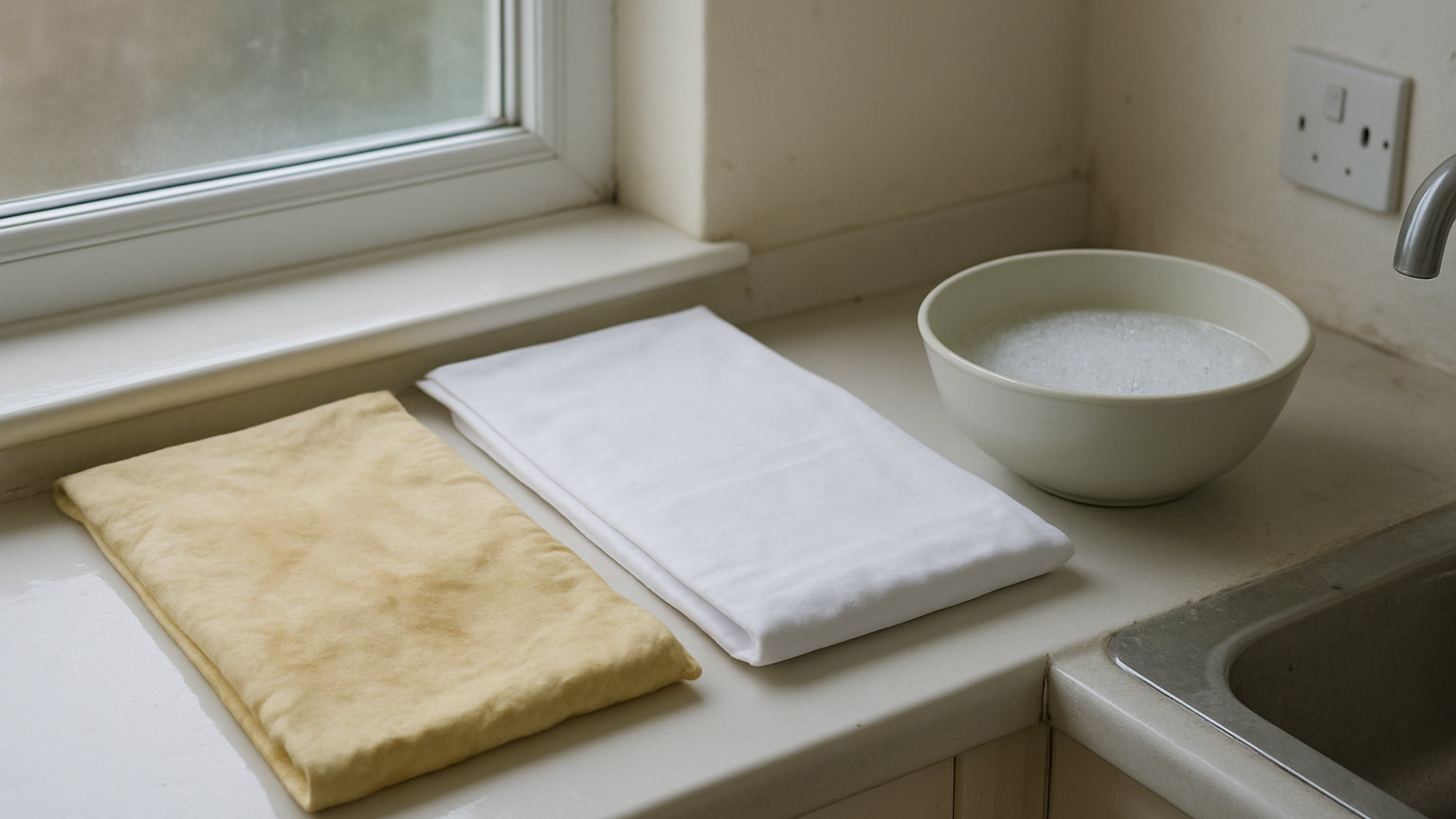
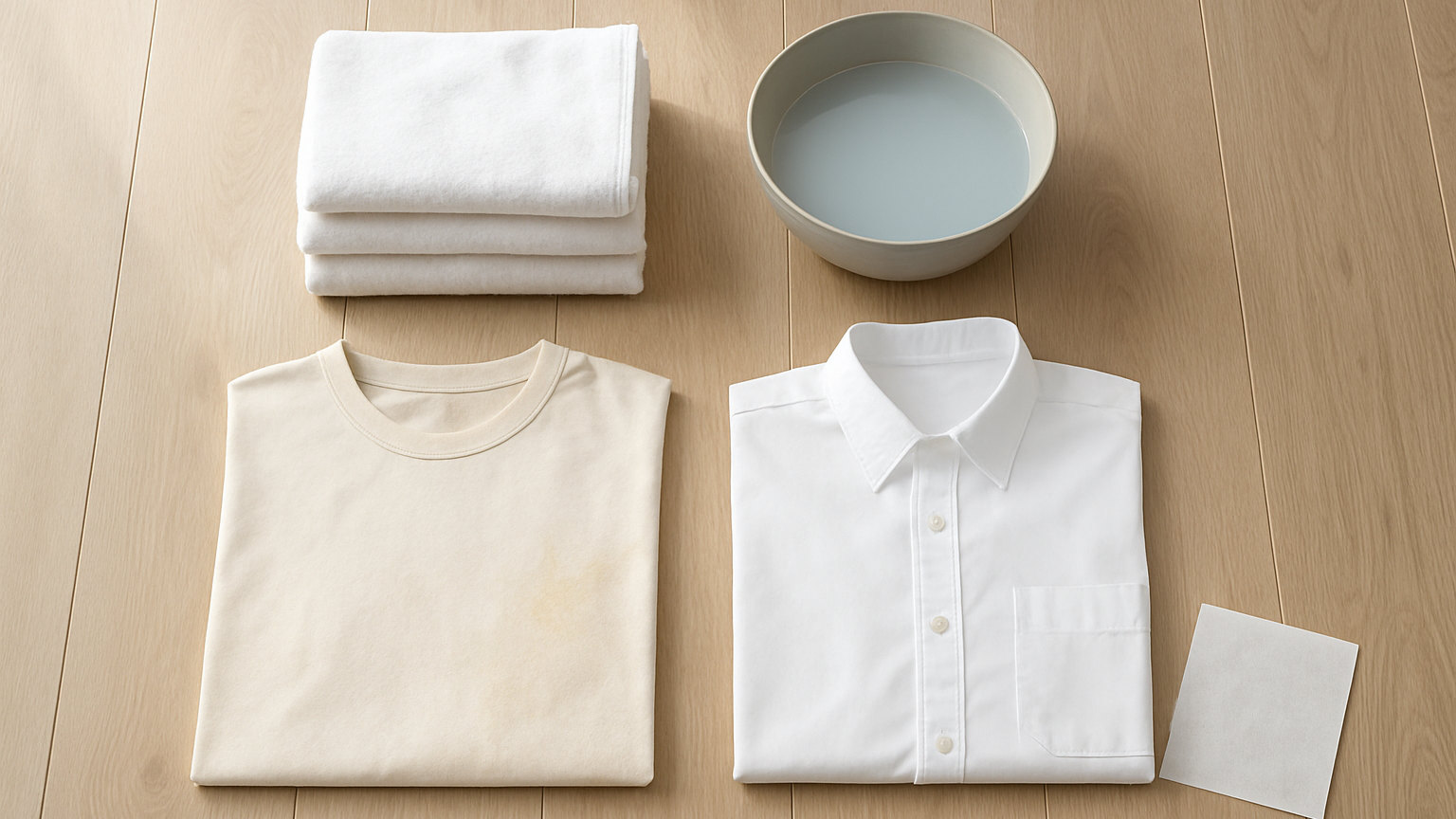
Pillowcases yellow faster than anything else in a house because they collect body oils, hair product and moisture every night for years.
Optical brighteners do not clean anything. They convert ultraviolet light into visible blue, which tricks the eye into reading the fabric as whiter.
New clothes carry excess dye and manufacturing finishes, and the first wash is what decides whether both come out safely or end up elsewhere.
Oxygen bleach releases oxygen rather than chlorine, which makes it safe on colours and gentle on fibres, and slower at everything.
Chlorine bleach whitens quickly, damages cotton cumulatively and can leave yellow marks where it reacts with sweat, which makes it a poor default.
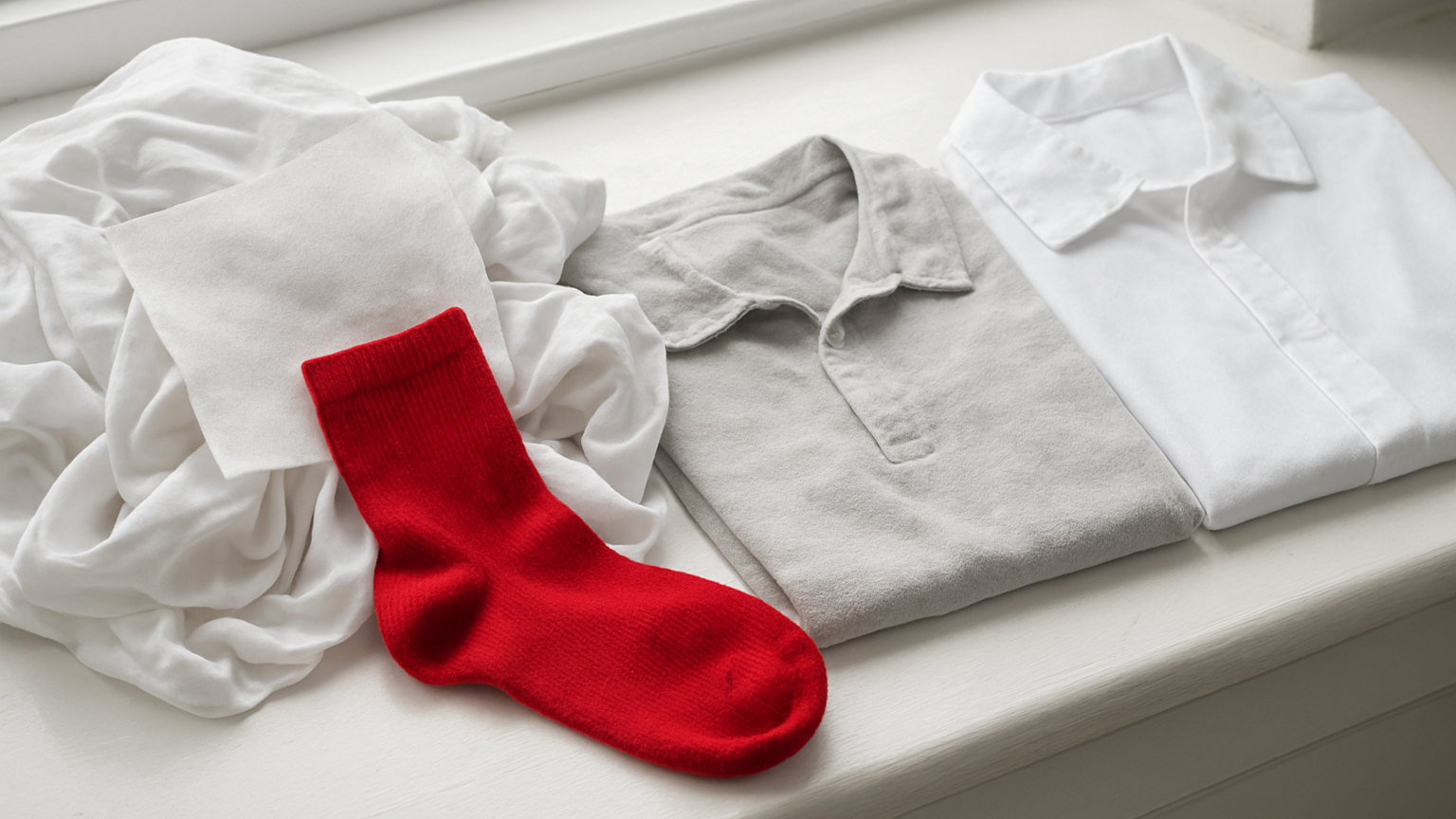
A colour run is recoverable while the fabric is still wet and very difficult once it has been dried, so the first decision matters most.
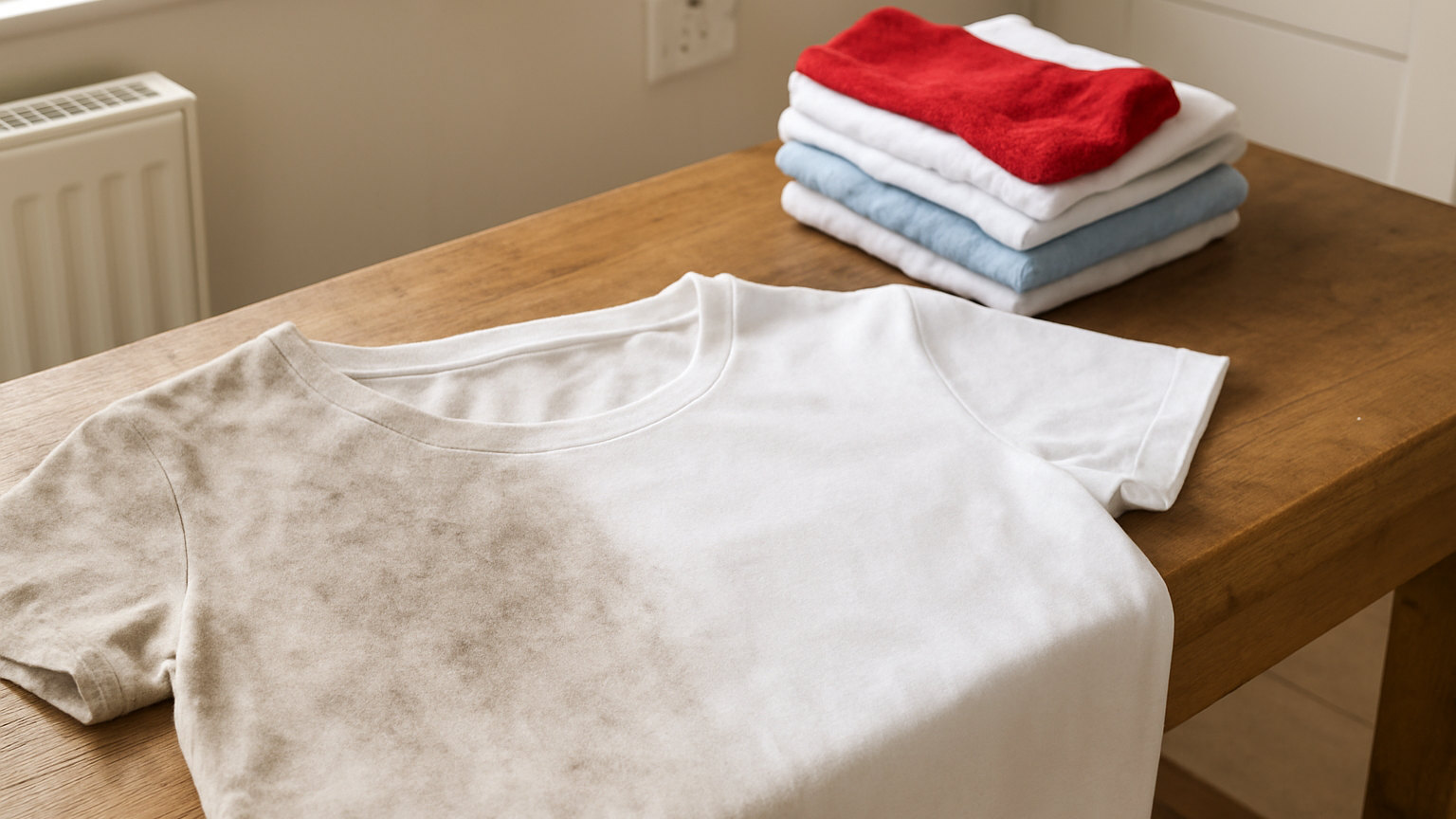
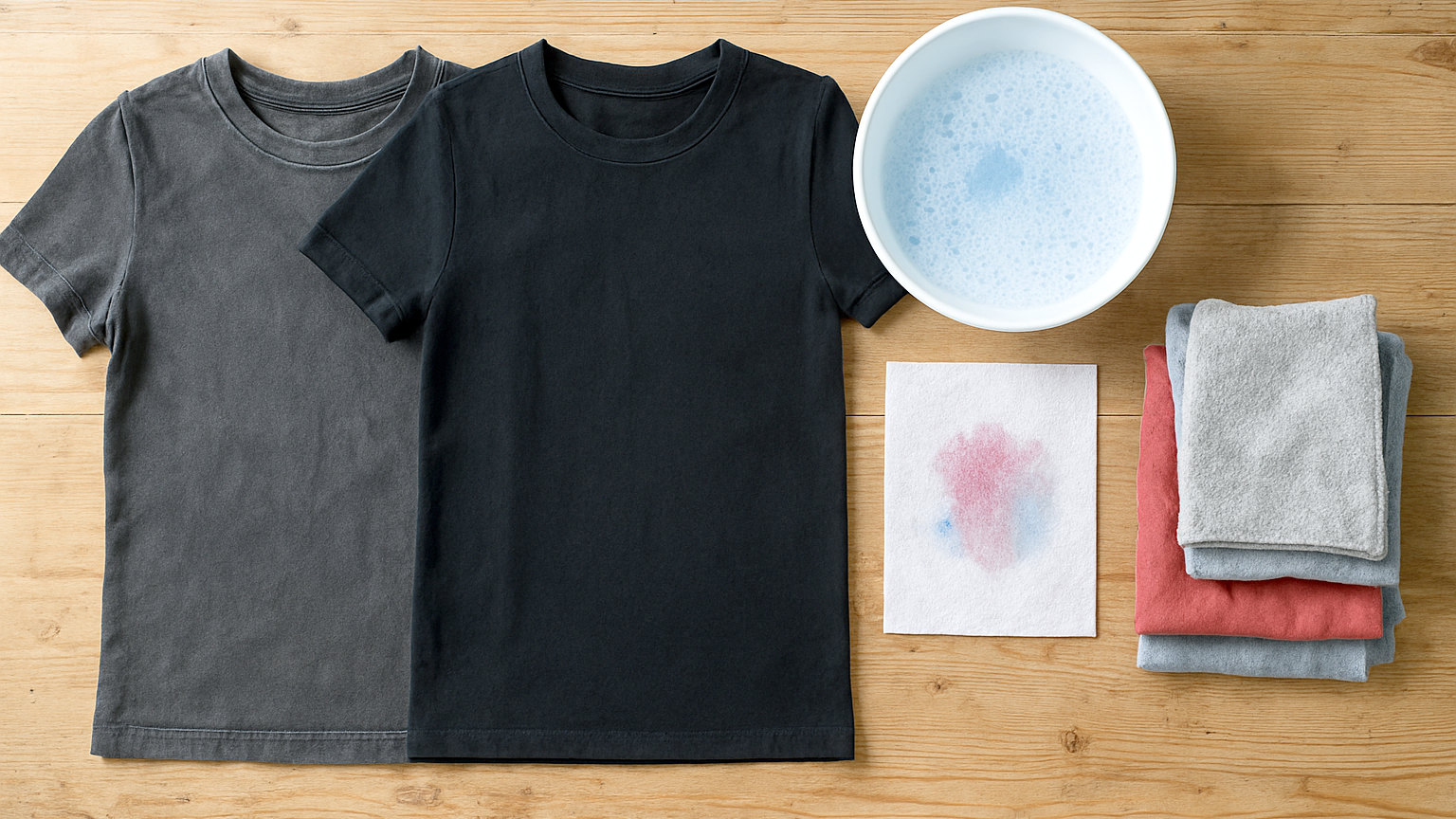
Dark clothes fade from three things at once, and only one of them is the wash itself. Sunlight and abrasion do at least as much damage.
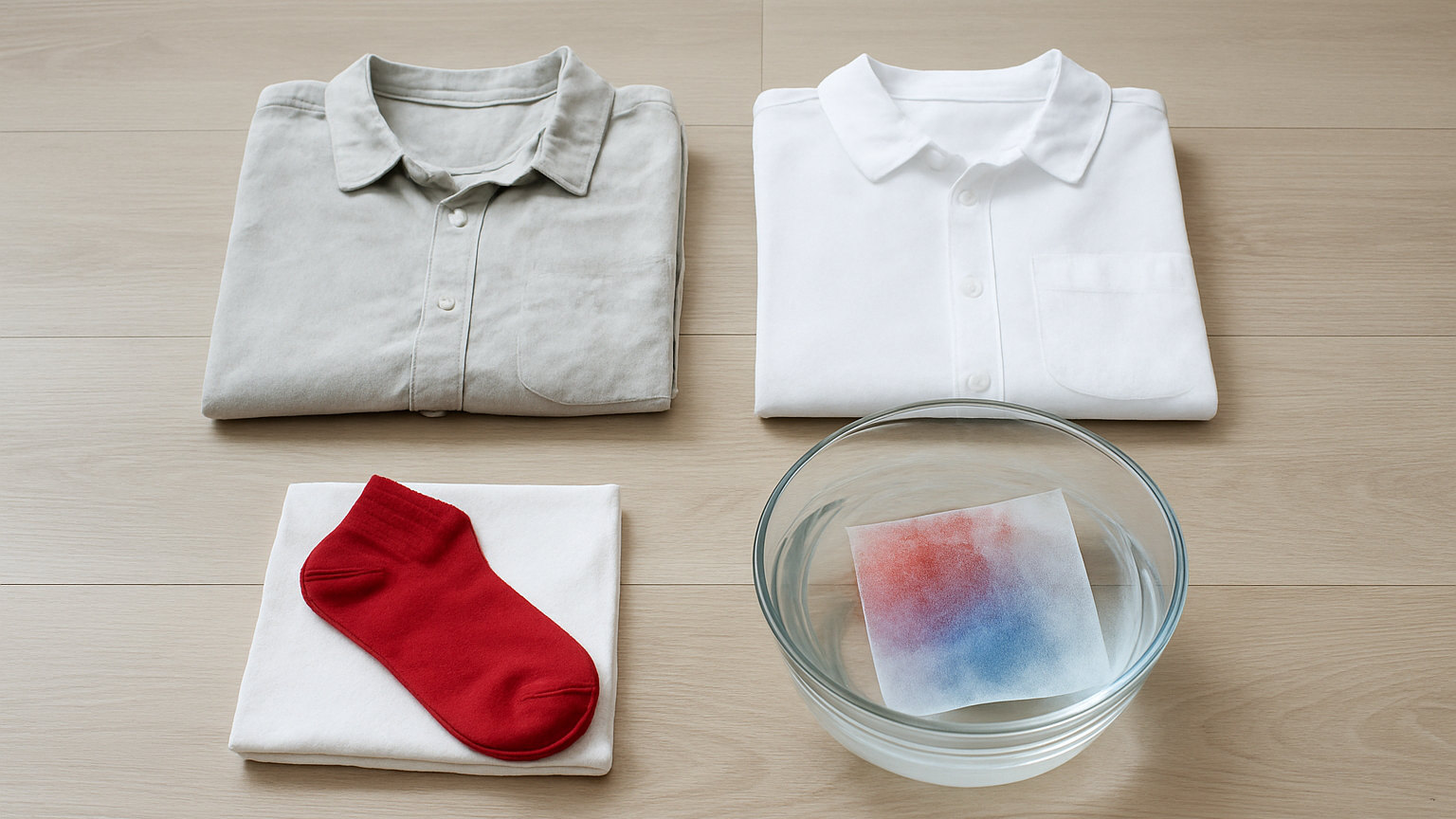
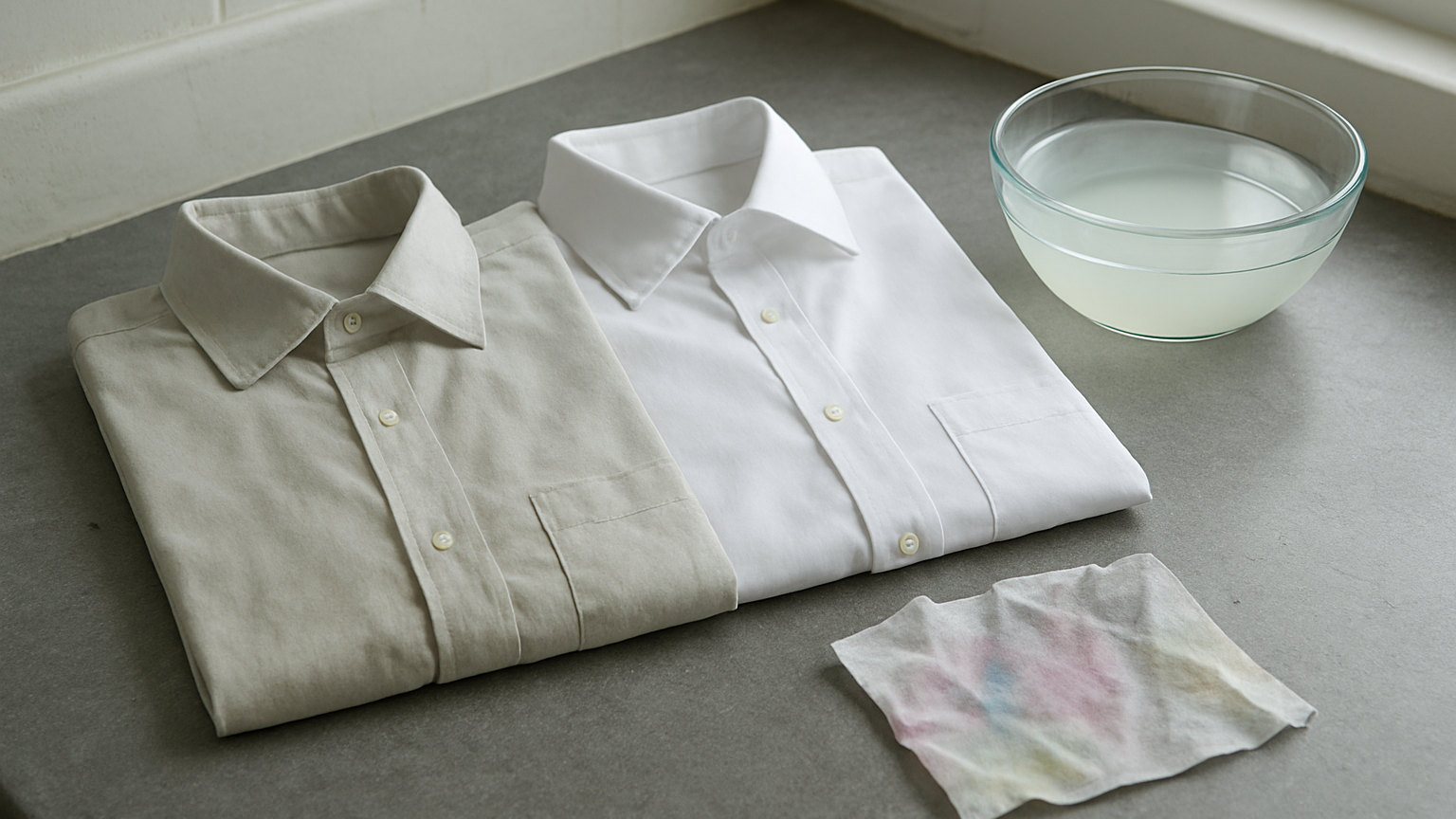
They work by attracting loose dye before it reaches other fabric, and they are genuinely effective within limits that are worth understanding.
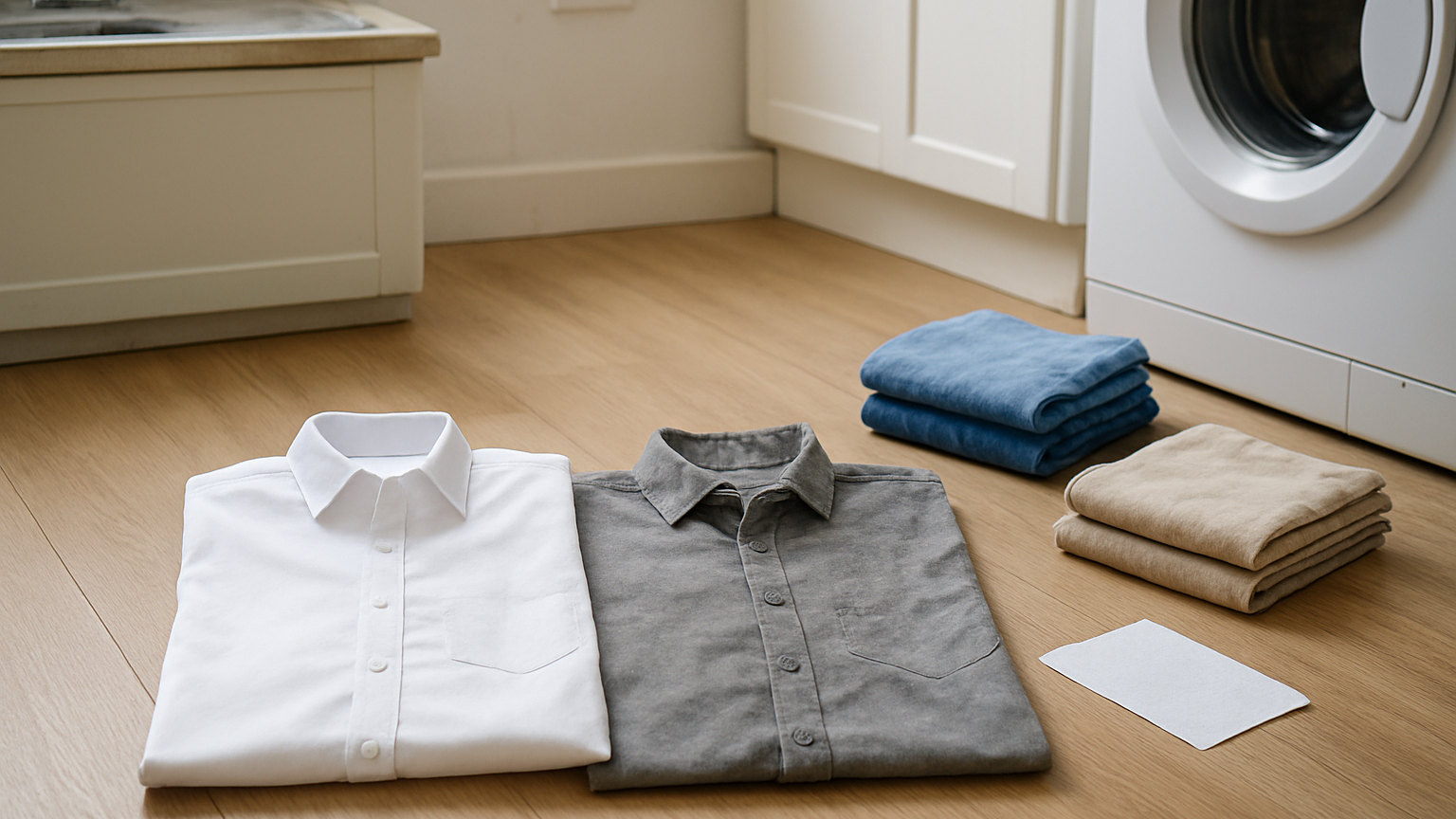
Excess dye comes out of new garments in the first few washes, and cold water and separation are what stop it landing on everything else.
Yellowing is usually body oils that were never fully removed and have since oxidised, which is why it appears at the collar and underarms first.