Why Do Grease Stains Reappear After Washing?
A grease mark that comes back was never fully removed, and the wash took out the oil near the surface while leaving the rest deeper in the fibre.
Cooking oil, butter, makeup and engine grease, and why washing-up liquid comes first.
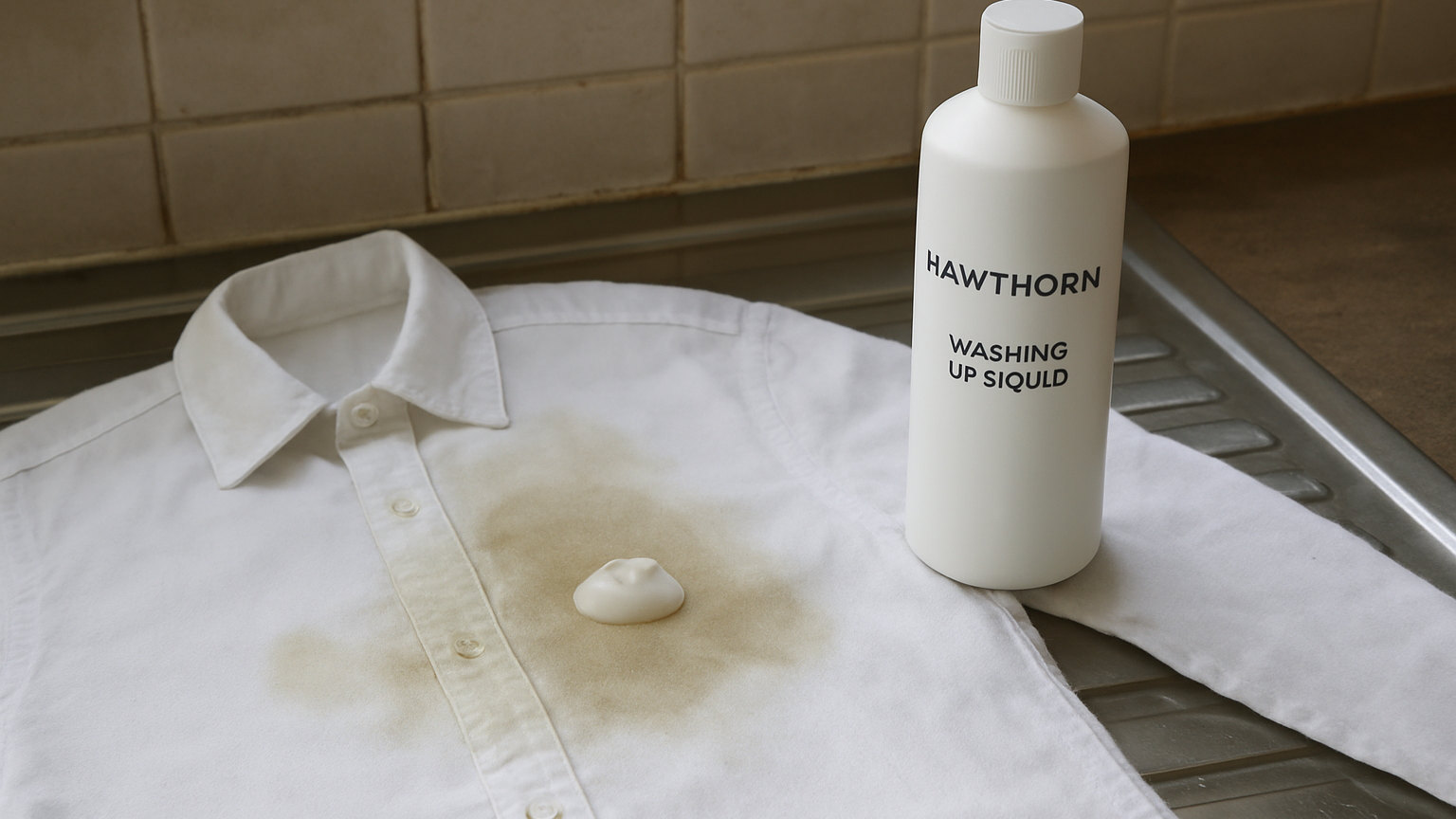
A grease mark that comes back was never fully removed, and the wash took out the oil near the surface while leaving the rest deeper in the fibre.
Kitchen textiles accumulate grease faster than anything else in a house, and once they are saturated they stop cleaning and start smearing.
Suncream leaves a greasy mark that turns orange over time, and the orange comes from a chemical reaction rather than from dirt.
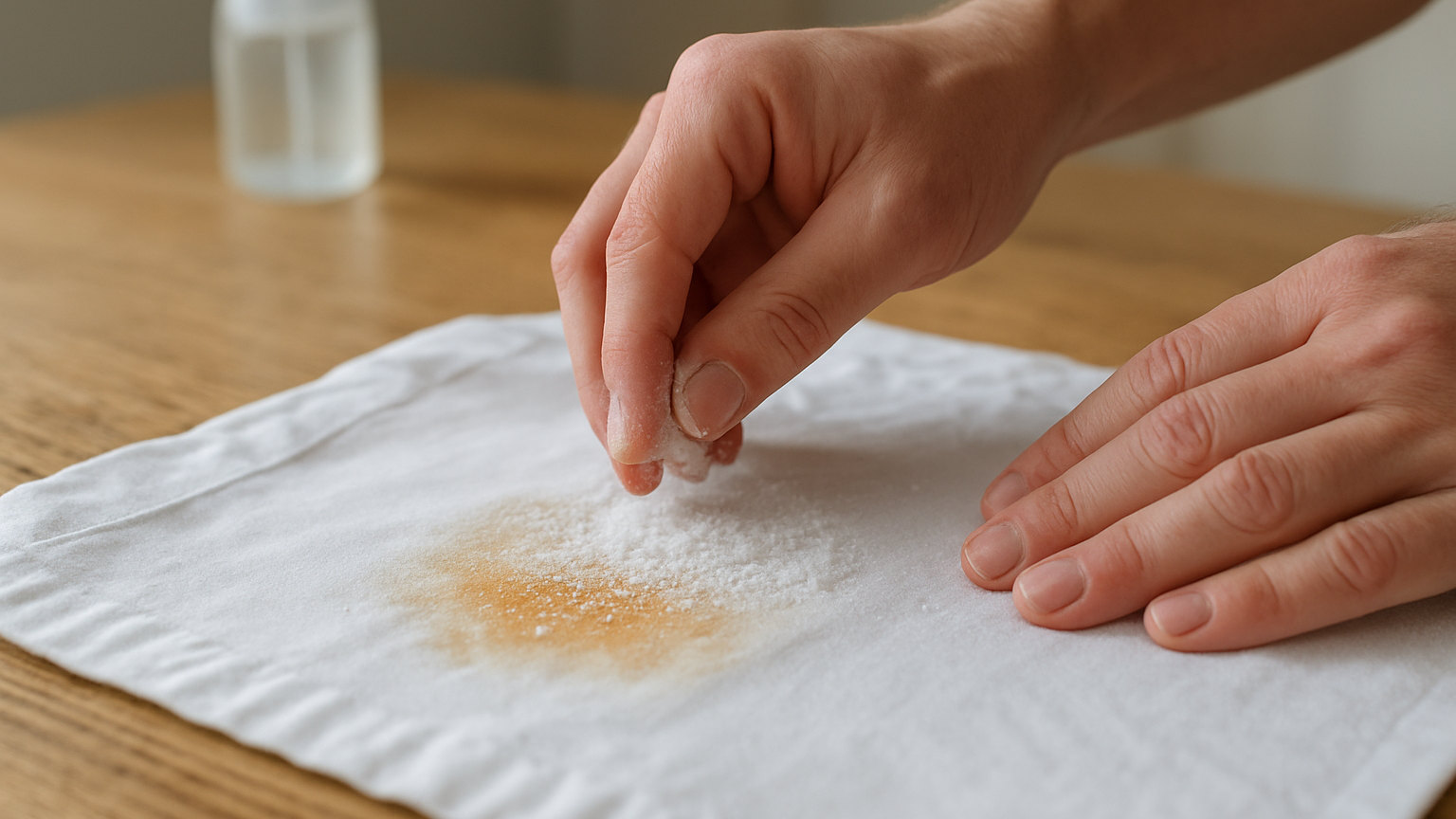
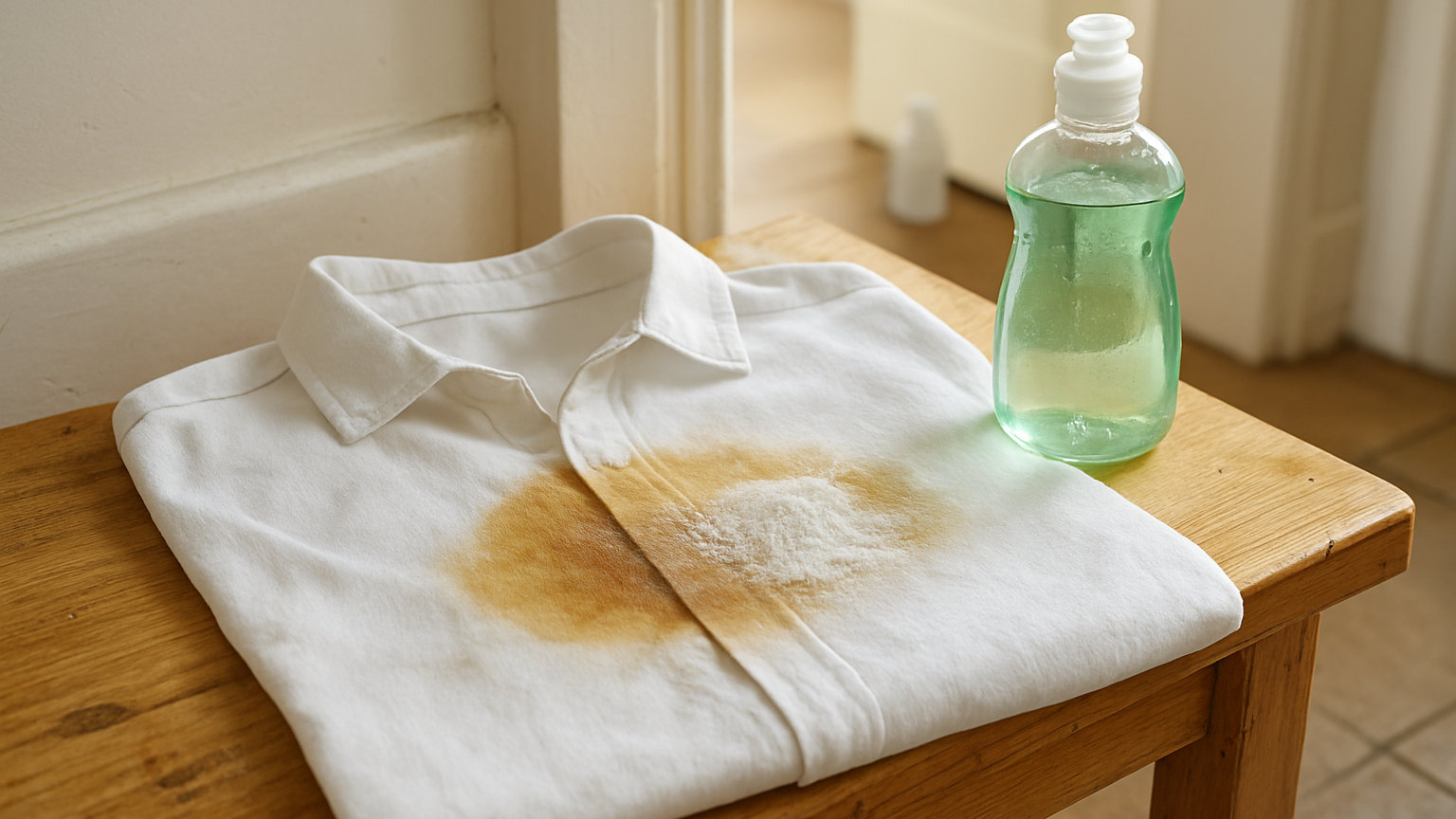
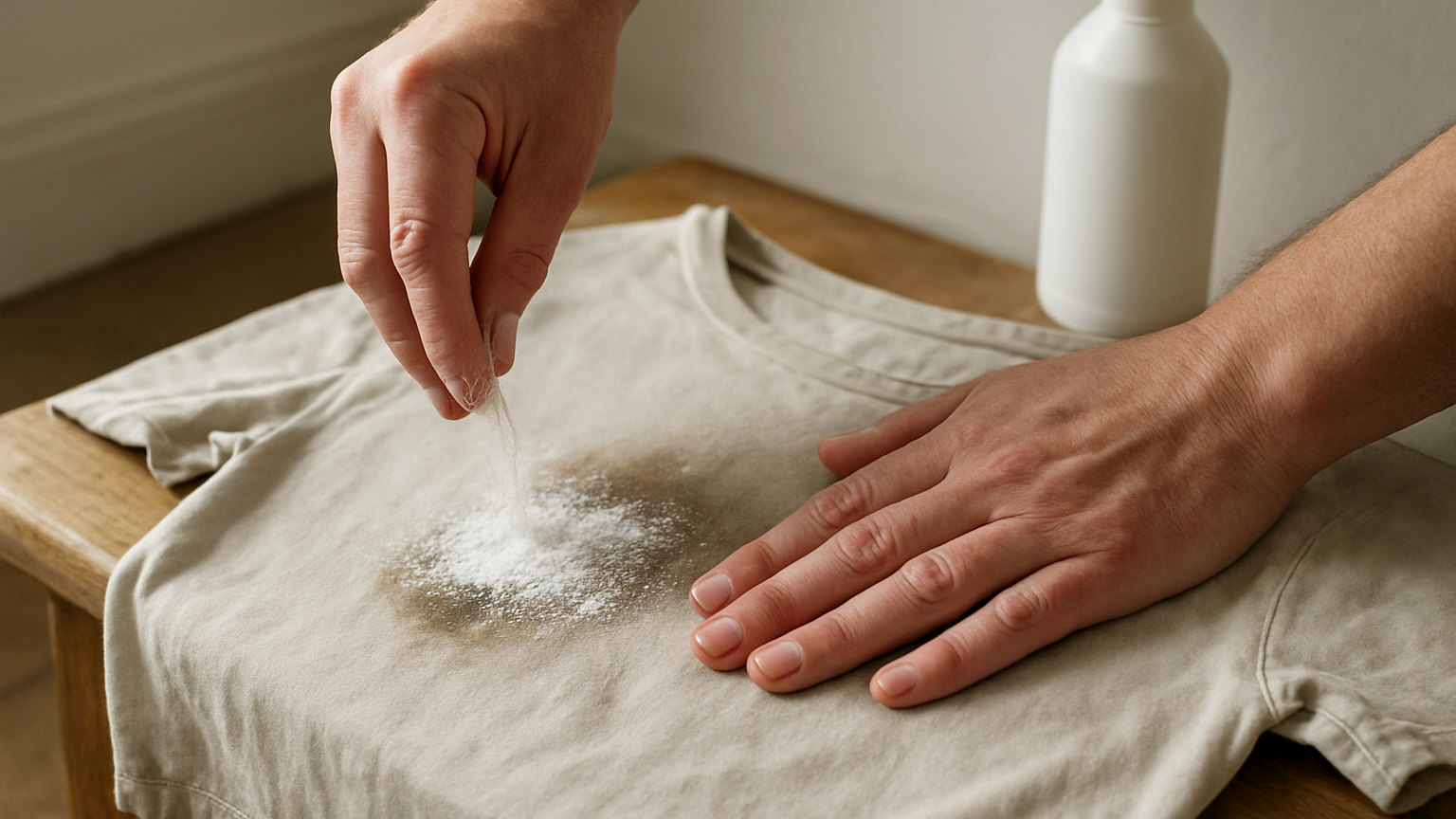
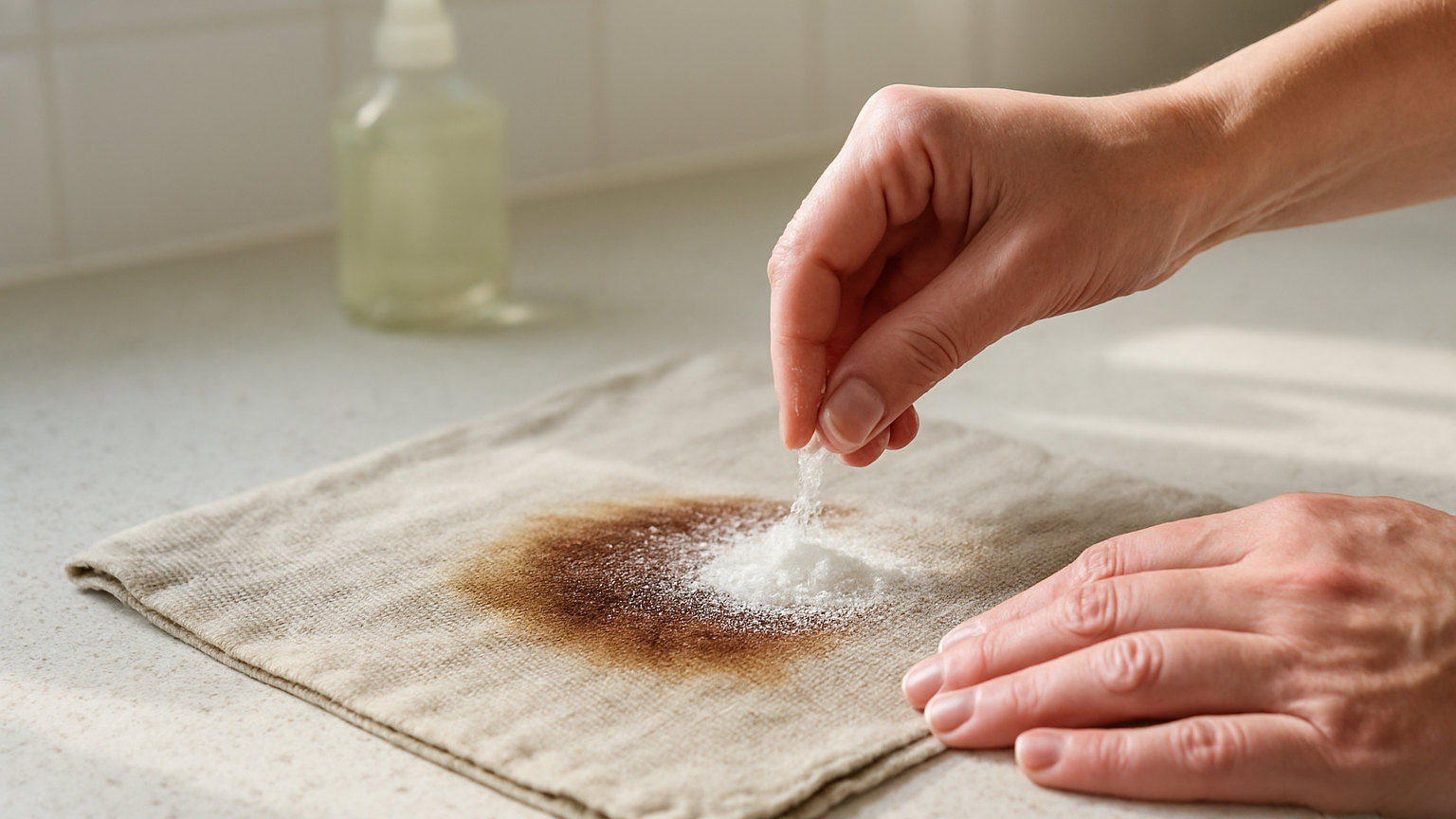
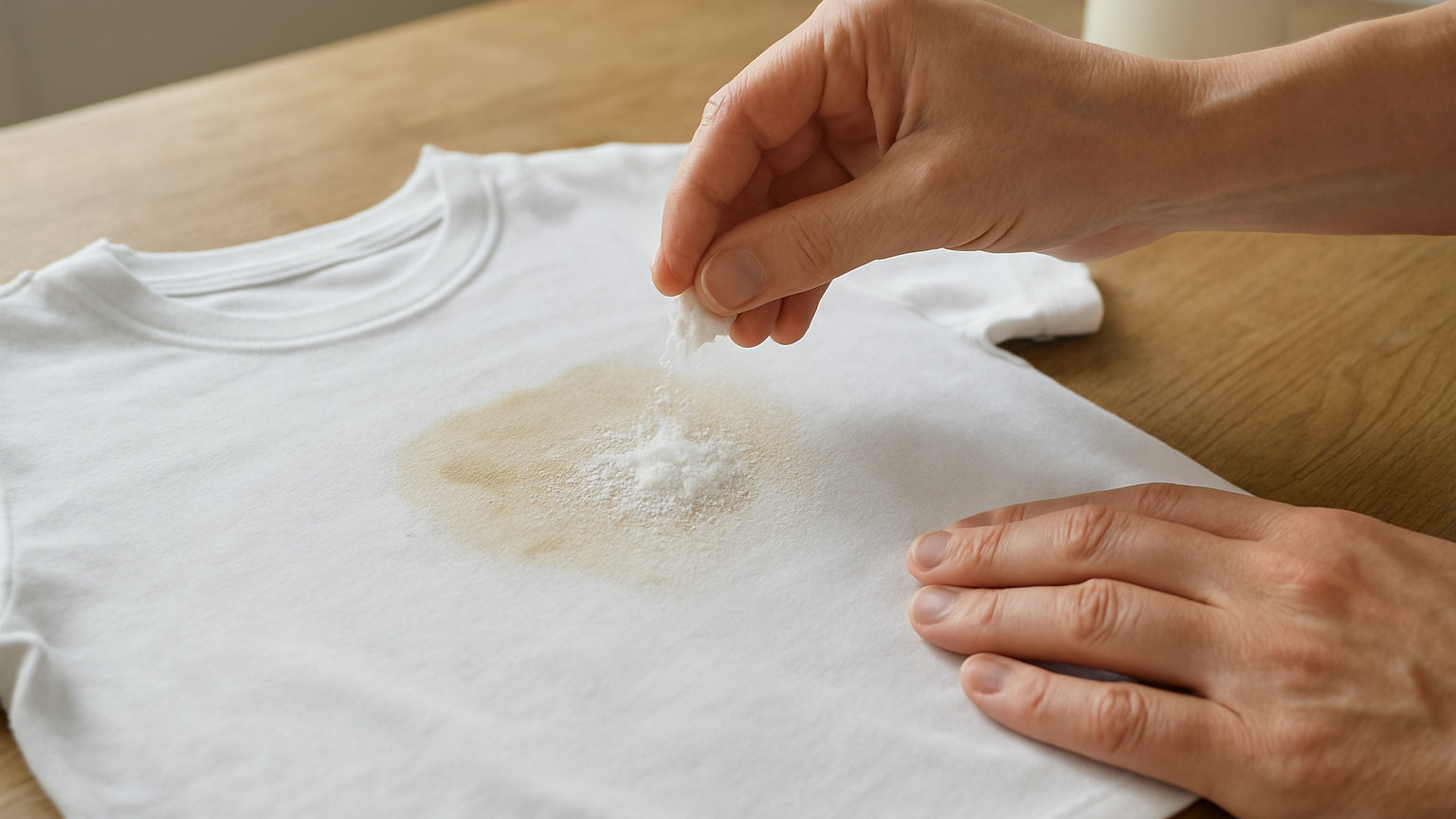
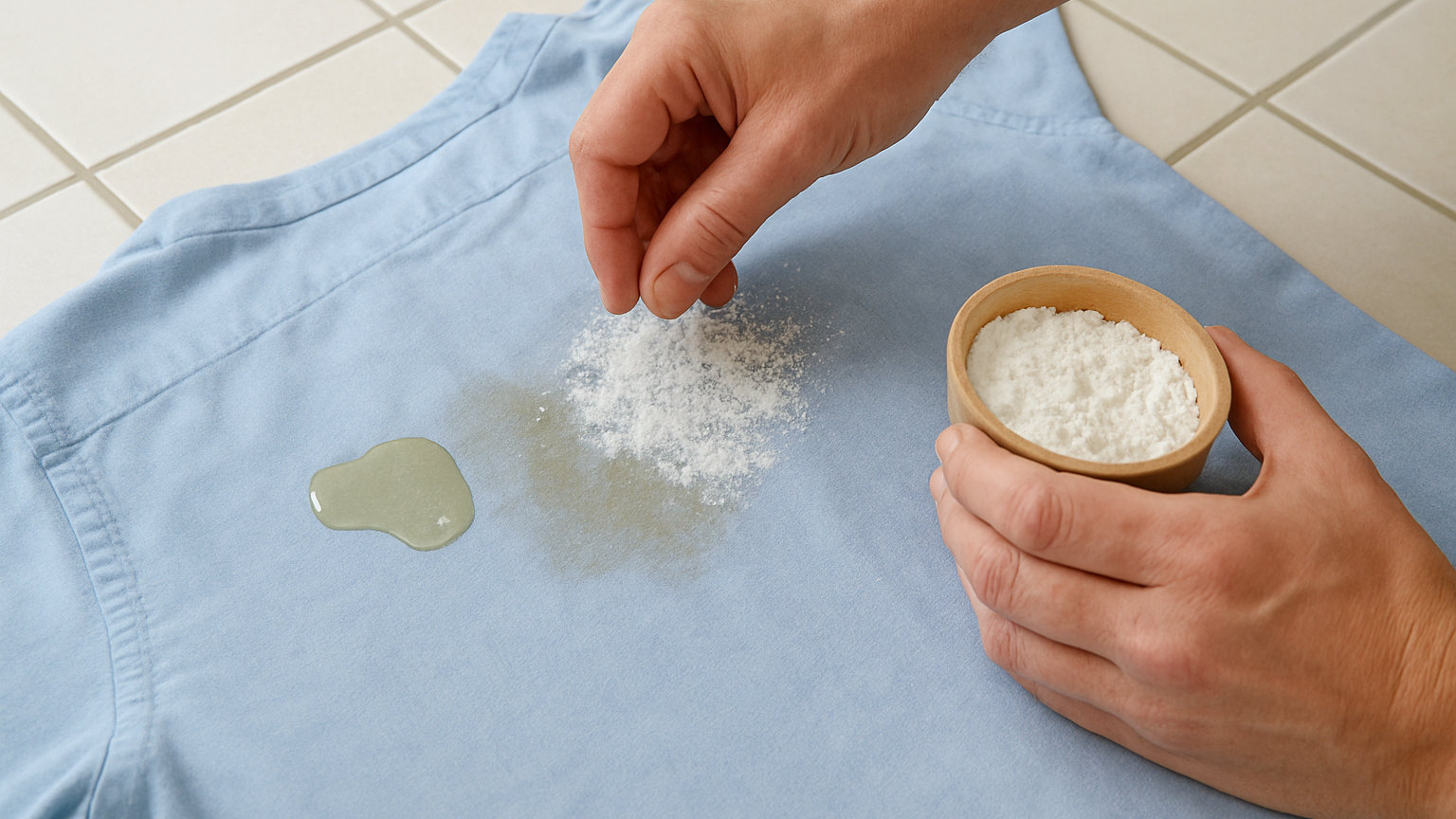
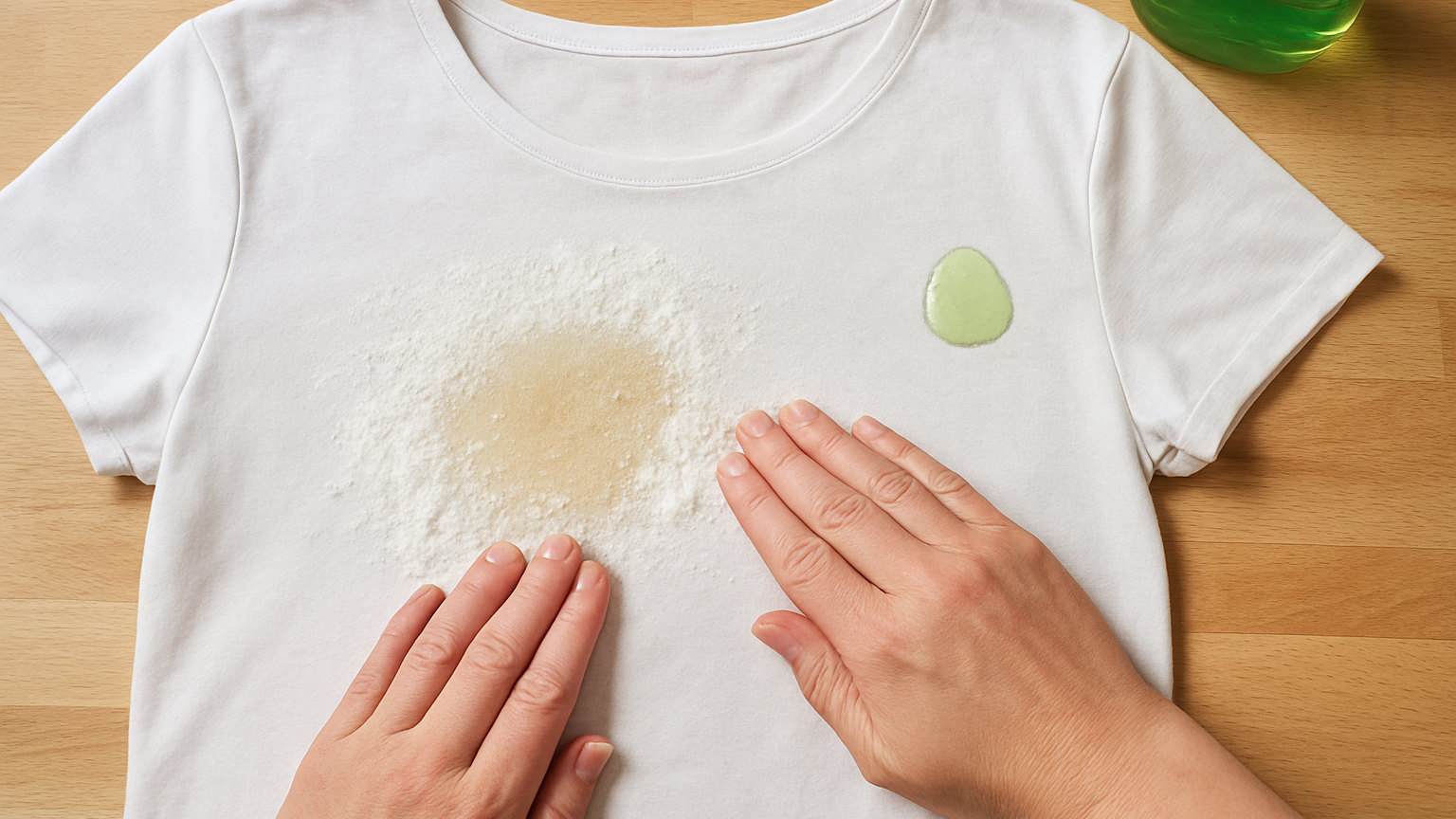
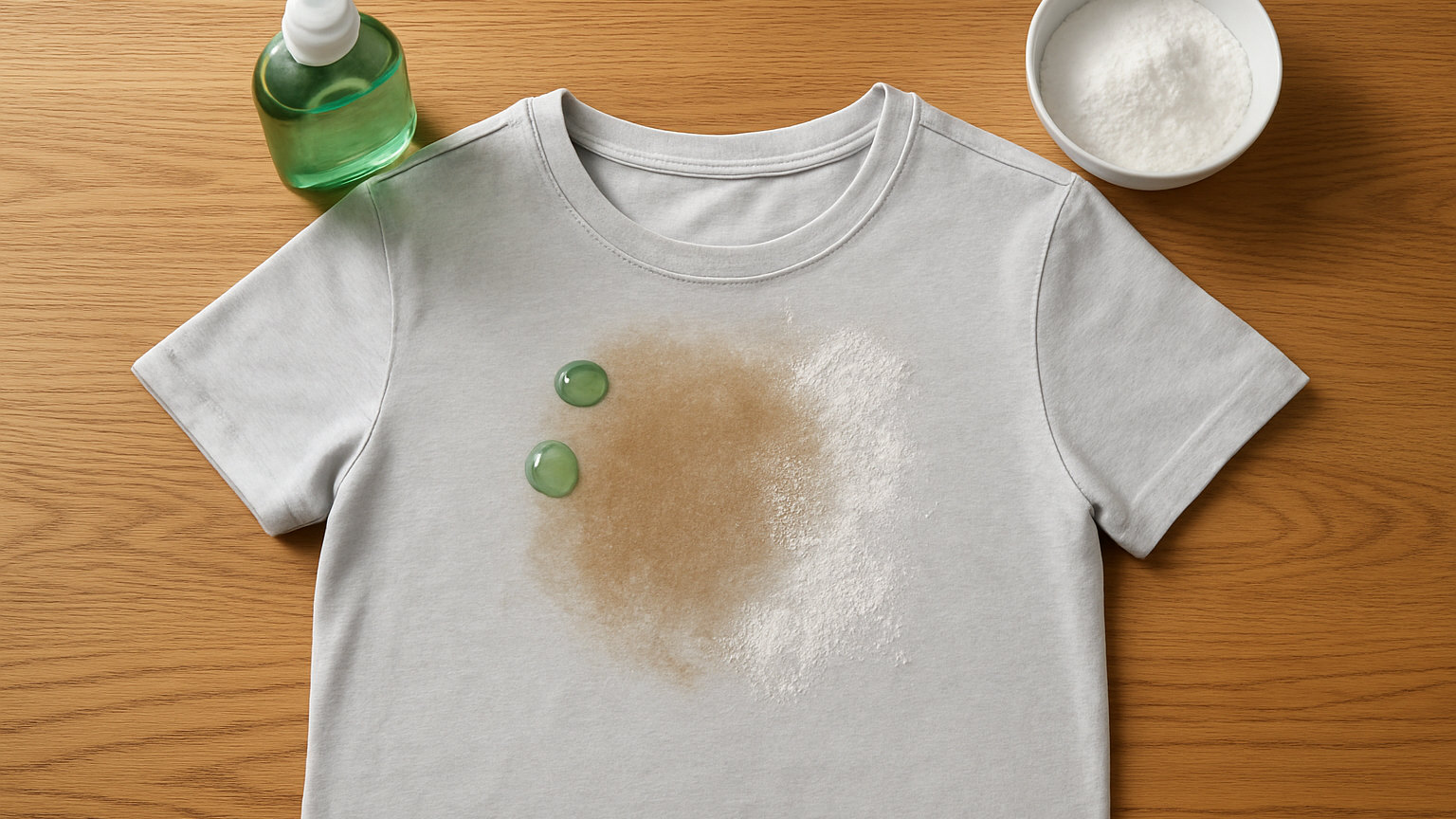
Unlike salt on wine, absorbent powders on grease genuinely work, because oil moves readily into a fine powder and takes the stain with it.
Upholstery grease is usually body oils from heads and hands rather than a spill, which is why it appears on armrests and headrests first.
A greasy patch in carpet attracts dirt continuously, which is why the mark gets darker over the weeks after the original spill.
Wax is solid at room temperature, so the technique is to harden it and break it off, then melt what remains into absorbent paper.
Mineral oil is chemically different from cooking fat, which is why washing up liquid gets some of it out and rarely finishes the job.
A foundation ring on a collar is makeup mixed with body oils, and it builds up gradually rather than arriving as a single spill.
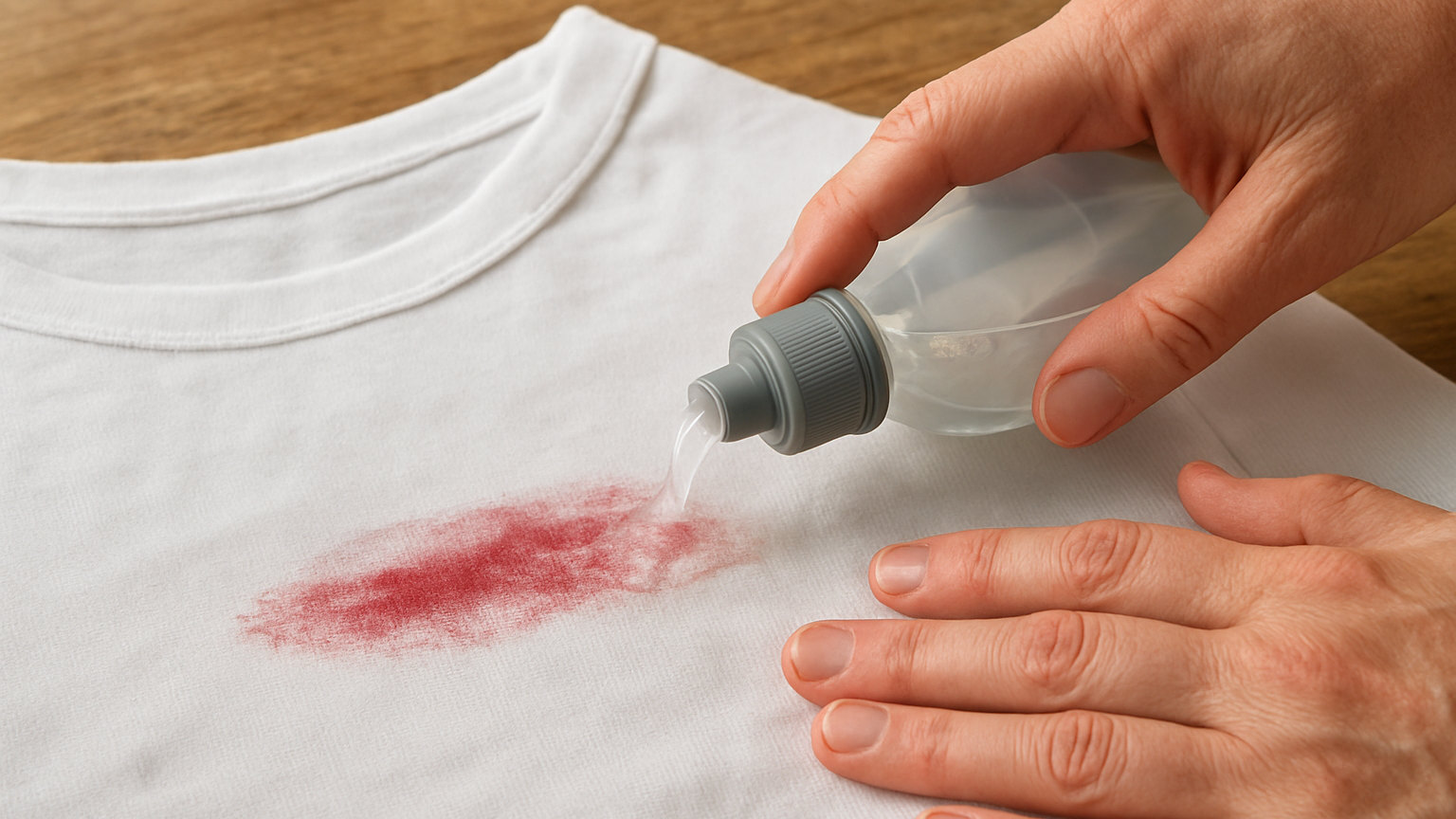
Lipstick is wax, oil and a very high pigment load, which is why it smears so readily and why the first instinct to wipe it makes things worse.
Most makeup is pigment suspended in oil or wax, which means the grease has to come out before the colour will move at all.
Old grease has oxidised and bonded to the fibre, which turns a five minute job into one that needs a long dwell time and two or three attempts.