What Should Never Touch a Worktop?
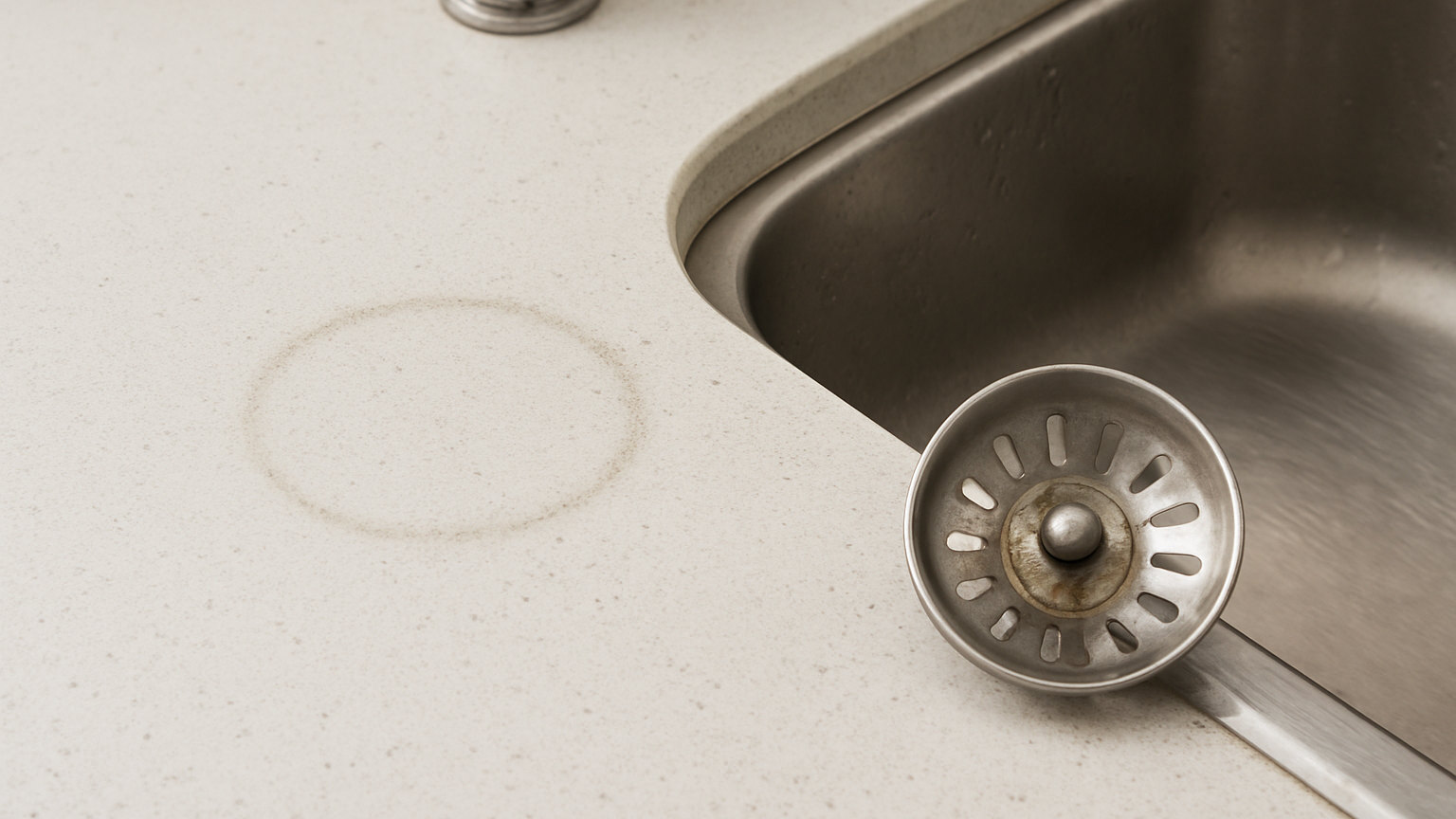
Four things cause almost all permanent worktop damage, and none of them is dirt.
By Cleaning Guides Team
27 Apr 2026

Granite, quartz, laminate and wood, plus stainless steel sinks, taps and limescale.
Four things cause almost all permanent worktop damage, and none of them is dirt.
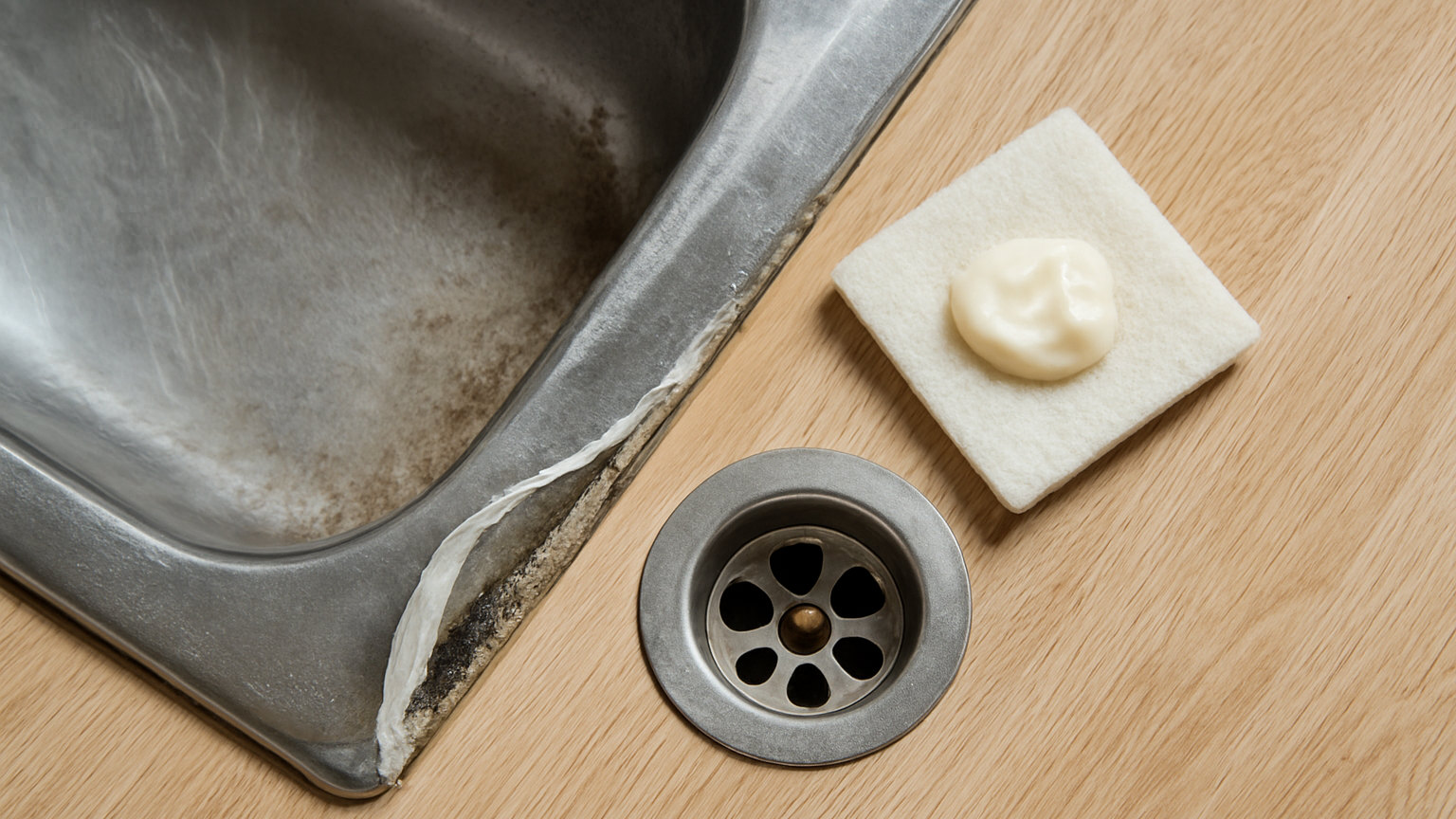
The silicone line around a kitchen sink is doing a structural job, and mould in it is a warning about water rather than a cosmetic problem.
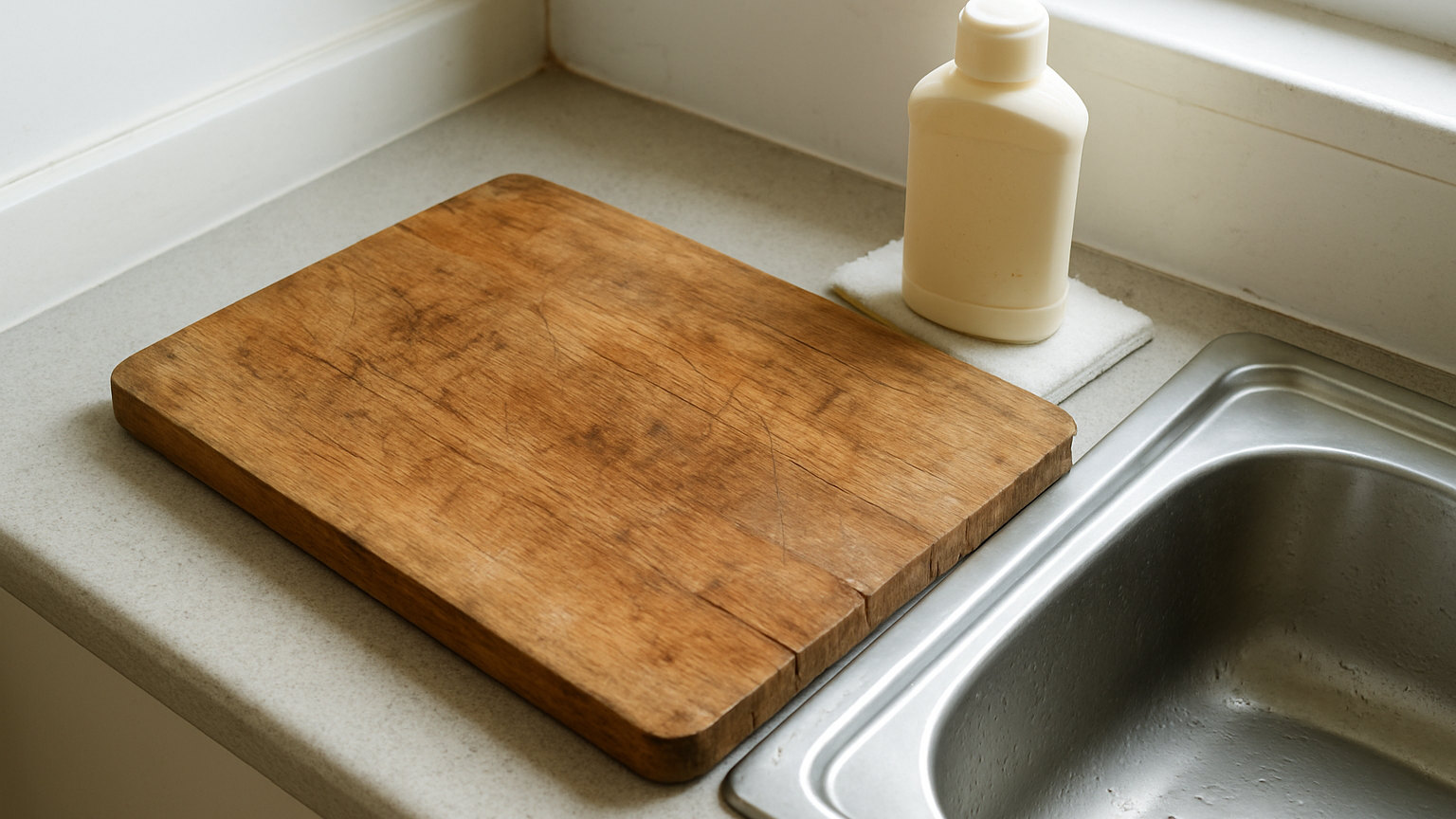
Wood and plastic need opposite treatment, and the research on which is more hygienic does not say what most people assume.
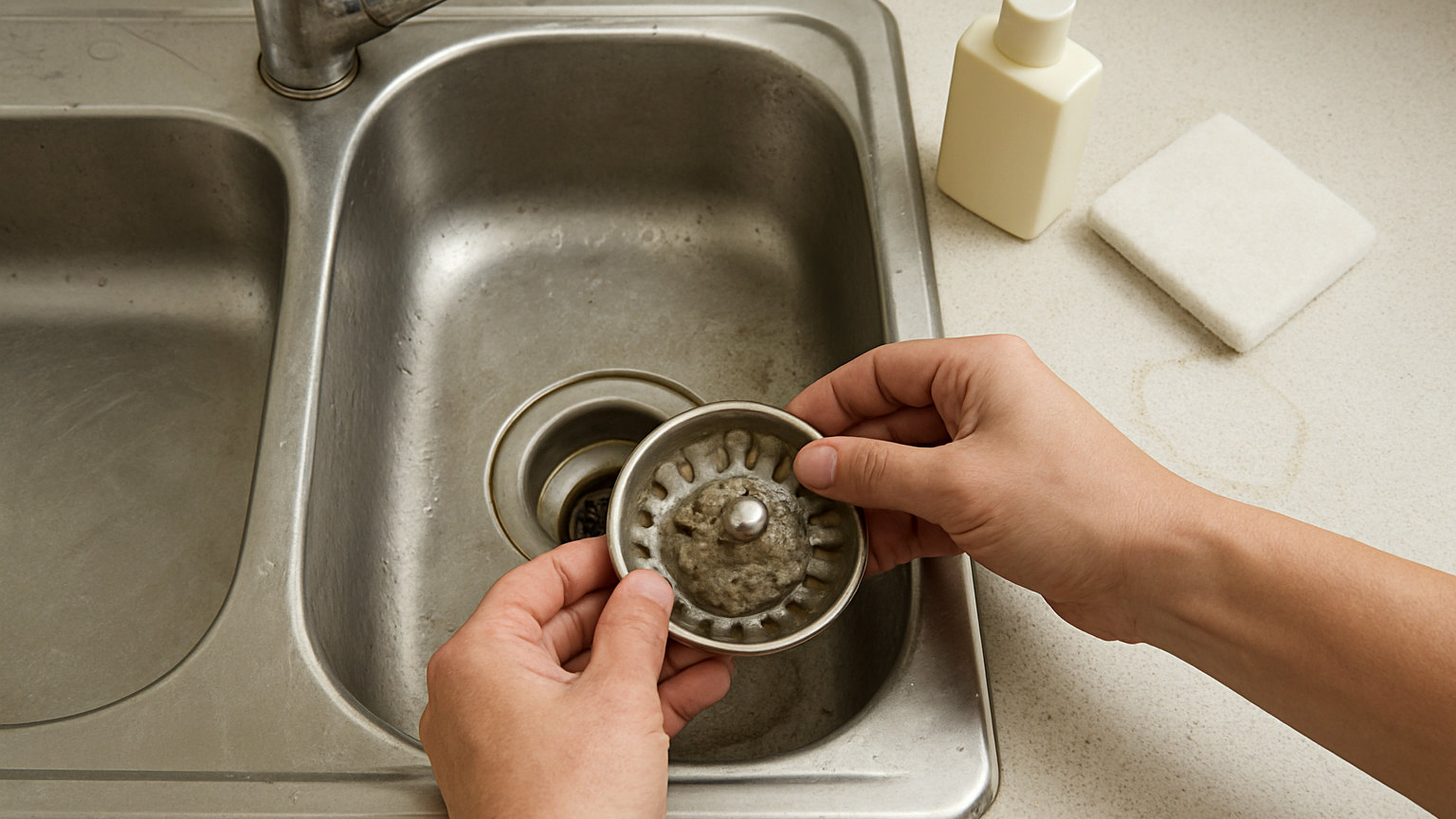
The smell comes from the underside of the rubber splash guard, which is the one part the grinding never touches.
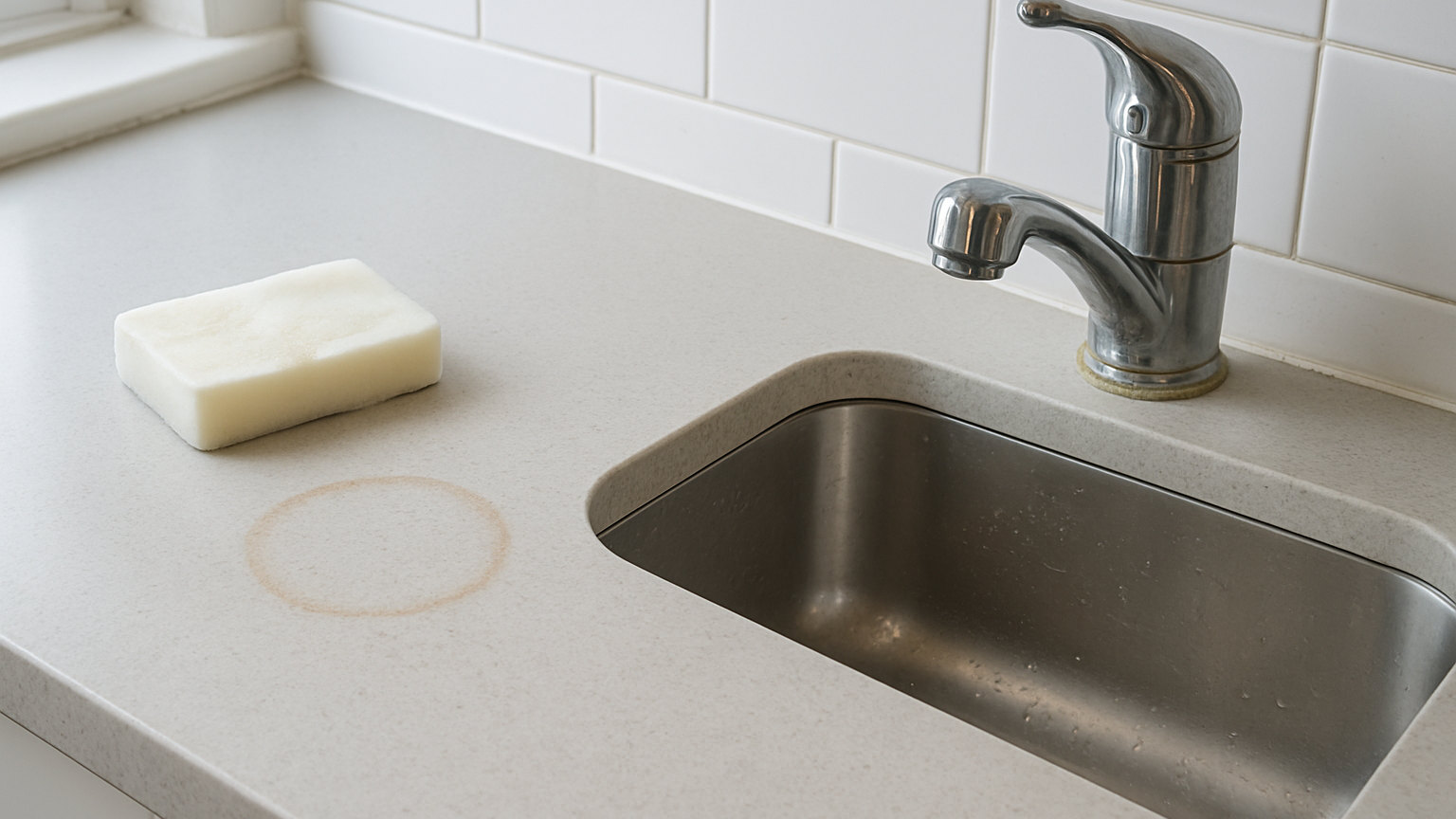
The right treatment depends entirely on whether the surface is porous, and using an acid on stone makes a stain into permanent damage.
Granite is porous and needs sealing, quartz is not and must never be sealed, and acid damages one of them permanently.
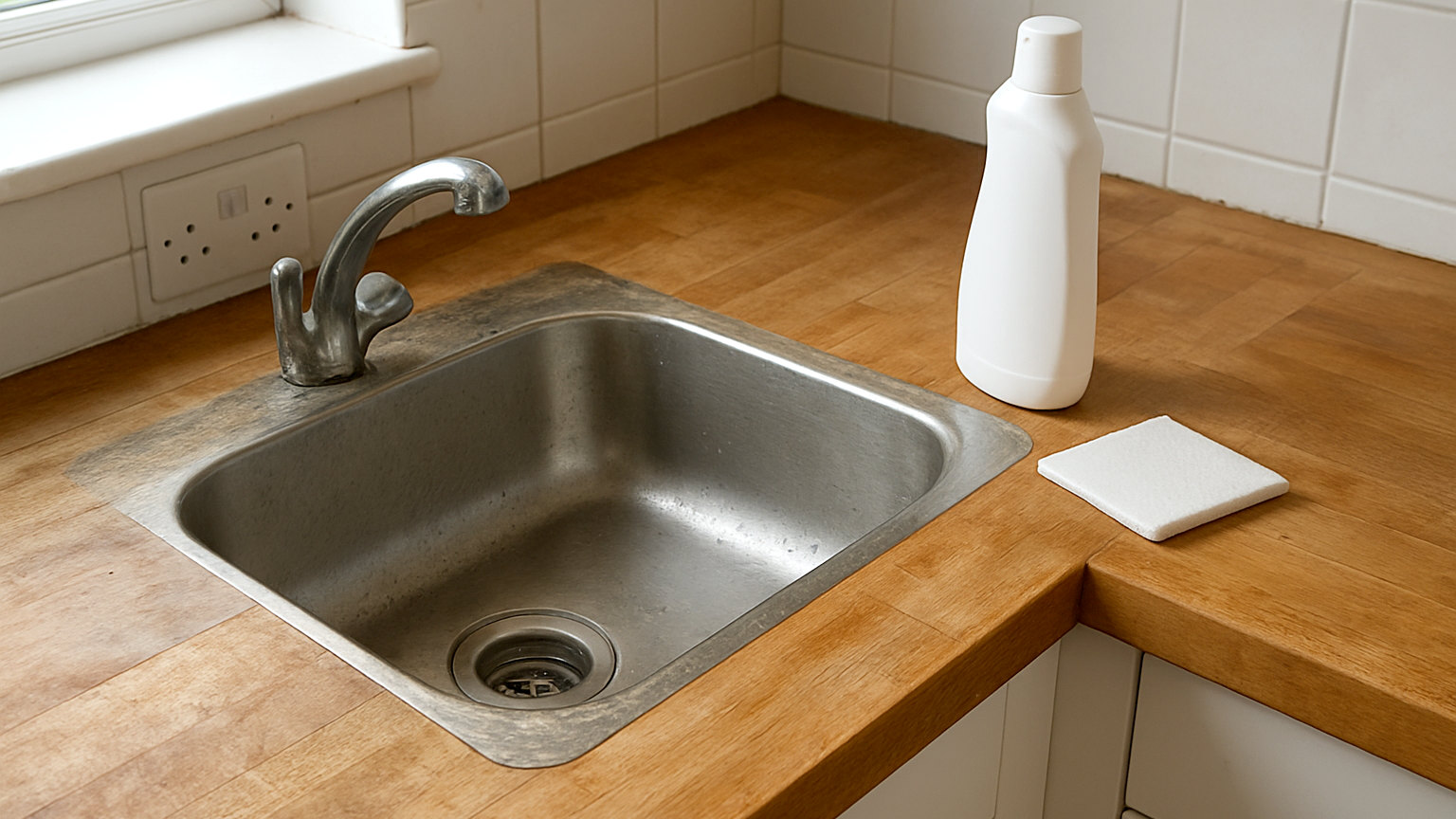
Oiling is the whole job, and a wooden worktop that is oiled often enough forgives almost everything while one that is neglected fails around the sink.
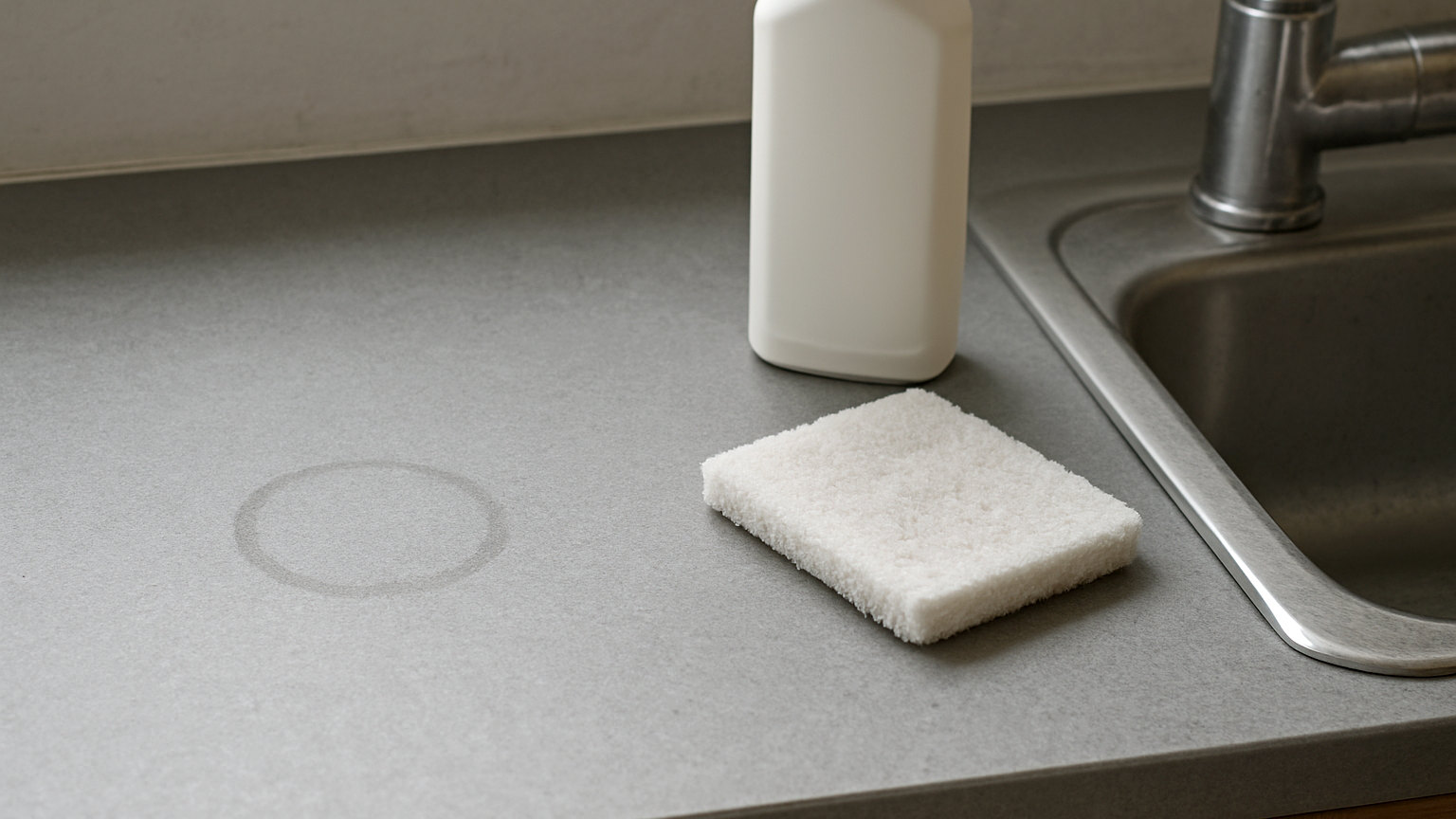
Laminate is easy to clean and vulnerable in one specific place, and once water gets into a joint or an edge the damage cannot be undone.
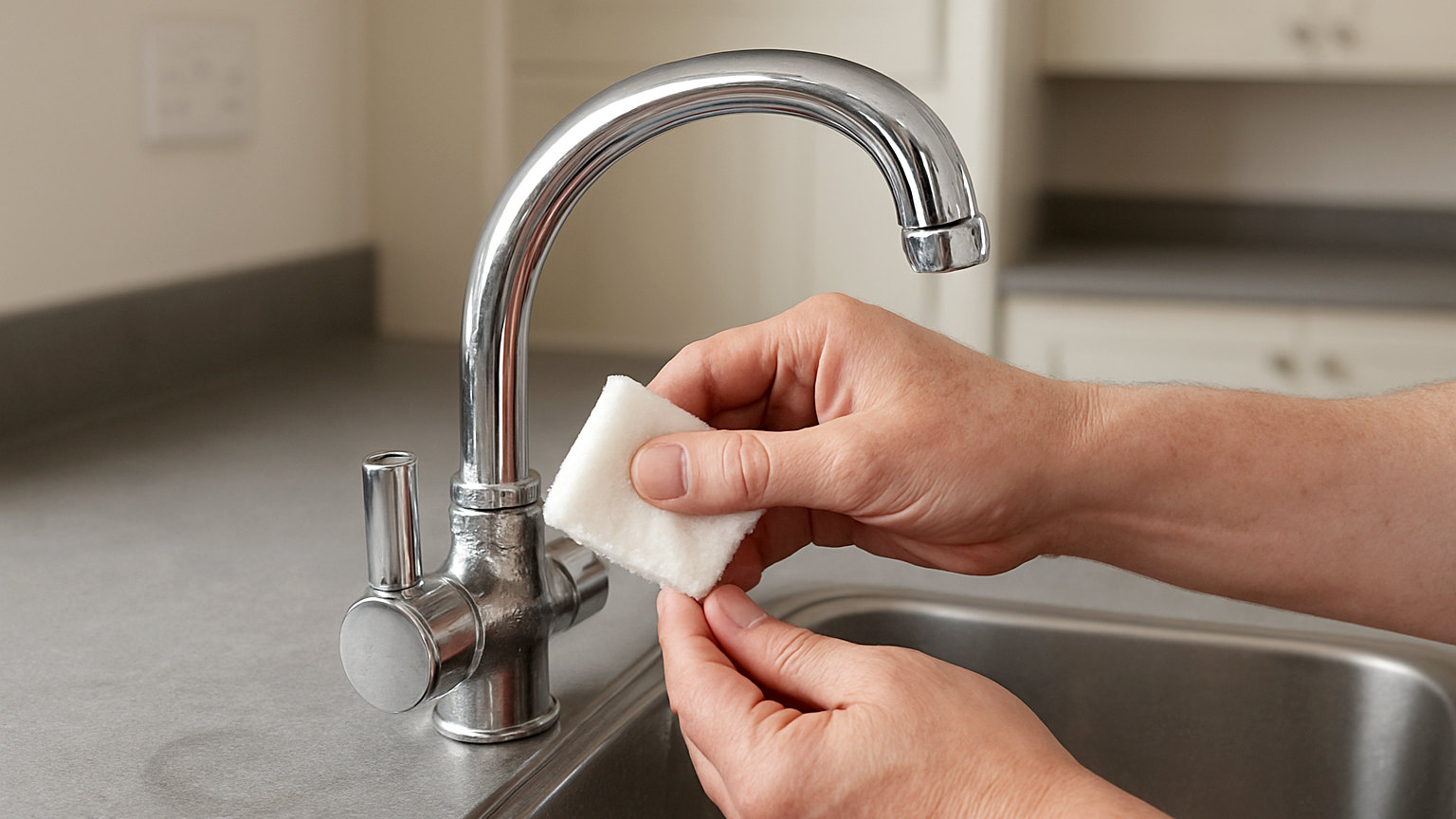
Acid dissolves limescale and also damages the finish on many modern taps, which makes contact time the thing to get right.
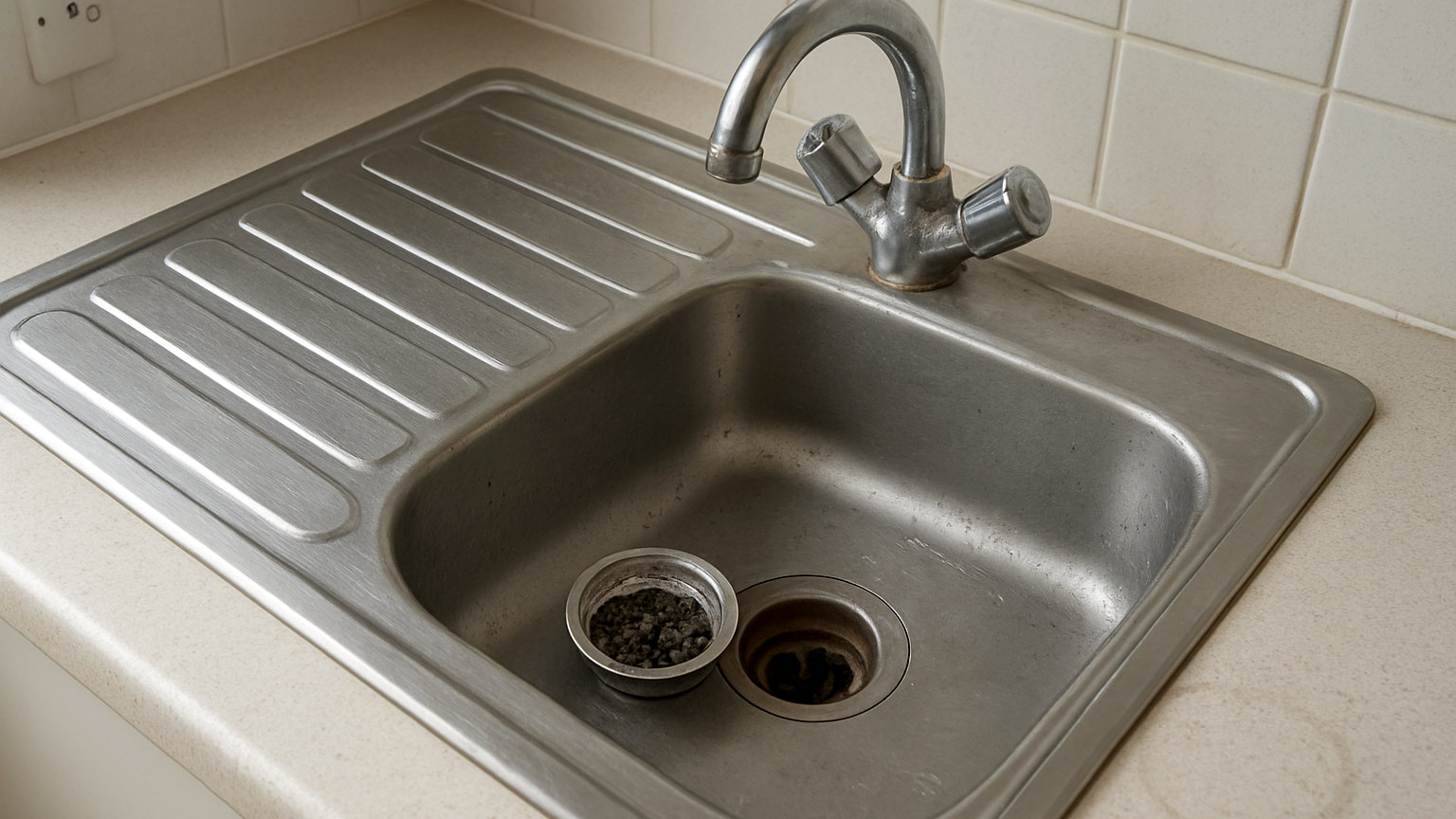
The smell is rarely from the drain itself, and the three usual sources are all within reach without any tools.
Kitchen blockages are nearly always congealed fat, which is why hot water and detergent do more than anything poured from a bottle.
Ceramic shows grey metal marks that are not scratches at all, and composite goes dull for reasons that have nothing to do with staining.