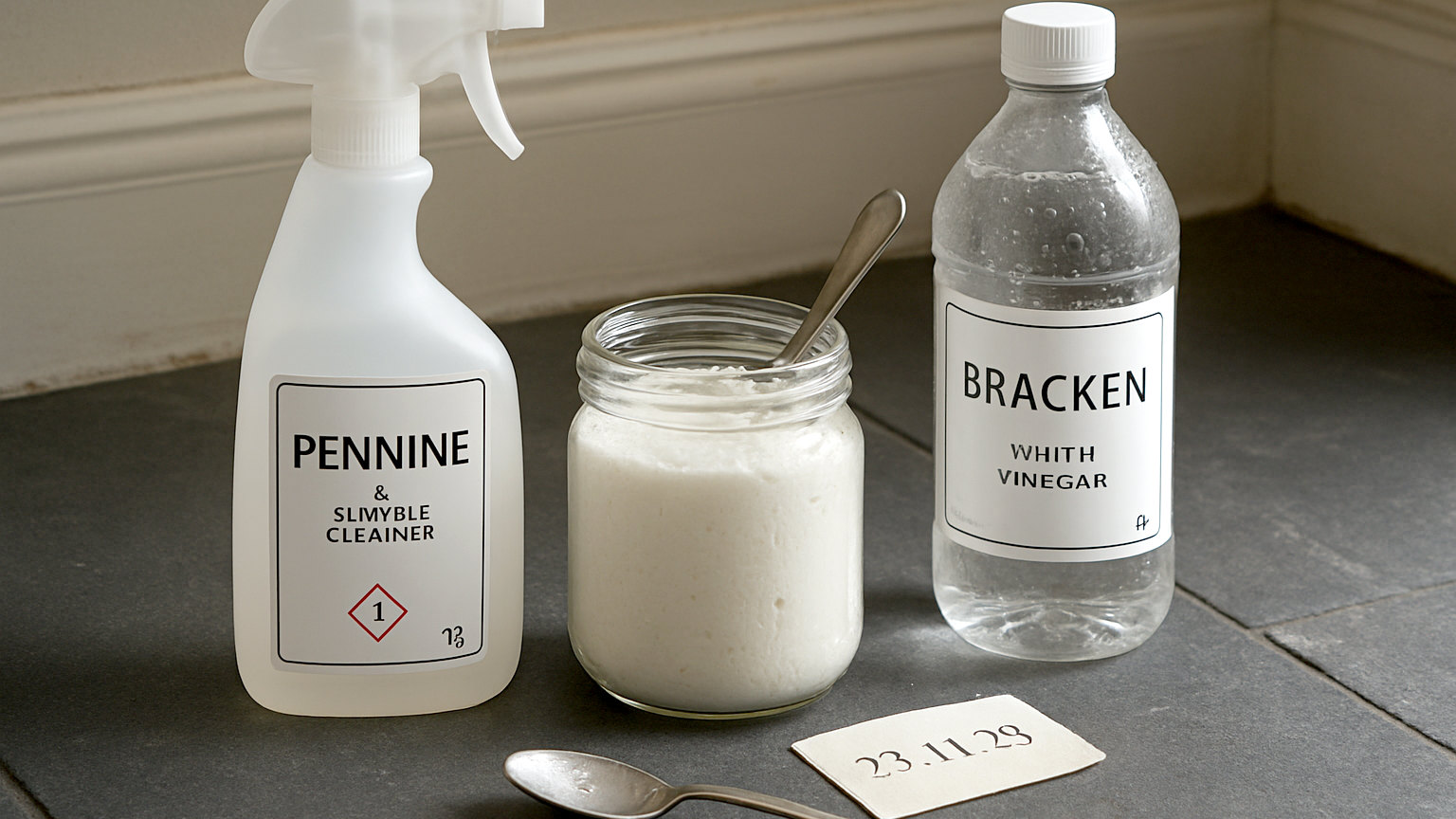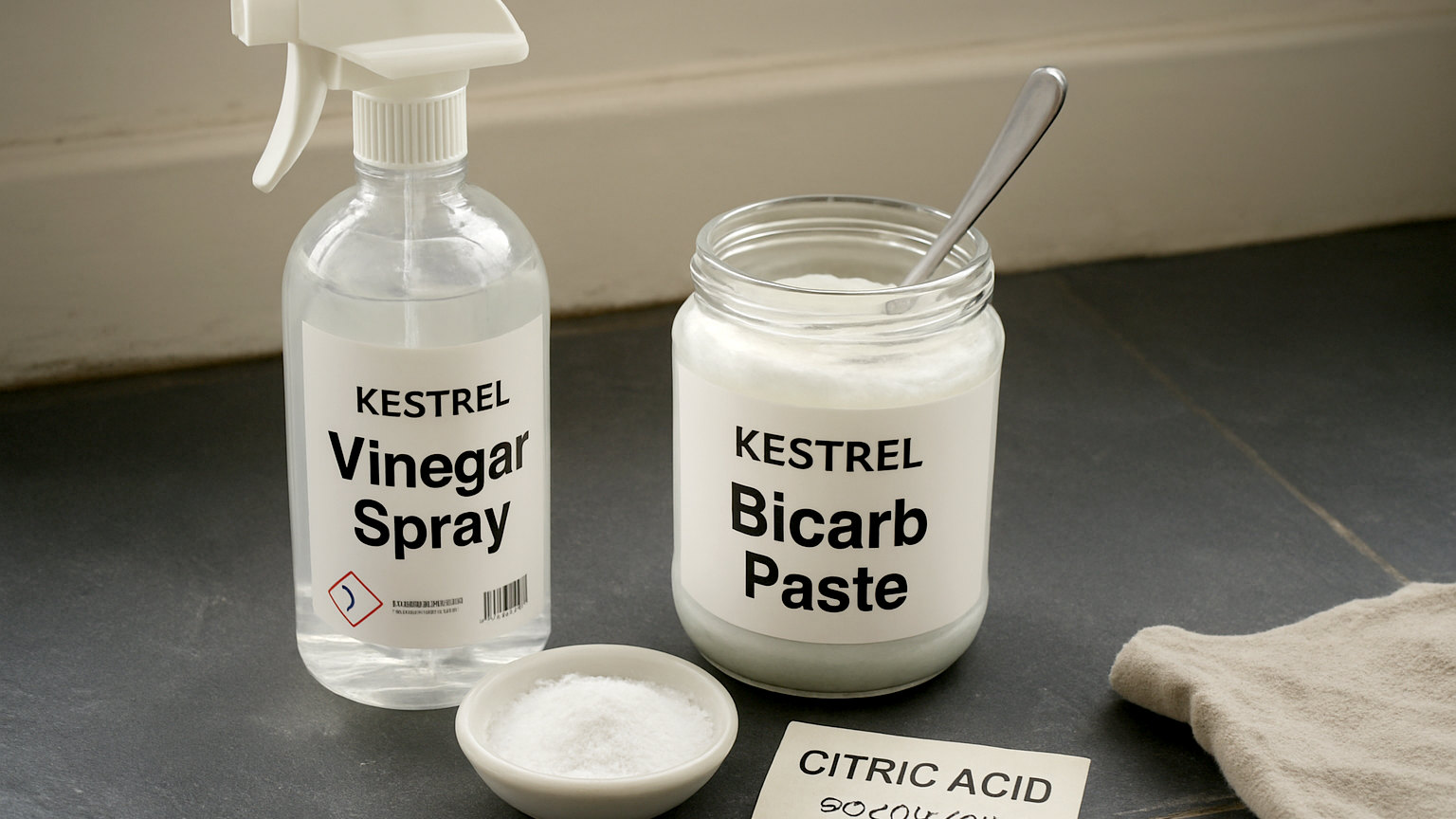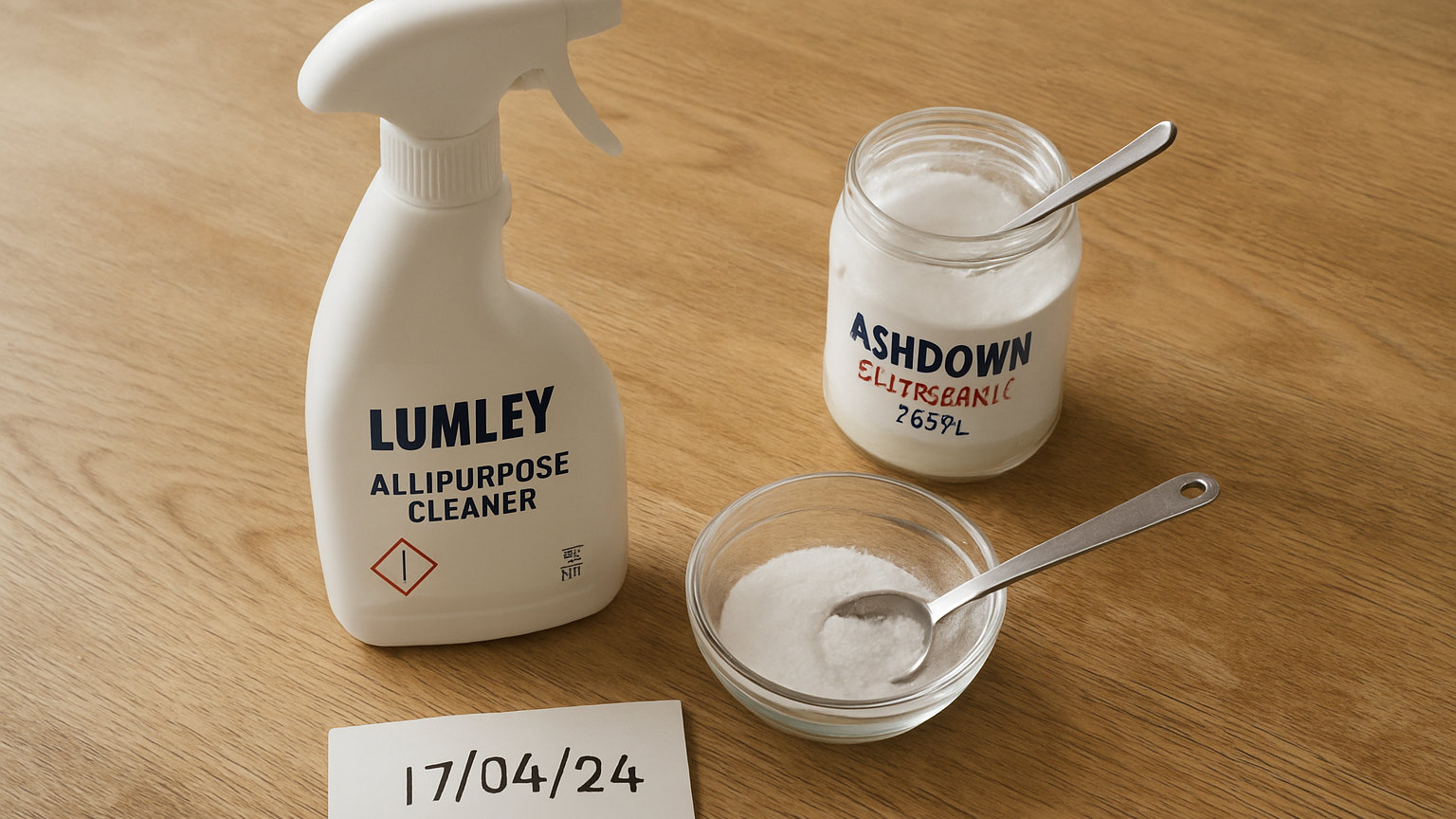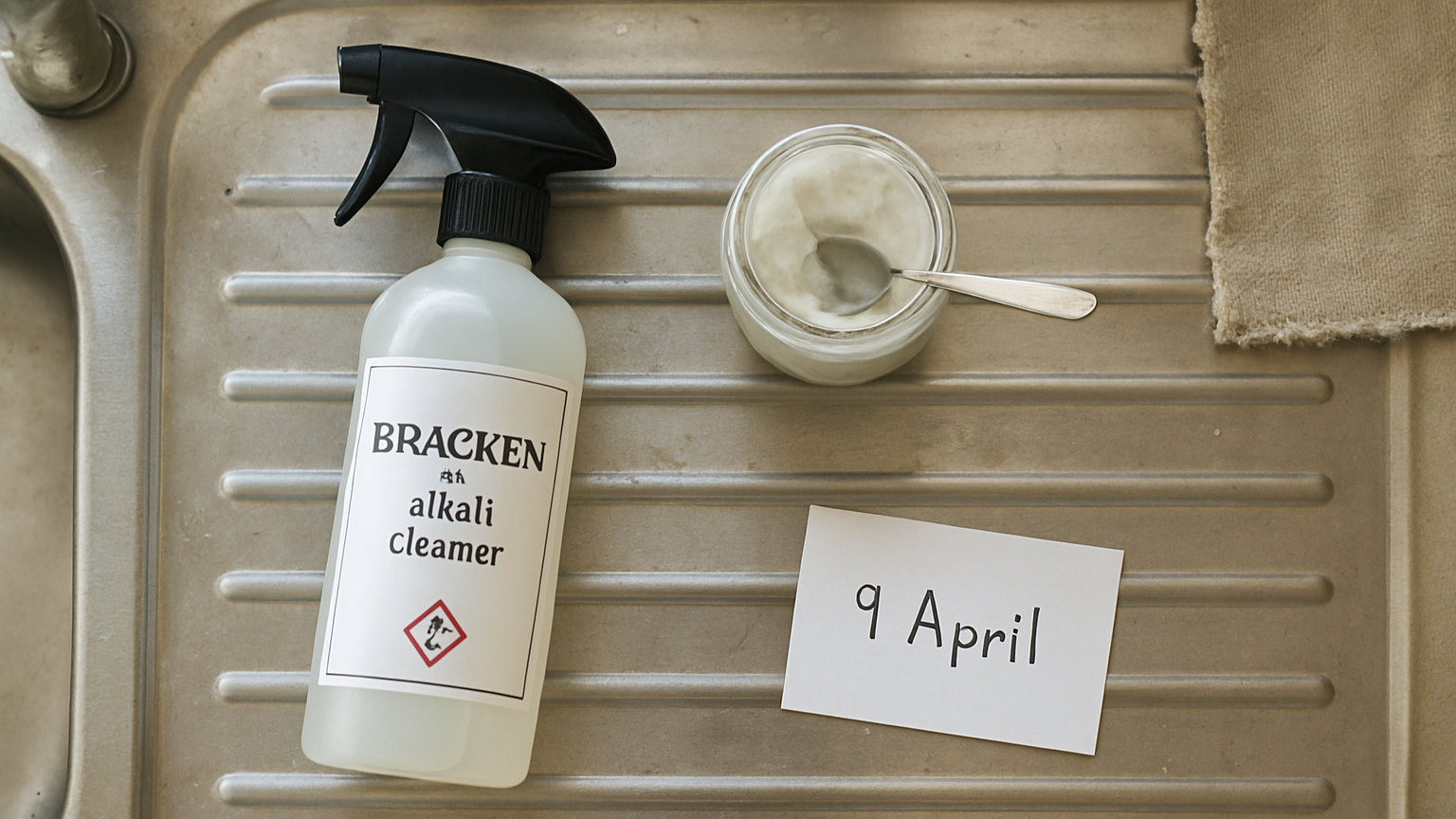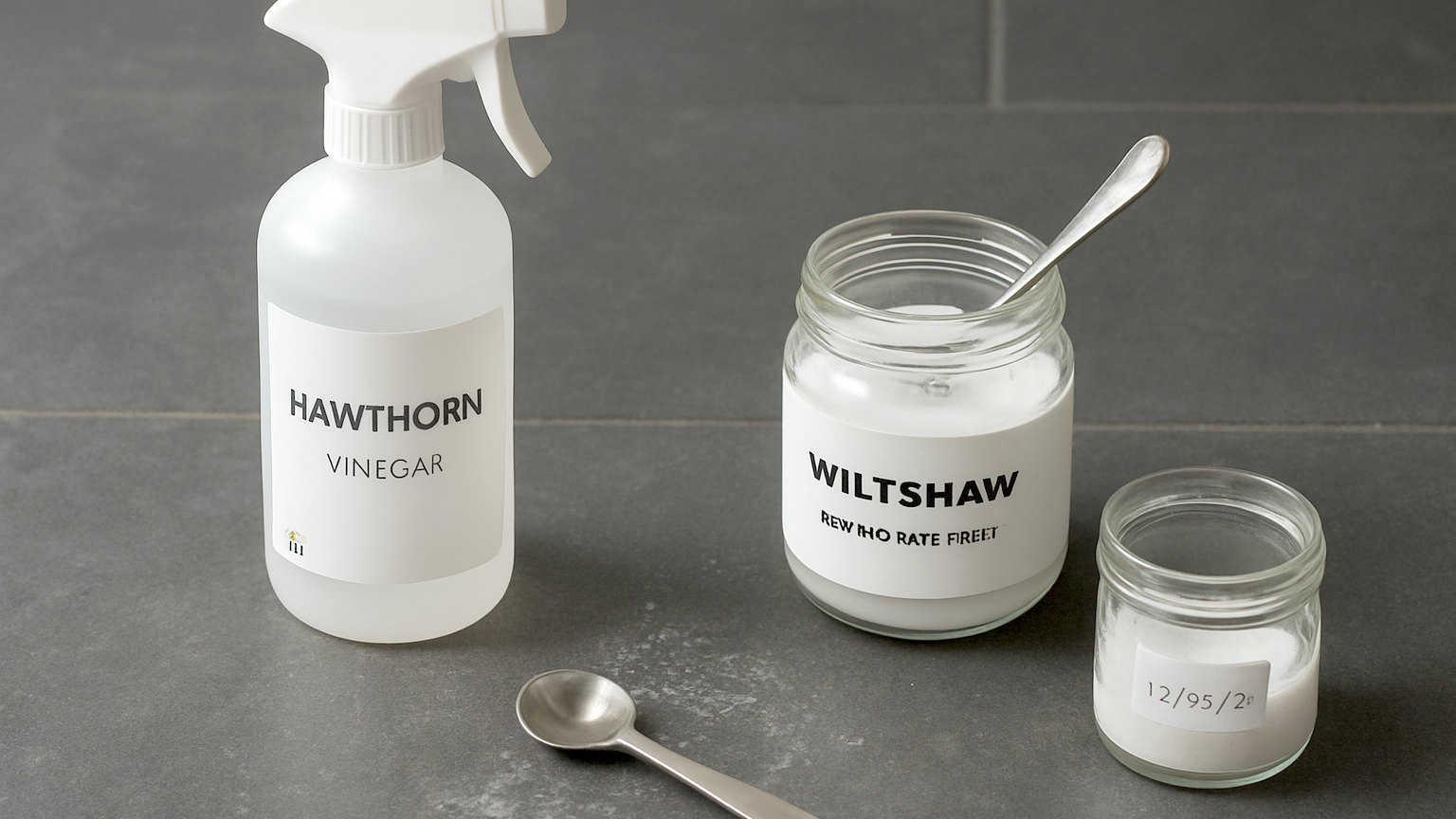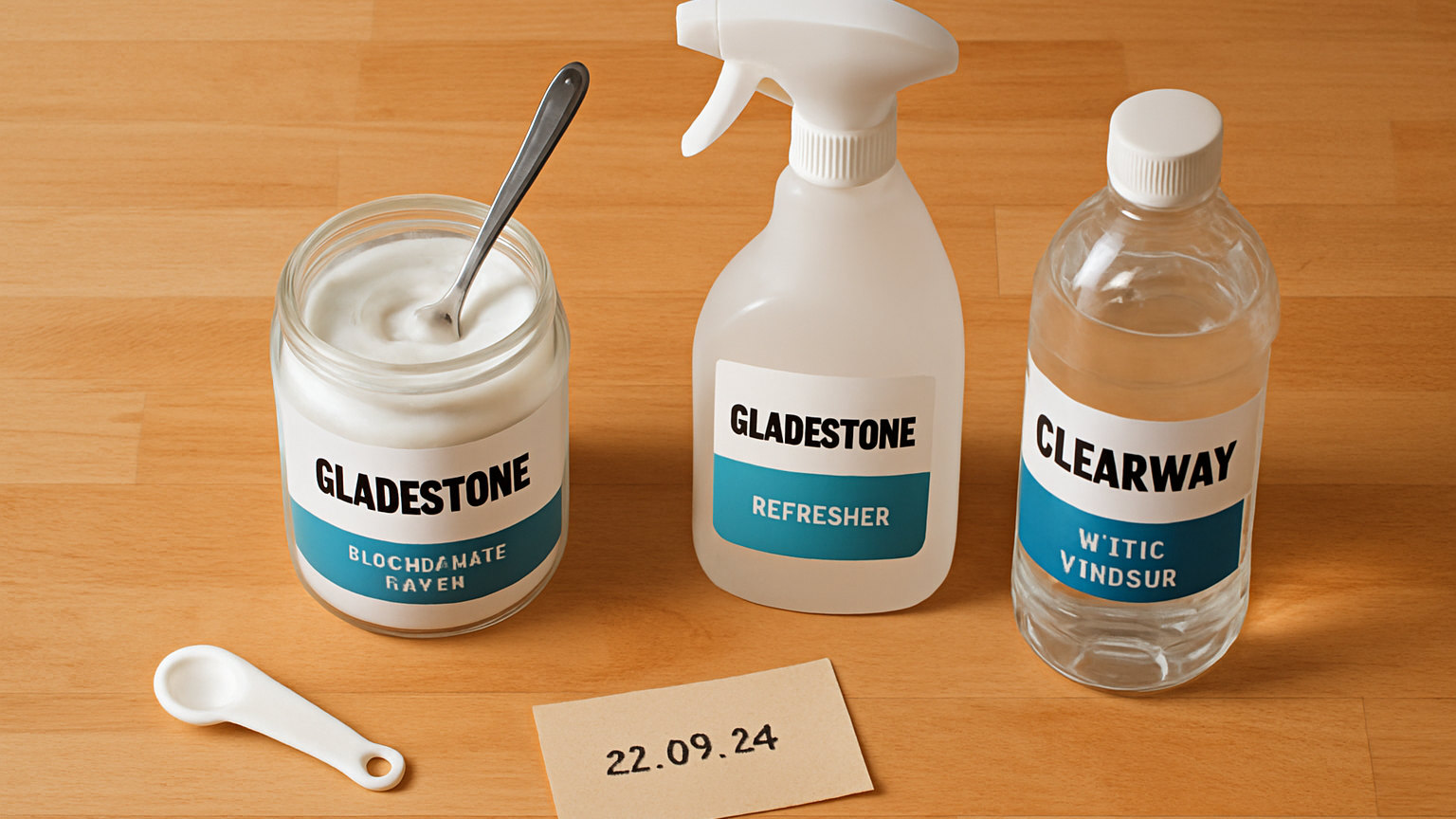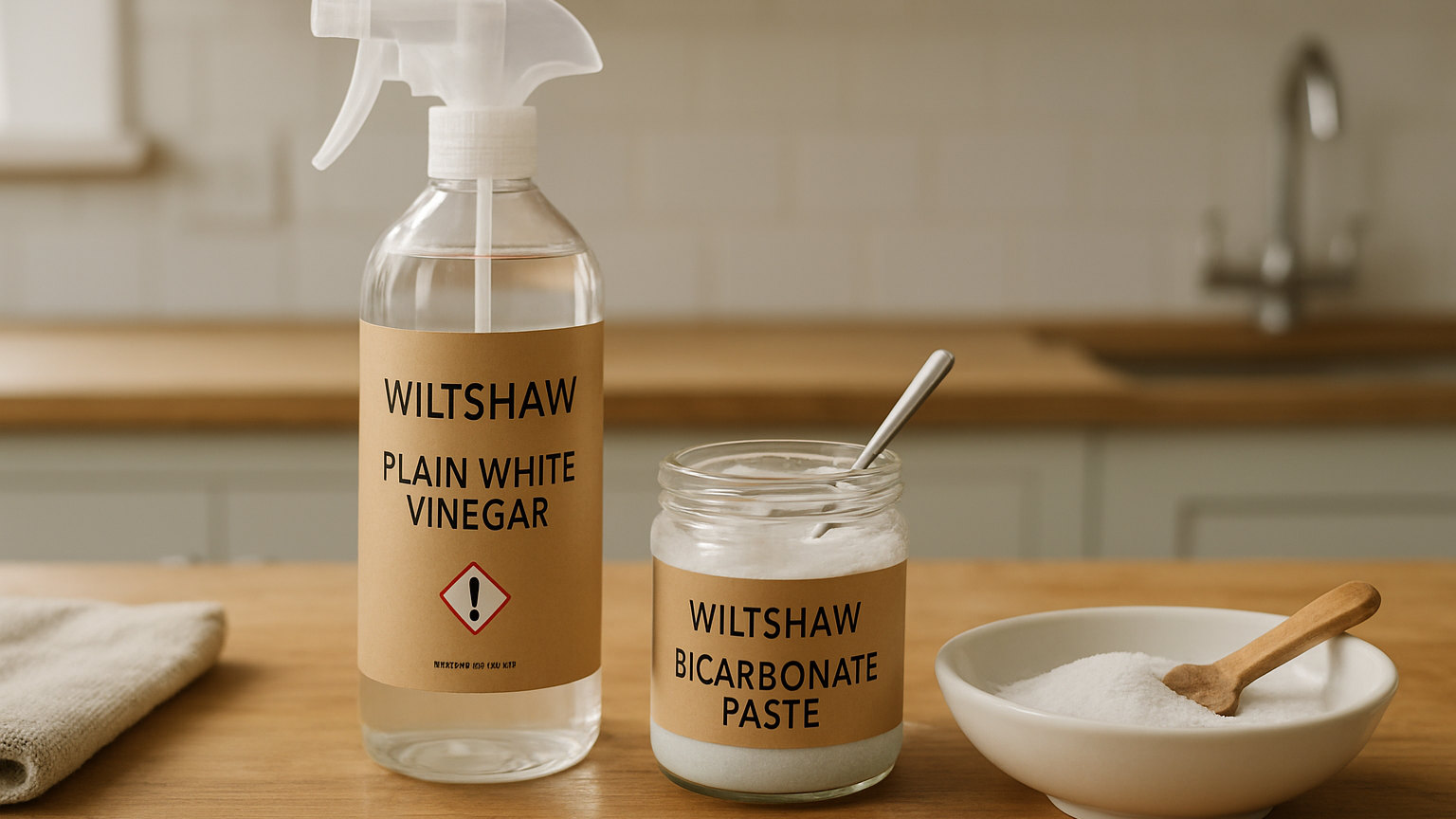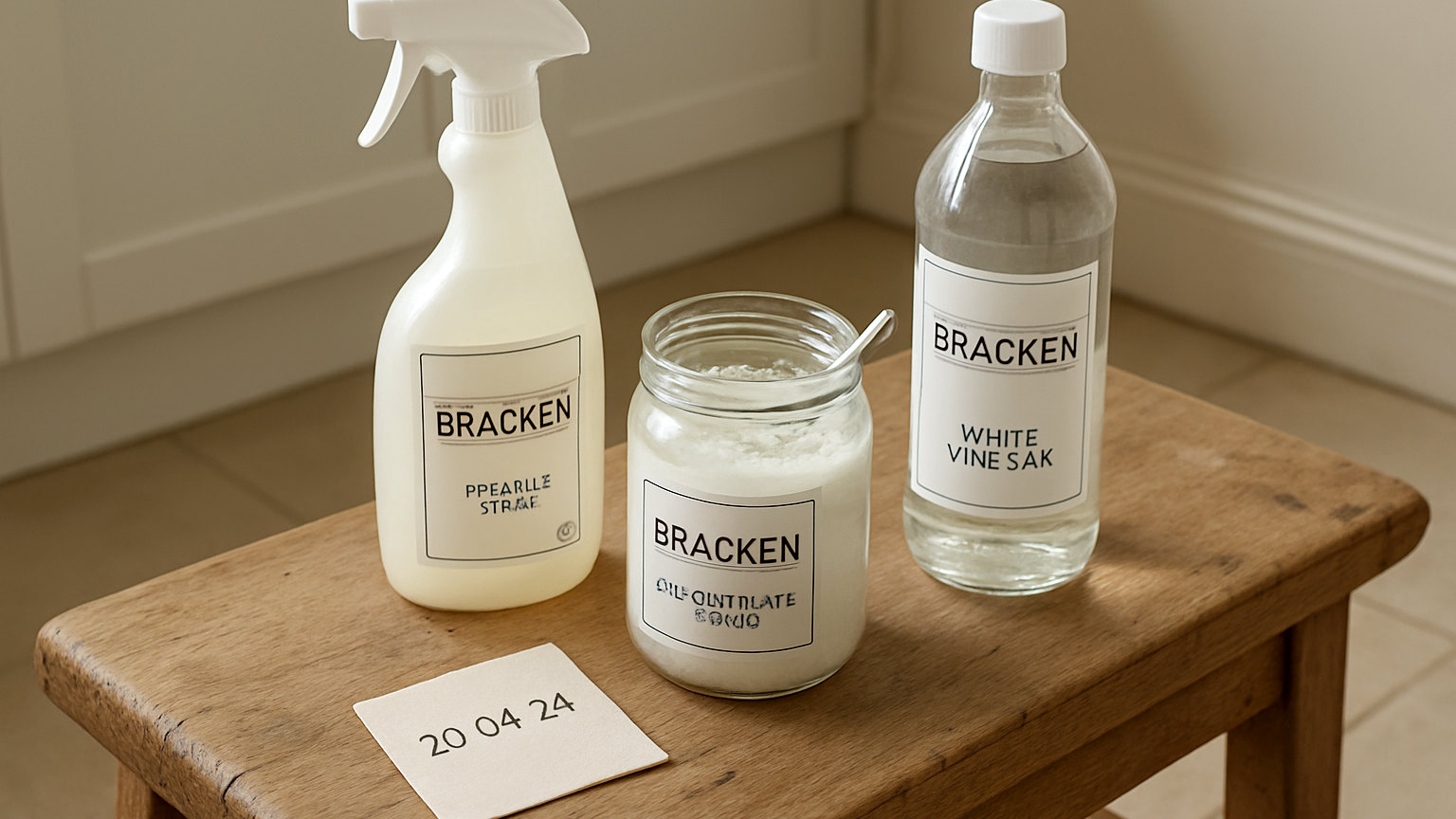
How Should Homemade Cleaners Be Stored?
The most important rule in homemade cleaning has nothing to do with chemistry: never put a cleaning product in a drinks bottle.
By Cleaning Guides Team
7 Aug 2026

What vinegar and bicarbonate actually do, the recipes that work, and the ones that do not.
The most important rule in homemade cleaning has nothing to do with chemistry: never put a cleaning product in a drinks bottle.
A few widely shared recipes are genuinely dangerous rather than merely ineffective, and two of them involve combinations that produce harmful gases.
Commercial cleaners contain preservatives and homemade ones do not, which is why a water based spray goes off within weeks.
They add fragrance and very little cleaning, and in a household with cats or birds several of them are a genuine hazard.
Kitchen blockages are congealed fat, which means the effective homemade treatment is an alkali and hot water rather than anything that fizzes.
Two homemade options genuinely disinfect and several popular ones do not, and the difference matters in the few situations where it counts.
The bicarbonate method genuinely works on an oven in reasonable condition, and the only thing it asks for is patience overnight.
Homemade stain treatments work well when they match the stain type, and the three recipes below cover almost everything that lands on fabric.
Most floors need less than people put in the bucket, and the commonest homemade floor cleaner is unsuitable for two of the commonest floors.
The fizzing is the two ingredients destroying each other, and what remains afterwards is salty water with no cleaning power at all.
Two ingredients make a paste that does most of what a bought cream cleaner does, and the mixing ratio is the only part that matters.
A bathroom needs an acid for limescale and soap scum, which is one job where a homemade cleaner matches anything on a shelf.