A greasy mark that vanishes in the wash and is back on the line is one of the more frustrating laundry experiences, and the explanation is straightforward. The oil was never fully removed. The wash took out what was near the surface, and as the garment dried the remainder migrated back outwards and became visible again.
Why does oil move back to the surface?
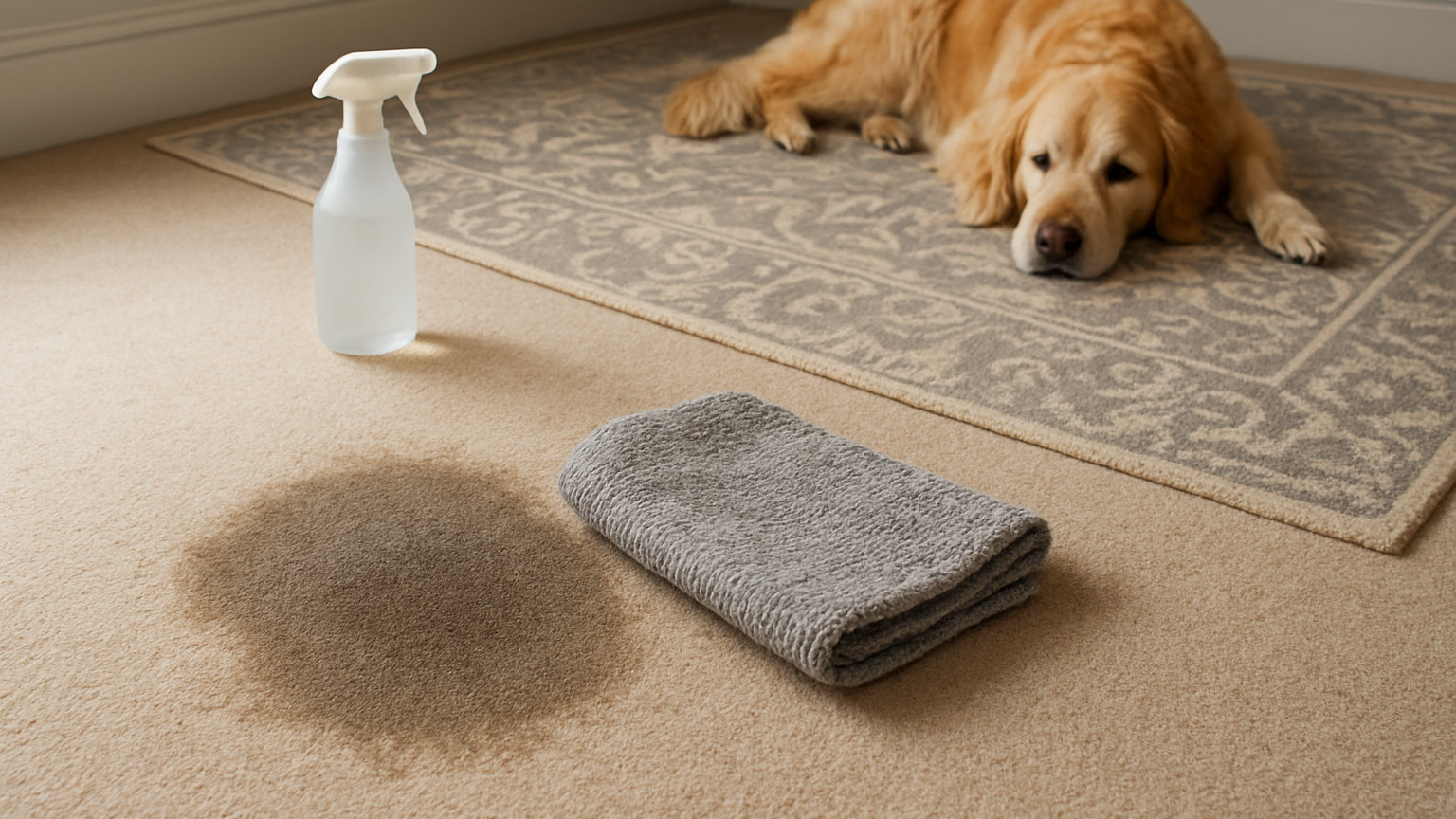
Because as water evaporates from fabric it draws material with it towards the surface, in the same way a stain wicks back in carpet. Oil that had soaked deeper into the yarn travels up with the last of the moisture and redeposits where the air meets the fibre.
The reappeared mark is often slightly larger and fainter than the original, which is a reliable sign that this is what has happened.
What went wrong in the wash?
- The temperature was too low. Cold and cool water leaves fat too viscous for surfactants to lift.
- No direct treatment was applied. Diluted detergent across a whole drum is not enough on a concentrated greasy spot.
- The dwell time was too short, or the pre-treatment was rinsed off immediately.
- The drum was overloaded, so the garment was not properly agitated or rinsed.
- The detergent dose was wrong, either too little to lift the oil or so much that residue remained.
What is the correct second attempt?
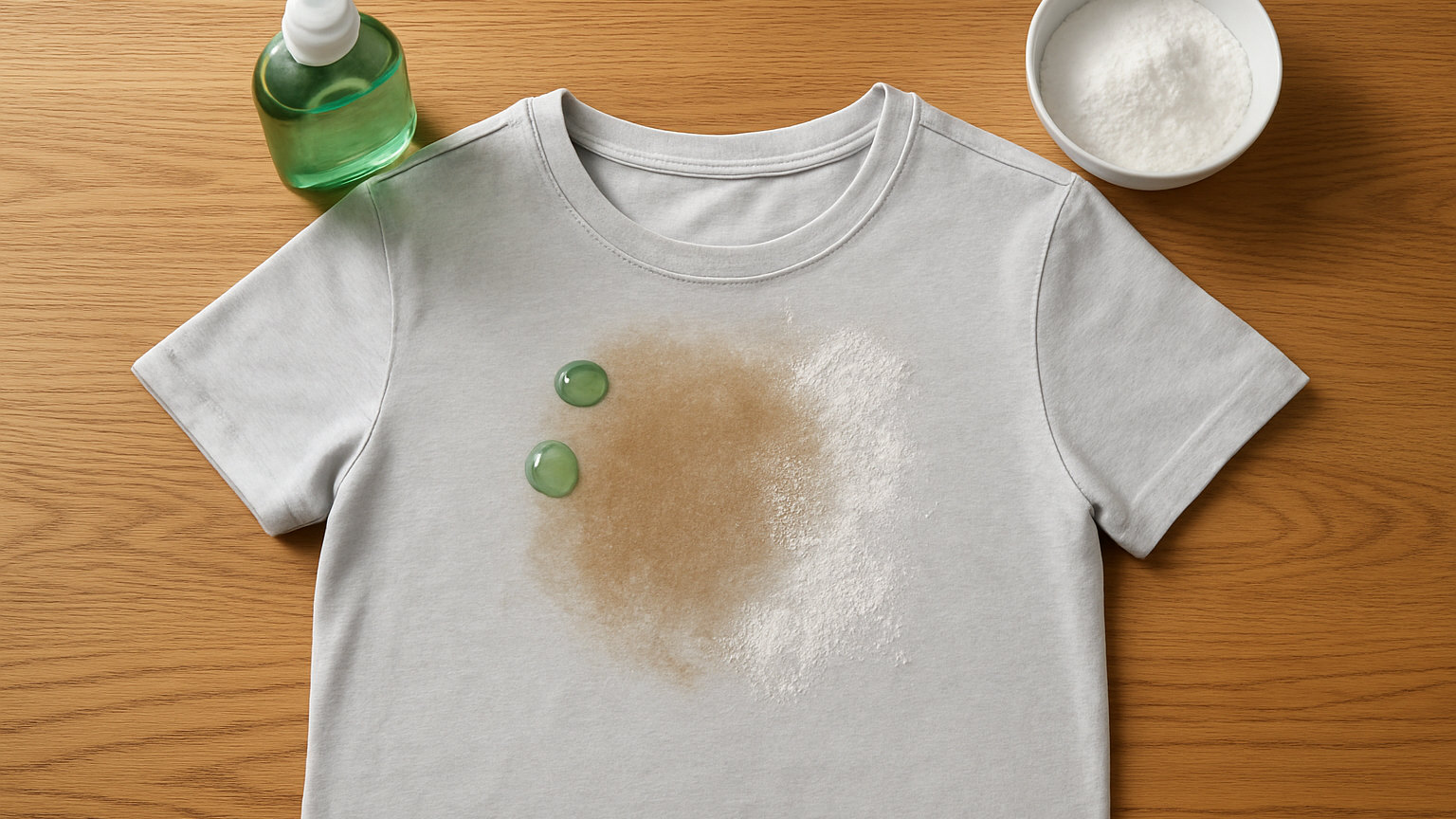
- Apply washing up liquid generously to the mark, on both sides of the fabric.
- Work it in with a fingertip or a soft brush.
- Leave it for thirty minutes rather than five.
- Rinse in the warmest water the fabric allows.
- Repeat the application before washing.
- Wash at the highest permitted temperature with a biological detergent.
- Air dry and inspect. Do not tumble dry.
Most reappearing marks clear on the second properly executed treatment, and the difference is dwell time and warmth rather than a stronger product.
Why should you not tumble dry it?
Because heat oxidises the remaining oil and bonds it to the fibre. A mark that would have come out on the second attempt can become permanent after one hot dryer cycle. Air dry anything with a suspected grease mark until you are certain it has gone.
The same applies to ironing over the area.
Is it always the original stain?
Not always. Two other things produce a similar effect. Detergent residue from overdosing can appear as a darker patch once dry, particularly on dark fabric. And a previous treatment that was not rinsed out leaves a sticky area that collects dirt and darkens over weeks.
Test by washing the item with no detergent at all and an extra rinse. If it improves, the problem is residue rather than grease.
How do you tell a grease mark from other stains?
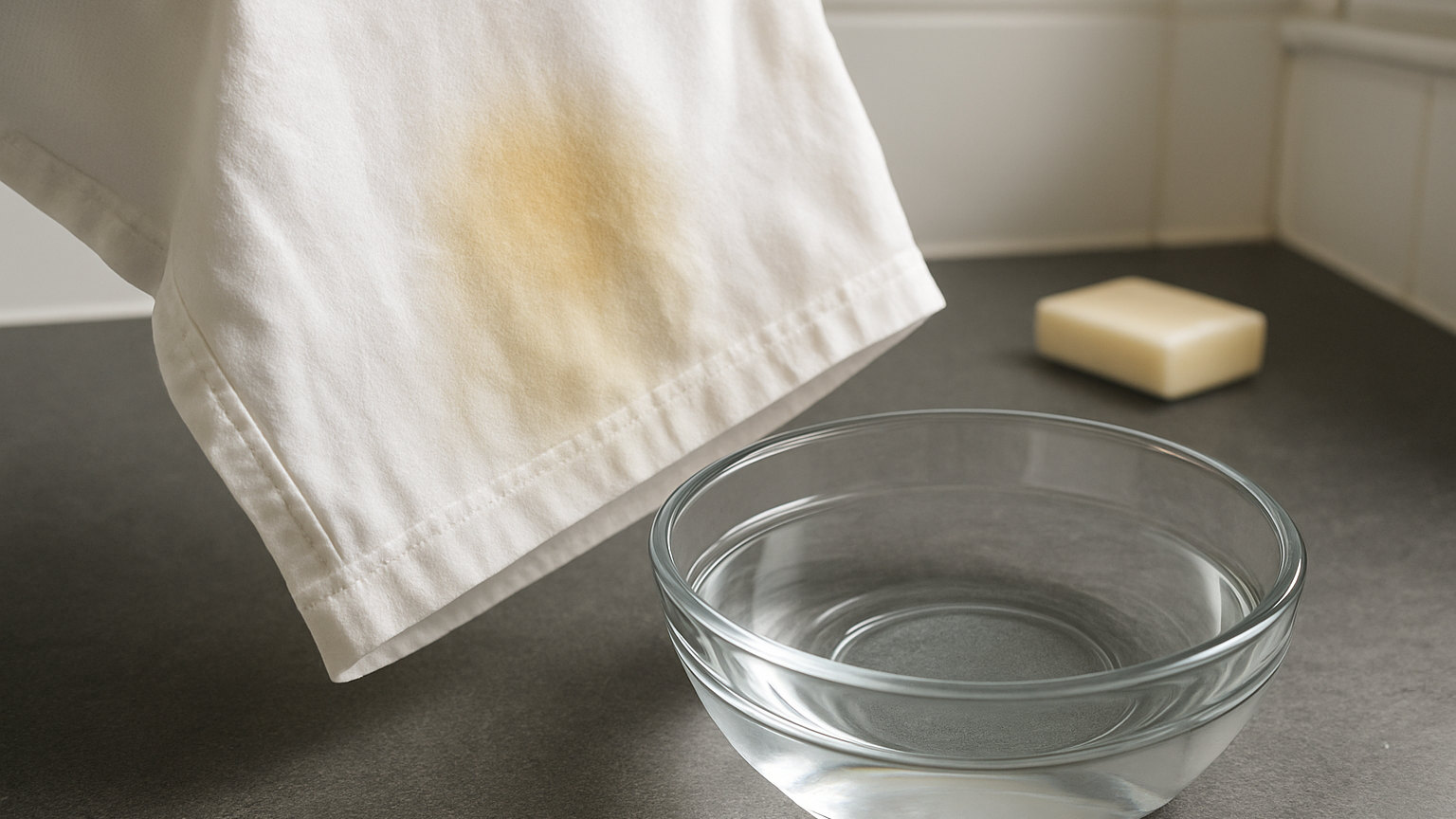
Grease is translucent rather than opaque, it looks darker when the fabric is wet and lighter when dry, and it has a soft diffuse edge rather than a defined ring. Water based stains tend to leave a sharper outline.
A patch that disappears when the fabric is wet and reappears when it dries is almost always oil.
What if it keeps coming back after several attempts?
Try a longer soak in hot water with soda crystals, which is the strongest household degreaser and works where detergent has not. Avoid it on wool, silk and anything with elastane.
Failing that, an eucalyptus based or solvent stain remover applied from the reverse side often succeeds on oil that has oxidised.
When should you accept it?
After three proper treatments with no further improvement, particularly on synthetic fabric that has been through heat. Polyester holds oxidised oil tightly, and a heat set mark on a synthetic garment is frequently permanent. Cotton is considerably more forgiving and worth persisting with.
Can anything be done with a permanent mark?
On a dark garment, very little beyond accepting it. On a white one, an oxygen bleach soak will often reduce a yellowed oil mark to a shadow even when the oil itself cannot be removed. Beyond that, a well placed mark is sometimes better covered than fought, and a garment worn under something else has plenty of life left in it.