How Do You Remove Ink From Walls?
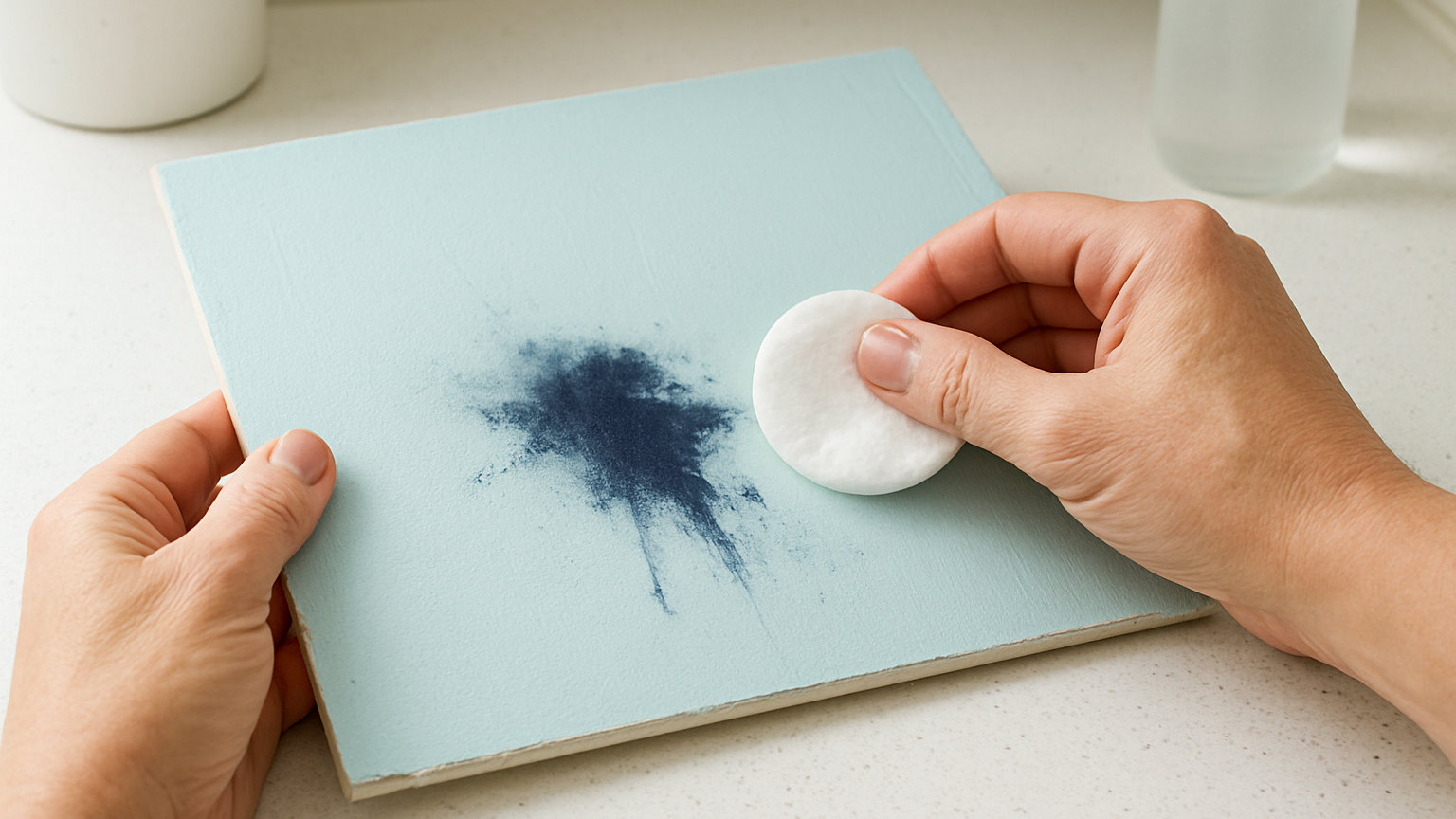
Anything strong enough to dissolve ink on a wall will usually also affect the paint, which makes touching up the realistic answer more often than not.
By Cleaning Guides Team
1 Mar 2026

Stain removal is mostly about doing the right thing in the first five minutes and not doing the wrong thing at all. These guides are organised by what caused the mark rather than by product, because the chemistry differs: protein stains need cold water, grease needs the opposite, and heat sets several of them permanently. Every guide says what to do first, what to avoid, and when a stain is not coming out.
Anything strong enough to dissolve ink on a wall will usually also affect the paint, which makes touching up the realistic answer more often than not.
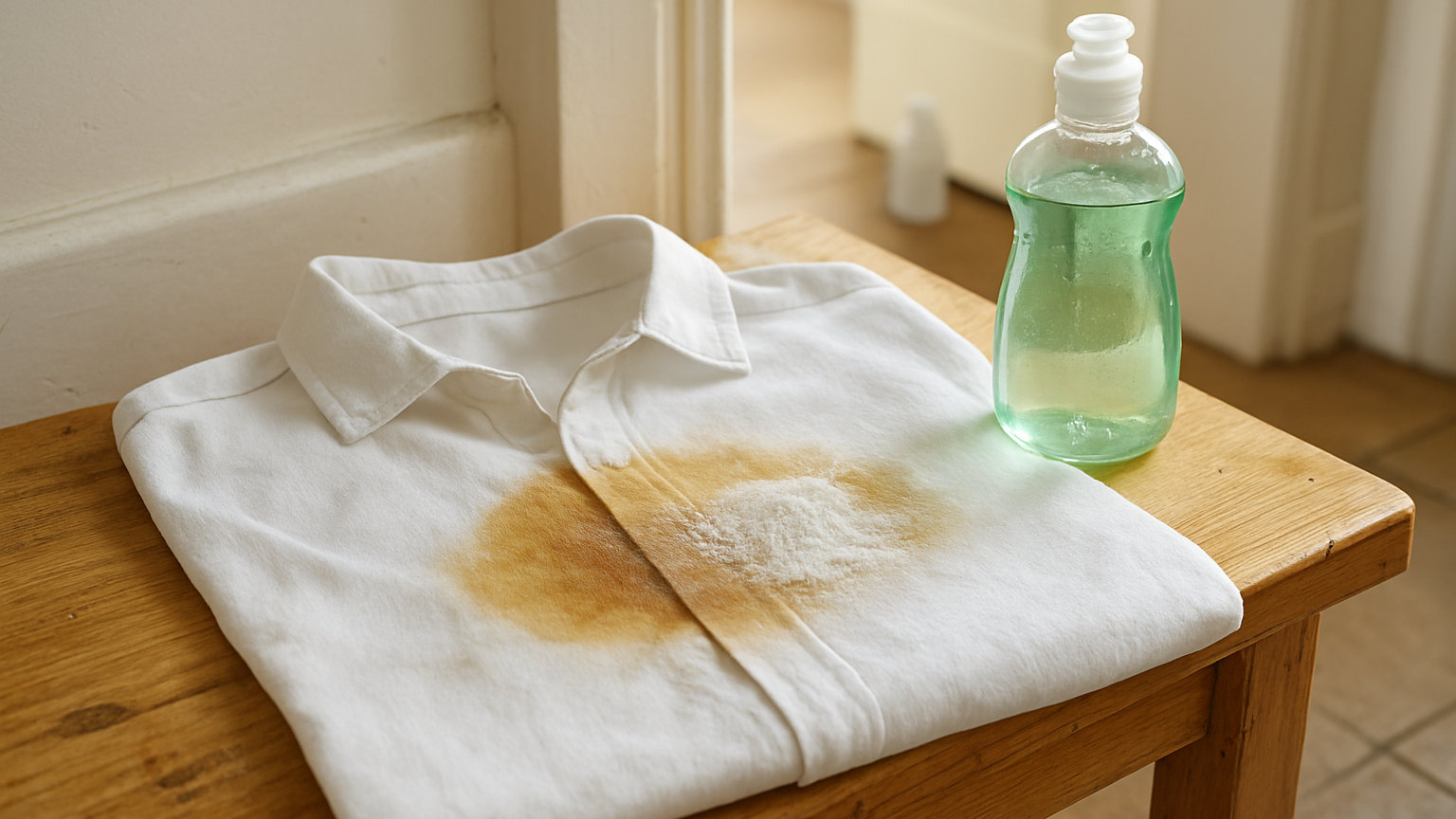
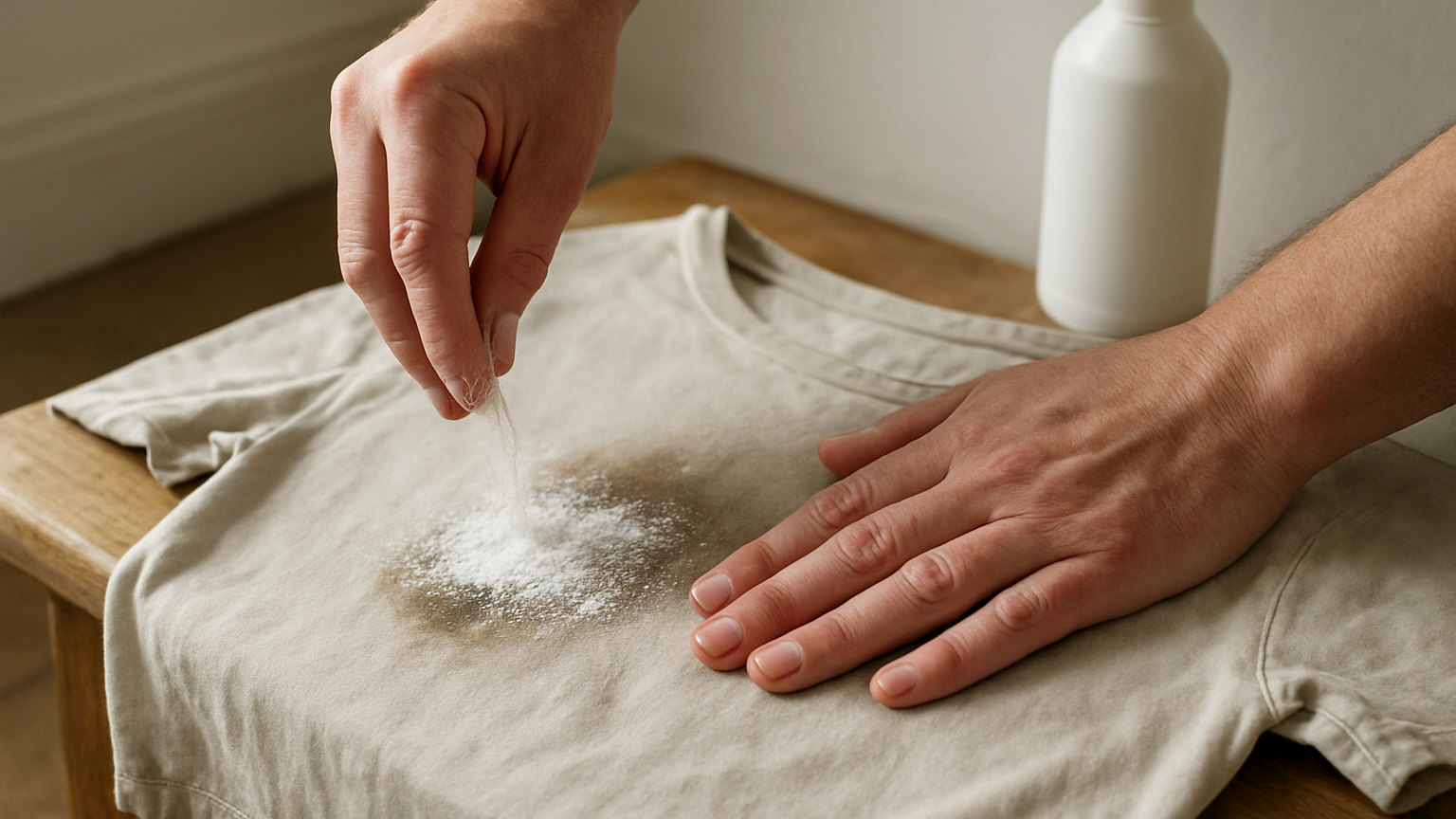
Unlike salt on wine, absorbent powders on grease genuinely work, because oil moves readily into a fine powder and takes the stain with it.
Car interiors combine a fabric that cannot be removed with foam underneath that holds moisture, which makes the drying harder than the cleaning.
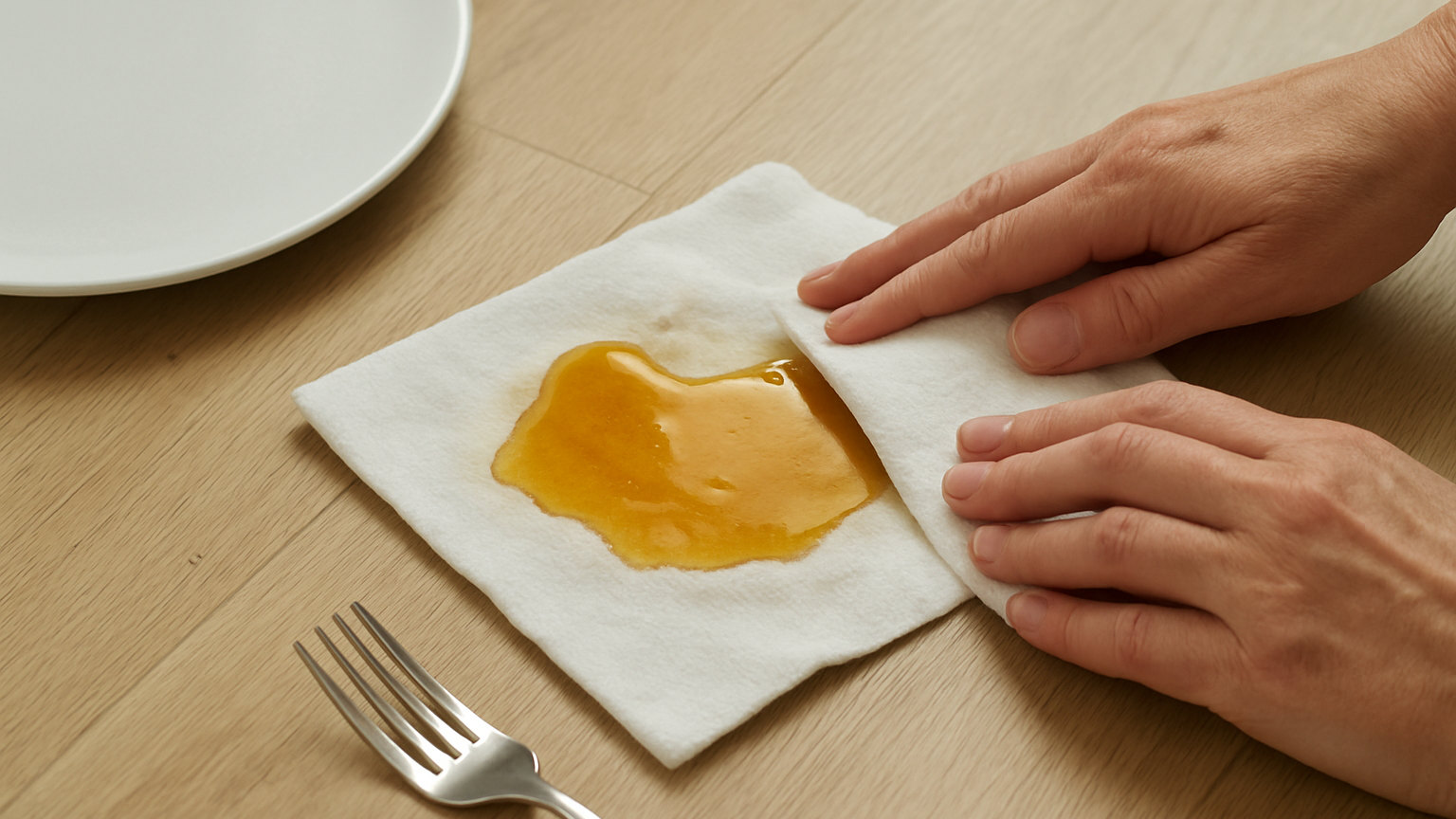
Sugar stains dissolve in warm water almost effortlessly, which makes them among the easiest marks to remove and the easiest to make permanent.
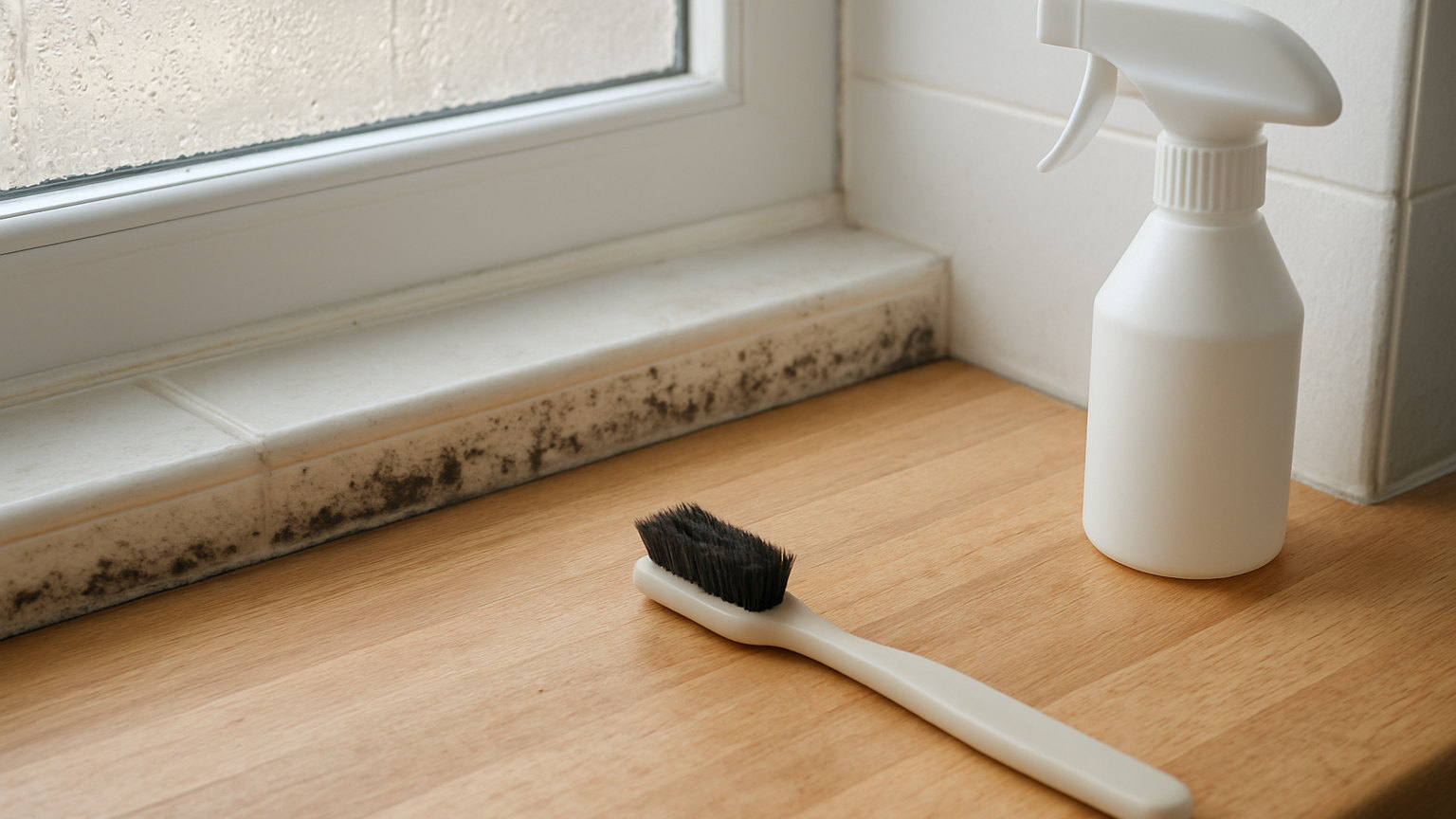
Colour is a poor guide to risk, and the more useful questions are how much there is, how long it has been there and who lives in the house.
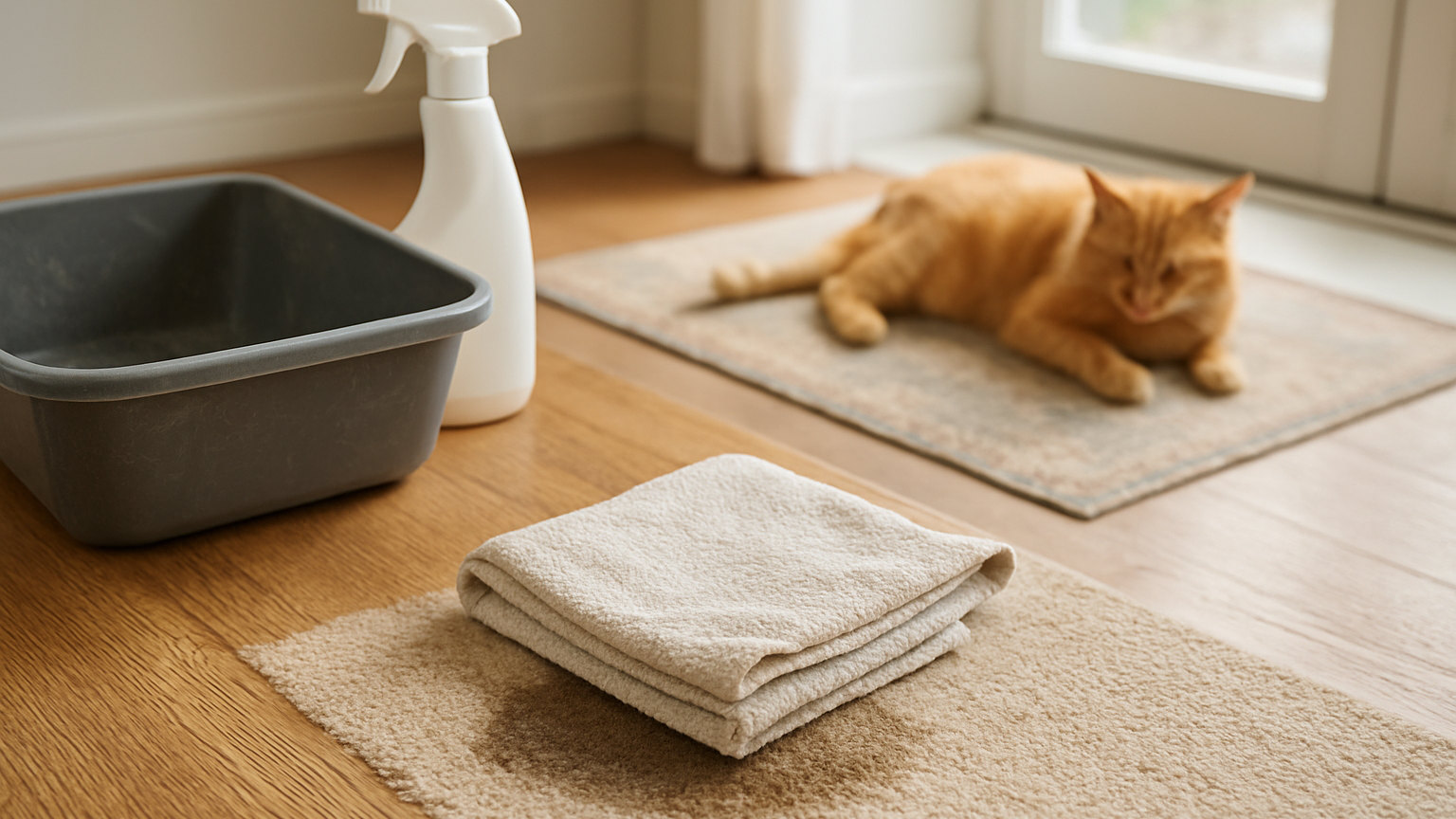
Most litter tray smell comes from the tray itself rather than its contents, and plastic that has been scratched holds odour permanently.
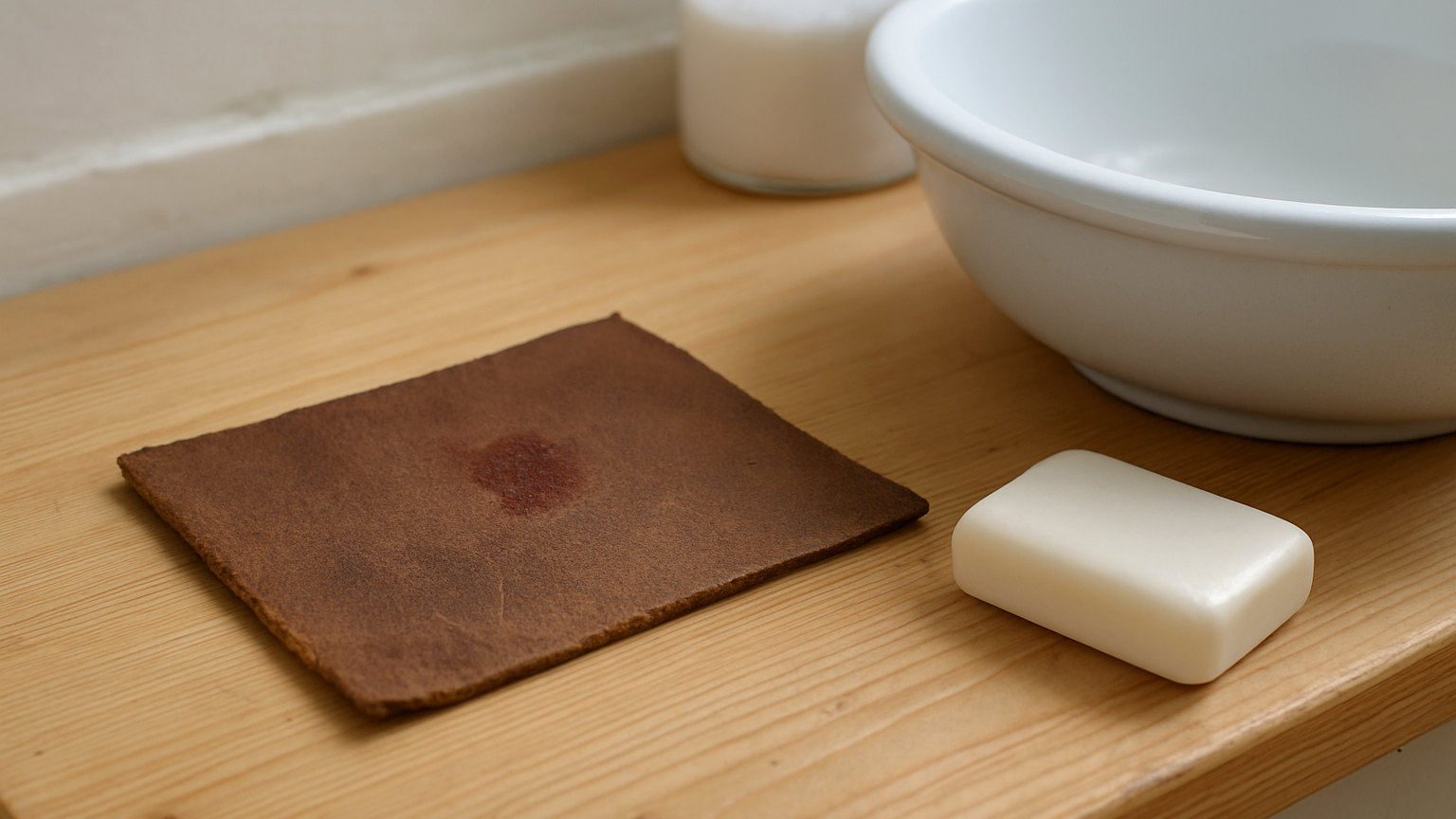
Leather is a protein material, which means most of the things that remove blood will damage the hide as readily as they remove the stain.
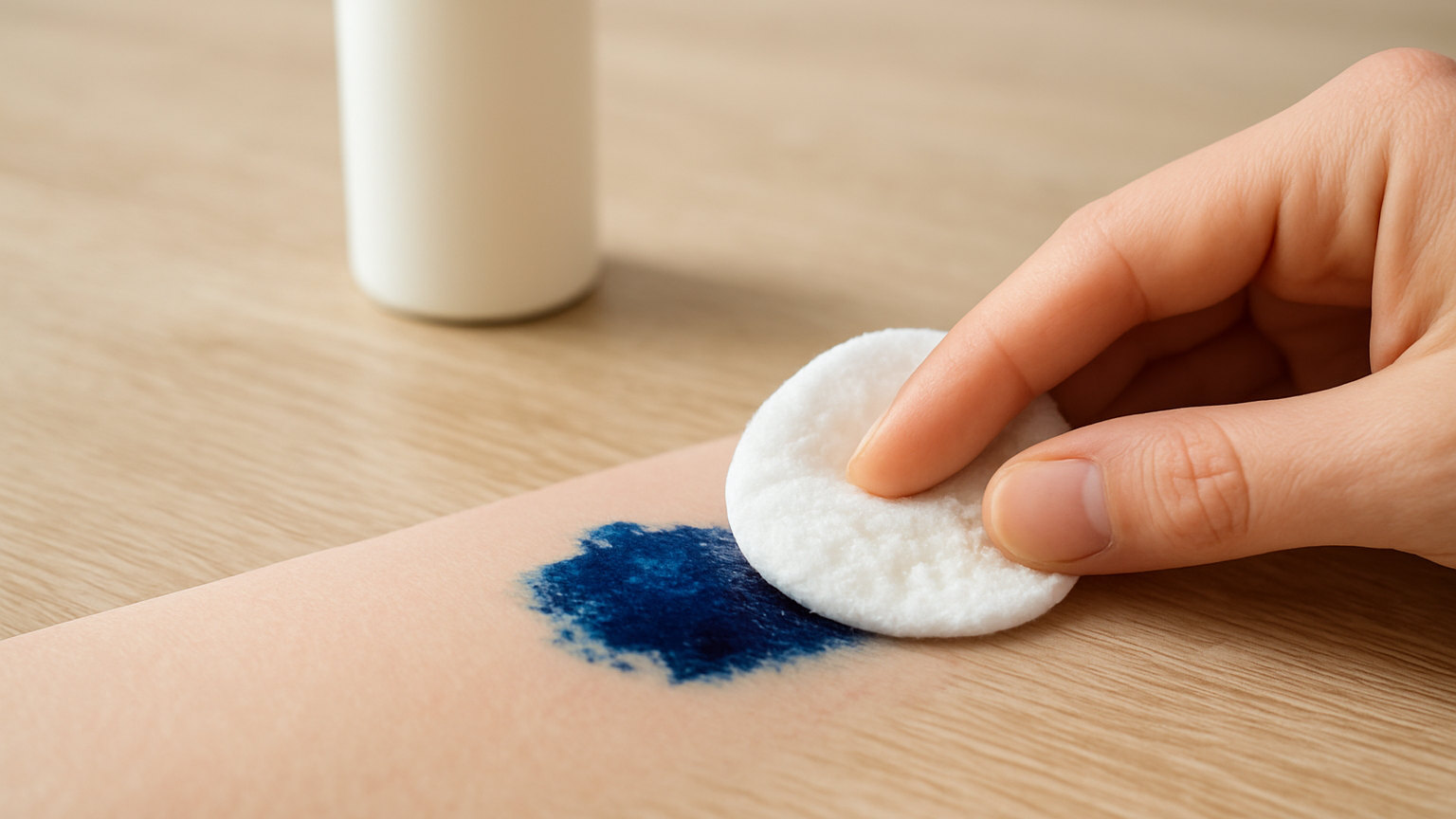
Ink on skin fades on its own within days, and the safe ways to speed it up are oil and mild abrasion rather than solvent.
Upholstery grease is usually body oils from heads and hands rather than a spill, which is why it appears on armrests and headrests first.
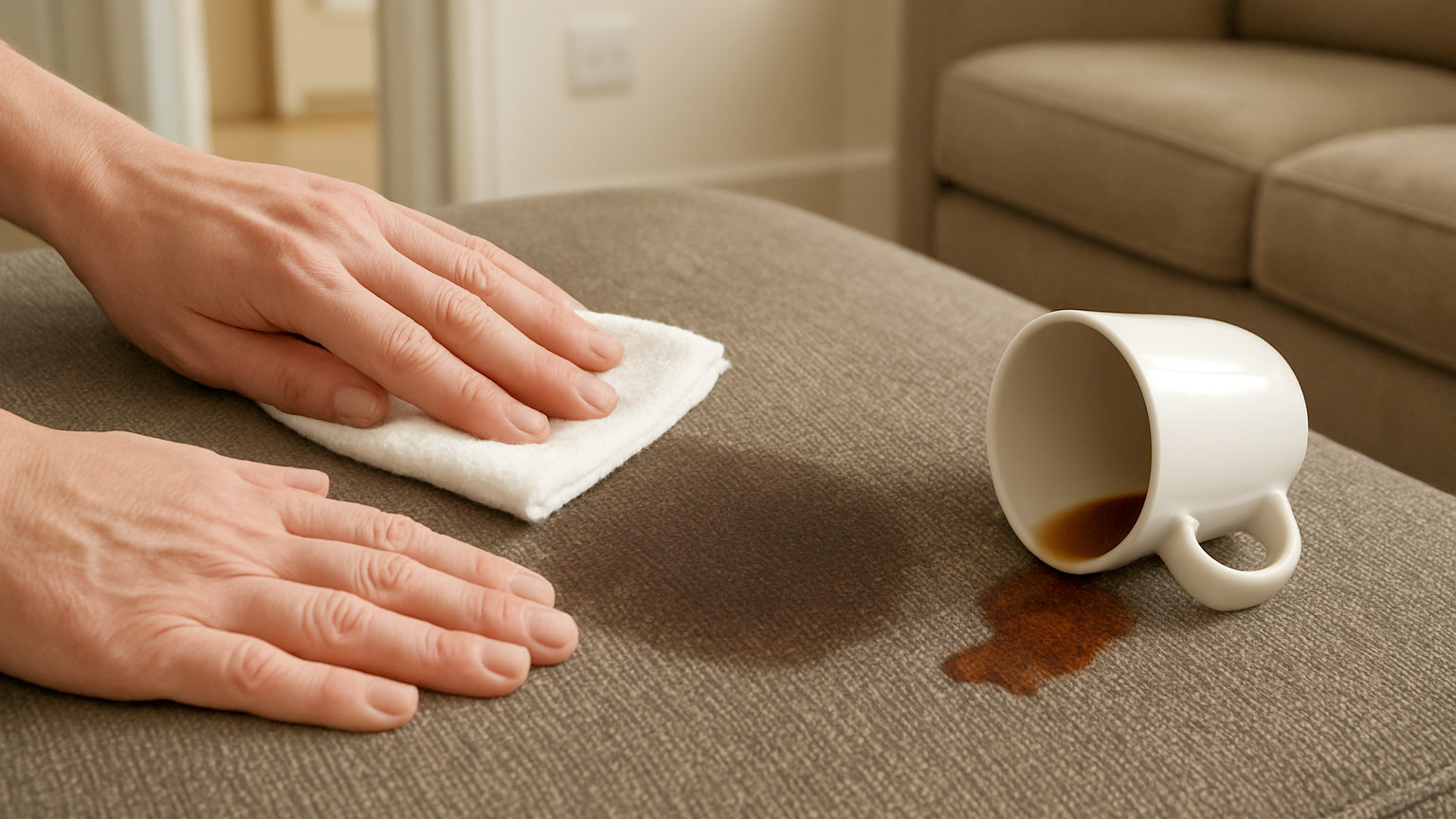
The cleaning code on the label decides everything, because using water on a sofa marked S leaves a ring that is worse than the wine.
Beetroot has one of the strongest natural pigments in any food, and it is water soluble, which means speed beats strength every time.
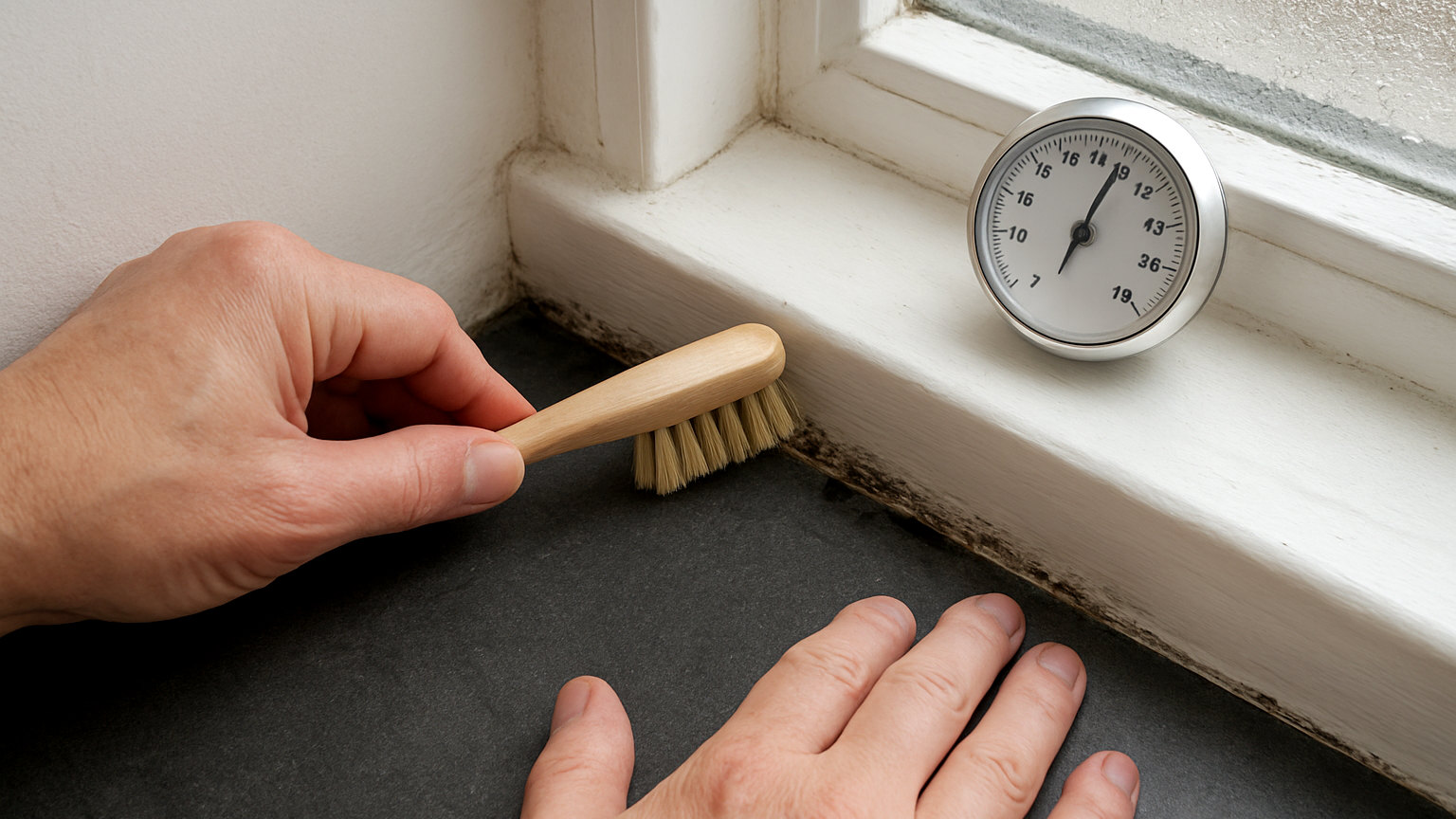
Paper cannot be washed, so mould on books is dealt with by drying, brushing and isolation rather than by any cleaning product.