Why Does Hot Water Set Blood Stains?
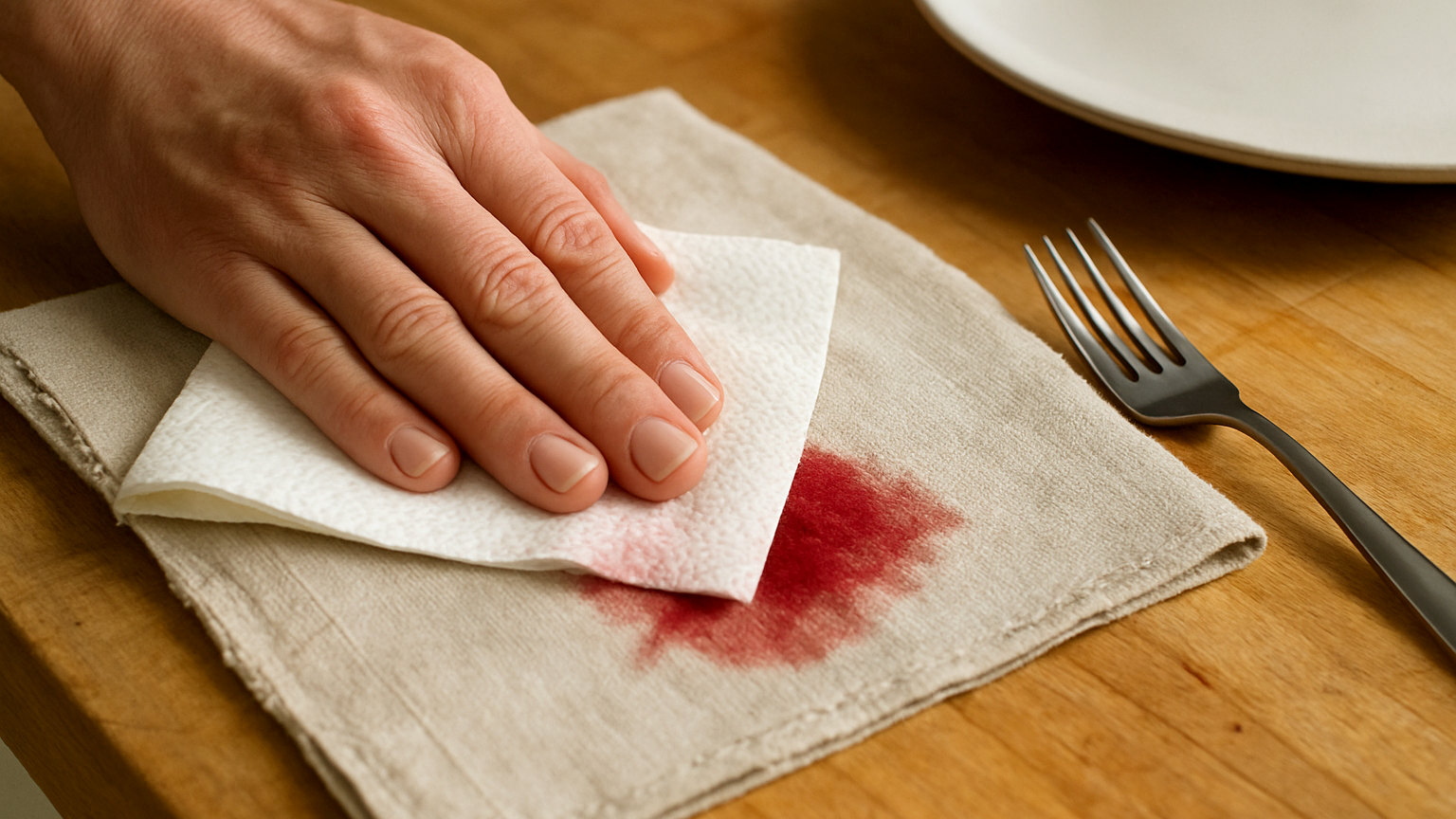
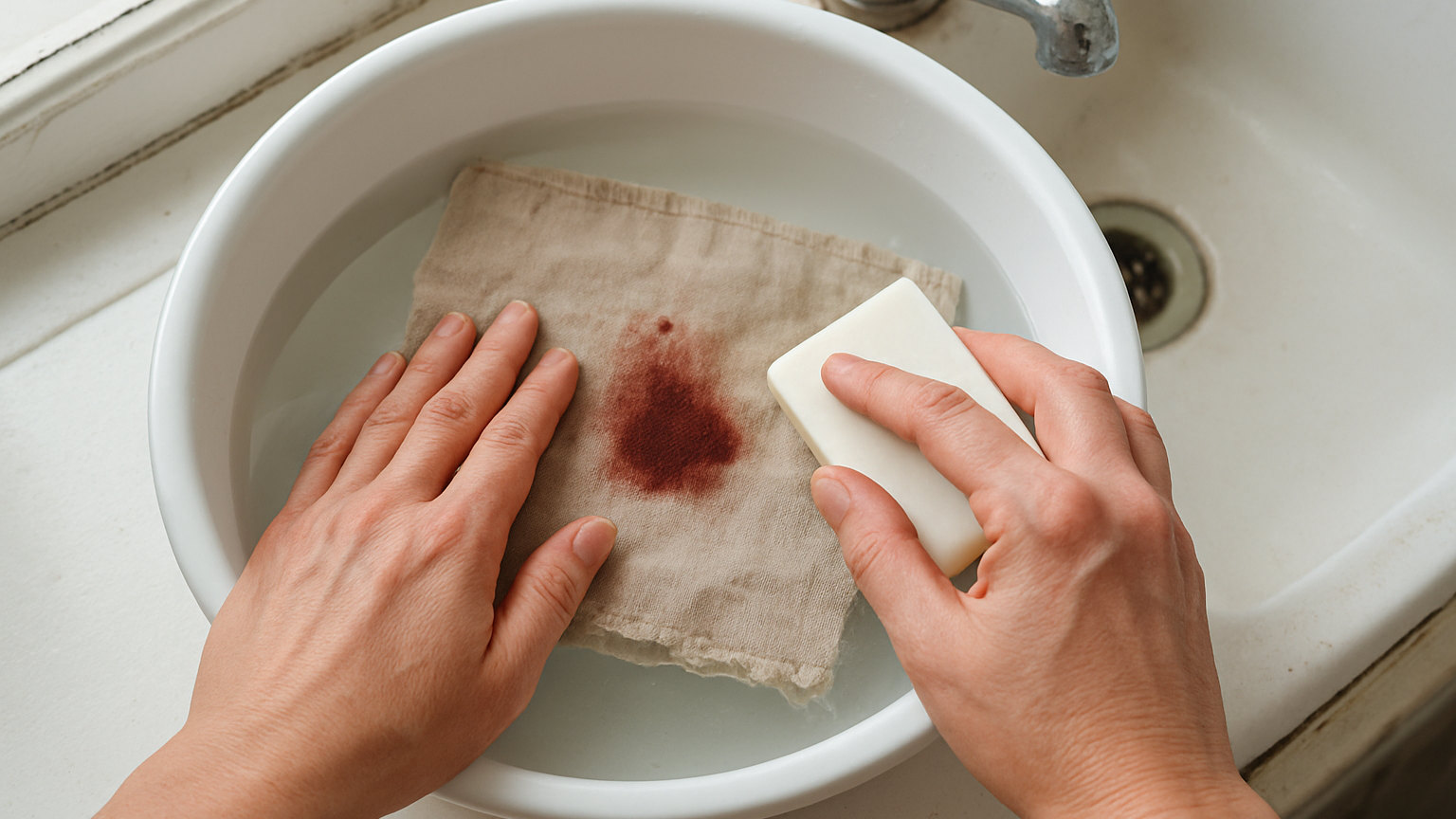
Blood contains protein, and protein coagulates when heated, which turns a soluble stain into a solid one locked inside the fibre.
By Cleaning Guides Team
31 Mar 2025

Stain removal is mostly about doing the right thing in the first five minutes and not doing the wrong thing at all. These guides are organised by what caused the mark rather than by product, because the chemistry differs: protein stains need cold water, grease needs the opposite, and heat sets several of them permanently. Every guide says what to do first, what to avoid, and when a stain is not coming out.
Blood contains protein, and protein coagulates when heated, which turns a soluble stain into a solid one locked inside the fibre.
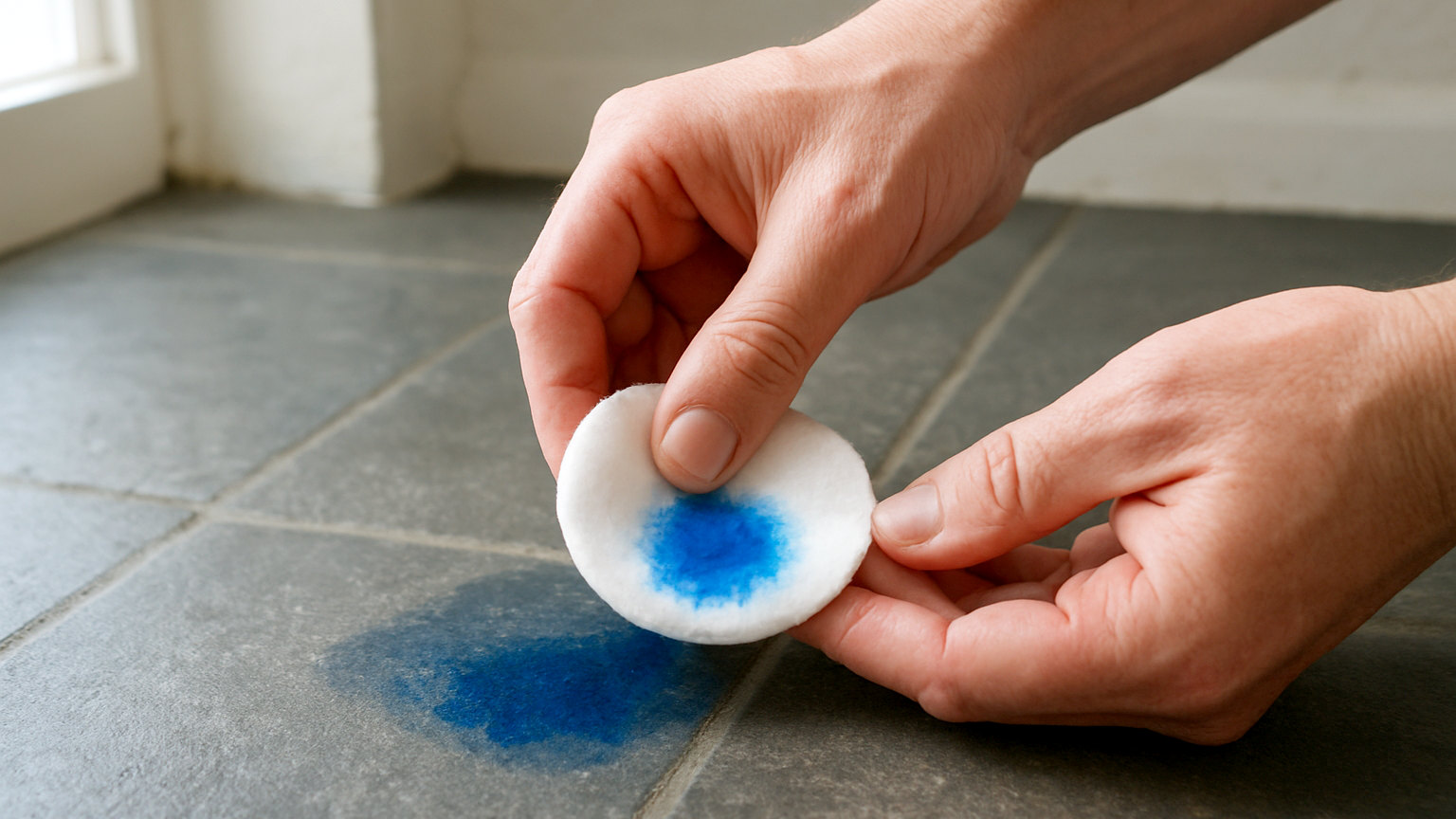
It used to work well and often does not now, because the alcohol that did the job has largely been replaced by polymers that leave residue.
Most makeup is pigment suspended in oil or wax, which means the grease has to come out before the colour will move at all.
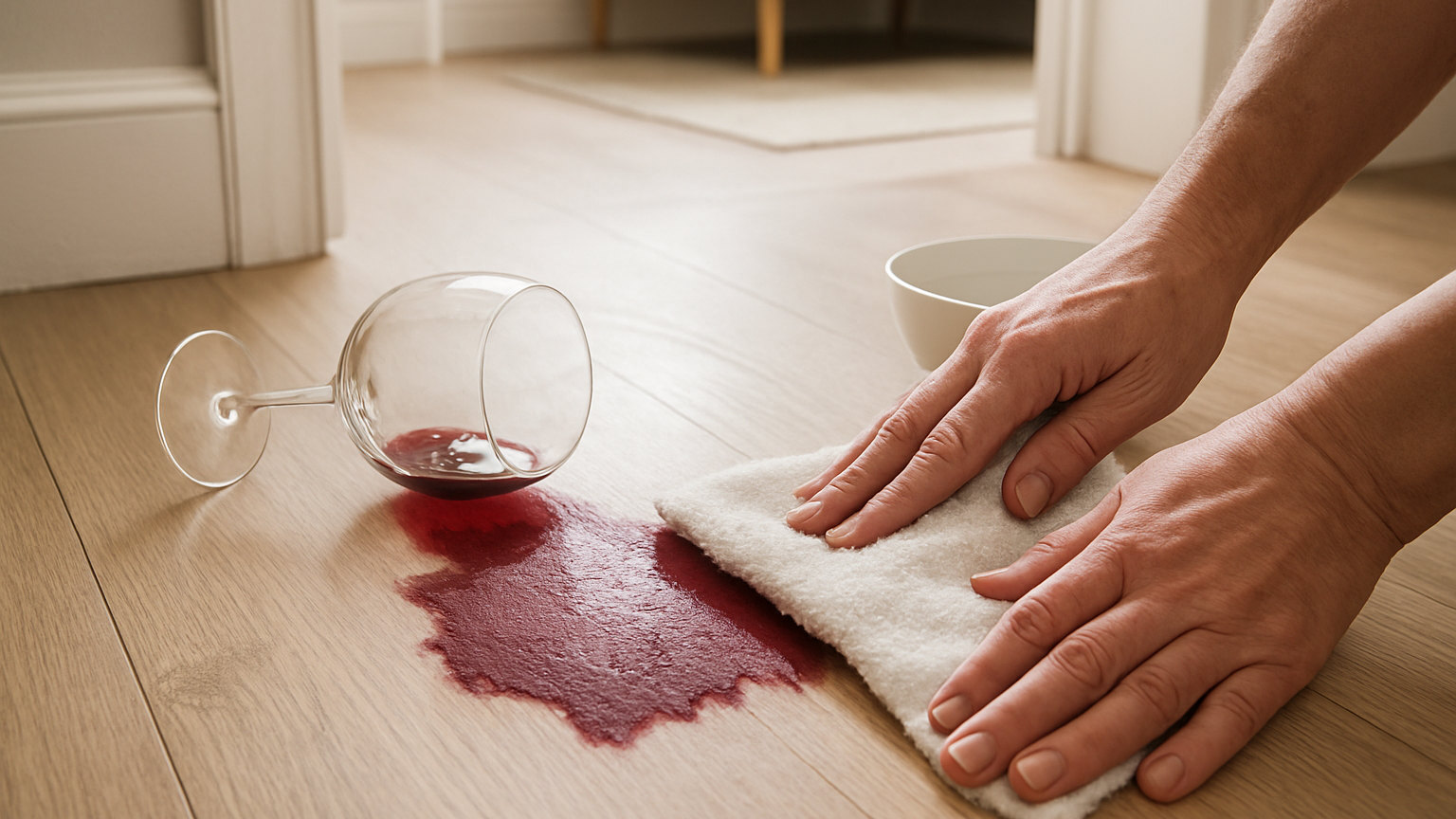
A dried wine stain needs oxidising rather than rinsing, and the treatment is measured in hours of soaking rather than minutes of effort.
Fruit stains are water soluble when fresh and oxidise into something far harder within hours, which makes speed more important than technique.
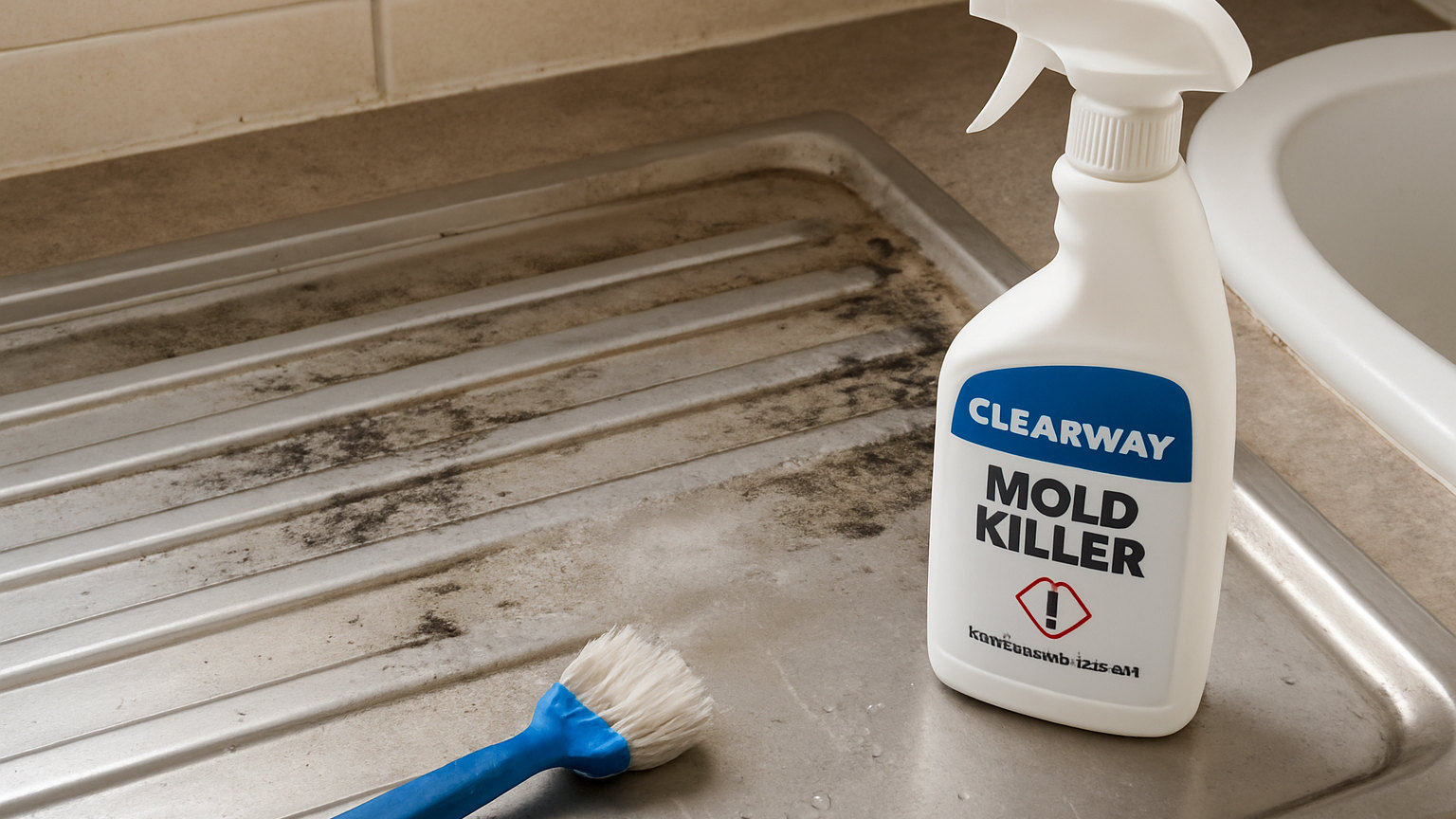
On a hard non-porous surface it works well, and on plaster or timber it removes the colour while leaving the growth alive underneath.
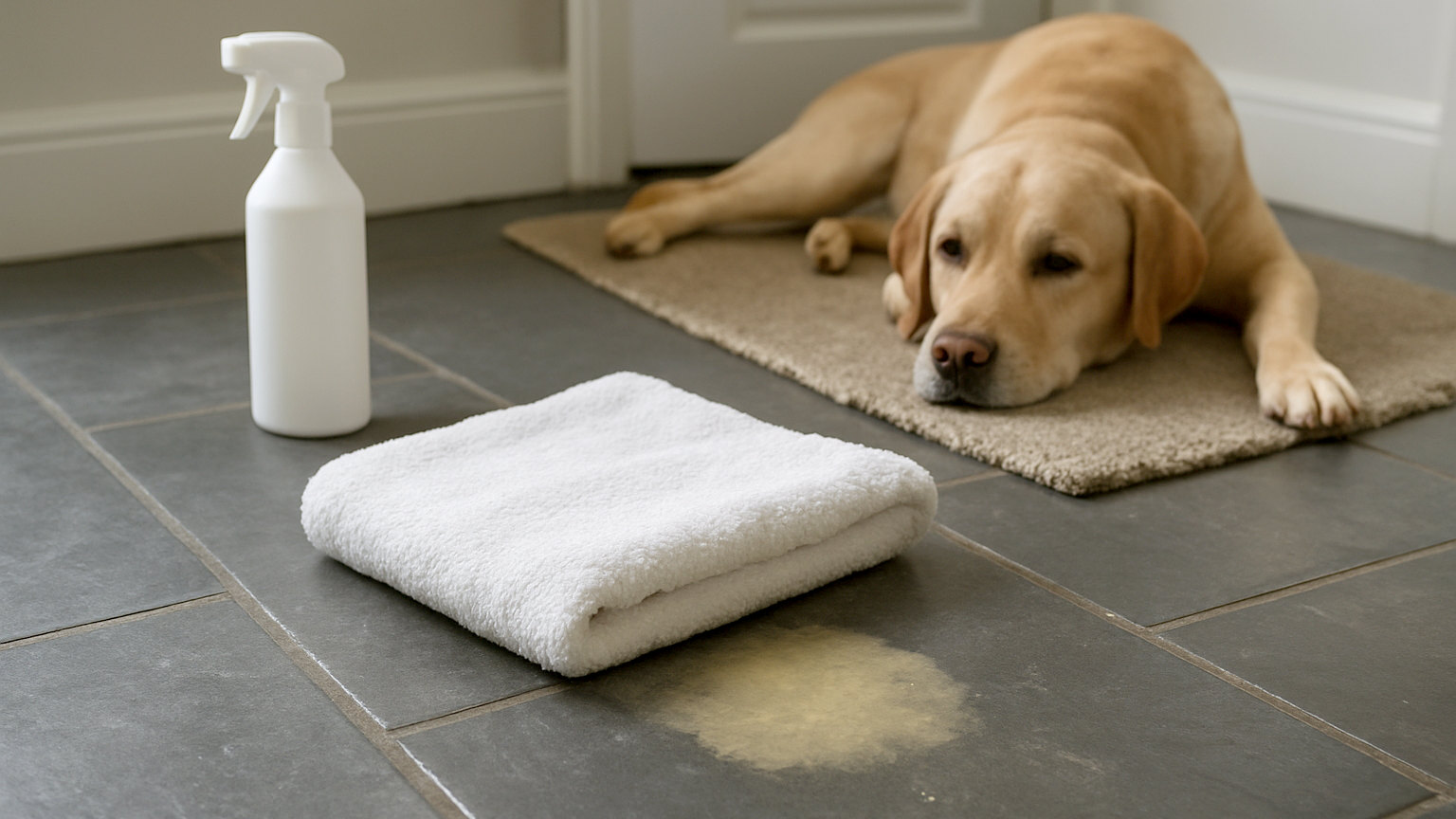
Pet vomit is acidic as well as protein based, which means it can bleach carpet colour permanently if it is left for more than a few minutes.
Blood on carpet needs cold water, minimal liquid and a great deal of blotting, and the mark that reappears later means the extraction was incomplete.
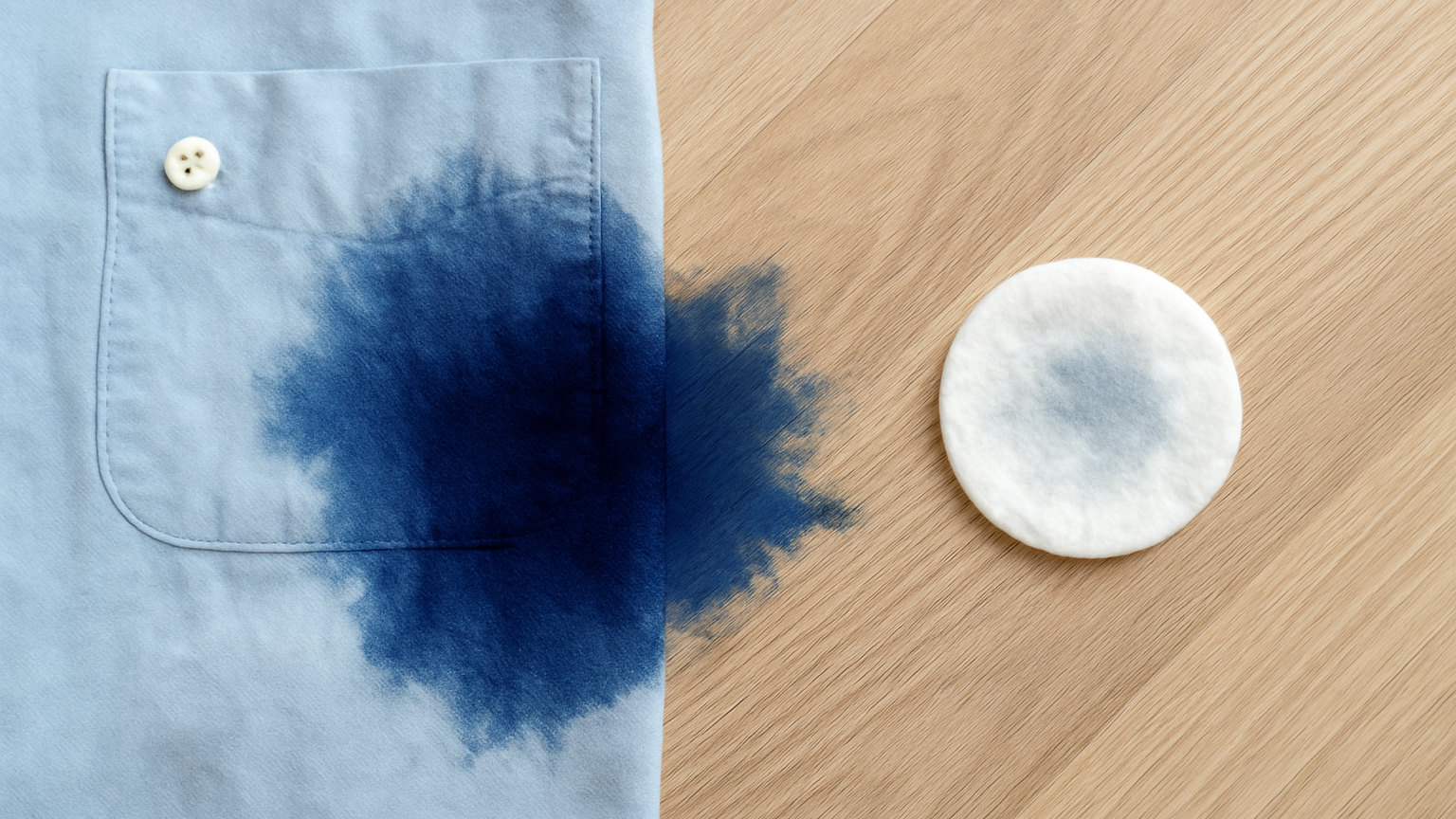
Ink on carpet cannot be rinsed away, so the whole method is about lifting pigment onto a cloth rather than dissolving it into the pile.
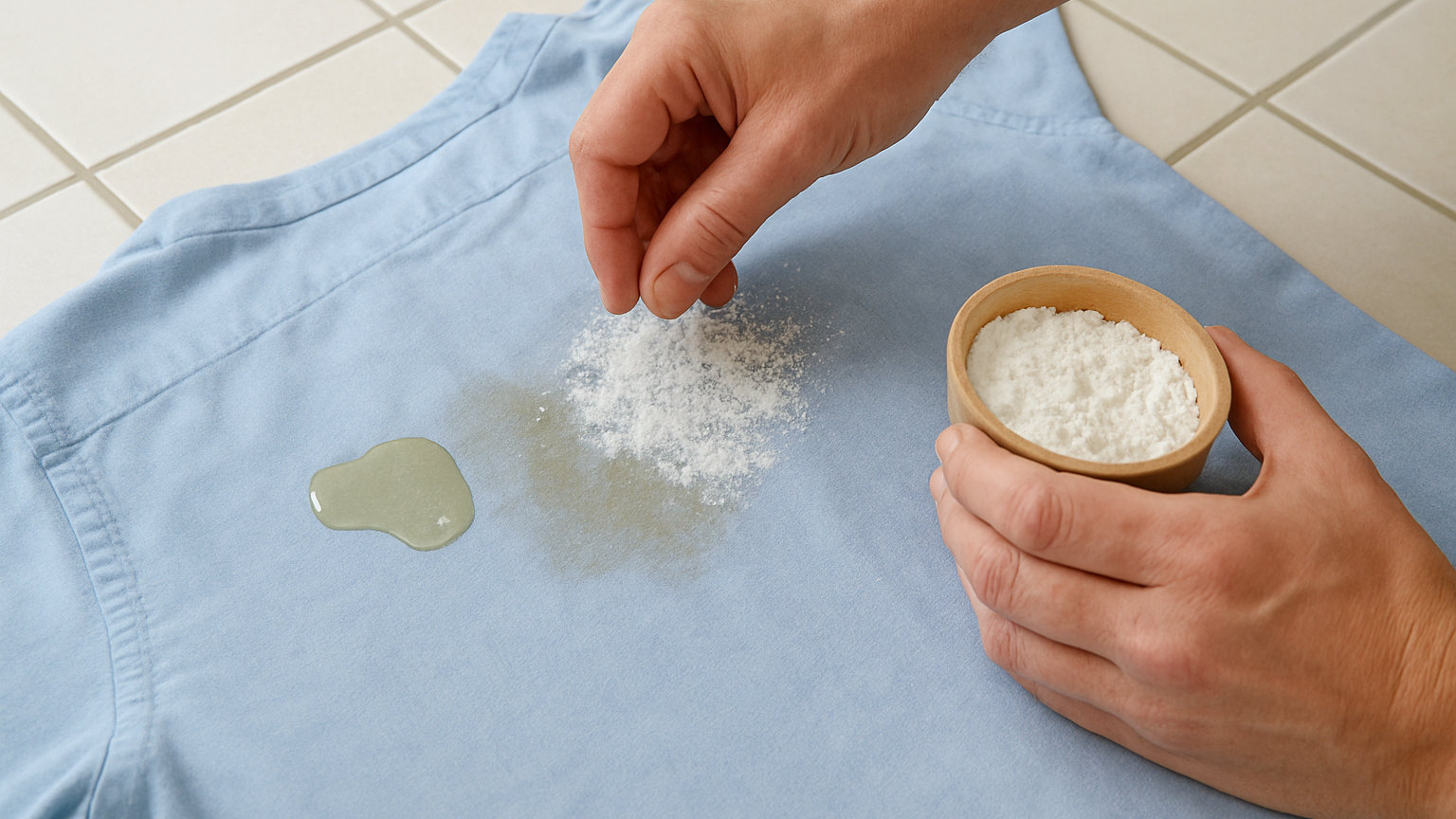
Old grease has oxidised and bonded to the fibre, which turns a five minute job into one that needs a long dwell time and two or three attempts.
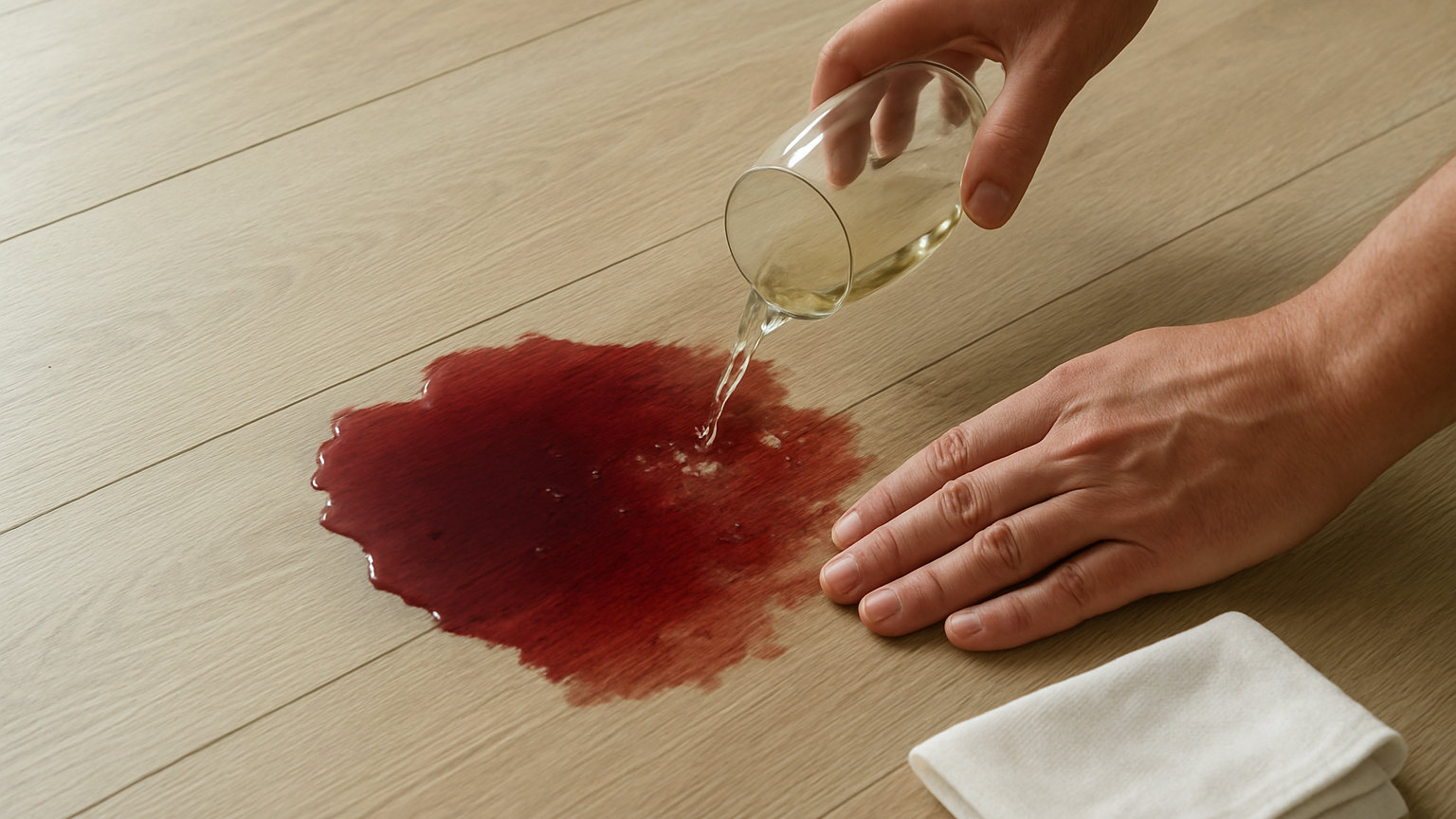
Pouring white wine onto red achieves dilution and nothing else, and it adds sugar and acid that have to be removed afterwards.
Both stains combine a strong pigment with oil, and turmeric in particular is a dye rather than a stain, which is why sunlight works better than scrubbing.