Why Do Hallway Walls Get Marked So Quickly?
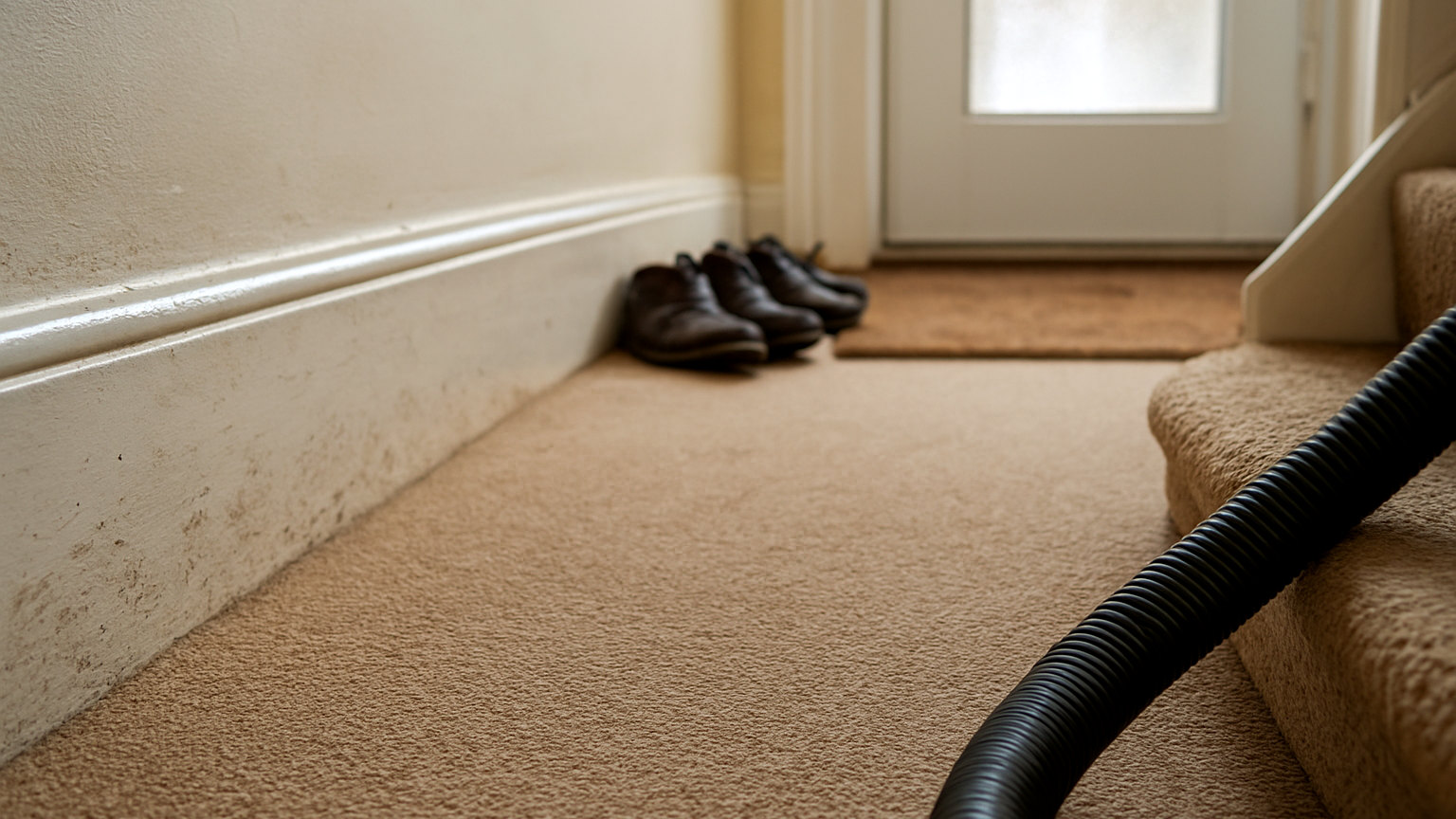
Hallway walls take contact from hands, bags, shoes and furniture in a narrow space, which is why they mark faster than anywhere else in a house.
The highest-traffic surfaces in the house, and the ones most often skipped.
Hallway walls take contact from hands, bags, shoes and furniture in a narrow space, which is why they mark faster than anywhere else in a house.
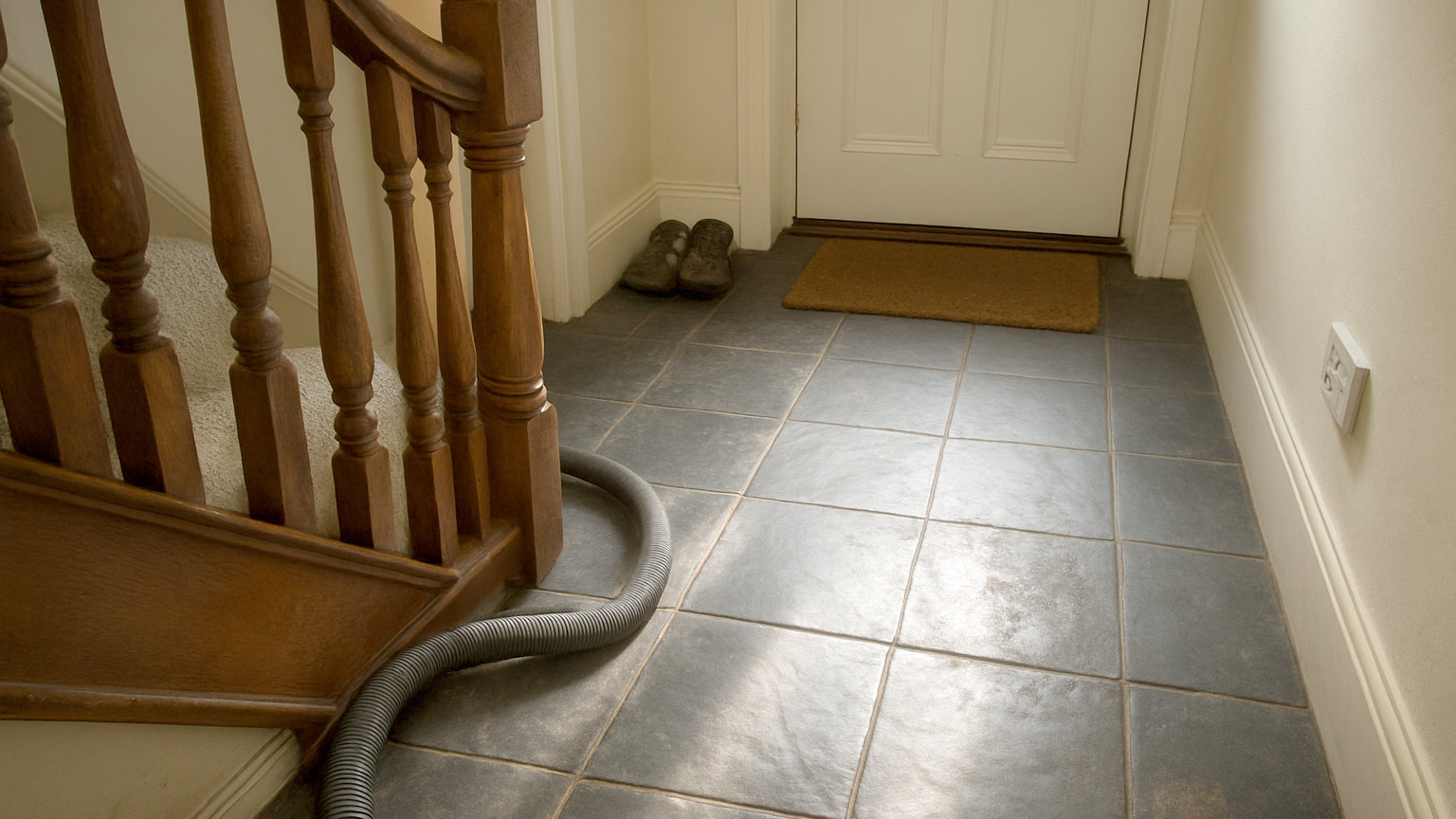
Grit is what damages a wooden staircase, and water is what damages the finish, so the order of the job matters more than the products used.
A hallway overwhelmed by coats and shoes almost always has too many in circulation rather than too little storage.
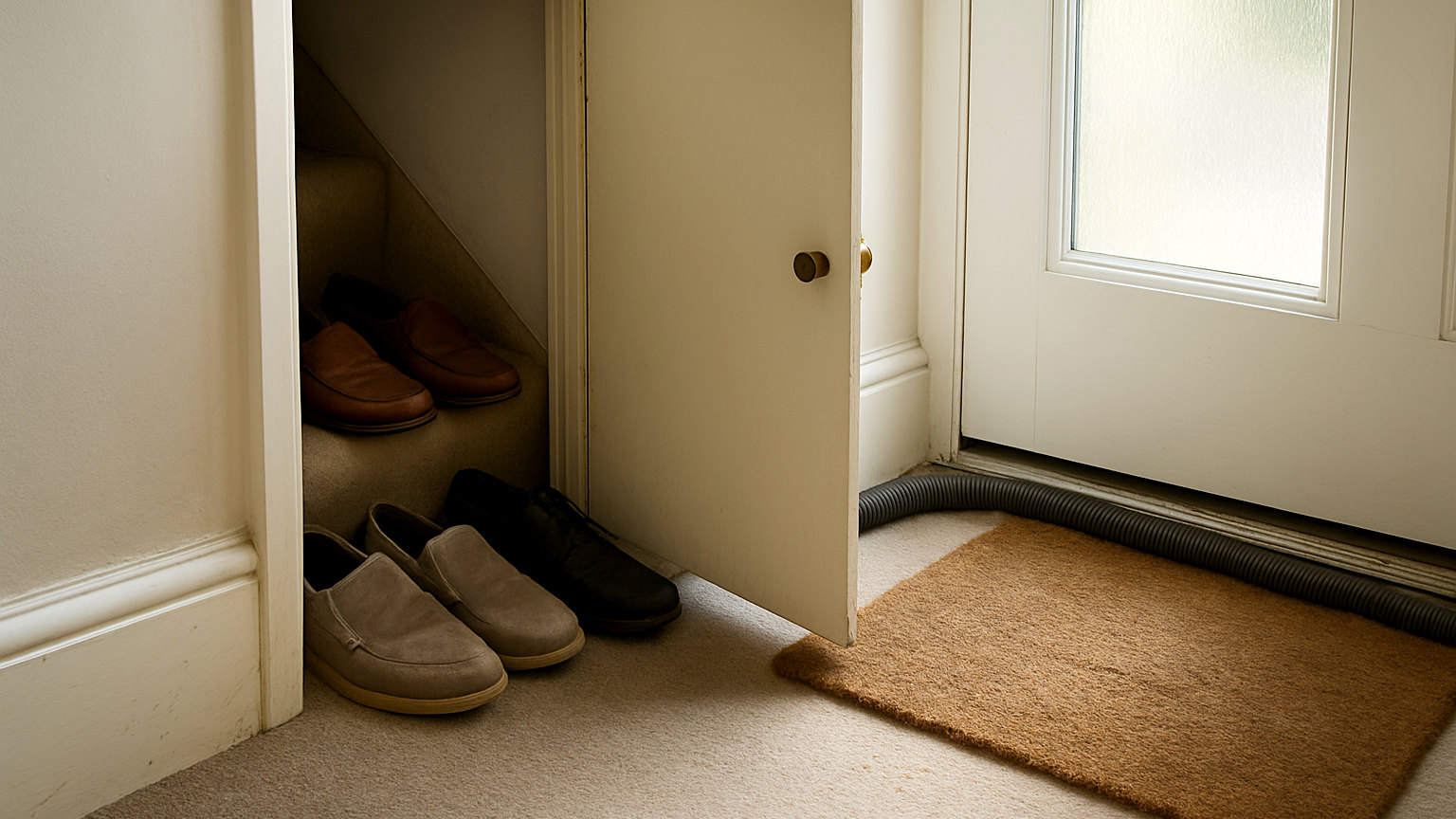
An understairs cupboard is an awkward shape with no light, which is why everything ends up in a heap and nothing is ever found again.
Wet mud should be left to dry before anything touches it, and road salt needs an acid rather than a detergent to come out properly.
A radiator packed with dust heats a room less efficiently and throws that dust up the wall every time the heating comes on.
Skirting boards collect a sticky mixture of dust and static that a dry cloth barely touches, and hallways get the worst of it.
A handrail is touched more often than almost anything else in a house and cleaned less often than almost anything else in a house.
A front door collects traffic film, cobwebs and weathering on the outside and fingermarks on the inside, and the two faces need different treatment.
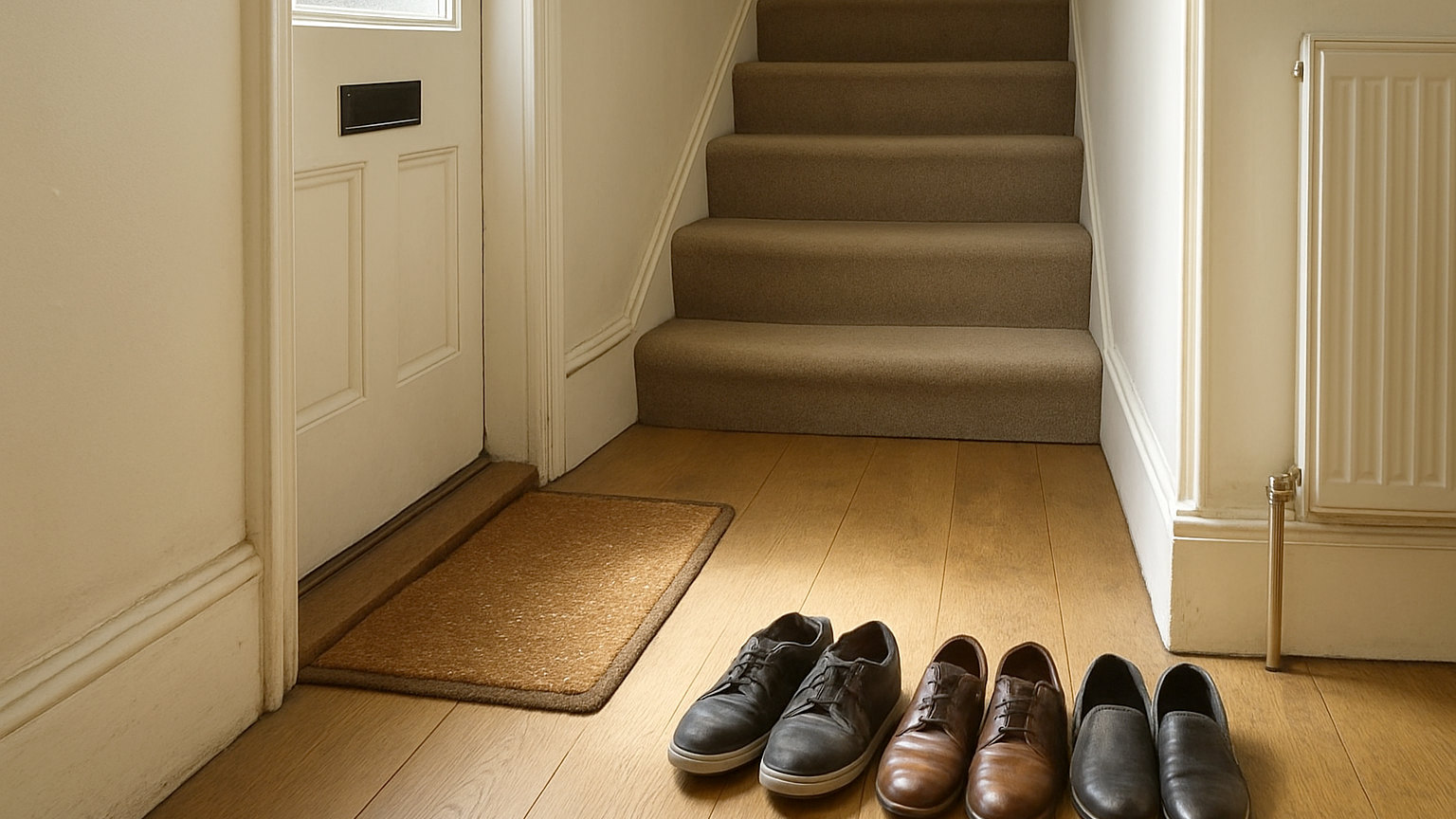
Most doormats are chosen for appearance and are too small to do anything useful. Length matters far more than material.
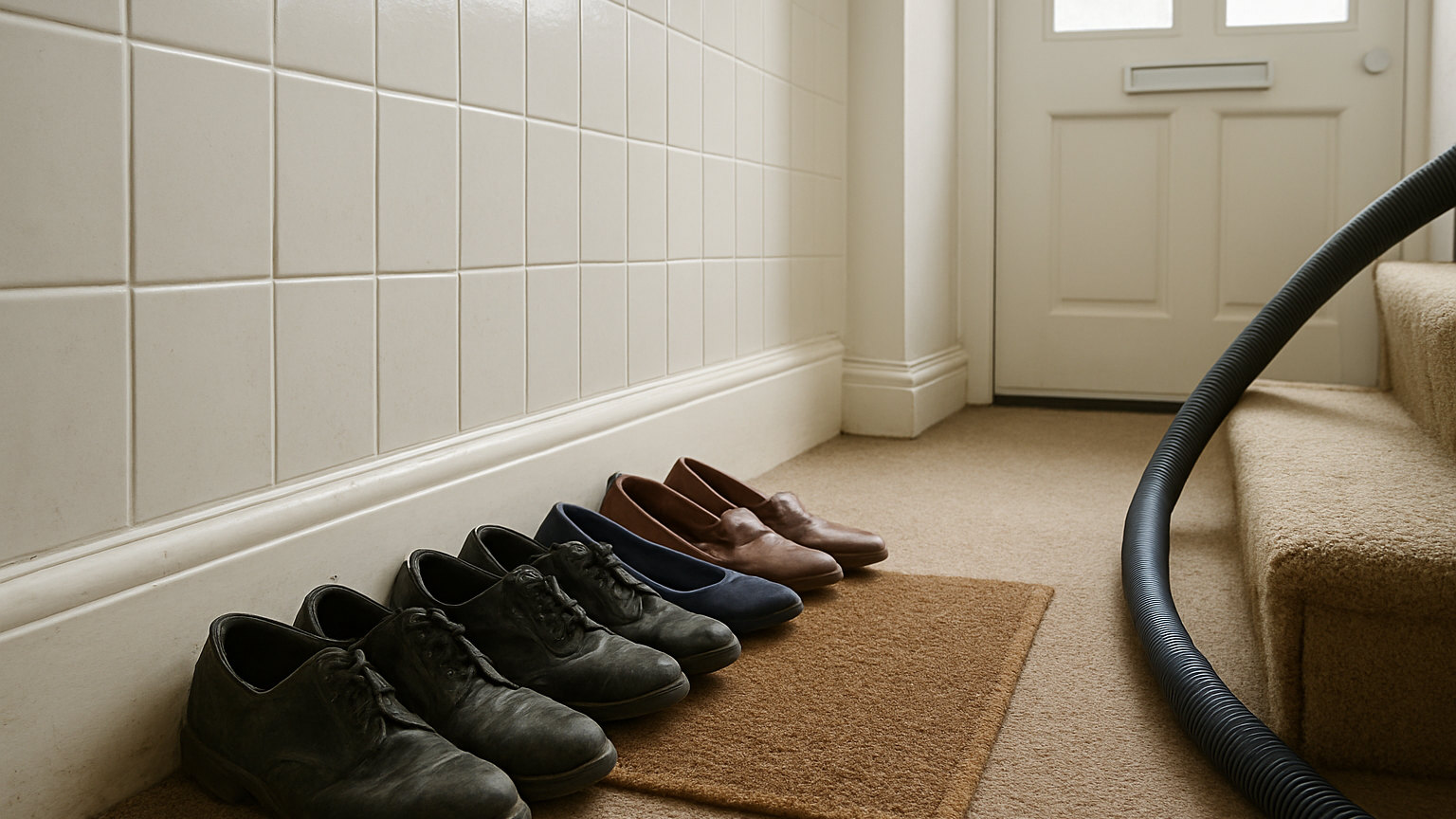
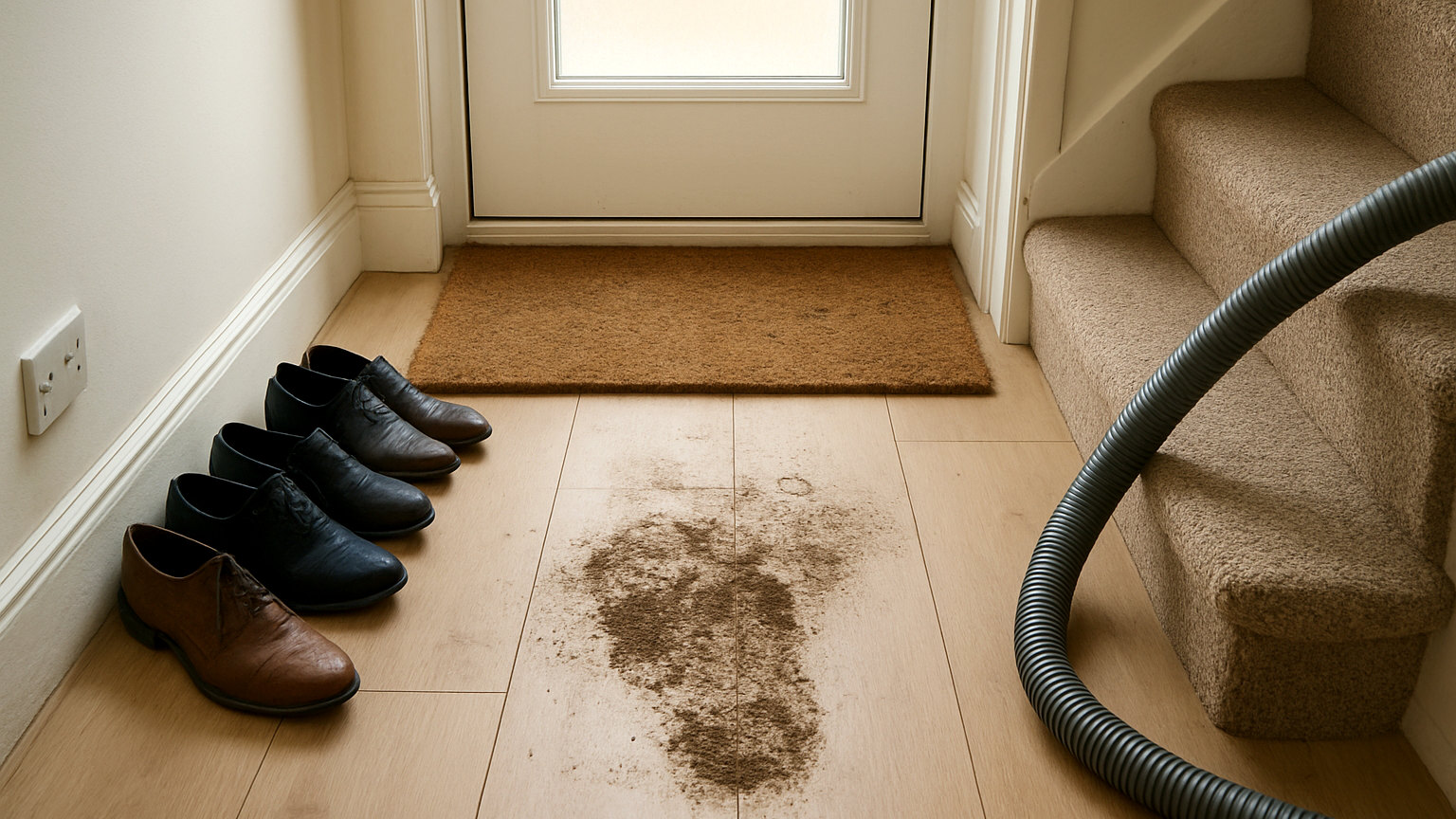
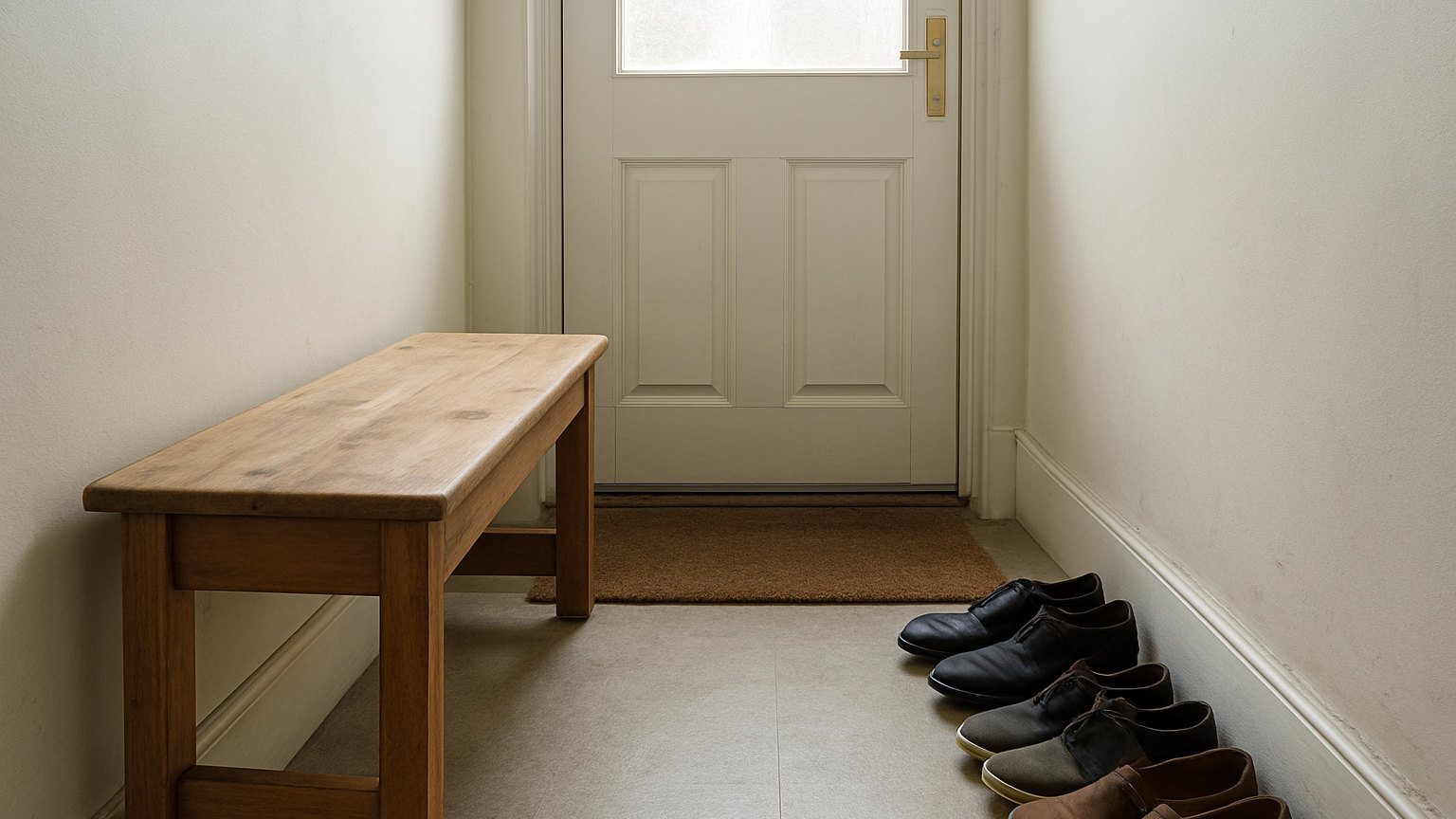
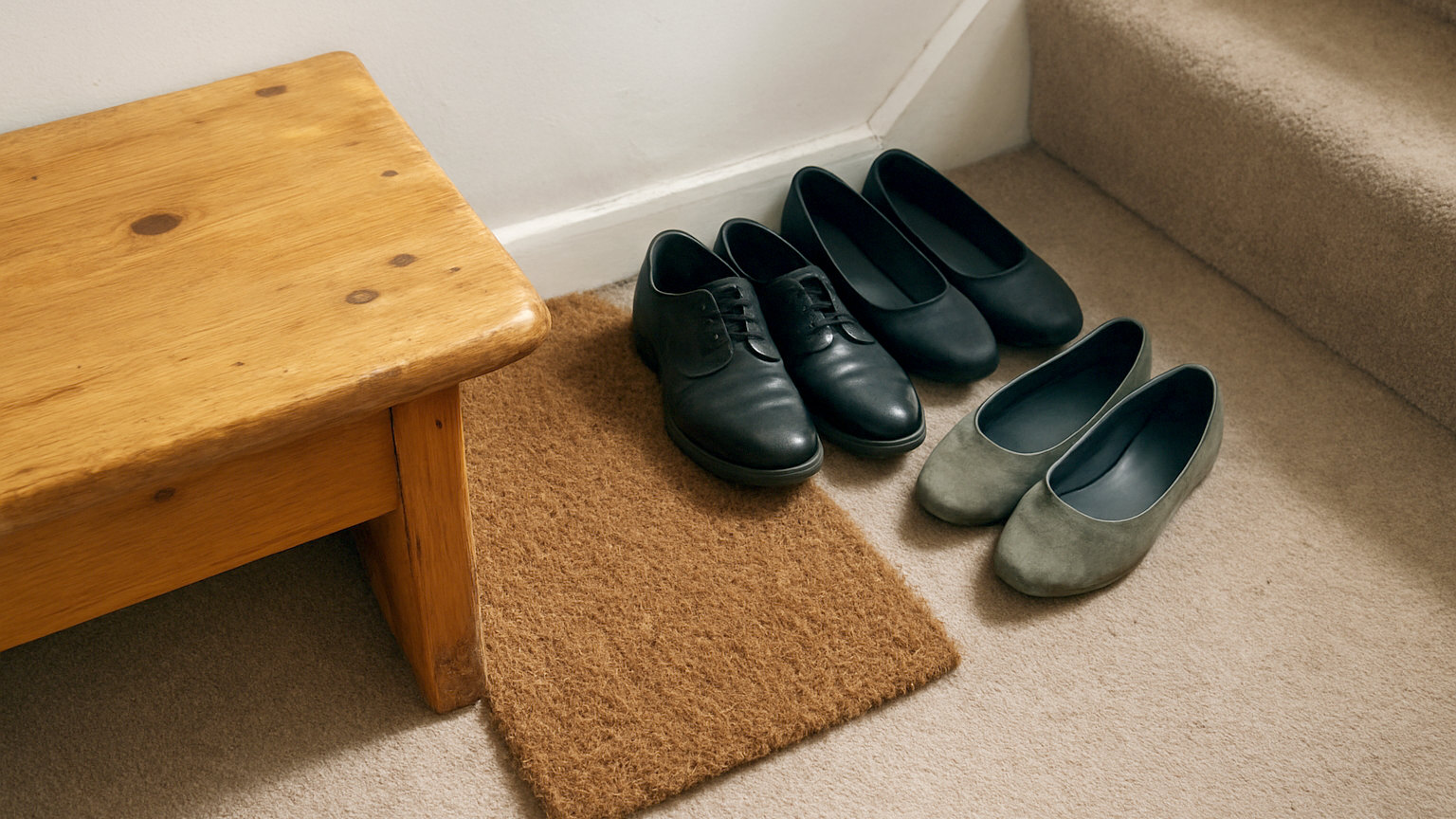
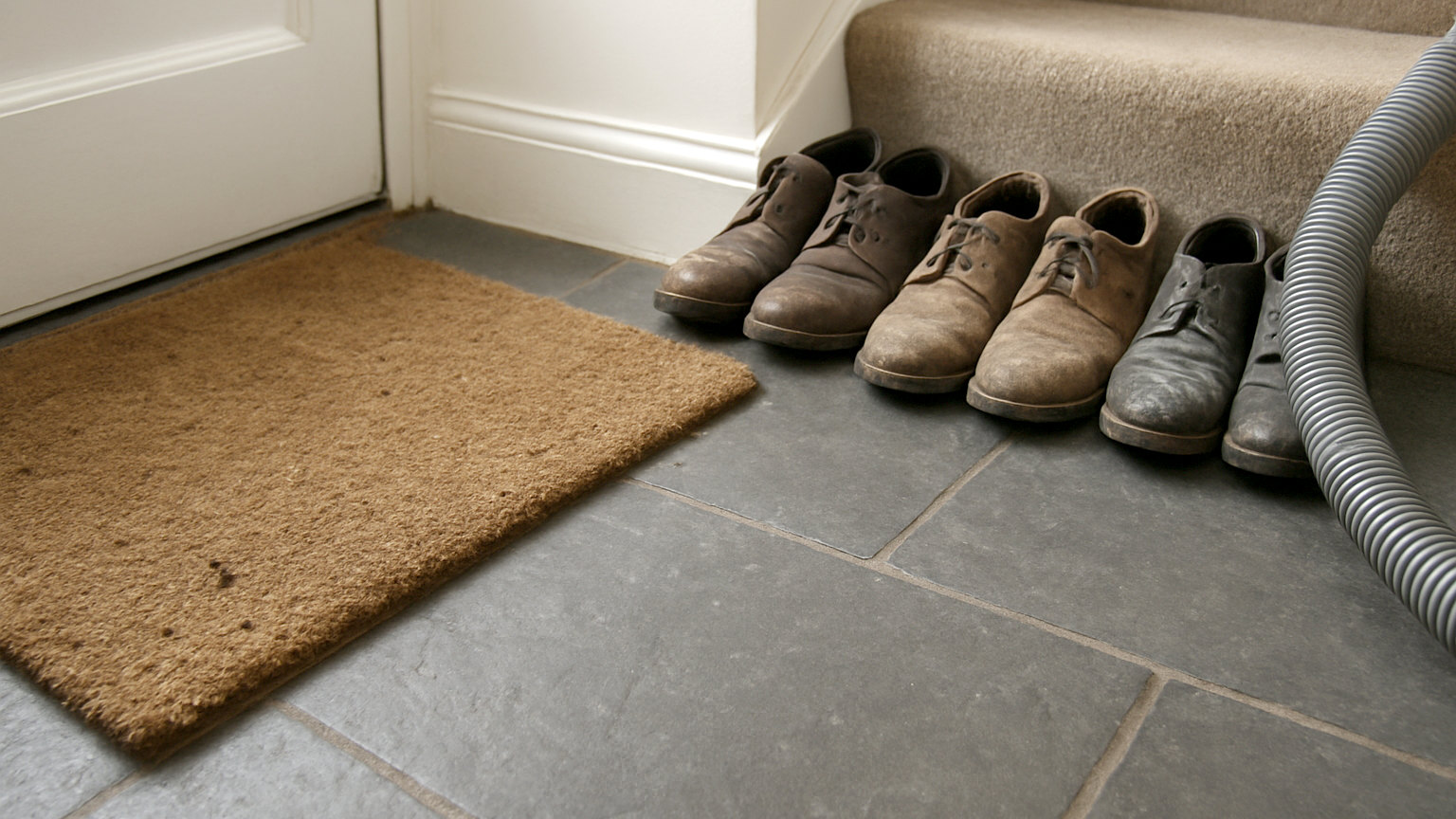
Most of the dirt in a house arrives on footwear, and stopping it at the door reduces cleaning everywhere else rather than just in the hallway.
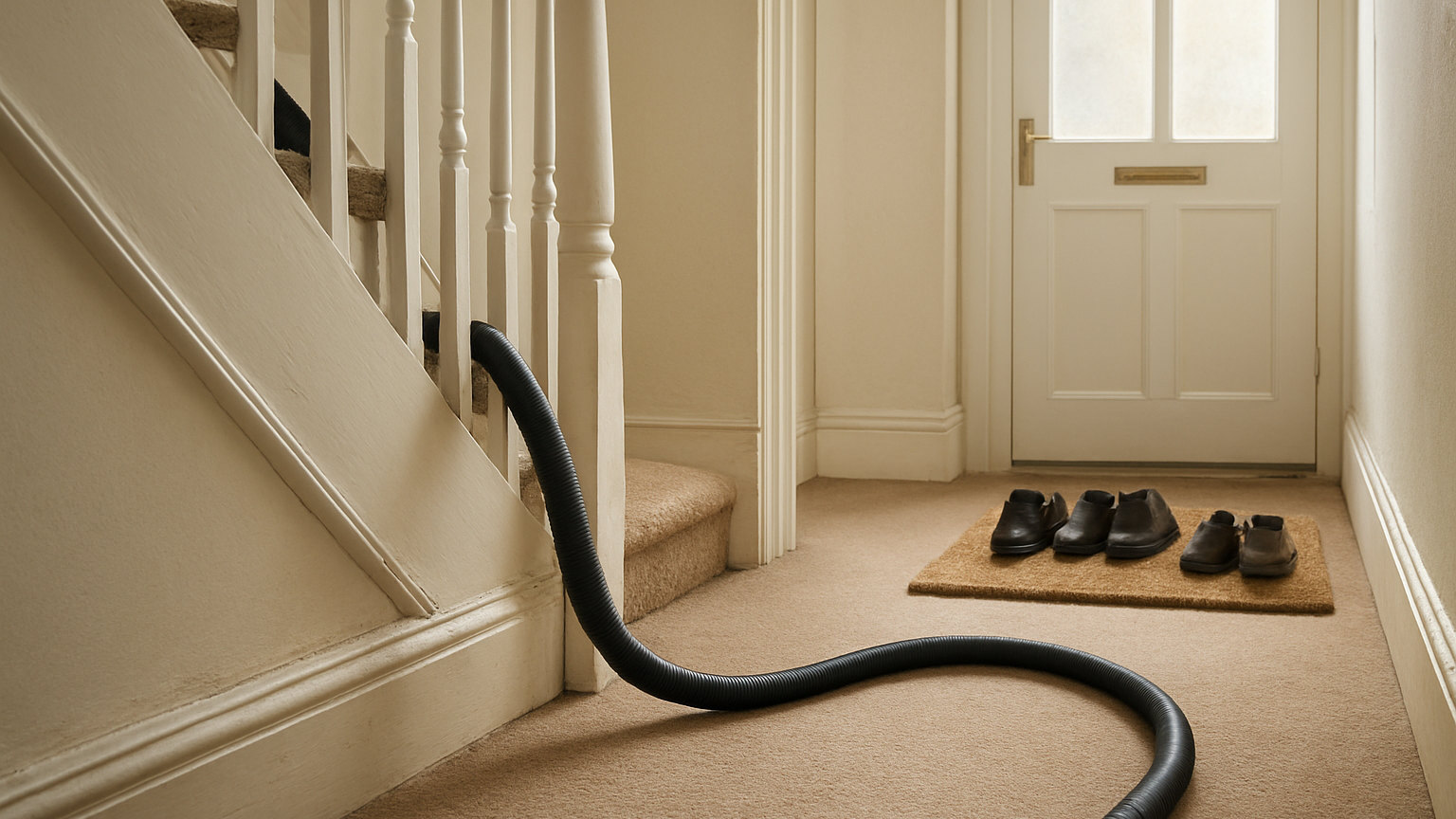
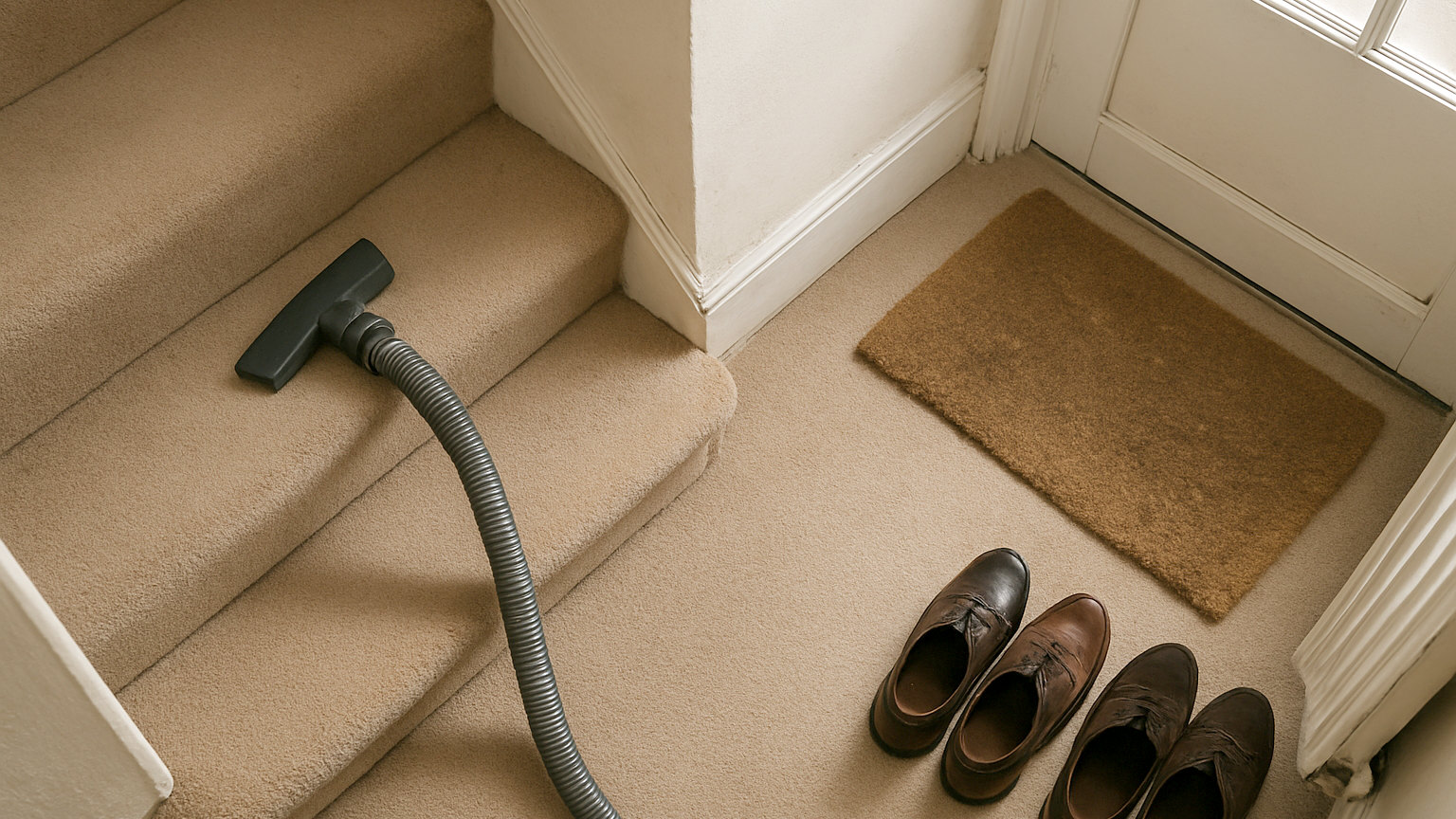
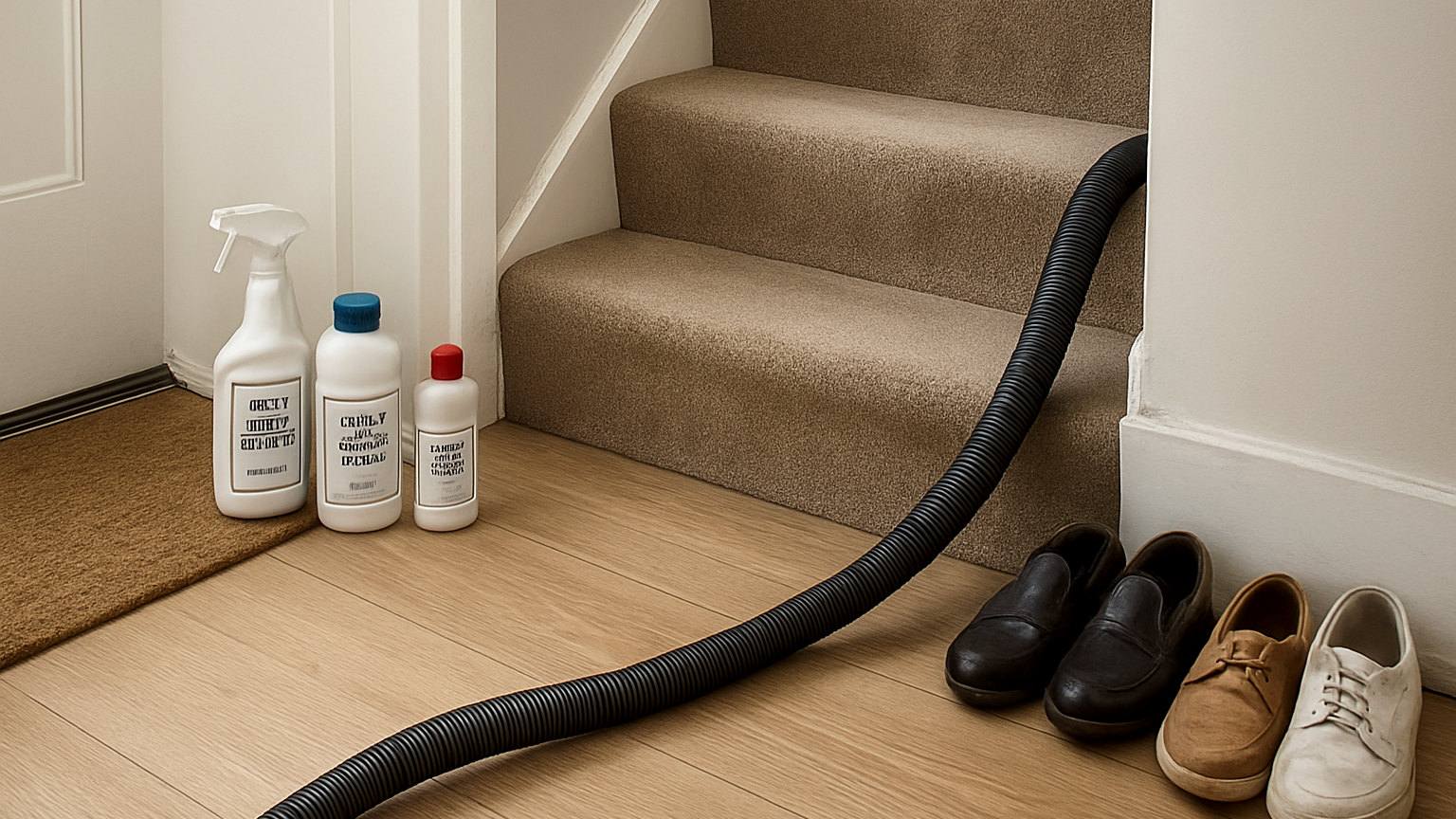
Vacuuming stairs is awkward mostly because of the machine. The right tool and the right direction turn a dreaded job into a five minute one.