Fake tan stains are two problems in one. There is the cosmetic guide colour, which is added so you can see where the product has gone, and there is the active ingredient, which reacts with proteins to produce the tan itself. The guide colour washes out reasonably well. The active ingredient is developing a colour on whatever it touches, which is a different matter entirely.
Why does speed matter so much?
Because the reaction continues for several hours. A splash on a towel wiped away in the first minute leaves little; the same splash left overnight has developed fully and may be permanent.
That is why fake tan marks on bedding are so common and so stubborn: the product transfers while someone sleeps and develops over eight hours in contact with the fabric.
What is the method for fabric?
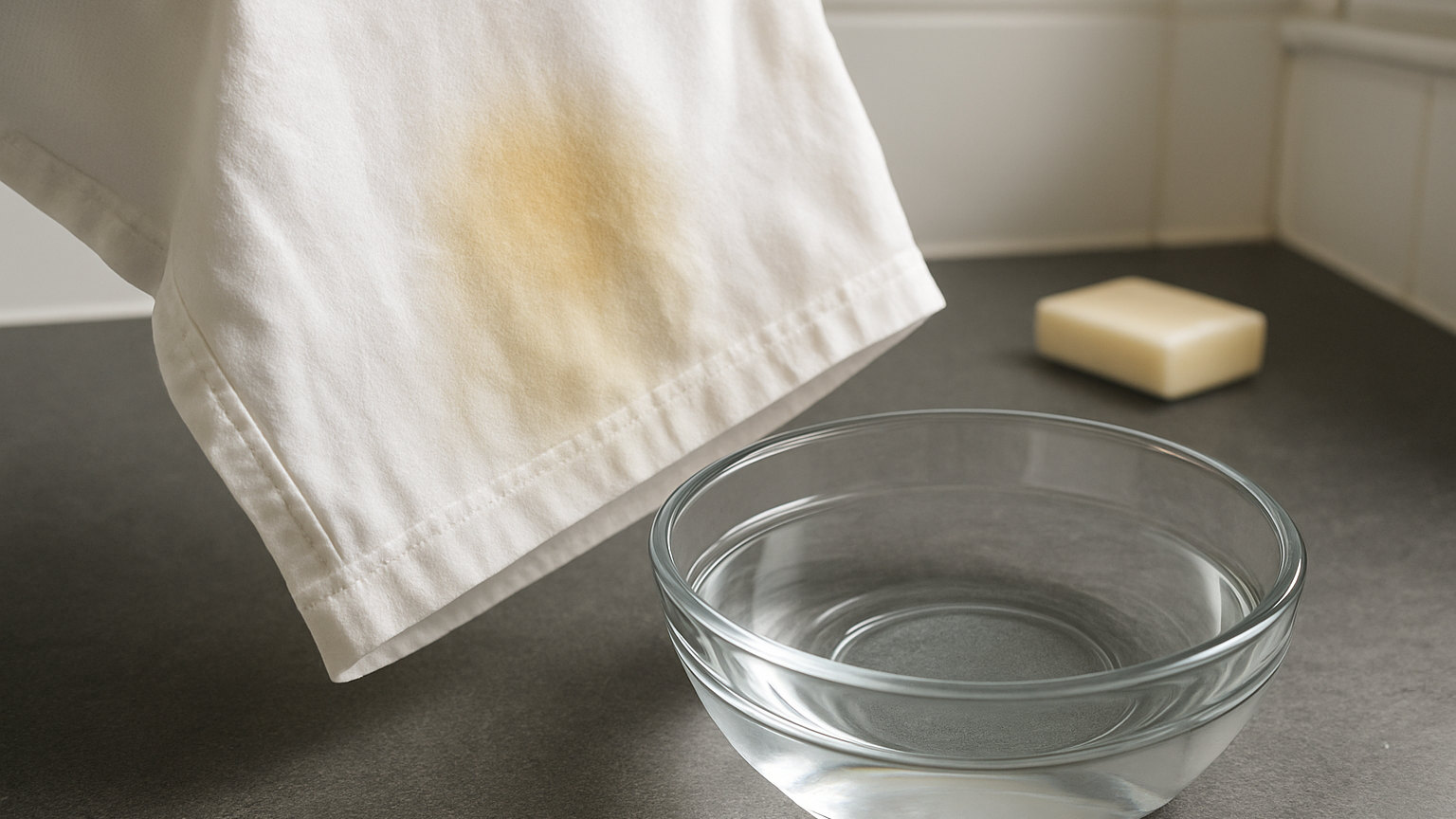
- Rinse under cold running water from the reverse side immediately.
- Apply washing up liquid to deal with the oily carrier, and work it in gently.
- Leave for ten minutes, then rinse in warm water.
- Soak in warm water with a generous dose of oxygen bleach for several hours or overnight.
- Wash at the warmest temperature the fabric allows.
- Dry in sunlight, which continues to break the colour down.
- Repeat the soak if the improvement is partial.
The oil stage first and the oxidising stage second is the order that works, since the carrier protects the colour from the bleach.
What about white bedding and towels?
The easiest case, because oxygen bleach is available. An overnight soak followed by a 60 degree wash and drying in sunlight clears most fake tan marks on white cotton, even ones that have developed fully.
Two rounds are sometimes needed. Avoid chlorine bleach, which can react with the colour and leave an orange tint.
What about coloured fabric?
Harder, since oxygen bleach may lift the fabric dye over a long warm soak. Test on a hidden seam for an hour first. Otherwise rely on repeated washing up liquid treatments and a normal wash, and accept that a shadow may remain.
Dark bedding and towels are the practical answer for anyone who uses fake tan regularly.
How do you deal with bathroom surfaces?
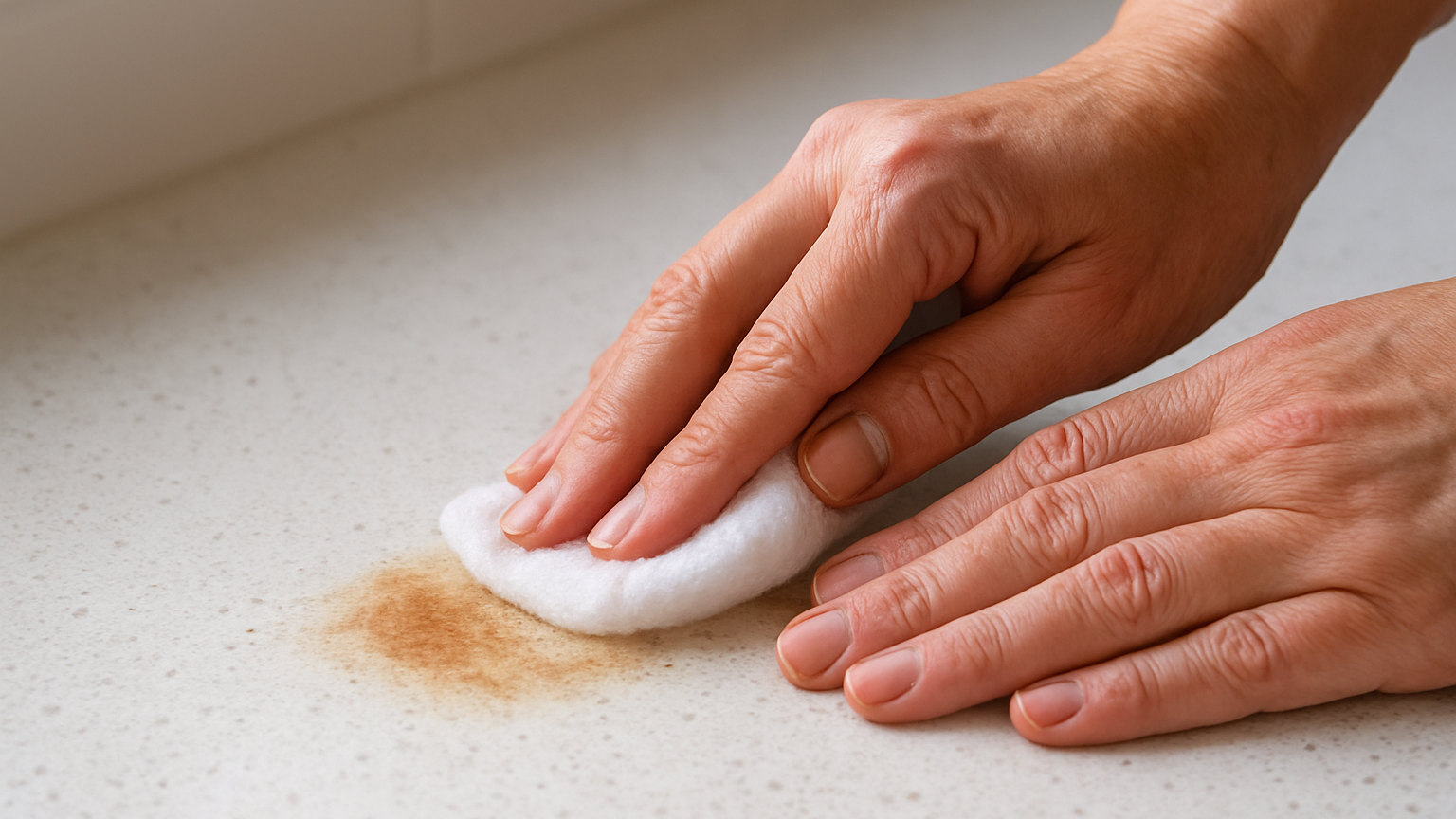
Fake tan leaves a distinctive orange tide mark in showers, baths and basins. Clean it as soon as possible with a cream cleaner or a bathroom spray. For a set mark on acrylic or ceramic, a paste of bicarbonate of soda works, and a melamine sponge is effective on tile and ceramic though it should be kept off acrylic and gloss surfaces.
Grout is the worst affected, being porous. A bleach based grout cleaner usually clears it, and a grout pen covers what remains.
What about carpet and upholstery?
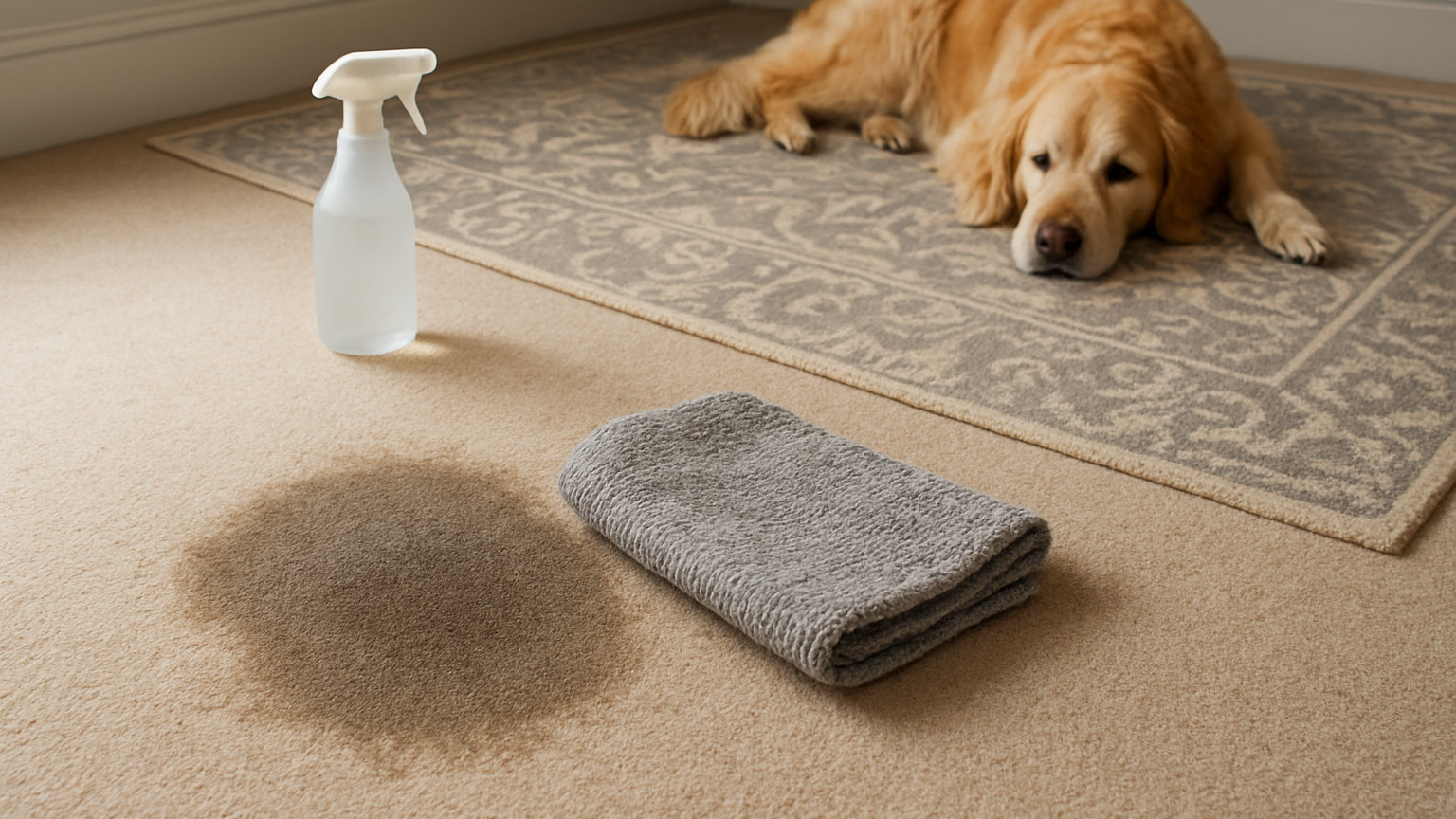
Blot immediately, then dab with cold water and a little washing up liquid applied to a cloth. Work outside in and change the cloth frequently. Follow with a carpet stain remover suitable for the fibre.
Check the upholstery cleaning code before using water. A developed fake tan mark on a light sofa is one of the harder domestic stains and a professional may be the better option.
What about skin?
Patchy tan on hands, knees and elbows fades as the skin renews, over five to ten days. Exfoliating speeds it considerably, and a scrub with bicarbonate of soda and a little washing up liquid works on palms. Lemon juice helps on stubborn patches.
How do you prevent it?
Let the product dry completely before dressing, which takes longer than most people allow. Wear loose dark clothing afterwards. Use dark bedding and towels for the first two nights. Apply with a mitt rather than bare hands, and wash hands thoroughly immediately afterwards.
Rinsing the shower down straight after the first rinse off prevents the tide mark that otherwise sets into the tray.
Do gradual tanning lotions cause the same problem?
Less, because the active ingredient is at a lower concentration and there is usually no guide colour. They still transfer onto bedding and still develop over several hours, so the same precautions apply on a smaller scale. The marks they leave are fainter and respond well to an ordinary warm wash with detergent.