Fruit and berry stains change character quickly. When fresh they are largely water soluble and come out with very little effort. Within a few hours the sugars and pigments oxidise, and the mark turns from a clear colour into a dull brown that behaves quite differently. Speed matters more here than with almost any other food stain.
What is the fastest treatment for a fresh stain?
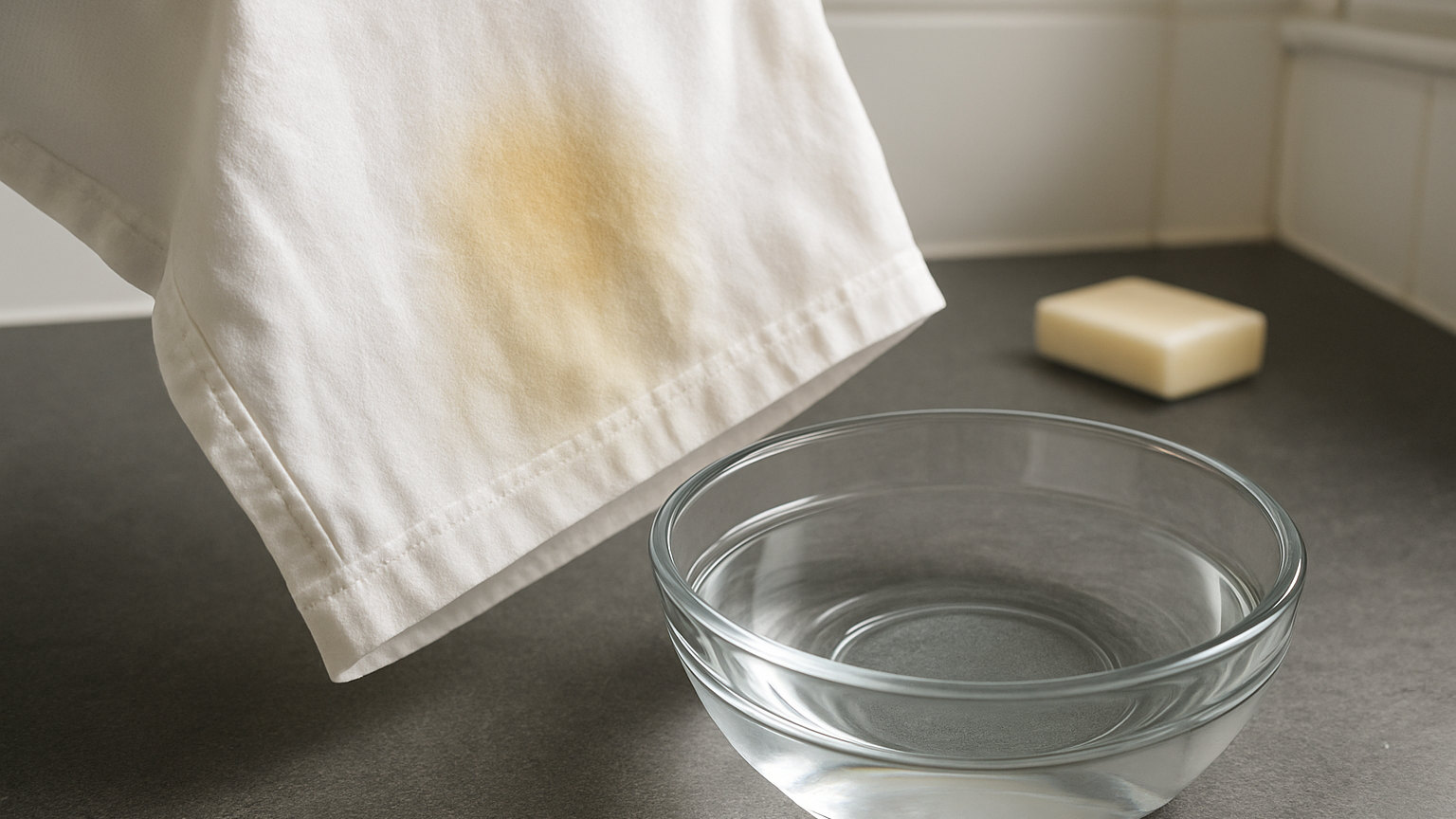
Boiling water, poured through the fabric from a height. Stretch the stained area over a bowl, secure it with an elastic band if it helps, and pour boiling water through from the reverse side. The combination of heat and force flushes the pigment straight out.
It sounds drastic and it is a long established method for fruit stains specifically. It works because fruit stains are not protein based, so heat does not set them.
Check the fabric first. This is safe on cotton and linen and not on wool, silk, synthetics or anything that would shrink.
What is the method for delicate fabrics?
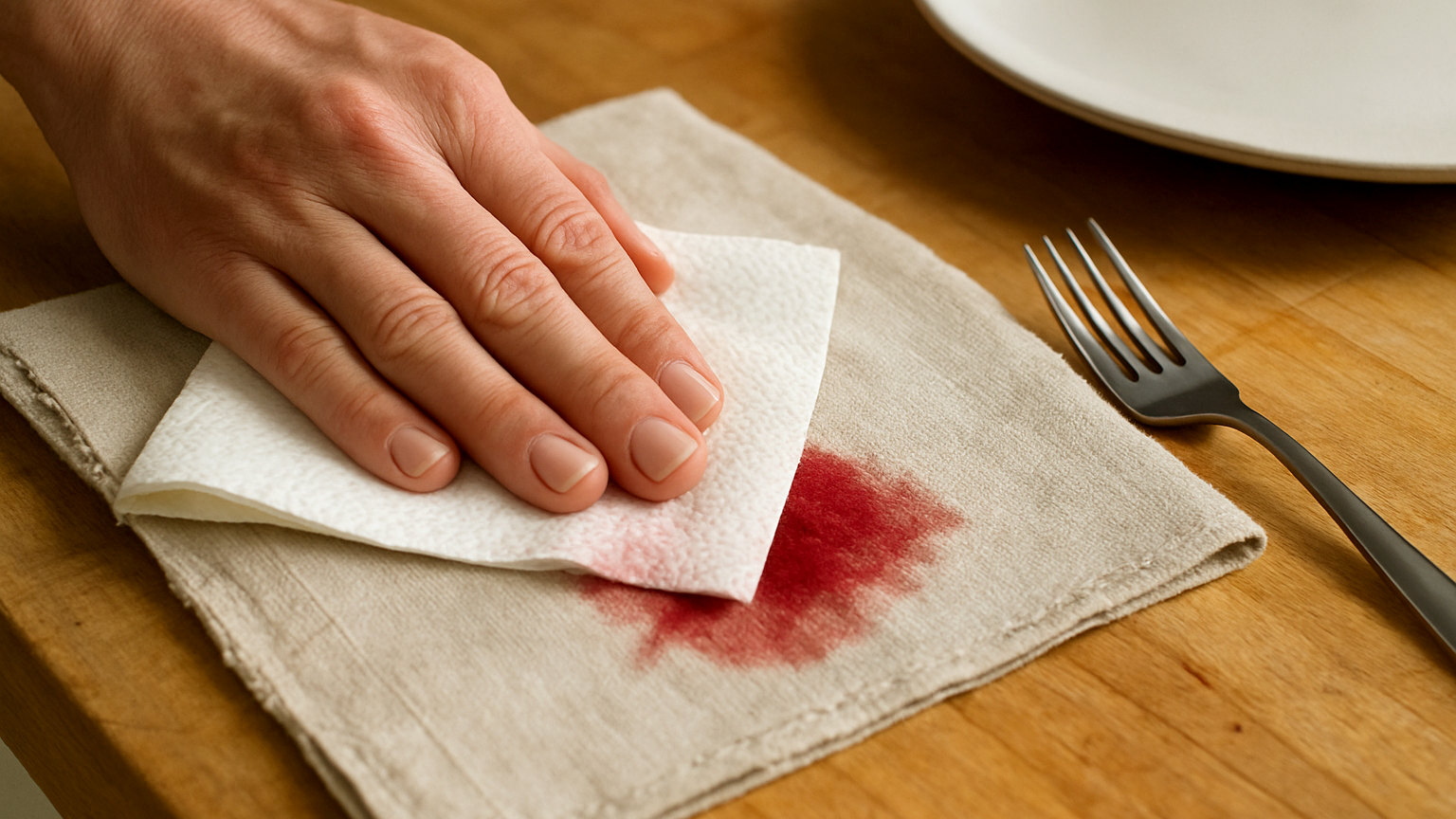
- Blot up any liquid and lift off any pulp with a blunt edge.
- Flush the back of the stain with cold running water.
- Rub a little washing up liquid or a mild detergent into the mark.
- Soak in cool water for thirty minutes.
- Rinse and check before drying.
- For anything remaining, soak in an oxygen bleach solution if the fabric allows.
Why does an old fruit stain look brown?
Because the sugars and the pigments have oxidised. What was a bright red or purple mark becomes a flat yellowish brown that no longer dissolves in water, and at that point it needs an oxidising agent to break it down rather than a solvent to lift it out.
That is why a blackcurrant stain treated immediately disappears and the same stain found a week later needs a soak.
What works on a dried stain?
An oxygen bleach soak, in water as warm as the fabric allows, for several hours or overnight. Oxygen bleach oxidises the compounds causing the colour and breaks them into colourless ones, which is exactly what is needed here.
Follow with a normal wash and dry in sunlight, which continues the process. Repeat if the improvement is partial rather than complete.
Which fruits are worst?
- Blackcurrant, blackberry and blueberry, which have the strongest pigments.
- Cherry and pomegranate, which also stain skin and boards.
- Beetroot, which is technically a vegetable and behaves like the worst of the berries.
- Mango, which combines pigment with an oily element.
- Red grape juice, which behaves much like red wine.
Lighter fruits such as apple, pear and banana leave marks that are mostly sugar and oxidise to brown, and they come out readily with a warm detergent soak.
What about carpet and upholstery?
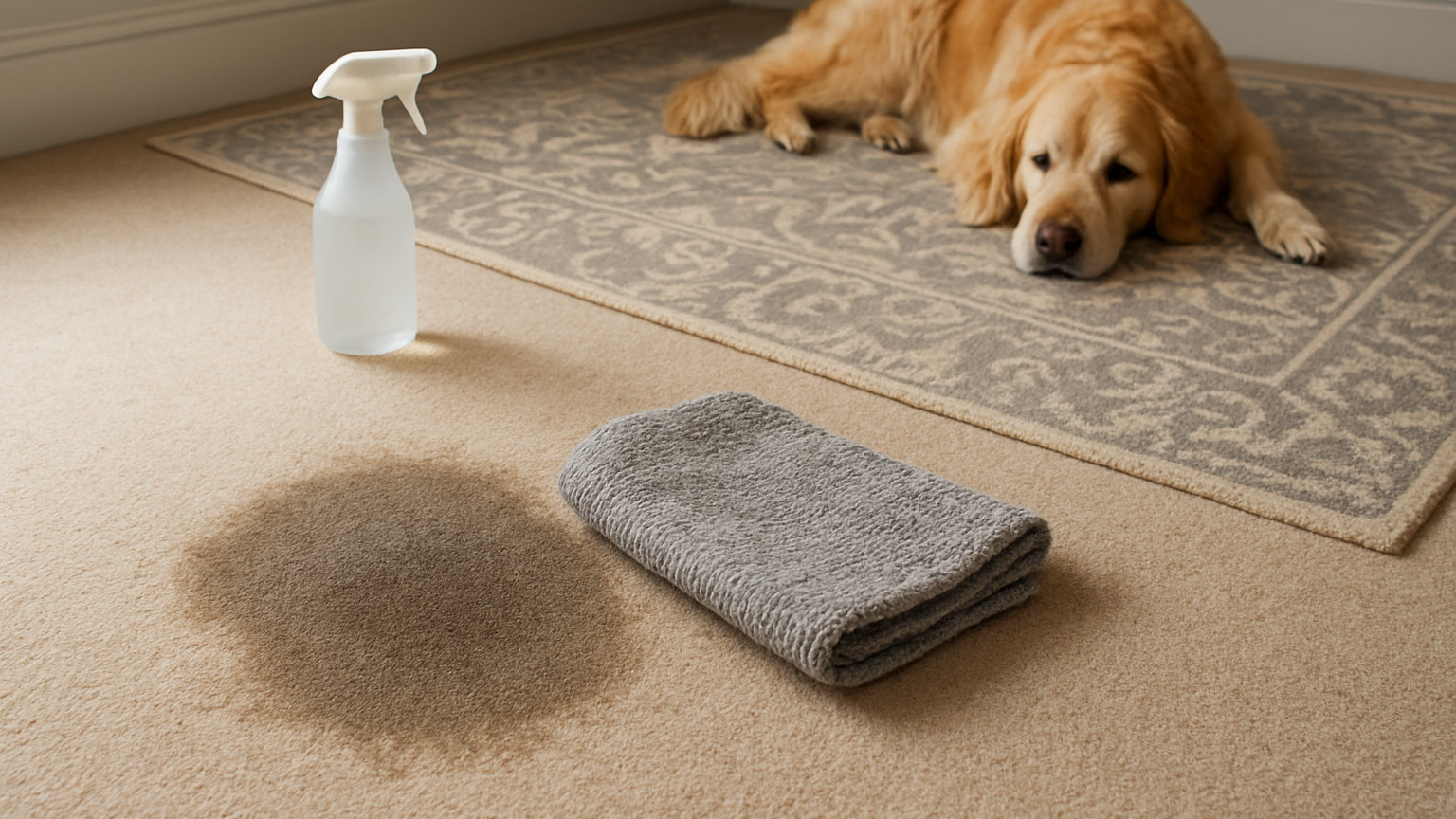
Blot immediately, working from the outside in. Use a solution of cold water with a drop of washing up liquid applied to a cloth, dabbing rather than rubbing. Follow with a clean water blot and press a dry towel down under weight.
Boiling water is not an option here, since it would damage the backing and the underlay. Instead, treat promptly and repeat in stages.
What should you avoid?
Soap on a fresh fruit stain, which can set some pigments. Rubbing, which spreads the mark. Salt, which is a popular remedy with little evidence behind it and which can drive the stain further in. And chlorine bleach on anything coloured.
What about stained hands and chopping boards?
Lemon juice and salt as a scrub works on skin, and so does simply washing up, since the stain wears off with the top layer. For wooden boards, a paste of bicarbonate of soda scrubbed in and rinsed lifts most of it, and sunlight fades the rest over a day or two.
Does the fabric make a difference?
A considerable one. Cotton and linen release fruit stains readily and tolerate both boiling water and oxygen bleach. Polyester holds the pigment more stubbornly and cannot take either treatment. Wool and silk need cool water and gentle handling throughout, which means a dried fruit stain on either is far more likely to be permanent.