Chewing gum is a synthetic rubber base, and it is not soluble in water at all. At room temperature it is soft and sticky, which is why pulling at it spreads it through the fibres. Both effective approaches work by changing its temperature rather than by dissolving it: make it brittle enough to break off, or soft enough to lift cleanly.
What is the freezing method?
- Put the item in a plastic bag and into the freezer for one to two hours, or hold an ice cube in a bag against the gum for fifteen minutes.
- Take it out and work quickly, before the gum warms up.
- Flex the fabric to crack the frozen gum.
- Lift the pieces off with a blunt edge such as a spoon handle or a plastic scraper.
- Repeat the freezing if the gum softens before you have finished.
This removes the bulk of the material and is the right first approach for almost every situation.
What removes the residue?
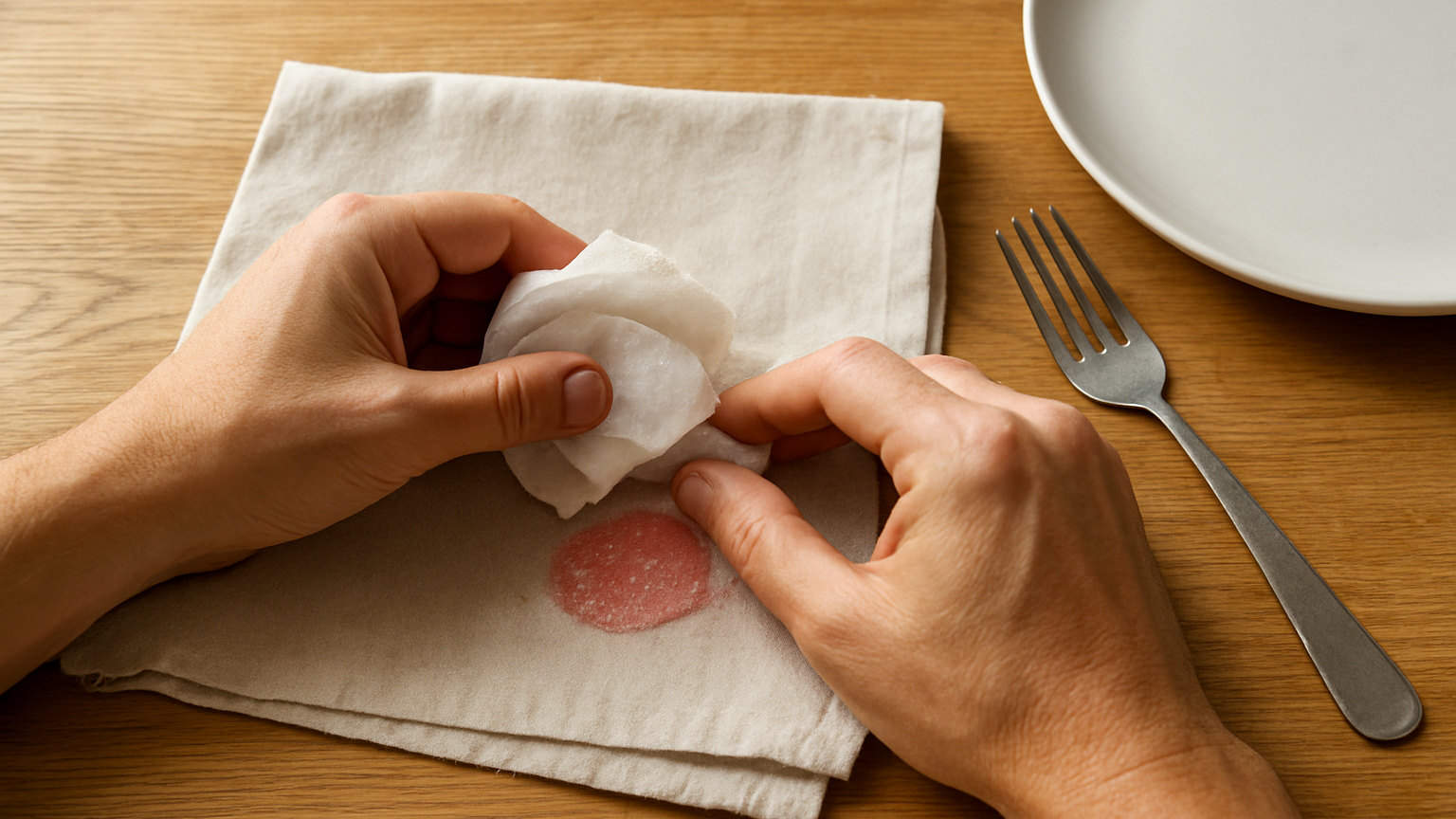
A thin film usually remains after the solid gum has gone. Apply a small amount of cooking oil, peanut butter or an eucalyptus based stain remover to the residue and work it gently with a fingertip. The oil breaks down the gum base and lifts it away.
Then treat the oil as a grease stain: apply washing up liquid directly, work it in, leave it five minutes and wash at the warmest temperature the fabric allows.
White vinegar warmed slightly is an alternative to oil and leaves no greasy mark, though it is less effective on a heavy residue.
When should you use heat instead?
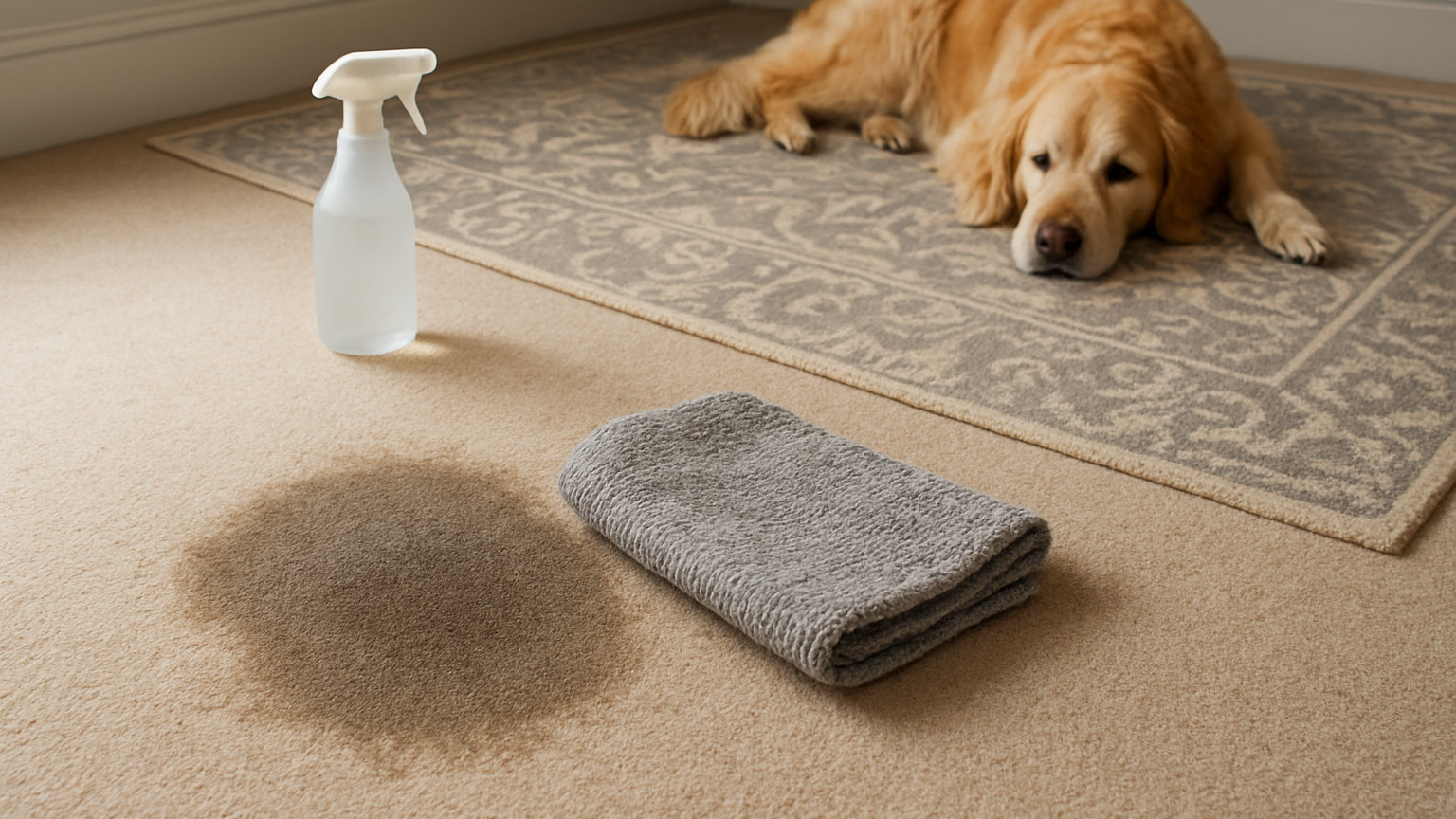
On carpet, where freezing a whole area is impractical, the reverse approach works. Place a piece of brown paper or a paper bag over the gum and press with a warm iron on a low setting. The gum softens and transfers onto the paper rather than the carpet.
Move to a clean part of the paper each time and repeat. Take care with synthetic carpet, which can melt, and test the iron temperature on a hidden area first.
What is the method for carpet specifically?
Try ice first, which works on a small piece. Hold ice cubes in a bag against the gum for ten to fifteen minutes until it is hard, then break it up and pick the pieces out with a blunt edge, working with the pile rather than against it.
For anything remaining, use the warm iron and paper method, then treat the residue with a little oil followed by a detergent blot. Finish by pressing a dry towel down to remove the moisture.
How do you get gum out of hair?
Oil, not scissors. Work a generous amount of cooking oil, olive oil or smooth peanut butter into the gum and the surrounding hair, leave it for a few minutes, then slide the gum down the hair shaft with your fingers. It comes away far more easily than expected.
Wash the hair afterwards with a normal shampoo, twice if needed to remove the oil.
What about gum in a washing machine or a dryer?
Gum that has been through a hot dryer is the worst case, since the heat has spread it and bonded it into the fibres. Freeze the garment and scrape what you can, then work oil into the remainder and repeat.
Check the drum afterwards. Gum transferred onto the drum will end up on the next load, and it lifts with ice followed by a cloth and a little oil, then a hot empty cycle to clear the residue.
What should you avoid?
- Pulling at soft gum, which stretches it into the weave.
- Rubbing, which spreads it across a much larger area.
- Solvents such as white spirit on synthetics, which can dissolve the fabric as well as the gum.
- Hot water, which softens gum without removing it.
- Putting the item in a dryer before the gum has gone completely.
Does it work on upholstery and shoes?
Yes, with the same two approaches. Ice first, then oil for the residue, then a detergent blot. On the sole of a shoe, freezing alone usually does it. On suede, freeze and pick off the solids and then use a suede brush, keeping all liquid away from the surface.