Felt tip pens divide into two groups that behave completely differently. Water based pens, which includes most marketed for children, dissolve readily and come out with detergent and warm water. Alcohol based pens, which includes art markers and most adult felt tips, need a solvent and are considerably more stubborn.
How do you tell which you are dealing with?
Check the pen. Anything labelled washable, non-permanent or for children is almost certainly water based. Art markers, whiteboard pens and anything labelled permanent are alcohol based.
The practical test is the mark itself. Dab it with a damp cloth: a water based ink will begin to lift immediately, and an alcohol based one will not move at all.
What is the method for water based pens?
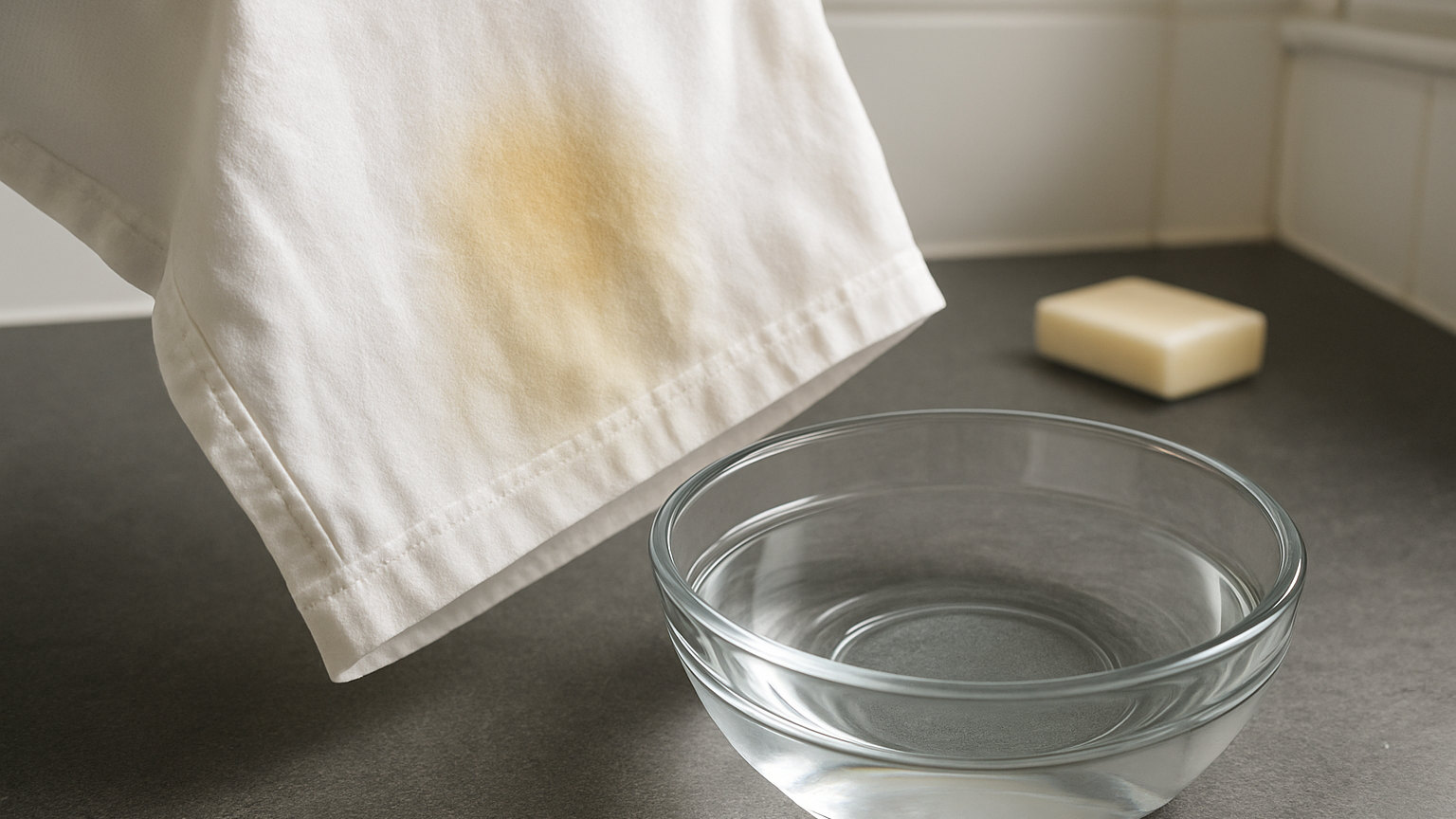
- Rinse the back of the fabric under cold running water until the colour stops running.
- Apply washing up liquid or a little detergent to the mark.
- Work it in gently and leave for ten minutes.
- Rinse in warm water.
- Wash normally at the warmest temperature the fabric allows.
- For anything remaining on white cotton, soak in oxygen bleach and dry in sunlight.
Most washable pens disappear entirely at the rinsing stage, which is the whole point of them.
What is the method for alcohol based pens?
Lay the fabric face down on clean white kitchen paper, apply surgical spirit to a cloth, and dab the reverse of the mark so the ink is pushed out into the paper. Change the paper frequently and work from the outside in.
Follow with washing up liquid, a warm rinse and a normal wash. Expect two or three rounds, and expect an improvement rather than complete removal on strong colours.
Which colours are worst?
Reds, purples and deep blues, which use dyes that bond readily to fibre. Black is often easier than it looks. Fluorescent and highlighter inks are dye based and frequently lift with water alone, though they can leave a faint tint that responds to sunlight.
What works on walls?
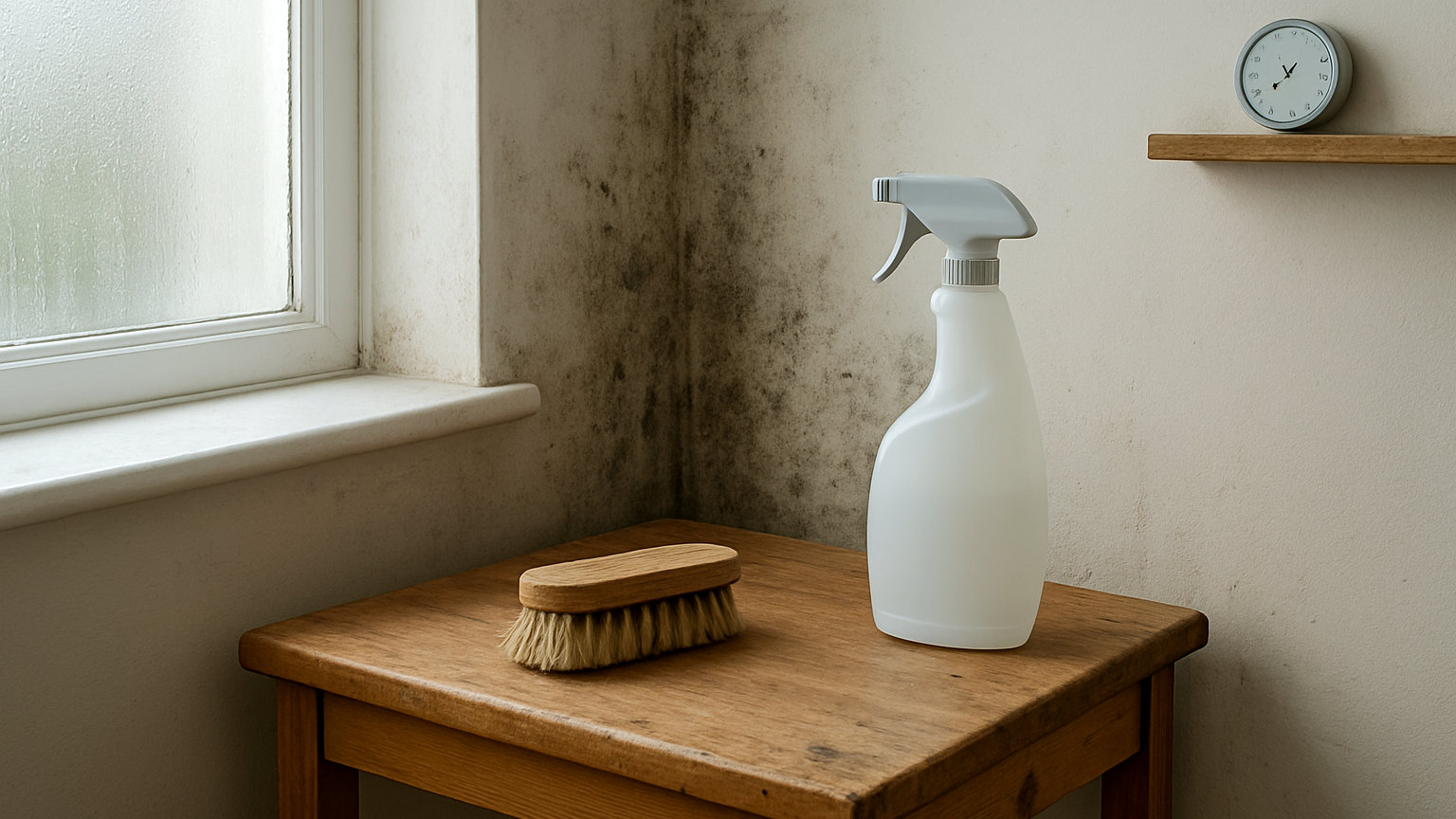
Start gently, because anything that removes the ink may also remove the paint. A damp cloth with a little washing up liquid, then a cotton bud with surgical spirit, tested in a hidden spot.
A melamine sponge often works and abrades the paint surface, leaving a dull patch on matt emulsion that is more visible than the drawing. On a wall in a child bedroom, touching up with matching paint is frequently the faster and better looking answer, which is a good argument for keeping a labelled pot of each colour.
What about furniture and hard surfaces?
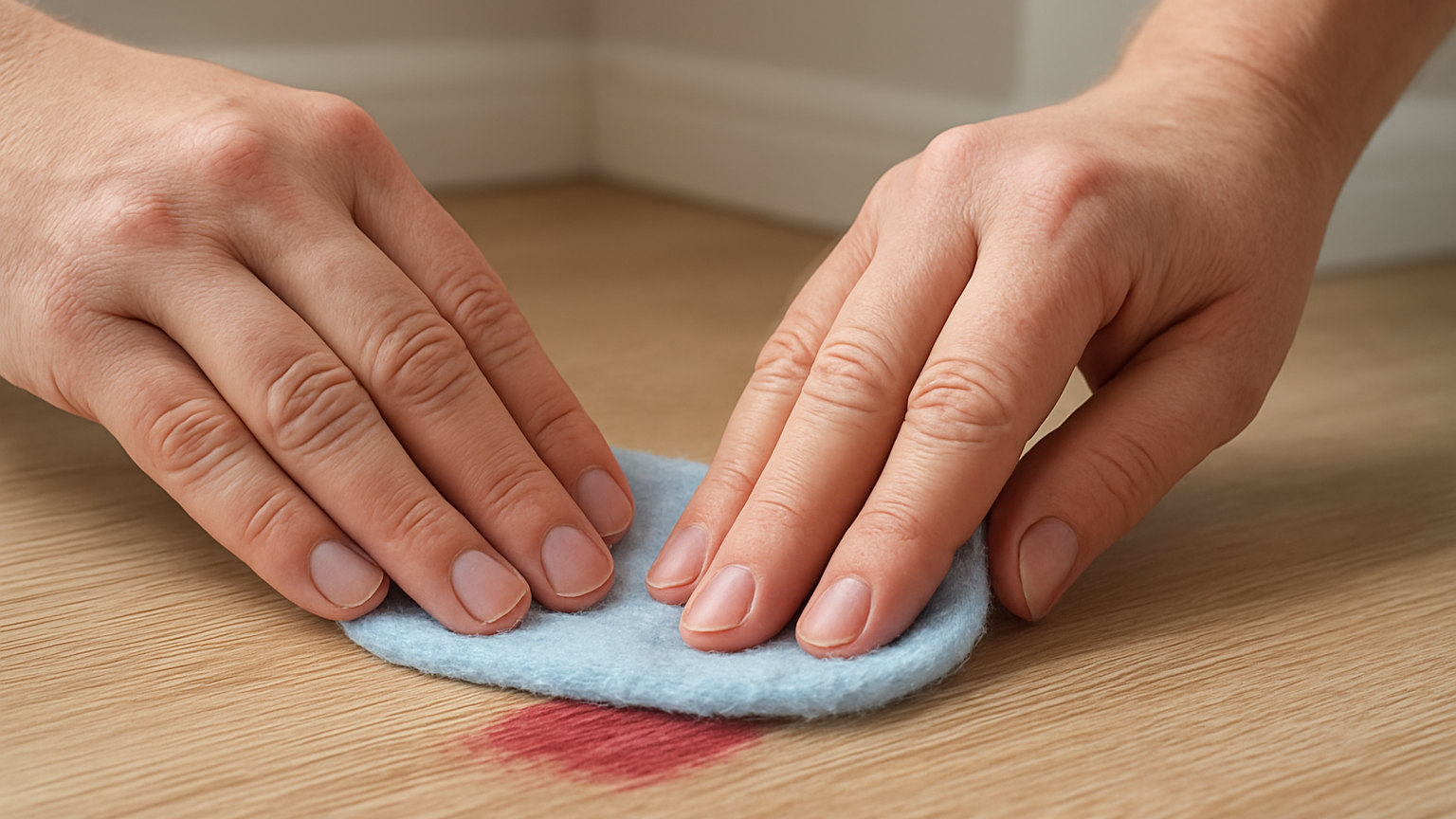
On sealed wood, laminate and plastic, surgical spirit on a cloth usually lifts it. For permanent marker on plastic, drawing over it with a dry wipe marker and wiping both away immediately works well.
On unsealed wood the ink soaks into the grain and is often permanent. On fabric sofas, treat as a fabric stain and check the cleaning code before using anything water based.
What about skin?
Water based pen washes off with soap. Alcohol based pen fades within a day or two and can be shifted faster with an oil based cleanser, baby oil or hand sanitiser. Avoid solvents on skin, particularly on children.
How do you reduce the problem?
Buy washable pens, which genuinely do wash out and cost no more. Keep permanent markers out of reach and out of pencil cases. Cover the table rather than trusting the lid on a pen, and check pockets before washing, since a felt tip through a hot wash marks the whole load.
If a pen does go through the machine, rewash immediately with detergent and a cup of white vinegar, and do not dry anything until it is clear.
What about felt tip on school uniform?
The most common version of the problem and usually recoverable, since most school pens are water based. Rinse from the reverse in cold water as soon as the uniform comes off, treat with detergent, and wash at 40. Polyester blend uniform holds the colour more stubbornly than cotton, so expect to treat it twice and never put it in a dryer until the mark has gone.