Why Does Ventilation Matter?
Vapours accumulate in small rooms with the door shut, which is exactly how most household cleaning is done.
By Cleaning Guides Team
27 Feb 2025

Most households own three times as many cleaning products as they need, and a good proportion of them do the same job. These guides work out what a genuinely useful cupboard contains, which specialist products are worth the shelf space and which are the same thing in a different bottle, what the homemade recipes actually achieve, and how to store the whole lot safely.
Vapours accumulate in small rooms with the door shut, which is exactly how most household cleaning is done.
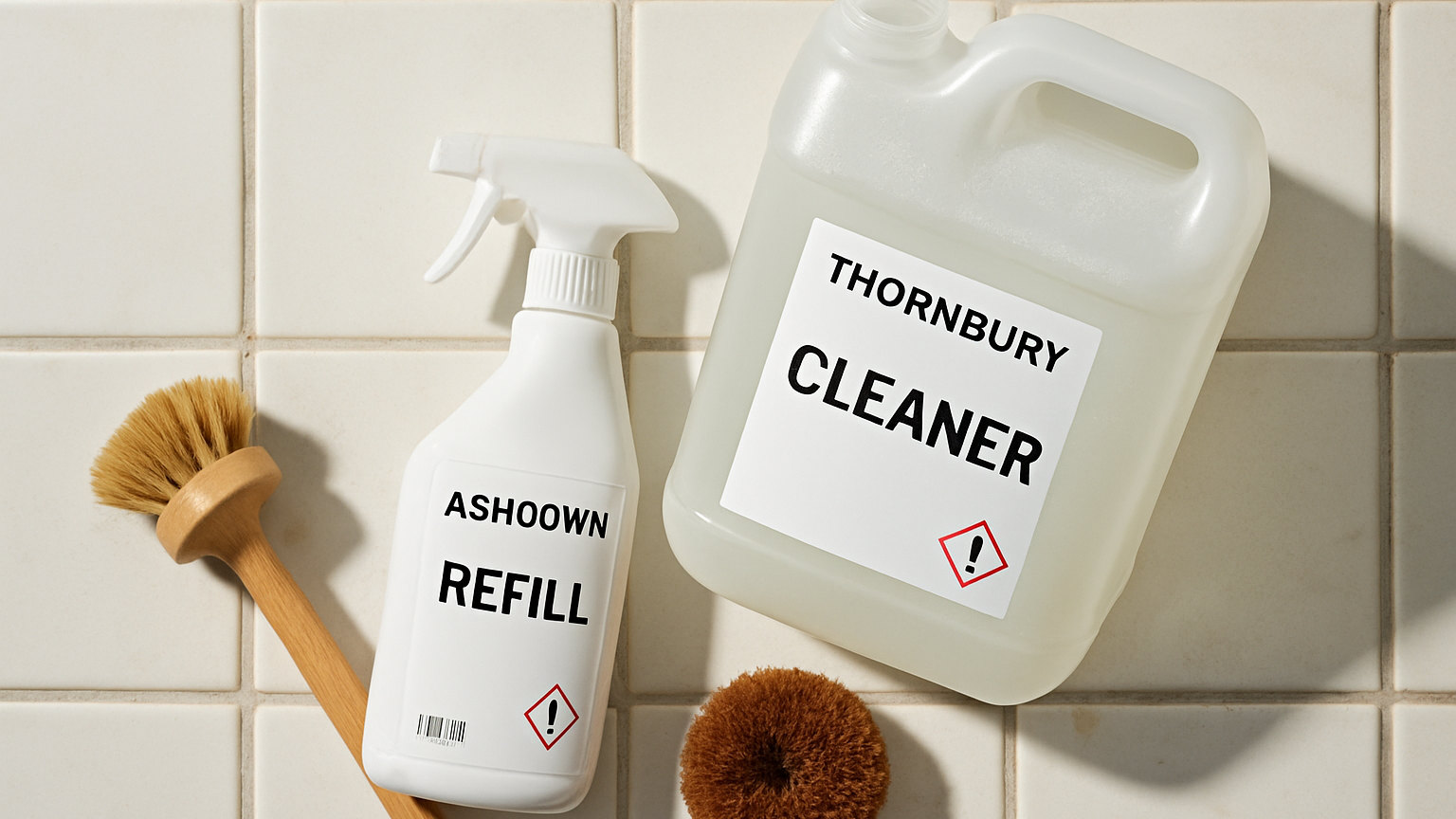
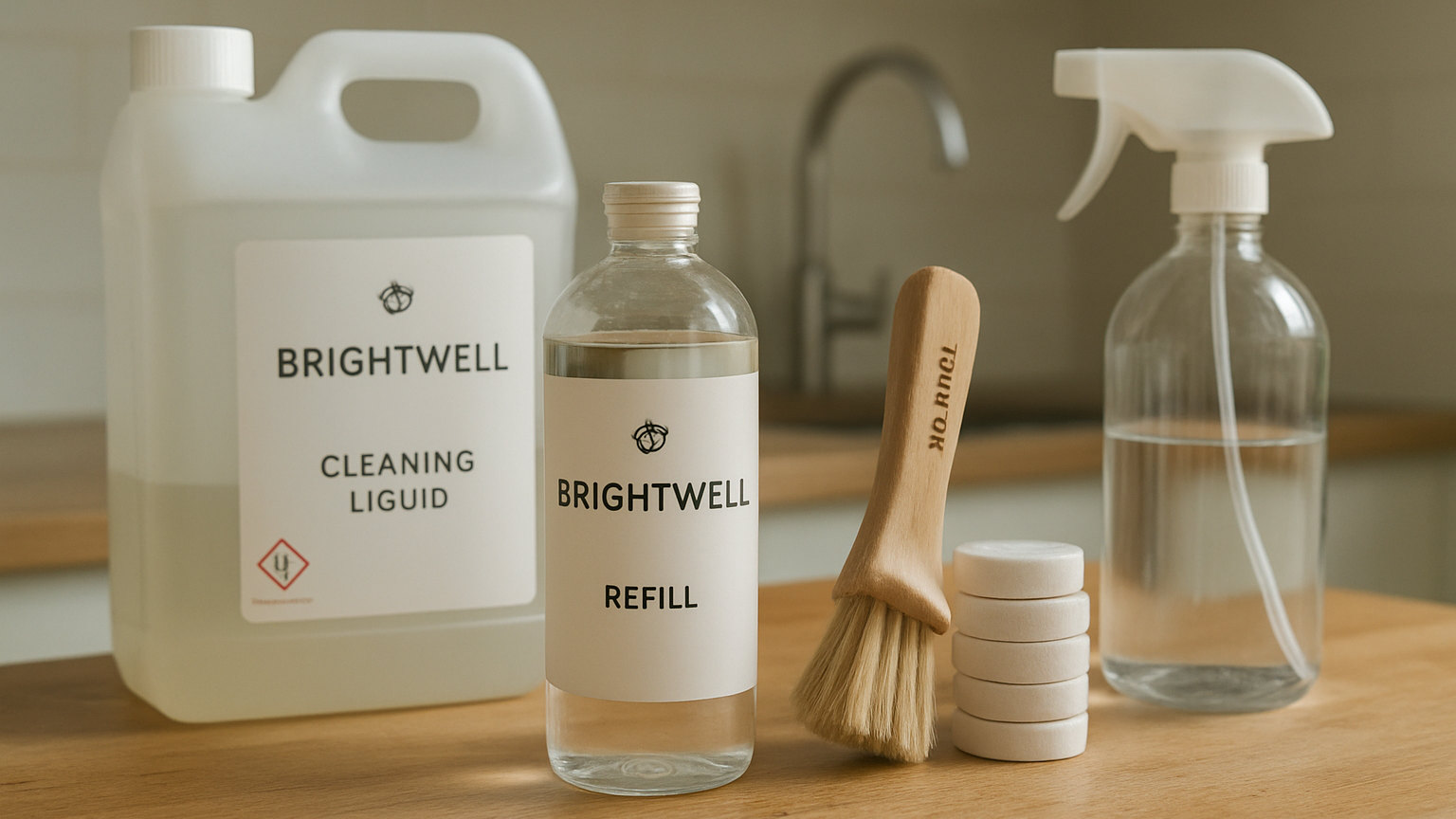
A ready mixed spray is mostly water in a plastic bottle, and removing that water is the single largest improvement available in cleaning products.
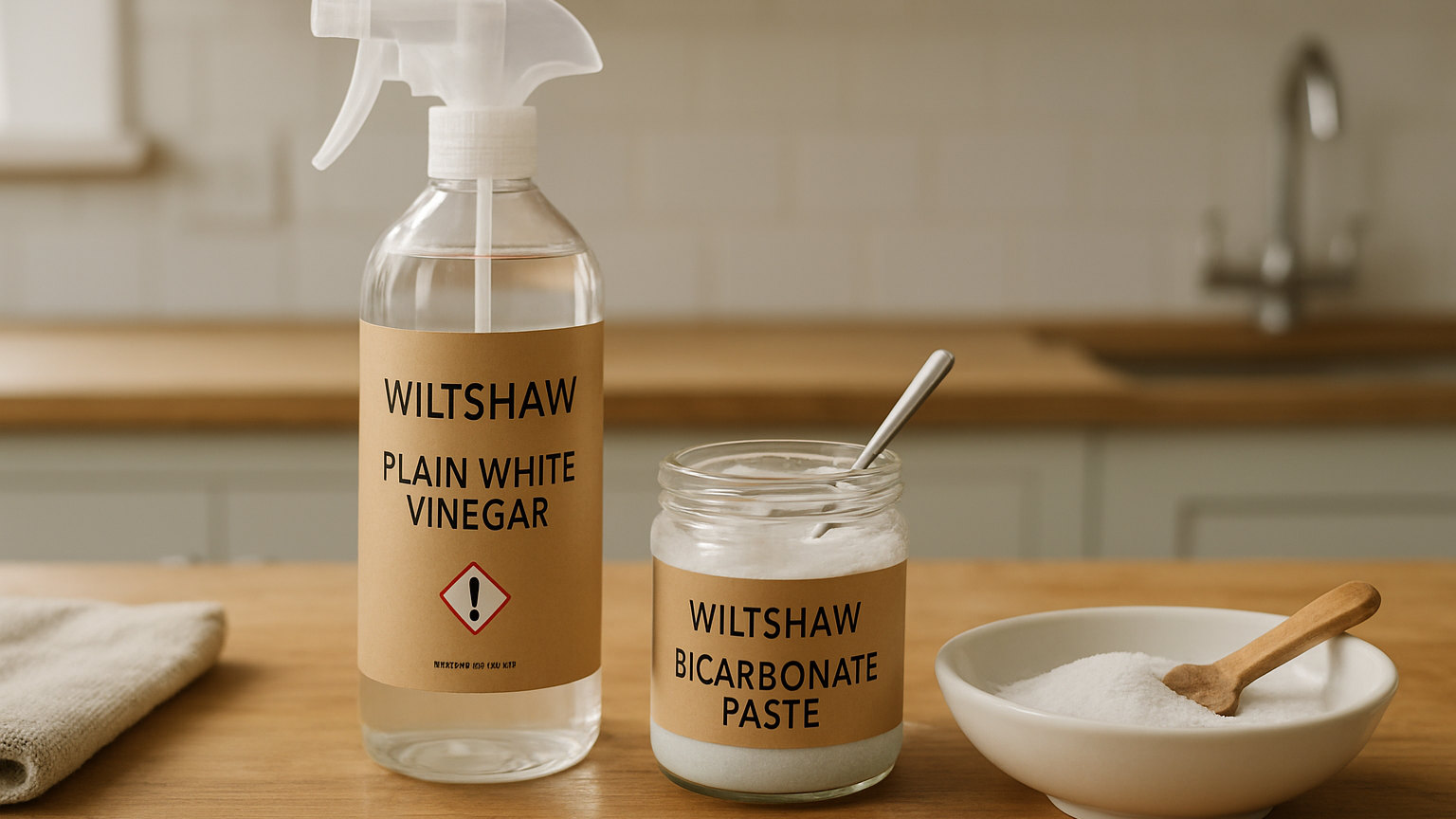
A bathroom needs an acid for limescale and soap scum, which is one job where a homemade cleaner matches anything on a shelf.
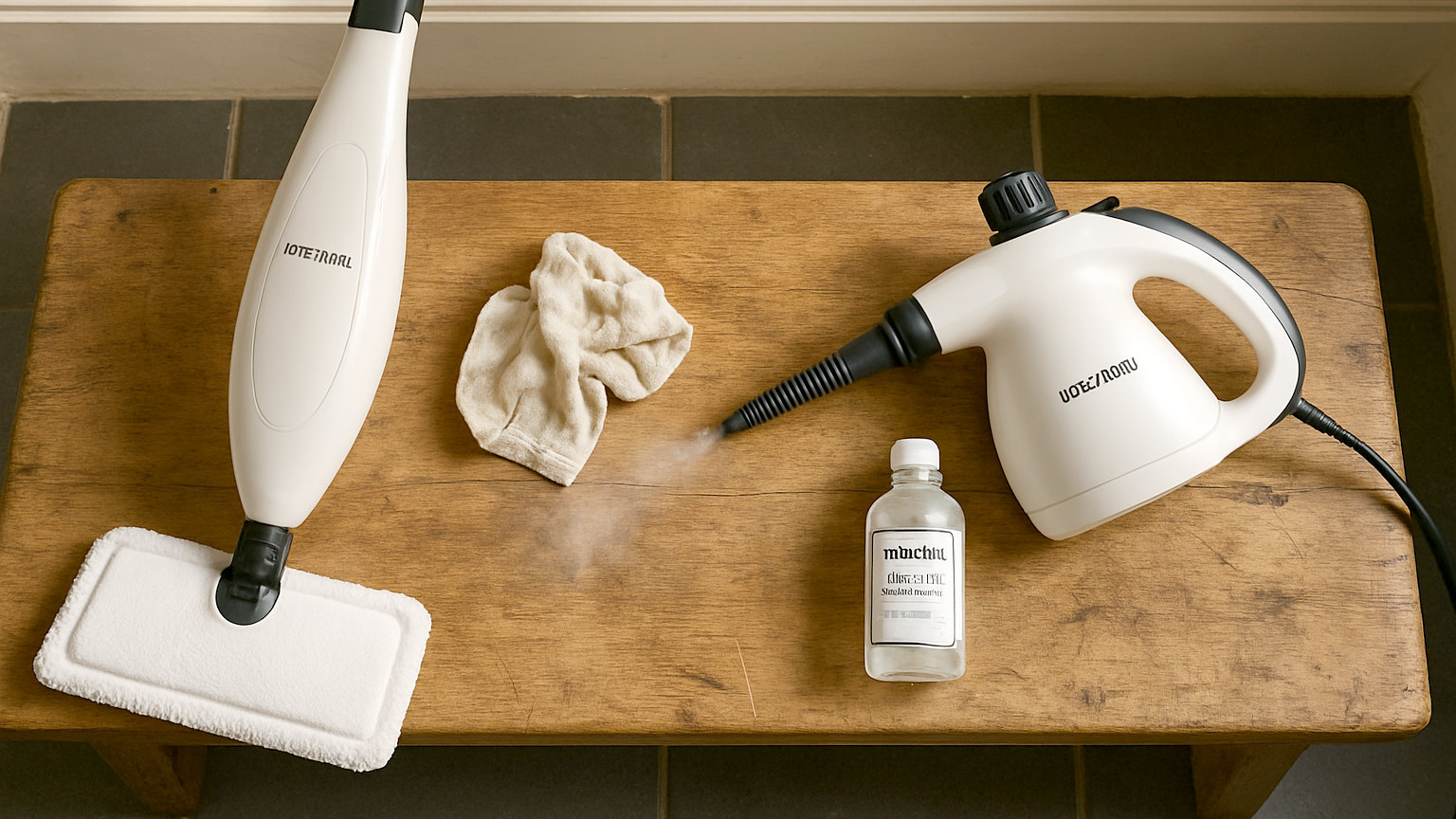
They are convenient and they suit fewer floors than the marketing suggests, and the pad matters more than the machine.
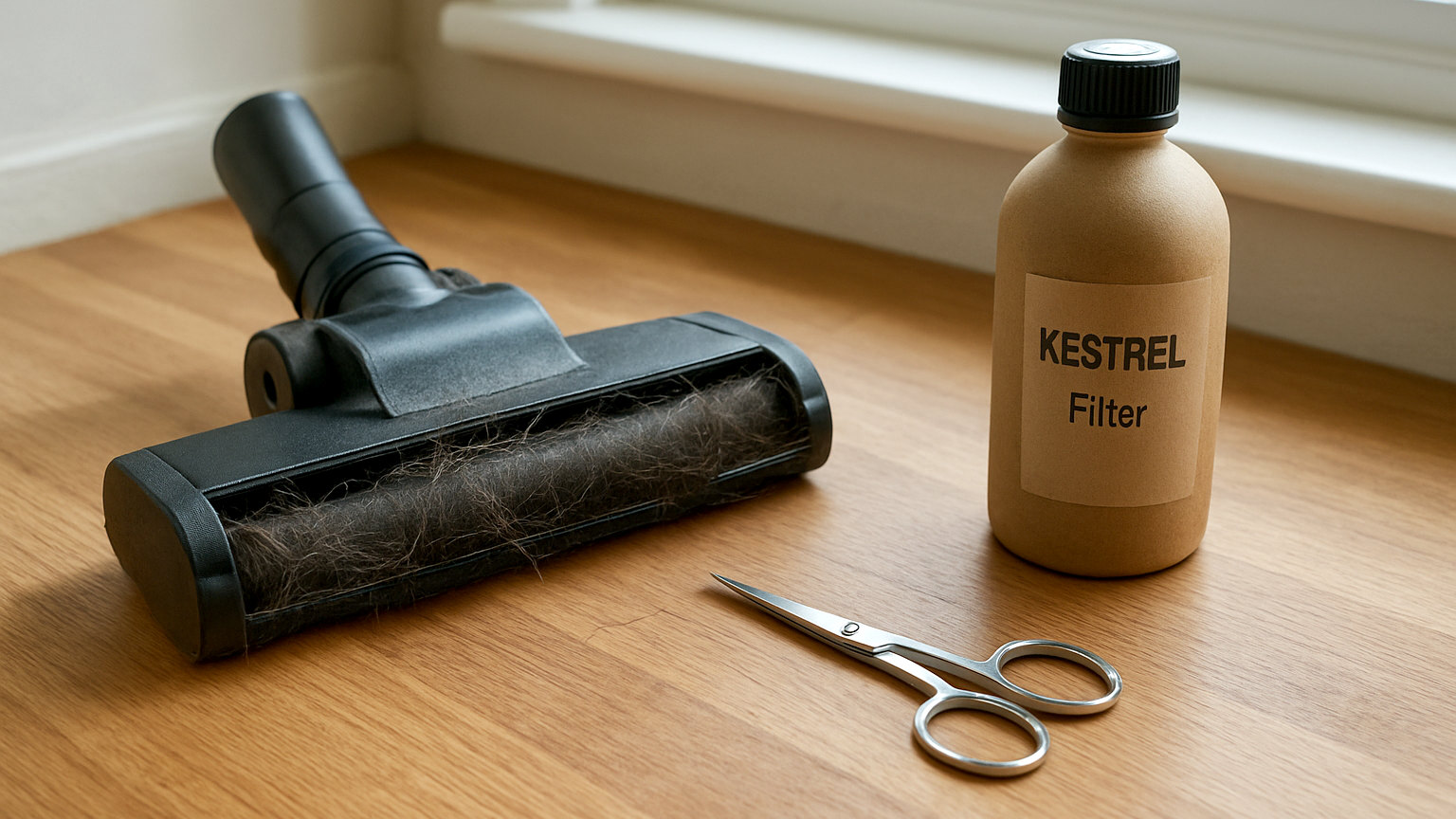
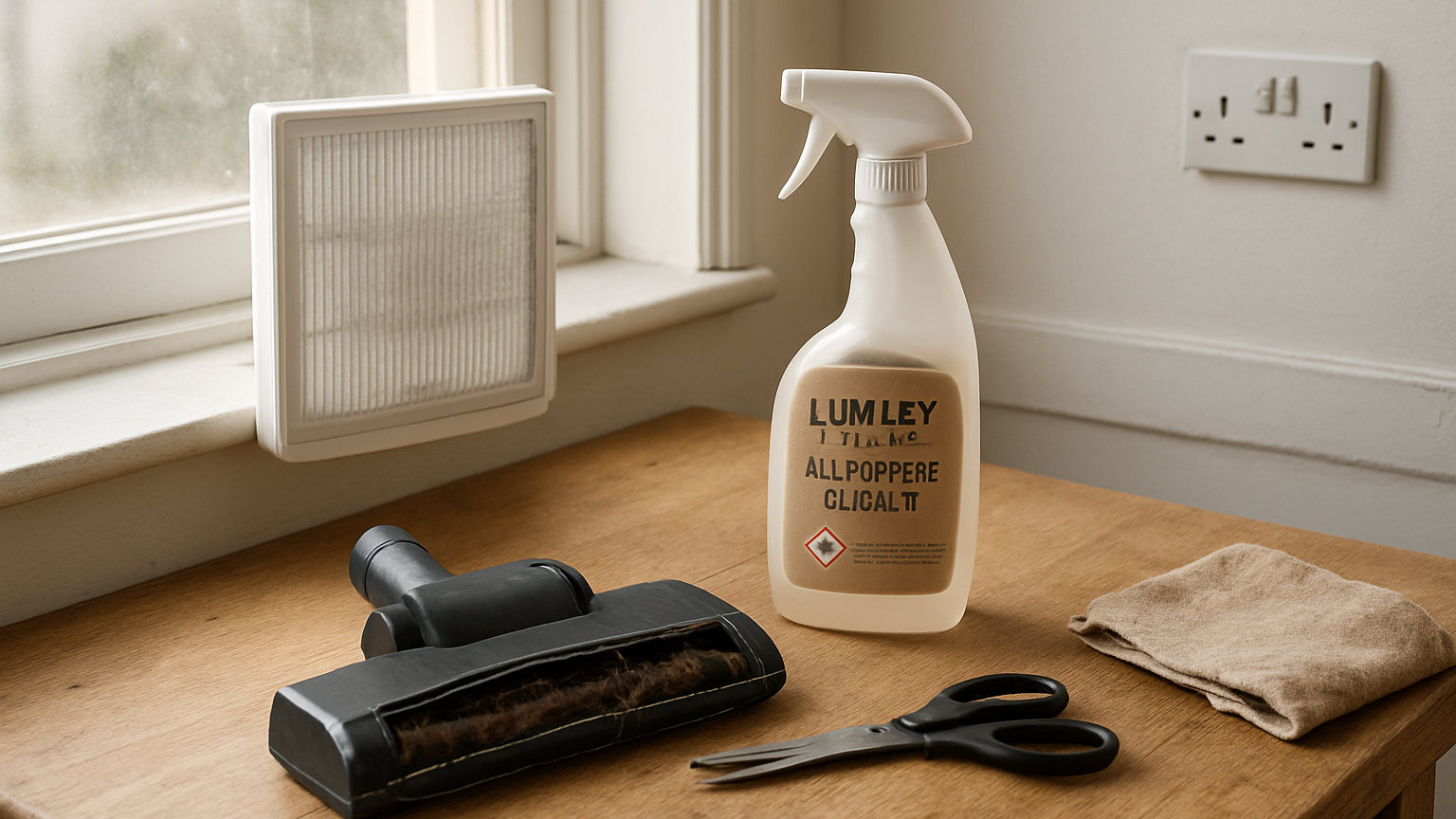
A vacuum that is never cleaned loses most of its suction within a year, and the whole job takes about twenty minutes.
A dishcloth is damp, warm and covered in food residue, which makes it the best growing environment in a kitchen.
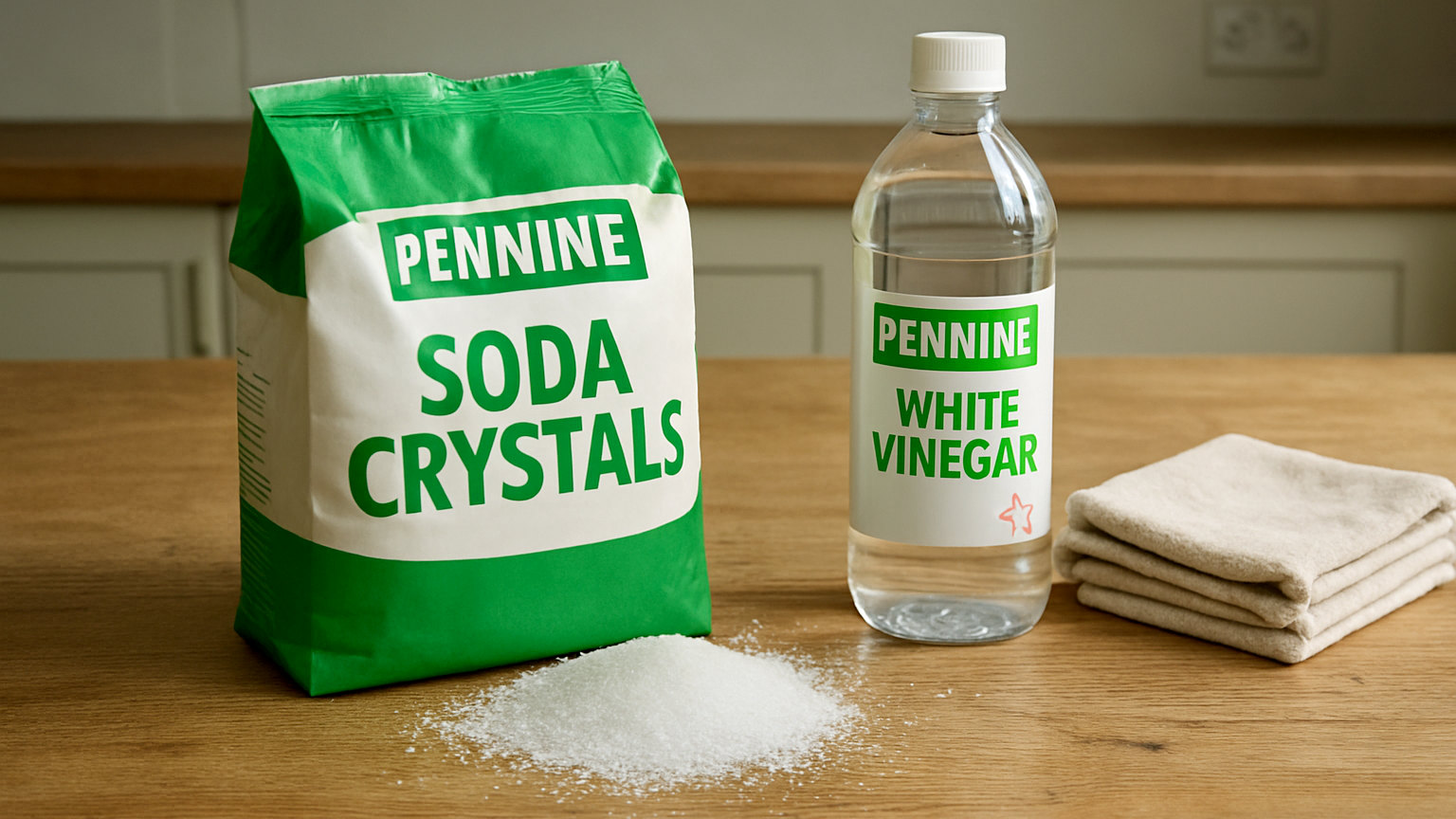
Soda crystals are the strong alkali that most households do not know they need, and they handle grease better than anything else on the shelf.
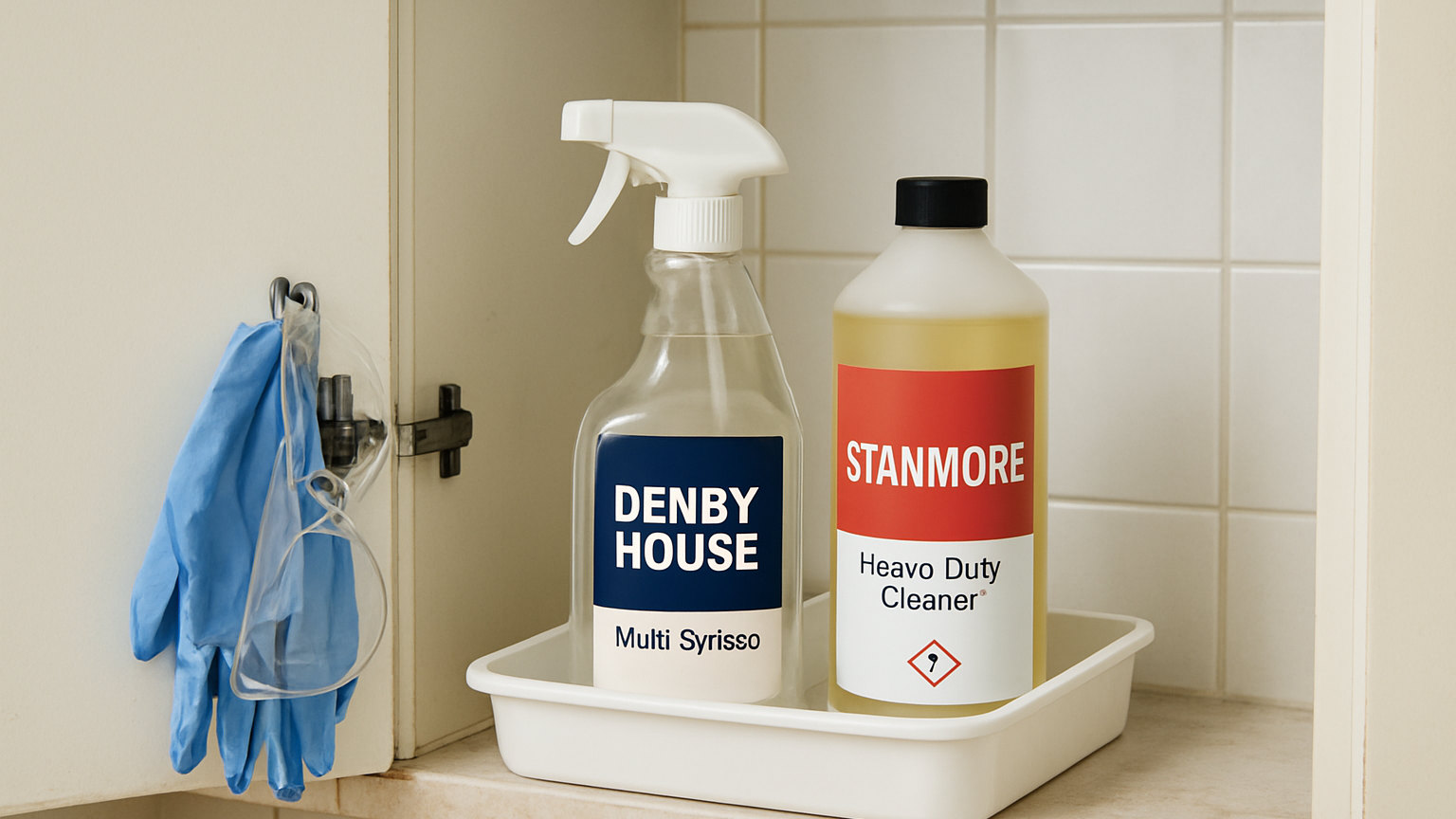
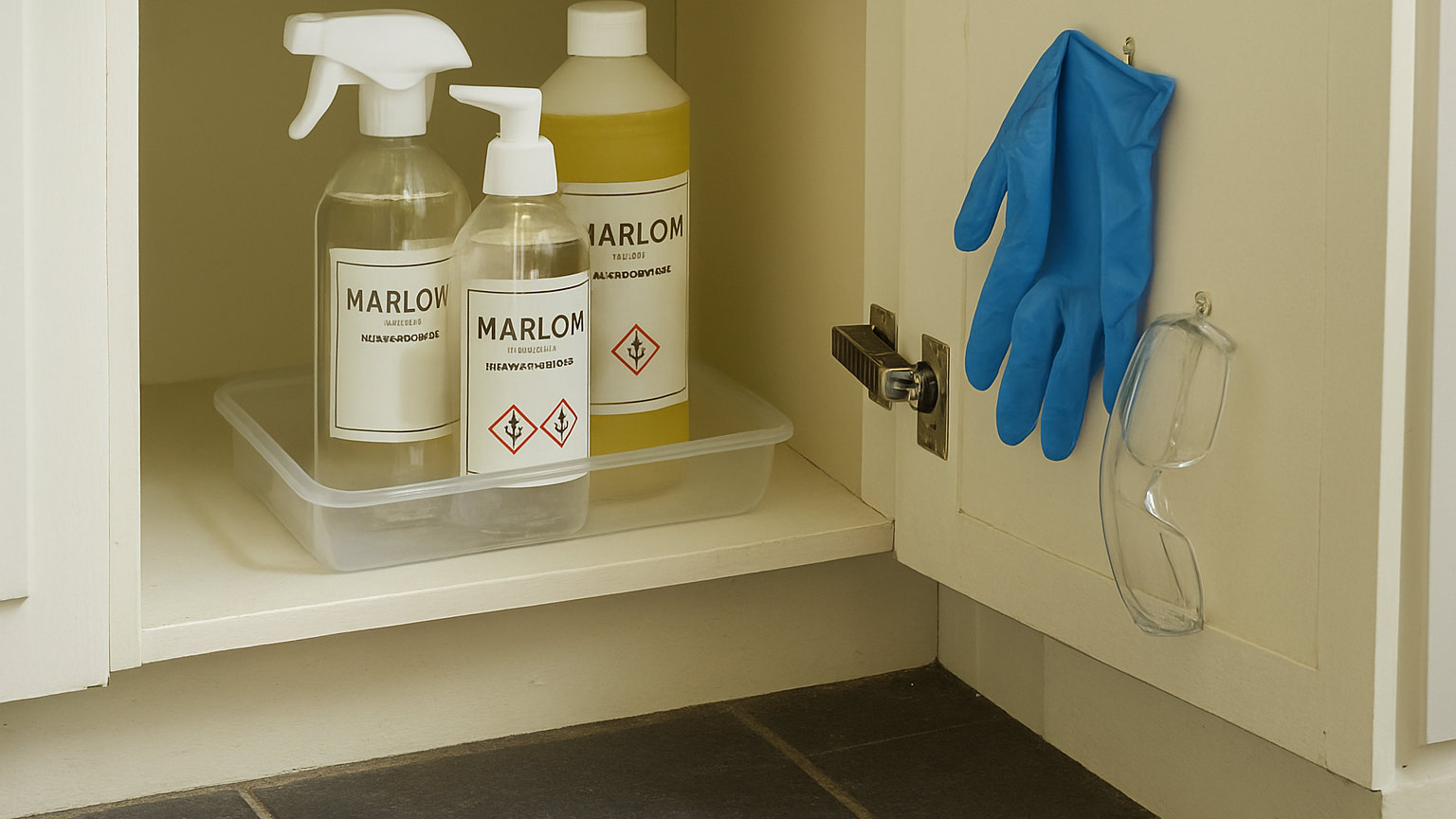
For some products gloves are essential, and for the rest they mainly prevent the dry cracked hands that regular cleaning causes.
A handful of schemes have published criteria and independent verification, and a great many logos on packaging have neither.
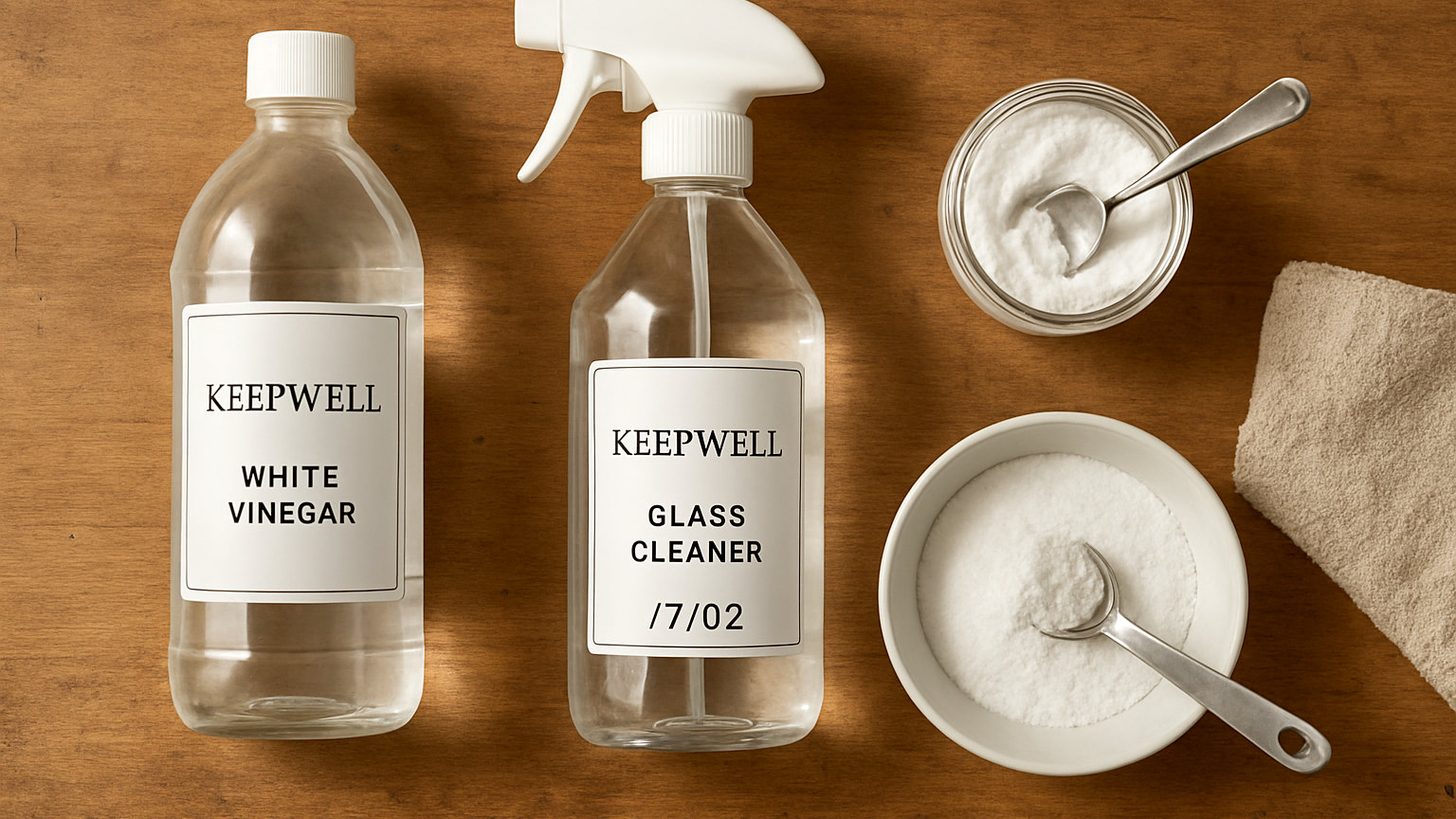
Streaks come from residue rather than from dirt, which means the best homemade glass cleaner is the one that leaves the least behind.
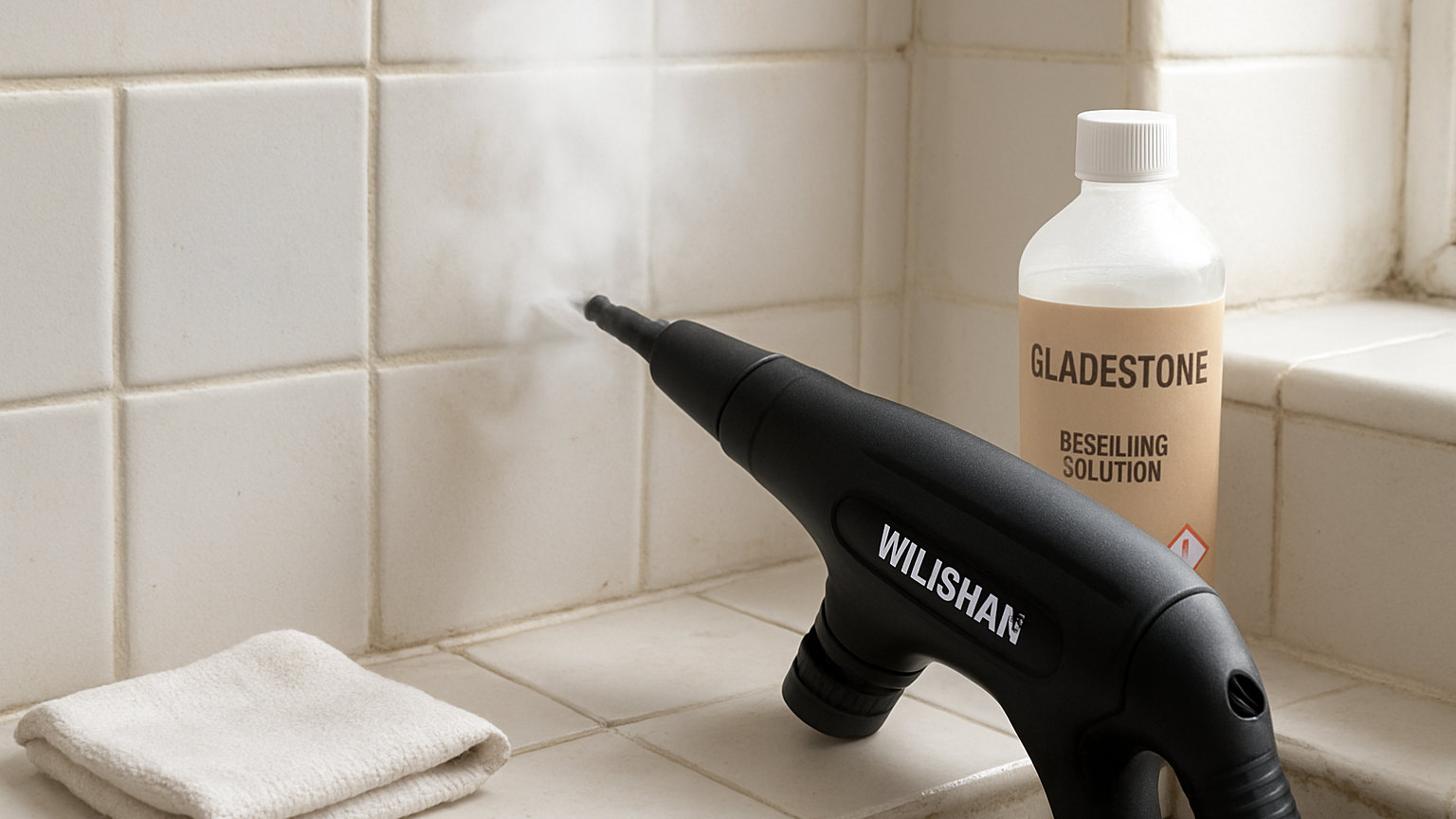
Heat and moisture together damage a longer list of surfaces than most people expect, and several of the exclusions are floors.
A HEPA filter captures very fine particles that an ordinary filter passes straight through, and it only helps if the rest of the machine is sealed.