Why Does Vinegar and Bicarbonate Fizz?
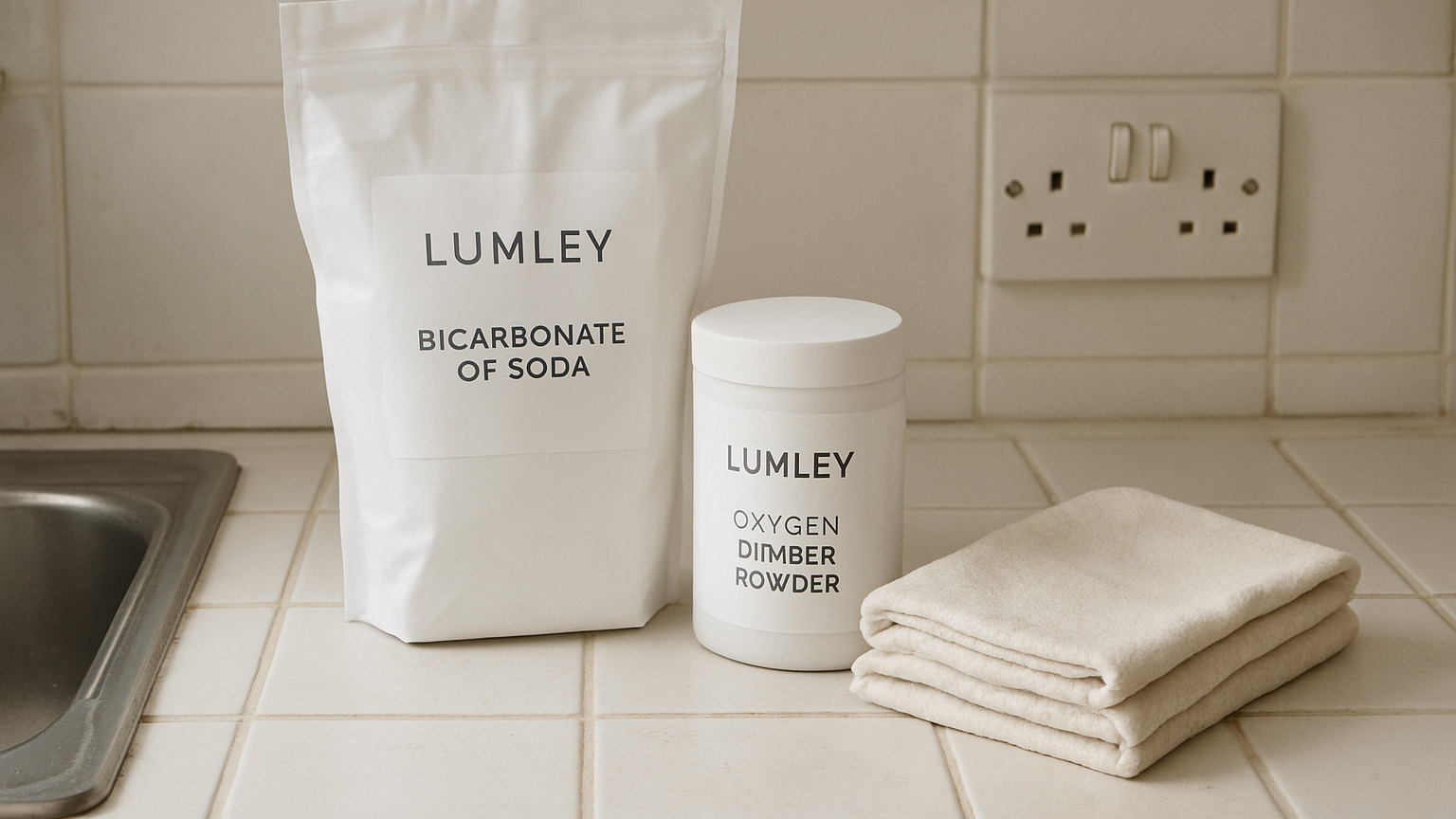
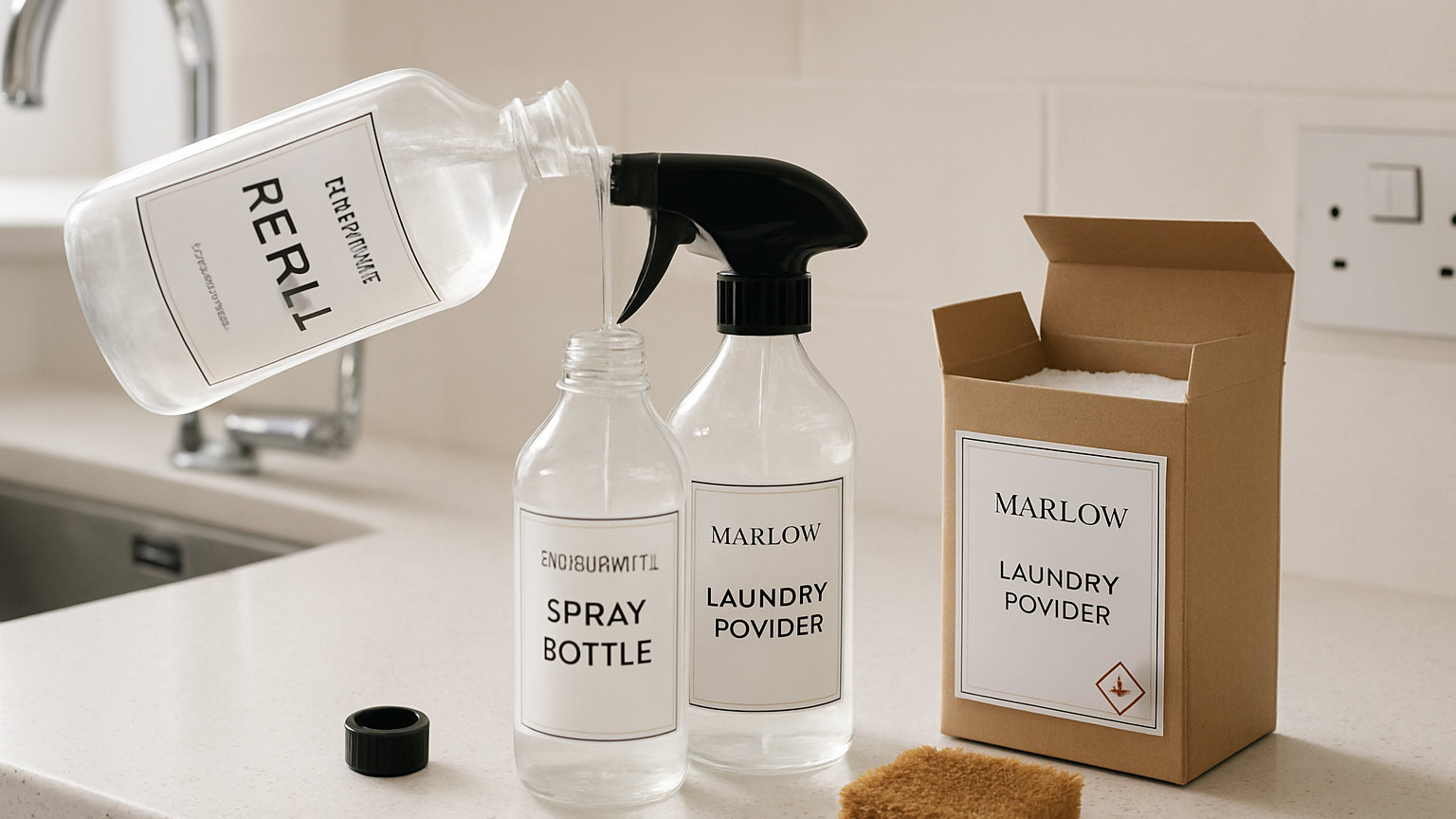
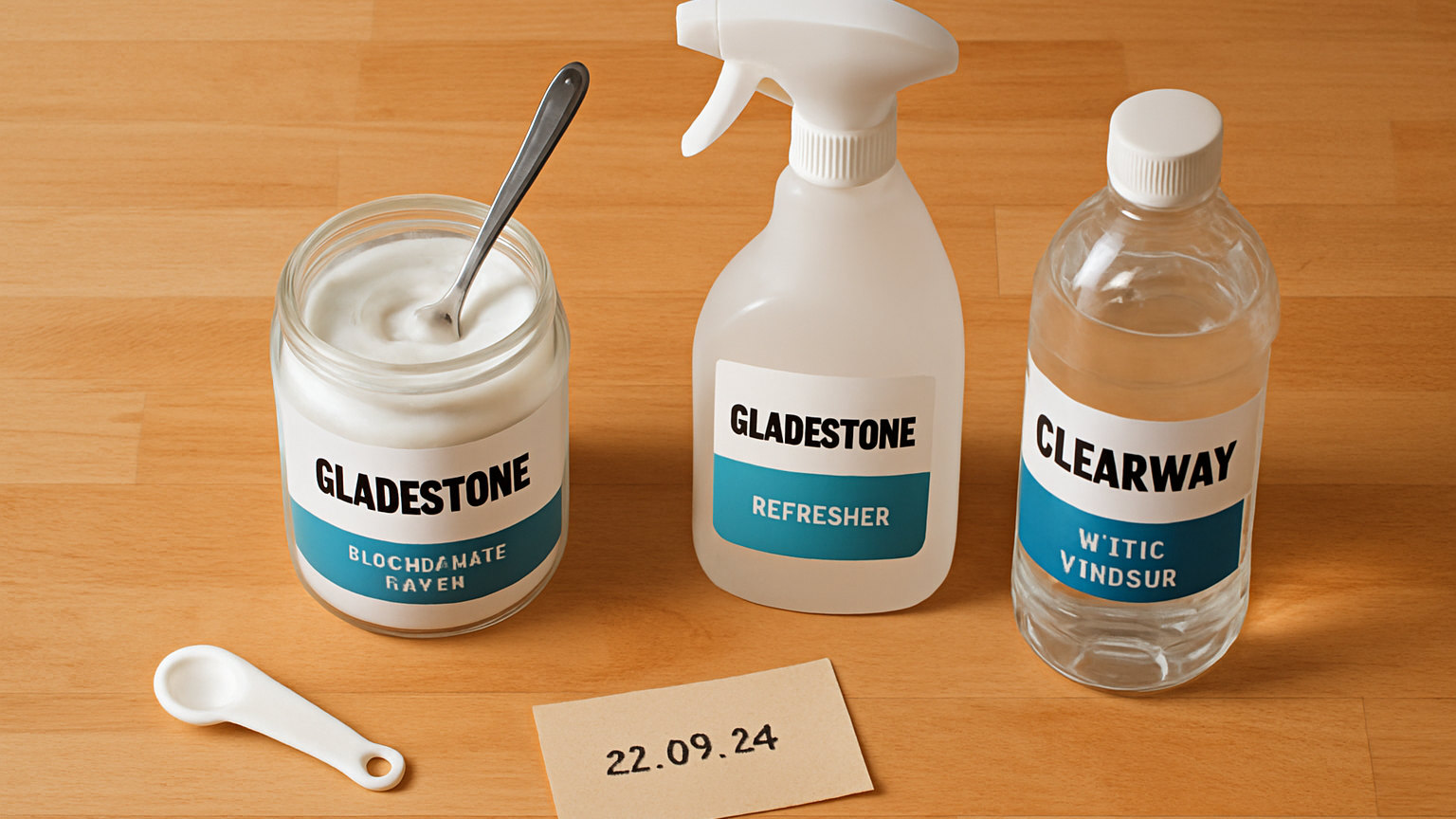
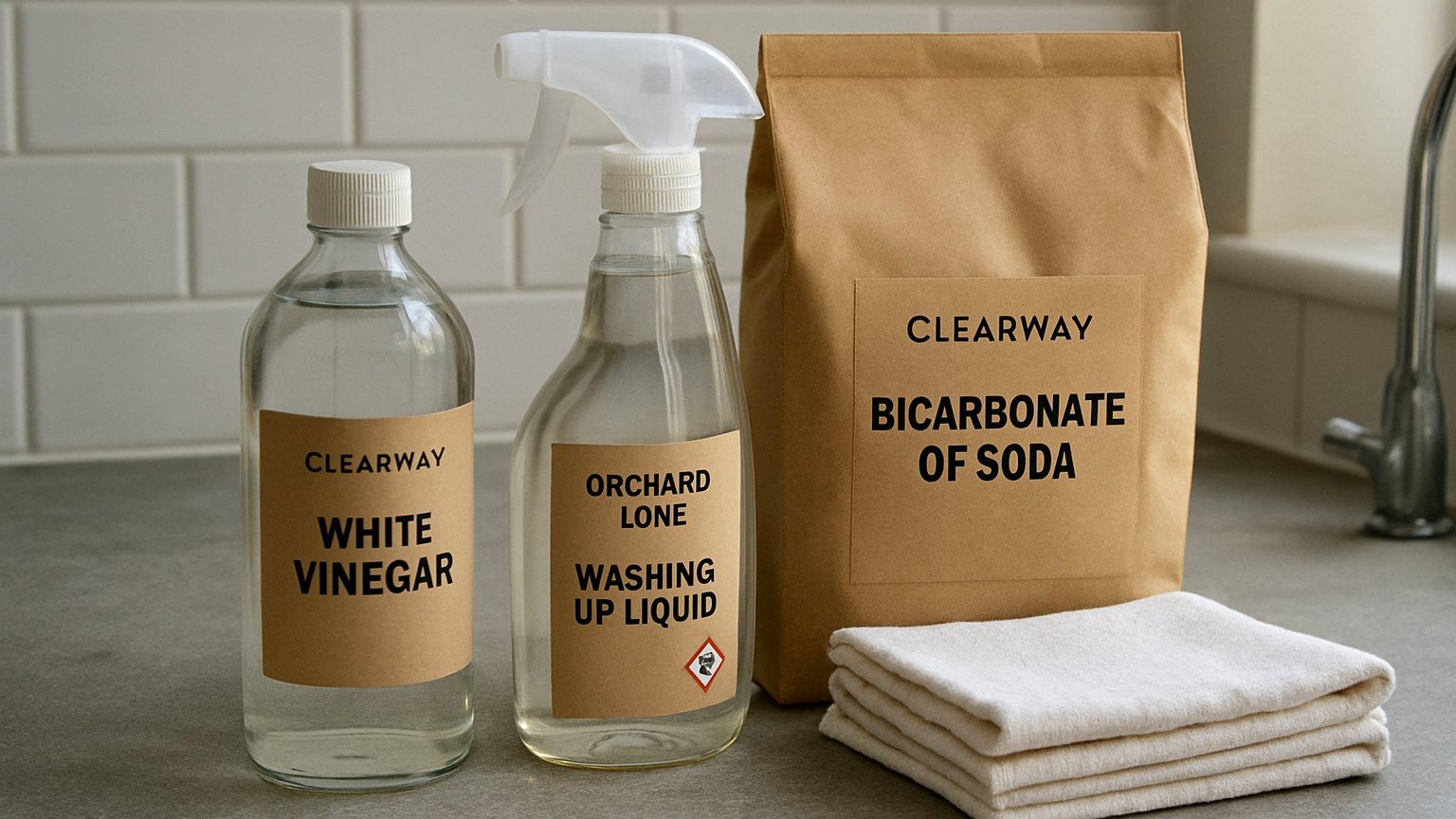
The fizzing is the two ingredients destroying each other, and what remains afterwards is salty water with no cleaning power at all.
By Cleaning Guides Team
1 Jun 2025

Most households own three times as many cleaning products as they need, and a good proportion of them do the same job. These guides work out what a genuinely useful cupboard contains, which specialist products are worth the shelf space and which are the same thing in a different bottle, what the homemade recipes actually achieve, and how to store the whole lot safely.
The fizzing is the two ingredients destroying each other, and what remains afterwards is salty water with no cleaning power at all.
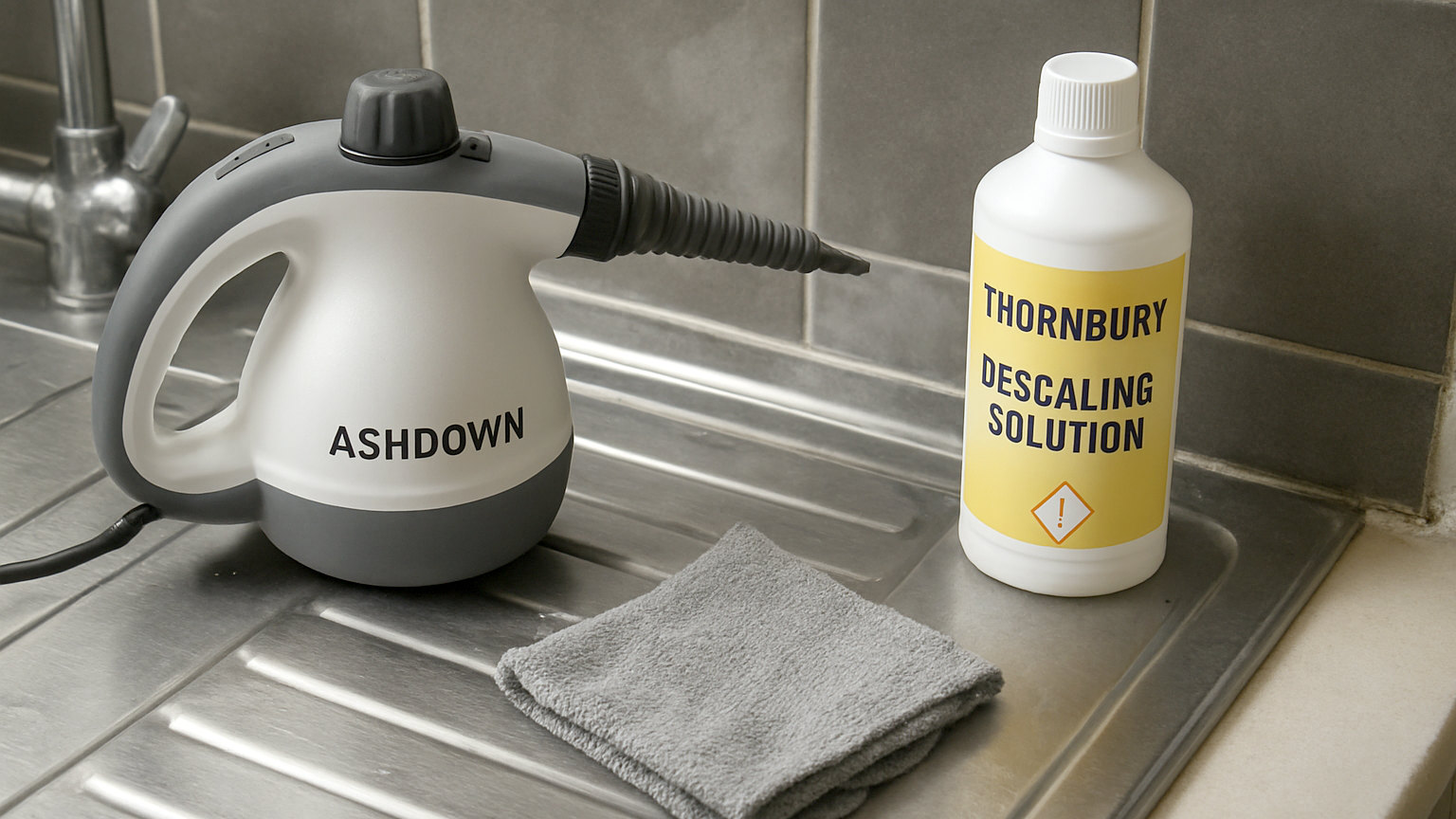
The types do genuinely different jobs, and buying the wrong one is why so many steam cleaners end up in a cupboard.
Blockages form at the bends and the joints, and the trick is finding which section has it rather than dismantling the whole machine.
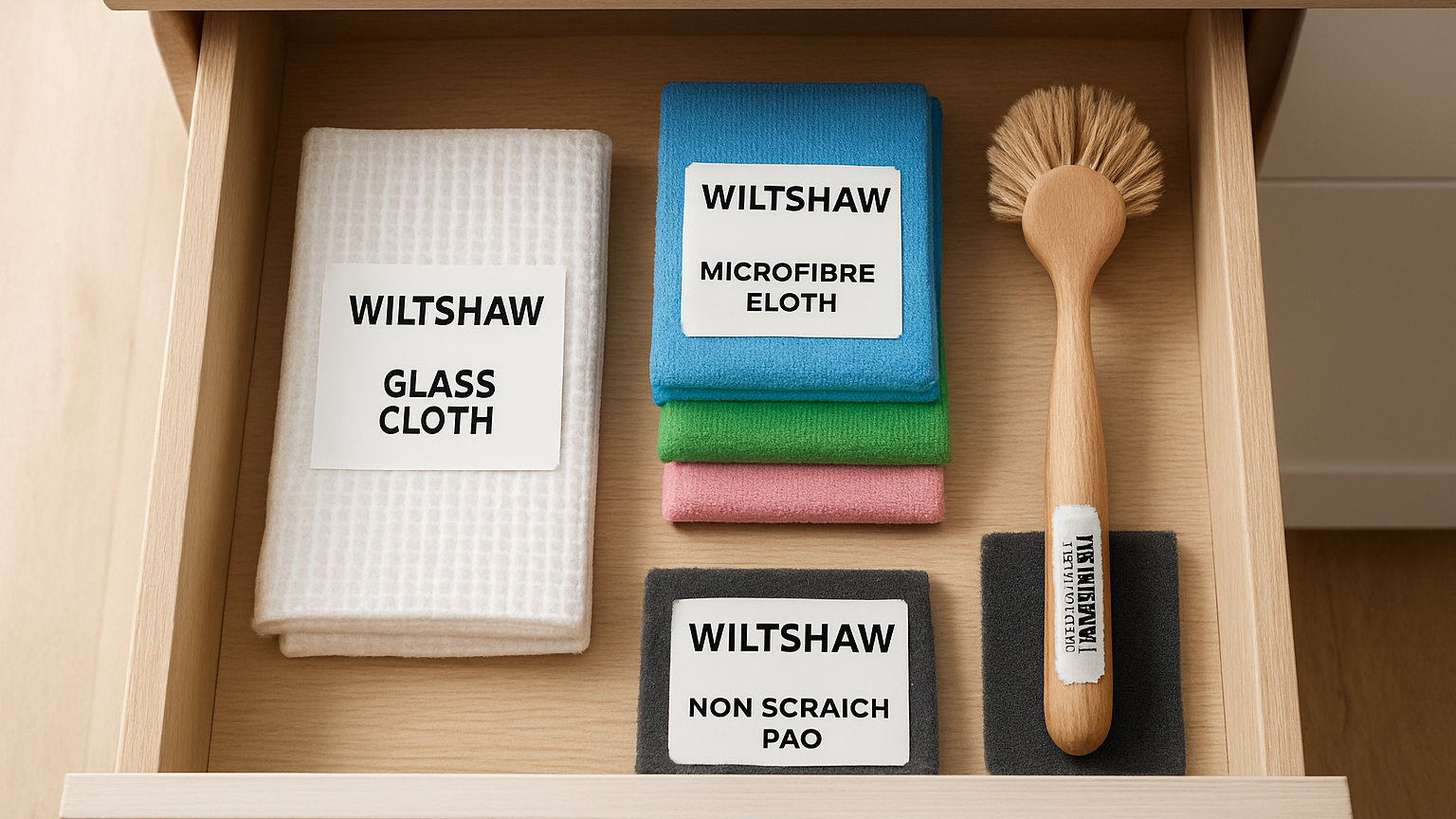
Studies have found kitchen sponges among the most heavily colonised objects in a home, and the honest response is management rather than alarm.
It destroys the colour in a stain rather than lifting it out, which is why it works on things detergent cannot touch.
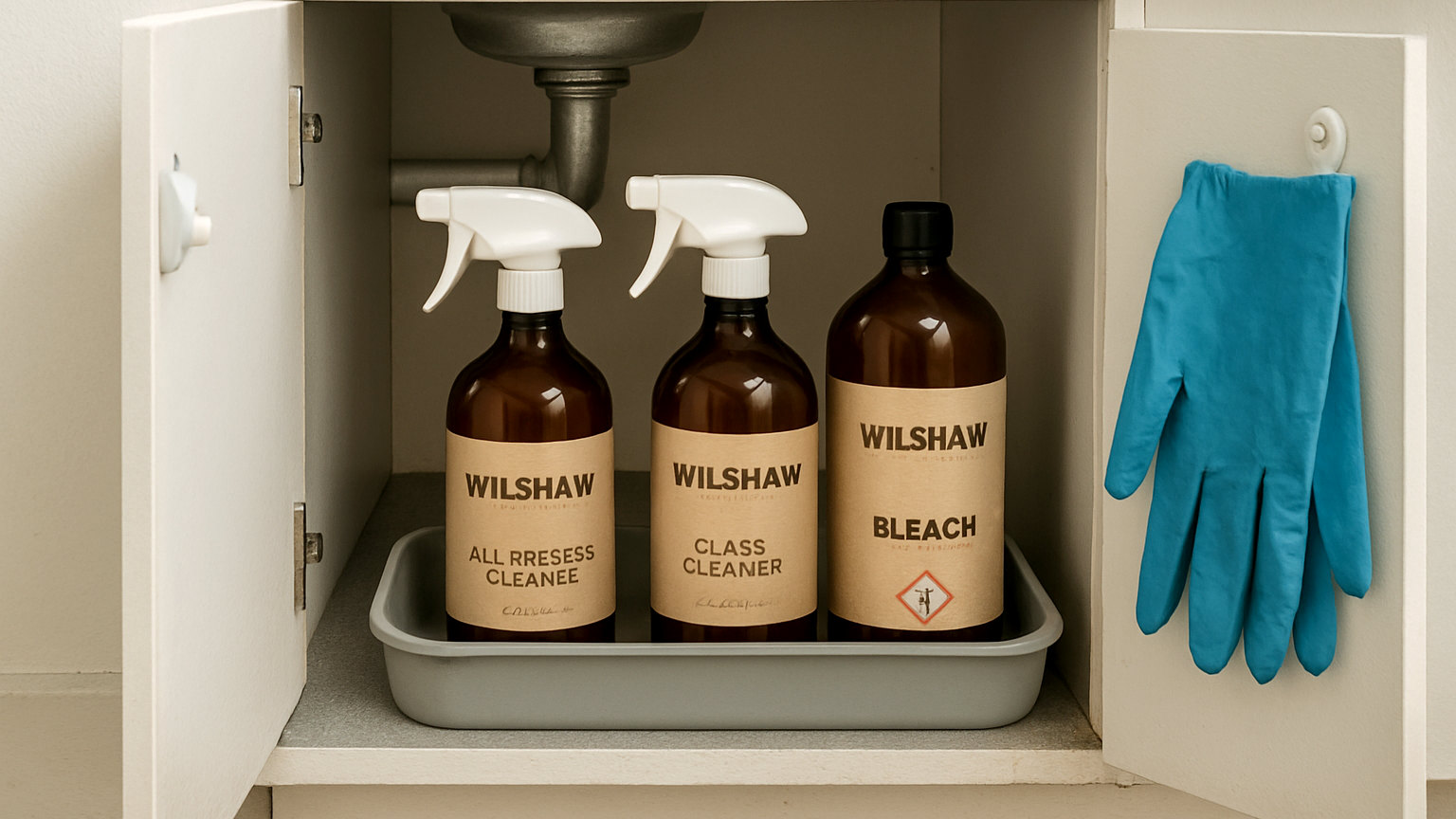
Cleaning products are among the most common causes of accidental poisoning in young children, and the cupboard under the sink is where most of them are kept.
On everyday soil the difference is negligible, and on three specific jobs the conventional products still have a clear advantage.
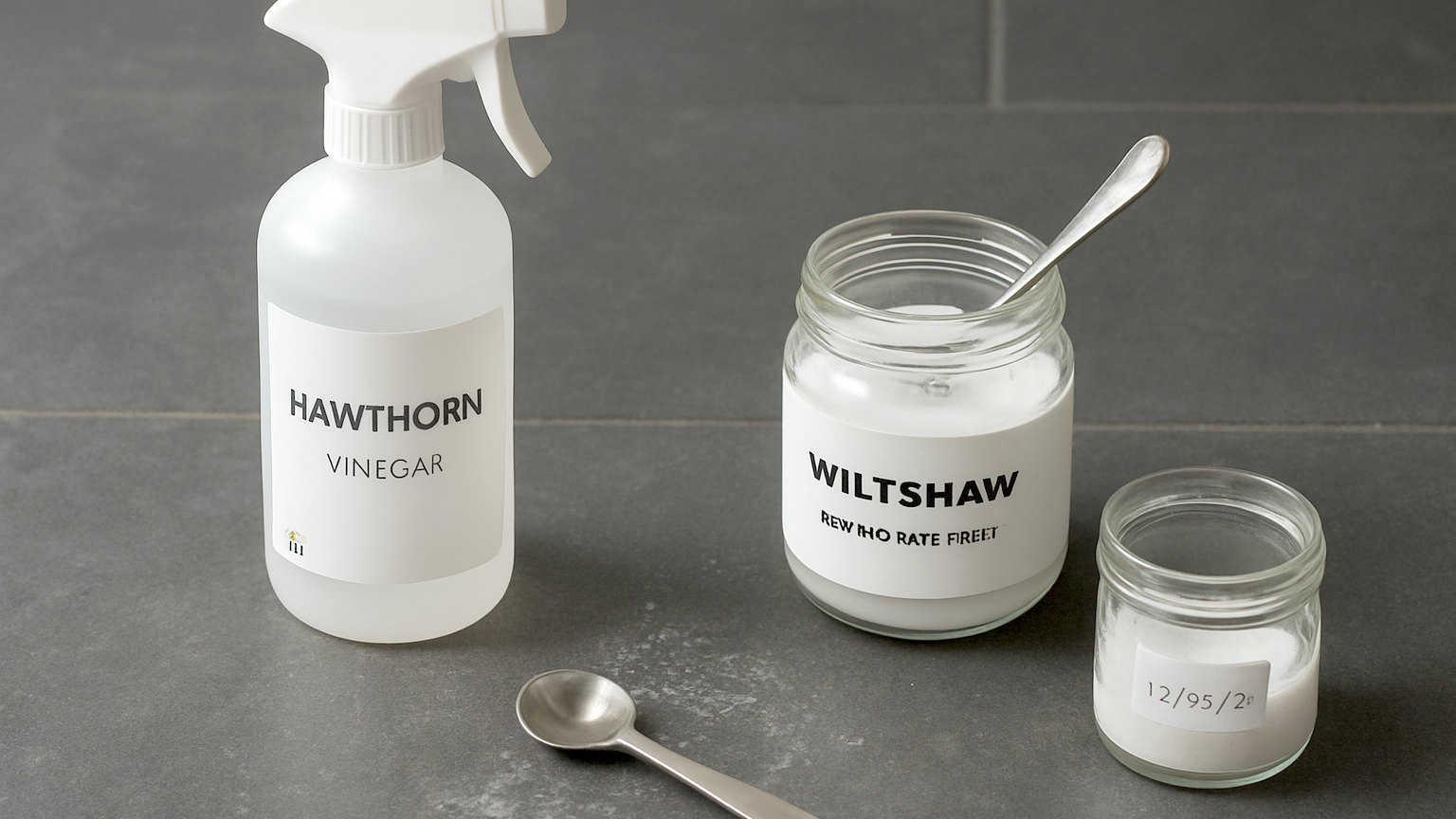
Two ingredients make a paste that does most of what a bought cream cleaner does, and the mixing ratio is the only part that matters.
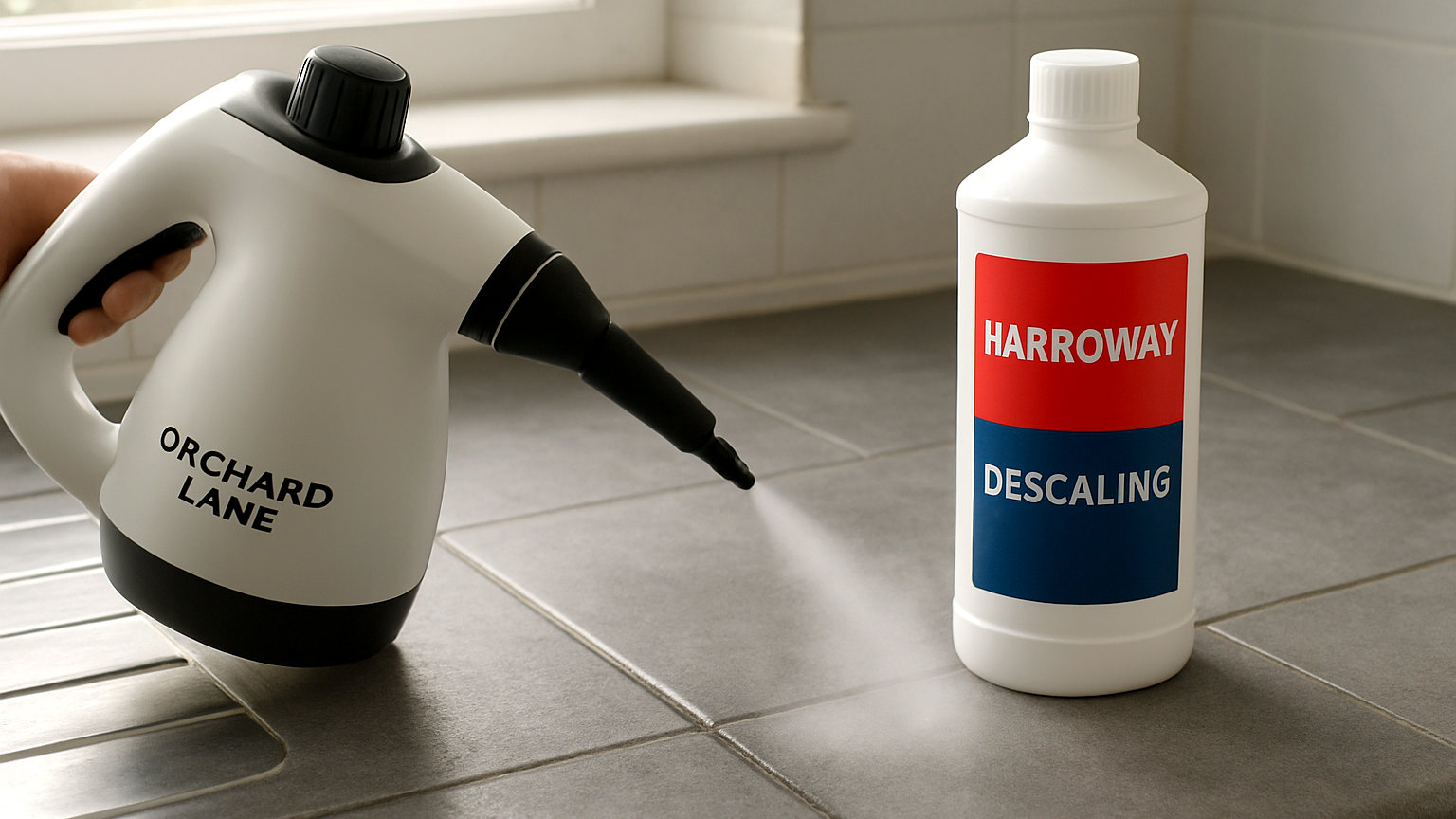
Heat does kill microorganisms, and the temperature at the surface and the time it is held there decide the outcome rather than the boiler rating.
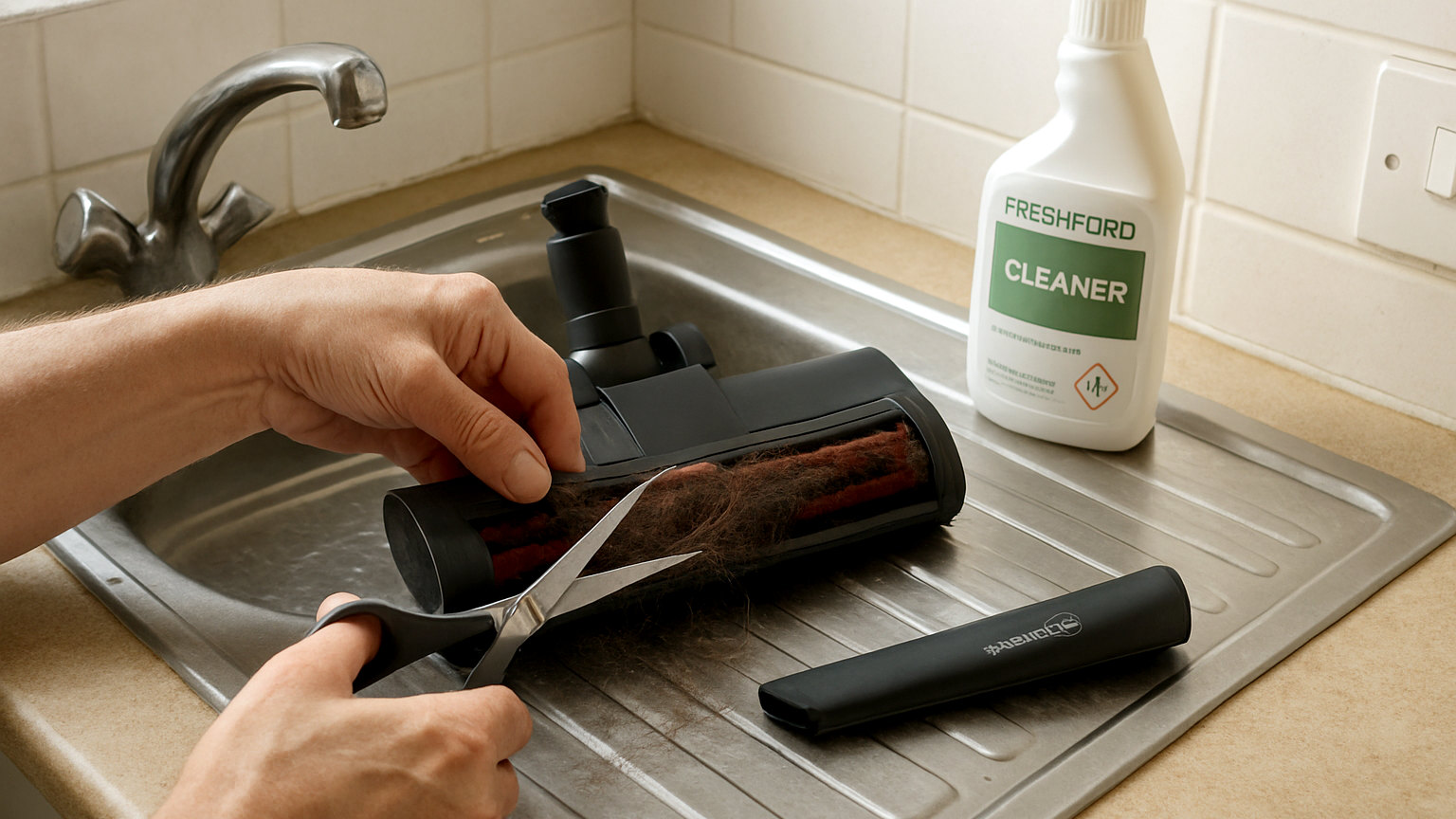
Almost every case is a restriction in the airflow rather than a failing motor, and the checks run from the floor head to the exhaust.
A kitchen sponge reaches a bacterial population within days that no amount of cleaning meaningfully reduces, which makes replacement the only answer.
Vinegar is an acid, which makes it excellent on limescale and useless on grease, and the distinction explains most of its reputation.