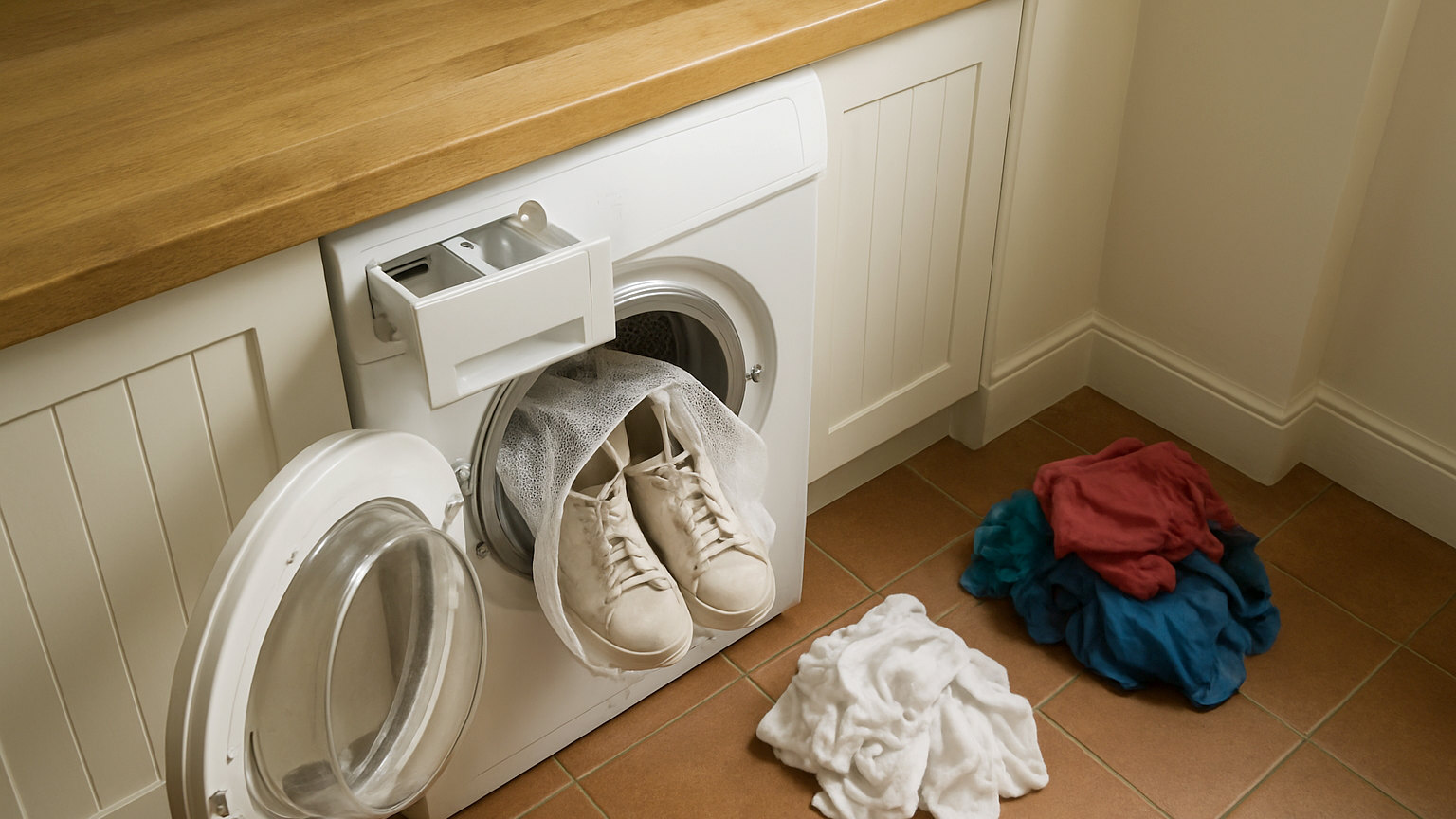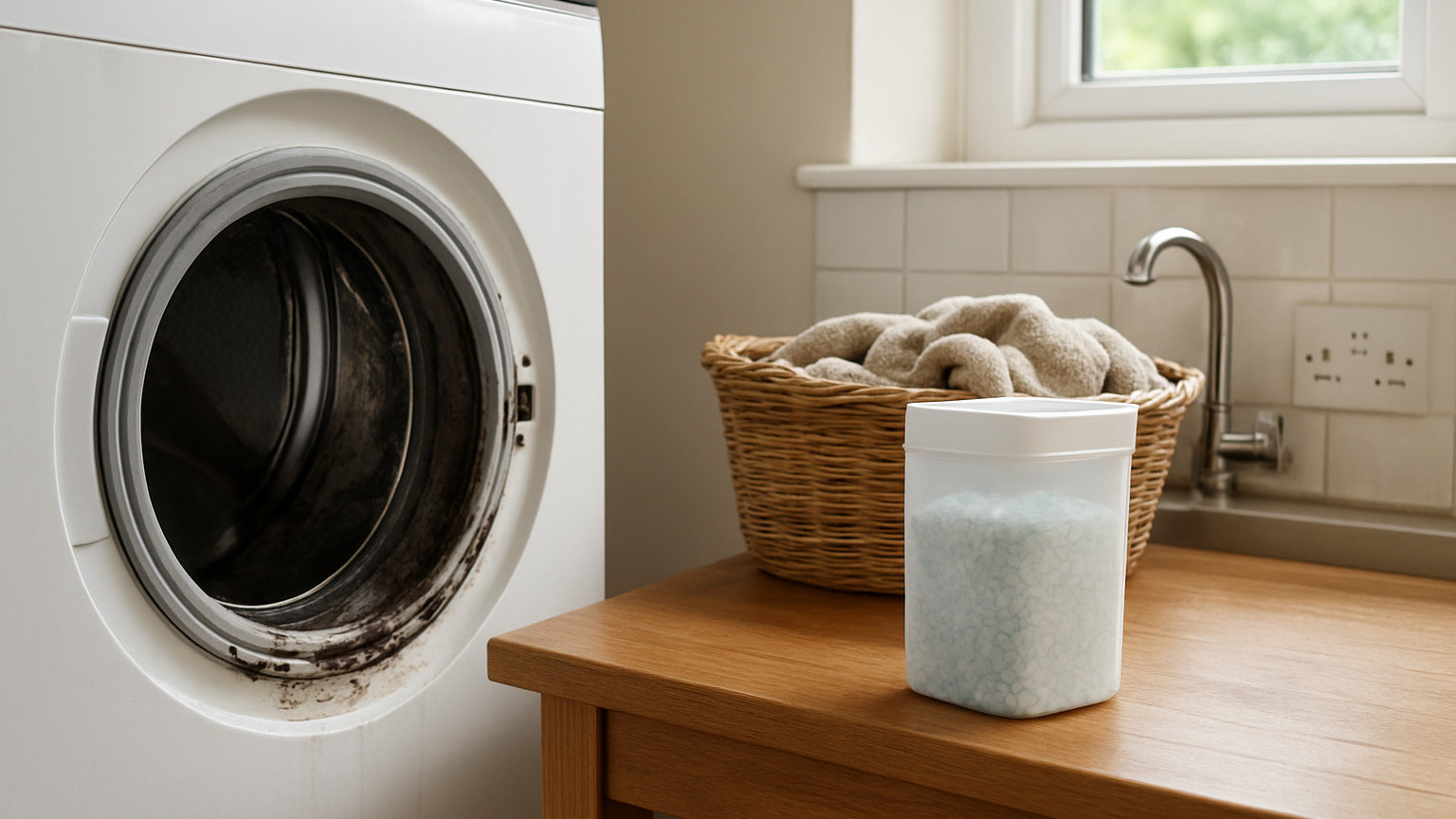
New clothes arrive with two things that need dealing with: surplus dye that did not bond to the fibre, and the finishes applied during manufacture and transport to make garments look crisp on the rail. The first wash is what removes both, and doing it separately is what stops the dye ending up on everything else you own.
Why should new clothes be washed before wearing?
Because of the finishes rather than hygiene alone. Fabrics are treated during manufacture with sizing agents, anti-crease resins and other compounds, and garments are handled repeatedly between factory and shop. Those residues are a known cause of skin irritation, particularly in anyone with sensitive skin or eczema.
It is also the moment when excess dye comes out, and it is far better for that to happen in a controlled wash than onto a car seat or a sofa.
What is the right approach for the first wash?
- Check the care label before anything else, since it determines everything that follows.
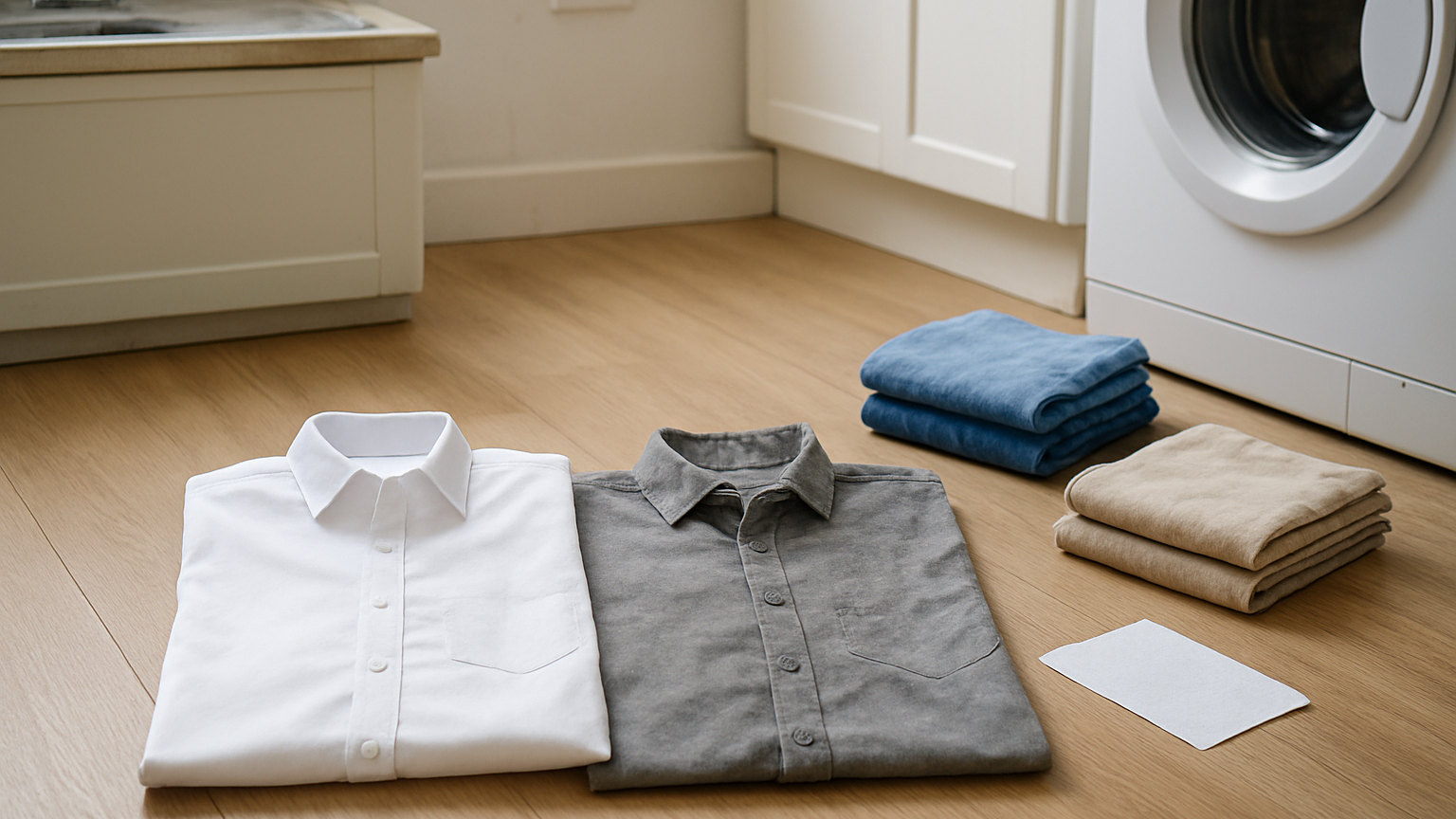
- Wash the item separately, or with two or three items of very similar colour.
- Turn it inside out.
- Use cold water or 30 degrees, since heat releases far more dye and causes shrinkage.
- Use a colour detergent and a normal dose.
- Add a colour catcher sheet as insurance.
- Take it out as soon as the cycle finishes and dry it away from direct sunlight.
How do you test whether it will bleed?
Dampen an inside seam with warm water and press a piece of clean white cotton against it firmly for a minute. Colour on the cloth means the garment needs washing alone until it stops. It takes a minute and prevents the most common laundry disaster there is.
Retest after two or three washes. Most mass produced clothing stops bleeding by then.
What about shrinkage?
Most shrinkage in cotton happens on the first wash and dry, as the tension applied during spinning and weaving relaxes. Washing cool and drying flat or on a line rather than in a hot dryer limits it considerably.
Pre-shrunk fabric moves very little. Unbranded cotton jersey often is not pre-shrunk and can lose a full size in length. If a t-shirt is a close fit in the shop, expect it to be tighter after washing.
Which items need particular care?
- Dark denim – wash alone, cold, inside out, several times. Indigo transfers readily onto upholstery and light bags.
- Deep reds and brights – the most likely to bleed heavily.
- Towels – wash before use with a cup of white vinegar, which removes the manufacturing finish that stops them absorbing.
- Bedding – wash before use for the same reason, and to soften it.
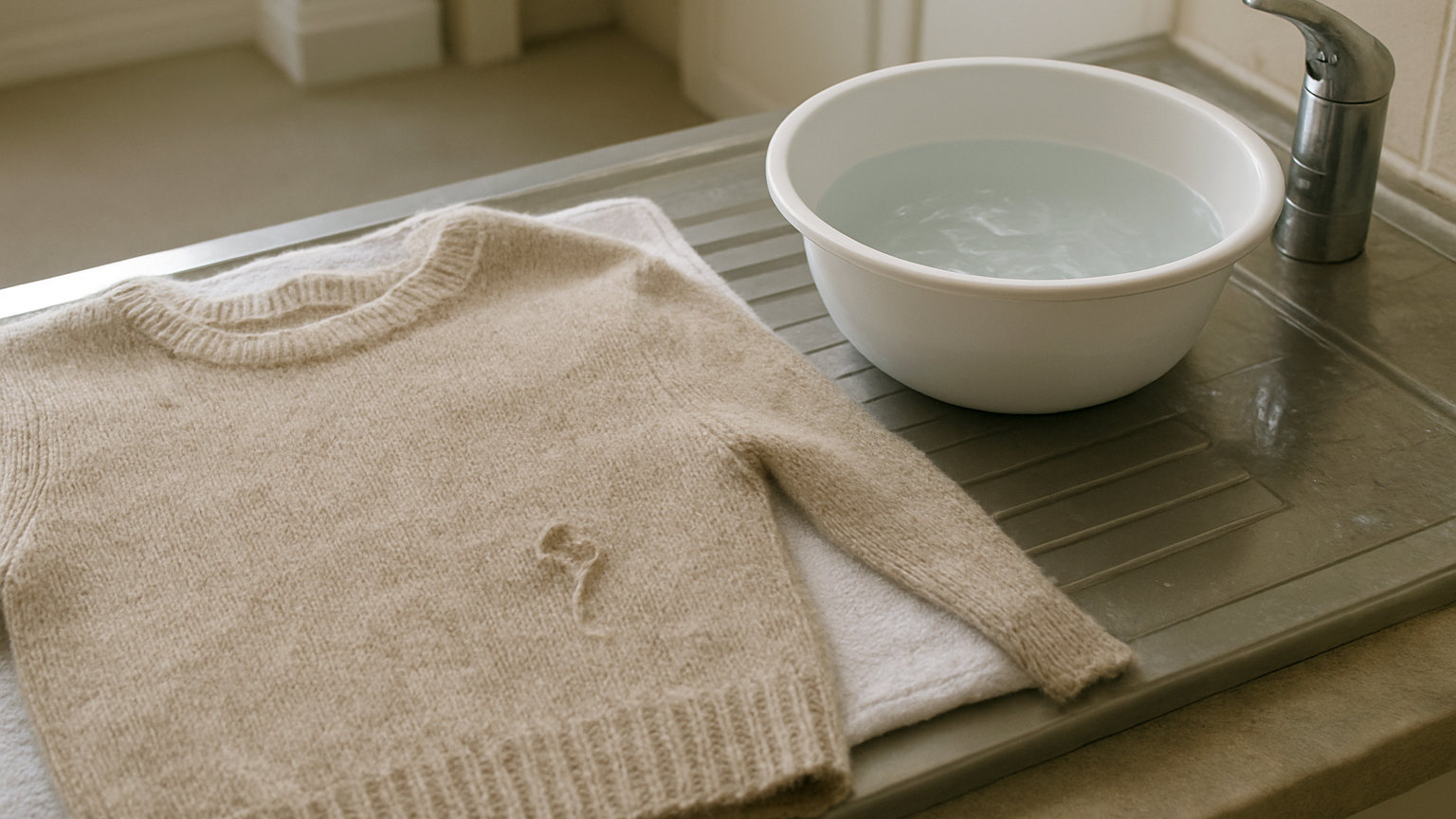
- Wool and cashmere – follow the label exactly, and hand wash or use a wool cycle.
- Anything with a printed design – inside out, cool, and no tumble drying.
Why do new towels not absorb?
Because many are finished with a coating during manufacture to make them look glossy and full on the shelf. That coating repels water. Washing them once or twice before use, with vinegar rather than fabric conditioner, removes it and the absorbency improves noticeably over the first few washes.
What about the smell of new clothing?
The characteristic smell of a new garment is a mixture of manufacturing chemicals, packaging and transport. A normal wash removes most of it. If it persists, a soak in warm water with bicarbonate of soda followed by a wash and outdoor drying will clear the rest.
Anything with a strong chemical smell that survives two washes is worth reconsidering rather than persevering with.
Should you wash everything new, including outerwear?
Anything worn next to skin, without exception. Coats, jackets and structured outerwear are usually dry clean only and rarely need washing before wearing, though airing them outdoors for a day removes most of the storage smell. Underwear, socks and swimwear should always be washed first, since these are the items where manufacturing residues and handling matter most.