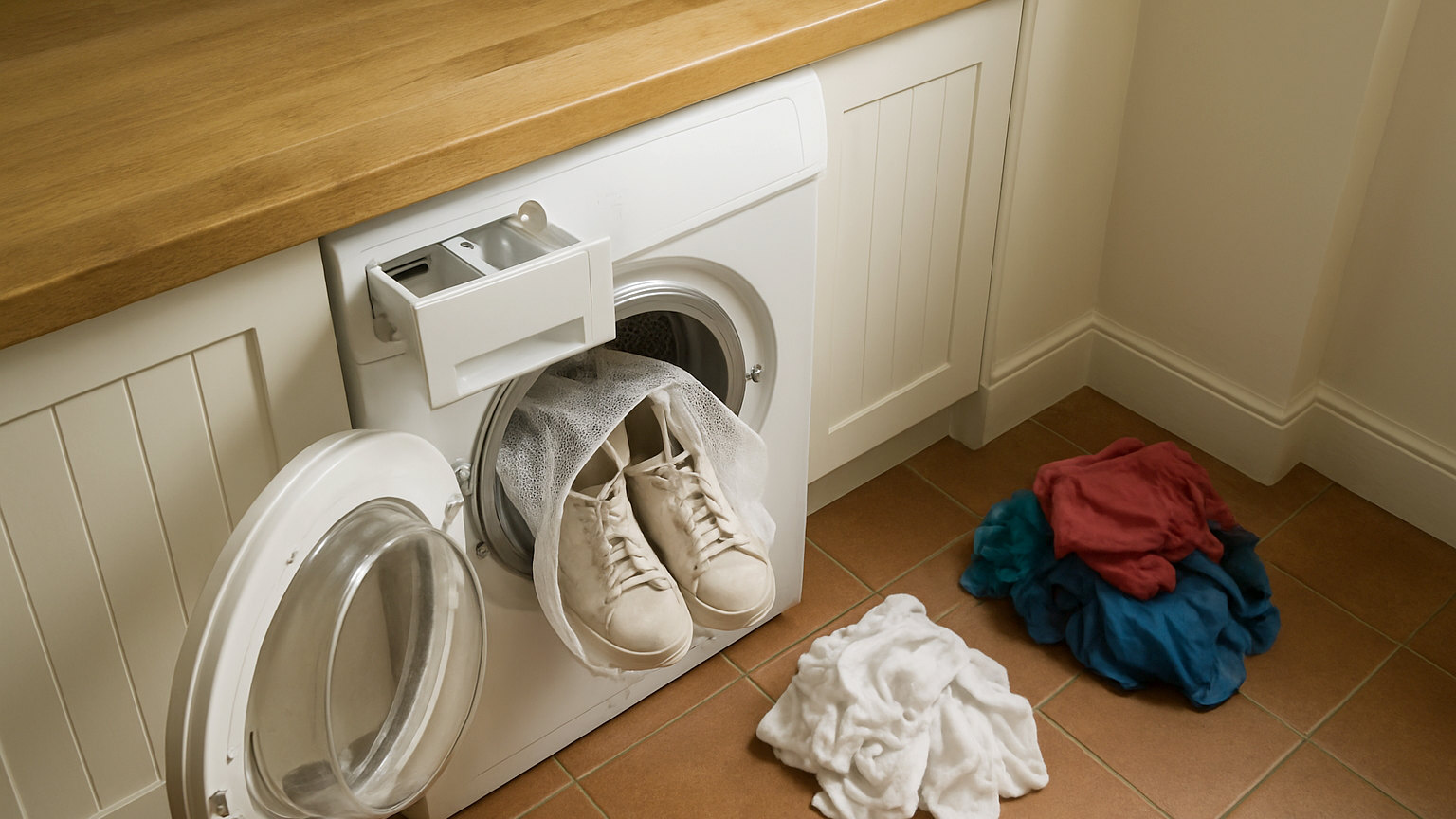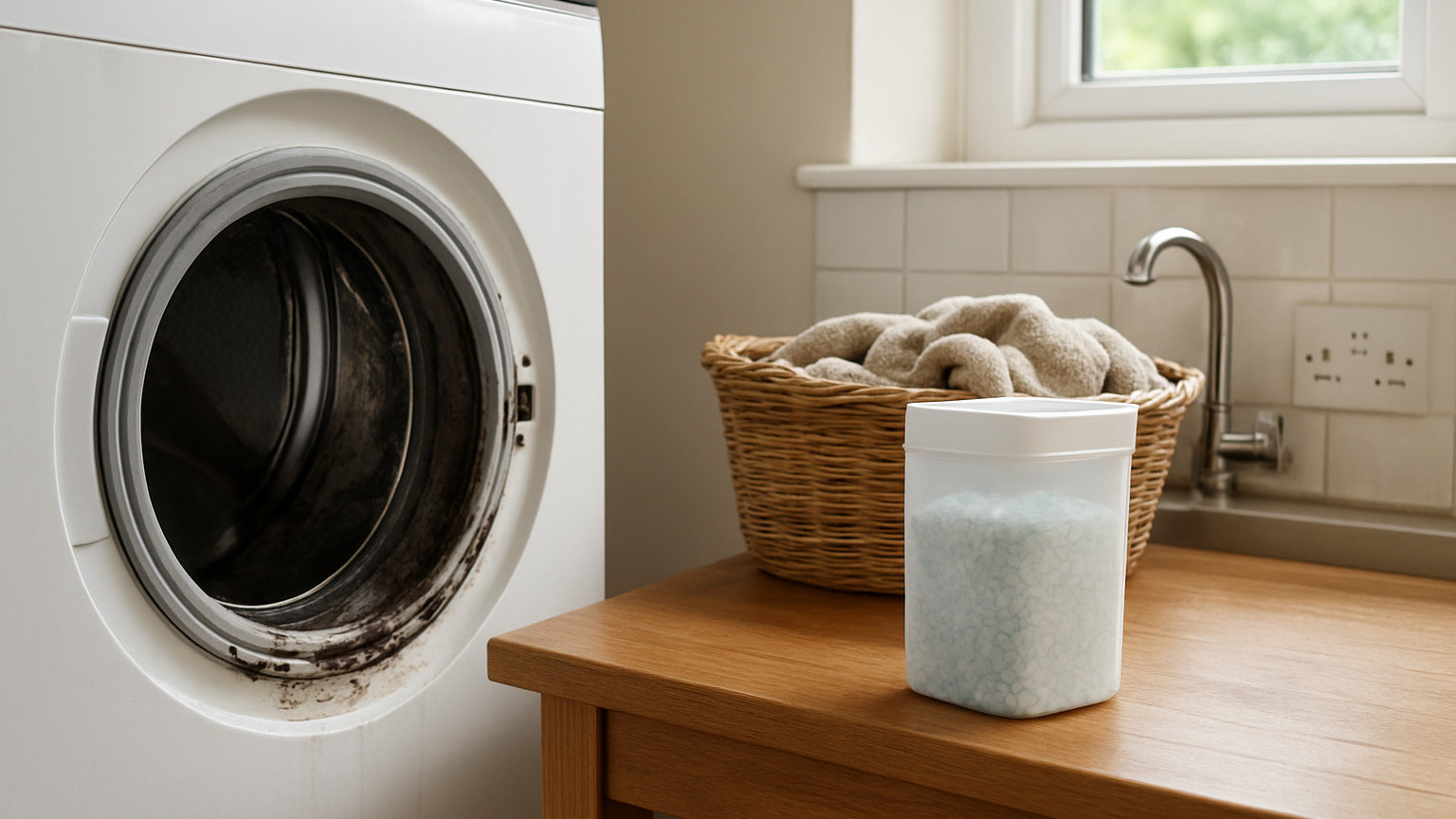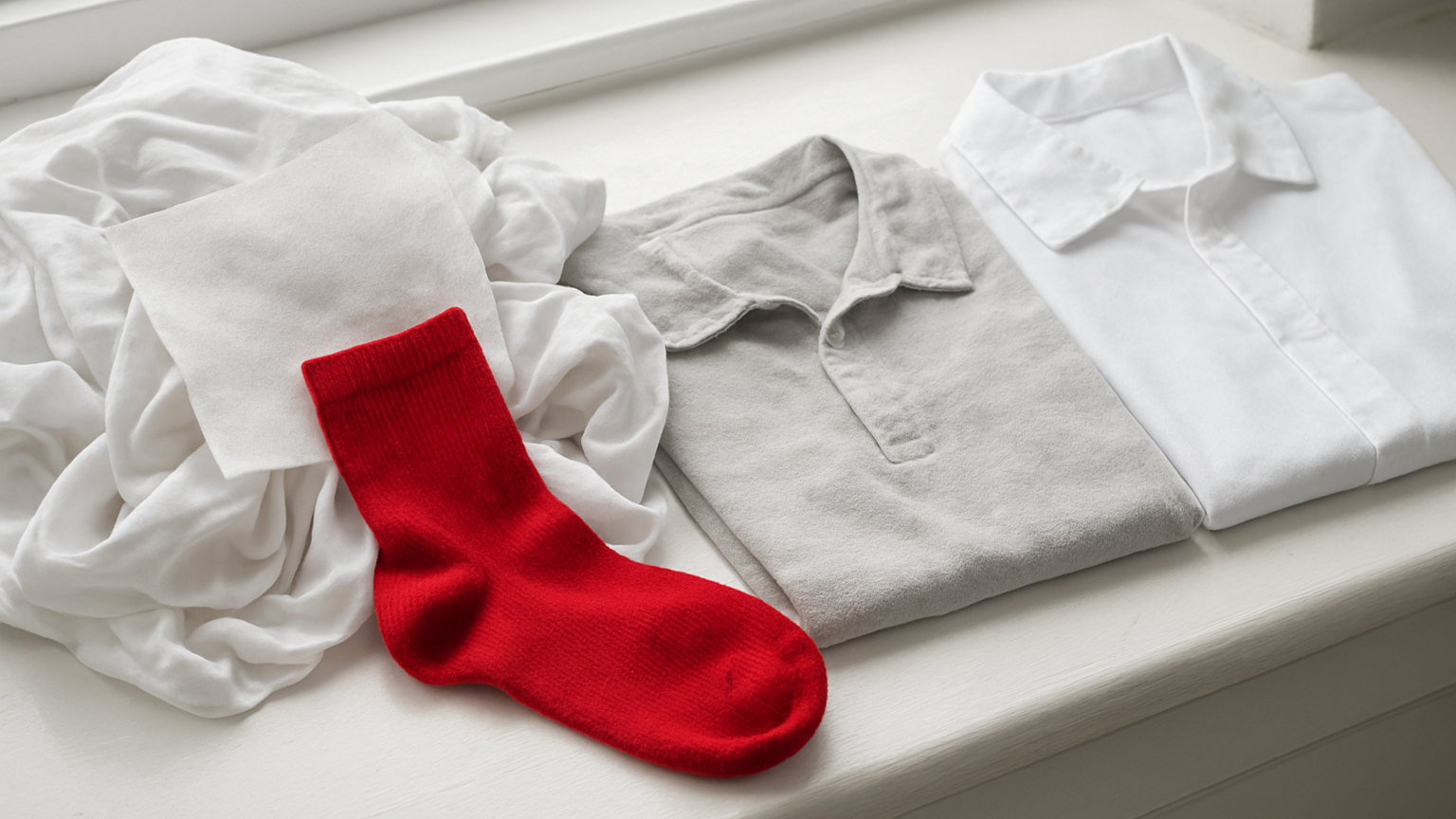
Colour catcher sheets do work, and the mechanism is straightforward. The sheet is treated so that loose dye in the wash water is attracted to it and binds to it more readily than to the fabric in the drum. Any dye that would otherwise settle on a white shirt settles on the sheet instead.
How effective are they?
Genuinely effective within their capacity, which is the important qualification. A sheet can absorb a certain amount of dye and no more. With a lightly bleeding garment in a normal load, one sheet handles it comfortably. With a brand new deep red item in a load of whites, the sheet will saturate and the remaining dye goes where it was always going to go.
They are best understood as insurance against the item you did not realise would bleed, rather than as permission to stop sorting.
When are they worth using?
- The first few washes of any new coloured item.
- Mixed loads of similar but not identical colours, where full separation is impractical.
- Holiday and travel washing, where separating loads is not an option.
- Bedding and towel loads containing a mix of shades.
- Whenever you are washing something whose colour fastness is unknown.
- Attempting to rescue a load where a colour has already run, using several sheets on a rewash.
How do you use them?
Put the sheet loose in the drum with the clothes, not in the detergent drawer. One sheet is enough for a normal load. For a heavily bleeding item, or for a rescue wash, use two or three.
Take the sheet out with the washing and look at it. A sheet that has come out clearly coloured has done its job and tells you that garment needs washing separately next time. A sheet that comes out white means nothing significant was released.
They are single use and go in the bin afterwards.
Are they worth the cost?
For occasional and precautionary use, yes. For every wash, probably not. The cost per sheet is small but adds up over a year of daily laundry, and for a properly sorted load of whites or a load of established darks there is nothing for the sheet to catch.
Using them selectively, on new items and unknown loads, is the sensible compromise.
Can they rescue a load that has already run?
Sometimes, if you act immediately and the load has not been dried. Rewash straight away in cold water with detergent and two or three colour catcher sheets, and repeat if the first attempt improves things partially.
Speed matters enormously. Dye that has been through a tumble dryer or left to dry is heat set and very difficult to remove, and at that point a proprietary colour run remover is the only realistic option.
Do they replace sorting?
No, and that is the main misunderstanding. A sheet has finite capacity, it cannot prevent a heavy bleed, and it does nothing about the gradual greying that comes from washing whites with colours over months. Whites should still be washed as their own load.
Think of the sheet as covering the gap between careful sorting and the item that bleeds unexpectedly.
Are there alternatives?
Colour detergents contain dye transfer inhibitors, which work on the same principle in solution rather than on a sheet, and they are worth using routinely for coloured loads. Washing cold reduces dye release substantially. And a white cloth test on anything new tells you in one minute whether a sheet is needed at all.
The combination of cold washing, a colour detergent and a sheet for anything new covers almost every realistic scenario.
Do they work in every machine and temperature?
They work across normal domestic wash temperatures and in both front and top loading machines. They are more effective in warm water than cold, because dye is more mobile and reaches the sheet more readily, though a cold wash releases less dye in the first place. They have no effect on dye that has already transferred and dried into a garment, which is a separate problem needing a colour run remover.