Oxygen bleach is sodium percarbonate, which dissolves in water to release hydrogen peroxide and washing soda. The peroxide oxidises the compounds that cause stains and discolouration, breaking them down into colourless ones. The difference from chlorine bleach is that it attacks the stain without attacking the fibre, and it does not strip dye.
Where do you already have it?
In almost any powder detergent, and in most whites and stain remover powders. It is the ingredient that makes powder better than liquid on white cotton, and it is why a liquid detergent leaves whites looking progressively duller over time.
It is also sold on its own as a laundry booster or as sodium percarbonate, which is the cheapest way to buy it.
How is it different from chlorine bleach?
- Safe on most colours, where chlorine bleach removes them.
- Does not weaken cotton in the way chlorine bleach does with repeated use.
- Safe on most fibres, though not on wool or silk.
- Much slower, working over hours rather than minutes.
- Needs warmth to activate properly, where chlorine bleach works cold.
- No chlorine smell, and no dangerous reactions with other household products.
What temperature does it need?
This is the part most often got wrong. Oxygen bleach activates properly from around 40 degrees and works considerably better at 60. In cold water it does very little, which is why adding a scoop of oxygen booster to a 30 degree wash often seems to achieve nothing.
For soaking, use water as warm as the fabric will tolerate, and dissolve the powder fully before the garment goes in.
How do you use it as a soak?
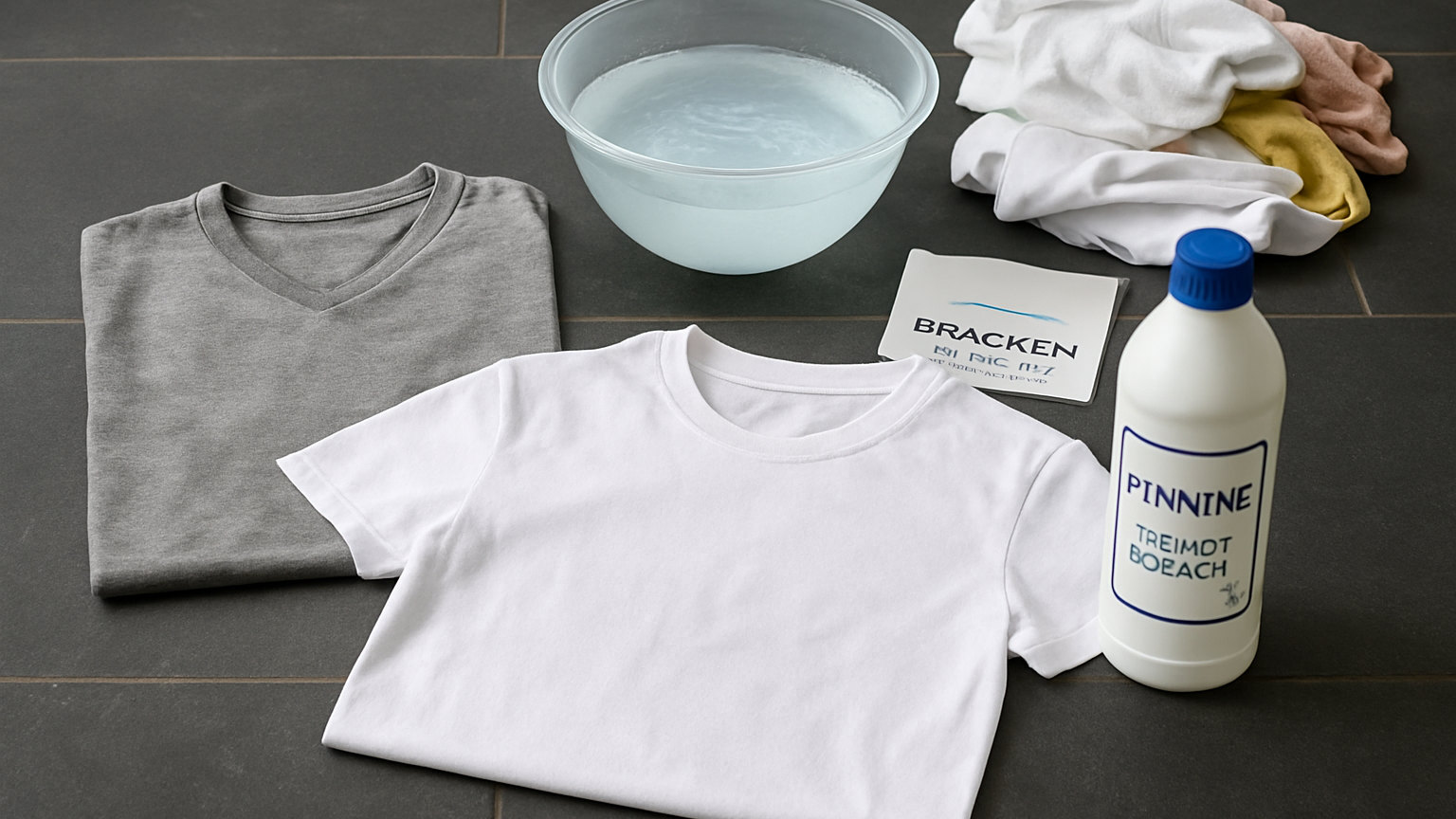
- Fill a bowl, bucket or bath with warm water.
- Add the powder and stir until it has completely dissolved.
- Submerge the item fully, making sure nothing floats above the waterline.
- Leave for several hours, or overnight for heavy discolouration.
- Wash normally afterwards at the highest temperature the fabric allows.
The soak is where it does its best work, and it is far more effective than adding it to a wash cycle.
What is it good at?
Tea, coffee, wine, fruit juice and grass, all of which are oxidisable stains. General greying and yellowing of white cotton. Restoring dulled bedding and towels. Sanitising cloths and tea towels. Cleaning discoloured grout and plastic garden furniture, where the same chemistry applies.
It is less effective on grease and oil, which need detergent rather than oxidation.
What should it not be used on?
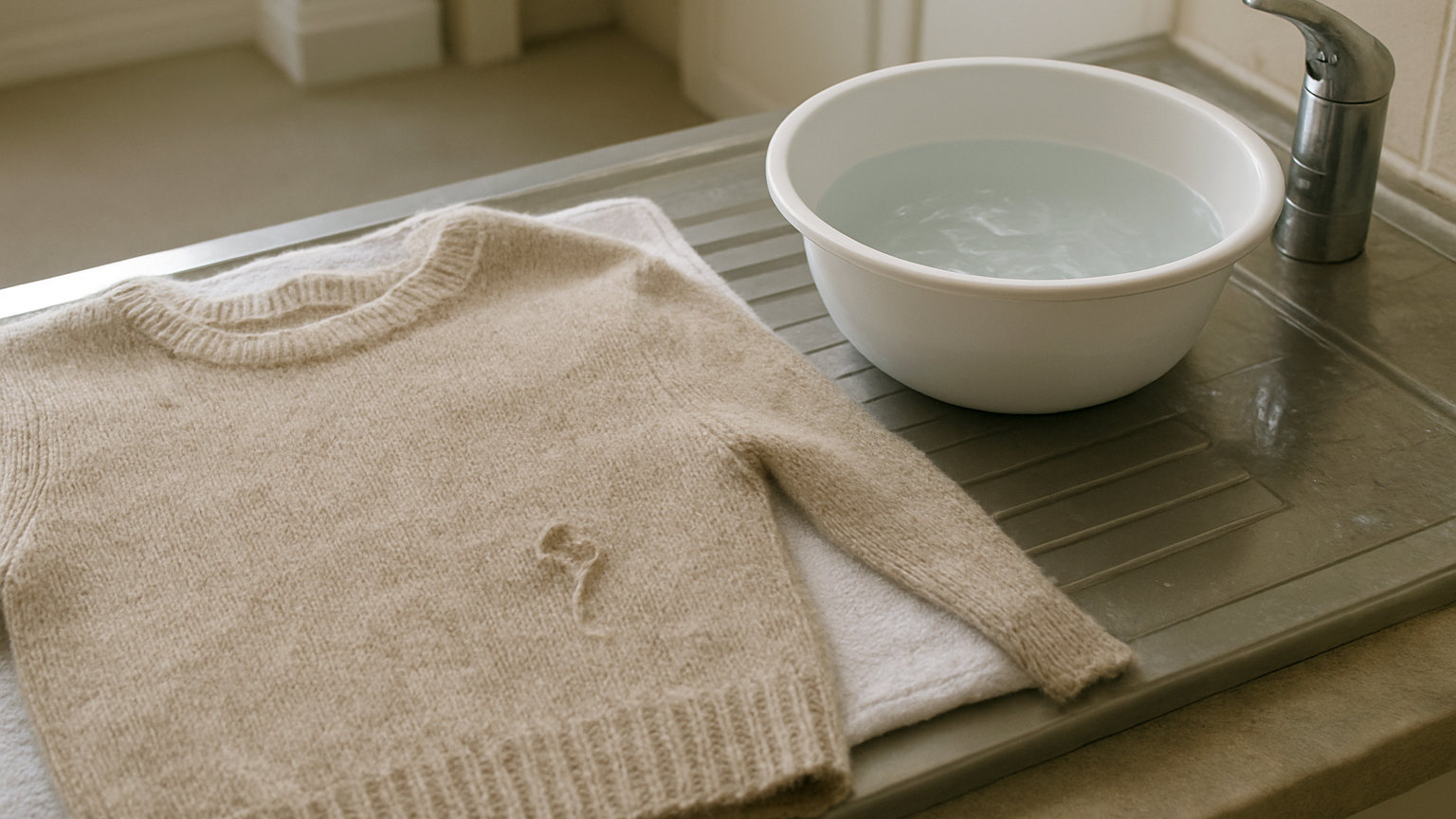
Wool and silk, which are protein fibres and are damaged by it. Leather. Anything with metal trim or fittings, which can corrode. Anything labelled as not colour fast, since although oxygen bleach is colour safe in principle, a poorly dyed garment may still lose colour in a long warm soak.
Test on a hidden seam with anything valuable.
Does it have a shelf life?
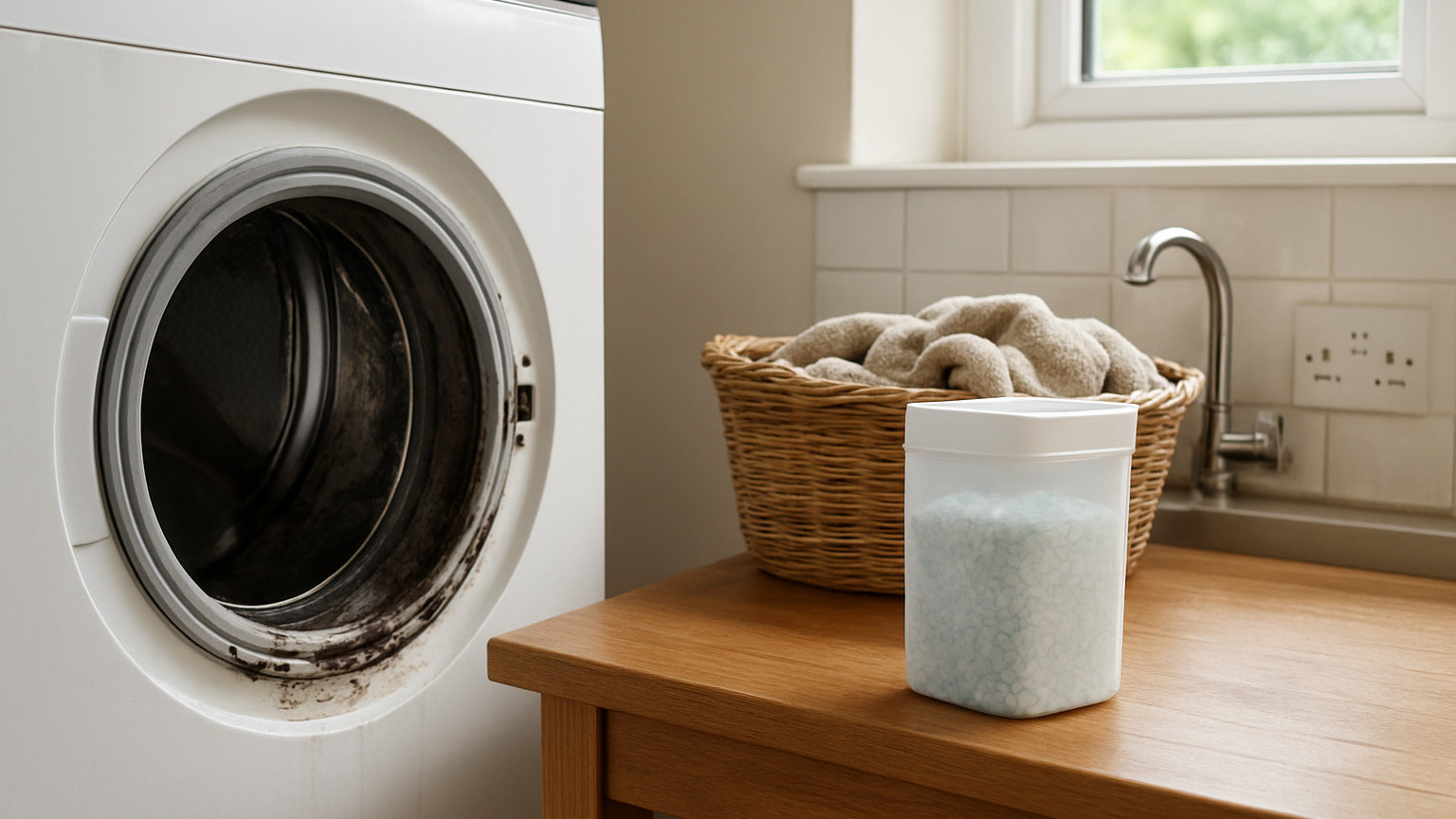
Yes, and it is shorter than people expect. Sodium percarbonate slowly releases its oxygen in storage, particularly if it gets damp, so an old tub or an open box of powder detergent left in a humid utility room loses potency.
Keep it sealed, dry and away from heat, and buy quantities you will use within a year. A booster that seems to have stopped working is often simply old.
Is it the same as the tablets sold for other purposes?
Denture tablets, nappy soaking powders and many oxygen based cleaning products use the same active ingredient at different concentrations and with different additives. That is why the denture tablet trick for cleaning a stained mug works. For laundry, a proper laundry booster is more concentrated and better value than any of the alternatives.
Is it safe around children and pets?
It is considerably safer than chlorine bleach, producing no fumes and no dangerous reactions with other products, but it is still a strong alkaline chemical and should be treated as one. Keep it out of reach, avoid breathing the powder while measuring it, and do not leave a bucket of soaking solution accessible, since it is an irritant to eyes and skin.