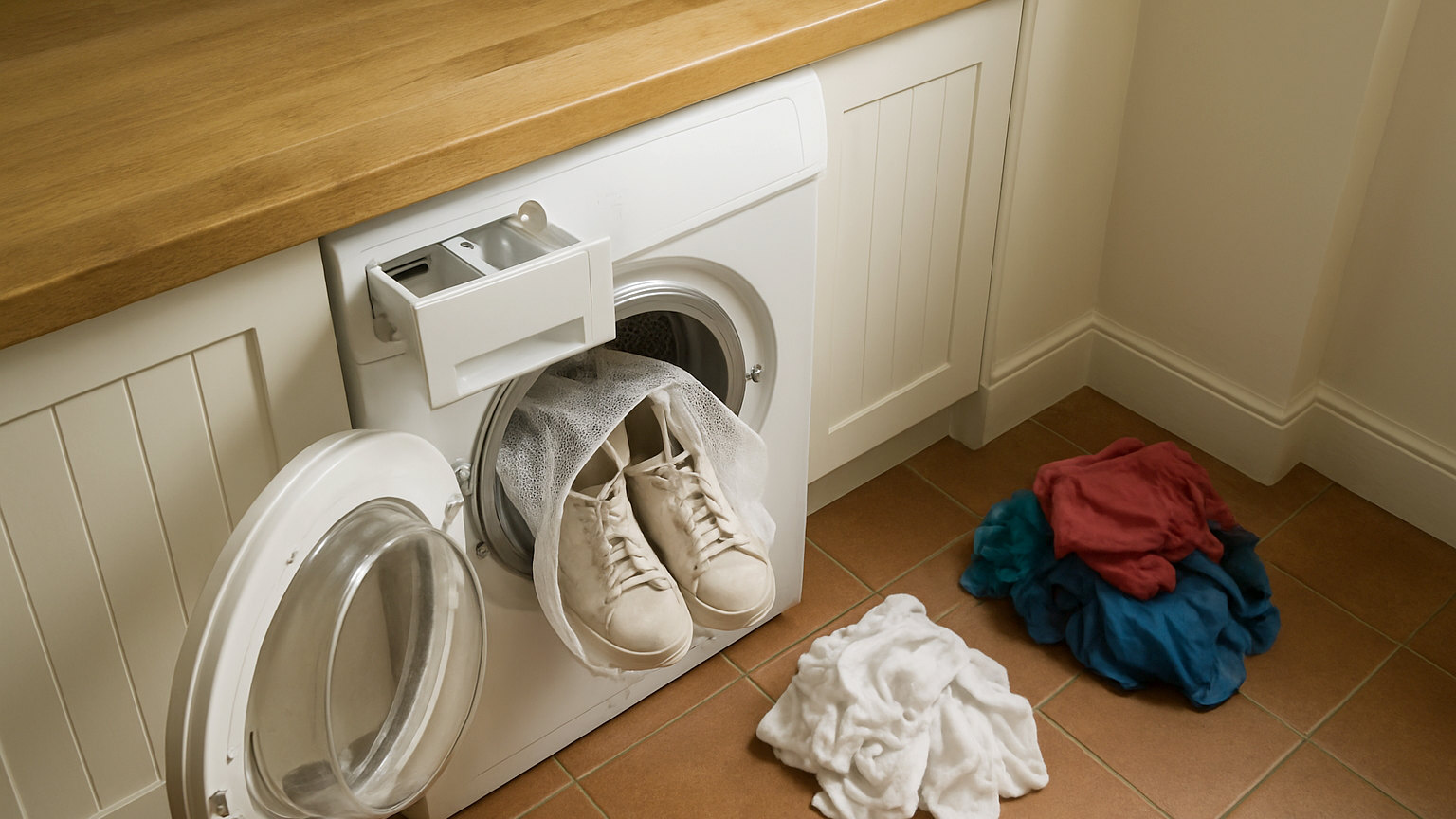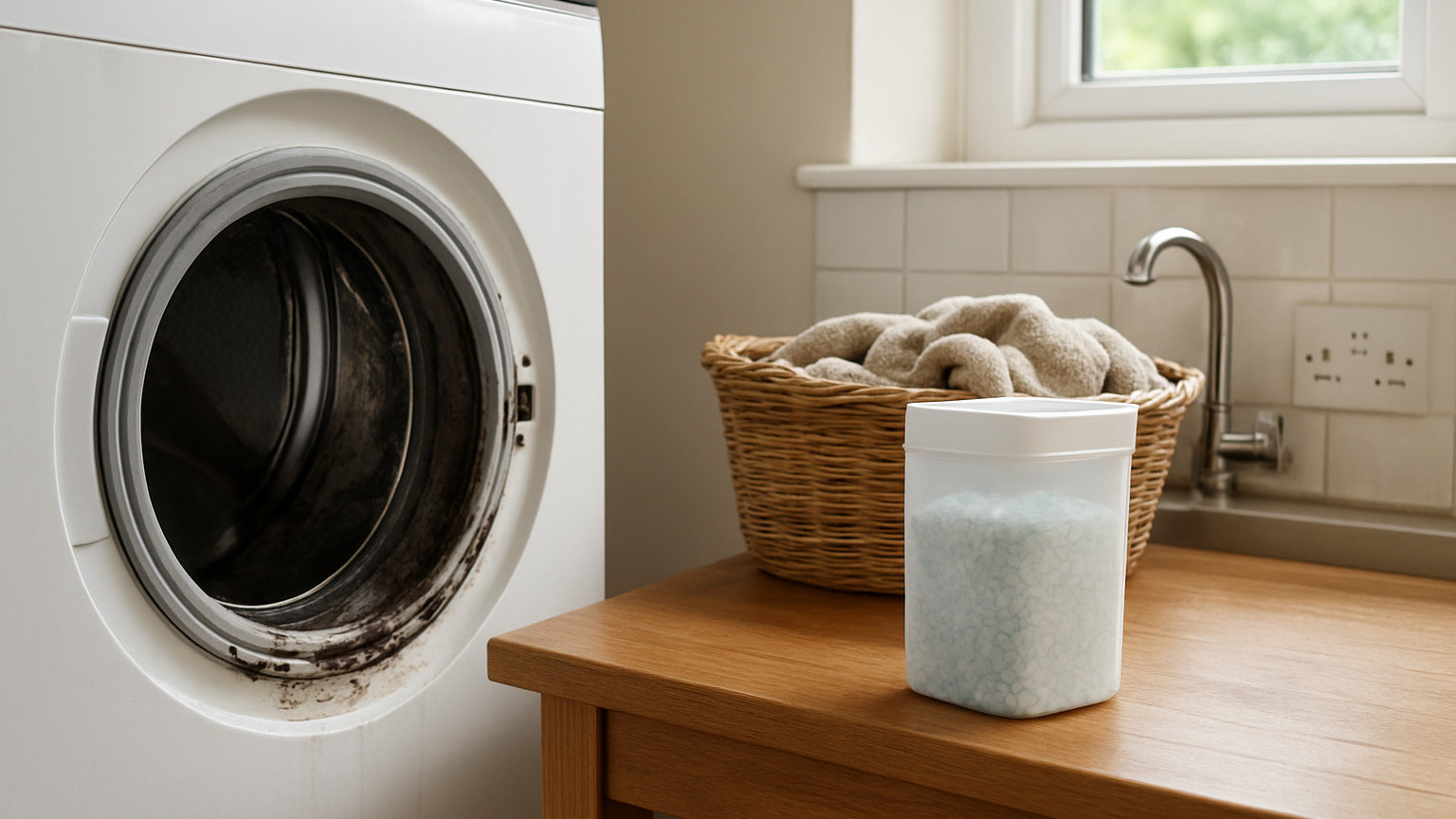
A tumble dryer is usually the most expensive appliance in a home to run per hour, because almost all of the electricity goes into generating heat. The good news is that the cost varies enormously with the type of machine and with how it is used, and both are within your control.
What determines the cost?
Three things. The energy the machine consumes per cycle, which is on the energy label. How wet the load is when it goes in, which depends entirely on the spin speed. And how long the cycle runs, which depends on whether the machine stops when the clothes are dry or keeps going to a preset time.
The electricity price does the rest of the arithmetic, and it is worth doing that arithmetic with your own tariff rather than relying on a figure quoted in an article.
How do the three types compare?
- Vented – heats air, uses it once, blows it outside. Cheap to buy, fast, and the least efficient of the three.
- Condenser – heats air, condenses the moisture into a tank. Similar consumption to vented, sometimes slightly higher, with more placement flexibility.
- Heat pump – recycles the heat rather than generating it fresh. Uses roughly half the energy of the other two, with longer cycles and a higher purchase price.
Over several years of regular use, the saving from a heat pump model typically exceeds the extra purchase cost. For a household using a dryer occasionally, it may not.
What is the single biggest saving?
The spin speed on the washing machine. A load spun at 1400rpm rather than 800 arrives at the dryer with substantially less water in it, and every gram of water the spin removes is a gram the dryer does not have to evaporate.
Spinning costs a few minutes of a motor turning. Evaporating the same water costs a heating element running. The difference is not close.
What else reduces the cost?
- Use sensor drying rather than a timed programme, so the machine stops when the load is dry.
- Dry full loads, since a half load costs almost as much as a full one to bring up to temperature.
- Do not mix heavy and light items. Towels and t-shirts together means the dryer runs until the towels are done, overheating everything else.
- Clean the lint filter every cycle. A blocked filter restricts airflow, which extends the cycle and wastes energy.
- Clean the condenser unit on a condenser or heat pump model as the manual specifies.
- Run consecutive loads while the drum is still warm rather than spreading them across the day.
- Use it as a finisher, air drying until nearly dry and tumbling for fifteen minutes to soften and de-crease.
Does the lint filter really matter that much?
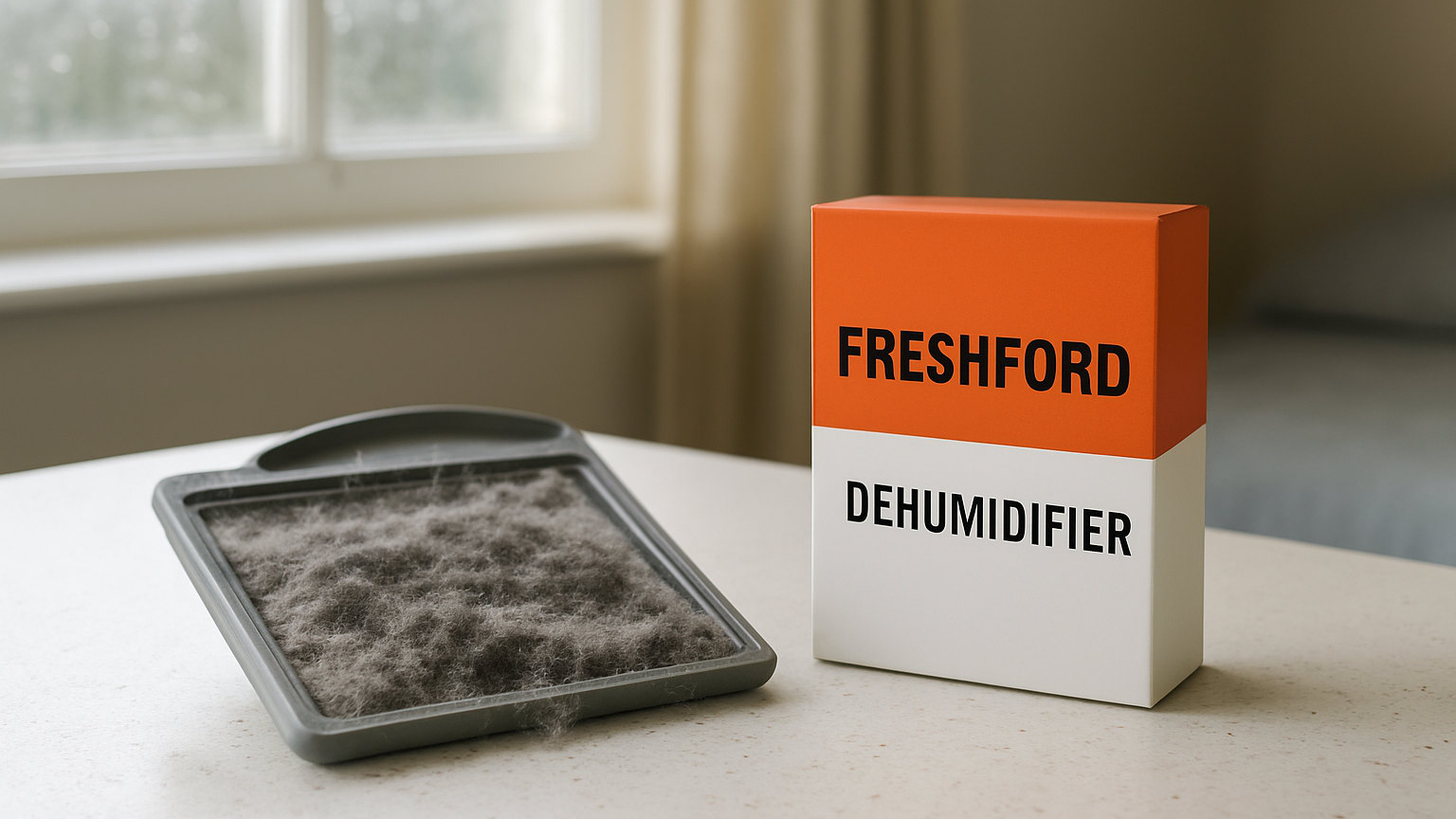
Yes. It is the most common cause of a dryer that has become slow and expensive, and it is also the most common cause of dryer fires. A filter clogged with lint restricts the airflow that carries moisture out of the drum, so the machine runs longer at full heat to achieve the same result.
Clean it after every single cycle, and wash it under a tap occasionally, since fabric conditioner leaves an invisible film on the mesh that blocks airflow even when the filter looks clean.
Is it cheaper to use a dehumidifier?
Usually, yes, for the same laundry. A dehumidifier draws far less power and runs for a few hours rather than a heated cycle, though it is slower and needs a closed room. For overnight drying it is generally the cheaper option, and it deals with household humidity at the same time.
A heated airer with a cover sits somewhere between the two on both cost and speed.
When is a dryer worth the money anyway?
For towels and bedding in winter, where air drying is slow enough to risk a musty smell. For households without outdoor space. And for anyone whose alternative is drying several loads a week indoors, where the cost of the resulting damp and mould is real even if it does not appear on a bill.