A tumble dryer works by moving heated air through the load and carrying the moisture away. Anything that restricts that airflow makes the machine run longer, cost more and get hotter, and every restriction is also a fire risk. Maintenance is almost entirely about keeping the air path clear.
What needs doing after every cycle?
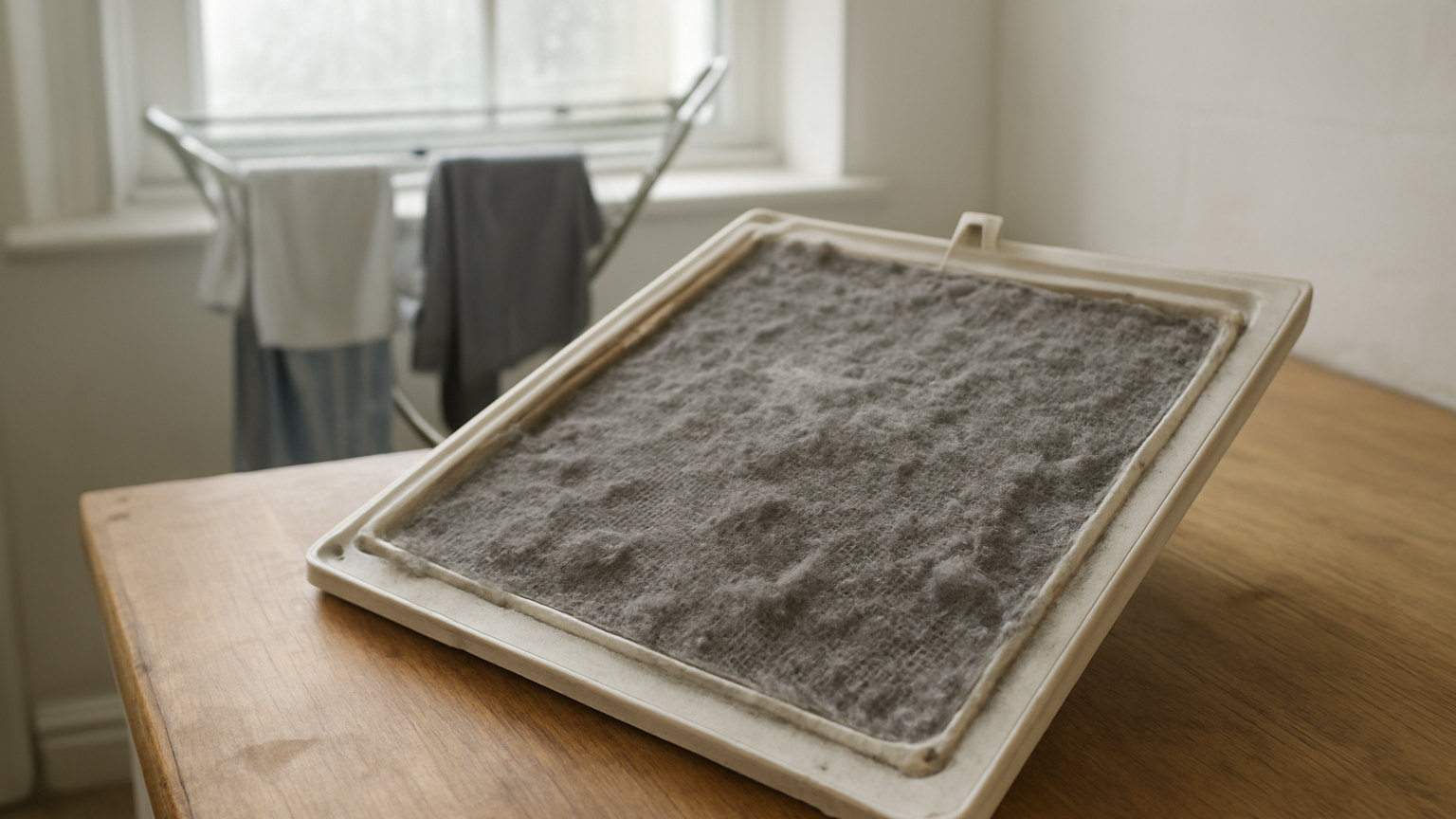
Empty the lint filter. It takes five seconds and it is the single most important thing you can do for the machine, for your electricity bill and for safety. A filter that looks only lightly covered is already restricting airflow noticeably.
On a condenser or heat pump model, empty the water tank at the same time, or plumb it into a drain if the machine allows.
Why does the filter need washing as well as emptying?
Because fabric conditioner and detergent residue carried on the clothes leave an invisible film on the mesh. That film blocks airflow even when the filter looks completely clean, and it builds up over months.
Once a month, take the filter out, hold it under a running tap and scrub it gently with a soft brush and a little washing up liquid. If water pools on the mesh rather than running straight through, the film is there. Dry it fully before refitting.
What about the condenser unit?
Condenser and heat pump dryers have a secondary filter or a condenser block, usually behind a flap at the bottom front of the machine. It collects fine lint that gets past the main filter, and when it clogs the machine loses efficiency badly and may stop drying properly at all.
Check the manual for the interval, which is typically monthly. On most models the block pulls out and can be rinsed under a tap, then must be drained and dried before it goes back. Heat pump models often have a fixed condenser with a self cleaning system, and the accessible filters still need doing.
How do you clean a vent hose?
Disconnect it, take it outside and shake and brush the lint out. A long flexible brush of the kind sold for dryer vents makes this straightforward. Check that the hose is as short and straight as possible, with no sags, kinks or long horizontal runs, since lint collects in every low point.
Check the external wall vent too. Flaps seize, grilles clog with lint and cobwebs, and birds occasionally nest in them. A blocked outlet means the moisture has nowhere to go and the machine effectively gives up.
What else should be cleaned?
- The drum, wiped occasionally with a damp cloth to remove residue from fabric conditioner sheets and any marks.
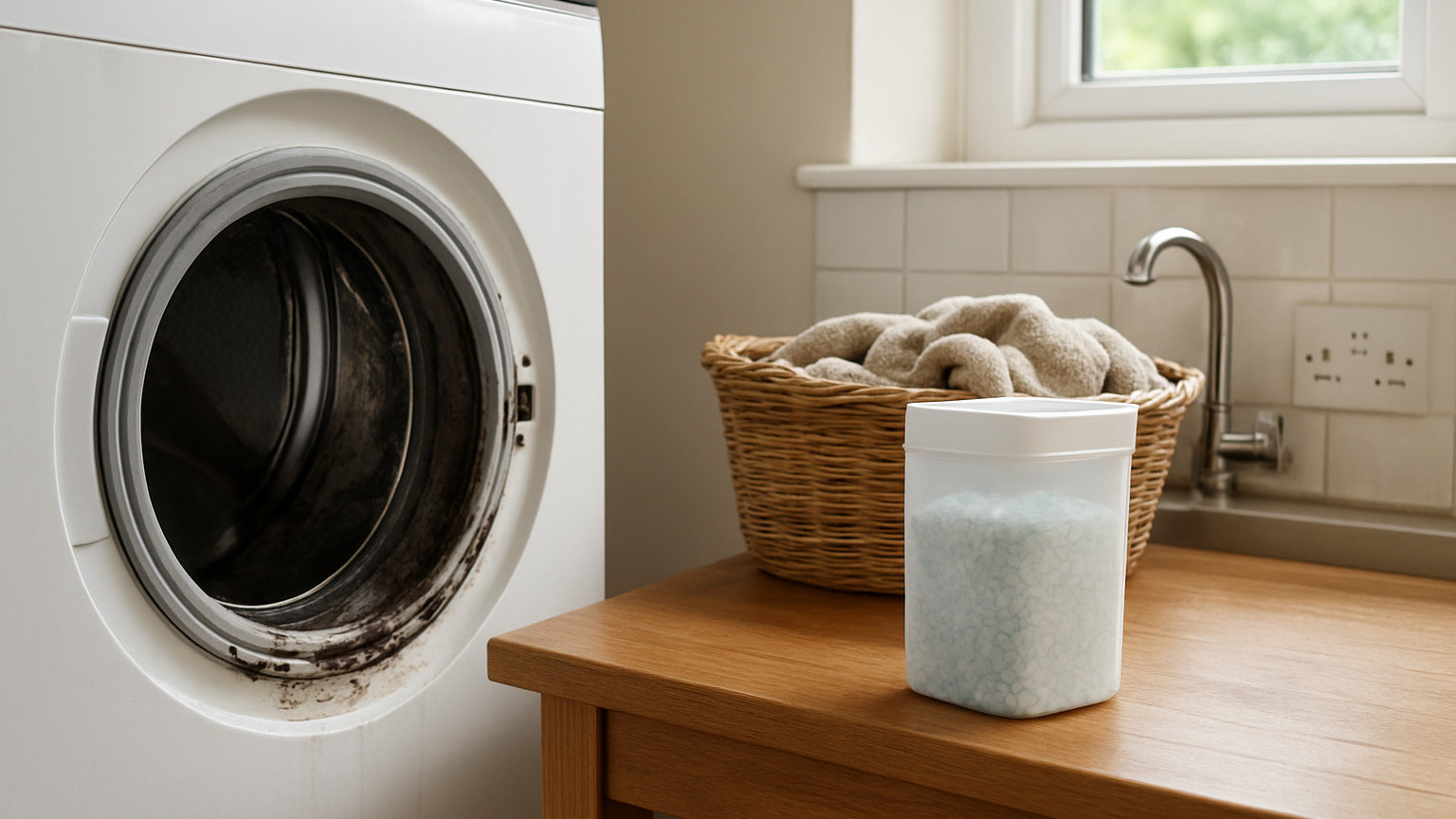
- The door seal, where lint and hair collect around the rim.
- The moisture sensors, which are metal strips inside the drum on sensor models. A film builds on them and stops them reading correctly, so the machine either stops too early or runs too long. Wipe them with a cloth dampened in white vinegar every few months.
- Behind and underneath the machine, where lint accumulates and restricts the air intake.
Why does this matter for safety?
Lint is highly combustible and dryers generate sustained heat. Blocked filters and ducts cause the machine to run hotter than designed, and a build up of lint in the wrong place is the classic ingredient in a dryer fire.
Never run a dryer overnight or while out of the house, never dry items contaminated with oil or solvent, and never block the air intake by pushing the machine tight against a wall.
What are the signs it needs attention?
Cycles taking longer than they used to. Clothes coming out still damp on a sensor programme. The machine feeling unusually hot, or the room becoming humid. An error code about the condenser or the filter. Any of these usually mean a restriction somewhere in the air path rather than a component failure, and checking the four cleaning points above will often solve it entirely.