Shrinkage in a dryer comes from two different mechanisms, and knowing which one you are dealing with determines whether anything can be done. Cotton and other plant fibres shrink because tension applied during manufacture relaxes when heated and wetted. Wool shrinks because the fibre scales interlock, which is called felting and is permanent.
Why does cotton shrink?
During manufacture, cotton yarn is stretched under tension as it is spun and woven. That tension is held in the fabric. Heat and moisture allow the fibres to relax back towards their natural length, and the garment gets smaller.
Most of this happens in the first wash and dry, which is why a new cotton t-shirt shrinks noticeably once and then stays roughly the same size. Pre-shrunk fabric has already been through this process at the factory and moves far less.
Why is wool different?
Wool fibres are covered in microscopic overlapping scales. When heat, moisture and agitation come together, those scales open and ratchet past each other, then lock. The fibres physically tangle into a dense mat, which is the same process used deliberately to make felt.
Once that has happened the fibres cannot be separated. A felted wool jumper is permanently smaller and thicker, and no amount of stretching will bring it back.
What settings prevent shrinkage?
- Use the lowest heat setting that will get the load dry. Heat is the main driver.
- Use a sensor programme rather than a timed one, so the machine stops when the load is dry rather than continuing to heat it.
- Take items out slightly damp and finish them on a hanger or flat. Over-drying causes most of the damage.
- Do not overload, since a packed drum dries unevenly and prolongs the cycle.
- Dry similar fabrics together, so nothing sits in the heat waiting for heavier items to finish.
Which items shrink most?
Untreated cotton jersey, such as t-shirts and sweatshirts, particularly in length. Linen. Wool and cashmere, dramatically. Denim, which shrinks in the leg and waist. Anything labelled as needing cold wash and line dry, which is usually a warning rather than a suggestion.
Blended fabrics shrink less than pure natural fibres, since the synthetic component is dimensionally stable.
Can a shrunk garment be rescued?
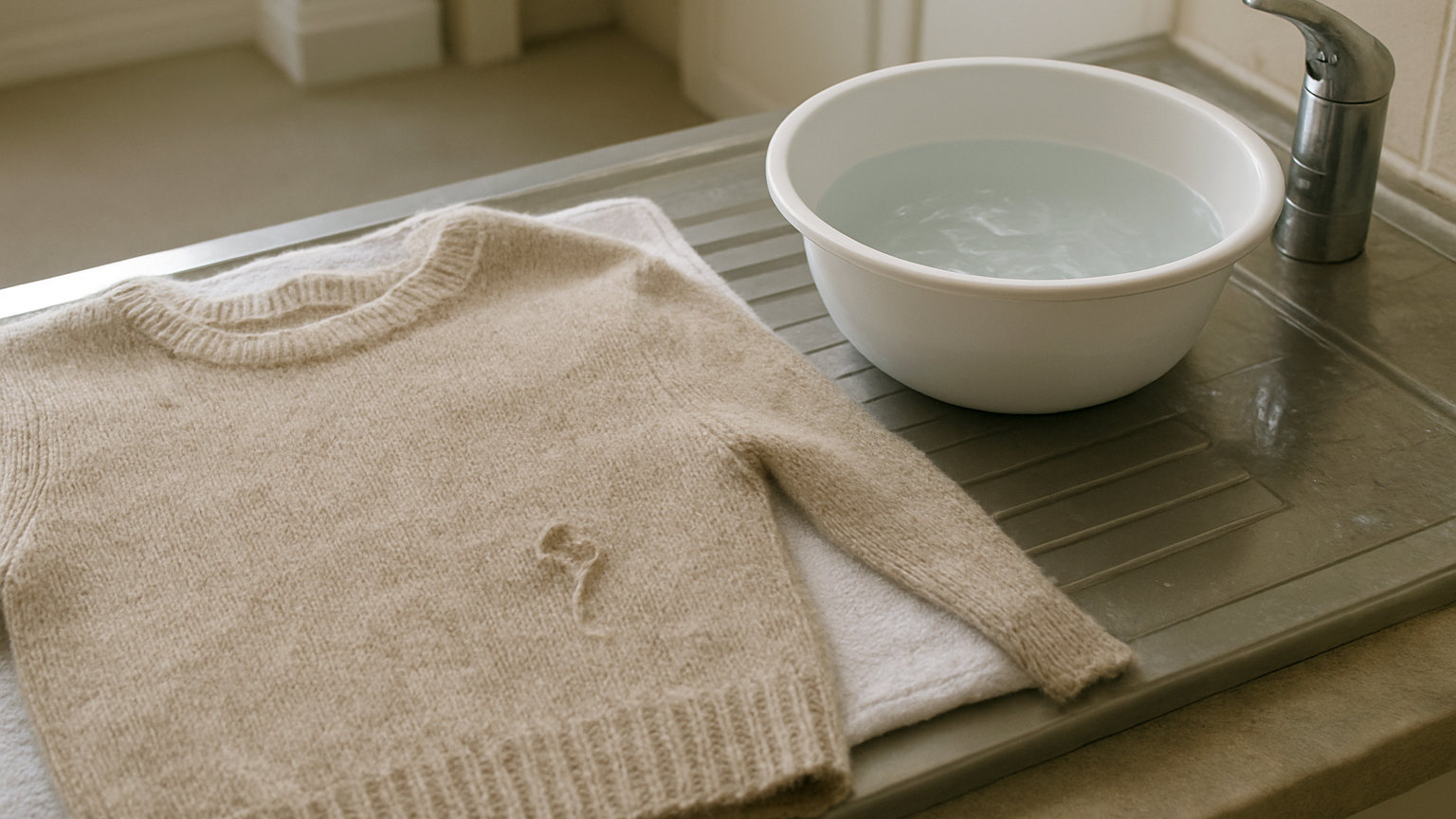
Cotton, sometimes. Soak the item in cool water with a generous capful of hair conditioner or a wool detergent for about half an hour, which relaxes the fibres. Squeeze out the water without wringing, lay the garment on a towel and gently stretch it back towards its original dimensions, working across the whole piece rather than pulling at the edges. Pin it out if necessary and let it dry flat.
The result is usually a partial recovery rather than a complete one, and it works better on a garment that has shrunk once than on one that has been through the dryer repeatedly.
Wool cannot be rescued once felted. The same soaking method will sometimes gain a small amount on a jumper that has only tightened slightly, but a genuinely felted garment is finished.
How do you tell how much a new item will shrink?
Check the composition and the care label together. Pure cotton with a warm or hot wash symbol will almost certainly move on the first cycle. Anything labelled pre-shrunk, or containing a significant polyester content, will not move noticeably at all. Buying cotton a size up is a reasonable hedge with unbranded jersey, which is frequently not pre-shrunk and can lose a full size in length.
What is the safest approach overall?
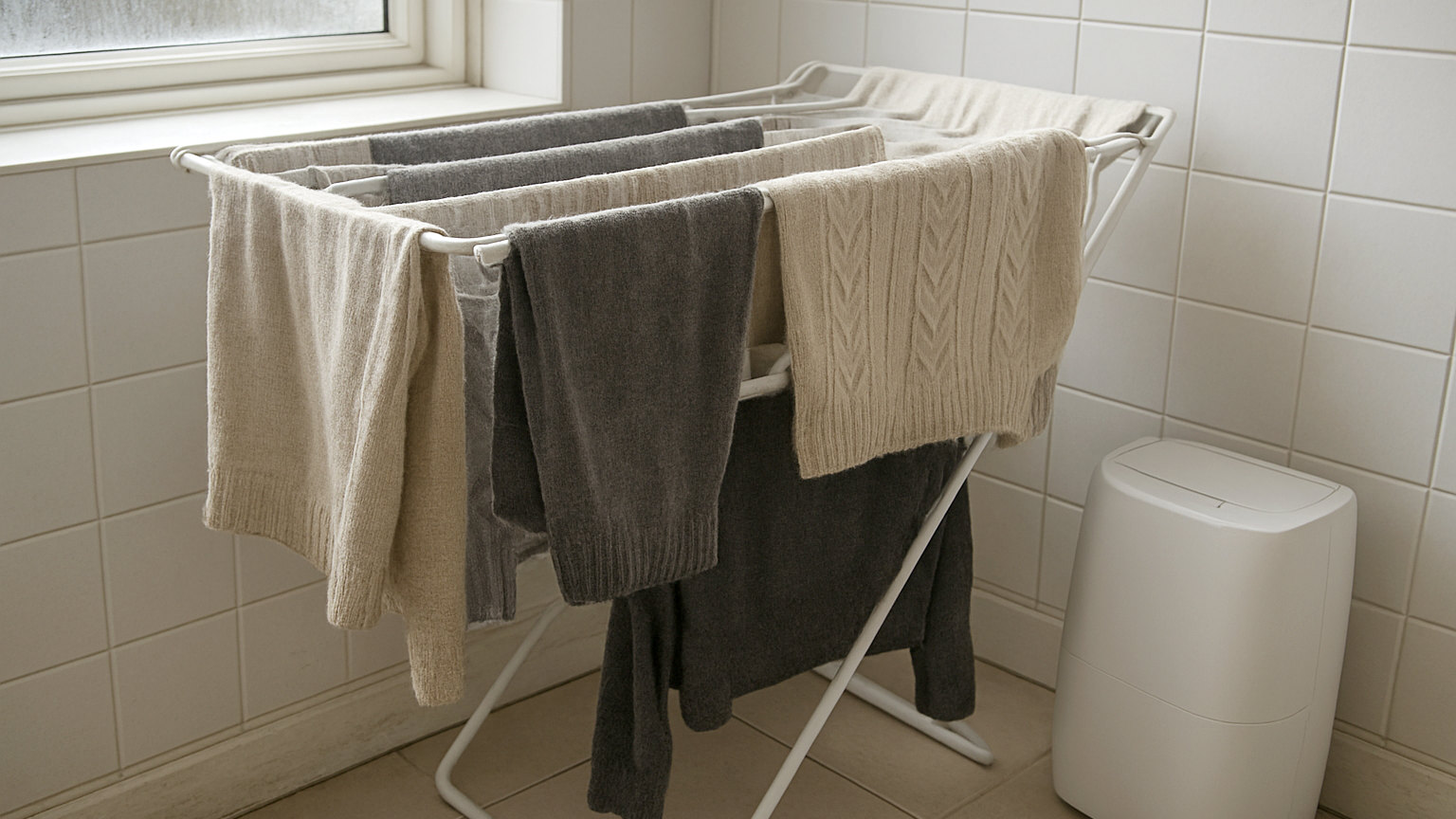
Wash cool, dry low, and remove items from the drum while they are still slightly damp. For anything you particularly care about, skip the dryer entirely and dry flat or on a hanger instead. The dryer is a convenience, and the cost of that convenience is paid in garment life, most visibly in the items that come out a size smaller than they went in.