The most common laundry mistake is using too much detergent. The dose on the packet assumes a full load, average soiling and hard water, and most washes meet none of those conditions. The excess does not rinse away; it stays in the fabric and in the machine.
What does the dose on the packet mean?
Manufacturers give a table based on load size, soiling level and water hardness, and the figure people remember is usually the top of the range. The difference between the soft water light soil dose and the hard water heavy soil dose is often double.
Find your water hardness on your supplier website and read the table properly. In a soft water area the correct dose can be less than half what most people use.
What does too much cause?
- Residue in fabric, which makes towels less absorbent and clothing feel stiff.
- Skin irritation, which is frequently blamed on biological detergent when the cause is the dose.
- Grey marks and white streaks on washing.
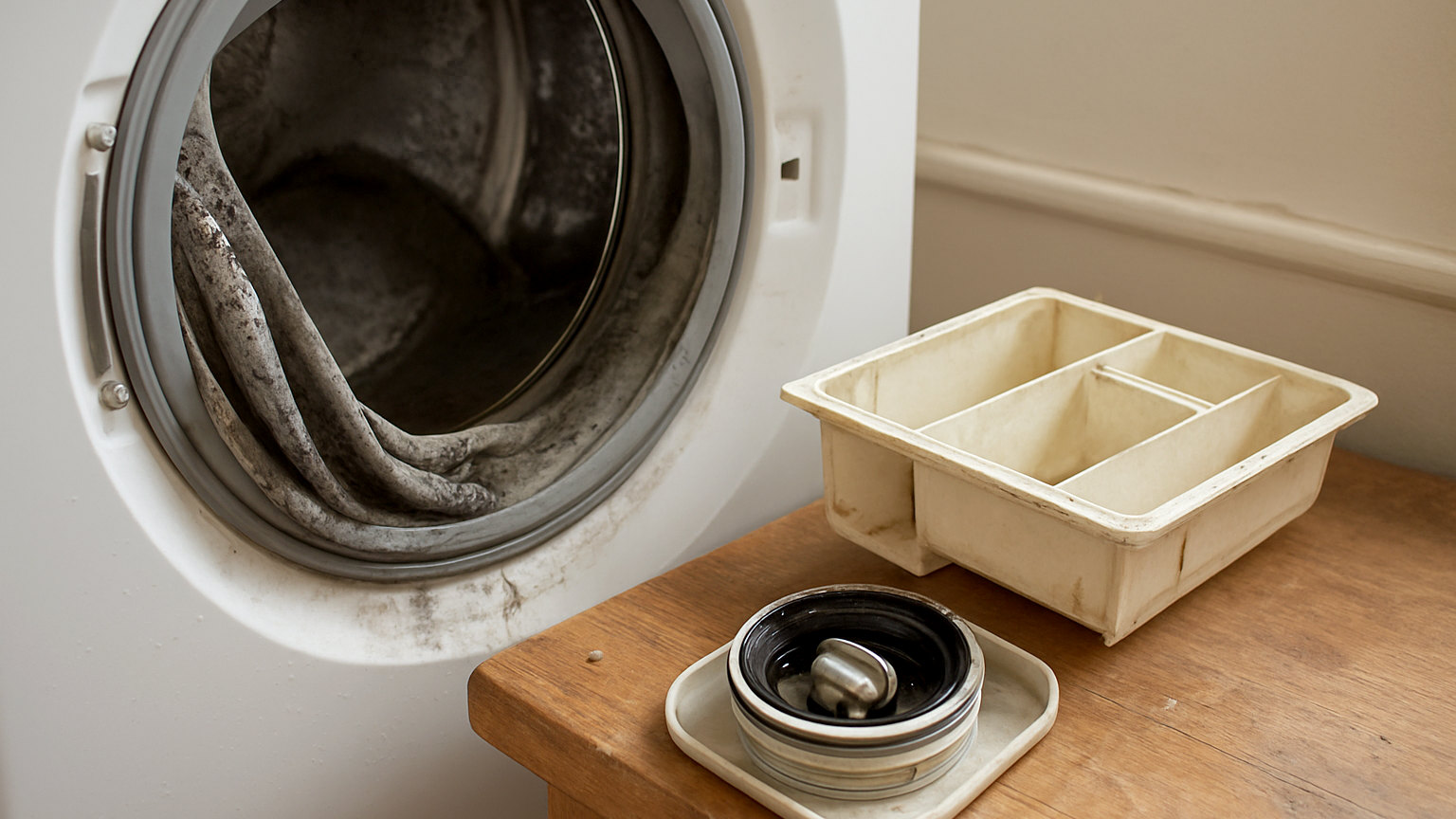
- Biofilm in the machine, which feeds on the excess and causes the smell.
- A blocked detergent drawer and drain hose.
- Excess foam, which cushions the load and reduces the mechanical action that actually cleans.
How do you find the right amount?
- Start at the lowest dose on the packet for your water hardness.
- Run a few normal loads and see whether they come out clean.
- Increase slightly only if they do not.
- Reduce for small loads and for lightly soiled items.
- Increase for heavily soiled work clothes and for a full drum.
Most people find the correct dose is noticeably less than they were using and the washing is no less clean.
How do you tell if you are using too much?
Pause a rinse cycle partway through and look through the door. Visible suds at that stage mean too much detergent, since the rinse should be running clear by then.
Stiff towels, a machine that smells, and clothing that feels slightly slick when wet are all indicators.
What about capsules and pods?
They are convenient and they cannot be dosed down, which means a small or lightly soiled load gets a full dose regardless. For a household that mostly washes small loads they are a significant source of overdosing.
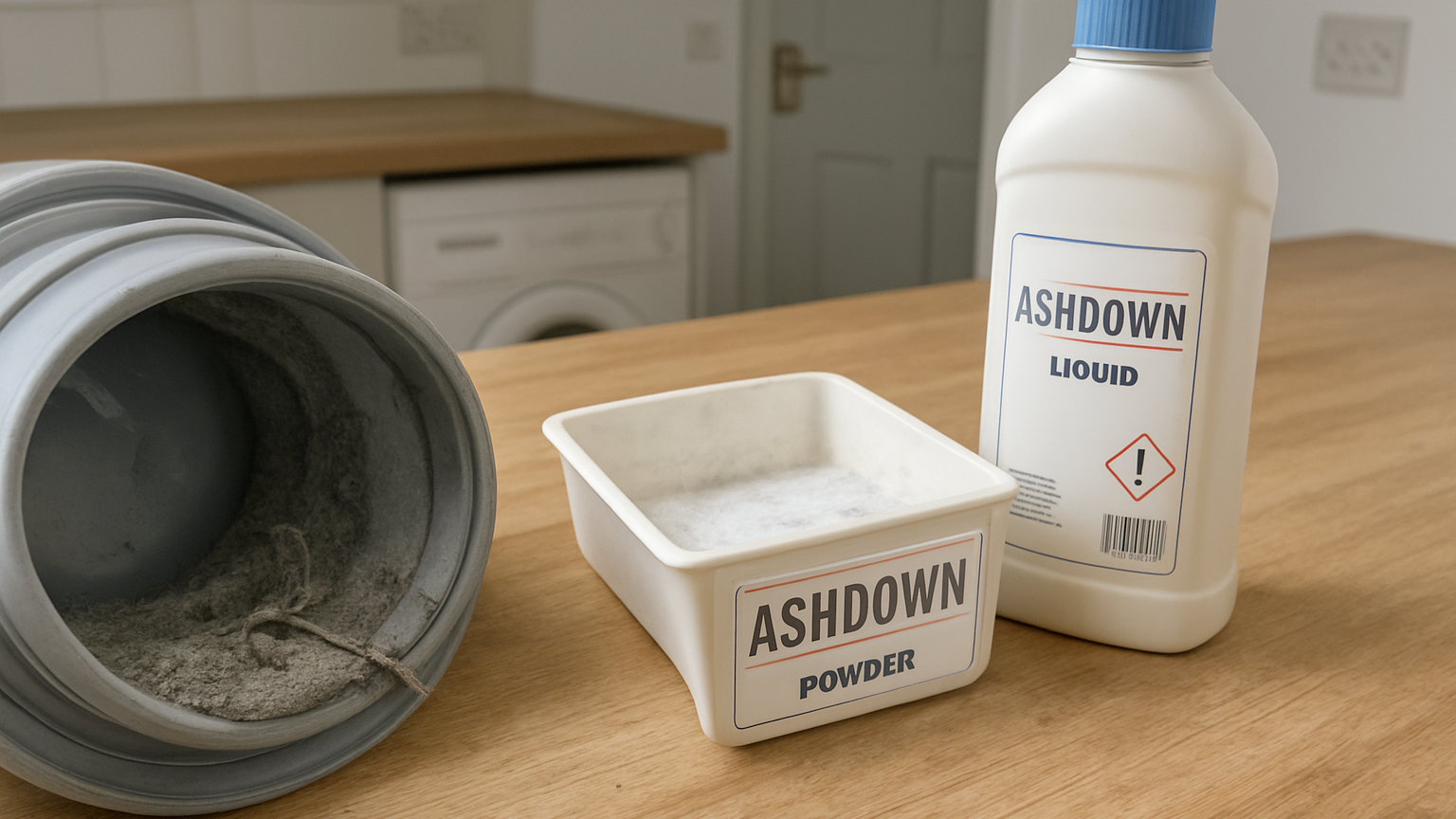
Using measured liquid or powder allows the dose to match the load, which is both cheaper and better for the machine.
Does hard water really change it that much?
Yes. Minerals in hard water bind with the surfactants in detergent, so a proportion of the dose is consumed before it cleans anything. That is why the hard water figure is so much higher.
Adding a water softening additive lets you use the soft water dose, and in a hard area the two roughly cancel out on cost while reducing scale in the machine.
What about fabric conditioner?
Overdosing that is at least as common and arguably worse, since conditioner is a waxy product that coats fibres and the machine interior. It destroys towel absorbency and it is the main contributor to the residue in the detergent drawer.
Halve the dose, or stop using it entirely on towels and sportswear.
What if clothes are not coming out clean?
The answer is rarely more detergent. Check for overloading, which prevents circulation; wash temperature, since 30 degrees is too cool for some soiling; and machine cleanliness, since a machine with heavy biofilm washes poorly.
Loading the drum less full does more for cleaning results than increasing the dose.
Should you use an extra rinse?
It is worth having as an option rather than as a default. An extra rinse helps where someone in the household has sensitive skin, on towels and bedding, and on any load where you have deliberately used a heavier dose. Using it on every wash, as compensation for overdosing, uses water to solve a problem that reducing the dose would solve for free.