Branded washing machine cleaners work, and most of what they contain is available far more cheaply. Understanding what is in them makes it clear when they are worth buying and when a box of ordinary powder detergent will do the same job.
What is in them?
Typically some combination of sodium percarbonate, which releases oxygen bleach; surfactants to lift grease; and citric acid or another acid to deal with limescale. Some include enzymes and a fragrance.
Those are the same active ingredients found in ordinary powder laundry detergent and in a bag of citric acid, which between them cost very little.
What does powder detergent do?
Powder laundry detergent contains oxygen bleach; liquid detergent does not, because the bleach is not stable in liquid form. That single difference is why powder is better at clearing biofilm.
A generous dose of powder, roughly double a normal load dose, in an empty drum on a 90 degree cycle, is an effective maintenance wash and costs pennies.
When is a specialist product worth buying?
- For a machine that has been neglected for years, where a stronger formulation helps.
- Where a single product is more convenient than buying powder and citric acid separately.
- For the tablet formats, which are simple and consistent.
- Where a machine has a drum clean programme designed to be used with one.
For routine monthly maintenance on a machine in reasonable condition, powder detergent is hard to beat on value.
What about white vinegar?
It works on limescale and on light residue, and it is considerably milder than either of the options above. Two cups poured into the drum on a hot empty cycle is a reasonable option, and it is particularly worth doing in a hard water area where scale is the main problem.
It does not contain oxygen bleach, so it is less effective on established biofilm. And it should never be run in the same cycle as a detergent or bleach, since acid and alkali simply neutralise each other.
What about bleach?
Chlorine bleach should not be used in a washing machine as a cleaner. It degrades rubber seals and hoses, it can react with detergent residue, and it does nothing that oxygen bleach does not do more safely.
Manufacturers generally advise against it, and a damaged door seal is an expensive way to save a few pounds.
What does a cleaner not do?
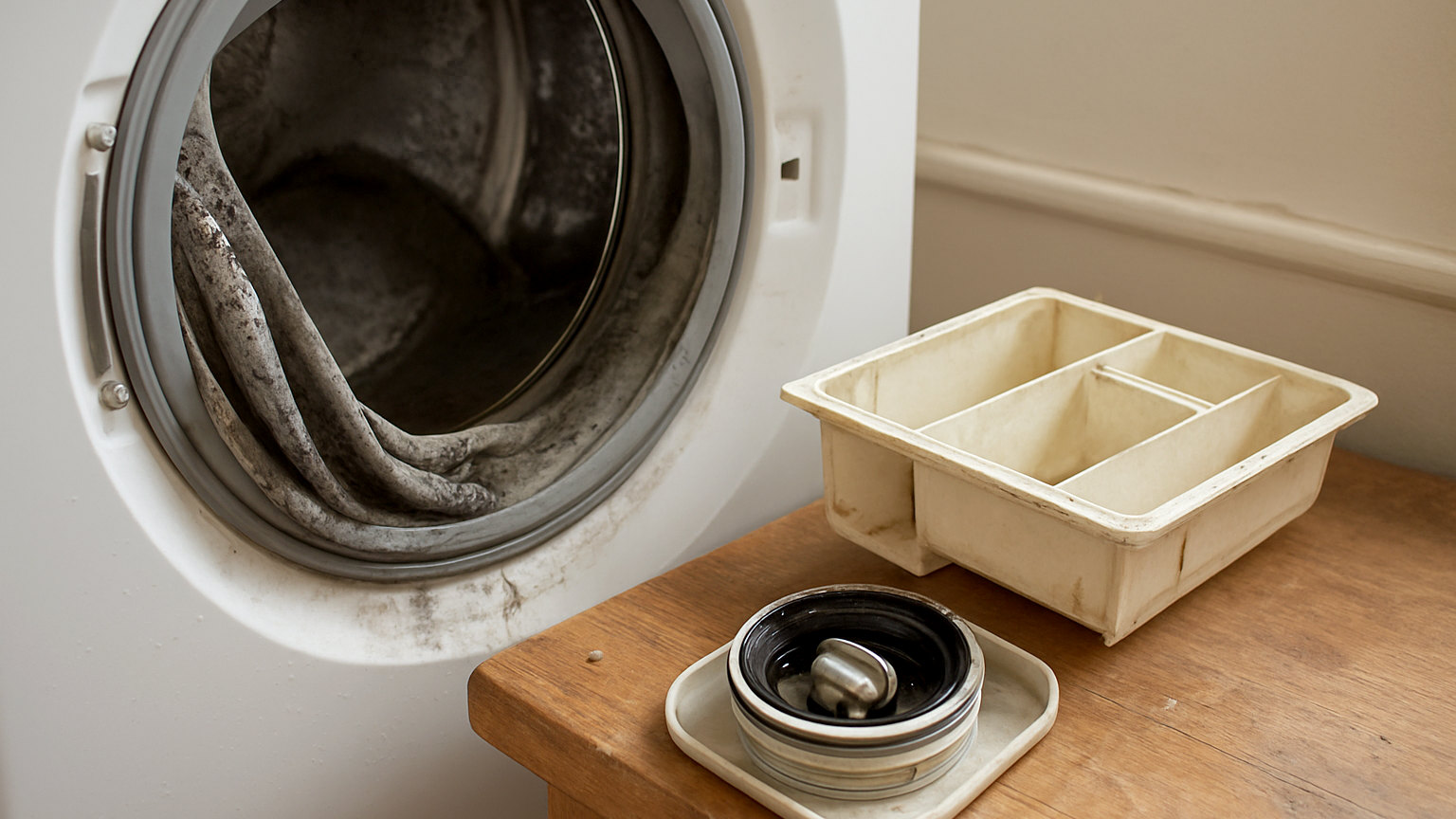
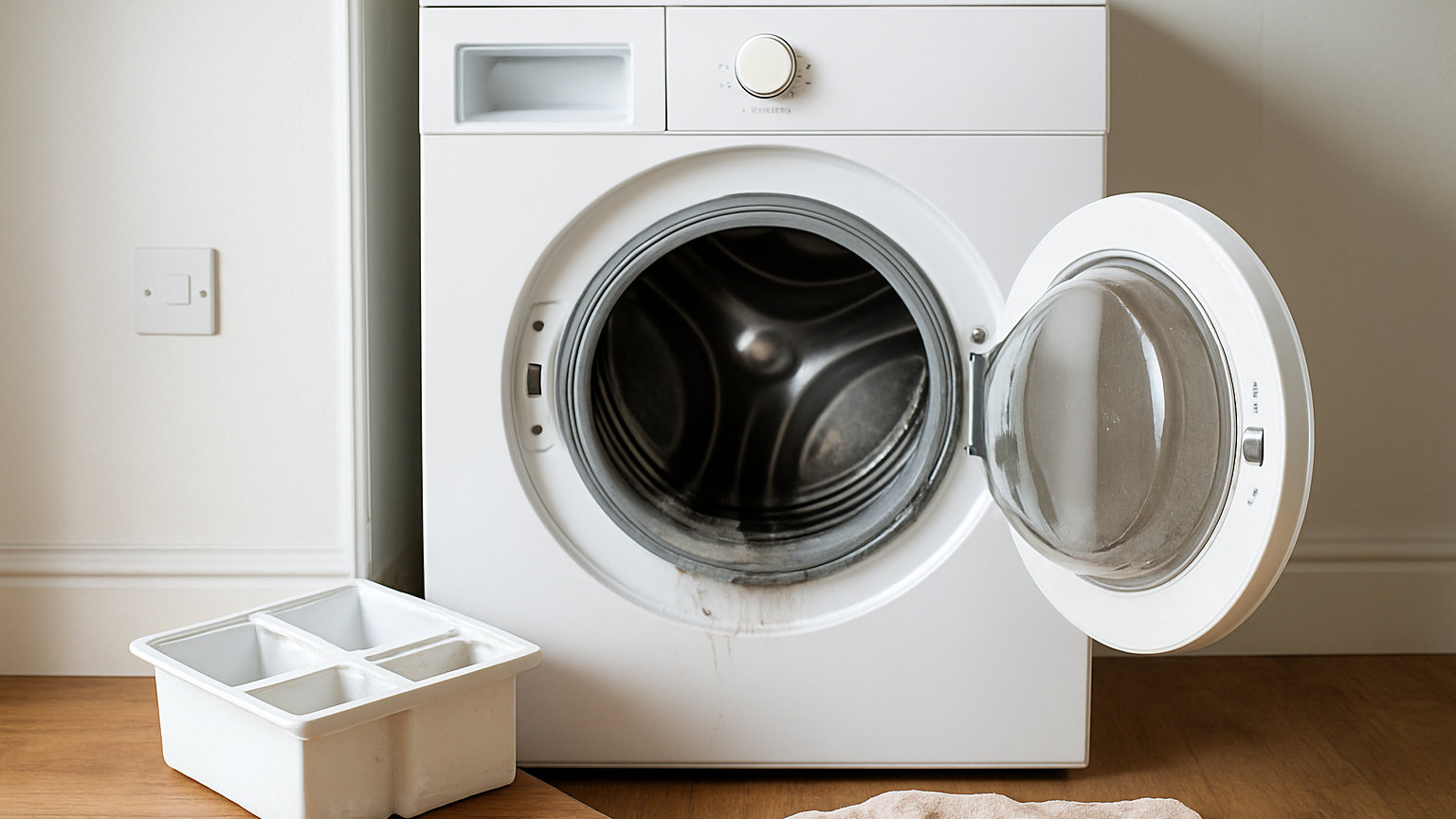
It does not clean the filter, the detergent drawer or the door seal, which are the three places most smells actually come from. Running a cleaning tablet and expecting the smell to go is the most common reason people conclude the products do not work.
The product addresses the drum and the internal pipework. The other three are hand jobs.
What is the cheapest effective routine?
- Wipe the door seal dry after the last wash of the day.
- Clean the seal, drawer and filter monthly by hand.
- Run a monthly empty cycle at 90 degrees with a double dose of powder detergent.
- In a hard water area, make one cycle a quarter a citric acid descale instead.
Total cost is a few pounds a year, and it keeps a machine in better condition than a tablet used occasionally without the hand cleaning.
What is the honest verdict?
Worth buying if the convenience matters to you or if a machine needs a strong reset. Not necessary for routine maintenance, where powder detergent and citric acid do the same work for a fraction of the price. And no product substitutes for cleaning the seal, drawer and filter by hand.
What about the drum clean programme?
Where a machine has one, it is worth using, since it typically runs hotter and longer than a standard cycle and adds extra rinses. Some manufacturers specify a particular product for it, and most work perfectly well with a double dose of powder detergent instead. The programme is doing the same job as a manual hot cycle, simply with better chosen parameters.