A maintenance wash is an empty cycle run hot with a cleaning agent, to clear the biofilm that normal washing leaves behind. Monthly is the standard recommendation, and how strictly you need to keep to it depends entirely on how you use the machine the rest of the time.
Who needs it monthly?
- Anyone who washes mostly at 30 degrees.
- Anyone using liquid detergent or capsules exclusively.
- Anyone using fabric conditioner regularly.
- Households washing a lot of towels, sportswear or pet bedding.
- Machines in a warm or humid room.
That describes most households, which is why monthly is the default advice.
Who needs it less often?
Anyone who regularly washes at 60 degrees with powder detergent is already doing something close to a maintenance wash several times a week. In that case every two or three months is sufficient.
Light use, no conditioner and occasional hot washes push the interval out further.
What temperature?
Ninety degrees if the machine offers it, otherwise 60 as a minimum. A drum clean or tub clean programme, where fitted, is designed for this and usually runs hot with extra rinses.
Anything below 60 does not achieve the purpose, since the biofilm and the bacteria in it survive comfortably at normal wash temperatures.
What goes in it?
A double dose of powder laundry detergent placed in the drum, which is the cheapest effective option because powder contains oxygen bleach. Alternatively a proprietary machine cleaner, or in a hard water area around 100g of citric acid as a descaling cycle.
Nothing else in the drum. No clothes, no towels, no rags.
Does it need to be done with the drawer and seal?
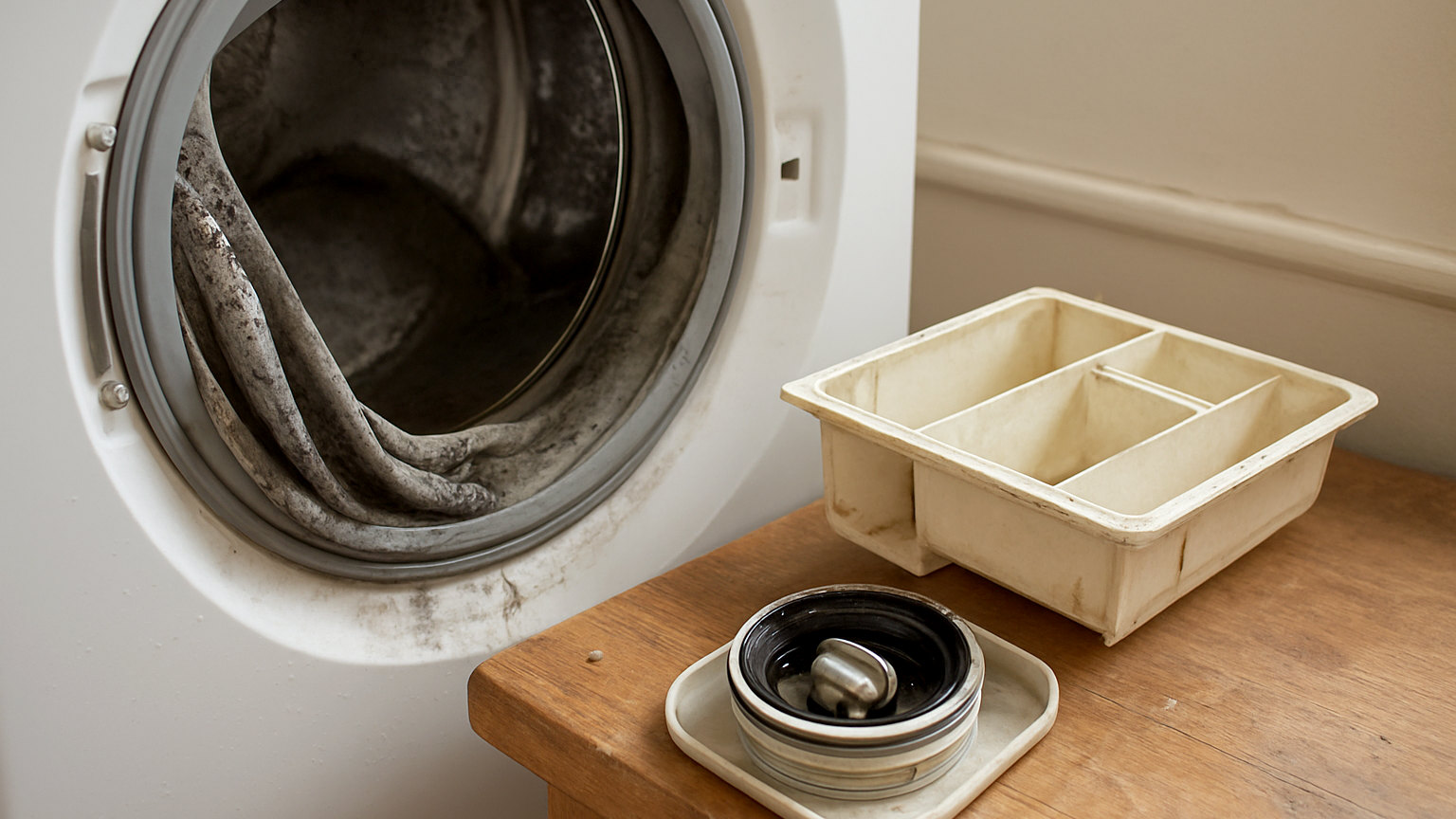
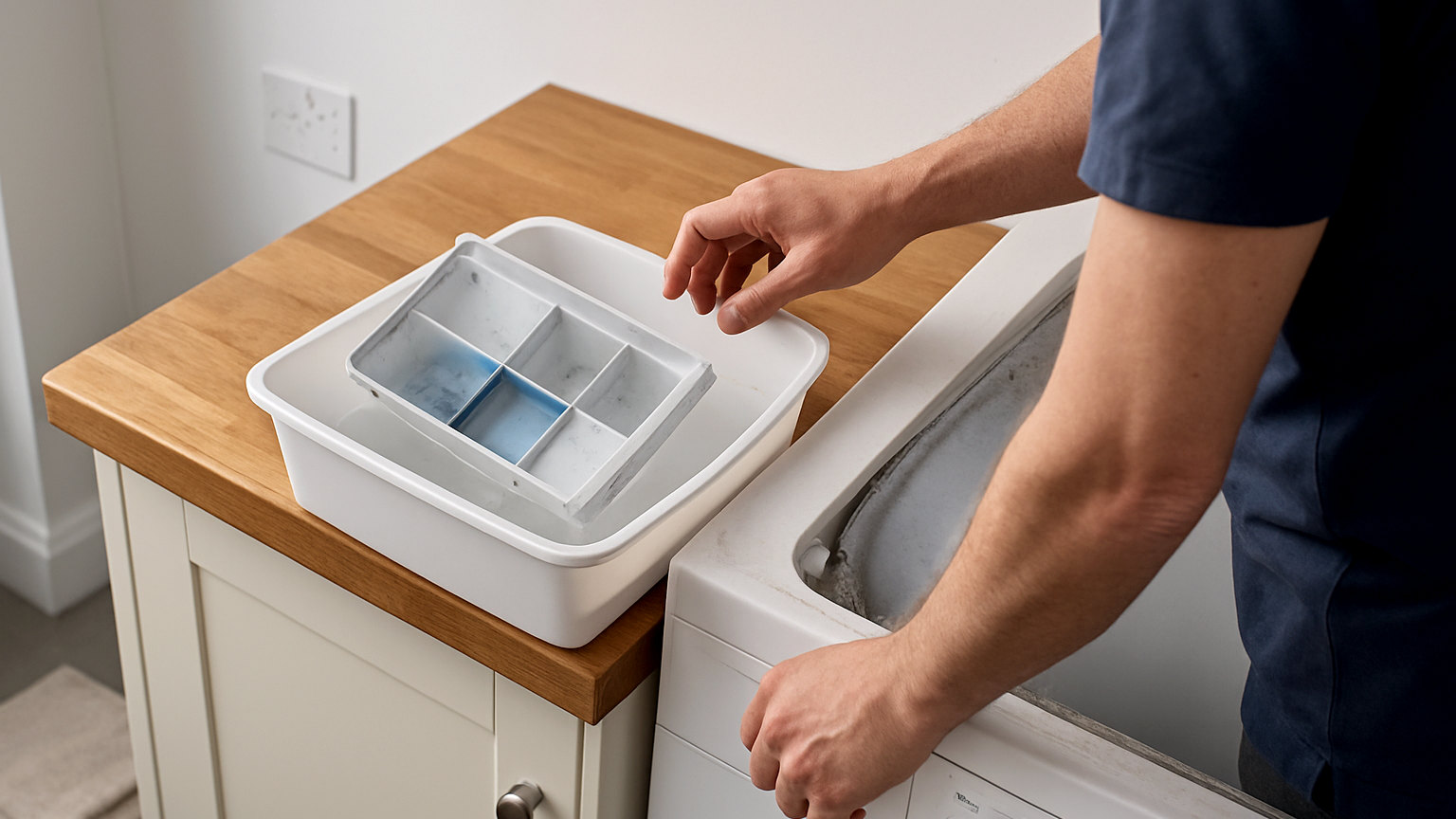
It should be. A maintenance wash cleans the drum and the internal pipework and does nothing for the door seal fold, the filter or the detergent drawer, which is where most smells originate.
Doing all four together once a month takes about fifteen minutes of actual work plus the cycle time.
Is it a waste of water and electricity?
A 90 degree empty cycle uses a meaningful amount of both, which is a fair objection. Against that, a machine with heavy biofilm washes less effectively, smells, marks clothing and eventually suffers drainage problems.
Running it monthly rather than weekly, and combining it with a descale in hard water areas, keeps the cost proportionate.
What is the alternative?
Washing a normal load at 60 degrees with powder detergent once a week does much the same work and cleans the clothes at the same time. Towels and bedding suit that temperature anyway.
Households that do this regularly rarely need a separate maintenance wash at all, which is worth knowing for anyone reluctant to run an empty cycle.
How do you know it is needed?
The machine smells, the door seal has black spotting, washing smells damp within hours of drying, or clothes come out with grey marks. Any of those means it is overdue.
Better to run it on a schedule than to wait for the symptoms, since clearing an established build up takes two or three cycles rather than one.
What should you do afterwards?
Wipe the drum and the seal, which will have loosened deposits in them, and leave the door and drawer open to dry. Run a short rinse if a descaling product was used.
Should you do anything before running it?
Clean the seal, the drawer and ideally the filter first, so the cycle is not flushing loosened debris past parts that are already blocked. Running the hot cycle after the hand cleaning rather than before also means the loosened deposits from the drum end up rinsed away rather than sitting in a dirty seal fold.
Does it need doing on a new machine?
Not for the first few months, and starting the habit early is easier than establishing it after a problem appears. Most manufacturers recommend running an empty hot cycle before the first use to clear any manufacturing residue, which is worth doing.