How Do You Stop Colours Running in the Wash?
Excess dye comes out of new garments in the first few washes, and cold water and separation are what stop it landing on everything else.
By Cleaning Guides Team
3 Feb 2025

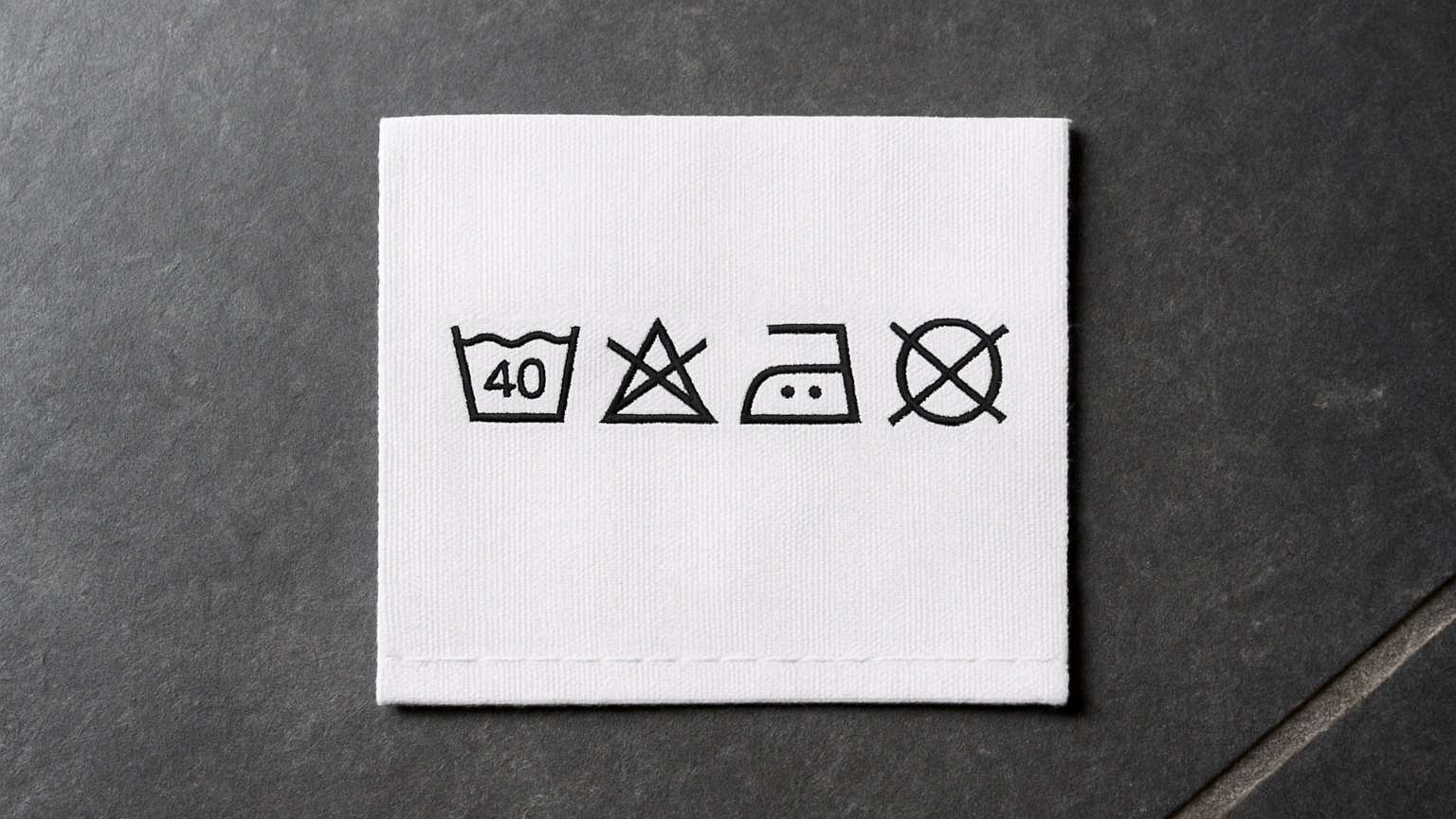
Most laundry damage is done by the machine settings rather than by the detergent, and most laundry frustration comes from not knowing what the symbols on the label mean. These guides cover temperature and cycle choice, why washing hot is usually unnecessary, drying without shrinking or stretching, and the specific problems - grey whites, stiff towels, a machine that smells - that have straightforward fixes.
Excess dye comes out of new garments in the first few washes, and cold water and separation are what stop it landing on everything else.
Shine is the fibre surface being flattened and polished by the soleplate, and on synthetics it is the first stage of melting.
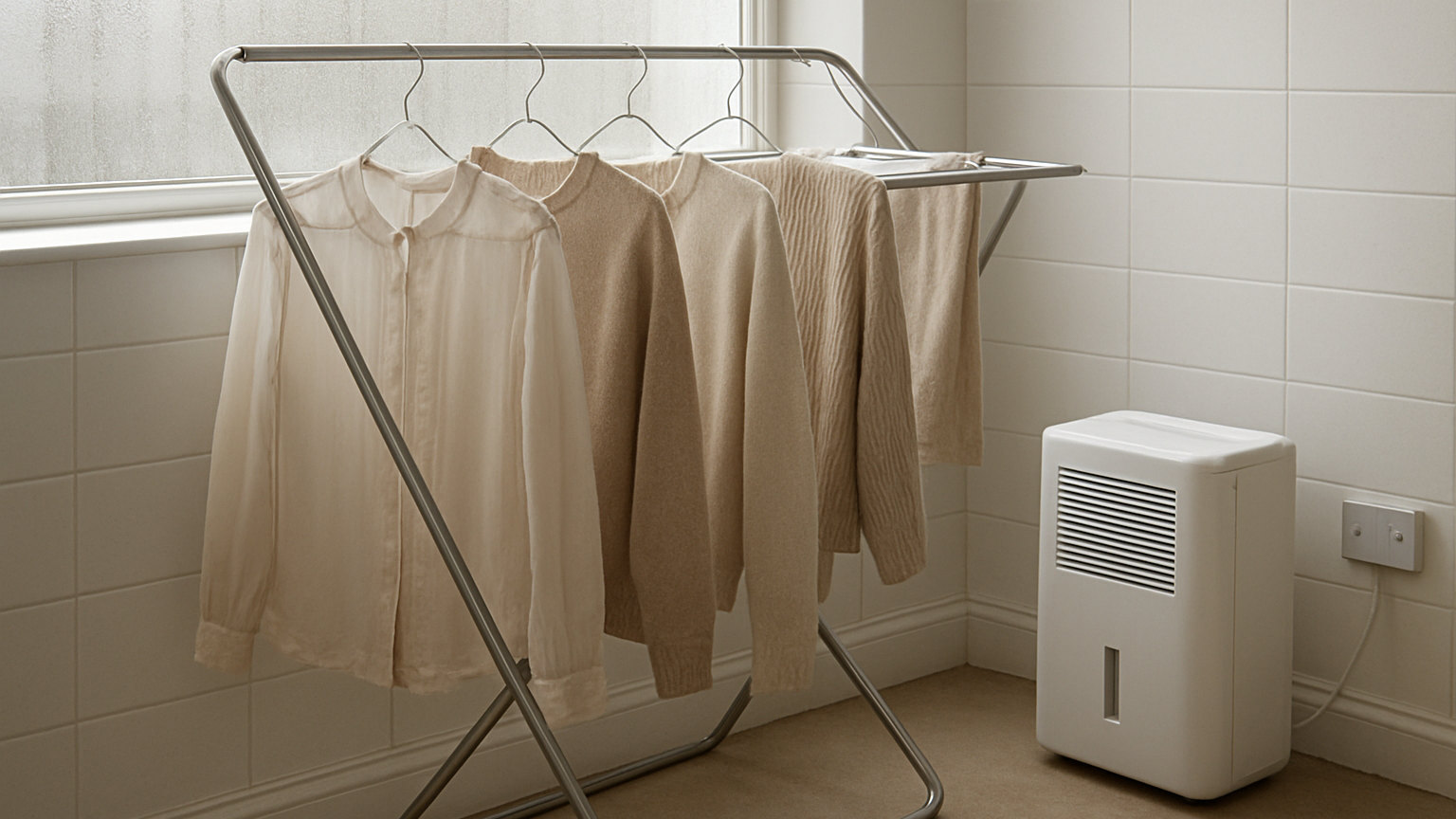
The dryer damages clothes through heat and tumbling, and different fabrics fail in different ways, from shrinking to melting to delaminating.
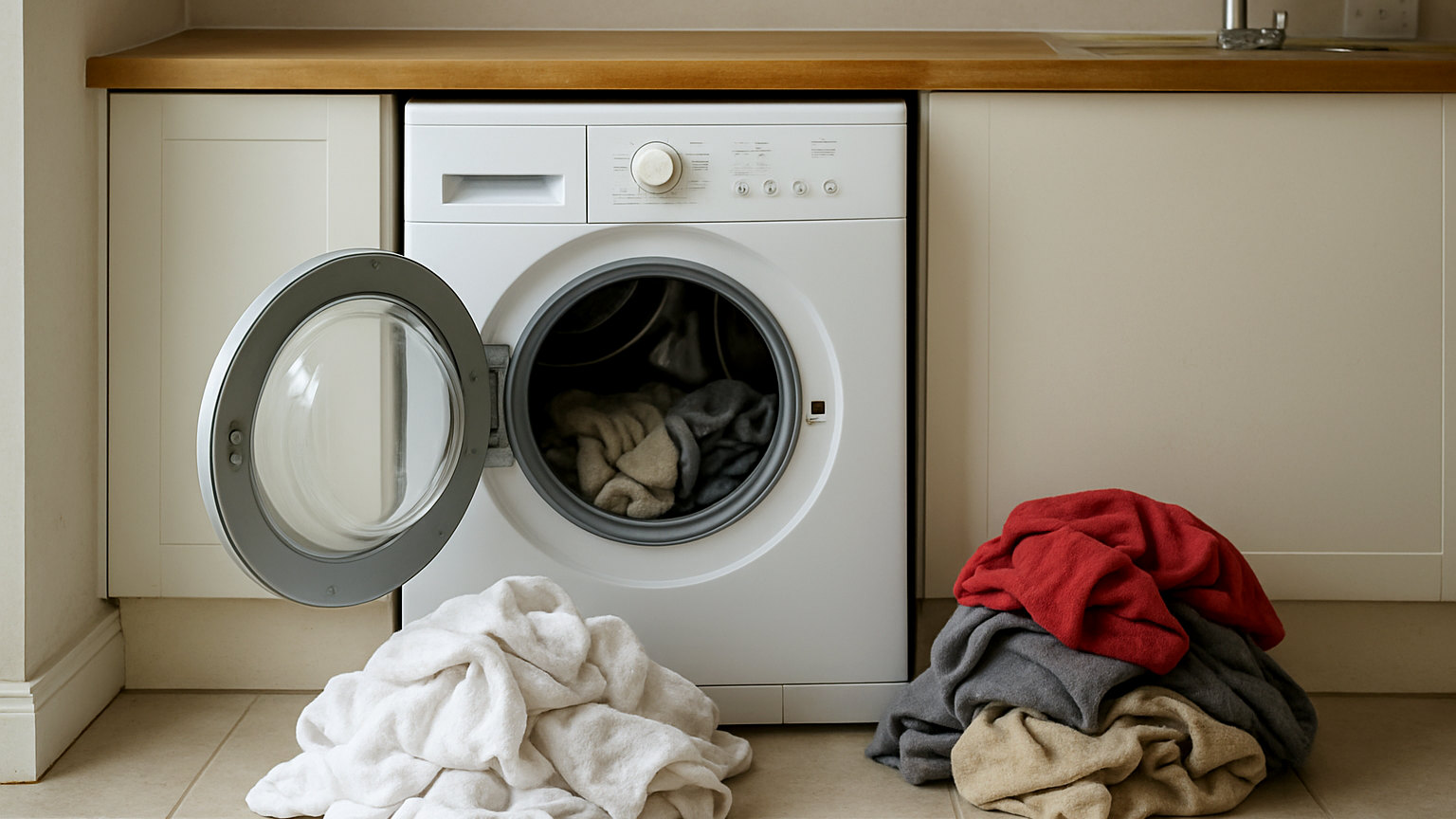
Clothes need room to move through the water, and a drum packed to the door is the most common reason a wash comes out disappointing.
Technical fabrics hold odour because the synthetic fibres are oil loving, and the bacteria responsible survive an ordinary cool wash comfortably.
Dots set the temperature and bars set the roughness, and the bars are the instruction most people never notice at all.
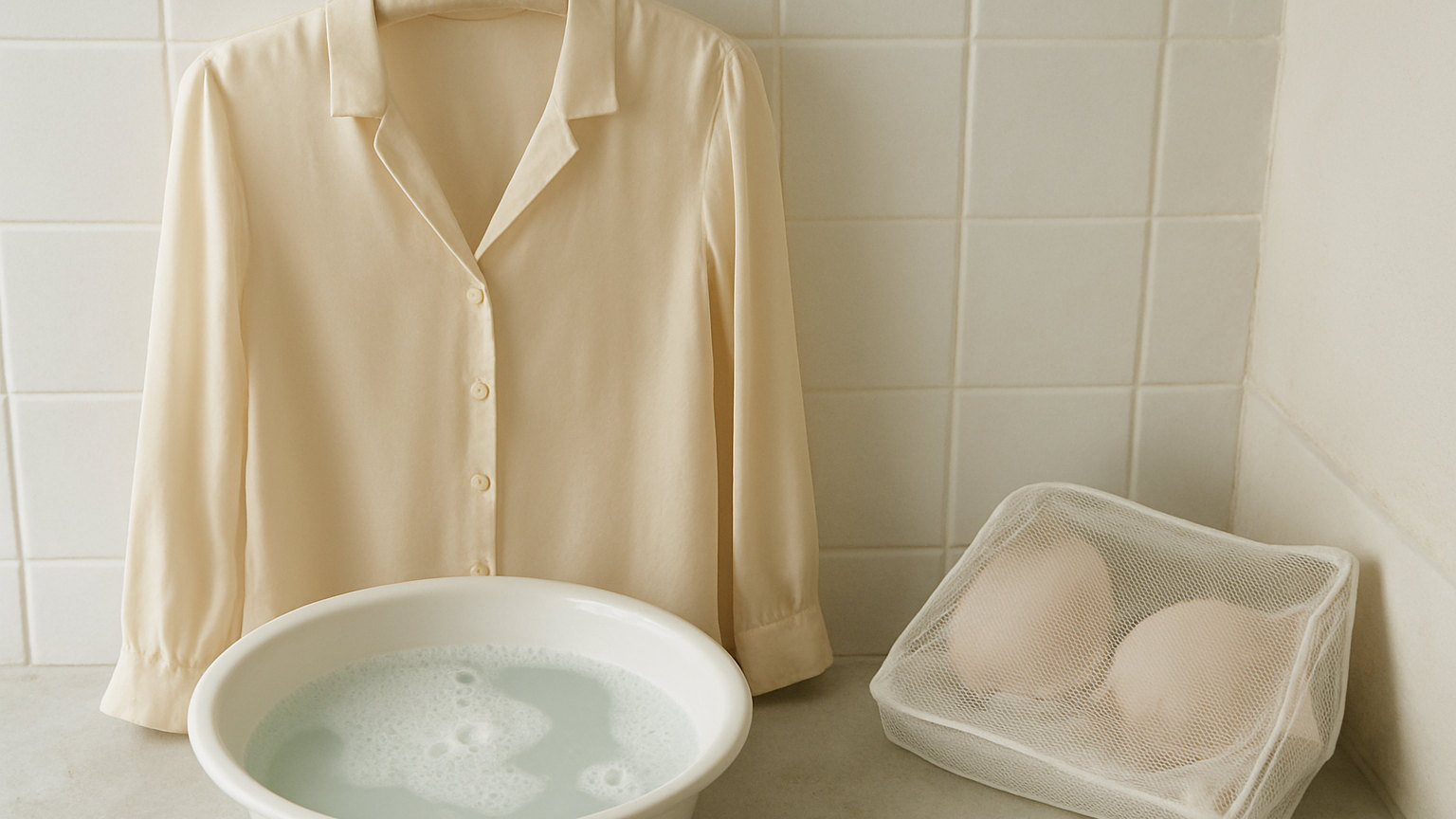
Most silk labelled dry clean only can be hand washed successfully, provided the water is cool, the detergent is right and it never gets wrung.
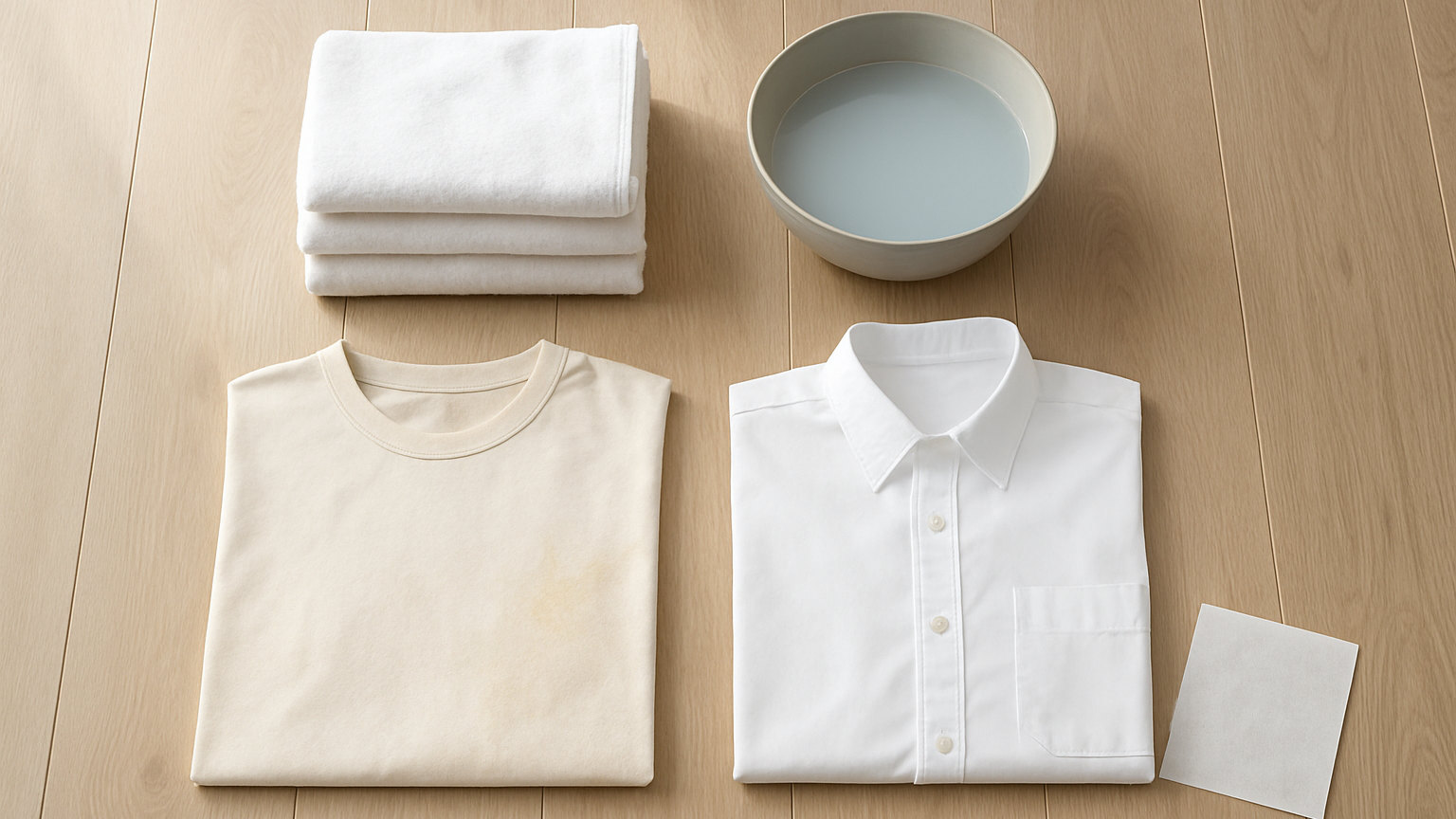
Yellowing is usually body oils that were never fully removed and have since oxidised, which is why it appears at the collar and underarms first.
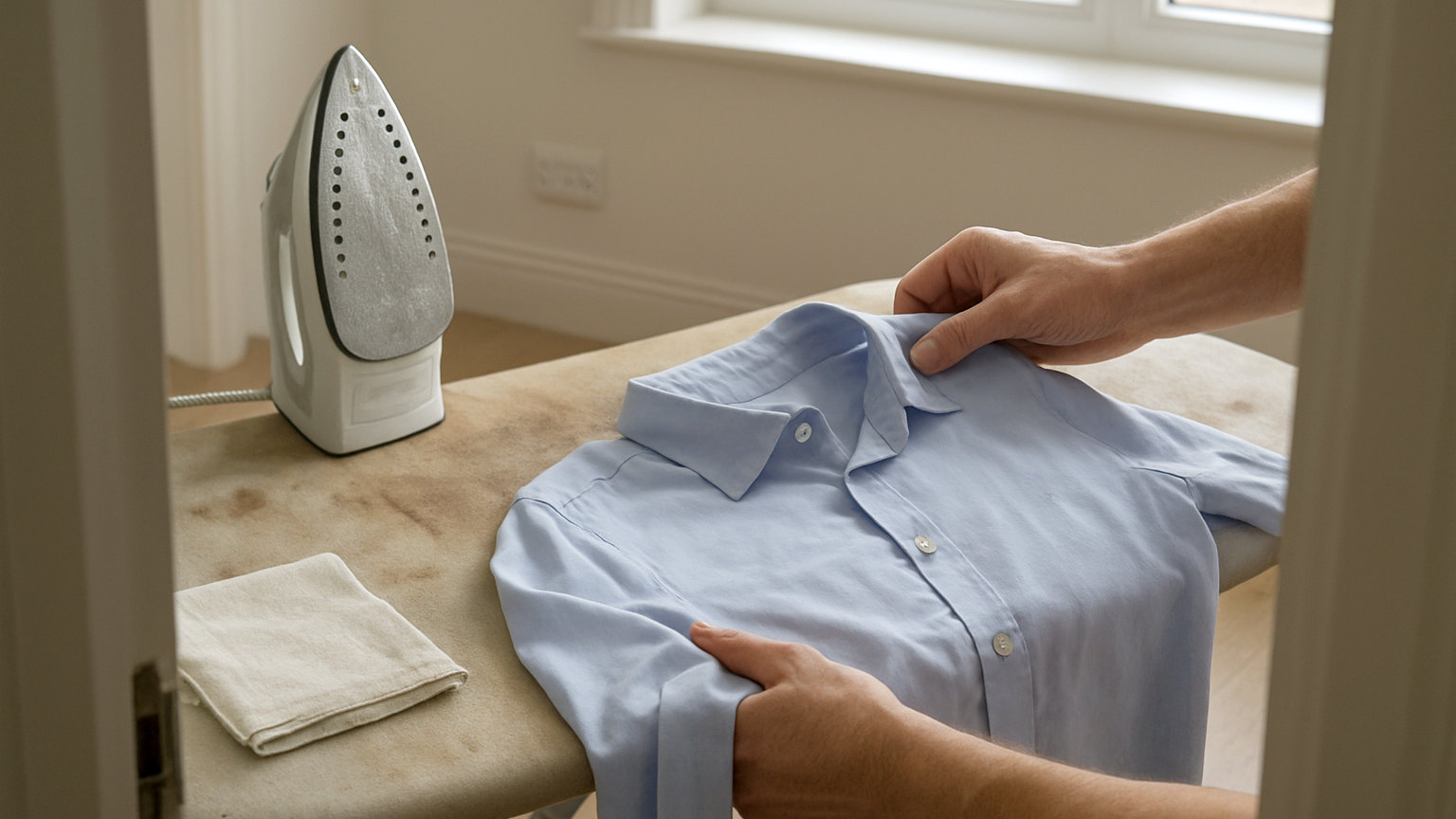
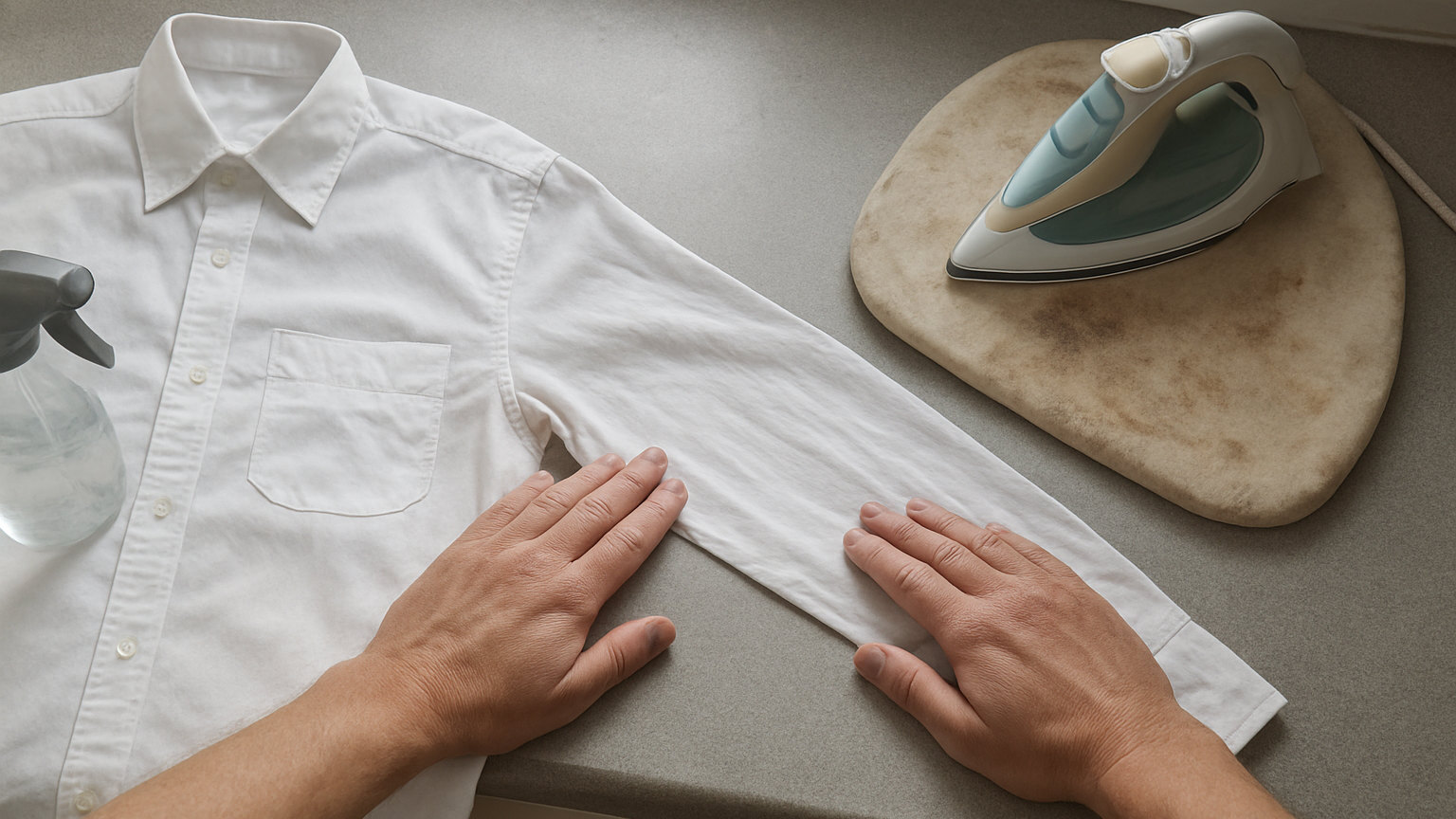
A shirt has eight parts and they go in a specific order, so that nothing already pressed gets crushed by what comes afterwards.
Heat pump dryers cost more to buy and far less to run, and the difference over a few years is larger than the gap in price.
The cycle name matters less than the three settings underneath it, and once you understand those the whole dial makes sense.
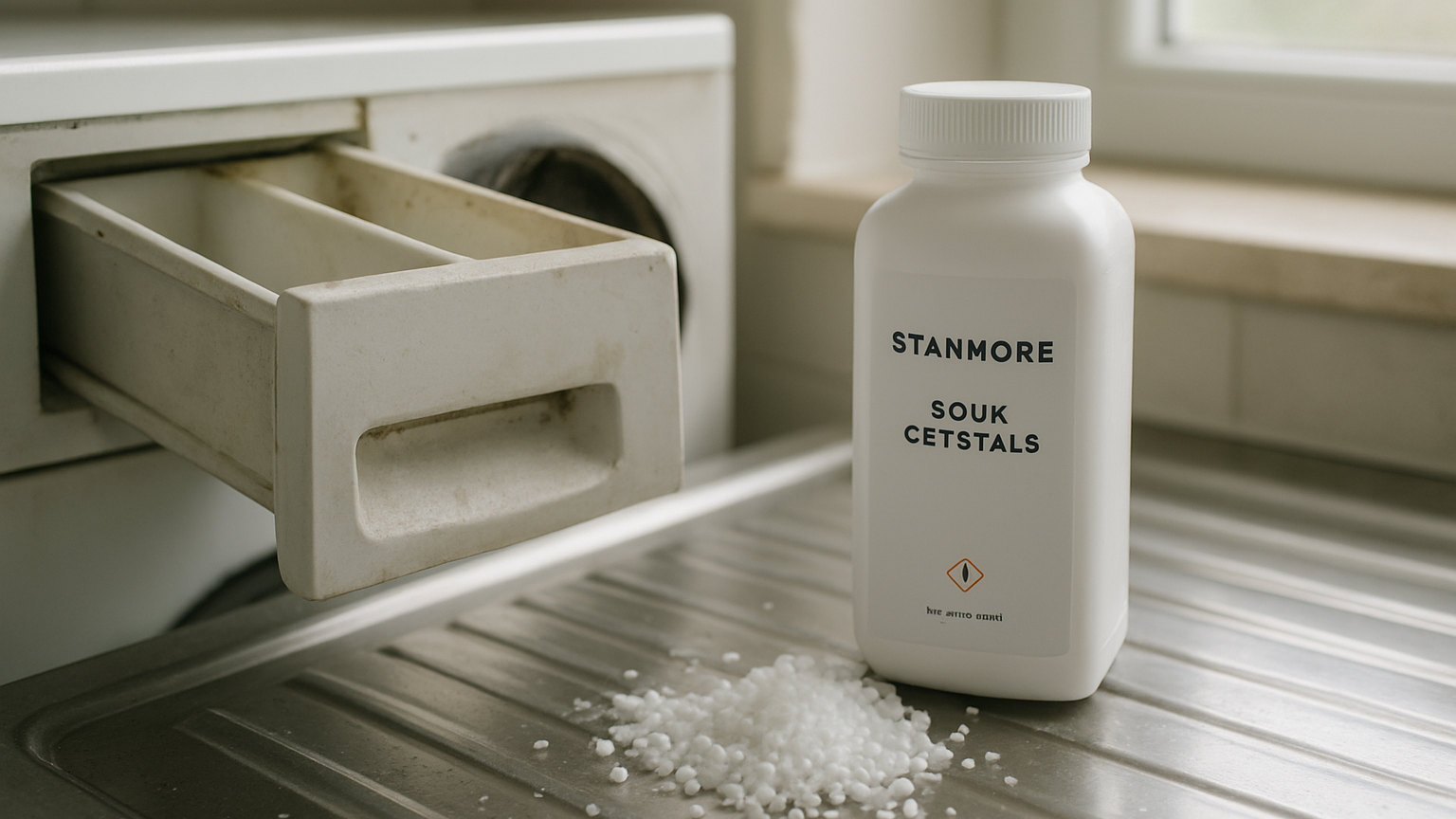
A maintenance wash deals with the drum and nothing else, and the four places that actually hold the residue all have to be cleaned by hand.