Sports kit smells for a specific reason. The synthetic fibres used in technical fabrics are oleophilic, meaning they attract and hold oils, and body oils carry the bacteria that produce odour. Those oils bond into the fibre in a way they do not with cotton, and a cool wash with ordinary detergent does not remove them.
Why does the smell come back when you sweat?
Because the residue is still there. Bacterial by-products bound into the fibre release their odour again as soon as moisture is present, which is why a shirt can smell clean in a drawer and unpleasant fifteen minutes into a run.
That is the test for whether a garment is genuinely clean: not how it smells dry, but how it smells when dampened.
What should you do immediately after exercise?
Get the kit out of the bag and let it dry. A damp garment rolled into a gym bag for a day multiplies the bacterial load enormously, and the smell that develops is far harder to remove than fresh sweat would have been.
If it cannot be washed straight away, hang it somewhere airy or rinse it through in cold water.
What is the soaking method?
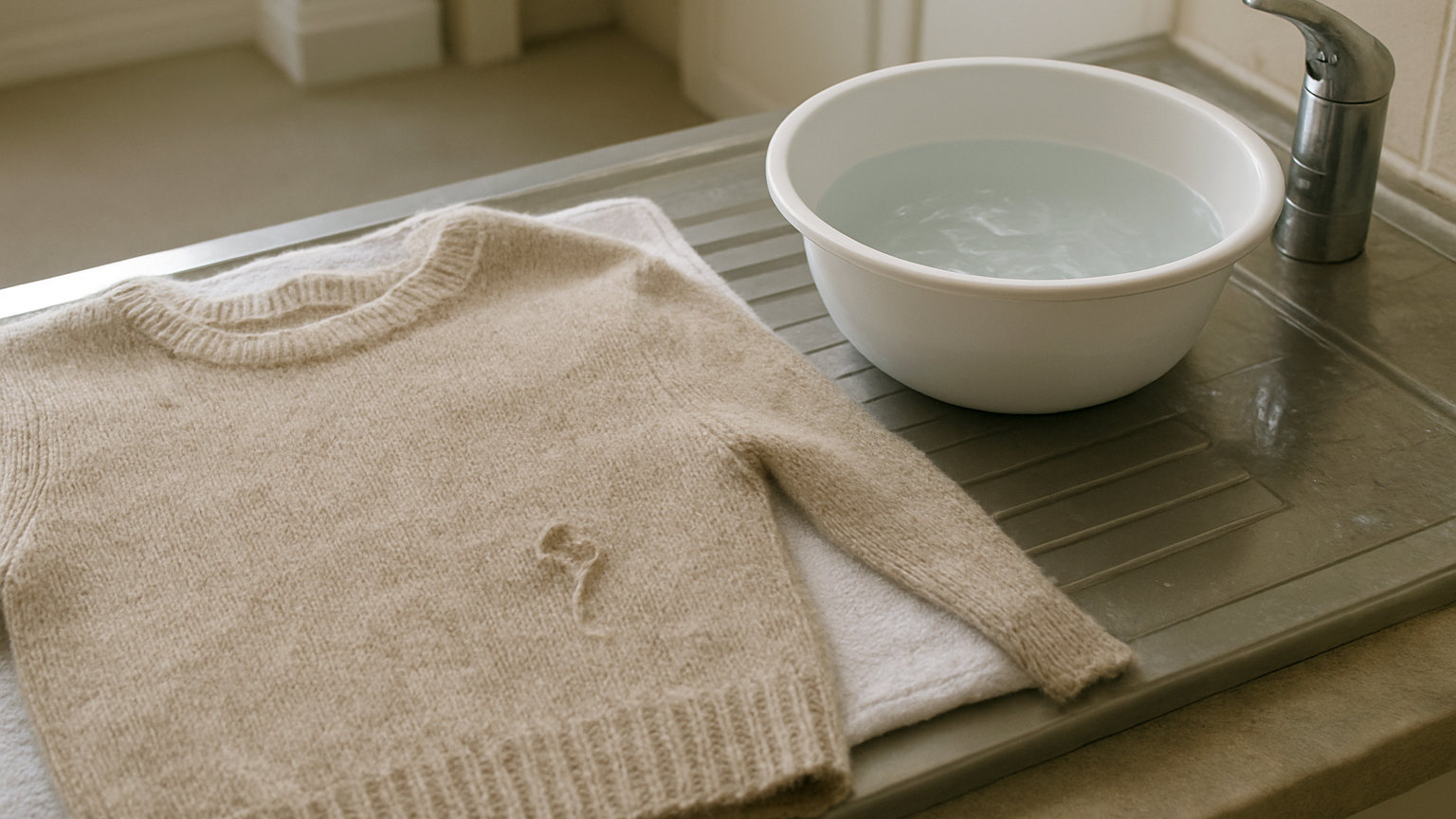
- Fill a basin with cold or cool water and add a cup of white vinegar.
- Submerge the garments fully and leave them for thirty minutes to an hour.
- Squeeze the water through the fabric, then drain.
- Wash normally with a normal detergent dose and no fabric conditioner.
- Add an extra rinse.
- Dry quickly, ideally outdoors.
Vinegar is mildly acidic and breaks down the alkaline residues that bond to synthetic fibres. It is the single most effective household treatment for this problem, and the smell does not survive the rinse.
Why should fabric conditioner never be used?
Because it coats the fibres with a waxy layer. On technical fabric that blocks the wicking the garment depends on, and it seals the existing odour compounds in rather than letting them wash out. It makes the problem permanently worse.
The same applies to dryer sheets.
What temperature should be used?
As warm as the label allows, which for most technical kit is 30 or 40 degrees. Warmth helps dissolve the oils, and this is one case where washing cooler is not automatically better. Check the label, since most sportswear contains elastane and cannot take a hot wash.
Where 40 is the maximum, a pre-soak does the work that a higher temperature would otherwise do.
Do sports specific detergents work?
They do, and they are formulated for exactly this: enzymes and surfactants aimed at body oils rather than general soil, with no brighteners or softening agents. For anyone training regularly they are worth the cost.
Ordinary biological detergent at the correct dose, with a vinegar soak, gets most of the way there for less.
What about bicarbonate of soda?
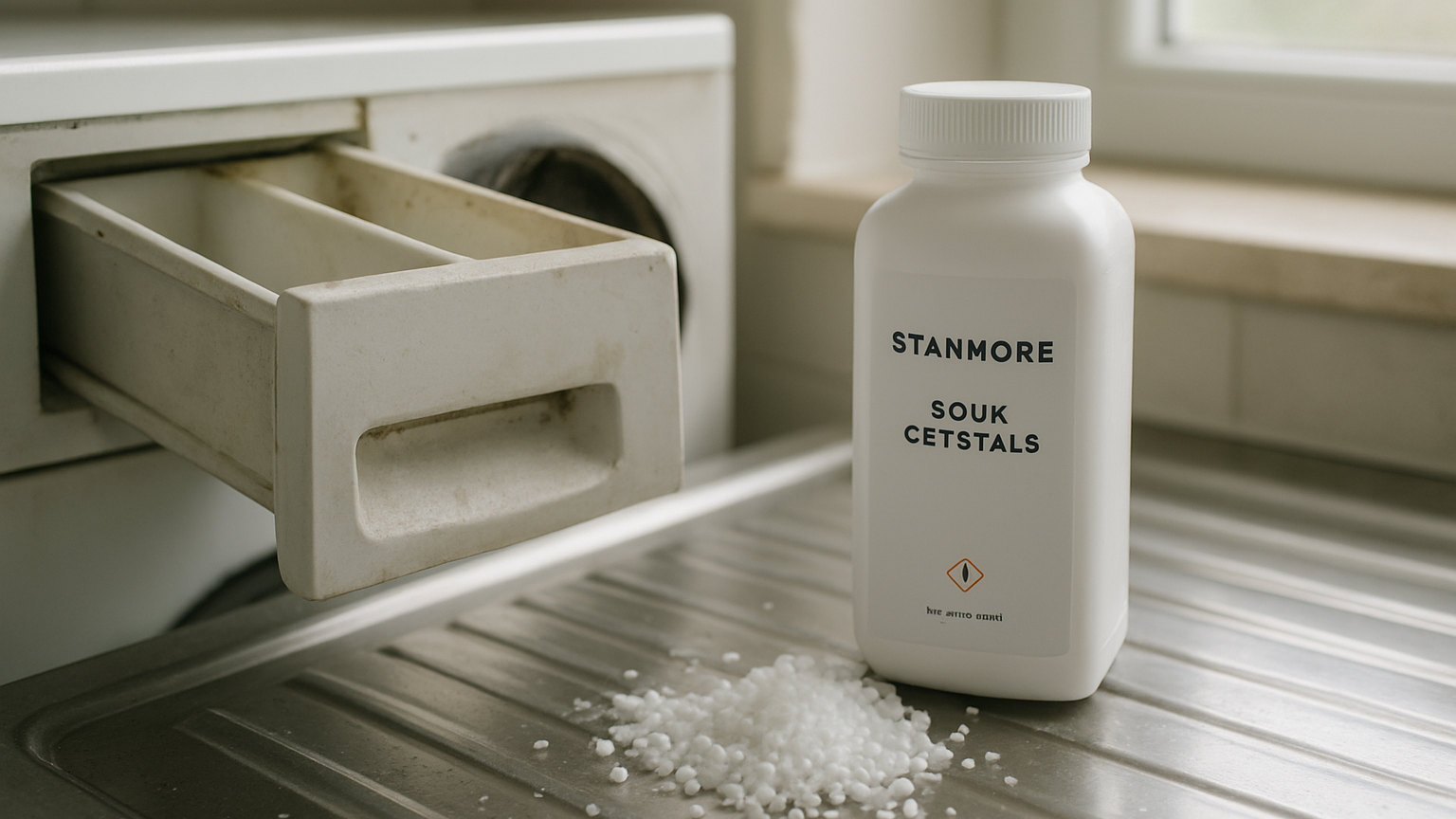
Half a cup added to the wash helps neutralise odour and softens the water slightly, which improves detergent performance. It works alongside vinegar rather than at the same time, since combining them in the same step neutralises both.
Use vinegar for the soak and bicarbonate in the wash, or the other way round, but not together.
How should sports kit be dried?
Quickly and never in a hot dryer. Heat sets any remaining odour into synthetic fibres and degrades the elastane. Air dry it, ideally outdoors where ultraviolet light helps, and turn it inside out so the inner face gets the air.
When is a garment beyond saving?
When it smells strongly even after a vinegar soak and a proper wash, which means the residue has bonded through the fibre. Antimicrobial treatments on some fabrics also wear out over time. At that point the kit has done its job, and it is worth replacing rather than continuing to treat.
Does the washing machine matter here?
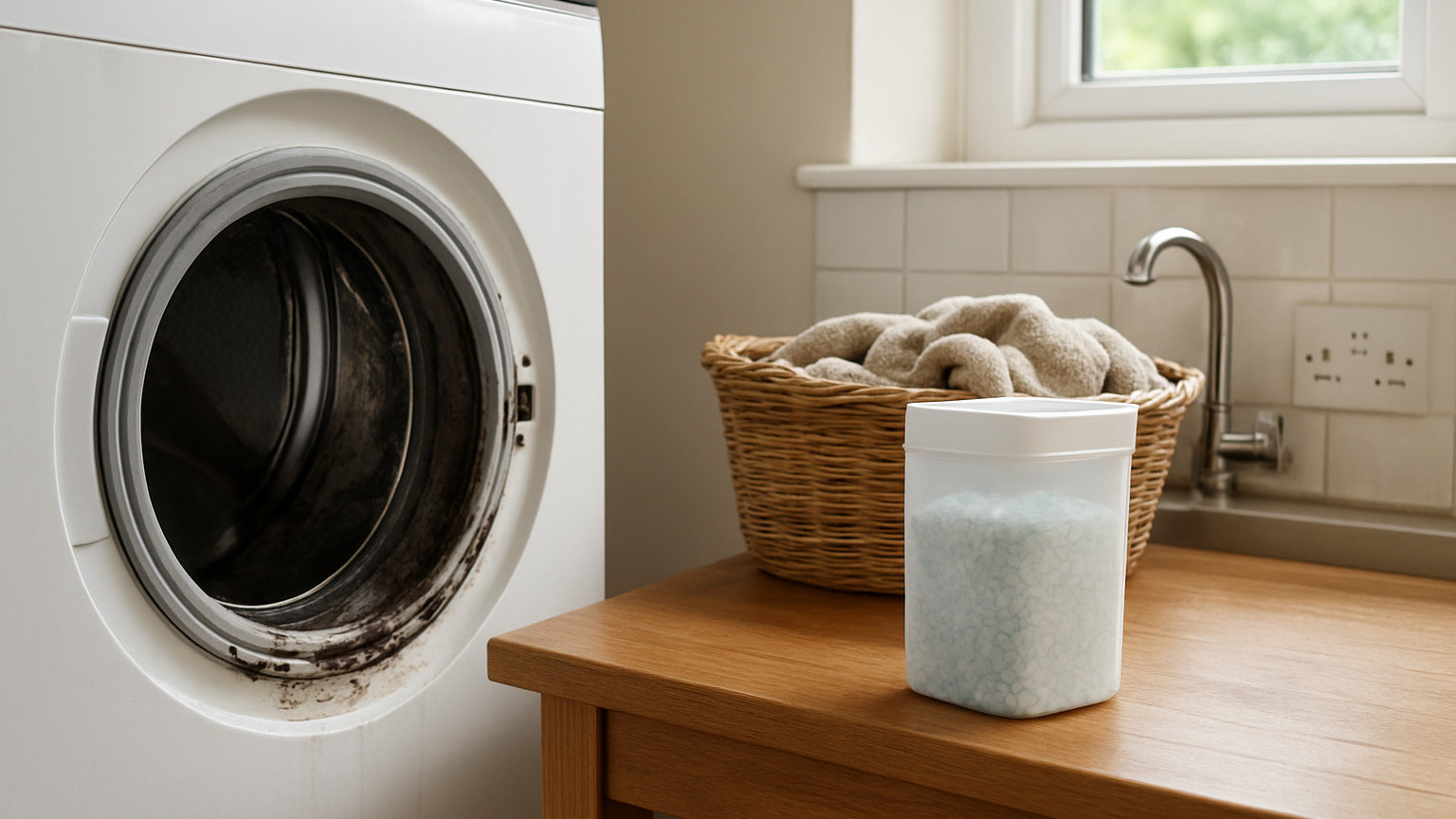
It does, and it is often overlooked. A machine carrying its own biofilm will transfer odour into technical fabrics more readily than into cotton, because the synthetic fibres hold onto it. If sports kit smells straight out of a clean cycle, run a hot maintenance wash and clean the seal before blaming the clothes.