How Do You Clean a Dishwasher Filter?
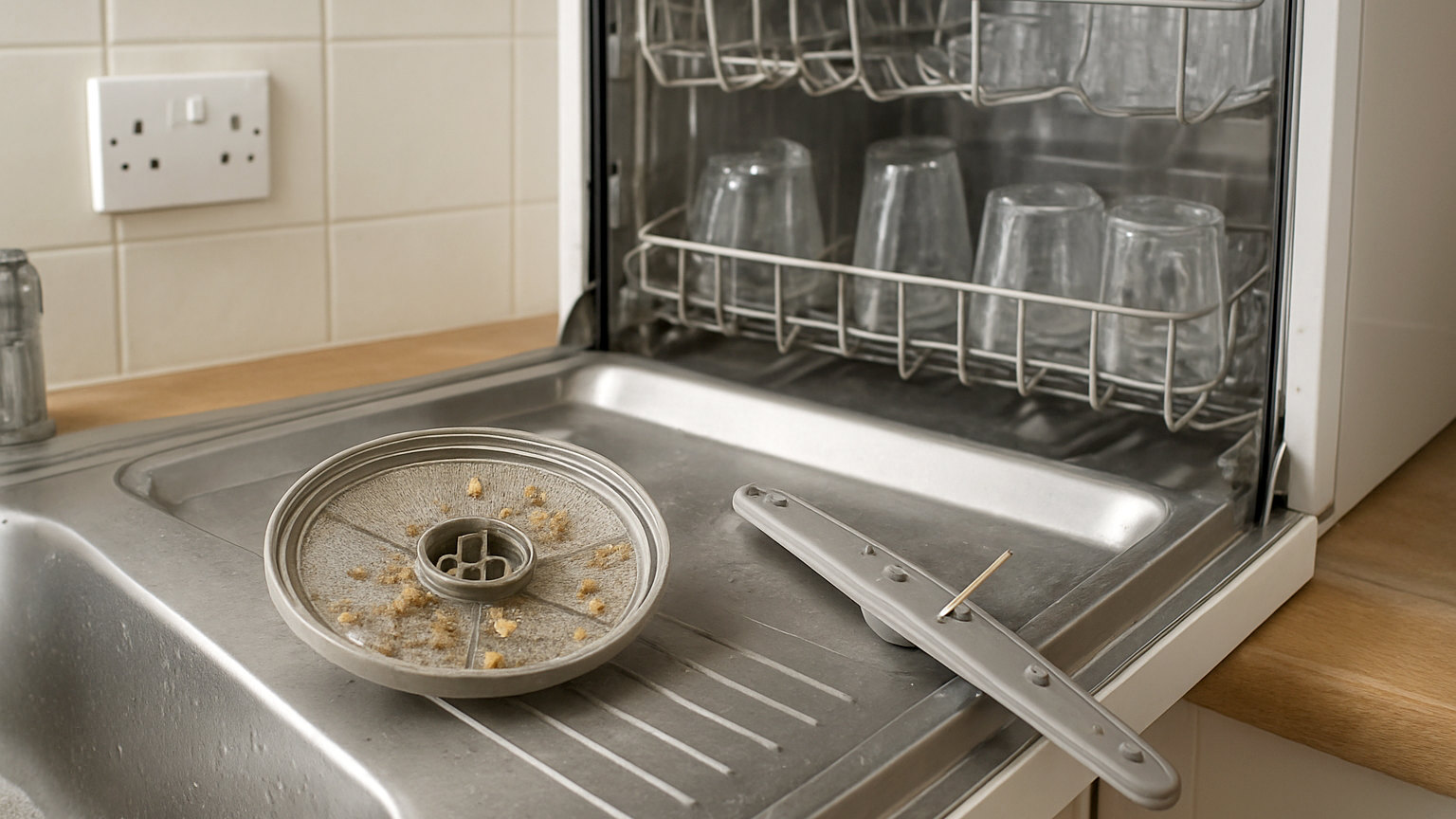
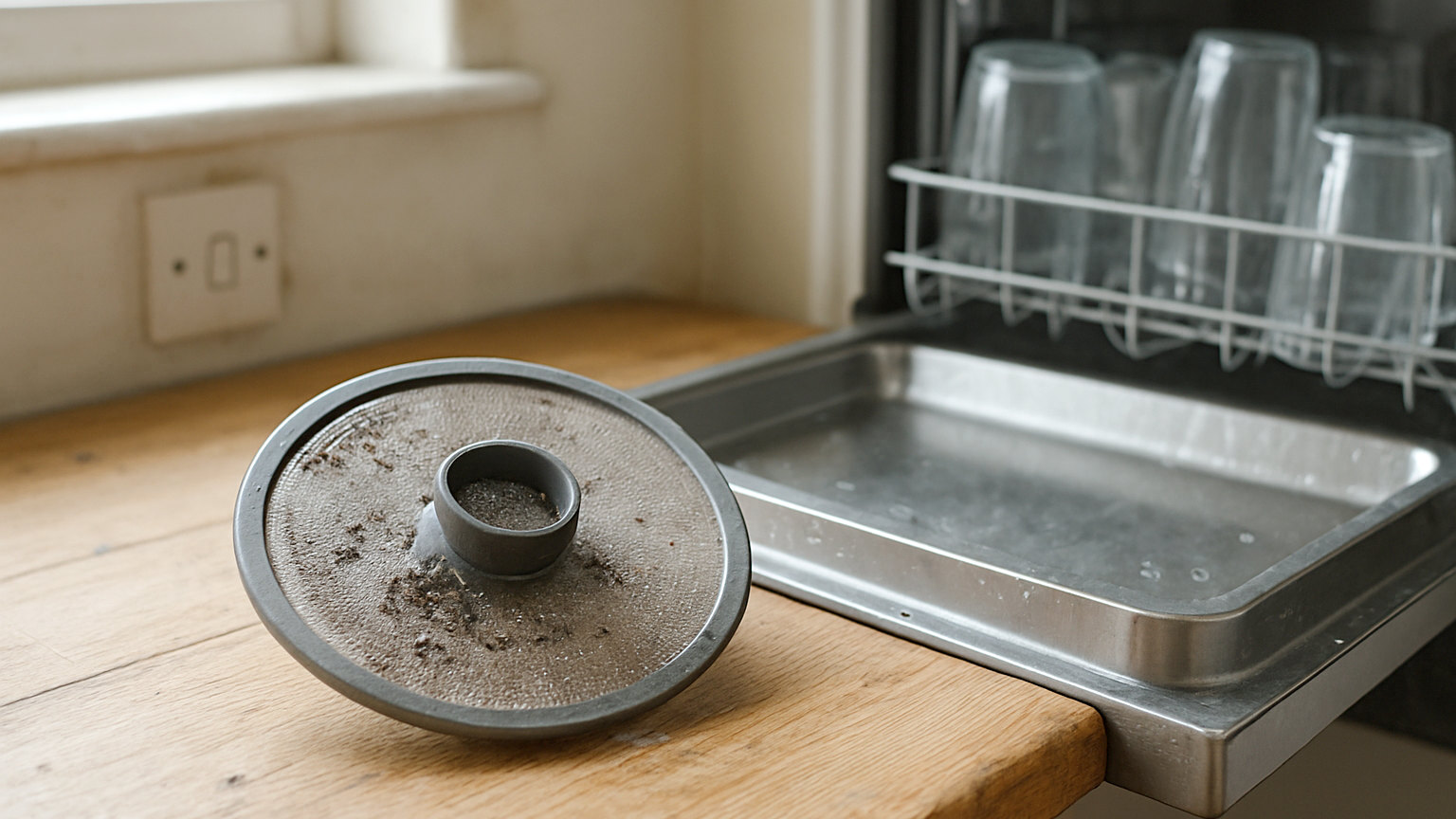
It lifts out in a few seconds, it holds everything the machine has washed off your plates, and most people have never touched it.
By Cleaning Guides Team
13 Nov 2024

Appliances mostly fail for want of cleaning rather than for want of repair, and worktops are ruined more often by the wrong cleaner than by wear. These guides cover the machines that need descaling or a maintenance wash, the ones that quietly stop working properly when a filter is blocked, and which cleaners are safe on which surface - because the answer for granite, laminate, wood and stainless steel are four different things.
It lifts out in a few seconds, it holds everything the machine has washed off your plates, and most people have never touched it.
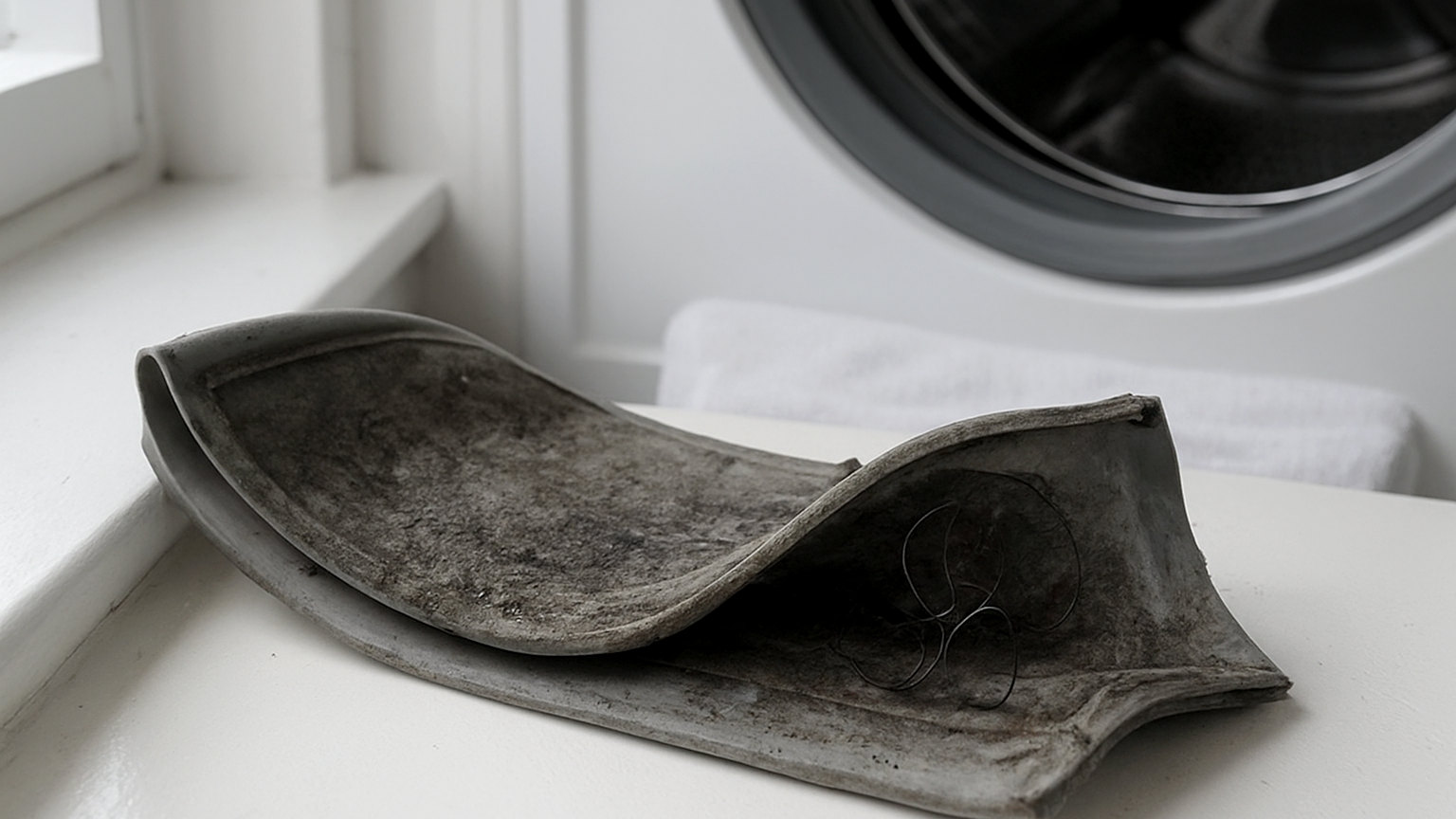
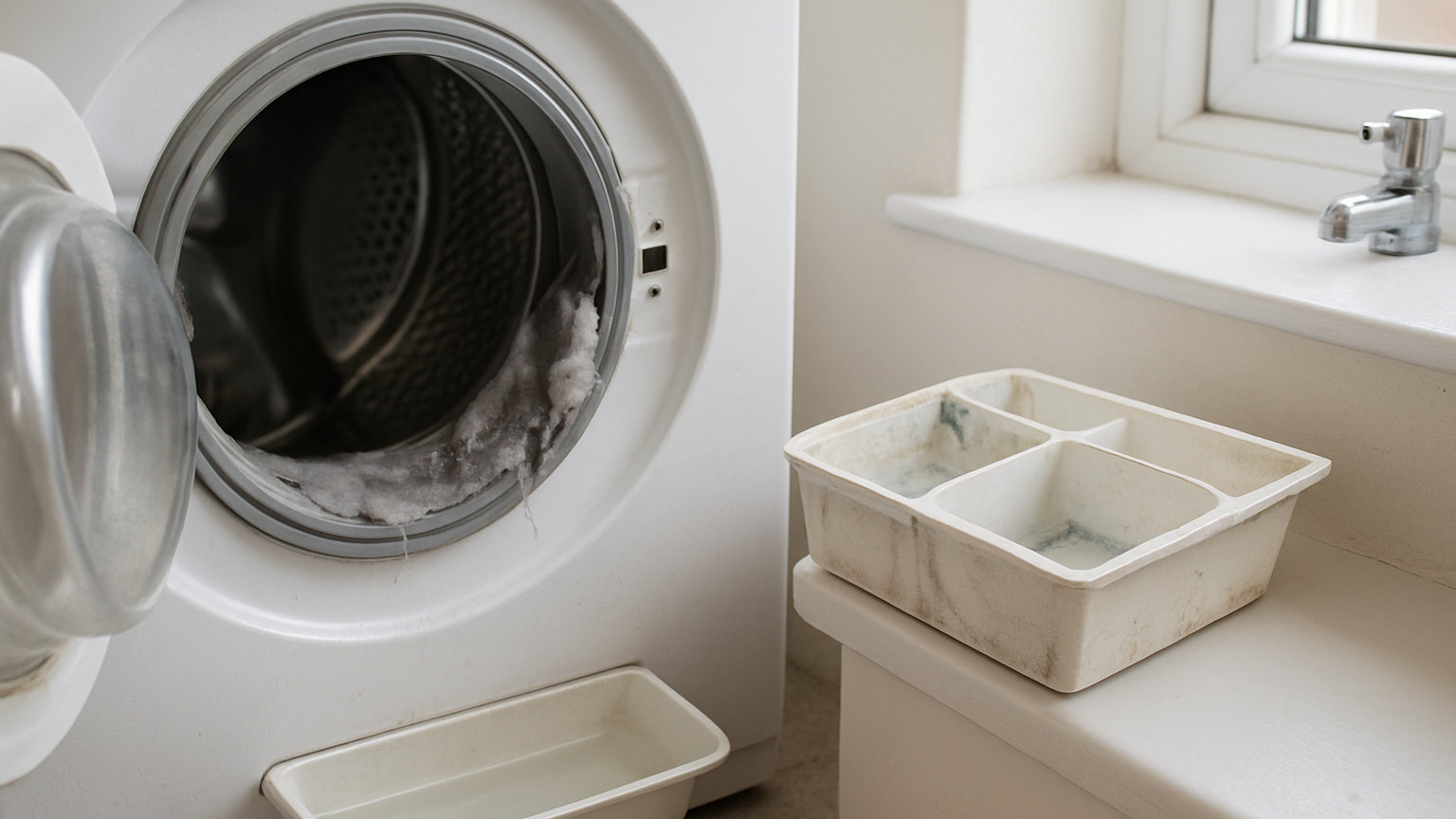
The fold at the bottom of the door seal holds water permanently, and it is where almost every washing machine smell begins.
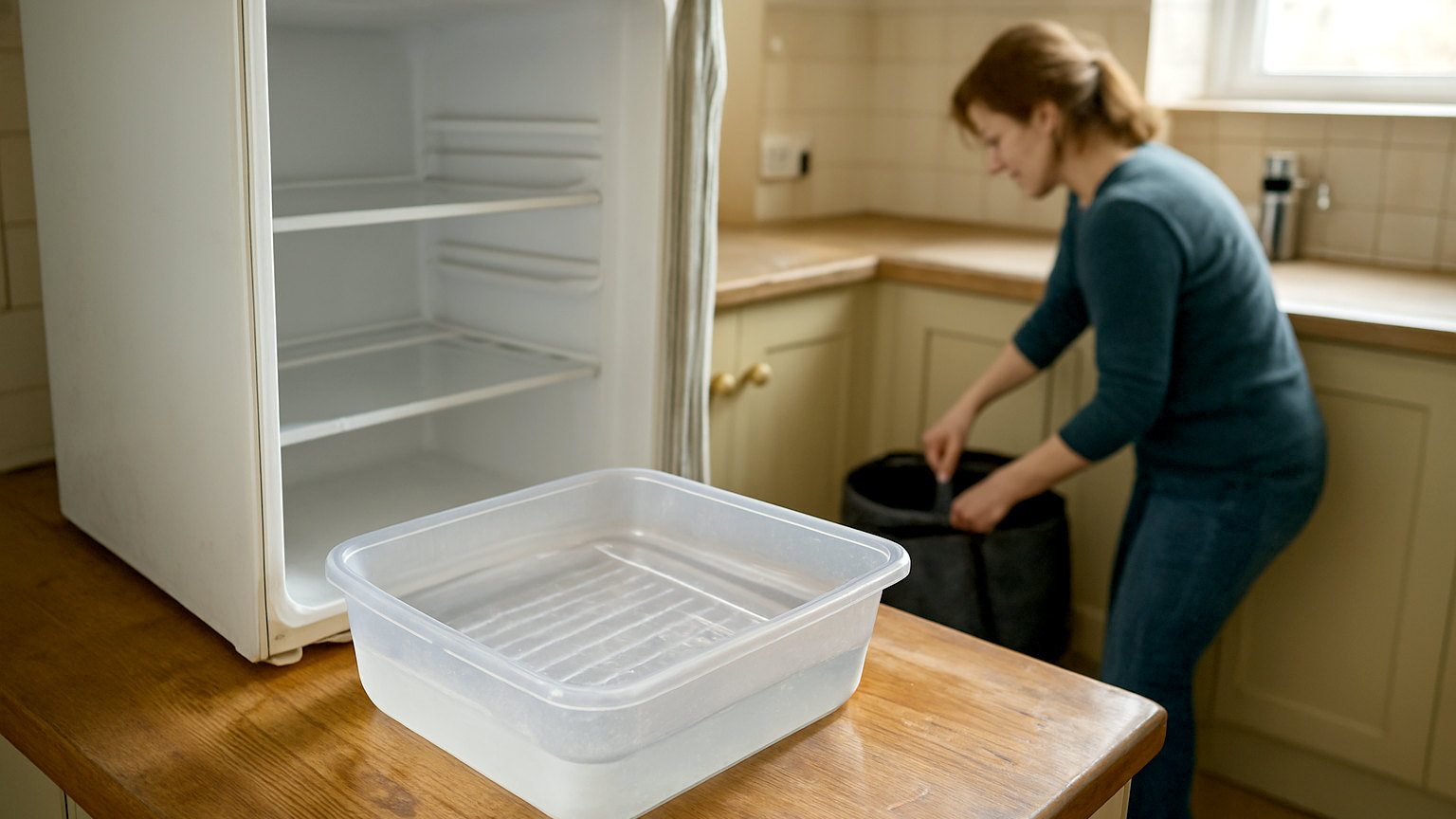
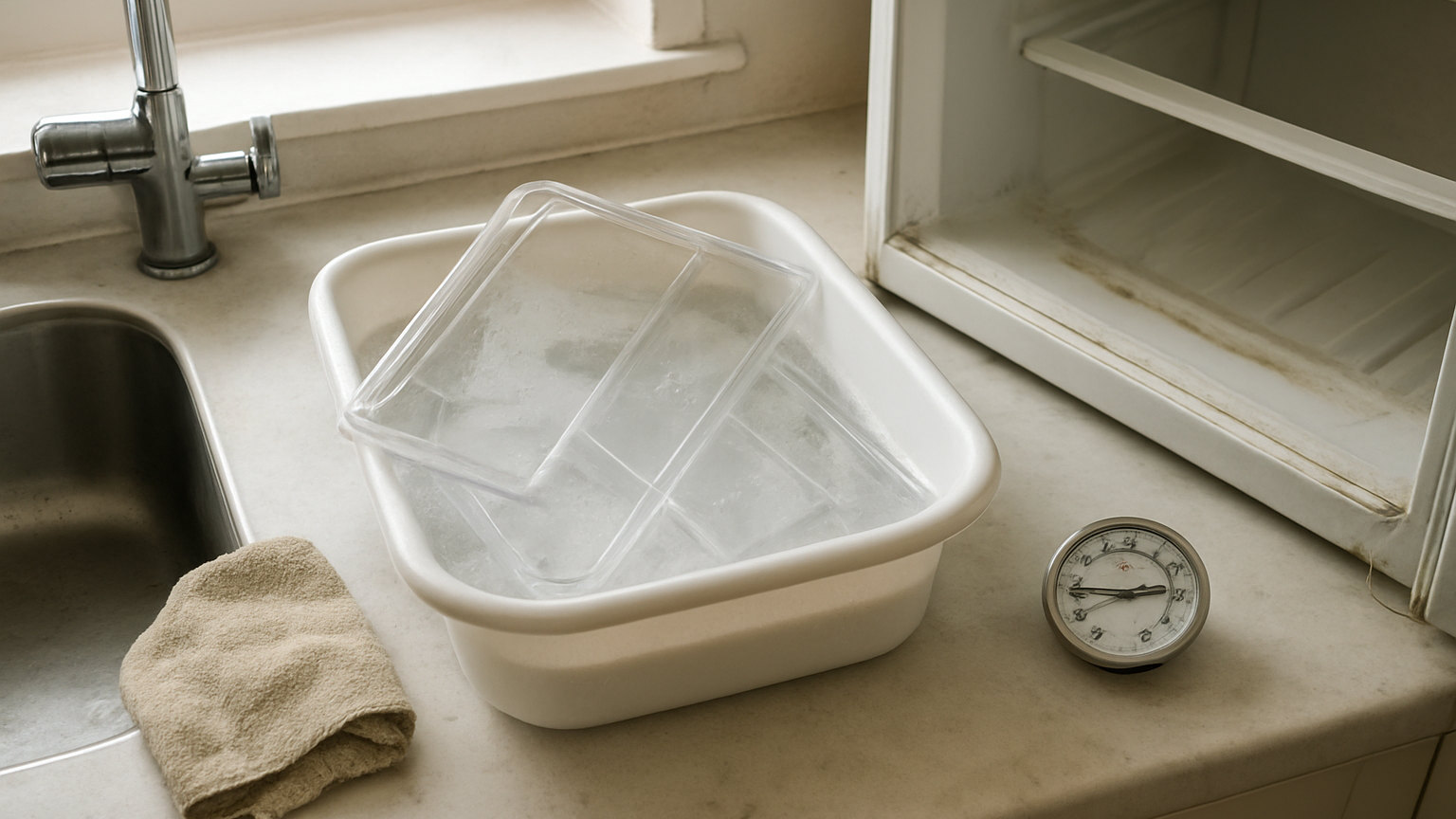
A weekly five minute check prevents almost every fridge problem, and a full clean four times a year is enough for most households.
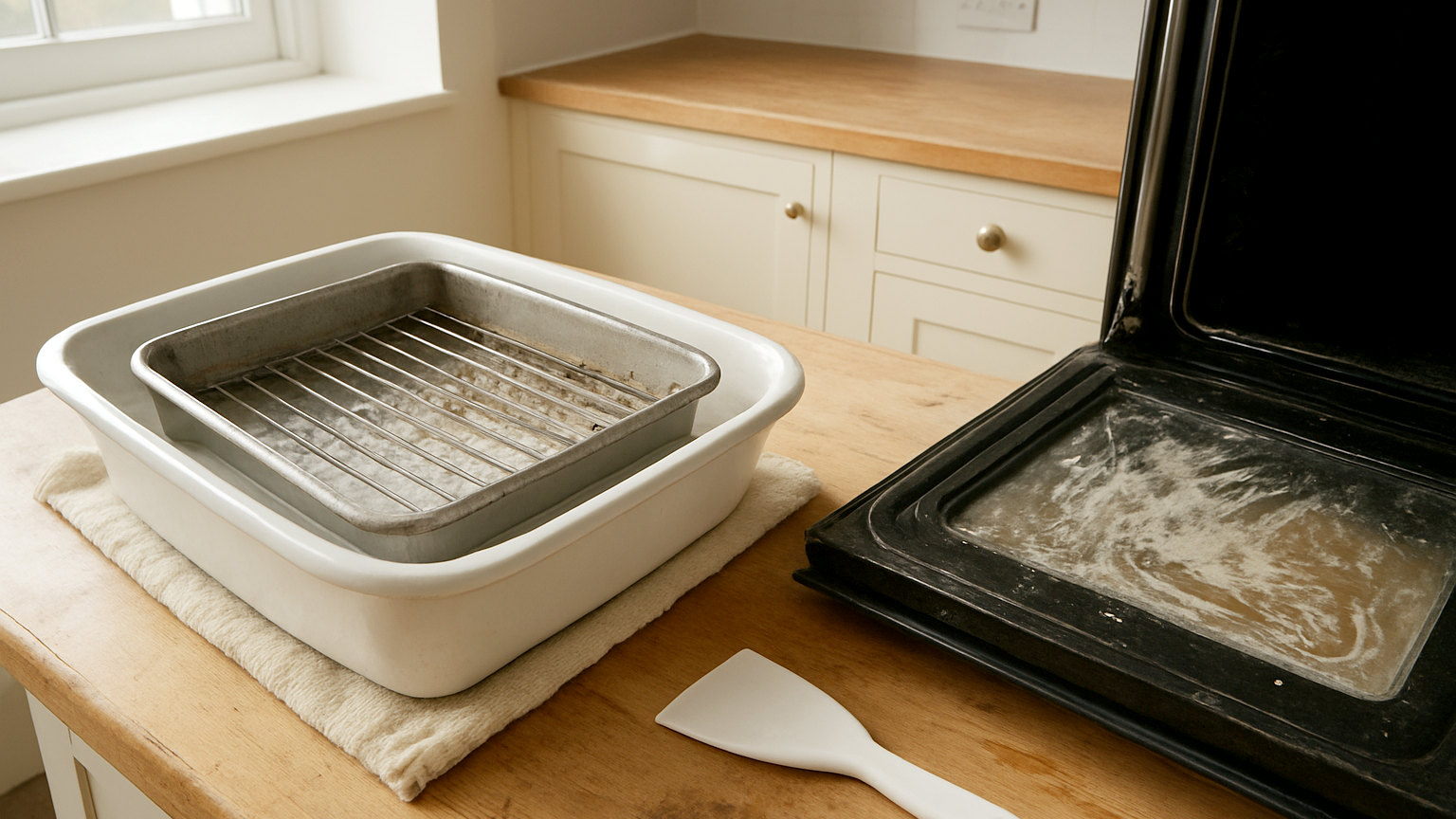
Bicarbonate of soda and time do most of what a caustic cleaner does, provided you are prepared to leave it overnight rather than work at it.
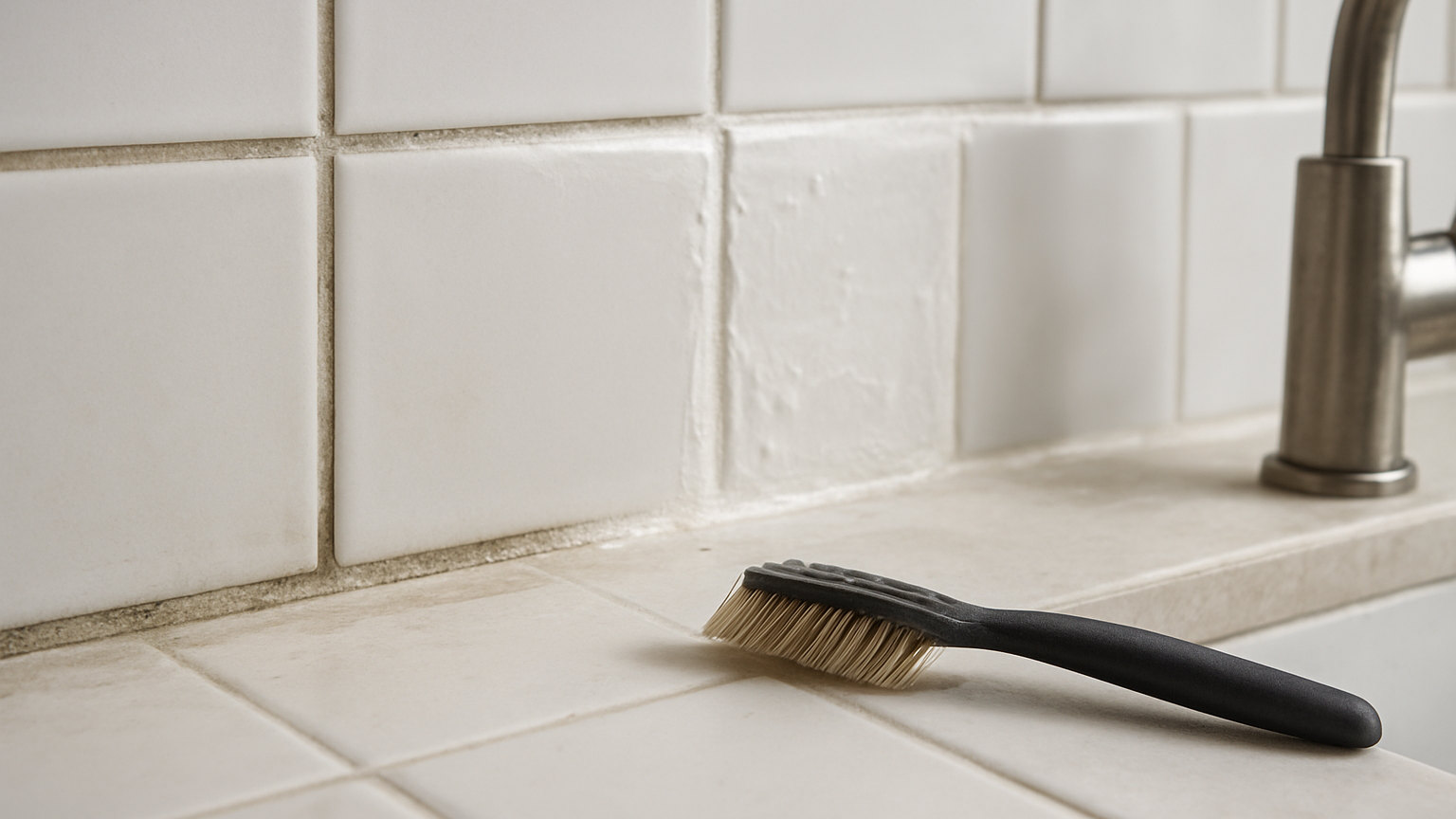
Tiles are easy and the grout between them is not, which is why a wall that has been wiped for years still looks dirty.
Stainless steel is not stain proof, and most of the damage people see is scratching from the wrong cloth rather than anything chemical.
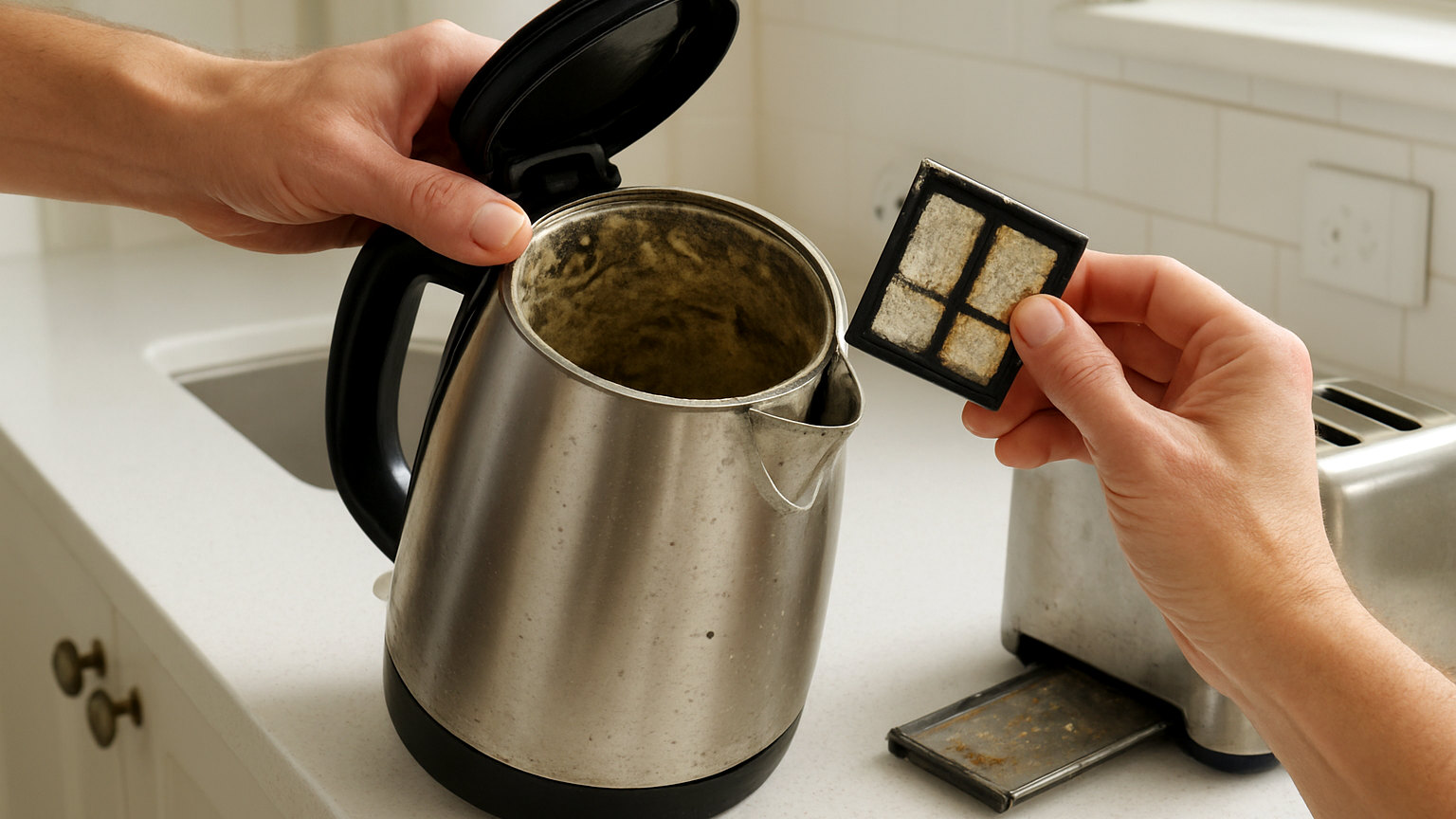
Scale on the element makes a kettle slower and noisier, and the cheapest remedy costs pence and takes twenty minutes of waiting.
A dishwasher does not clean itself, and the filter at the bottom is where almost every problem with one begins.
A machine that washes everything else still needs cleaning, and the four parts that matter are all outside the drum.
A fridge is a food preparation surface as much as a storage box, and it is the one appliance where cleaning is a food safety job rather than a cosmetic one.
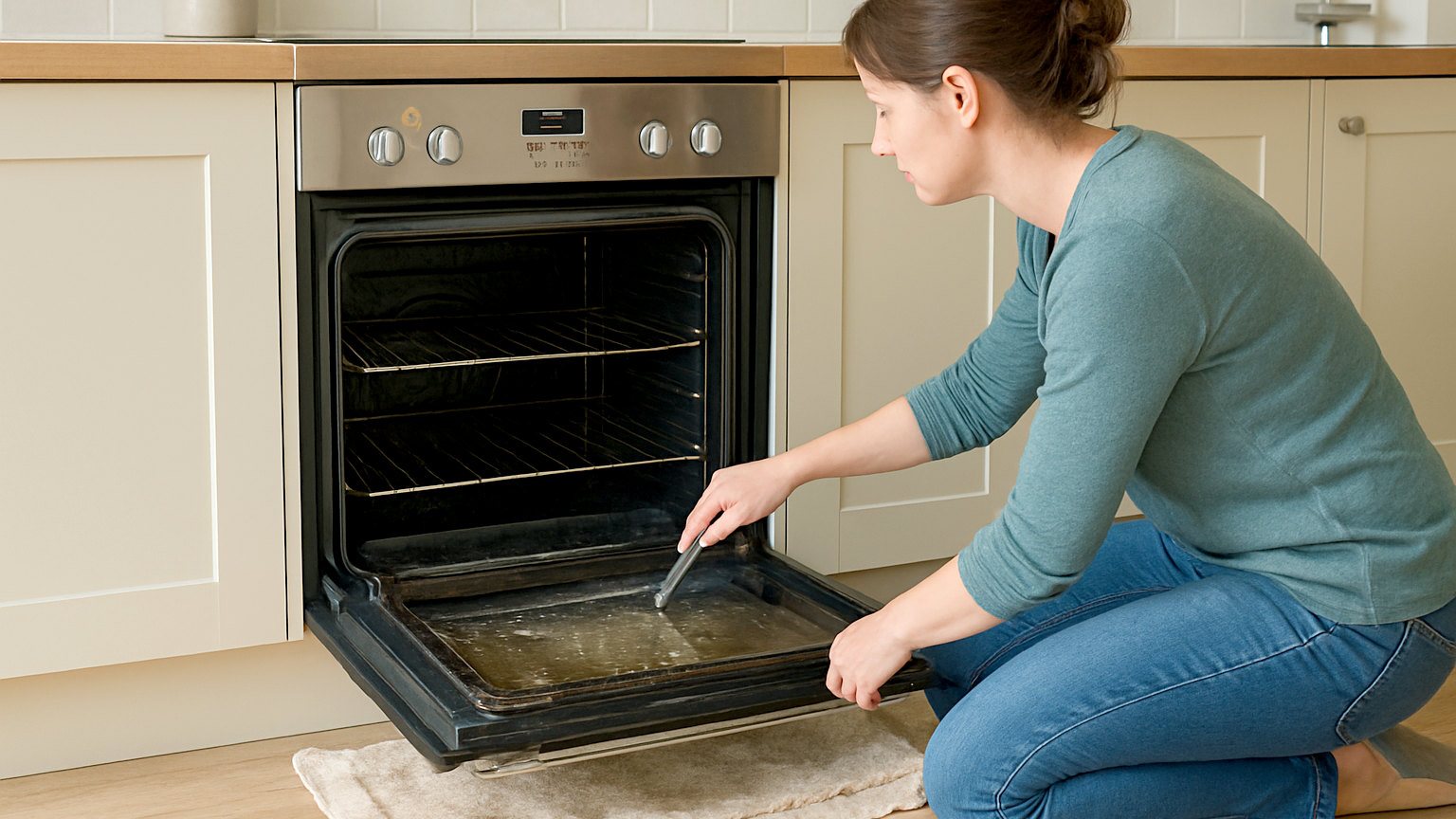
An oven cleaned three times a year never needs a difficult clean, and the reason people dread the job is that they leave it until it is one.