How Do You Clean Floors With Pets in the House?
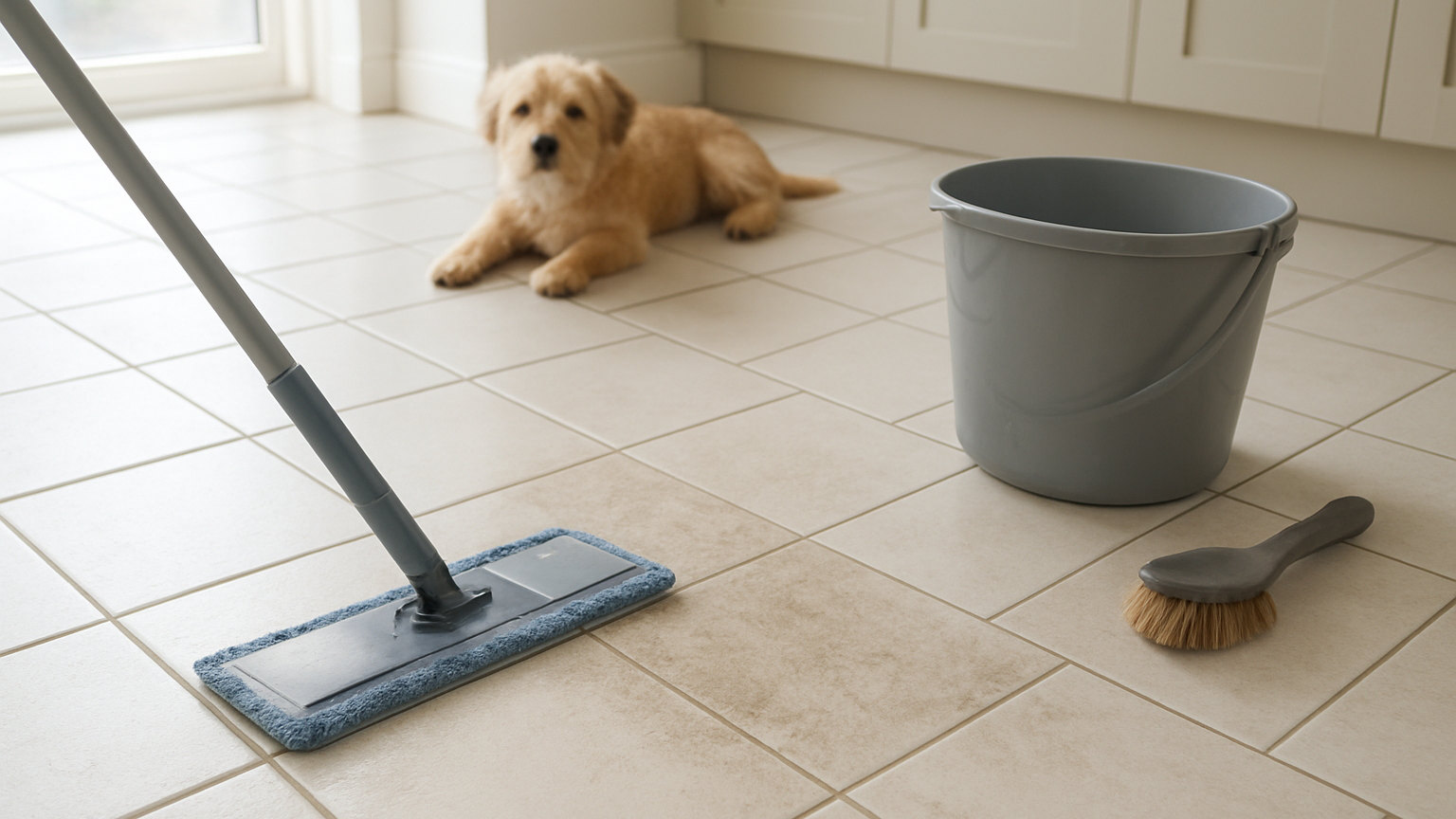
Pets change the frequency rather than the method, except in one respect: urine needs an enzyme cleaner, and nothing else will remove the smell.
Cleaning a whole house at once is how people end up doing it badly and resenting it. These guides work room by room, in the order that wastes the least effort - top down, dry before wet, and leaving the floor until last. Each one sets out what actually needs doing weekly, what can wait a month, and what most people do far more often than they need to.
Pets change the frequency rather than the method, except in one respect: urine needs an enzyme cleaner, and nothing else will remove the smell.
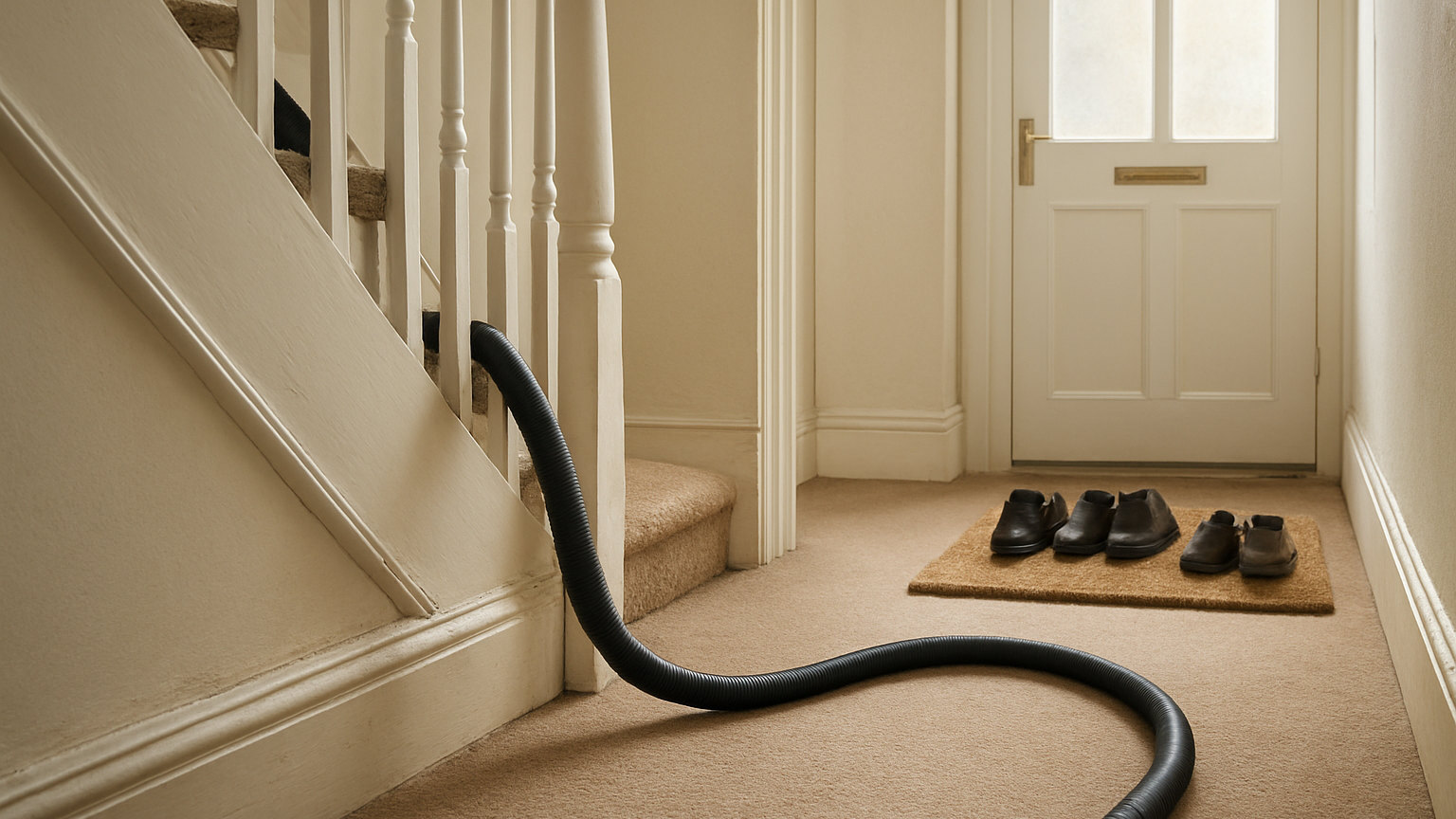
Grit is what damages a wooden staircase, and water is what damages the finish, so the order of the job matters more than the products used.
Dusting around objects takes three times as long as dusting a clear shelf, which is why the fastest method starts by taking everything off.
Curtains hold a great deal of dust and are usually washed once a decade. Most of the benefit comes from vacuuming them where they hang.
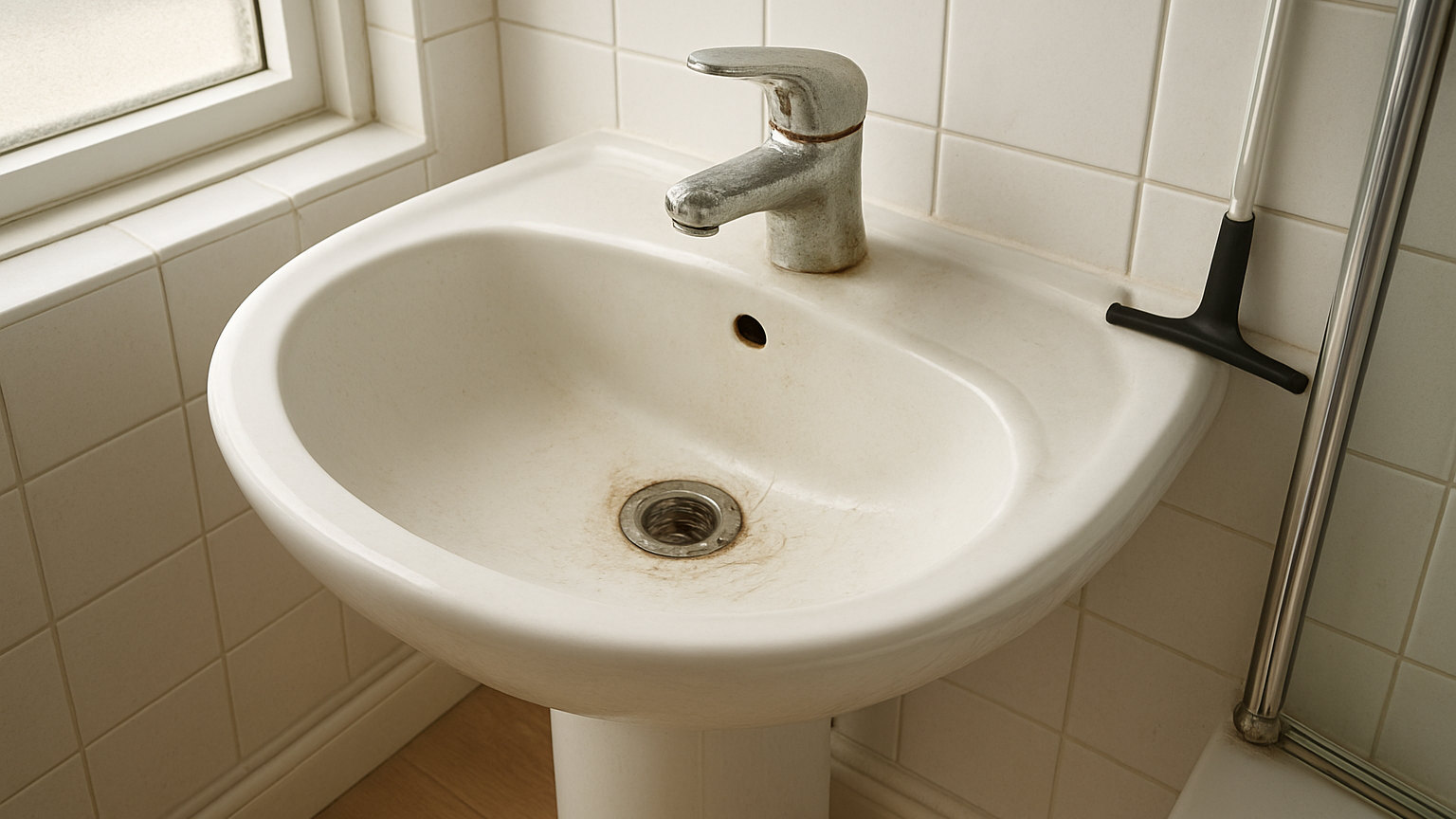
Bathroom basins collect toothpaste, soap and hair, and the slow drain that results is almost always hair caught on the plug mechanism rather than a blockage.
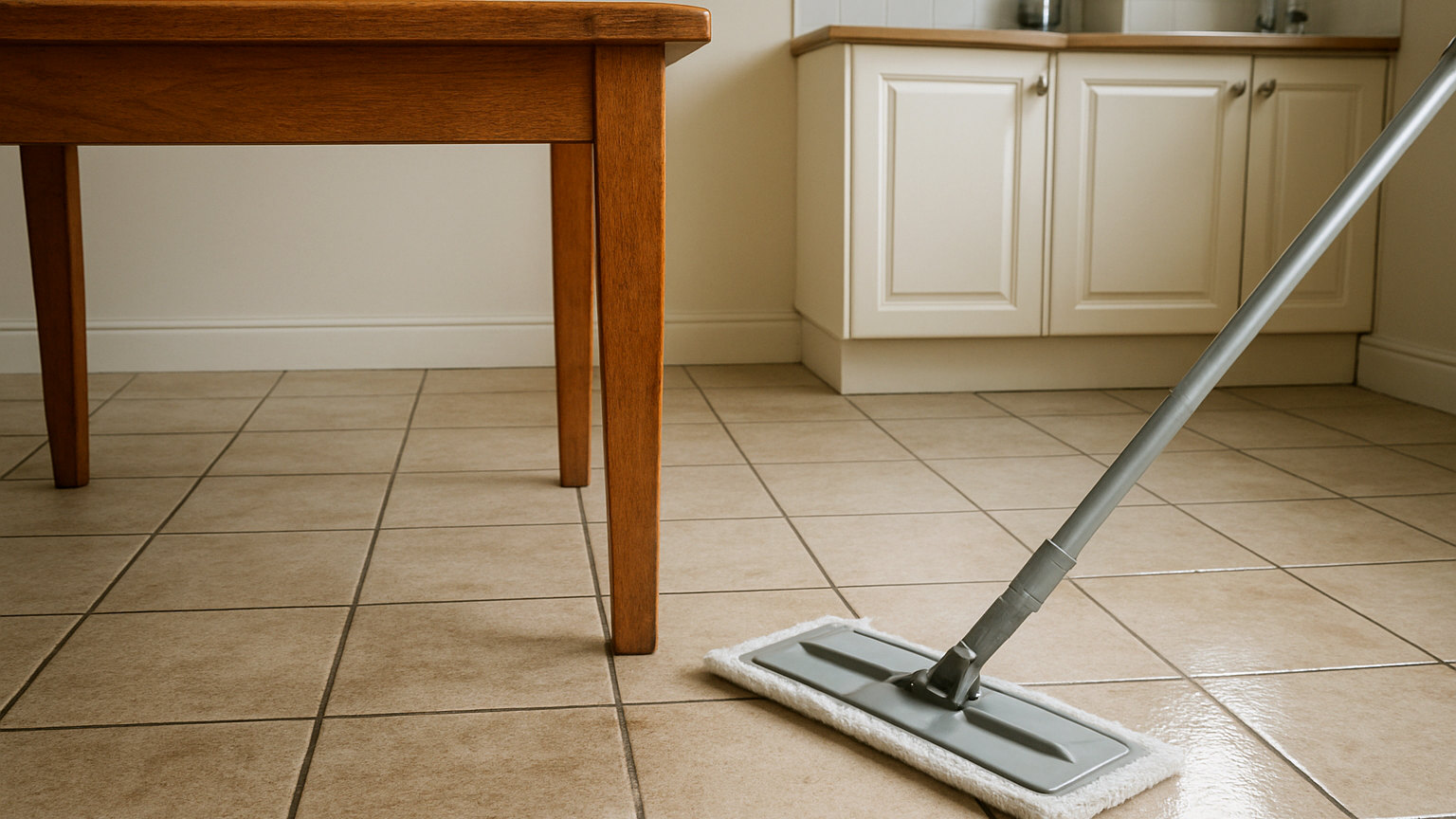
A kitchen floor that is sticky just after mopping is usually suffering from too much product and dirty water, not from a lack of cleaning.
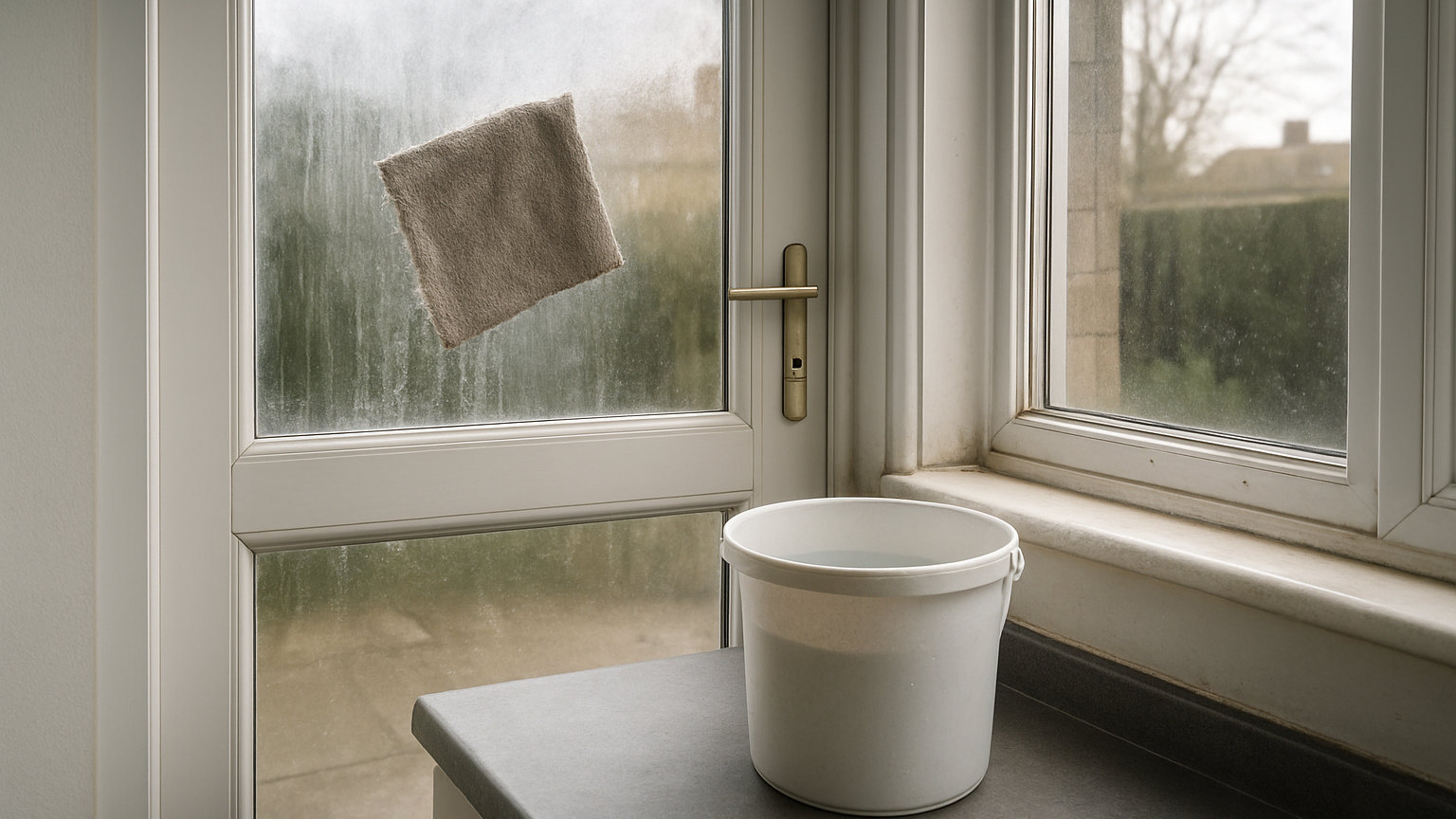
Large areas of glass need a different approach to windows, because the volume of water involved makes the drying stage far more important.
Furniture damages floors in three different ways, and the felt pad that solves one of them does nothing about the other two.
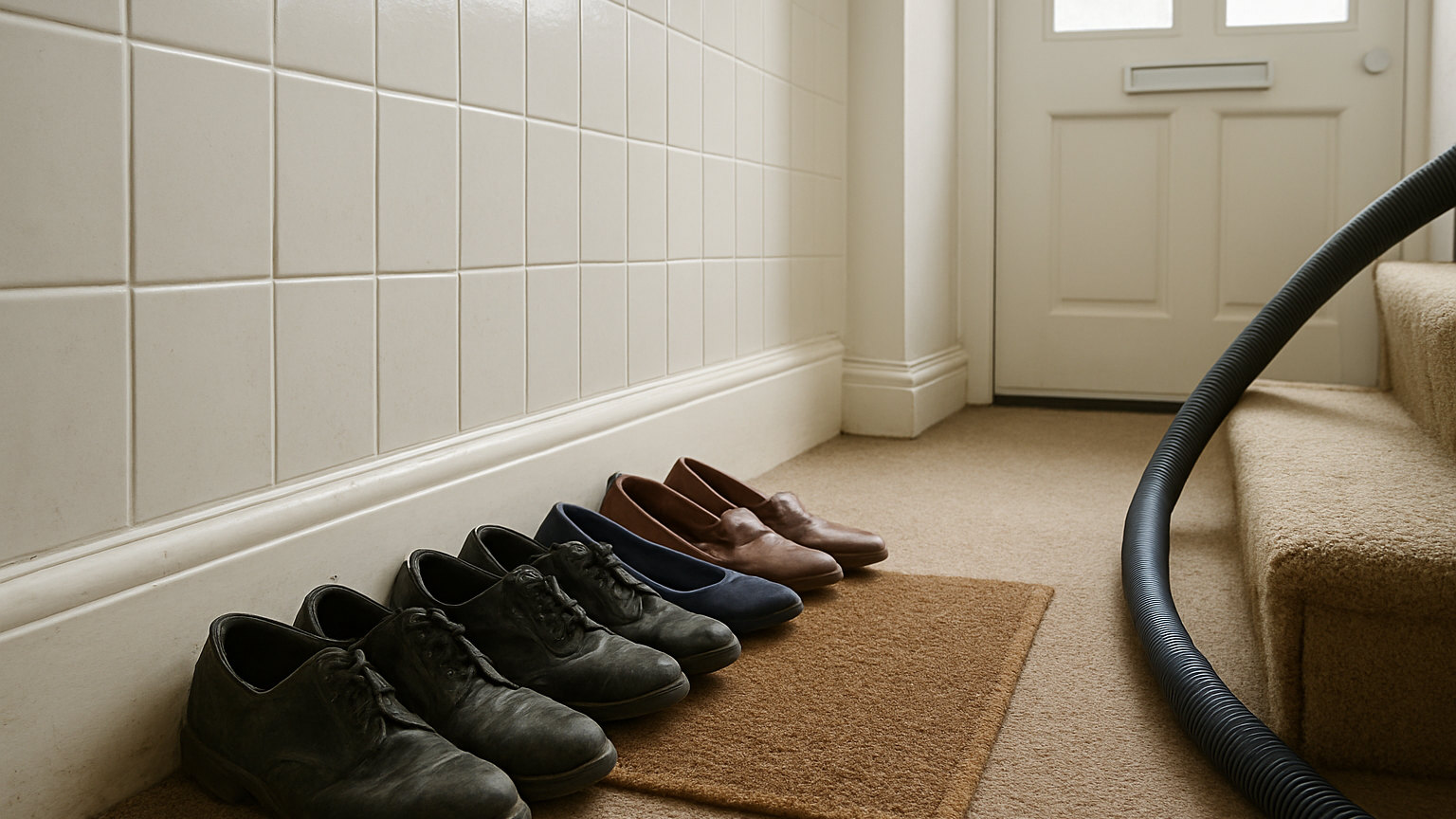
A hallway overwhelmed by coats and shoes almost always has too many in circulation rather than too little storage.
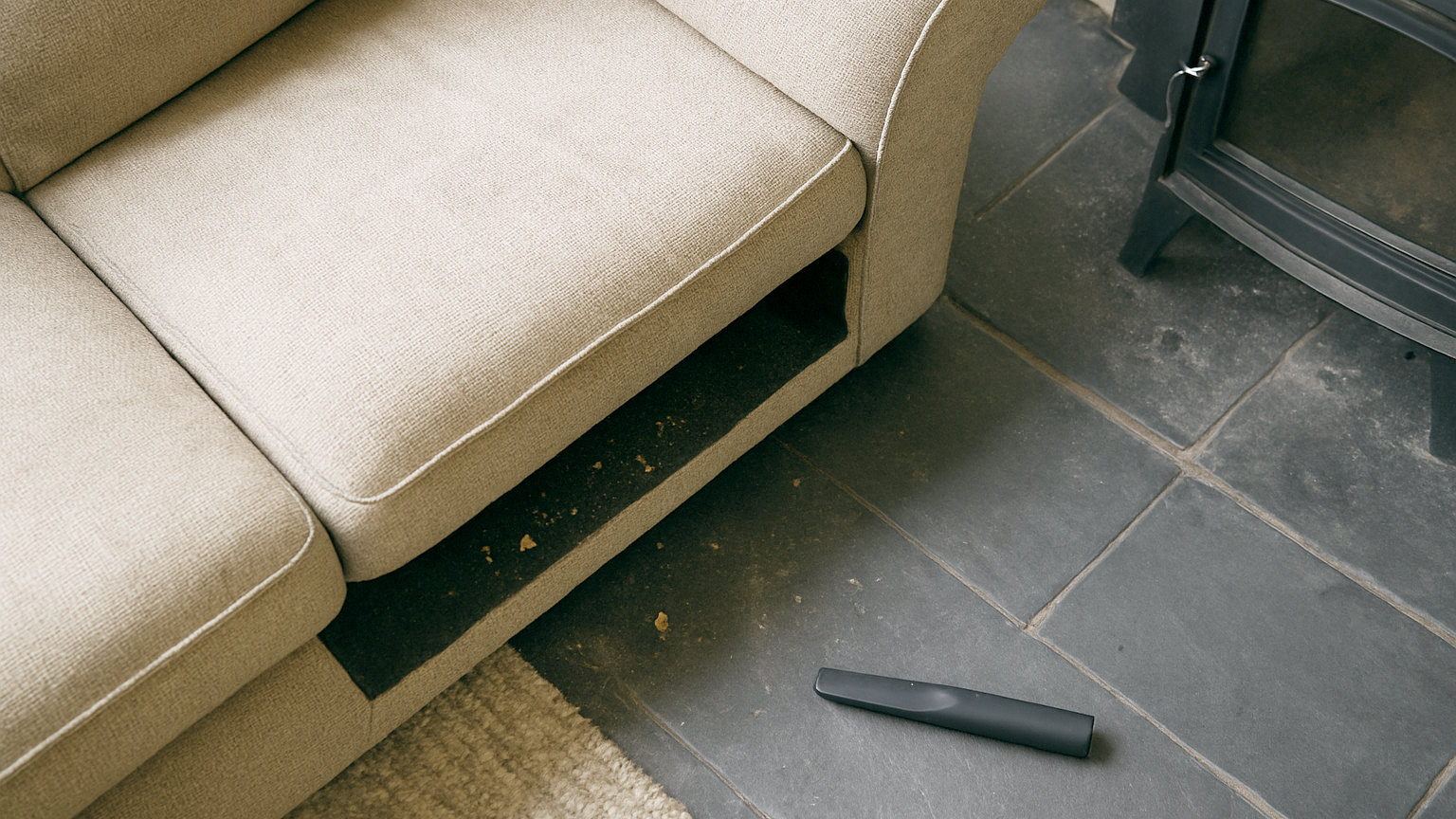
A thin bed of ash is worth keeping, the glass cleans with ash itself, and the jobs that matter most happen once a year rather than weekly.
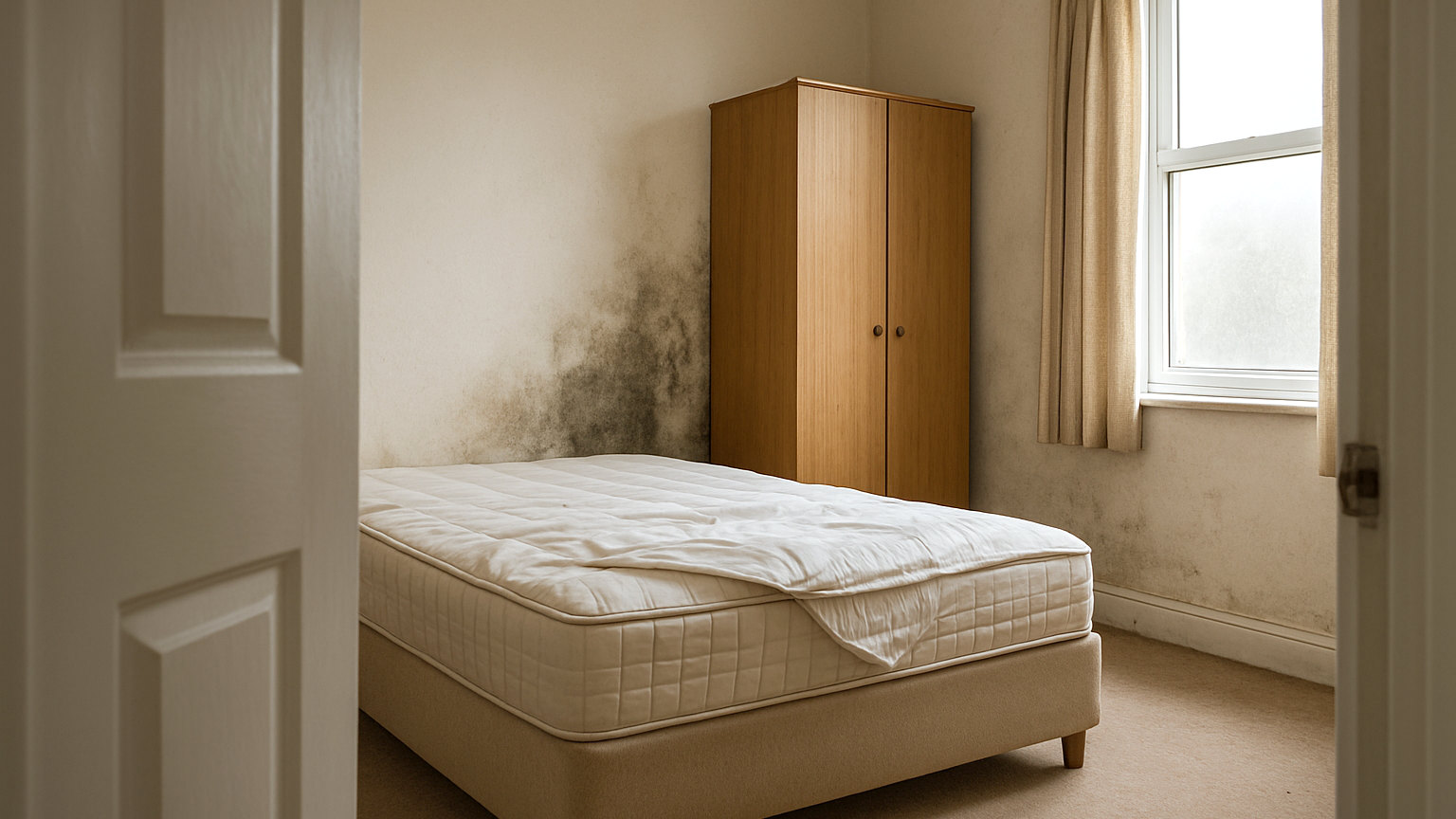
Mould behind furniture on an external wall is condensation, not a leak. The wall is cold, the air cannot move, and moisture settles there first.
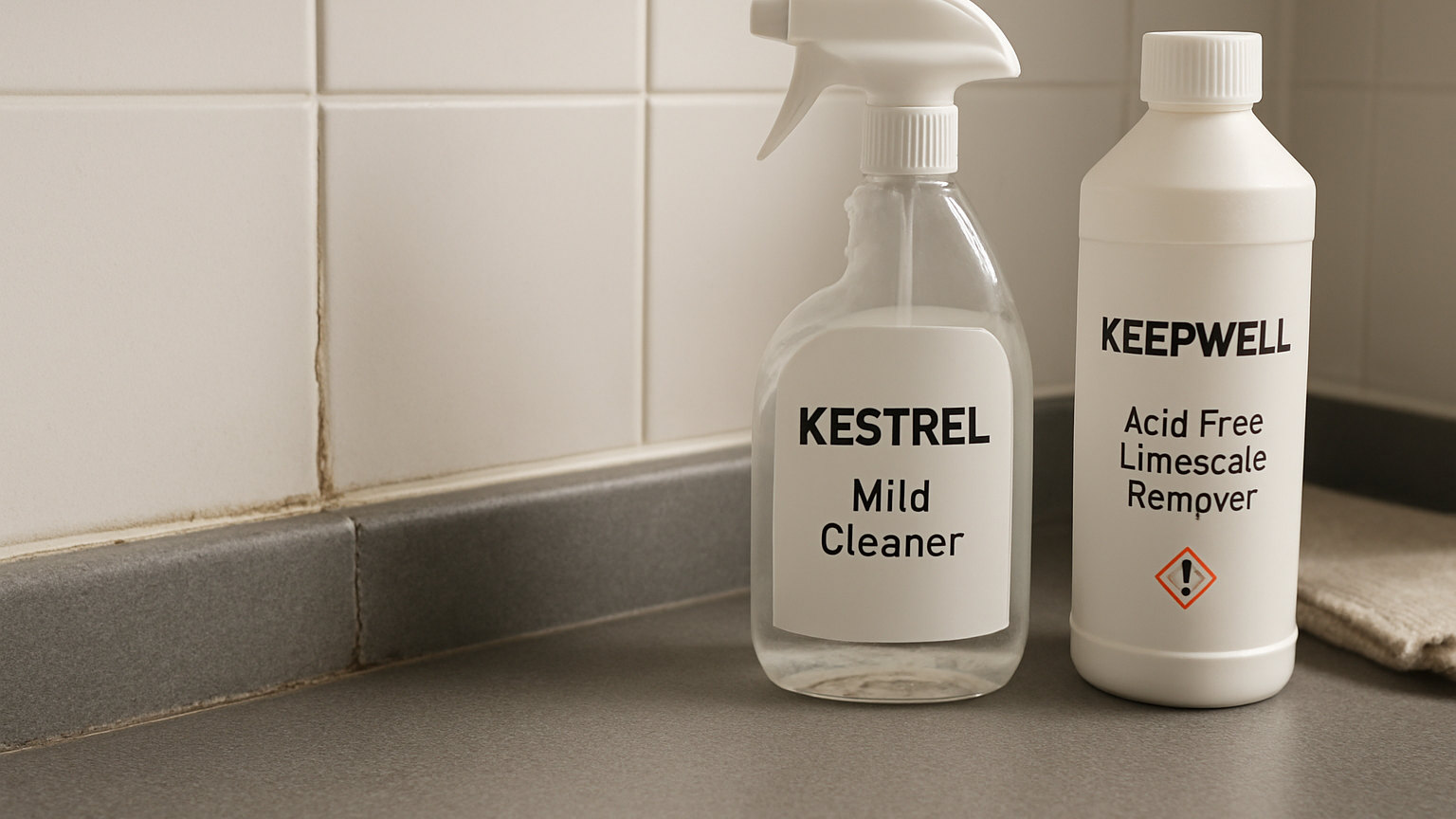
More bathrooms are damaged by the wrong cleaner than by wear. Acid, bleach and abrasives each ruin a different set of surfaces permanently.