Construction dust is not ordinary dust. It is fine, abrasive, alkaline and present in far greater quantity than anything a household clean deals with, and it settles for days after the work has finished. Cleaning it wrongly, and specifically cleaning it wet too early, is a common way to scratch a brand new floor.
Why must it be removed dry first?
Because plaster and cement dust are mildly abrasive, and dragging a wet mop through them grinds the particles across the surface. On a lacquered wood floor, laminate or polished stone, that produces a network of fine scratches that dull the finish permanently.
Wet plaster dust also turns into a paste that sets, and cement dust is alkaline enough to damage some finishes if it is left in contact with moisture.
What is the correct sequence?
- Ventilate, and keep ventilating. Dust continues to settle for several days.
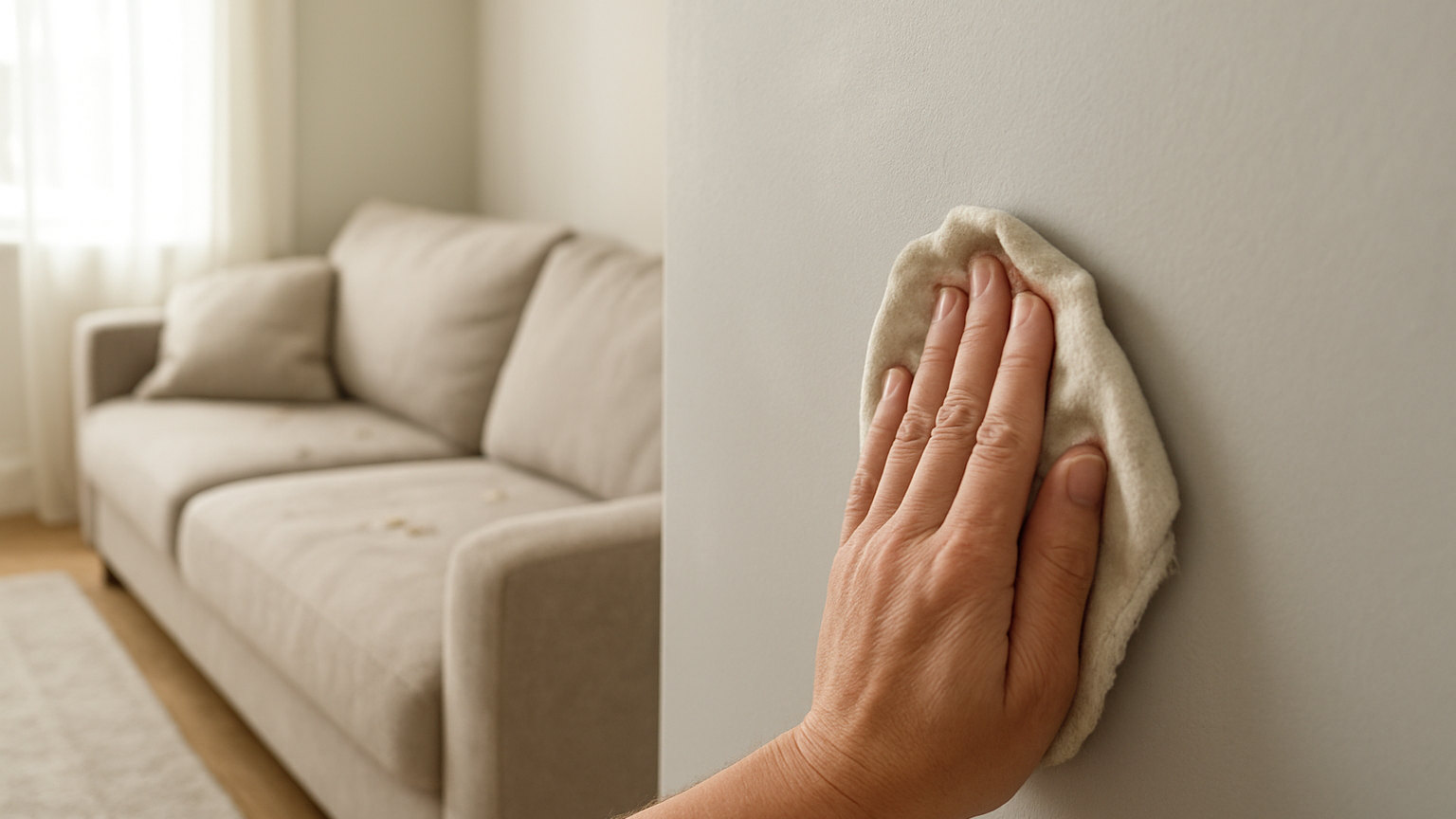
- Work top down: ceilings, walls, window reveals, sills and surfaces before the floor, so you are not cleaning it twice.
- Vacuum the floor thoroughly with a machine that can cope, going slowly and in overlapping passes.
- Vacuum again a day later, and again the day after. Each pass will collect more.
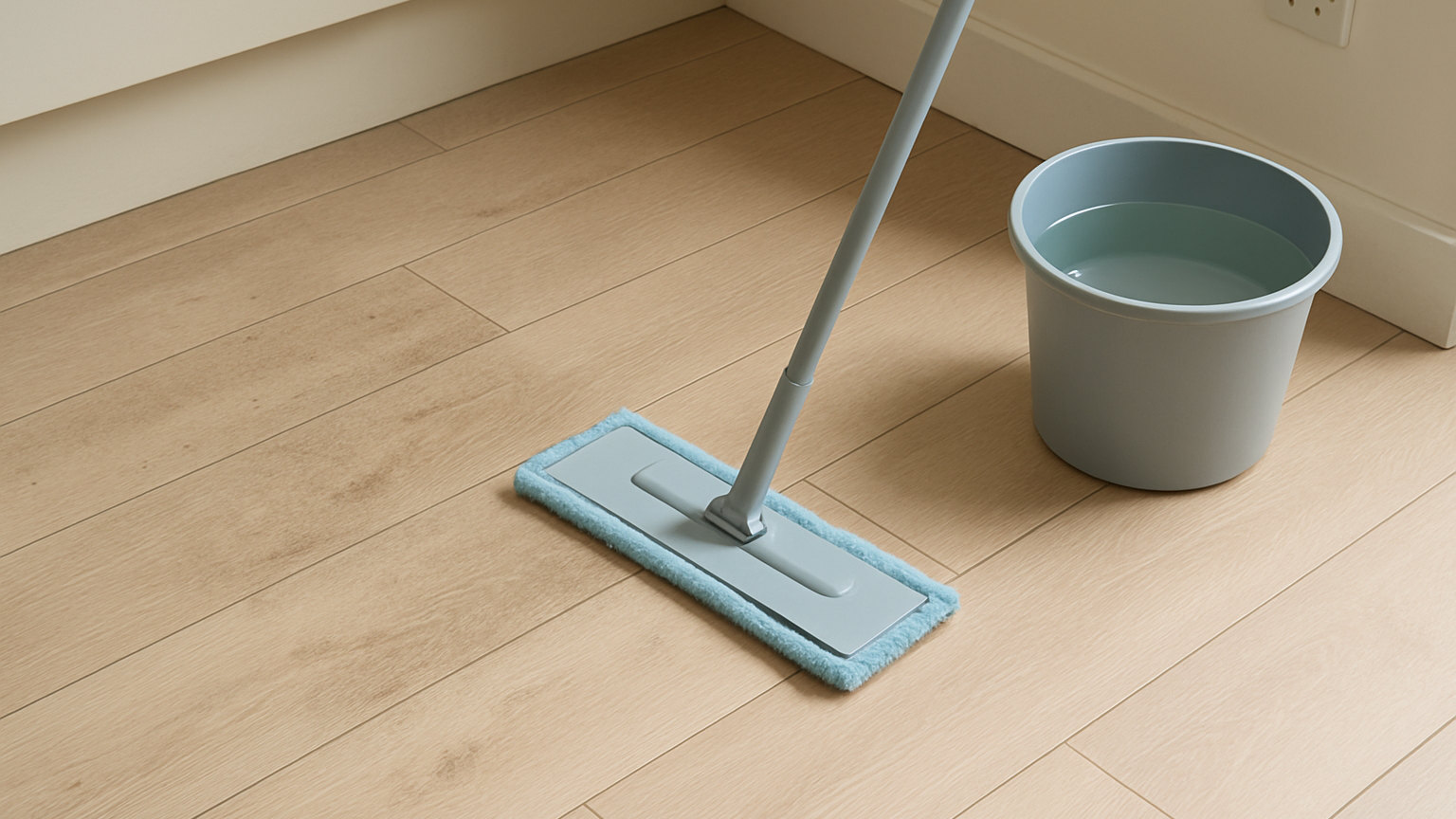
- Only once the dry dust has gone, damp mop with clean water, changing the water very frequently.
- Rinse and dry, then do a final mop with the appropriate cleaner for the floor.
What kind of vacuum should you use?
Ideally a workshop or wet and dry vacuum with a fine dust filter, rather than a domestic machine. Plaster dust destroys ordinary vacuums: it blocks filters within minutes, passes through cheap ones and gets into the motor, and it fills a bag far faster than expected.
If a household vacuum is the only option, use bags rather than a bagless cylinder, change them frequently, clean the filters after every session, and accept that the machine may not survive a large job.
How do you deal with paint splashes?
Emulsion on a hard floor will usually soften with warm water and a little washing up liquid, then lift with a plastic scraper. Work from the edge of the spot inwards and take your time.
Gloss and oil based paint needs more care. White spirit will remove it but will damage vinyl and can affect some lacquers, so test in a hidden spot. On a wood floor, patience with a plastic scraper and warm soapy water is safer than reaching for a solvent.
Never use a metal blade on laminate, vinyl or a lacquered floor.
What about plaster and adhesive spots?
Dried plaster softens with water. Lay a damp cloth over the spot for ten minutes and it will usually lift with a plastic scraper or a fingernail. Tile adhesive and grout haze on stone or tile need a proprietary remover, which must be the right type, since acidic products cannot be used on natural stone.
Silicone smears are best removed mechanically once fully cured, using a plastic blade and a great deal of patience.
How do you protect a floor during the work?
Far more cheaply than you can repair it afterwards. Self adhesive protection film for hard floors, hardboard or corrugated protection board in areas taking traffic and tools, and a dust barrier sheet across doorways to keep dust in one part of the house.
Protecting a new floor before the second fit stage is the single most effective decision in the whole process, and it is the one most often skipped because the floor looks fine at the time.
How long does the dust keep appearing?
A week or two, and considerably longer after a large project. The finest particles stay airborne for hours and settle gradually onto everything, so the cleaning has to be repeated rather than done once and declared finished. Wiping surfaces and vacuuming every couple of days for a fortnight is a far more realistic plan than one exhaustive clean on the final afternoon.