Bedrooms get dusty faster than any other room in a house, and the reason is that most of the dust is generated in the room rather than brought into it. Shed skin cells and fibres shaken loose from bedding, carpet, curtains and clothing make up the bulk of it, which is why a bedroom dusted on Sunday looks dusty again by Wednesday.
Where does bedroom dust come from?
Textiles first. Every time a bed is made, a jumper is pulled on or a carpet is walked across, fibres are released into the air. Skin cells second, shed constantly and in larger quantities than most people imagine. Then outdoor dust and pollen through windows, soil and fibres carried in on feet, and in some homes soot or fine particles from candles and heating.
Understanding the mix matters because it tells you what to change. Reducing outdoor dust barely helps a room whose dust is almost entirely internal.
Which changes actually reduce it?
- Fewer soft surfaces. Heavy curtains, thick rugs, upholstered headboards and piles of cushions all shed and all hold dust that gets released when disturbed.
- Less open clutter. Every object on a shelf is a surface that collects dust and a reason not to wipe the shelf properly.
- Clothes in wardrobes and drawers rather than draped over chairs, where they shed into the room.
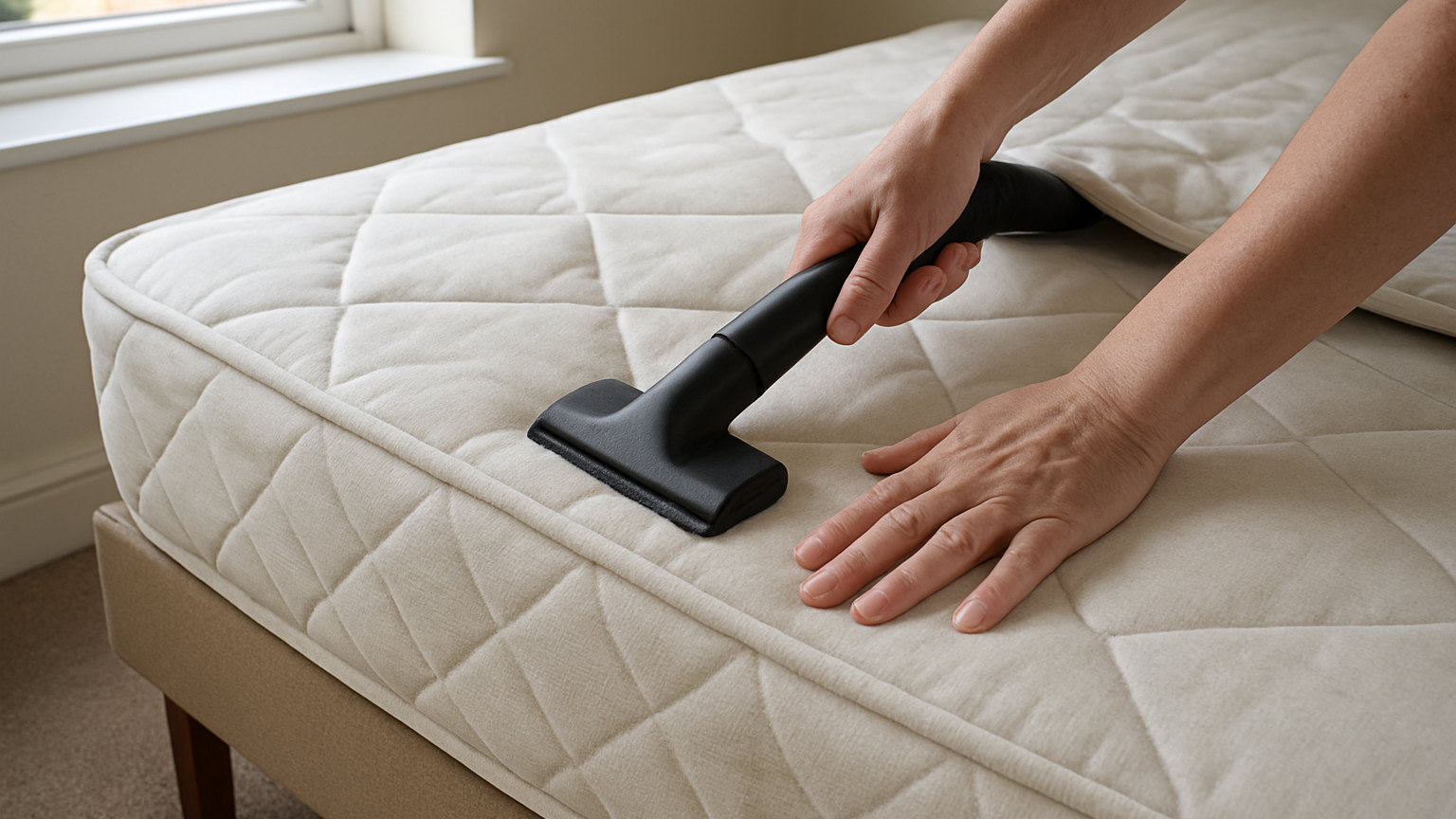
- A vacuum with a sealed system and a good filter, so fine dust is retained rather than blown out of the exhaust.
- Washing bedding weekly, which removes skin and fibre before it can circulate.
- Shaking bedding out of an open window rather than over the bedroom floor.
What is the right way to dust?
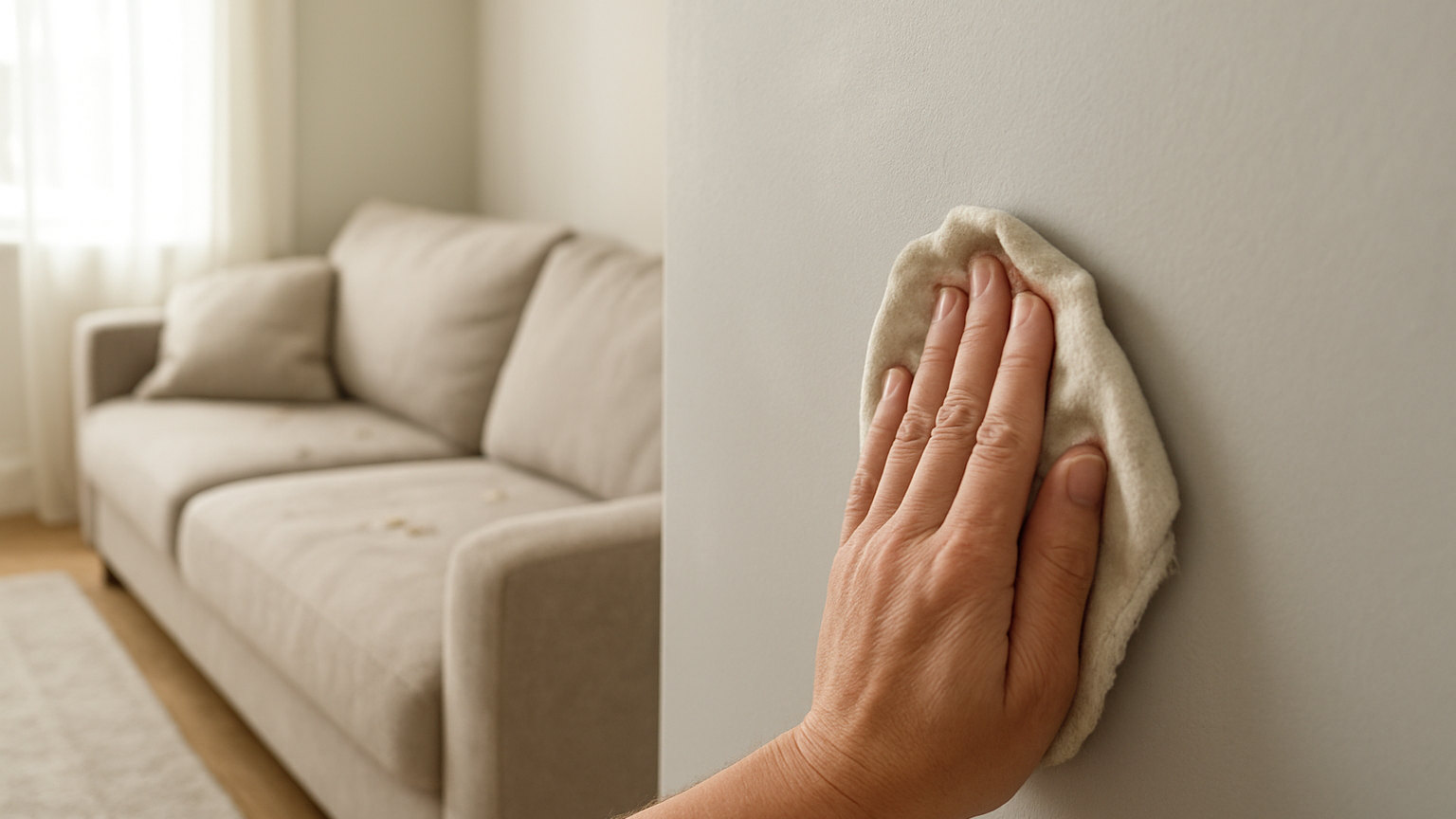
With something that traps dust rather than something that moves it. A dry microfibre cloth or a slightly damp one holds particles in the fibres. A feather duster and a dry cotton rag mostly launch dust into the air, where it settles again over the next few hours, which is why some rooms look worse an hour after being cleaned.
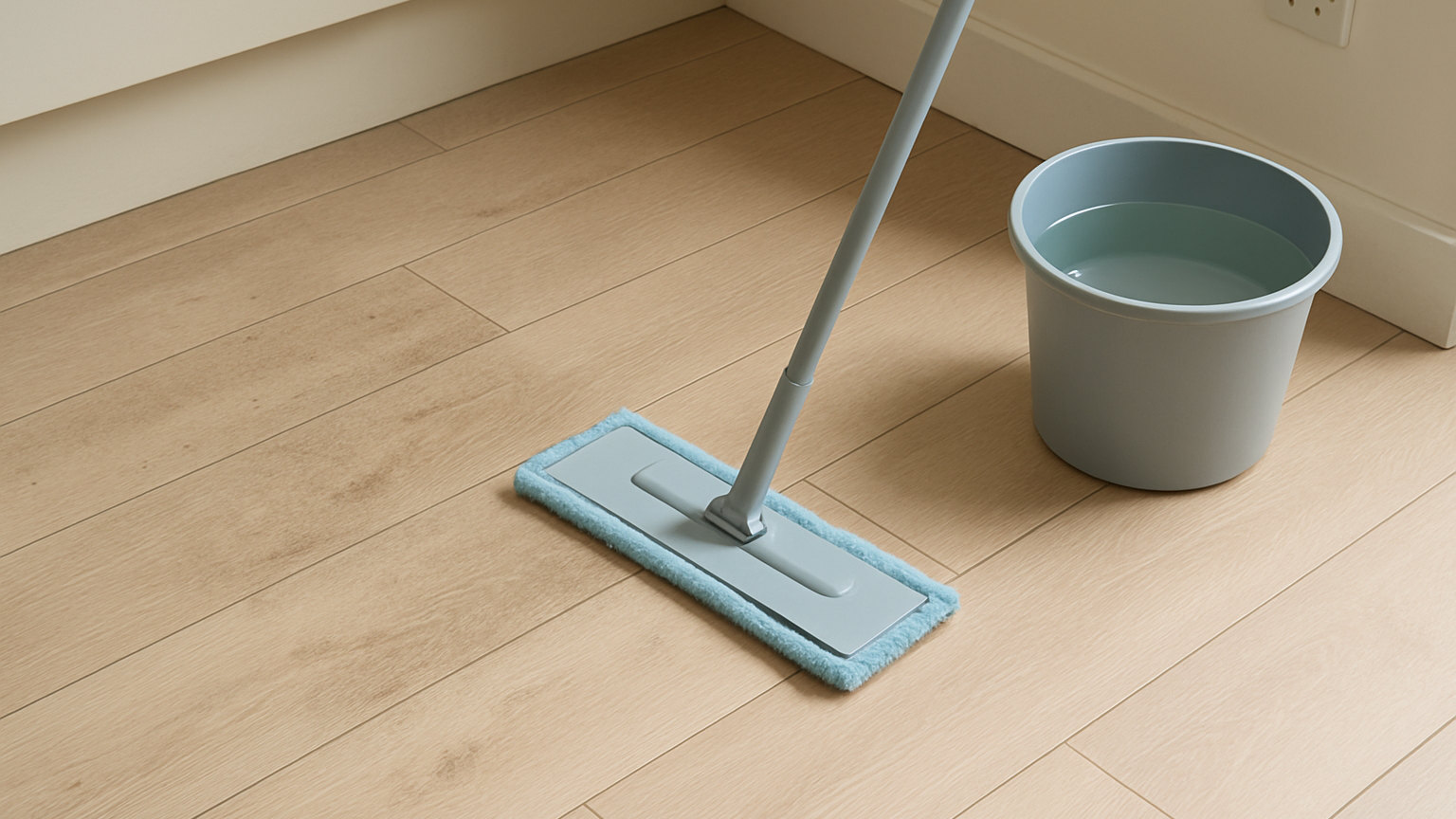
Work from the top of the room downwards, so anything dislodged falls onto a surface you have not yet done, and vacuum the floor last.
Which places get missed?
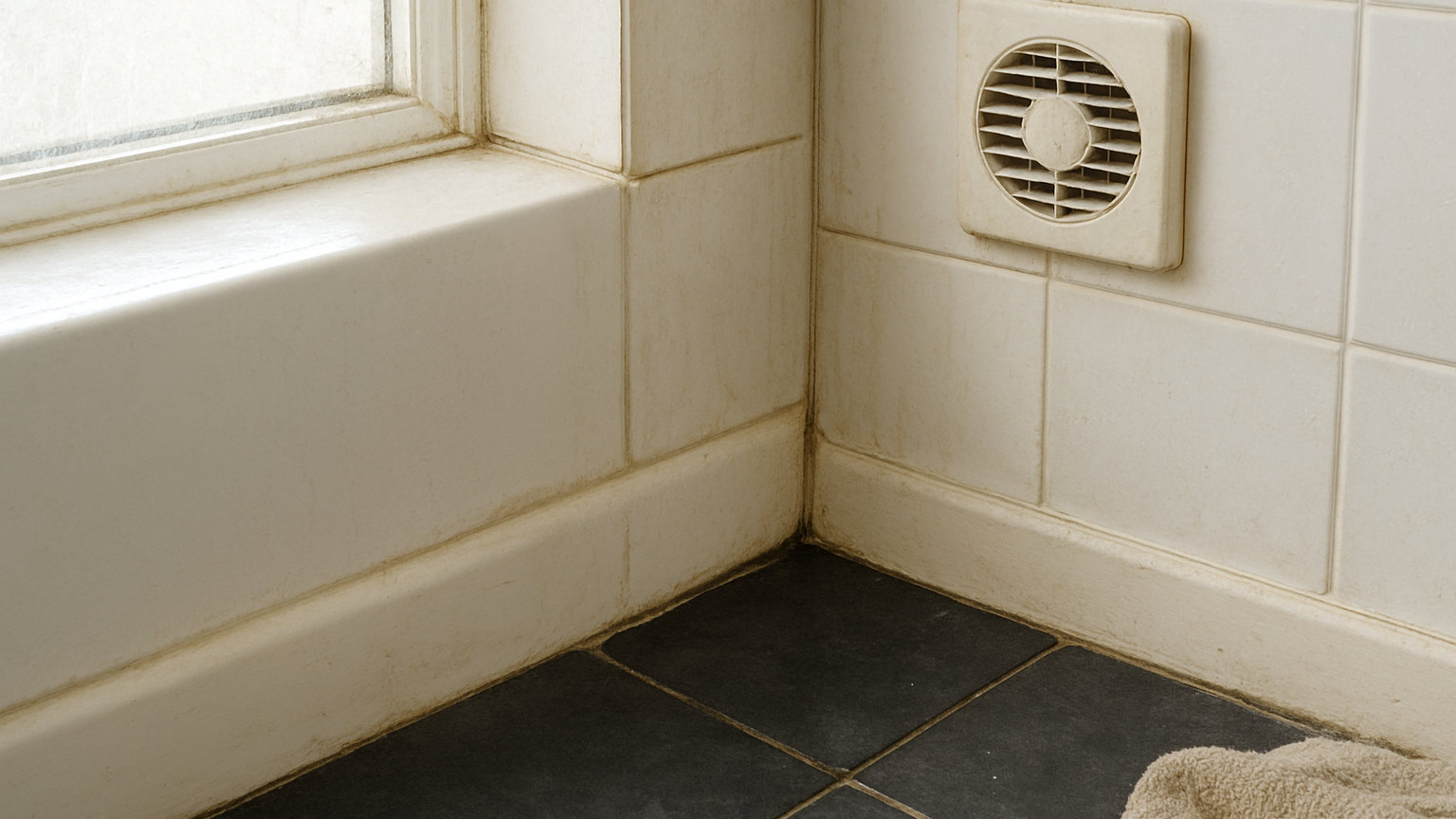
The tops of wardrobes and door frames, the headboard and the gap behind it, under the bed, the skirting boards, radiator fins and the space behind the radiator, curtain tops and pelmets, lampshades, and the back of a bedside table where cables gather. Adding these to a monthly rather than weekly list is realistic and covers most of the accumulation.
Does dusting before or after vacuuming matter?
Dust first, vacuum second. Dusting inevitably sends some particles to the floor, and vacuuming first means doing the floor twice. Allow a few minutes between the two if you can, so airborne dust has time to settle before the vacuum runs.
Do air purifiers help with dust?
They capture fine airborne particles and can make a noticeable difference to what you breathe, particularly for anyone with allergies. What they do not do is stop dust settling on surfaces, because the larger, heavier particles that make a shelf look dusty fall out of the air quickly and never reach the filter. Expect improved air rather than less dusting.
What about carpet?
Carpet is both a source and a reservoir. It sheds fibre and it holds dust that is released when walked on. A hard floor with a washable rug produces less and is far easier to keep clear, but this is only worth acting on if flooring is being changed anyway. Otherwise, vacuuming twice a week with a good machine gets most of the benefit.
Is there a point where dust becomes a health issue?
Household dust is not harmful to most people, but it carries dust mite allergens and can aggravate asthma and hay fever. Anyone whose symptoms are noticeably worse at home, and especially worse in the morning, should raise it with a GP or pharmacist rather than trying to solve it with cleaning alone.