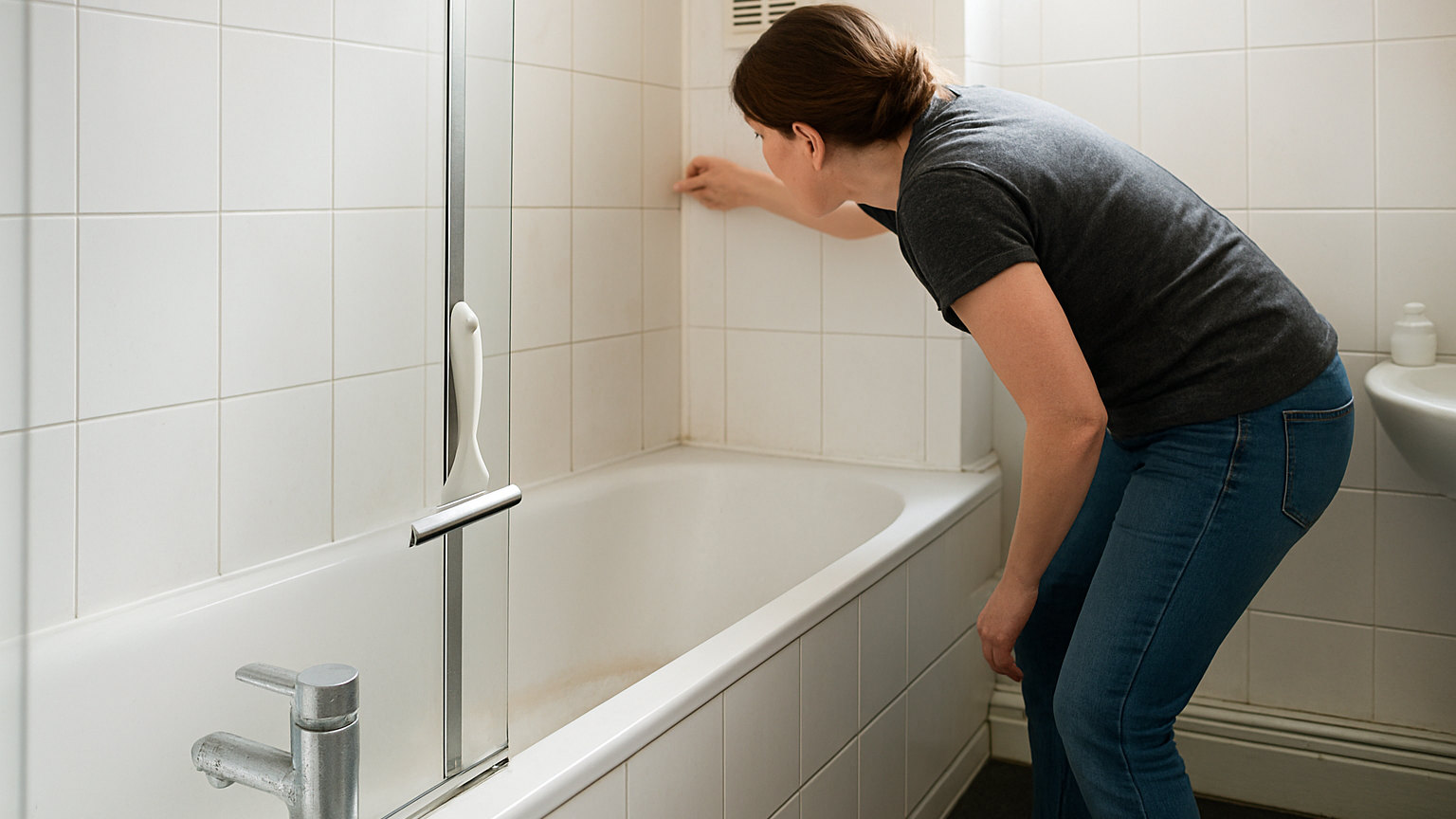
A bathroom deep clean is not a longer version of the weekly clean. It is a different list, made up almost entirely of the things a weekly clean never reaches: inside the fan, under the toilet seat hinges, behind the pedestal, the traps, the grout and the sealant. Two hours covers all of it in an average bathroom, and most of that time is spent waiting rather than scrubbing.
What should go on first and be left?
Start every slow job in the first five minutes. Tie a bag of descaler around the shower head. Put toilet cleaner under the rim and leave it. Spray limescale remover across the screen, the tiles and the taps. Put the bath mat, towels and shower curtain in the washing machine and start it. Fill the basin with hot water and drop in the toothbrush pot, soap dish and anything else small.
Then empty the room properly. Everything off every surface, the bin out, the cabinet emptied, and the window open.
How do you clean an extractor fan?
Switch it off at the isolator or at the consumer unit if there is no local switch. Most covers unclip with gentle pressure at the sides. Wash the cover in hot soapy water and let it dry fully. Vacuum the visible dust inside the housing with a brush attachment, and wipe what you can reach with a barely damp cloth, keeping water away from the motor. Refit the cover only once it is dry.
A fan clogged with dust moves a fraction of the air it is rated for, which is why bathrooms with fans still get condensation and mould.
What needs doing on the toilet that the weekly clean misses?
Take the seat off. Nearly all modern seats release with a button or a catch under the hinge, and the recesses underneath hold the grime responsible for a lot of bathroom smells. Clean the hinge fittings, the top of the pan under them and the seat itself, then dry and refit.
Also clean the base of the pan where it meets the floor, the back of the pan, the pipework behind, and the cistern lid and its underside. These are the areas where limescale, dust and splashes collect out of sight.
What about the traps and drains?
Hair in the basin and bath traps is the cause of most slow bathroom drains. Unscrew the bath or shower waste cover if it comes off, and use a drain brush or a plastic hair removal strip to pull the blockage out. Under the basin, put a bowl underneath and unscrew the bottle trap by hand, empty it, rinse it and refit it finger tight.
Follow with a kettle of hot water and a squeeze of washing up liquid down each drain. Avoid caustic drain unblockers as a routine measure; they are hard on older pipework and do nothing about a plug of hair.
How do you handle grout and sealant?
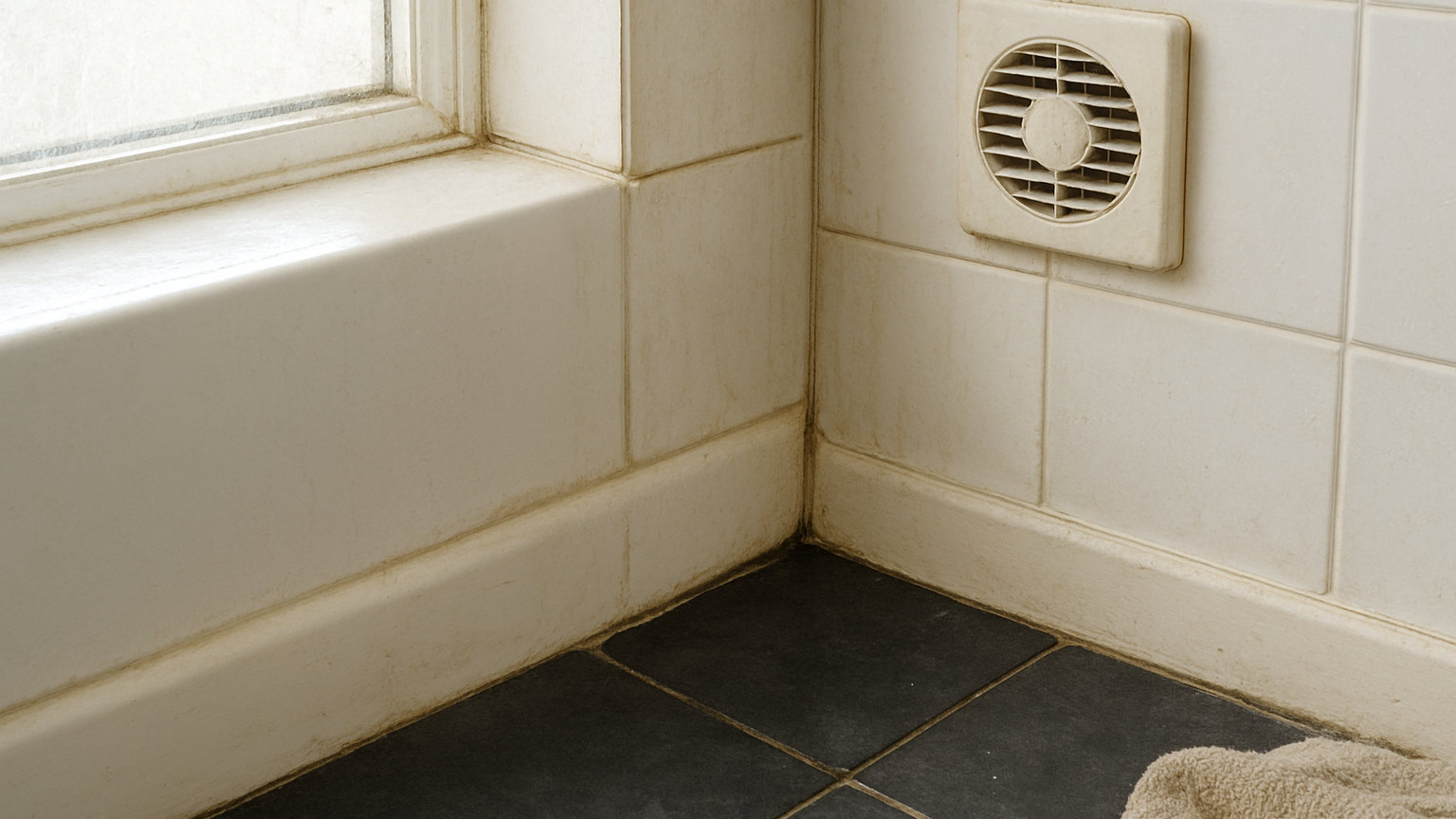
Grout responds to a paste of bicarbonate of soda and water, worked in with a stiff brush along the line rather than across it, followed by a rinse. For discoloured grout that will not lift, a proprietary grout cleaner or a diluted bleach solution works, with ventilation.
Silicone sealant is different. If mould has grown into the silicone rather than sitting on it, no cleaner will remove it permanently. Bleach on a strip of kitchen paper laid along the sealant for a few hours will lighten it. If it returns within weeks, the sealant needs cutting out and replacing, which is a straightforward afternoon job and the only real fix.
What is left at the end?
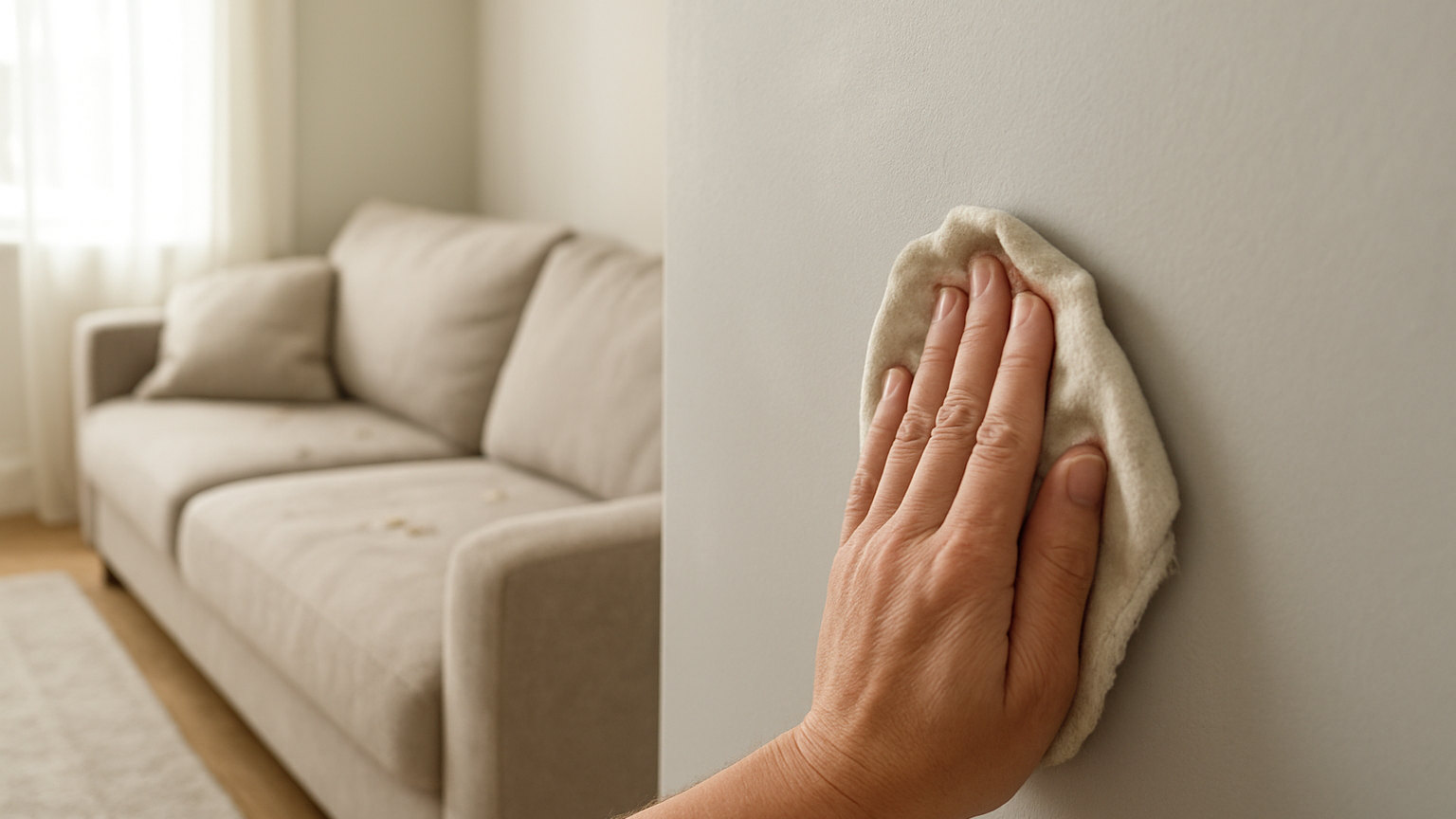
Rinse everything you treated at the start, working from the top of the enclosure downwards. Clean the mirror and any glass. Wipe the door, the handle, the light switch or pull cord, the skirting and the radiator, including behind it. Wash the bin inside and out.
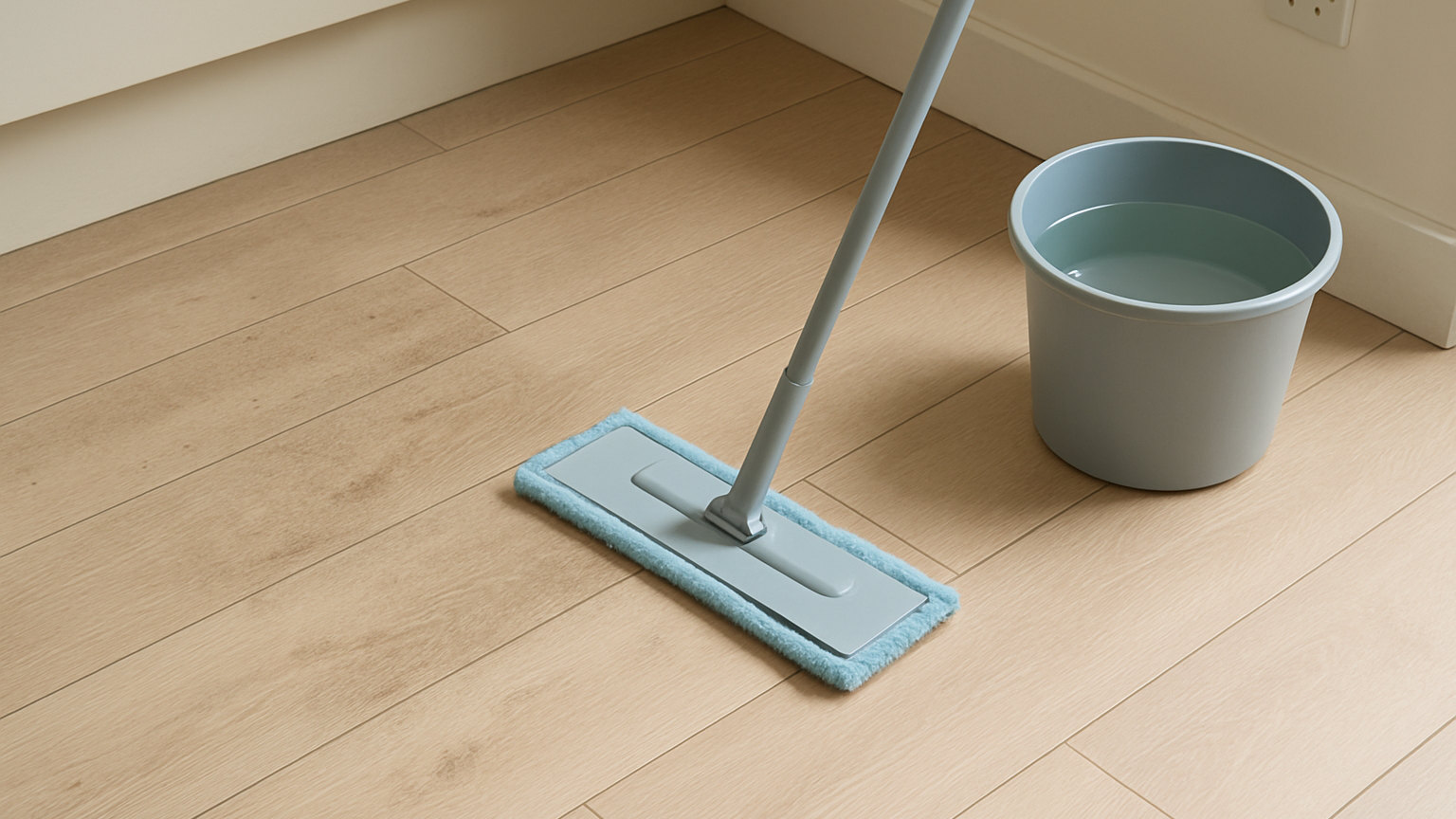
Then vacuum the floor thoroughly, including behind the toilet and along the skirting, and mop backwards to the door. Put everything back only onto dry surfaces, and take the opportunity to throw out the half empty bottles that have been at the back of the cabinet since last year.